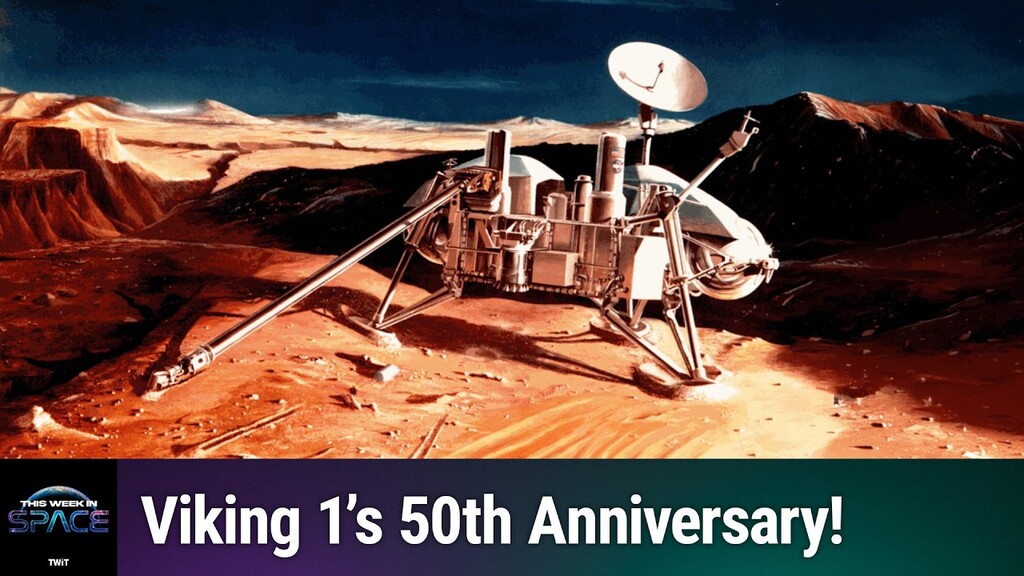
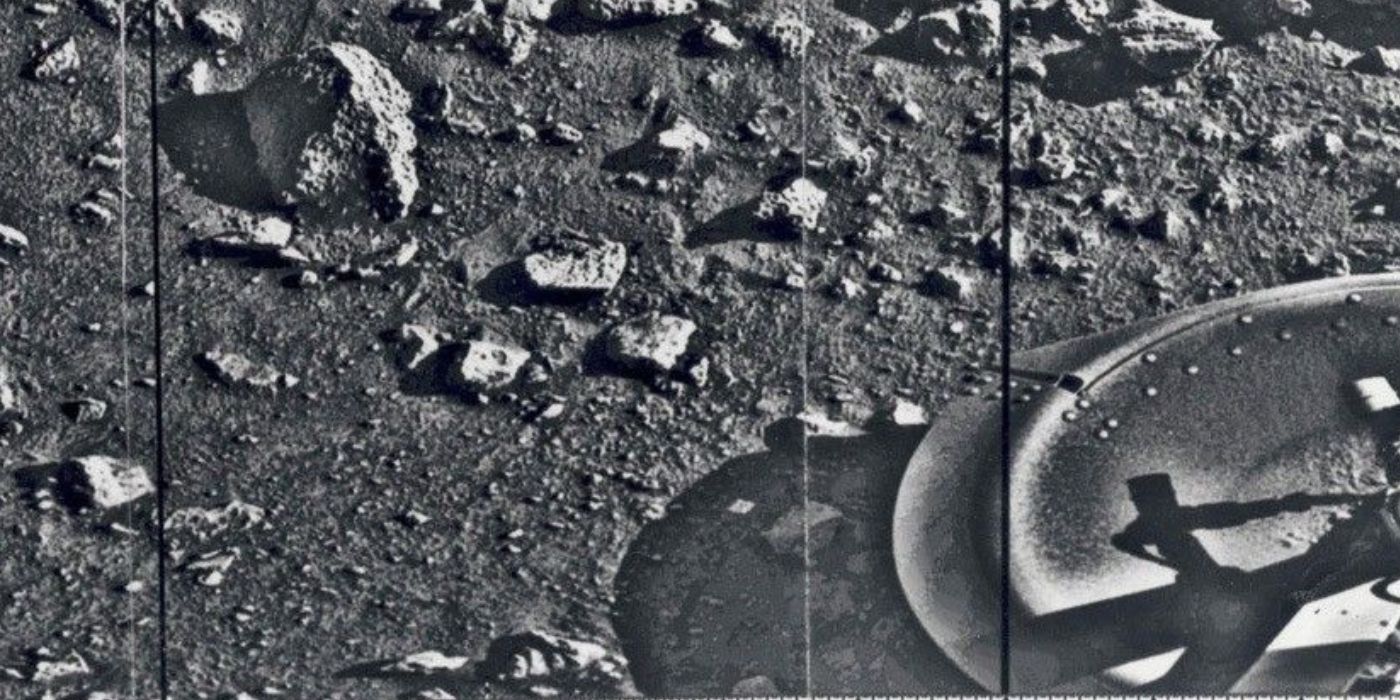
In the past decades, Mars exploration has offered repeated evidence of Mars’ habitability, and tantalizing but inconclusive hints that the Red Planet may once have hosted life. The Viking landers of the 1970s detected unusual chemical reactions in Martian soil. Spacecrafts in orbit have detected methane plumes, and rovers on the surface have now identified organic molecules. None of these findings, however, could confirm that life was ever present on Mars.
But the most intriguing evidence yet was presented this morning during a NASA press conference reporting on the analysis of a rock sample from Jezero Crater analyzed by the Perseverance rover. Data show that the sample contains organic compounds, distinctive minerals, and textures reminiscent of those formed by microbes on Earth. The discovery, published in Nature, presents plausible chemical and biological explanations for the observations, noting that both remain plausible.
What did Perseverance actually find?
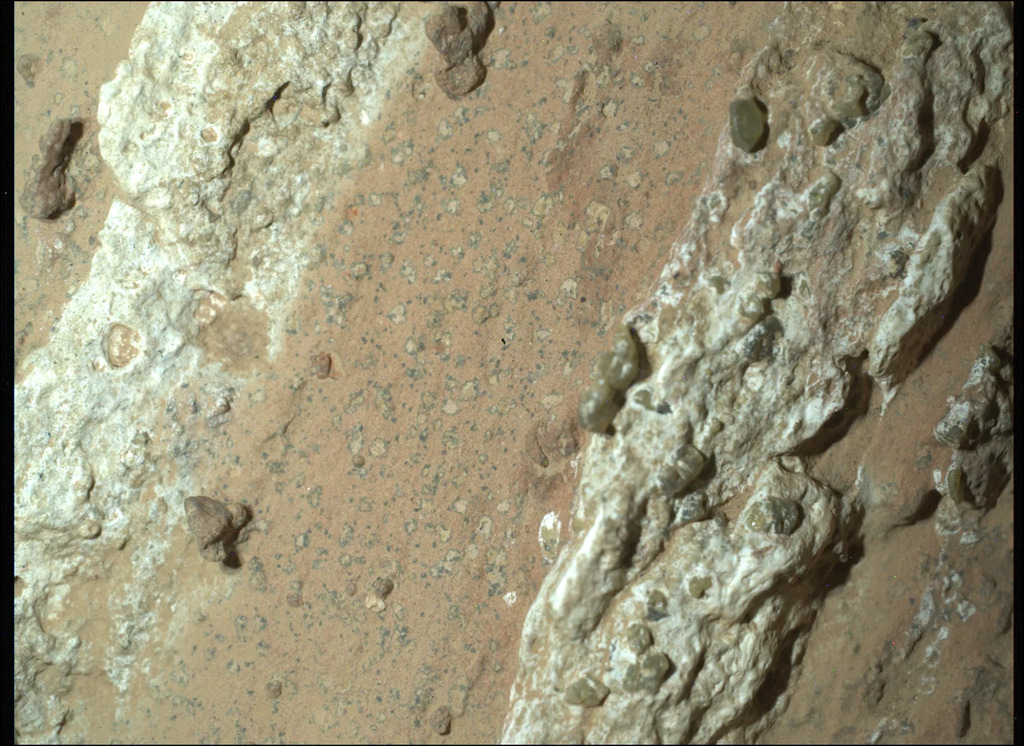
The rover drilled into a mudstone formed billions of years ago at the bottom of an ancient lake. Inside the rock, the analysis revealed organic molecules, in the form of carbon-bearing compounds, essential for life but not exclusive to it. It also found minerals such as vivianite, an iron phosphate, and greigite, an iron sulfide, which on Earth are often associated with the interaction of microbes and sediments. Perseverance also discovered nodules and speckled textures that resemble patterns linked to microbial activity. However, there too, morphology is a weak correlator, and purely environmental processes can often mimic biologic processes.
The exciting part is that on Earth, this combination of findings often signals biogeochemical activity. Microbes metabolize nutrients in mud and leave behind mineral and chemical fingerprints in the process. Discovering these signatures in a once-habitable environment provides convergent evidence that checks several boxes on the ladder of life detection.… But that’s only a few boxes and far from being a claim, which the team does not make. Because, of course, there is the flip side of the coin. They still can be the result of environmental and chemical processes. And here is why:
Organic molecules may have been delivered by asteroids and meteors or formed through geothermal processes. Minerals like vivianite and greigite can crystallize through purely geochemical reactions, without involving life. As already mentioned, rock textures that resemble microbial patterns may simply be the outcome of long-term chemical alteration.
And so, as exciting as it is, it cannot on its own resolve whether the findings are biological or abiotic, as rightfully acknowledged by Janice Bishop in her commentary, which helps frame the findings in the broader context of Martian redox chemistry.
But they still stand out because of this convergence of evidence: organic molecules, minerals that could form in the presence of microbes, textures that resemble biogenic sediments on Earth, all found in a setting proven to be habitable a long time ago inside the ancient Jezero impact crater lake. Each of the findings could be the result of chemical and environmental processes, but together, they form a compelling picture of something that requires more investigation, regardless of its origin.
But Perseverance can only do so much with her payload. A sample return mission would allow Earth laboratories to conduct isotope analyses, biomarker searches, and nanoscale imaging. Advanced in-situ experiments could help bridge the gap if sample return is delayed. And there is a lot we can also do now on Earth to help understand the possible scenarios, such as laboratory simulations with our most sensitive tools, where we can test biotic and abiotic chemistry and recreate the Martian findings.
This discovery does not prove that life ever existed on Mars – and the report does not claim it. What it does offer, however, is the most robust case so far for further investigation. Whether the data point to ancient microbes or unusual chemistry, either outcome is significant: one deepens our understanding of Mars as a geologically complex world, while the other changes our statistics on the number of worlds where life emerged in the solar system and reshapes our understanding of life in the universe.
For all of those who know how long I have been advocating for the exploration of martian impact crater lakes as potential habitats for life, enough said. You know where my heart goes here… But that’s the thing. This is science, and the origin of these observations still needs to be demonstrated. I just hope that we can assemble the necessary evidence and reach the burden of proof soon, so that one day, I can say… “I told you so…”
For more information:
)