)

Meet Our Hosts

Lauren Sgro is a Research Scientist at the SETI Institute, where she leads the Unistellar citizen science Exoplanets Program and supports LaserSETI and science communication. She earned her PhD in Physics from the University of Georgia in 2022, specializing in the study of debris disks, and is passionate about making astronomy accessible to everyone.
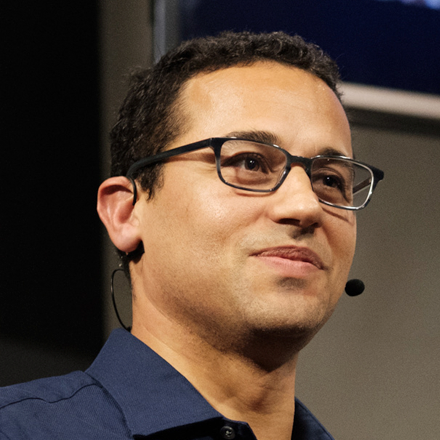
Franck Marchis is a senior planetary astronomer at the SETI Institute and Chief Scientific Officer and Founder at Unistellar. He has dedicated his work to the study of our solar system, specifically the search for asteroids with moons, using mainly ground-based telescopes equipped with adaptive optics.

Moiya McTier is an astrophysicist, folklorist, and science communicator in NYC. She loves planets, galaxy evolution, her cat named Cosmo, and old stories about space.

Simon Steel is Deputy Director of the Carl Sagan Center for Research at the SETI Institute. As an observational astrophysicist, he specialized in optical spectrophotometry, with an interest in the star formation histories of galaxies.
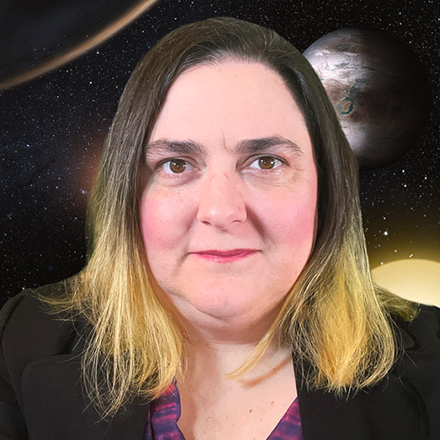
Beth Johnson is a communications specialist and social media manager at the SETI Institute with a degree in physics and master's work in planetary science. She specializes in meteor showers, icy moons, and anything with volcanoes.

Bettina Forget is an art-science researcher, educator, and visual artist who joined the SETI Artist-in-Residence program in 2016 as a Researcher in Residence and became its Director in 2020. In this capacity, she facilitates collaboration between artists and the SETI Institute’s scientists, promotes art-science research, and weaves a network of institutional partners active in art, science, and technology.
What Happened to Neptune’s Moons?
New observations from JWST suggest that some of Neptune’s small inner moons may be the remnants of much larger icy worlds that were destroyed billions of years ago.
Using JWST, researchers studied Neptune’s rings and three of its inner moons — Larissa, Galatea, and Proteus — and discovered compositions unlike anything previously seen in the outer solar system. Larissa, Galatea, and the rings contain magnesium-rich clay minerals that form in the presence of liquid water, yet show no evidence of the water ice scientists expected to find.
Where did those minerals come from?
One possibility points to a dramatic event in Neptune’s past: the capture of Triton. Neptune’s largest moon likely formed elsewhere before being captured into its unusual retrograde orbit. That gravitational upheaval may have destroyed an earlier system of large icy moons, exposing material from deep within their interiors. Some of the debris could then have come back together to form the small moons and rings we see today.
Join SETI Live host Dr. Moiya McTier and lead author Dr. M. Ryleigh Davis of UC San Diego as they explore what JWST has revealed about Neptune’s strange moon system, Triton’s potentially destructive arrival, and how the remains of ancient worlds could offer a rare glimpse inside the icy bodies of the outer solar system.
Read the paper: https://www.science.org/doi/10.1126/sciadv.aeb1437
Sep 10, 2026 | 2:30 PM – 3:00 PM
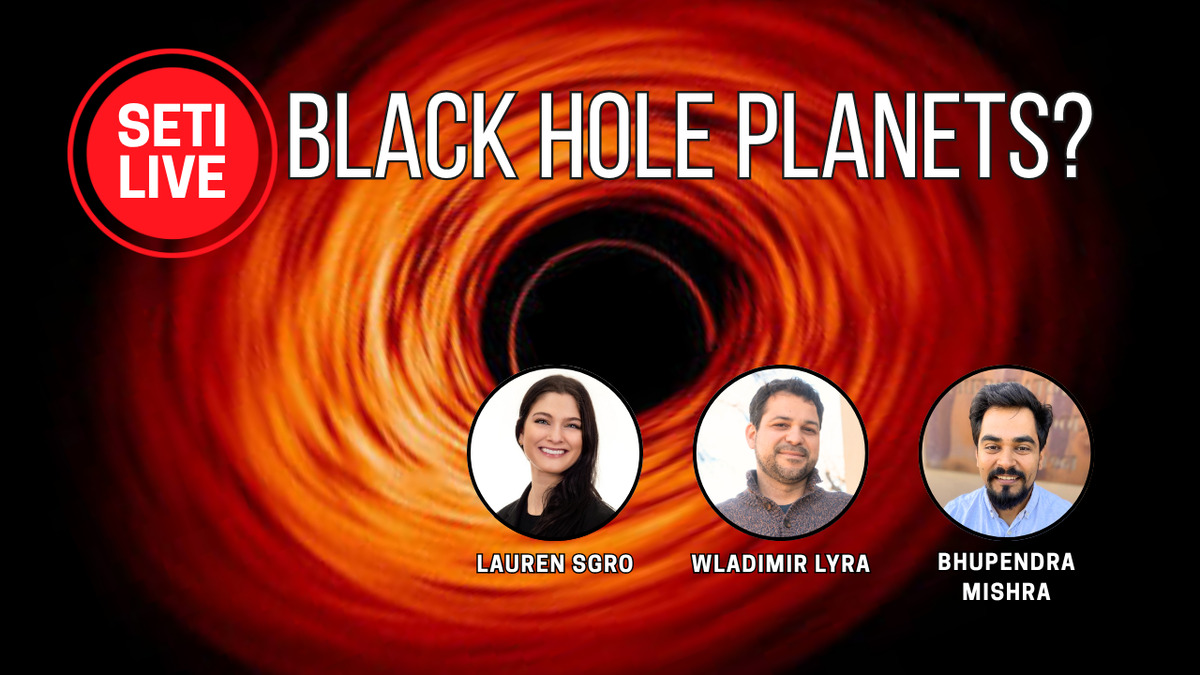
SETI Live: Can Planets Form Around Supermassive Black Holes?
#SETI Live #Lauren Sgro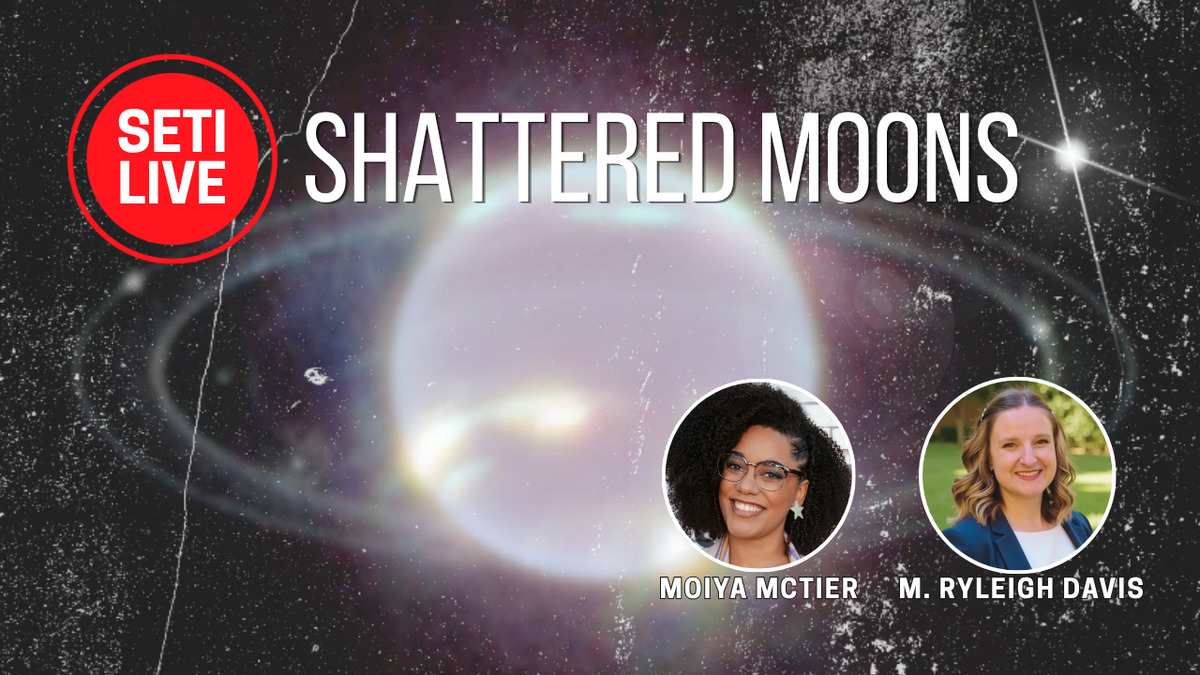
Sep 3, 2026 | 2:30 PM – 3:00 PM
SETI Live: What Happened to Neptune’s Moons?
#SETI Live #Moiya McTier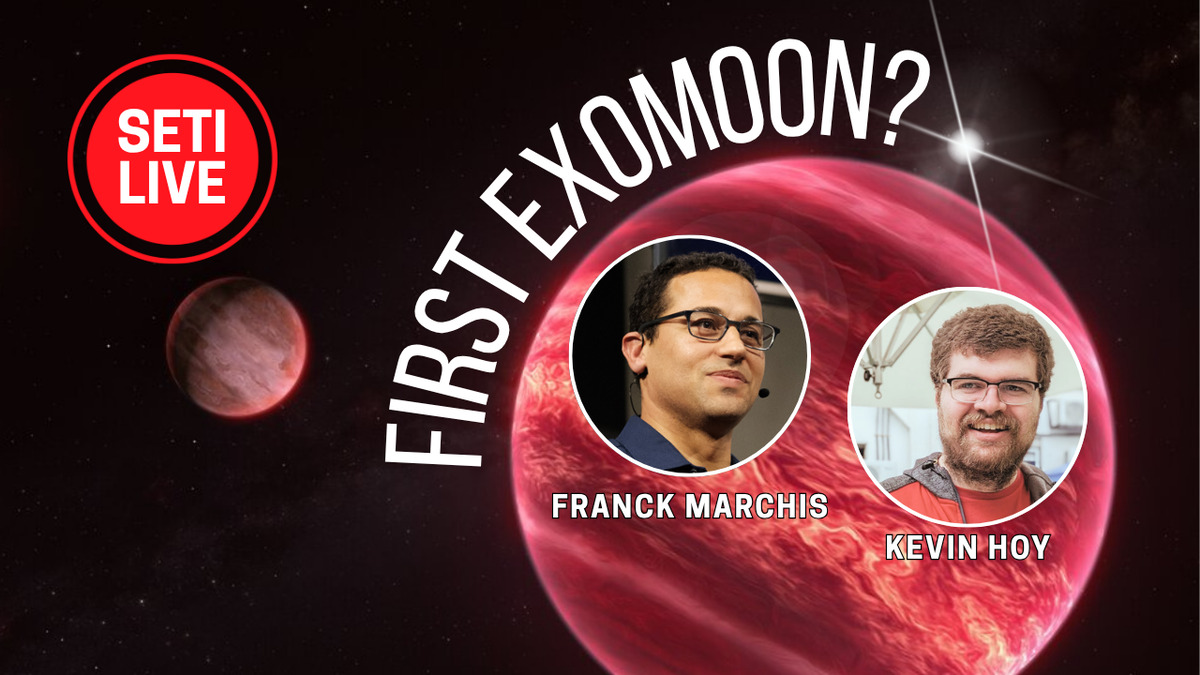
Aug 28, 2026 | 2:30 PM – 3:00 PM
SETI Live: Is This the First Exomoon?
When Planets and Moons Defy Definition #SETI Live #Franck Marchis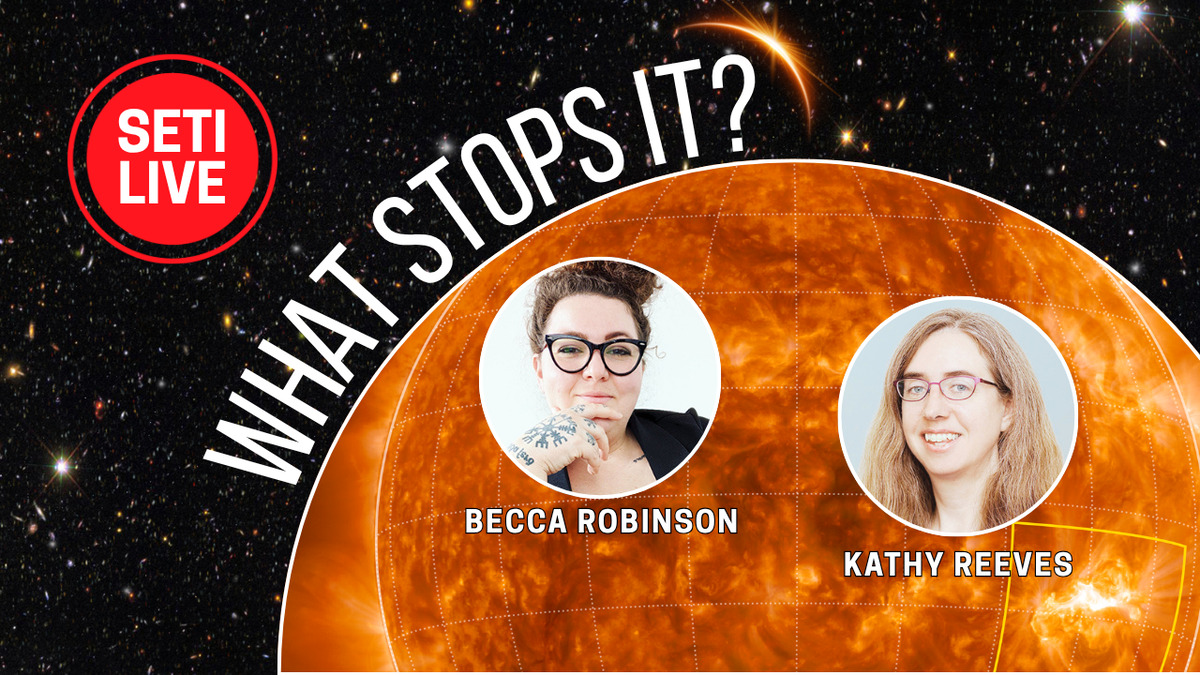
Aug 20, 2026 | 2:30 PM – 3:00 PM
SETI Live: Why Do Some Solar Eruptions Fail?
#SETI Live #Rebecca Robinson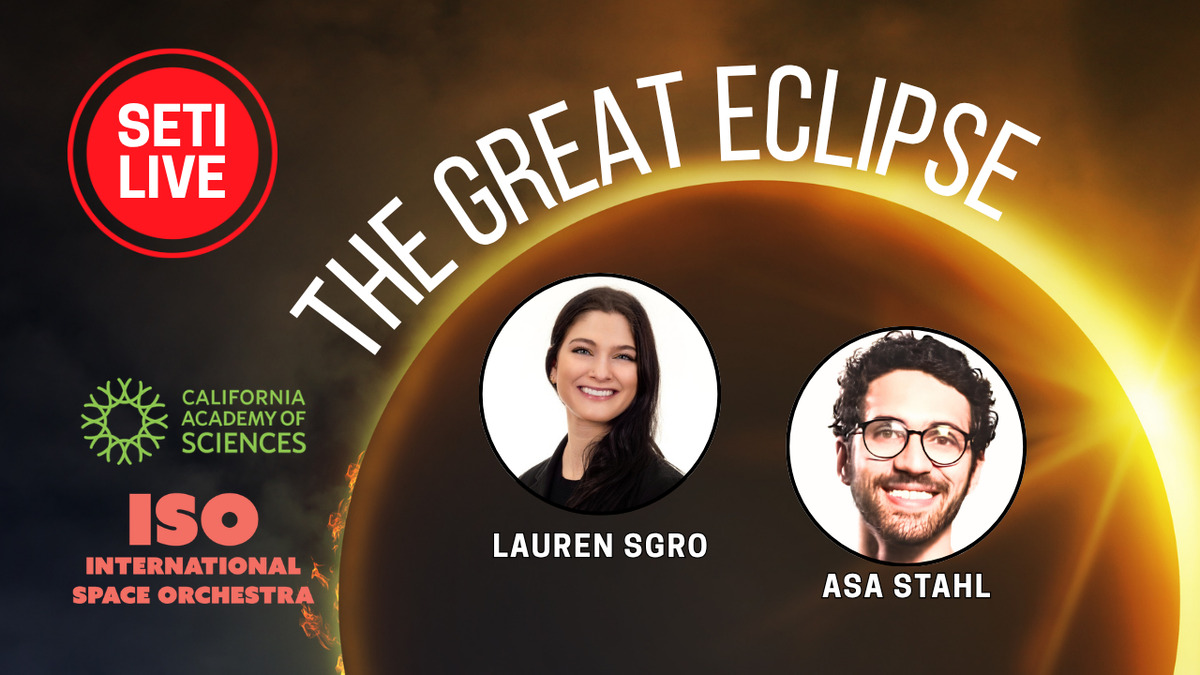
Aug 12, 2026 | 10:30 AM – 12:00 PM
SETI Live: The Great Eclipse Celebration
Science Meets Music During Totality #SETI Live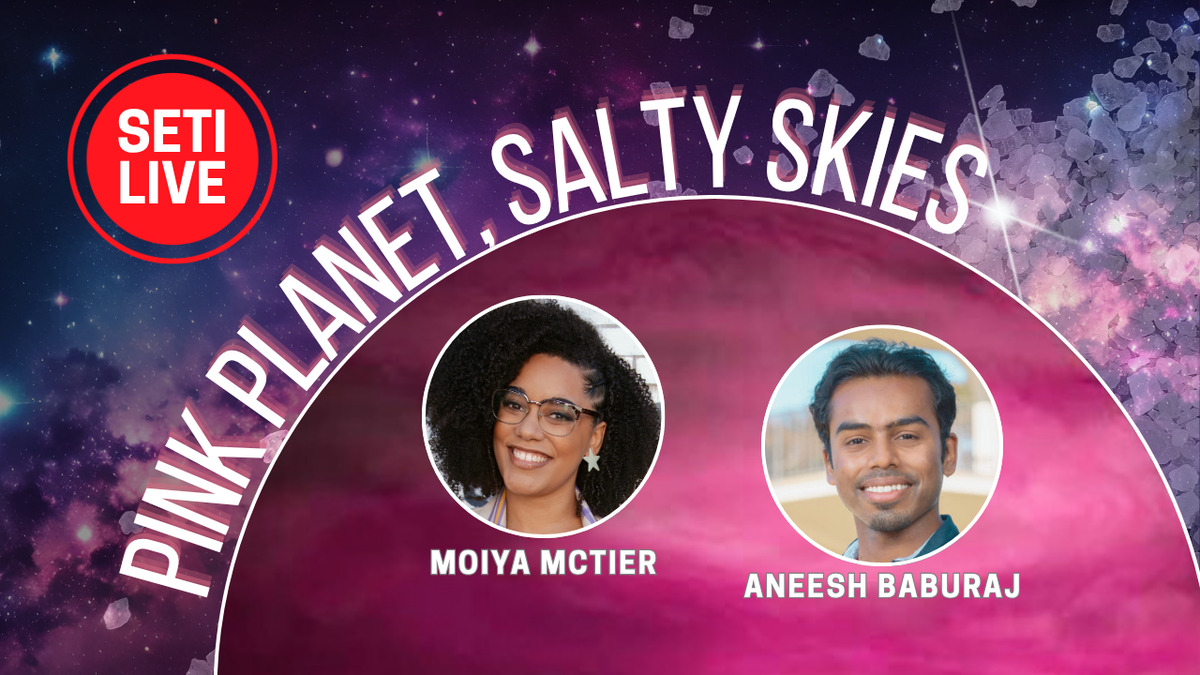
Aug 6, 2026 | 2:30 PM – 3:00 PM
SETI Live: JWST’s Salty Pink Planet Surprise
#SETI Live
Sep 10, 2026 | 2:30 PM – 3:00 PM
#SETI Live
#Lauren Sgro
Sep 3, 2026 | 2:30 PM – 3:00 PM
#SETI Live
#Moiya McTier
SETI Live: What Happened to Neptune’s Moons?
Aug 28, 2026 | 2:30 PM – 3:00 PM
SETI Live: Is This the First Exomoon?
When Planets and Moons Defy Definition
#SETI Live
#Franck Marchis
Aug 20, 2026 | 2:30 PM – 3:00 PM
#SETI Live
#Rebecca Robinson
SETI Live: Why Do Some Solar Eruptions Fail?
Aug 12, 2026 | 10:30 AM – 12:00 PM
SETI Live: The Great Eclipse Celebration
Science Meets Music During Totality
#SETI Live
Aug 6, 2026 | 2:30 PM – 3:00 PM
#SETI Live
SETI Live: JWST’s Salty Pink Planet Surprise
Founded in 1984, the SETI Institute is a non-profit, multi-disciplinary research and education organization whose mission is to lead humanity’s quest to understand the origins and prevalence of life and intelligence in the Universe and to share that knowledge with the world.
Support Us
Support the
SETI Institute
Scientists are getting closer in their search for life beyond earth. But with limited federal funding for the search for extraterrestrial intelligence, supporters are the reason cutting-edge scientists can keep their eyes on the sky.