)

At the SETI Institute, astrobiologists seek to answer some of the most fundamental science questions of humankind, such as: "Are we Alone in the Universe?" and "How did we get here?" We address these basic unknowns by studying not only the fundamentals of biotic and abiotic processes elsewhere but also by a deep search for knowledge about the workings of our planet, particularly those that serve as analogs for environments on other planets.
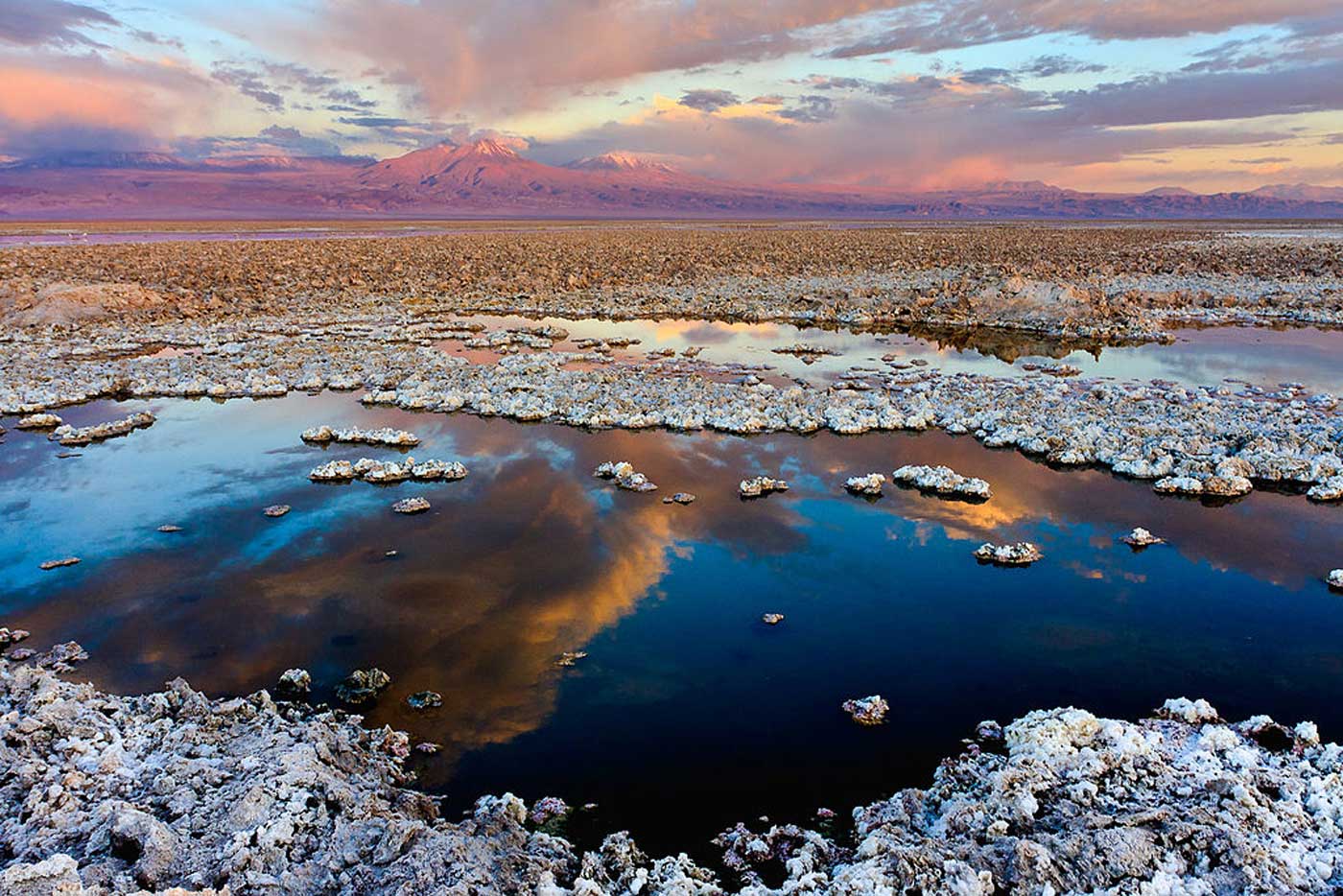
Salar de Atacama
This work encompasses exciting and challenging projects in some of the Earth's harshest places, from studying the uniquely strange and very old microbial communities (stromatolites) living under ice-covered lakes in Antarctica to the toughest microbes we know of with amazing powers of radiation and desiccation-resistance that find shelter in rocks and soils in the driest deserts on our planet. Our scientists in many of these locations collaborate with robotics engineers and AI/ML experts to design and test pioneering instruments and planetary exploration strategies for NASA and private industry to adapt and deploy on missions to the moon, Mars and the furthest reaches of our solar system someday.
Researchers
Astrobiology
Astrobiology Chair
Kimberley Warren-Rhodes
Planetary Science
Dale Andersen
Planetary Science
Janice Bishop
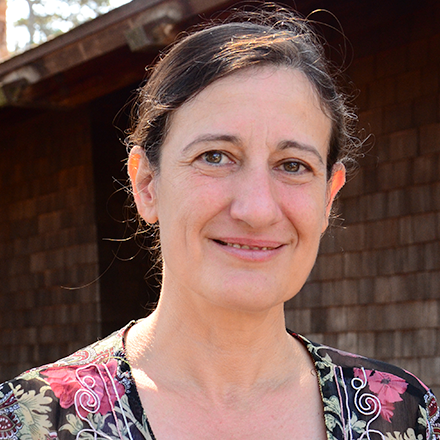
Astrobiology
Rosalba Bonaccorsi
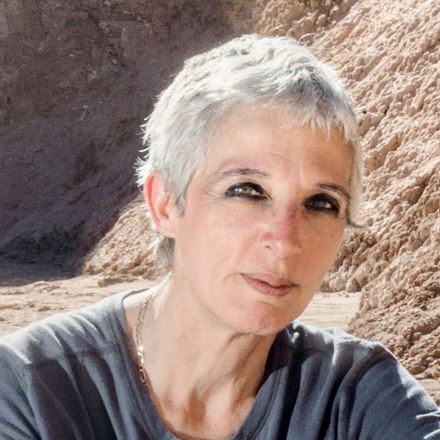
Astrobiology
Nathalie Cabrol
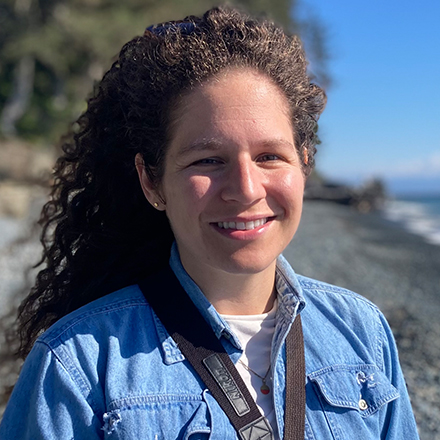
Astrobiology
Hannah Dawson
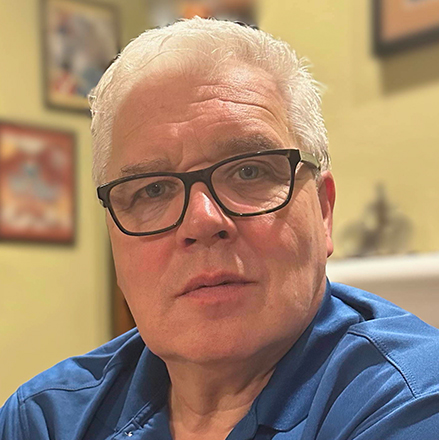
Astrobiology
Simon George
Geosciences
Virginia Gulick
Exoplanets
Andrew Lincowski
Astrobiology
Victoria Meadows
Astrobiology, Radio Astronomy, SETI
Sofia Sheikh
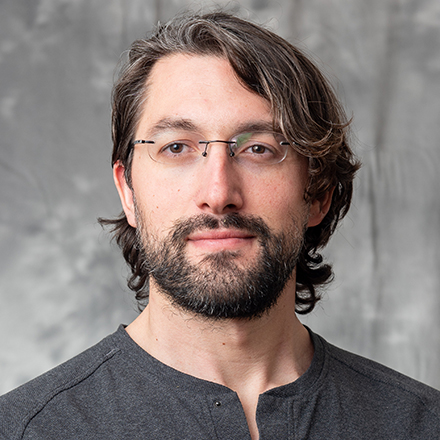
Astrobiology
Pablo Sobron
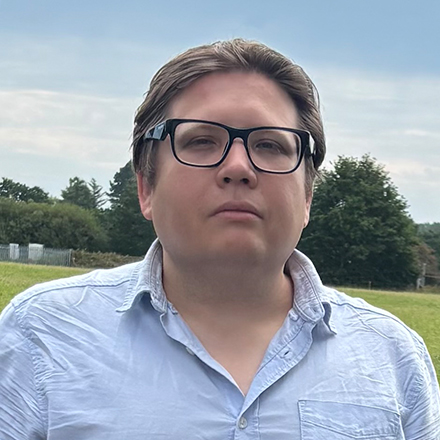
Astrobiology
Ivan Sudakow
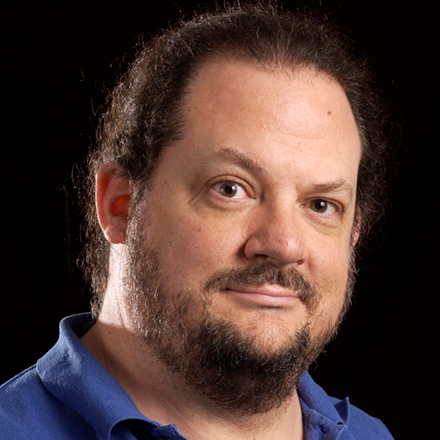
Chemistry, Spectroscopy
David Summers
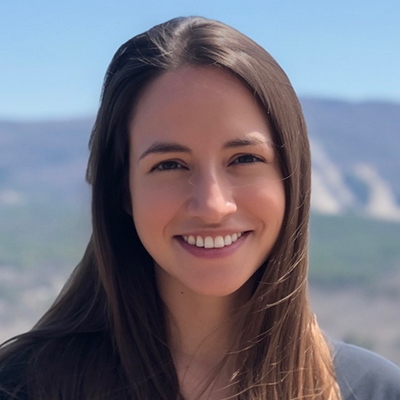
Astrobiology
Madelyne Willis
Astrobiology
Anastasia Yanchilina

Space Biology
Agata Zupanska
Astrobiology Chair
Planetary Science
Dale Andersen
Planetary Science
Janice Bishop
Astrobiology
Rosalba Bonaccorsi
Astrobiology
Nathalie Cabrol
Astrobiology
Hannah Dawson
Astrobiology
Simon George
Geosciences
Virginia Gulick
Exoplanets
Andrew Lincowski
Astrobiology
Victoria Meadows
Astrobiology, Radio Astronomy, SETI
Sofia Sheikh
Astrobiology
Pablo Sobron
Astrobiology
Ivan Sudakow
Chemistry, Spectroscopy
David Summers
Astrobiology
Madelyne Willis
Astrobiology
Anastasia Yanchilina
Space Biology
Agata Zupanska
News
Astrobiology
Sep 8, 2026
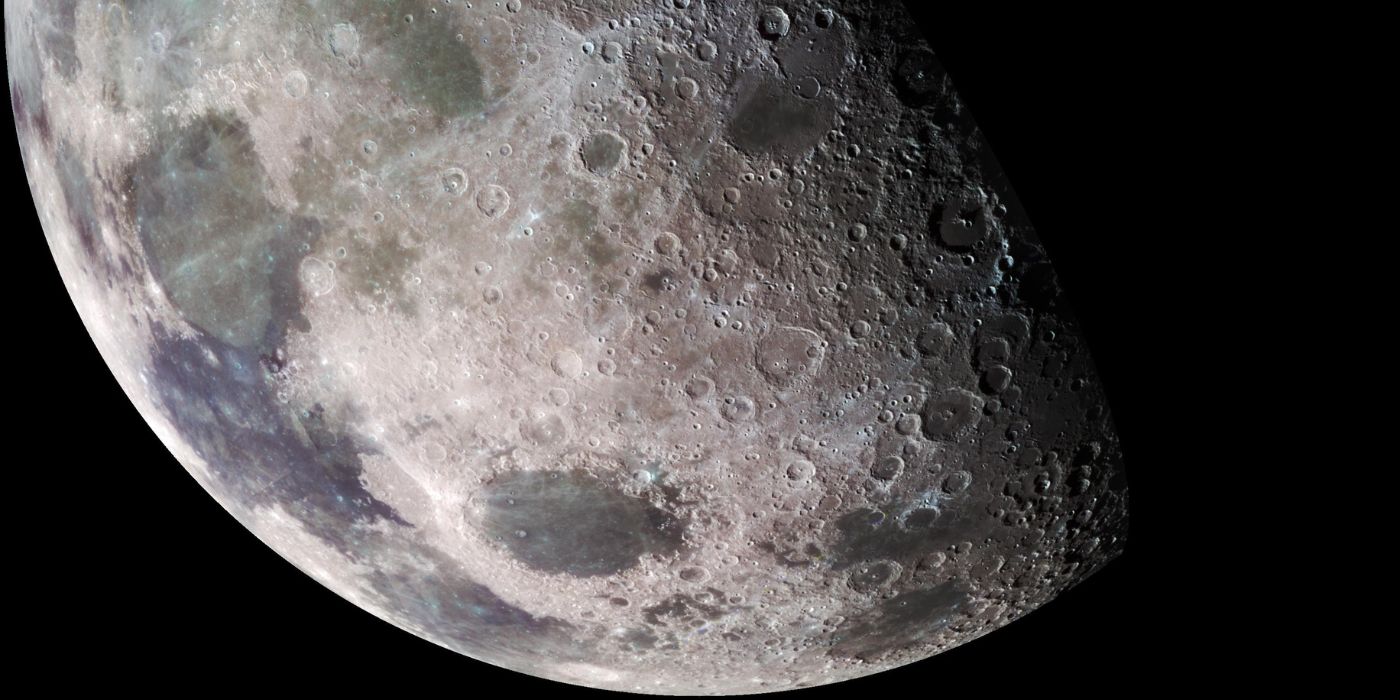
Researchers Propose Searching the Moon for Microscopic Technosignatures
New study outlines the first quantitative framework for searching lunar regolith for microscopic technosignatures. #Press Releases #Moon #Technosignatures #Lewis Pinault #Andrew Siemion #Astrobiology #SETI #Solar System #AI and Machine Learning #Bill Diamond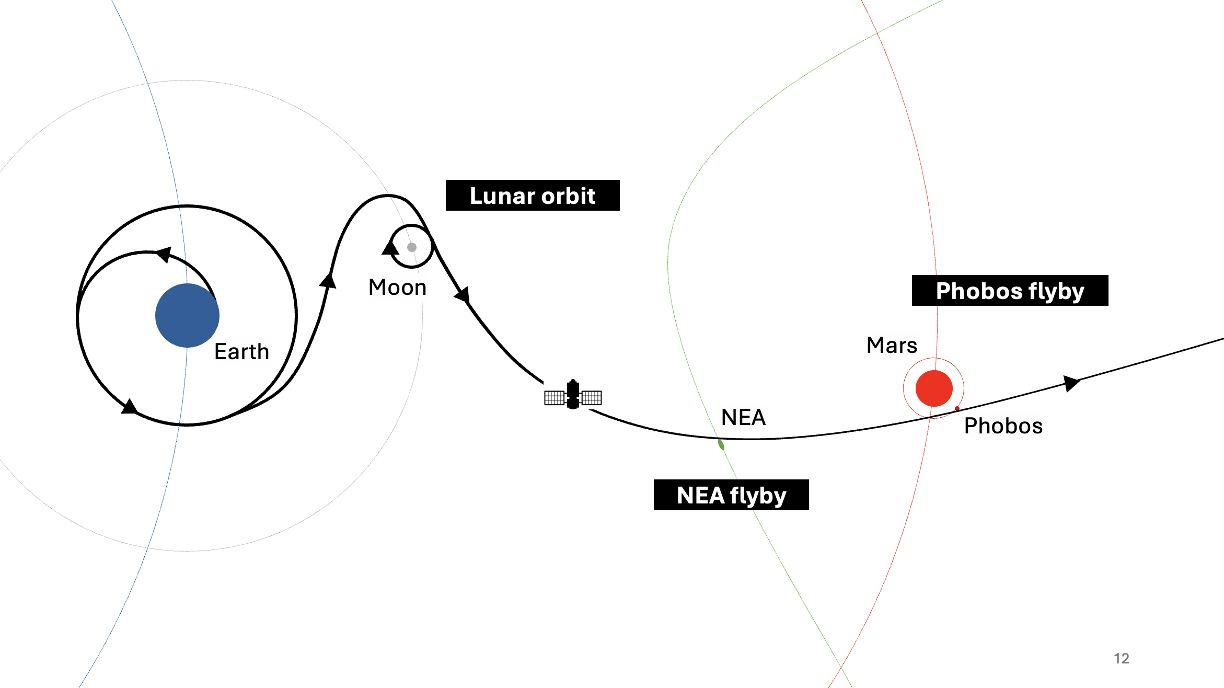
Aug 19, 2026
SETI Institute Team Looks for a New Way to Find Resources in Space
#Press Releases #Pablo Sobron #Moon #Asteroids #Planetary Exploration #Spectroscopy #Astrobiology
Aug 13, 2026
SETI Institute In the News: July Roundup 2026
#SETI Institute in the News #SETI Institute #Community #Peter Jenniskens #Lucian Walkowicz #Chelsea Haramia #Pascal Lee #Bill Diamond #Seth Shostak #Meteorites #SETI #UAPs #NASA Missions and Observatories #Discovery and Futures Lab #Mars
Sep 8, 2026
Researchers Propose Searching the Moon for Microscopic Technosignatures
New study outlines the first quantitative framework for searching lunar regolith for microscopic technosignatures.
#Press Releases
#Moon
#Technosignatures
#Lewis Pinault
#Andrew Siemion
#Astrobiology
#SETI
#Solar System
#AI and Machine Learning
#Bill Diamond
Aug 19, 2026
#Press Releases
#Pablo Sobron
#Moon
#Asteroids
#Planetary Exploration
#Spectroscopy
#Astrobiology
SETI Institute Team Looks for a New Way to Find Resources in Space
Aug 13, 2026
#SETI Institute in the News
#SETI Institute
#Community
#Peter Jenniskens
#Lucian Walkowicz
#Chelsea Haramia
#Pascal Lee
#Bill Diamond
#Seth Shostak
#Meteorites
#SETI
#UAPs
#NASA Missions and Observatories
#Discovery and Futures Lab
#Mars
SETI Institute In the News: July Roundup 2026
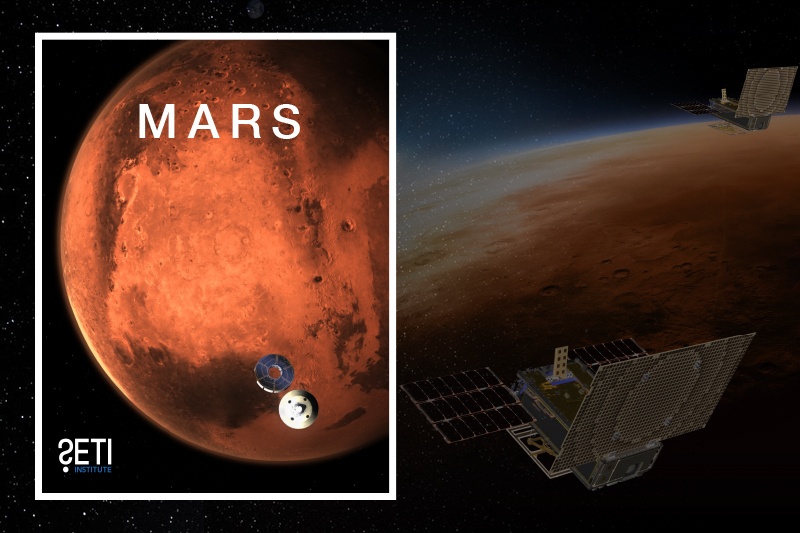
Free exclusive e-book
Enter your email address and we'll send you a link to download the SETI Institute's exclusive (and free) e-book, Mars