)

Welcome to the Virtual Planetary Laboratory!
Our team’s research is driven by a single scientific question: “How can we best assess whether an exoplanet supports life?” To answer this, the massively interdisciplinary VPL Team develops and combines knowledge, models, and measurements from many scientific disciplines, to determine how best to tell whether an exoplanet is living or lifeless.

Recent VPL publications
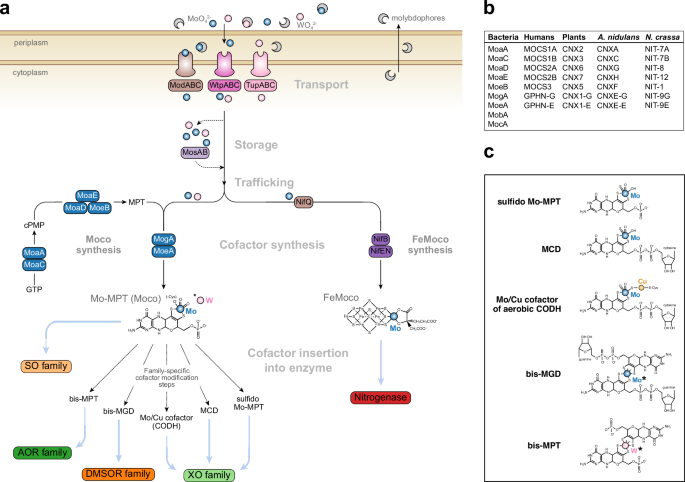
Resurrected nitrogenases recapitulate canonical N-isotope biosignatures over two billion years.
(Nature Comms, 2026)
VPL authors: Kunmanee (Mac) Bubphamanee, Roger Buick, Betül Kaçar
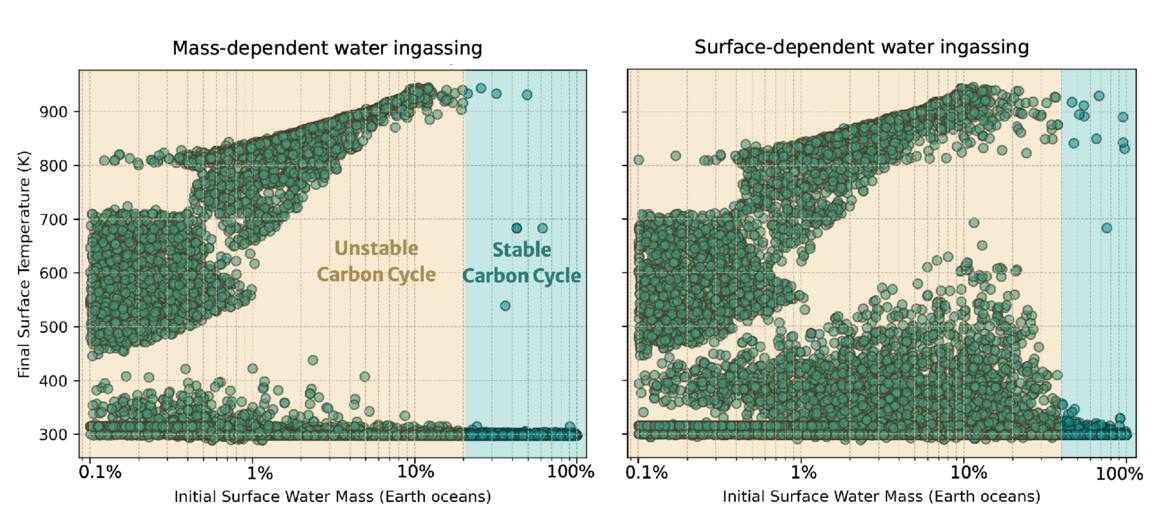
Carbon Cycle Imbalances on Arid Terrestrial Planets with Implications for Venus.
(The Planetary Science Journal, 2026)
VPL authors: Haskelle White-Gianella, Josh Krissansen-Totton
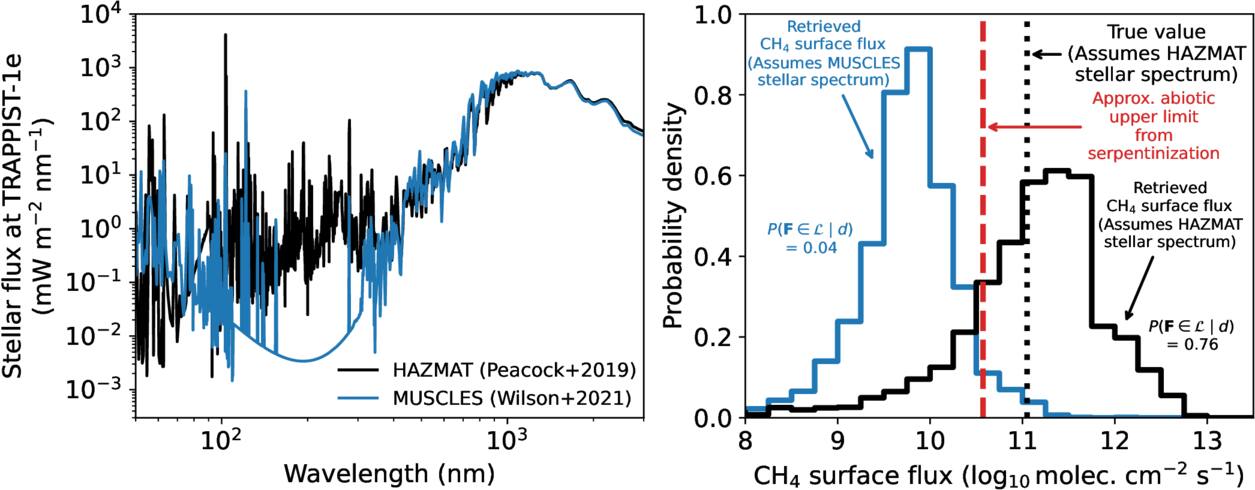
Toward Inferring the Surface Fluxes of Biosignature Gases on Rocky Exoplanets from Telescope Spectra.
(The Astrophysical Journal, 2026)
VPL authors: Nick Wogan, Natasha Batalha, Josh Kirssansen-Totton, Victoria Meadows, Evan Sneed, Edward Schwieterman
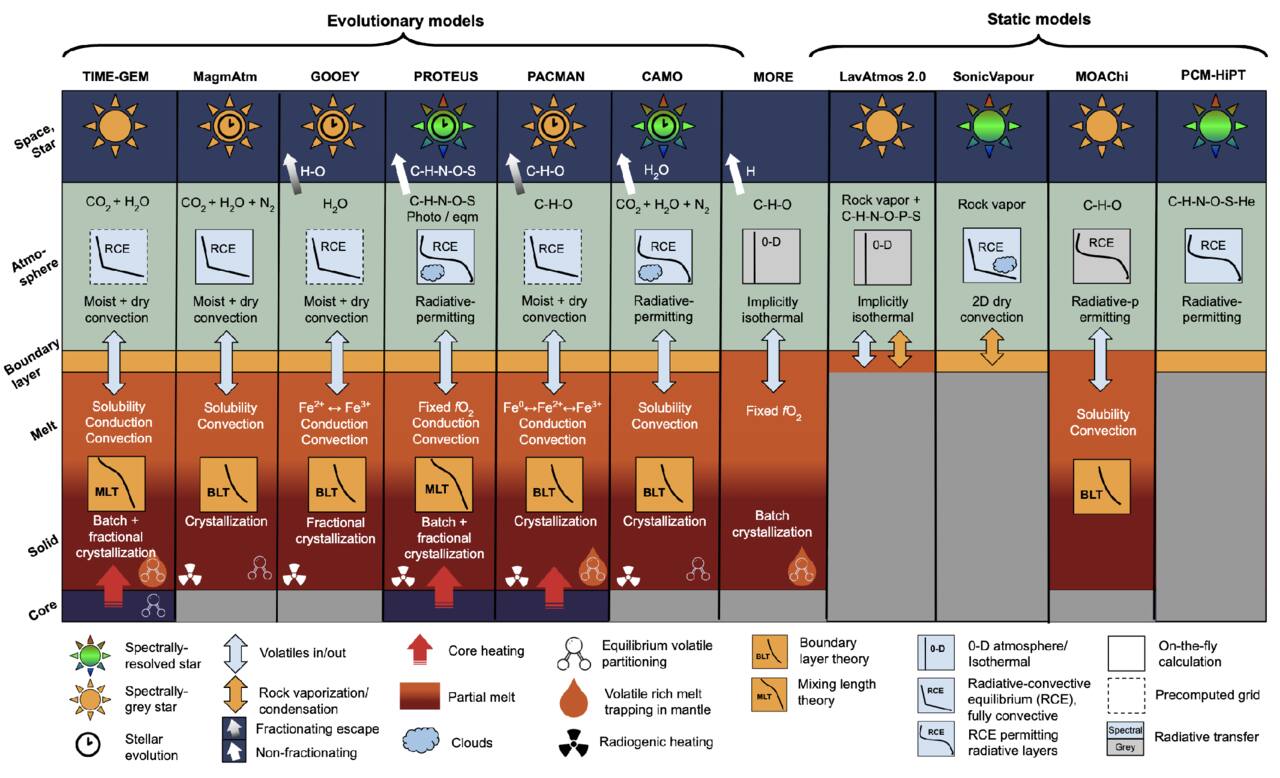
Coupled atmospHere Interior modeL Intercomparison (CHILI)—Protocol Version 1.0: A CUISINES Intercomparison Project of Magma Ocean Models.
(The Planetary Science Journal, 2026)
VPL authors: Josh Krissansen-Totton, Alexandra Papesh, Thomas Fauchez
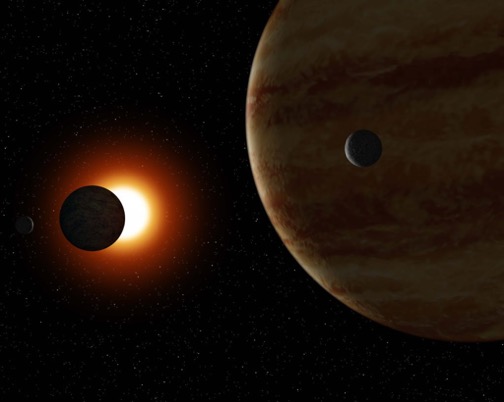
VPL has pioneered key themes in exoplanet astrobiology
The VPL team has spent over 25 years providing the scientific foundation needed to justify and prioritize large space-based telescopes to search for signs of life on exoplanets. The VPL also pioneered several key research themes that now dominate the exoplanet field, including:
- Solar System/exoplanet synergies for terrestrial planets
- the Earth through time as an analog for habitable exoplanets
- star-planet-planetary system interactions and impacts on planetary habitability, and
- the importance of measurement verification and environmental context, including ruling out planetary false positives, when interpreting claims of biosignature detection.
VPL research tasks advance exoplanet biosignature science
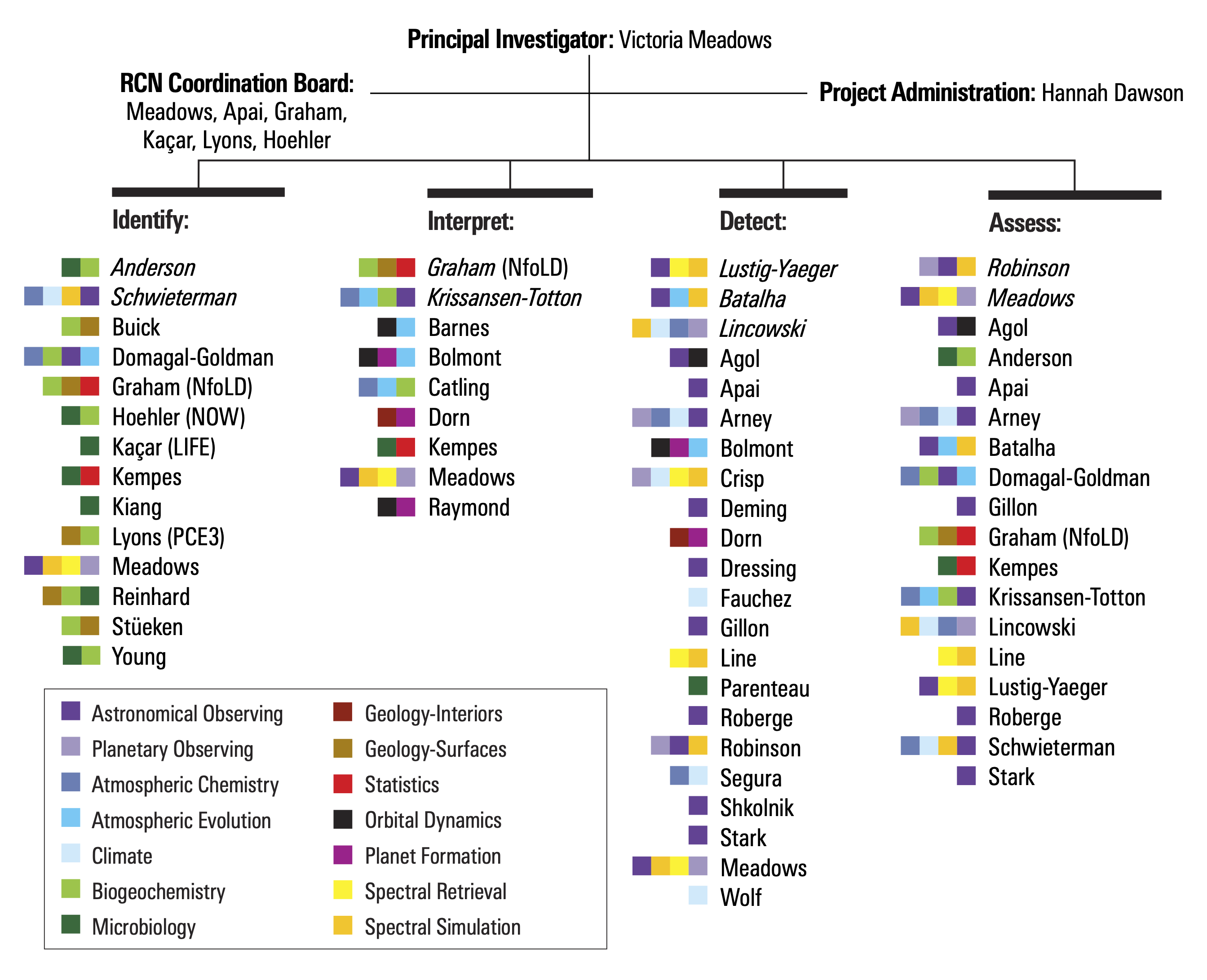
Here at the SETI Institute, VPL advances interdisciplinary biosignature science through the identify, interpret, detect and assess research tasks, which are funded under NASA's ICAR Program.
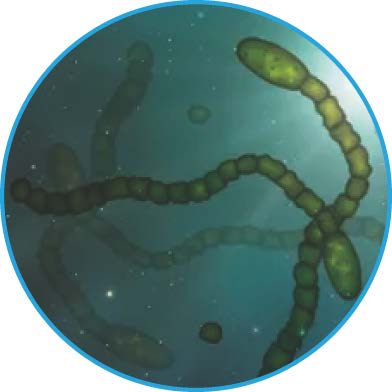
identify: identifies new potential biosignatures for exoplanets be examining processes and environments for the early Earth.
interpret: develops an improved understanding of abiotic mimics and the statistical framework needed to assess biosignature detection, and interpret biosignatures in the context of their environment.
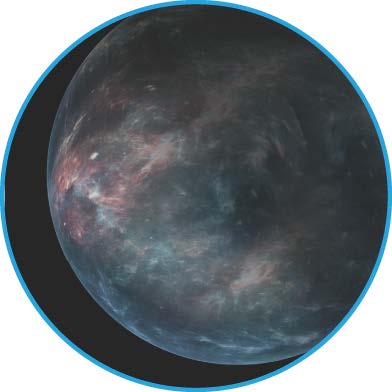
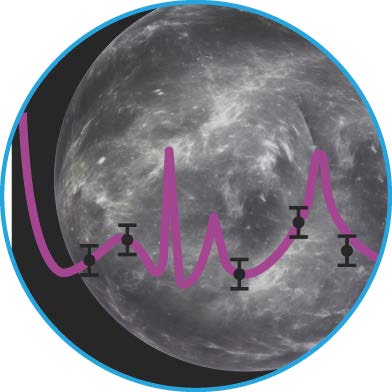
detect: determines the detectability of exoplanet biosignatures and their environmental context for multiple telescopes and undertakes biosignature assessment activities that will support and enhance the exoplanet science return from NASA’s James Webb Space Telescope (JWST) and the Habitable Worlds Observatory, a future NASA space-based direct imaging telescope.
assess: assesses the detectability of biosignatures in observed and simulated telescope data (Earth, TRAPPIST-1, the local solar neighborhood) and our ability to interpret observed biosignatures as being due to life or abiotic planetary processes, for individual or ensembles of planets.

VPL research tasks advance exoplanet biosignature science
Our research personnel contribute to the NASA Nexus for Exoplanet Systems Science Research Coordination Network, and provide both key scientific leadership for current and future NASA missions, including JWST and HWO, and upcoming ground-based Extremely Large Telescopes, while engaging the public in the excitement of NASA’s planet detection and characterization efforts.
VPL Team
Organizational chart
VPL
Leadership
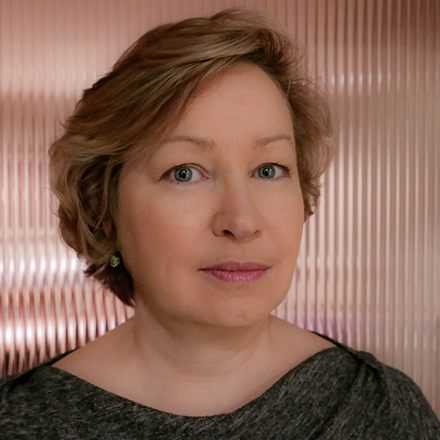
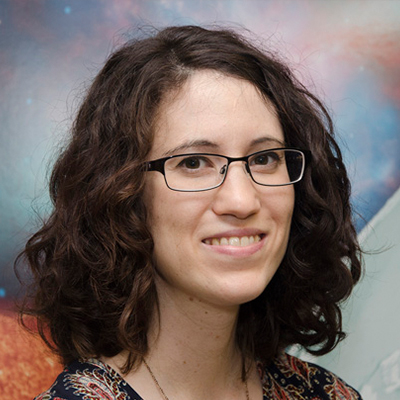
Project Primary Investigator, Assess Task Lead
Victoria Meadows
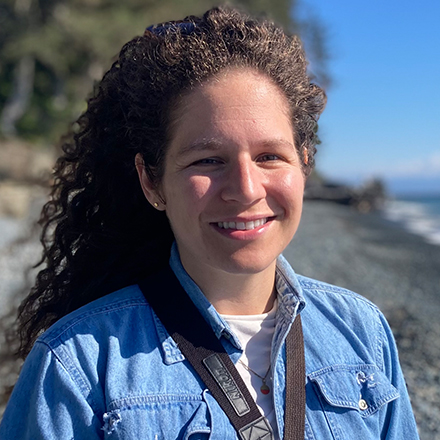
Project Administrator
Hannah Dawson



Project Primary Investigator, Assess Task Lead
Project Administrator
Hannah Dawson



Contact
For collaboration opportunities, student inquiries, or general questions about our work, we’d be glad to hear from you.
[email protected]
Opportunities
We will share openings for students, postdoctoral researchers, and collaborators as they arise. Please check back for updates.
Contact
For collaboration opportunities, student inquiries, or general questions about our work, we’d be glad to hear from you.
[email protected]
Opportunities
We will share openings for students, postdoctoral researchers, and collaborators as they arise. Please check back for updates.