








Thursday, Aug 13, 2026

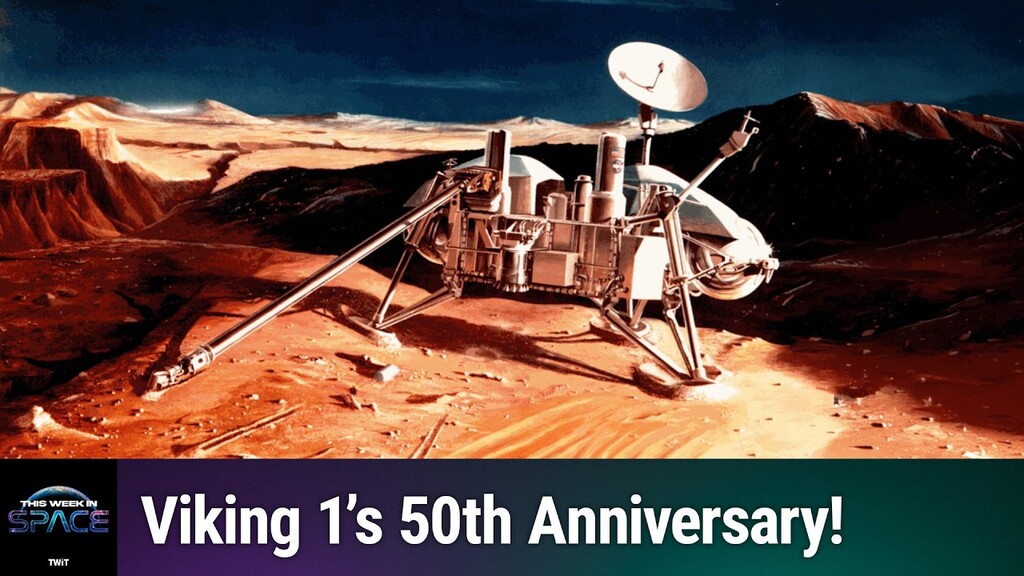
The Viking Mars landings 50 years later. Credit: Space.com

At A Glance

  • Meteorite That Crashed Into New Jersey Home Contains "Alien World Chemistry," Scientists Say: SETI Institute meteor astronomer Peter Jenniskens was the lead author of an international study of a rare meteorite that crashed through a New Jersey home in 2024, revealing evidence of ancient salty fluids and organic compounds that offer new clues to prebiotic chemistry.
  • What Will Our Reaction Be When We Discover Aliens?: Lucian Walkowicz and Chelsea Haramia, co-directors of the SETI Institute’s Discovery and Futures Lab, discussed how humanity might respond to a confirmed discovery of extraterrestrial intelligence and why scientists must prepare for many possible forms of discovery.
  • This Week In Space Live: The Viking Mars Landings 50 Years Later: Pascal Lee joined a special This Week In Space episode marking the 50th anniversary of NASA’s Viking landings, reflecting on the missions’ pioneering search for life on Mars and what their ambiguous results continue to teach scientists.
  • Could Humans Someday Explore Saturn's Moon Titan, Or Will Humanoid Robots Do It For Us?: Pascal Lee explored whether future exploration of Titan may be led by humans or increasingly capable AI-powered humanoid robots, highlighting the technological challenges of reaching Saturn’s largest moon.
  • The 2026 International Space Development Conference Sets Records: SETI Institute CEO and President Bill Diamond joined NASA leaders, astronauts, scientists, entrepreneurs, and space advocates at the 2026 International Space Development Conference, which brought together more than 1,000 participants to discuss the future of space development.
  • The Bay Area UFO Files: Trump Disclosures Could Fuel More Reports Of Aliens:  Bill Diamond offered a scientific perspective on UFO and UAP reports, emphasizing the distinction between the human fascination with extraterrestrial visitation and the lack of scientific evidence that alien spacecraft have visited Earth.
  • Spielberg’s Disclosure Day Is Making Some Wonder: Will We Have Real Disclosure Soon?: SETI Institute astronomer Seth Shostak examined the idea of a real-world "disclosure day," explaining why a confirmed extraterrestrial signal would require independent verification and careful scientific investigation rather than a dramatic government announcement.

Throughout July 2026, SETI Institute scientists, leaders, and collaborators contributed to conversations spanning the origins of life, the search for extraterrestrial intelligence, Mars exploration, the future of human spaceflight, artificial intelligence, and the scientific process surrounding potential evidence of life beyond Earth.

The month brought particular attention to the connections between planetary science, astrobiology, and the search for life beyond Earth. A meteorite that crashed through a New Jersey home in 2024 was found to contain evidence of ancient briny chemistry and organic compounds, providing researchers with an unusually well-preserved glimpse into the chemical environment of a primitive asteroid.

At the same time, SETI researchers continued to explore a different question: not simply whether life exists elsewhere, but how humanity should recognize, interpret, and respond to evidence of it.

July also marked 50 years since NASA’s Viking 1 lander reached Mars. SETI Institute planetary scientist Pascal Lee joined discussions about the mission's legacy and the continuing search for life on Mars, while also looking ahead to the possibility of exploring Titan with humans, robots, or a combination of both.

Together, these stories highlight the importance of scientific rigor, interdisciplinary research, and careful interpretation as humanity continues to investigate its place in the Universe.

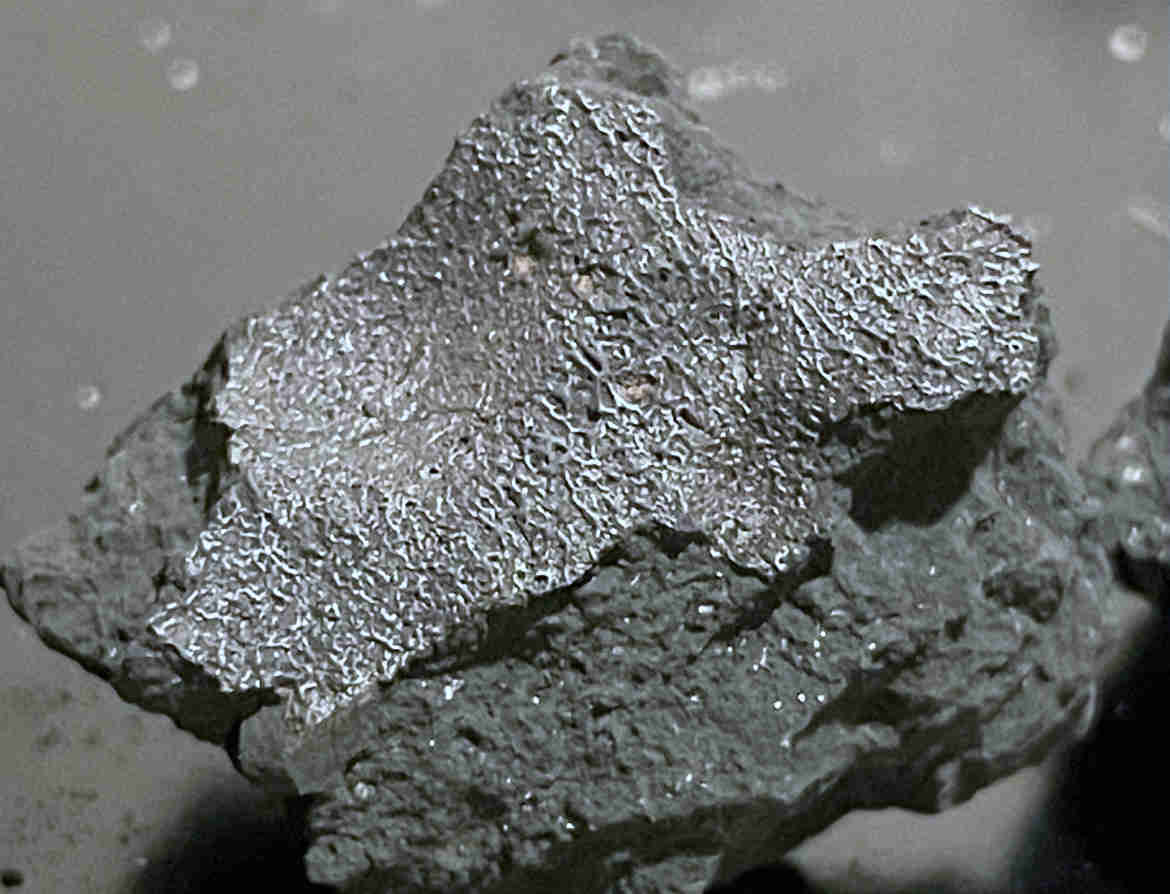
A fragment of the Hillsborough meteorite, broken on impact. Credit: Peter Jenniskens, SETI Institute

Meteorite That Crashed Into New Jersey Home Contains "Alien World Chemistry," Scientists Say

A meteorite that crashed through the roof of a home in Hillsborough, New Jersey, in July 2024 has provided scientists with an unusually detailed look at the chemistry of a primitive asteroid.

SETI Institute meteor astronomer Dr. Peter Jenniskens was the lead author of an international study of a rare meteorite that crashed through a New Jersey home in 2024, revealing evidence of ancient salty fluids and organic compounds that offer new clues to prebiotic chemistry.

Dr. Jenniskens and his team studied fragments recovered immediately after the meteorite struck the house. The research, published in Science Advances, identified the meteorite as a rare CM1/2 carbonaceous chondrite, only the second observed fall of this type.

This finding is significant because briny environments can facilitate chemical reactions and help keep compounds such as phosphate in solution. The meteorite also contained soluble organic compounds, organometallic compounds, and amino acids, offering a window into the complex chemistry that existed in the early Solar System.

Read the full article by CBS News: Meteorite That Crashed Into New Jersey Home Contains "Alien World Chemistry," Scientists Say

SETI Institute launches the Discovery and Futures Lab, a new interdisciplinary research initiative.
Image Credit: SETI Institute

What Will Our Reaction Be When We Discover Aliens?

What would happen if humanity actually discovered extraterrestrial intelligence? The question is often explored through science fiction, but SETI Institute researchers are approaching it as a serious scientific and societal question.

In a July episode of Science Friday, astronomer Lucian Walkowicz and philosopher-ethicist Chelsea Haramia discussed their work as co-directors of the SETI Institute’s Discovery and Futures Lab. The lab examines how people might respond to different forms of evidence for life or intelligence beyond Earth and how society can prepare for such discoveries.

The researchers emphasized that a discovery does not necessarily mean extraterrestrials arriving on Earth. Evidence could take many forms, including a chemical signature in the atmosphere of a distant planet, a radio signal, or a laser pulse. Each scenario would present different challenges for verification and public understanding.

Read the full Science Friday segment: What Will Our Reaction Be When We Discover Aliens?

The Viking Mars landings 50 years later. Credit: Space.com

This Week In Space Live: The Viking Mars Landings 50 Years Later

July 2026 marked 50 years since NASA’s Viking 1 lander touched down on Mars on July 20, 1976, beginning one of the most ambitious searches for life ever conducted on another planet.

To commemorate the anniversary, Space.com hosted a special live episode of This Week In Space, featuring SETI Institute planetary scientist Pascal Lee alongside astrobiologist Penny Boston.

Lee and Boston discussed where scientists might have the best chance of finding evidence of ancient or extant life, including the possibility that Martian caves and subsurface environments could offer better-preserved habitats than the planet’s exposed surface.

Read the full Space.com article: This Week In Space Live: The Viking Mars Landings 50 Years Later

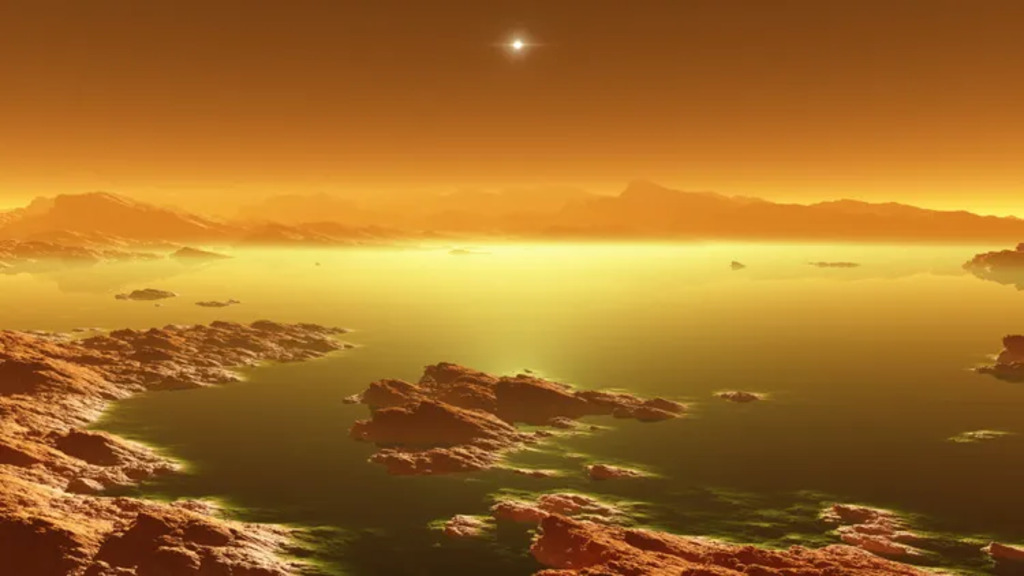
An illustration of the surface of Titan. (Image credit: Pitris/Getty Images)

Could Humans Someday Explore Saturn's Moon Titan, Or Will Humanoid Robots Do It For Us?

As attention turns toward destinations beyond the Moon and Mars, Saturn’s largest moon Titan presents a particularly compelling and challenging possibility for future exploration.

At the Humans to Titan Summit in Boulder, Colorado, SETI Institute planetary scientist Pascal Lee discussed whether humans will ultimately explore Titan themselves or whether increasingly capable AI-powered humanoid robots could reach the moon first.

Titan presents a particularly distinctive environment for future human exploration. It has a thick atmosphere, weather systems, rivers, lakes, and seas made of liquid hydrocarbons such as methane and ethane. A human expedition would require enormous technological investment and could remain decades away.

Rather than viewing robots and humans as competing approaches, Lee also described a future in which autonomous systems could establish infrastructure and conduct scientific work before humans arrive.

Read the full Space.com article: Could Humans Someday Explore Saturn's Moon Titan, Or Will Humanoid Robots Do It For Us?

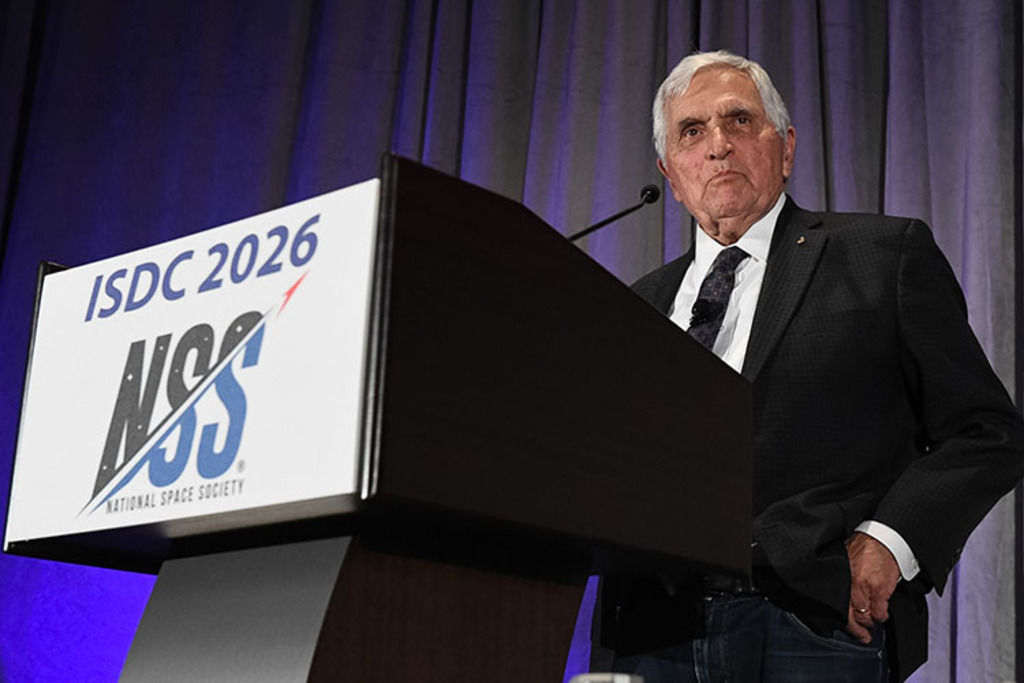
Apollo 17 astronaut Harrison Schmitt at ISDC. Credit: NSS

The 2026 International Space Development Conference Sets Records

July coverage of the National Space Society’s 2026 International Space Development Conference highlighted an event that brought together more than 1,000 space professionals, advocates, students, scientists, engineers, entrepreneurs, and enthusiasts.

Held June 4–7 at the Hilton McLean Tysons Corner in Virginia, the conference featured NASA leaders, astronauts, researchers, commercial space companies, and representatives from across the broader space community. SETI Institute CEO Bill Diamond was among the featured speakers, alongside planetary scientist Pascal Lee and a range of astronauts and other leaders in space exploration.

The event brought together discussions about both near-term developments and long-term ambitions, illustrating how space exploration increasingly spans government agencies, commercial companies, academic researchers, advocacy organizations, and the wider public.

Read the National Space Society article: The 2026 International Space Development Conference Sets Records

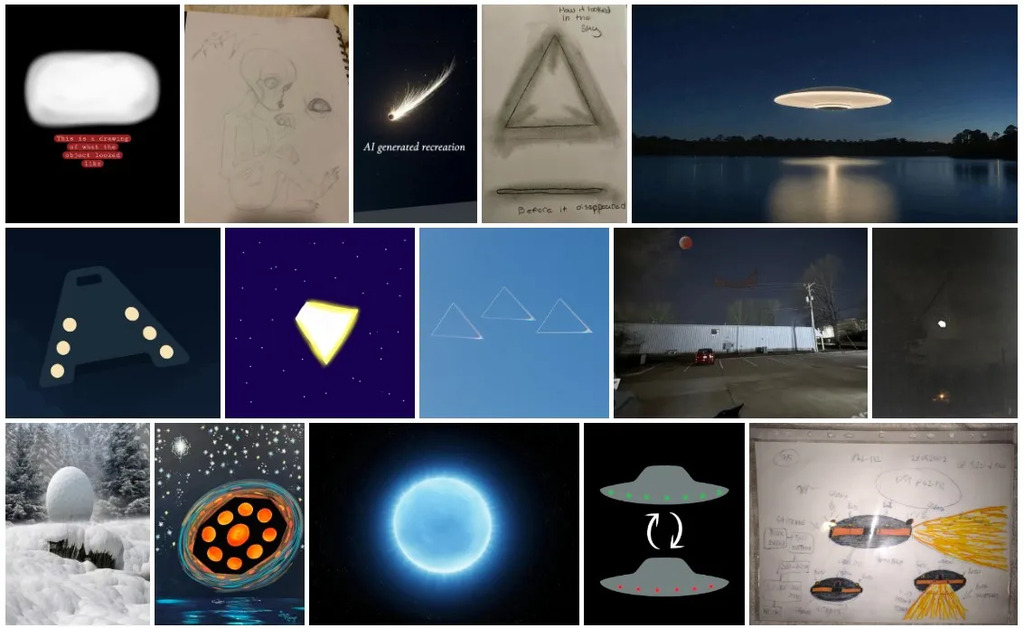
People who believe they have spotted UFOs sent these artistic depictions of what they witnessed to the National UFO Reporting Center, which tracks thousands of such incidents worldwide. (Courtesy of the National UFO Reporting Center / nuforc.org)

The Bay Area UFO Files: Trump Disclosures Could Fuel More Reports Of Aliens

As renewed public attention focused on government UFO files and alleged UAP sightings, SETI Institute CEO and President Bill Diamond provided a scientific perspective on why reports of unexplained objects should not automatically be interpreted as evidence of extraterrestrial visitation.

In coverage of the Bay Area’s long history of UFO reports, Diamond emphasized that the fascination with extraterrestrial visitors reveals as much about human nature as it does about the possibility of life elsewhere. People have long wondered whether humanity is alone in the Universe, but SETI Institute searches have not found evidence of extraterrestrial technology.

The article also examined the many ordinary explanations for apparent UFO sightings, including aircraft, satellites, balloons, drones, planets, and other phenomena.

Read the full article by Santa Cruz Sentinel: The Bay Area UFO files: Trump disclosures could fuel more reports of aliens

‘Could the extraterrestrials really be here, sequestered in Nevada’s notorious Area 51 or some other clandestine locale?’ Photograph: Amy Katz/Zuma Press Wire/Shutterstock

Spielberg’s Disclosure Day Is Making Some Wonder: Will We Have Real Disclosure Soon?

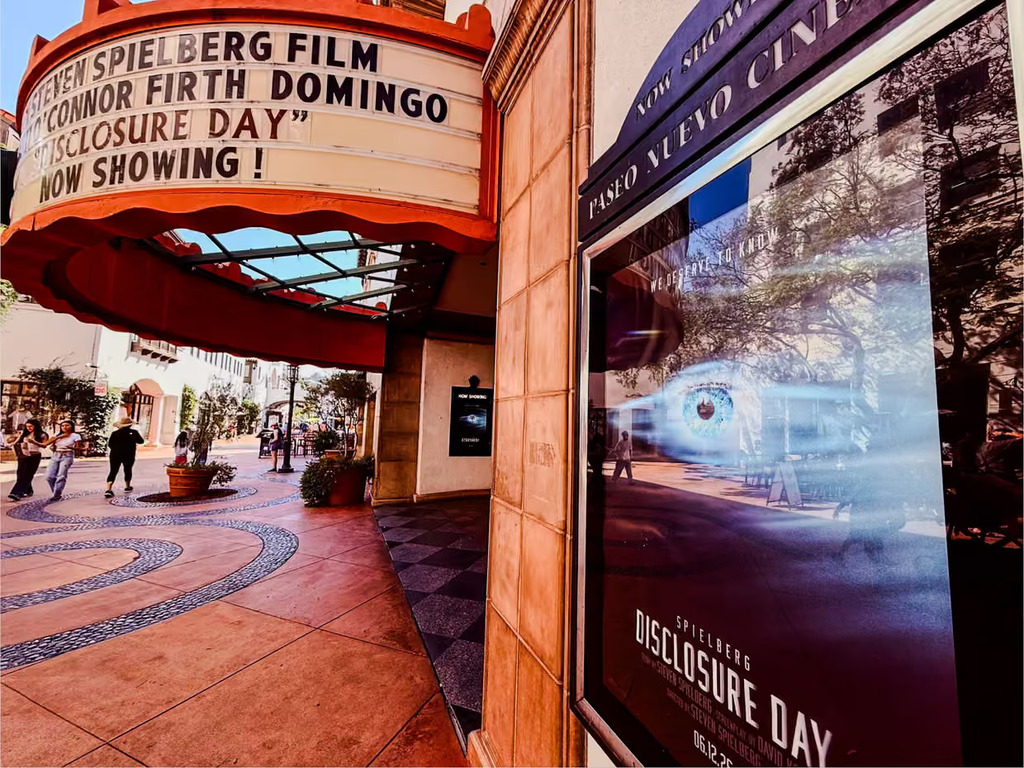
The release of Steven Spielberg’s Disclosure Day prompted renewed public discussion about what a genuine extraterrestrial "disclosure day" might look like, and whether governments could already know that extraterrestrial life exists.

Writing in The Guardian, SETI Institute astronomer Seth Shostak addressed these questions from the perspective of the scientific search for extraterrestrial intelligence. His conclusion was straightforward: there is currently nothing to disclose in the sense of confirmed evidence that extraterrestrials are visiting Earth. But that does not mean humanity will never detect evidence of life elsewhere.

The SETI Institute continues to search for technological signals from other star systems, using increasingly capable radio telescopes. A candidate signal would require independent verification before it could be considered confirmed evidence of extraterrestrial intelligence.

Read the full article in The Guardian: Spielberg’s Disclosure Day Is Making Some Wonder: Will We Have Real Disclosure Soon?

News

Related News

Featured Image
Sep 8, 2026
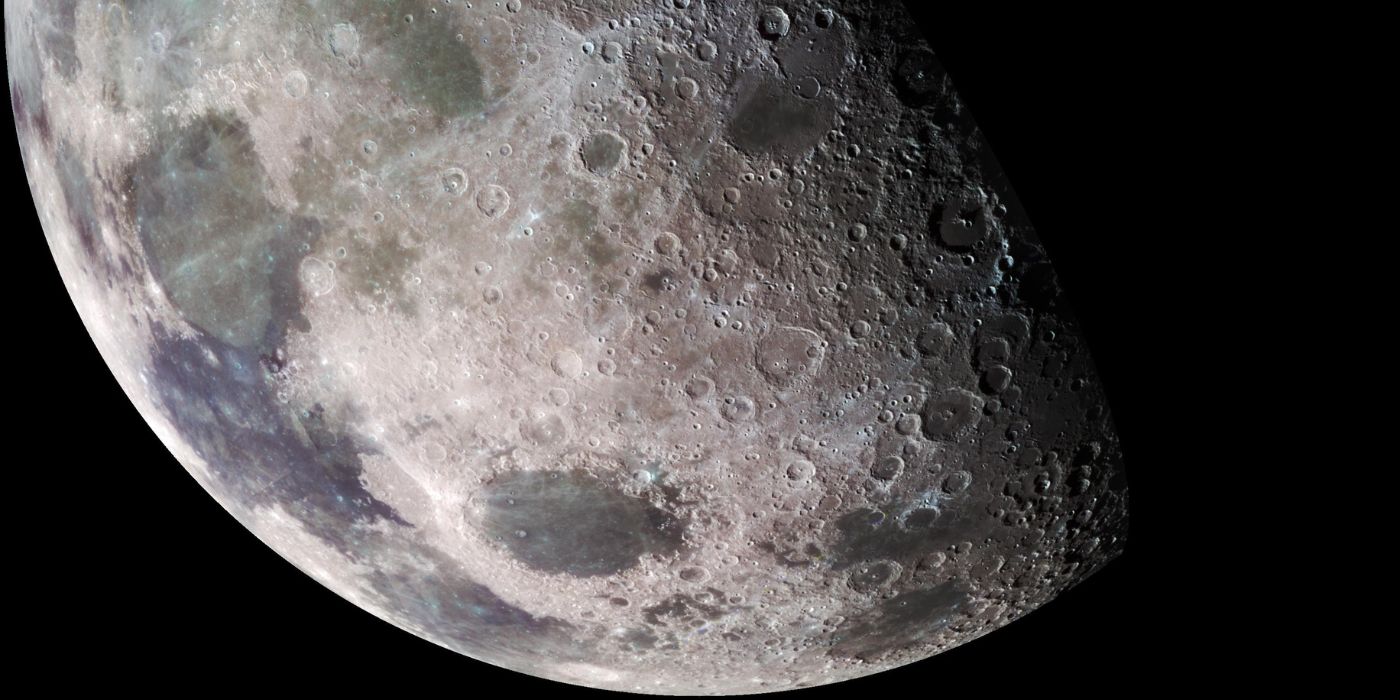
Researchers Propose Searching the Moon for Microscopic Technosignatures
New study outlines the first quantitative framework for searching lunar regolith for microscopic technosignatures. #Press Releases #Moon #Technosignatures #Lewis Pinault #Andrew Siemion #Astrobiology #SETI #Solar System #AI and Machine Learning #Bill Diamond

Featured Image
Sep 1, 2026
The SETI Institute and ETH Zurich join forces to search for the origin of life
ETH Zurich and the SETI Institute announced a strategic scientific partnership today. The US-based research organization will provide start-up funding for a new assistant professorship and associated research activities at ETH Zurich. #Press Releases #SETI Institute #Partnerships #ETH Zurich #Bill Diamond
Featured Image
Aug 28, 2026
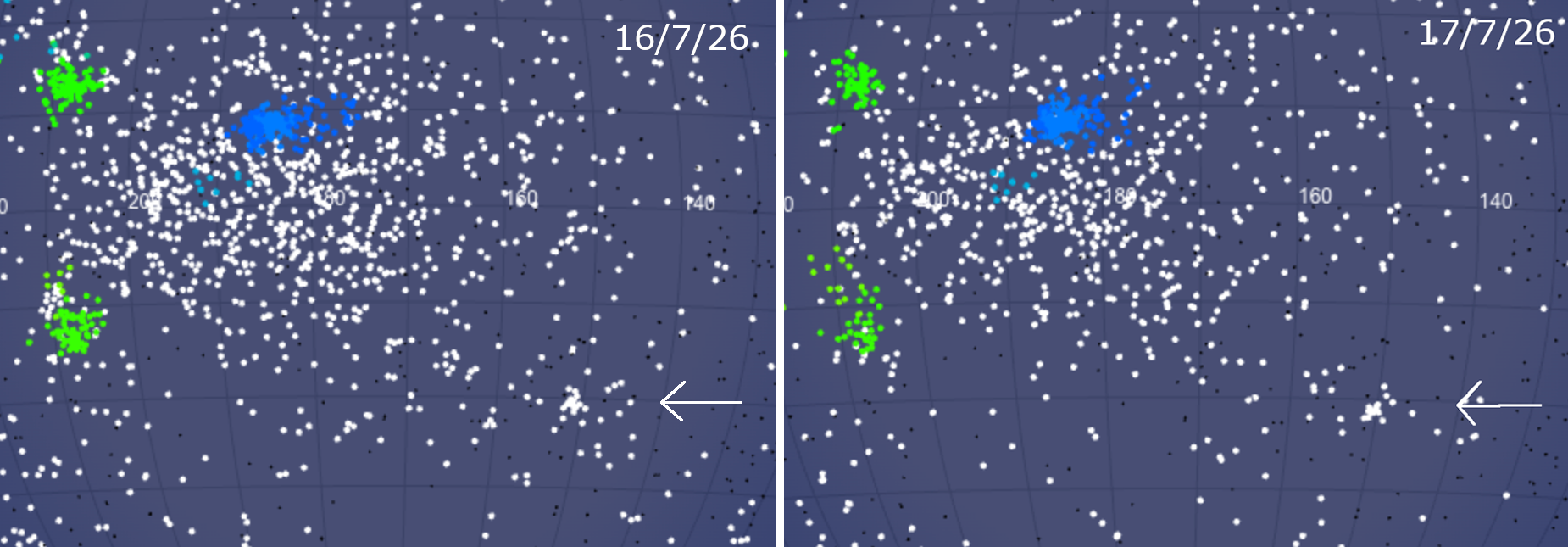
New Meteor Shower Identifies Asteroid as a Cloaked Comet
#Comets, Meteors, and Asteroids #CAMS #Peter Jenniskens
Featured Image
Aug 27, 2026
SETI Institute Achievements: Q2 2026 Activity Report
During the second quarter of 2026, the SETI Institute was especially active and made strong progress in research, education, outreach, and public engagement. Our scientists published over 80 peer-reviewed papers in fields such as SETI, astrobiology, planetary science, exoplanets, and heliophysics. #Activity Reports #Carl Sagan Center #Outreach #Education #AIR #Community #Research #SETI Institute
Featured Image
Aug 24, 2026
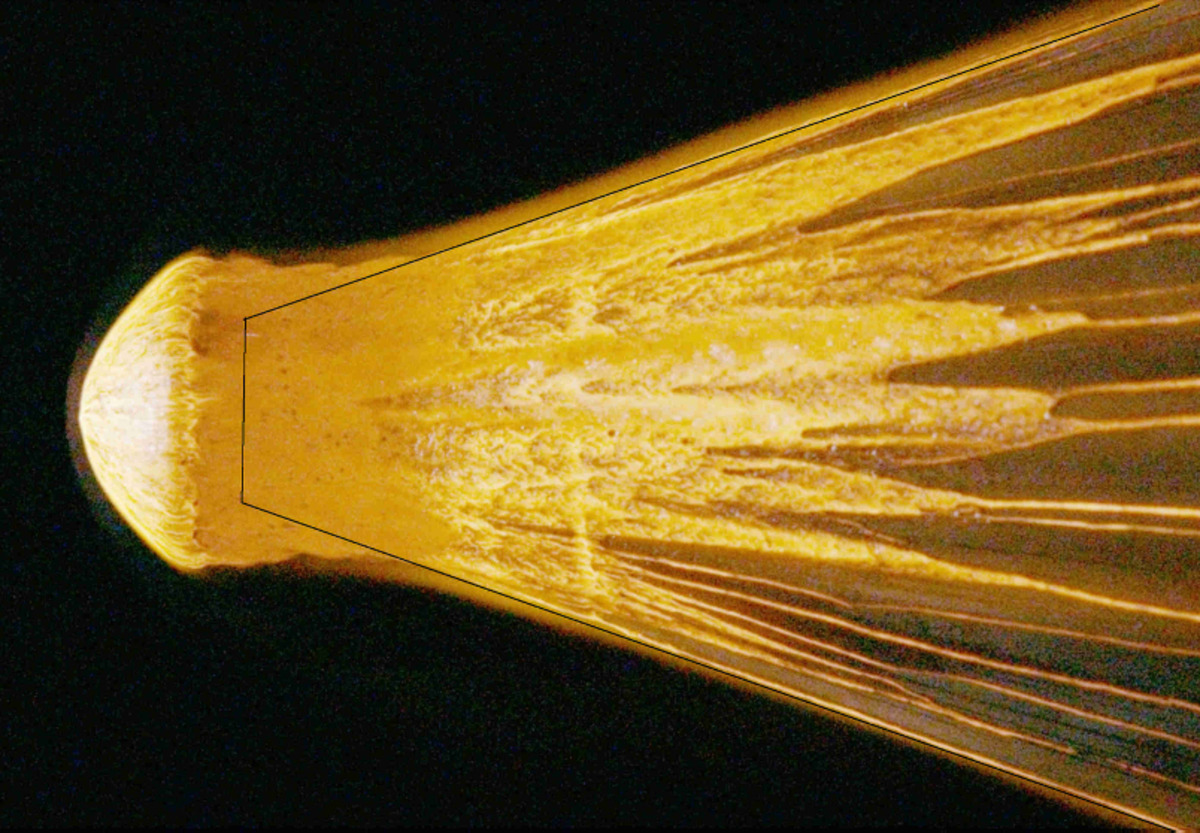
New study reveals how space rocks become meteorites
Analysis of the atmospheric passage of 75 meteorite falls identifies seven distinct processes as space rocks melt, fragment and slow before they fall as meteorites #Press Releases #Comets, Meteors, and Asteroids #Peter Jenniskens #Meteorites #Astronomy #Stuart Pilorz
Featured Image
Aug 21, 2026
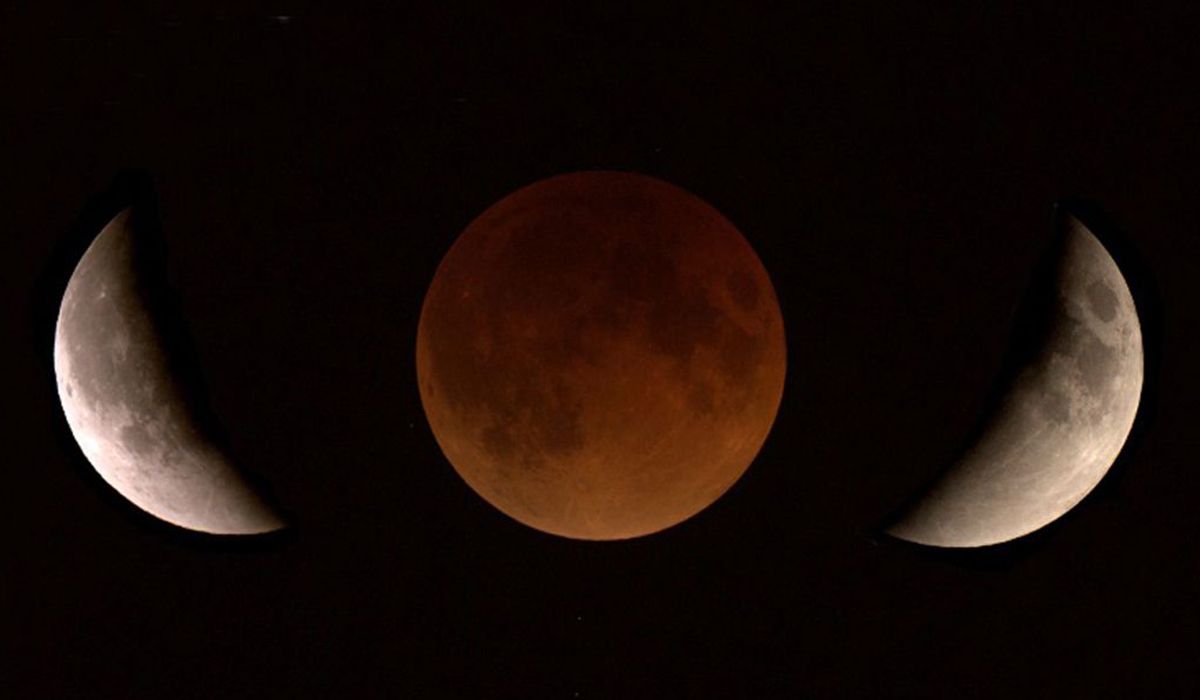
Look Up: A Lunar Eclipse on August 27
#Eclipse #Community #Andrew Fraknoi
Research

Related Projects

Featured Image
SkyMapper • SETI • Citizen Science • Astronomy
SkyMapper: Expanding Access to Real-time Astronomy Through a Global Astronomical Network
SkyMapper and the SETI Institute are connecting educators, students and the public to live astronomical observations through a distributed astronomical network. #SkyMapper #SETI #Citizen Science #Astronomy
Featured Image
VPL
Virtual Planetary Laboratory
How can we best assess whether an exoplanet supports life? #VPL
Featured Image
Discovery and Futures Lab
What happens if life beyond Earth is discovered? The Discovery and Futures Lab at the SETI Institute fosters novel and anticipatory research at the intersection of science, society, our planet, and the search for life beyond Earth.  #Discovery and Futures Lab
Support Us

Support the
SETI Institute

Scientists are getting closer in their search for life beyond earth. But with limited federal funding for the search for extraterrestrial intelligence, supporters are the reason cutting-edge scientists can keep their eyes on the sky.