The aim of this mission is to provide an unprecedented view of how solar material moves from the Sun into interplanetary space, helping scientists predict space weather events that can impact Earth.
PUNCH: An Overview
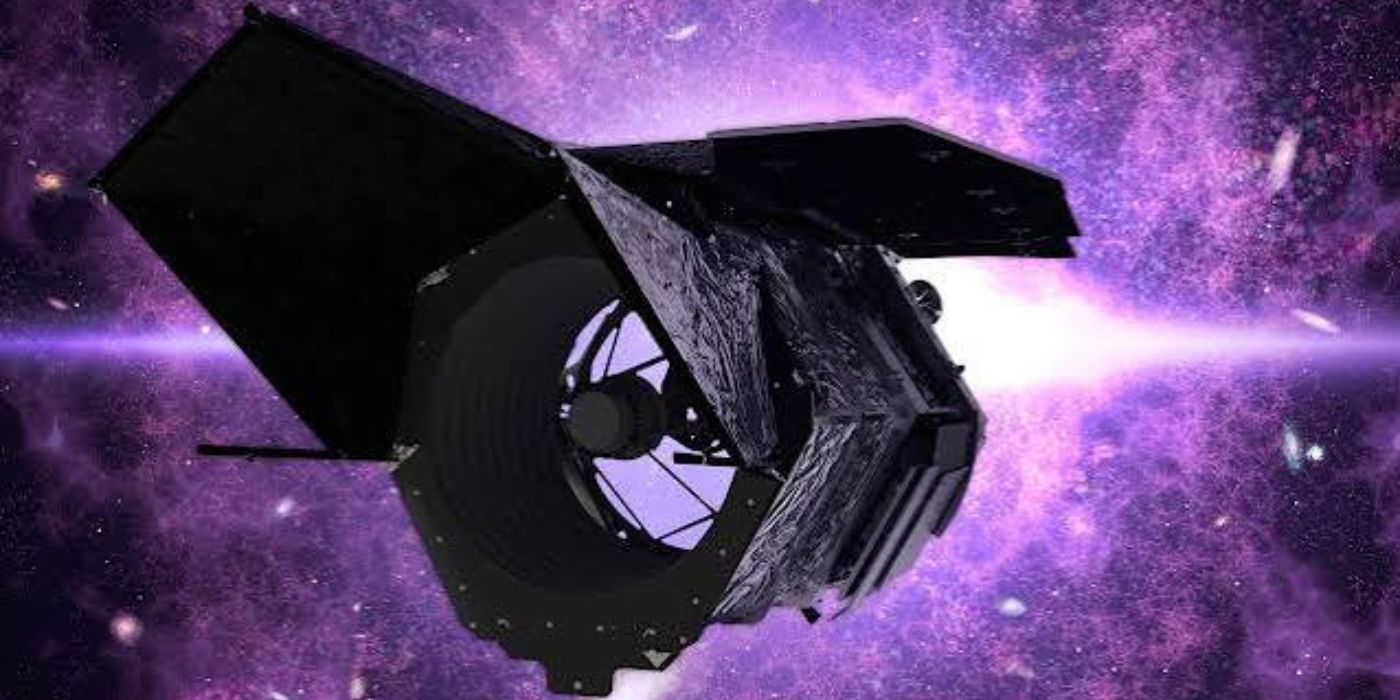
PUNCH consists of four small spacecraft, each about the size of a suitcase, which will work together in a constellation to study the Sun’s outer atmosphere and the solar wind. Currently at Vandenberg Space Force Base, the mission is awaiting launch on March 11, 2025 alongside another NASA mission, SPHEREx, marking an exciting step forward in solar and astrophysical research.
Unlike traditional space telescopes, PUNCH is equipped with specialized cameras, including a polarimeter, which measures the polarization of light. This allows scientists to track how light scatters in space, providing key insights into the solar wind (the stream of charged particles constantly flowing from the Sun).
Exploring the Sun with PUNCH
The PUNCH mission will focus on two major regions:
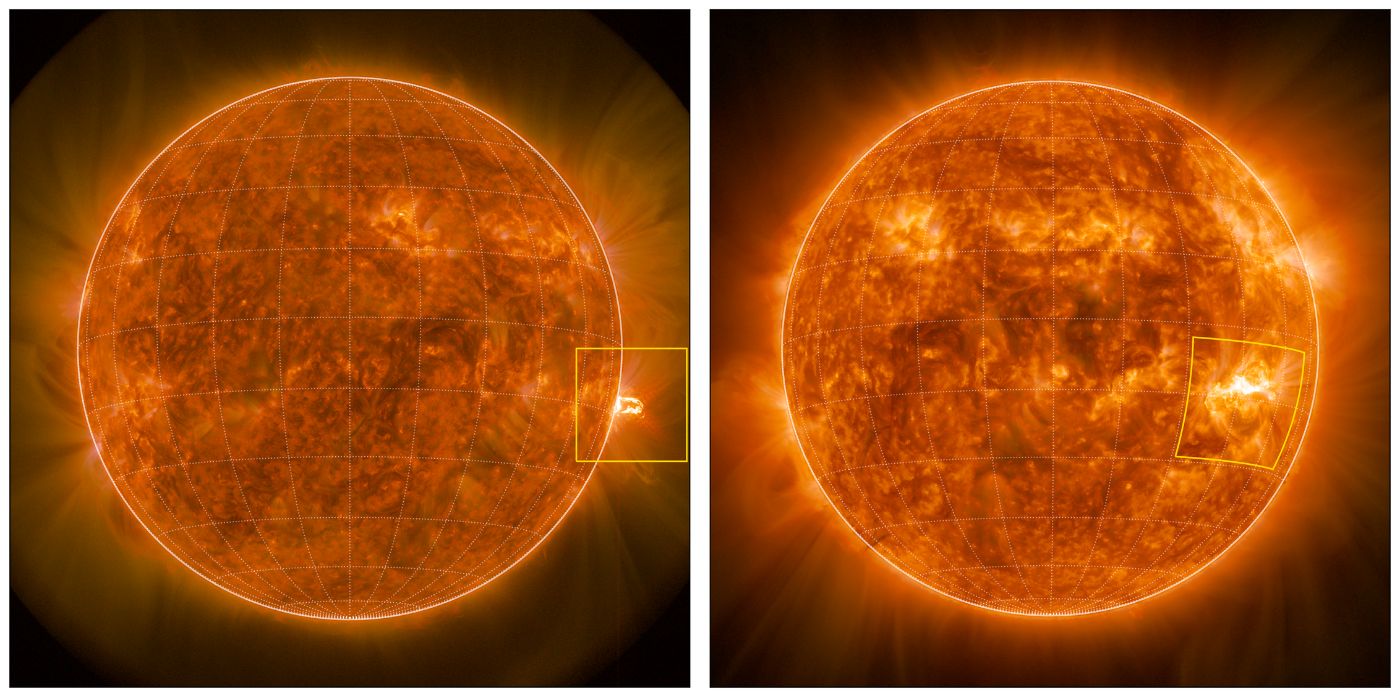
The Corona: The Sun’s outer atmosphere, which becomes visible during a solar eclipse.
The Heliosphere: The vast region of space dominated by the solar wind, which stretches across the entire solar system.
PUNCH will track solar material as it moves from the corona into the heliosphere, capturing events such as coronal mass ejections (CMEs)—massive bursts of solar plasma that can disrupt satellite communications and power grids on Earth.
Complementary Missions
PUNCH will work alongside other solar missions, including Parker Solar Probe. While Parker gathers detailed measurements of the solar wind up close, PUNCH will provide a big-picture view, helping scientists to connect the dots between the Sun’s surface and its influence on space.
Connecting Science and Culture
Beyond its scientific objectives, PUNCH also emphasizes public outreach, drawing connections between ancient and modern sun-watching traditions. The mission’s engagement efforts include collaborations with historical solar observatories, such as those in Chaco Canyon, New Mexico, where indigenous cultures closely observed the Sun for centuries.
With its innovative approach, PUNCH is set to transform our understanding of the Sun and its impact on Earth.
New study outlines the first quantitative framework for searching lunar regolith for microscopic technosignatures.
#Press Releases
#Moon
#Technosignatures
#Lewis Pinault
#Andrew Siemion
#Astrobiology
#SETI
#Solar System
#AI and Machine Learning
#Bill Diamond
SkyMapper and the SETI Institute are connecting educators, students and the public to live astronomical observations through a distributed astronomical network.
#SkyMapper
#SETI
#Citizen Science
#Astronomy
What happens if life beyond Earth is discovered? The Discovery and Futures Lab at the SETI Institute fosters novel and anticipatory research at the intersection of science, society, our planet, and the search for life beyond Earth.
#Discovery and Futures Lab
SkyMapper and the SETI Institute are connecting educators, students and the public to live astronomical observations through a distributed astronomical network.
What happens if life beyond Earth is discovered? The Discovery and Futures Lab at the SETI Institute fosters novel and anticipatory research at the intersection of science, society, our planet, and the search for life beyond Earth.
Scientists are getting closer in their search for life beyond earth. But with limited federal funding for the search for extraterrestrial intelligence, supporters are the reason cutting-edge scientists can keep their eyes on the sky.
)