






Wednesday, Jul 01, 2026

Credit: NASA, ESA, D. Jewitt (UCLA)

Monday, 22 June 2026

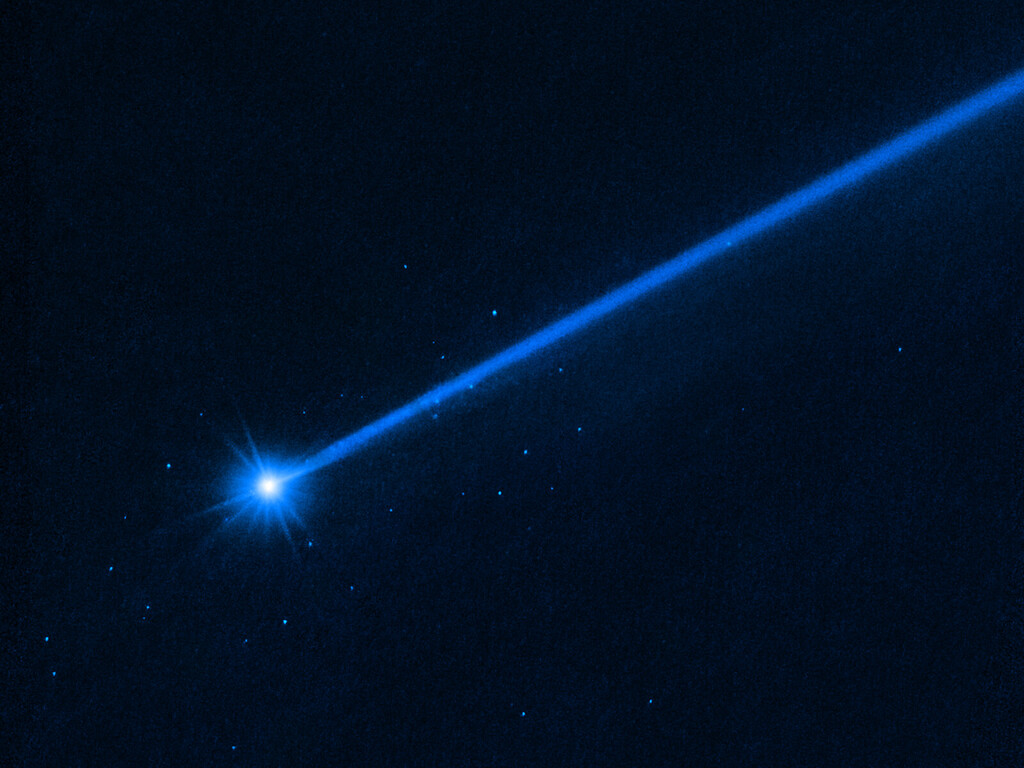
Boulders Escaping Asteroid Dimorphos

This NASA/ESA Hubble Space Telescope image of the asteroid Dimorphos was taken on 19 December 2022, nearly four months after the asteroid was impacted by NASA’s DART (Double Asteroid Redirection Test) mission. Hubble’s sensitivity reveals a few dozen boulders knocked off the asteroid by the force of the collision. These are among the faintest objects Hubble has ever photographed inside the Solar System.

The ejected boulders range in size from 1 meter to 6.7 meters across, based on Hubble photometry. They are drifting away from the asteroid at around a kilometer per hour. The discovery yields invaluable insights into the behavior of a small asteroid when struck by a projectile, altering its trajectory.

Credit: NASA Solar System Exploration

Tuesday, 23 June 2026

Jupiter and Venus Conjunction

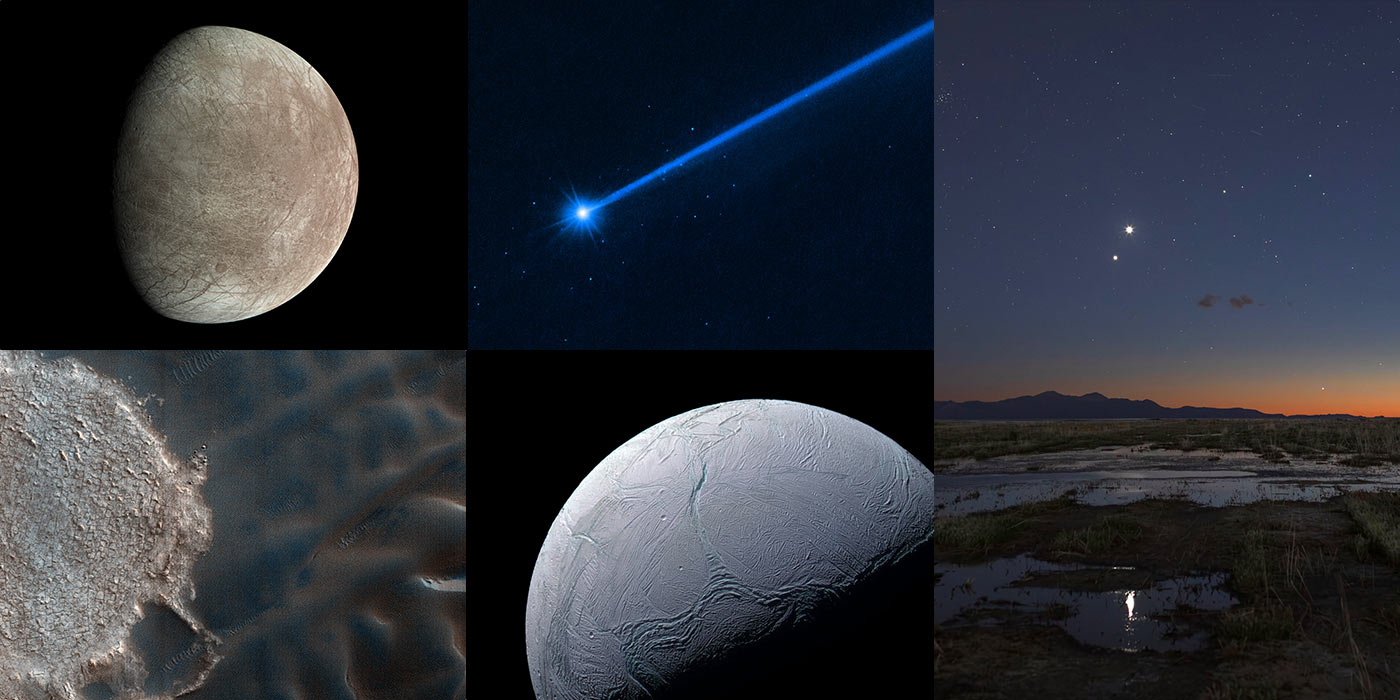
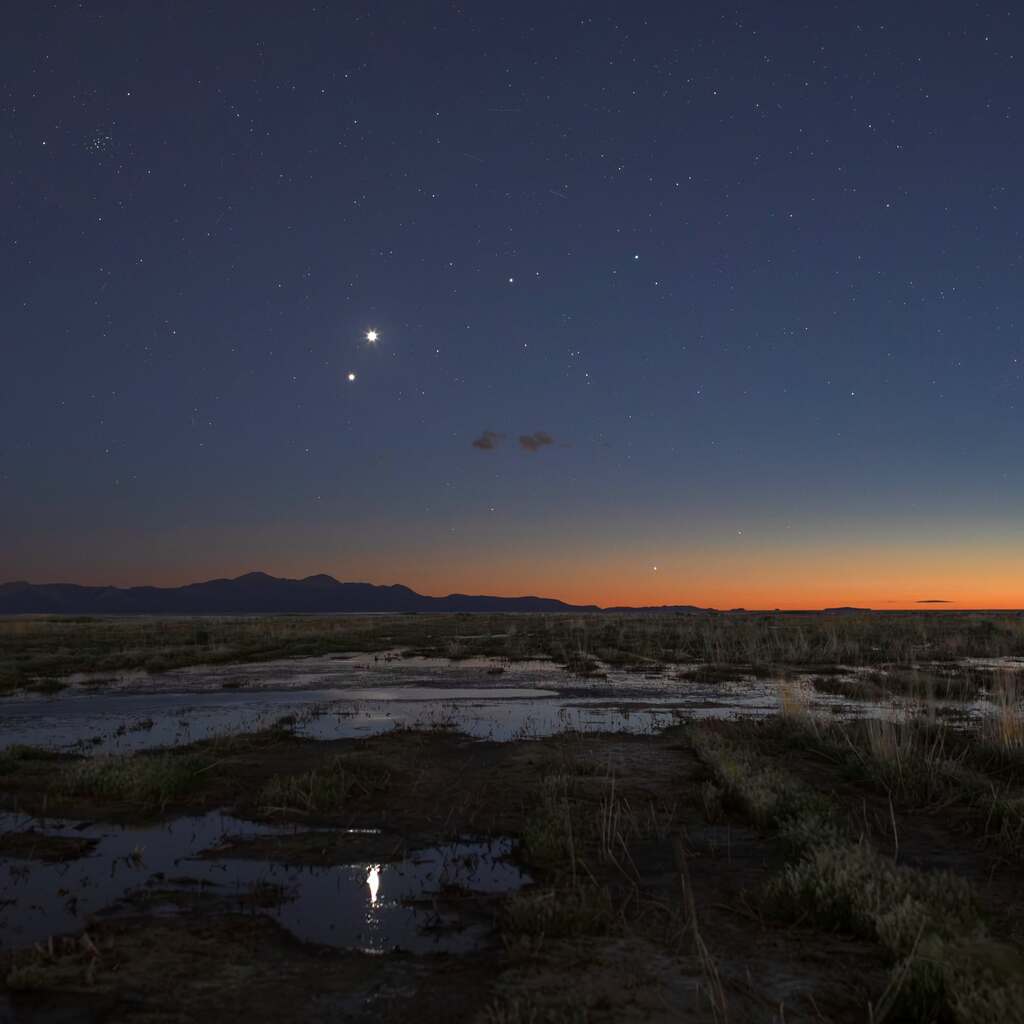
Did you miss the conjunction of Jupiter and Venus earlier this month? In case you did, check out this view from the Great Salt Lake in Utah on June 9th, and see if you can spot Mercury near the horizon as well.

Credit: NASA/JPL-Caltech/SwRI/MSSS; Processing: Björn Jónsson (CC BY 3.0)

Wednesday, 24 June 2026

A JunoCam View of Europa

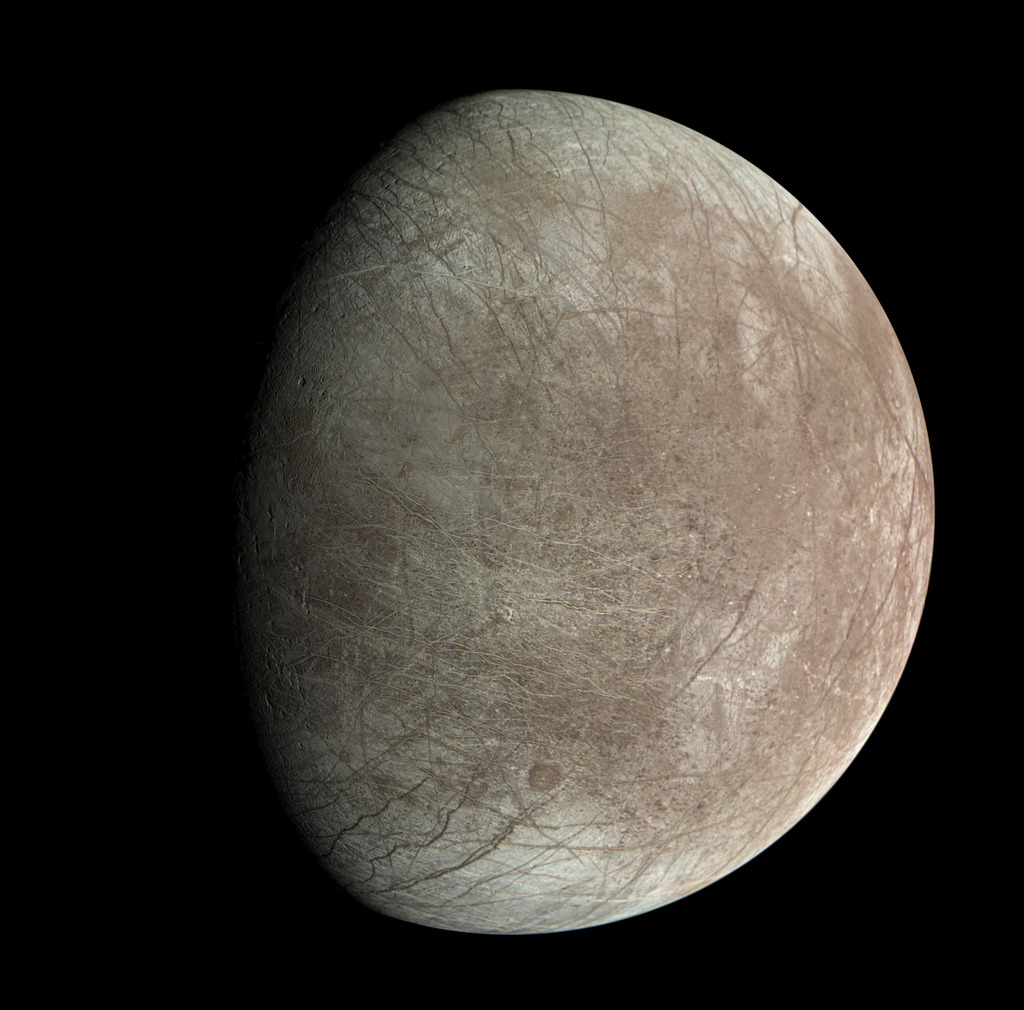
Jupiter's moon Europa was captured by the JunoCam instrument aboard NASA's Juno spacecraft during the mission's close flyby on Sept. 29, 2022. As with our Moon and Earth, one side of Europa always faces Jupiter, and that is the side of Europa visible here. Europa's surface is crisscrossed by fractures, ridges, and bands, which have erased terrain older than about 90 million years.

Credit: NASA / JPL-Caltech / SSI / Justin Cowart

Thursday, 25 June 2026

Enceladus, February 15, 2016

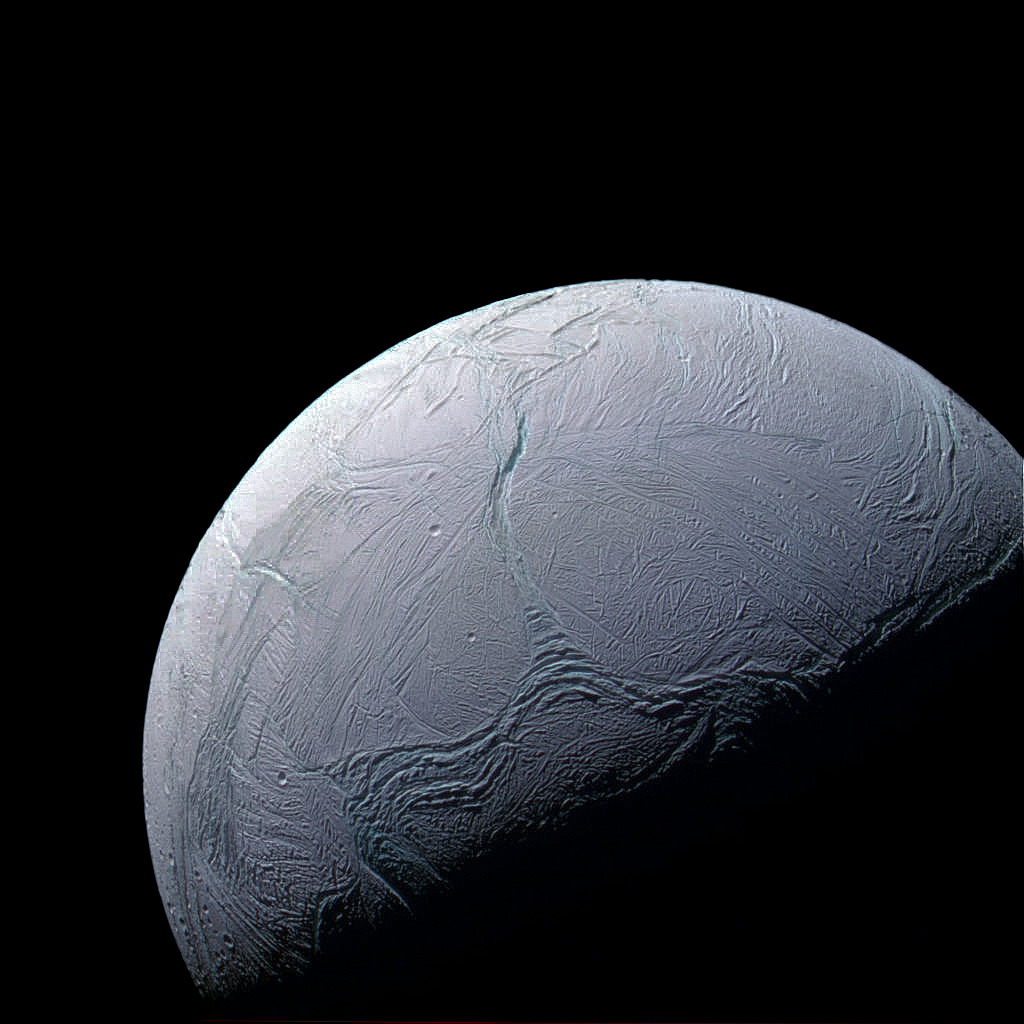
This image was taken during Cassini's final close flyby of Enceladus. It captures Enceladus' heavily fractured southern hemisphere from a distance of about 83,000 kilometers. Running left to right near the terminator is Cashmere Sulcus, and extending north towards the limb is Labtayt Sulcus. Mosul Sulcus is near the left limb. The moon's south pole is in winter night.

Credit: NASA/JPL-Caltech/University of Arizona

Friday, 26 June 2026

Marvelous Martian Mega-Ripples

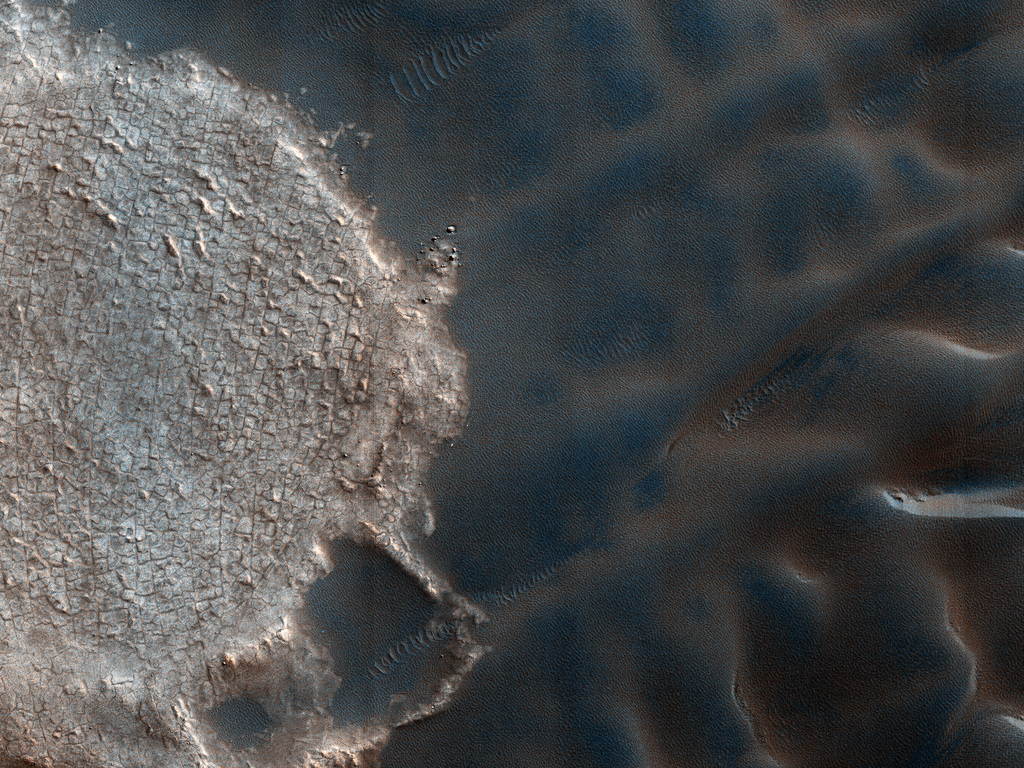
Mega-ripples are distinct wind-driven formations that occur on the surface of Earth and Mars, often with sizes between those of smaller ripples and larger dunes. Based on their shapes and examples of fractured crests in some areas, mega-ripples are thought to be largely inactive relics of past climates. Thanks to repeat coverage by HiRISE, we can tell that some mega-ripple fields are active and migrating alongside dunes and ripples.

From this downwind perspective, we can see mega-ripples forming along the flanks of the dark sand dunes near the North Polar deposits.

Landforms across these North Polar latitudes become ice-cemented when wintertime carbon dioxide ice buries dunes. Then the ice sublimates through the northern spring until dunes and mega-ripples become “frost-free” and mobile by summer. It is these summertime seasonal winds that drive the enhanced activity of migrating mega-ripples of the North Polar region.

News

Related News

Featured Image
Sep 2, 2026
Planetary Picture of the Day - Week of August 24, 2026
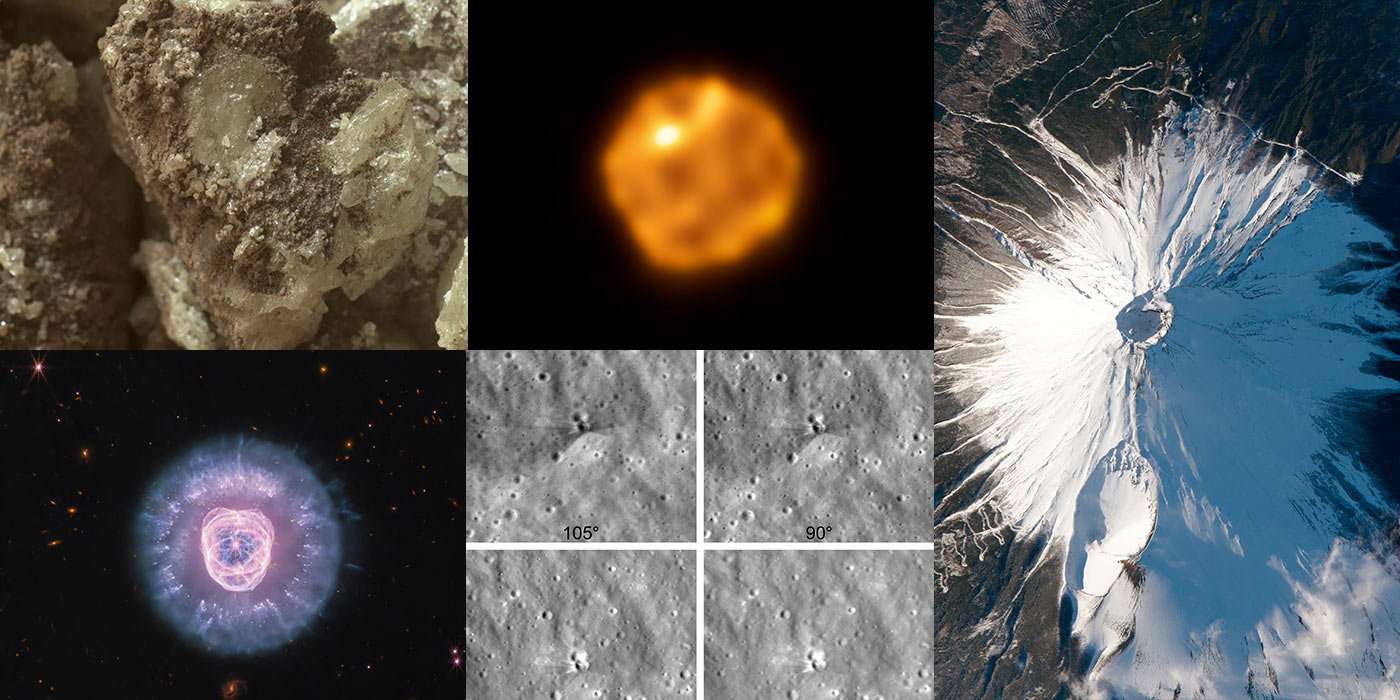
We journey from Mount Fuji as seen from orbit to the bubbling surface of Betelgeuse, exploring the forces that shape planets, moons, and stars across the cosmos. Along the way, JWST reveals the remains of a dying star, Curiosity uncovers clues to Mars’ volcanic past, and a fresh rocket impact on the Moon gives scientists a new opportunity to study how collisions reshape its surface. #PPOD

Featured Image
Aug 26, 2026
Planetary Picture of the Day - Week of August 17, 2026
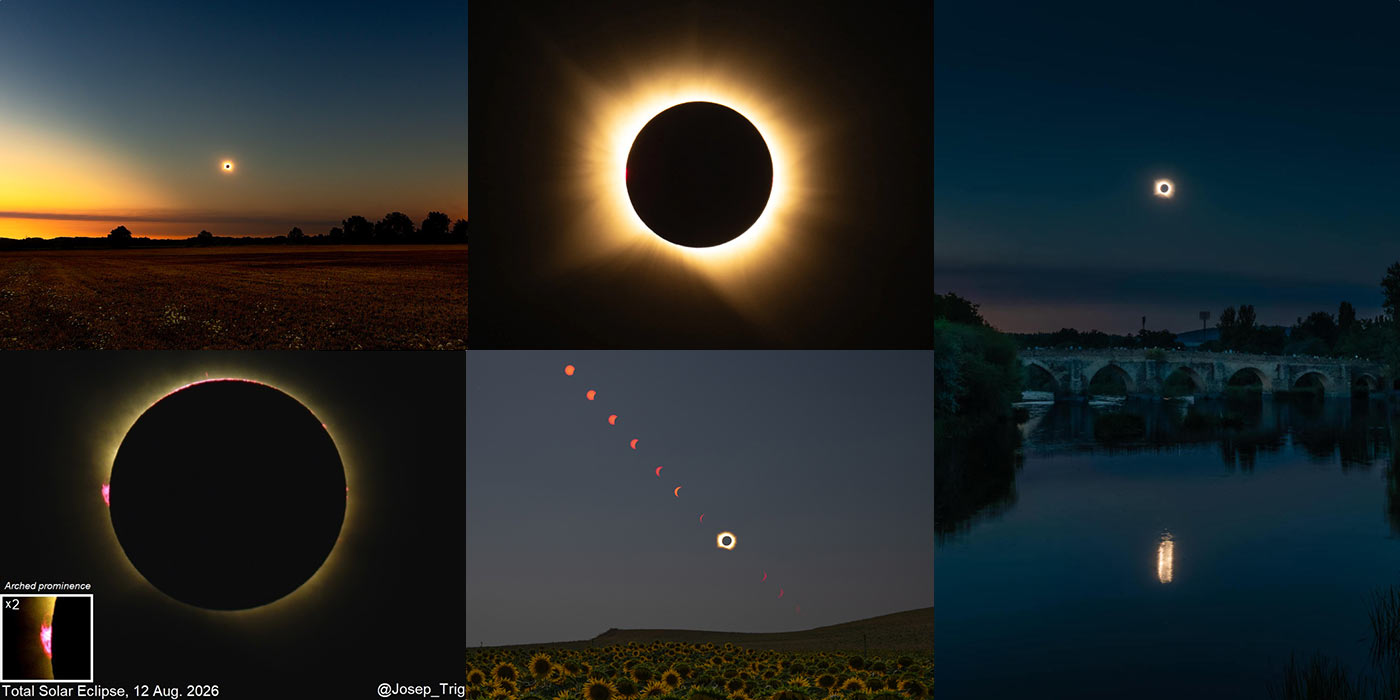
Let's celebrate the August 12 total solar eclipse through the eyes of photographers who experienced the Moon’s shadow sweeping across Spain. From Baily’s Beads and a glowing solar prominence to totality reflected in a river and framed by fields of sunflowers, these images capture both the science and extraordinary beauty of one of nature’s most spectacular celestial events. #PPOD #Eclipse
Featured Image
Aug 19, 2026
Planetary Picture of the Day - Week of August 10, 2026
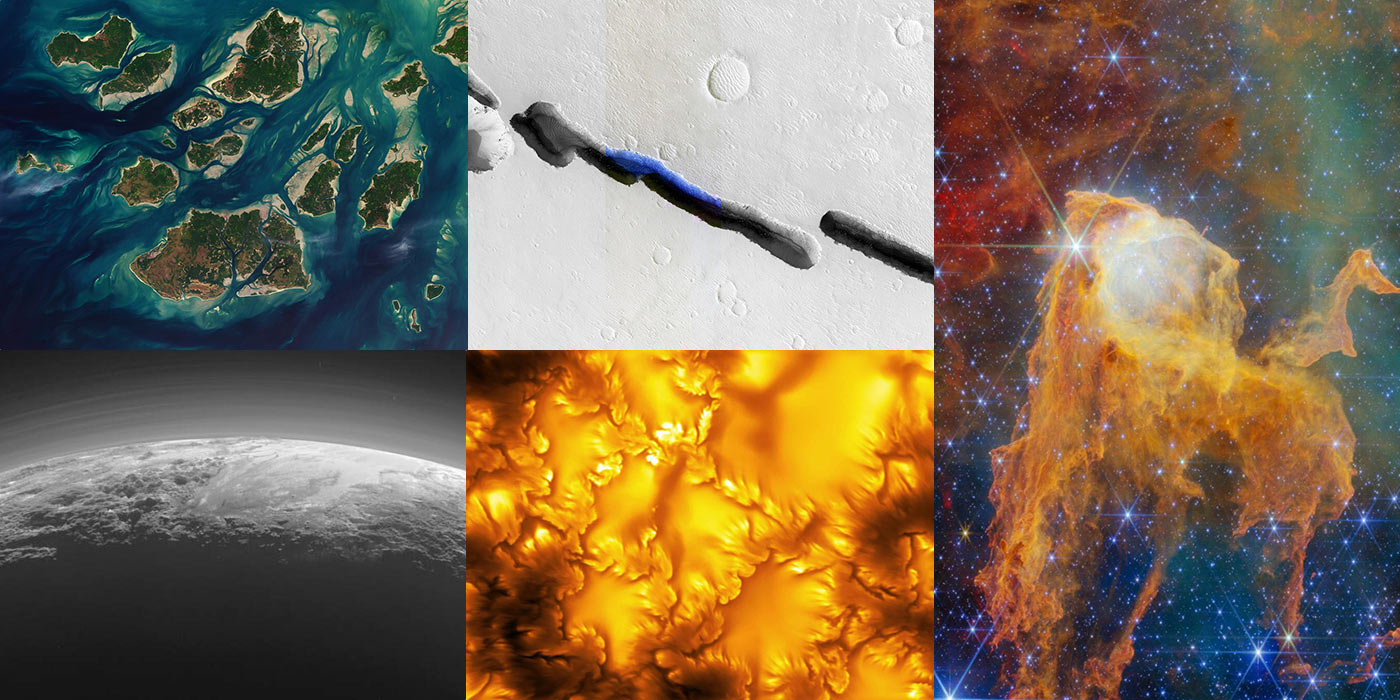
The universe is shaped by forces both immense and intricate, from fractured terrain on Mars and shifting tidal landscapes on Earth to tiny vortices dancing across the surface of the Sun. Farther afield, dramatic views of Pluto’s icy mountains and hazy atmosphere and a treasure chest of newborn stars in the Carina Nebula showcase the remarkable detail revealed by spacecraft and telescopes exploring the cosmos. #PPOD
Featured Image
Aug 12, 2026
Planetary Picture of the Day - August 3, 2026
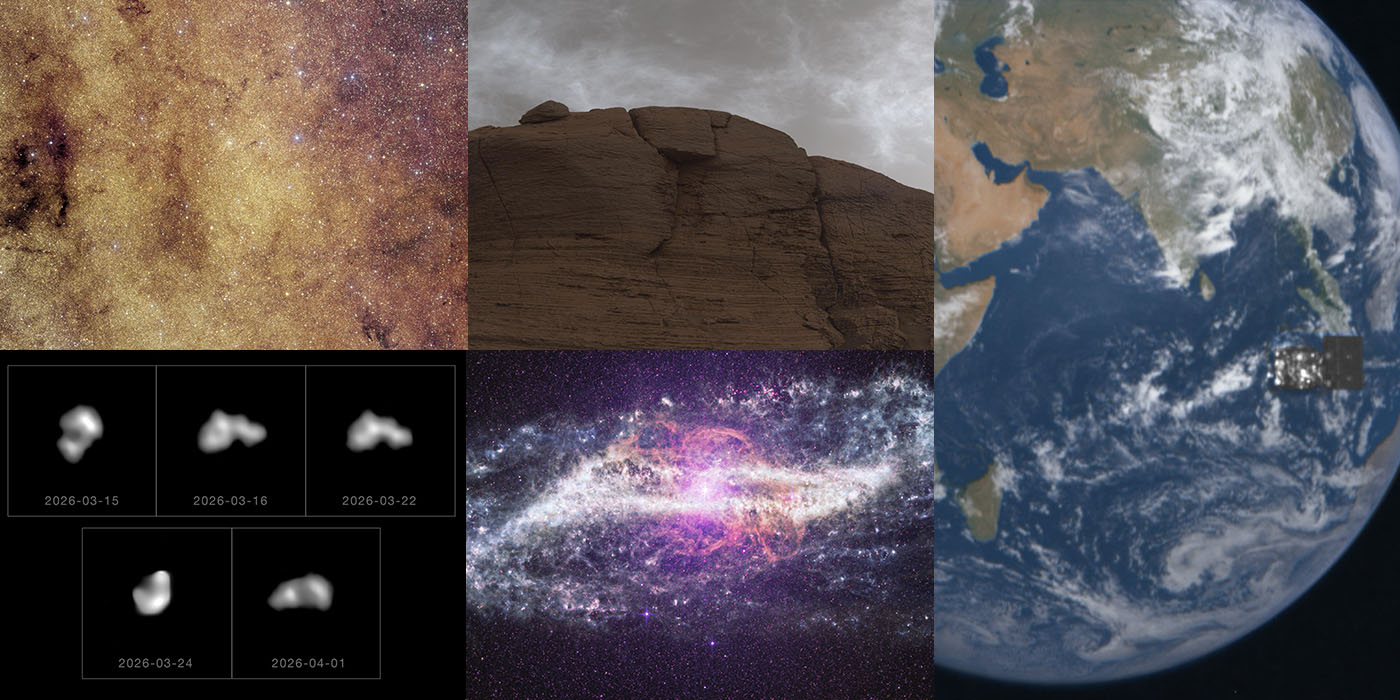
This week, we reveal hidden wonders across the cosmos, from delicate Martian clouds and a dust-shrouded galaxy to an asteroid with a never-before-seen shape and the crowded heart of the Milky Way. Together, these images showcase how new missions and advanced observatories continue to uncover surprising details about our solar system, our galaxy, and the universe beyond. #PPOD
Featured Image
Aug 5, 2026
Planetary Picture of the Day - Week of July 27, 2026
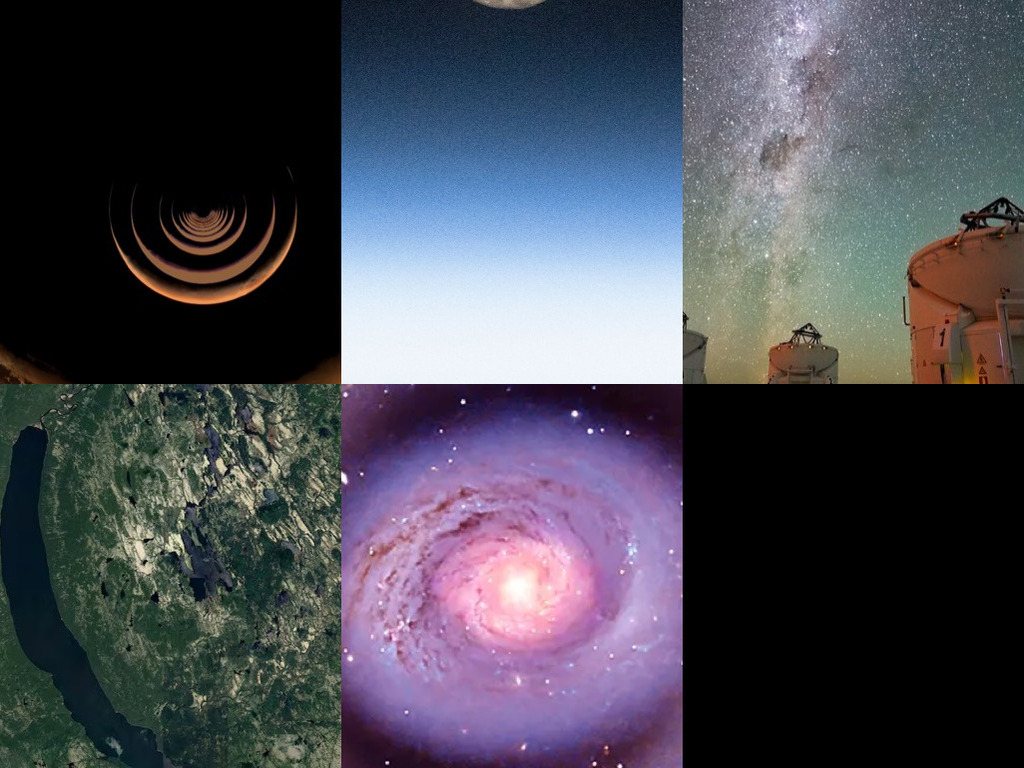
These images span the journey from our own backyard to distant galaxies, featuring Mars, the Moon, breathtaking night skies, and a fresh view of the star-forming galaxy Messier 94. Along the way, we celebrate exploration and discovery—from NASA’s Psyche mission preparing for its asteroid encounter to the revelation of a previously unknown impact crater on Earth —reminding us that there are still new wonders to uncover both on our own planet and across the cosmos. #PPOD
Featured Image
Jul 29, 2026
Planetary Picture of the Day - Week of July 20, 2026
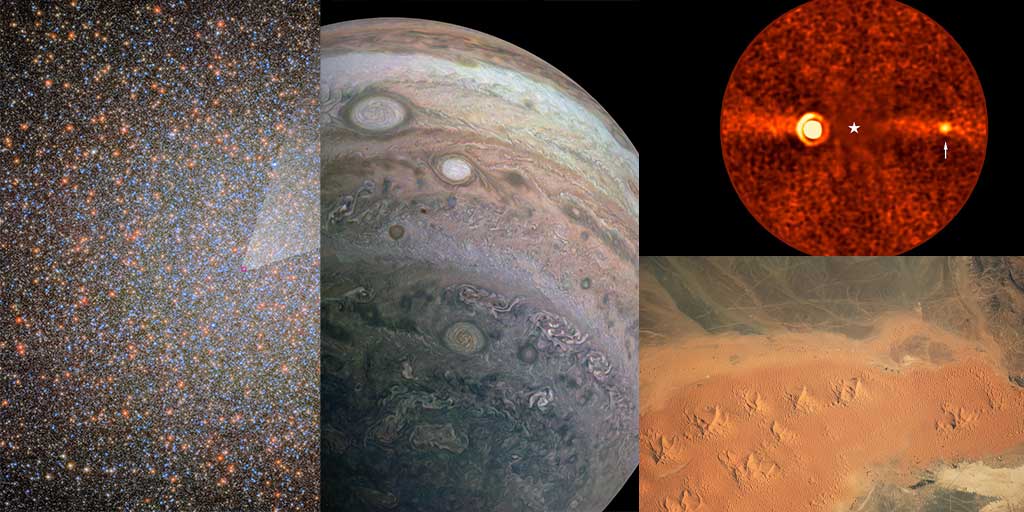
This week, we celebrate fifty years since Viking 1 became the first spacecraft to successfully land on and photograph the surface of Mars, alongside stunning new views of worlds, stars, and galaxies that continue to expand our understanding of the universe. From sculpted Sahara sand dunes and Jupiter’s colorful cloud bands to a newly discovered exoplanet and the first stellar-mass black hole identified in Omega Centauri, these images showcase the remarkable diversity of cosmic exploration. #PPOD
Research

Related Projects

Featured Image
SkyMapper • SETI • Citizen Science • Astronomy
SkyMapper: Expanding Access to Real-time Astronomy Through a Global Astronomical Network
SkyMapper and the SETI Institute are connecting educators, students and the public to live astronomical observations through a distributed astronomical network. #SkyMapper #SETI #Citizen Science #Astronomy
Featured Image
VPL
Virtual Planetary Laboratory
How can we best assess whether an exoplanet supports life? #VPL
Featured Image
Discovery and Futures Lab
What happens if life beyond Earth is discovered? The Discovery and Futures Lab at the SETI Institute fosters novel and anticipatory research at the intersection of science, society, our planet, and the search for life beyond Earth.  #Discovery and Futures Lab
Support Us

Support the
SETI Institute

Scientists are getting closer in their search for life beyond earth. But with limited federal funding for the search for extraterrestrial intelligence, supporters are the reason cutting-edge scientists can keep their eyes on the sky.