Monday, 3 August 2026
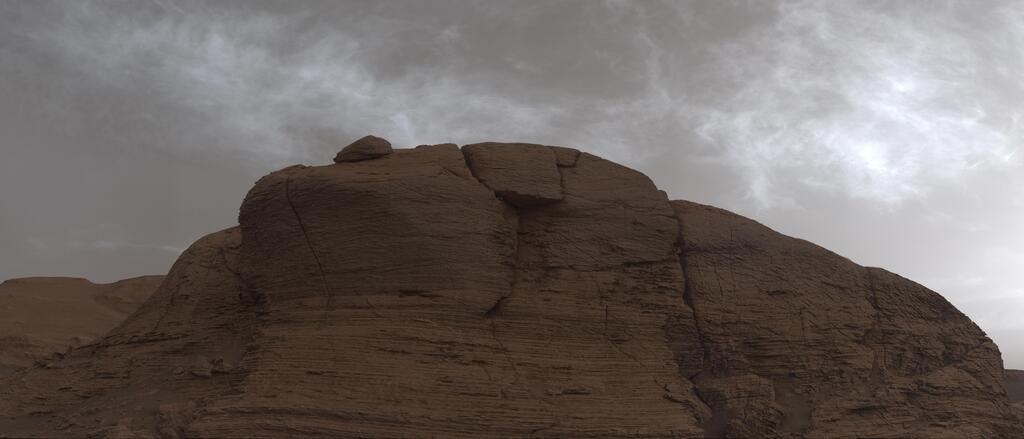
Clouds Over Mont Mercou, Mars
NASA's Curiosity Mars rover captured these clouds just after sunset on March 19, 2021, the 3,063rd Martian day, or sol, of the rover's mission. The image is made up of 21 individual images stitched together and color corrected so that the scene appears as it would to the human eye. The clouds are drifting over "Mont Mercou," a cliff face that Curiosity has been studying. The rover captured the image using its Mast Camera (Mastcam).
Tuesday, 4 August 2026
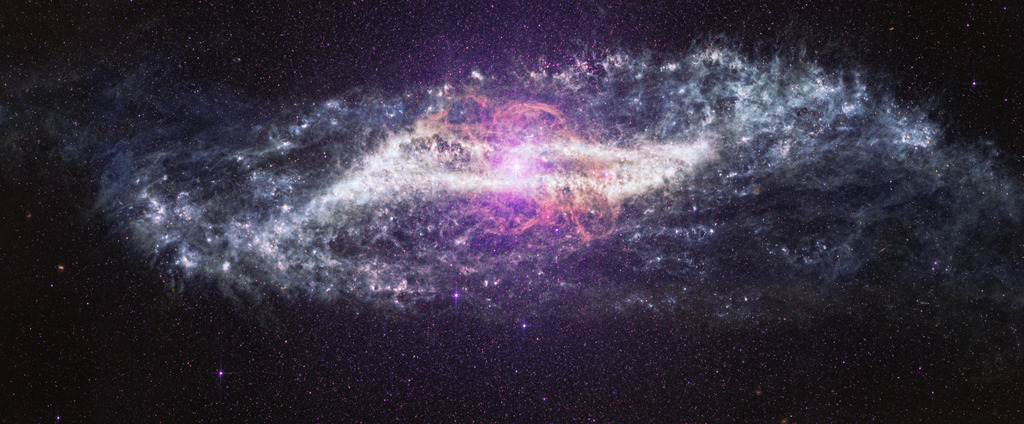
Starburst Galaxy Centaurus A
In this July 6, 2026, image, NASA’s JWST’s Mid-Infrared Instrument (MIRI) reveals the nearby galaxy Centaurus A, exposing the dusty structures and hidden activity that shape this unusual system.
Centaurus A is 11 million light-years away from Earth, relatively close in cosmic terms. Yet, unlike most nearby galaxies, it is very active, making it a powerful laboratory for understanding how galaxies and black holes grow and evolve together.
Wednesday, 5 August 2026
Hide and Seek
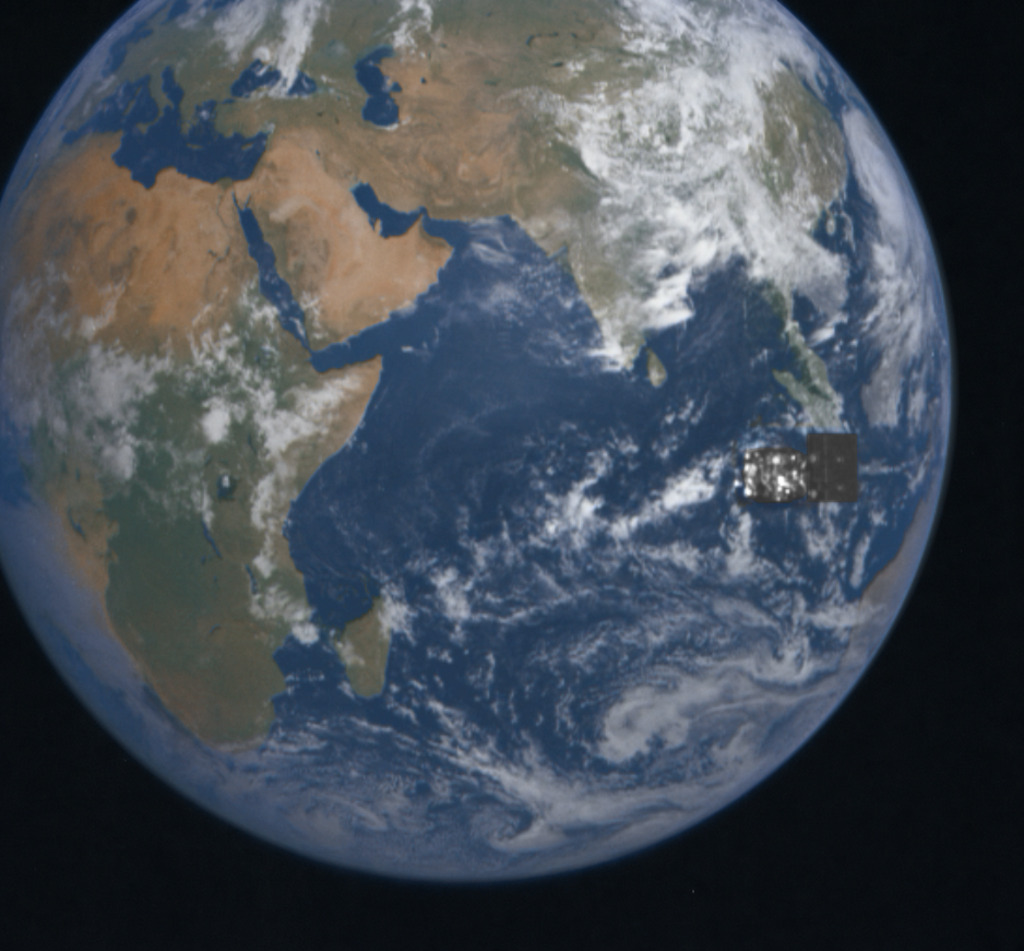
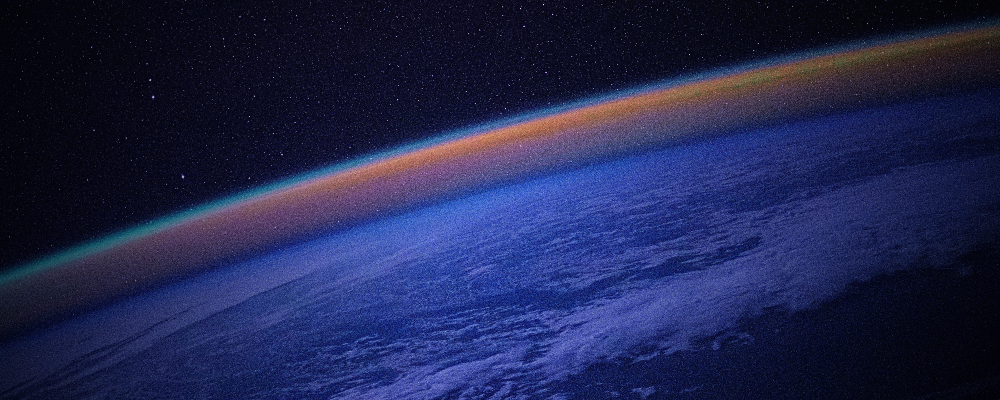
At first glance, this is just another image of Earth.
But look closely, and you will be able to make out Proba-3’s Coronagraph spacecraft hiding in plain sight, covering parts of the Indonesian Archipelago to the right of the Indian Ocean’s vast expanse.
While the pictured Coronagraph only has eyes for the Sun and its surrounding corona, the mission’s other spacecraft – the Occulter – uses a camera system to autonomously adjust its position relative to the Coronagraph.
Thursday, 6 August 2026
Unmasking an Unusual Asteroid
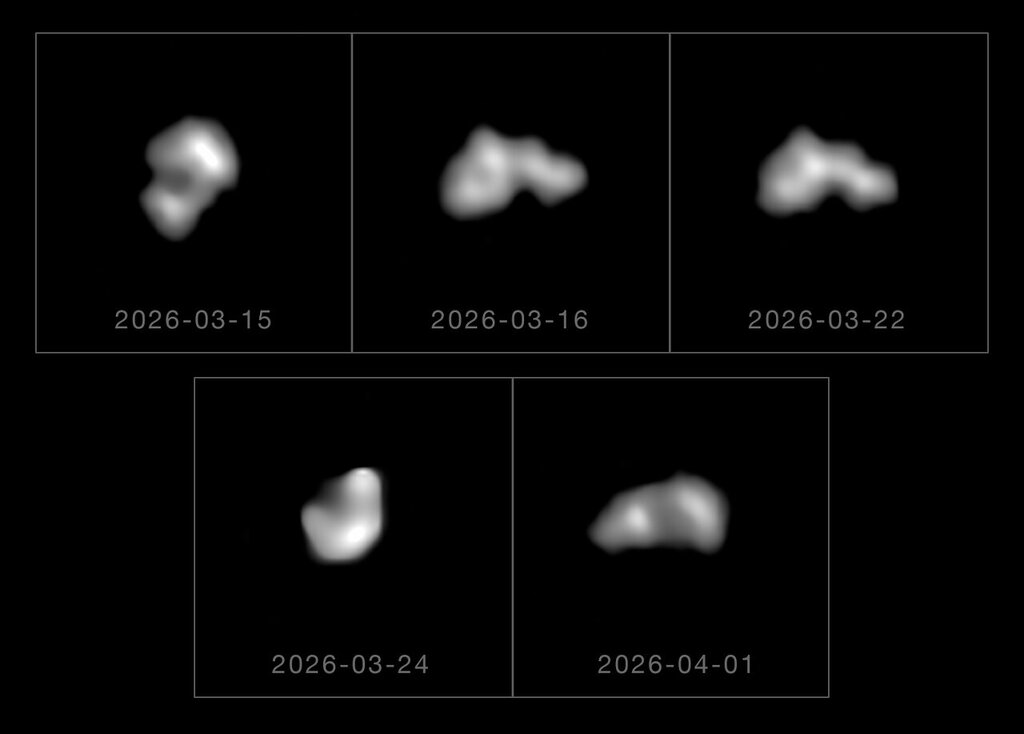
These images depict different angles of a very peculiar asteroid named (44) Nysa. Asteroids are leftovers from the formation of the planets in the Solar System, with most found in a circular belt between Mars and Jupiter. These rocky bodies come in various shapes and sizes, but new images of (44) Nysa, located at the inner edge of the asteroid belt, reveal an unusual structure unlike any previously observed!
To resolve (44) Nysa’s shape, a team of astronomers used the SPHERE instrument on ESO’s Very Large Telescope in Chile and SHARK-VIS, an instrument by the Italian National Institute for Astrophysics on the Large Binocular Telescope in the USA. Both instruments use adaptive optics to correct atmospheric blur and obtain crisp images of this asteroid.
The data show that the asteroid is 80 km across and is composed of three distinct blobs, or ‘lobes’, joined by two narrower sections that encircle the asteroid, or ‘necks’. All previous identifications of asteroids with a neck have been interpreted as ‘bilobates’, having just two lobes, but (44) Nysa has a unique ‘trilobate’ structure.
The team has two possible explanations for how (44) Nysa got its odd shape. Either the asteroid originates from a single object that was heavily deformed through collisions, or is a composite of three objects that impacted and merged, forming necks at the point of contact.
Friday, 7 August 2026
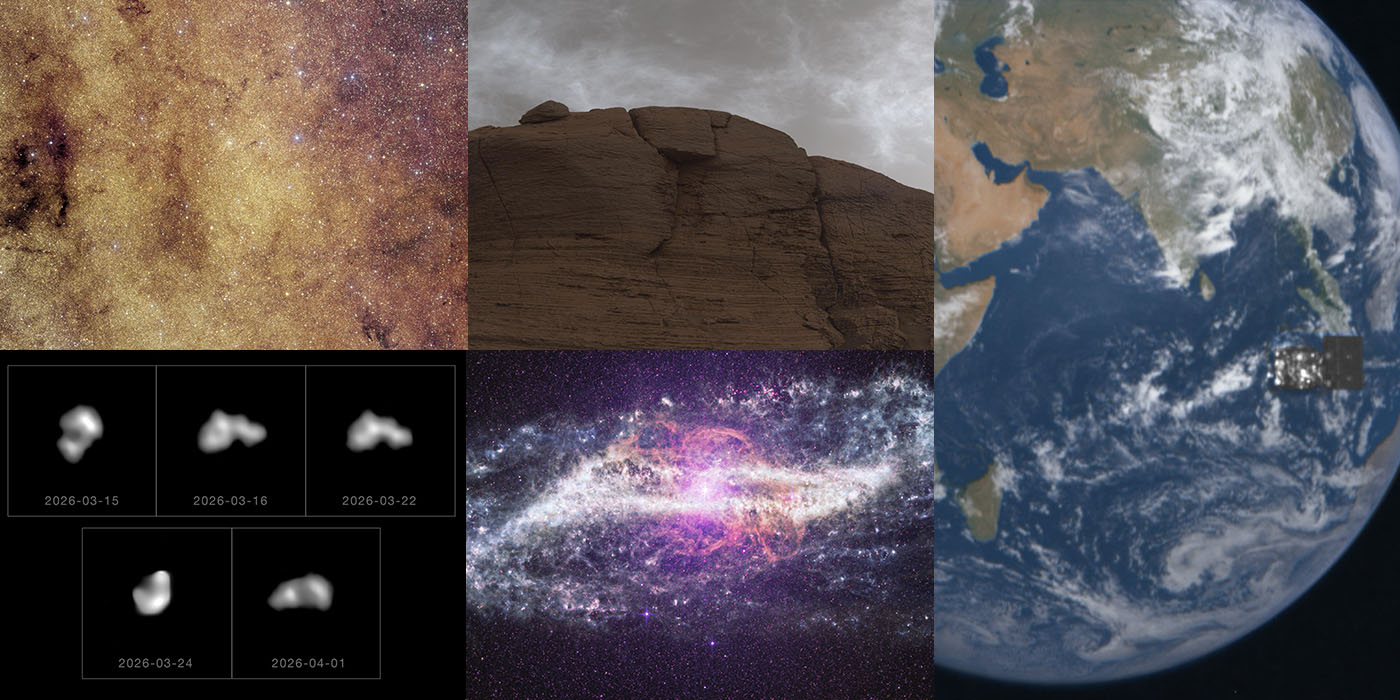
Milky Way's Bulge
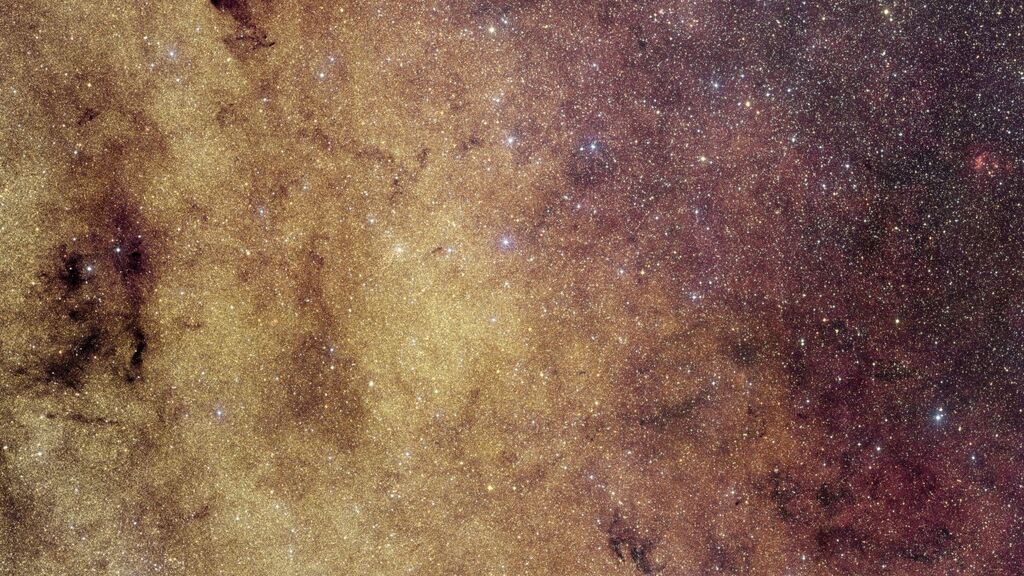
The largest and most detailed photo ever made of our Milky Way galaxy’s center in visible light is revealed in this cutout image from the European Space Agency’s Euclid mission. Packed with more than 60 million stars, this image opens the door for scientists to confirm the existence of any exoplanet found in this region and measure its mass using tiny changes in starlight over time.
News
Related News
Planetary Picture of the Day - Week of August 24, 2026
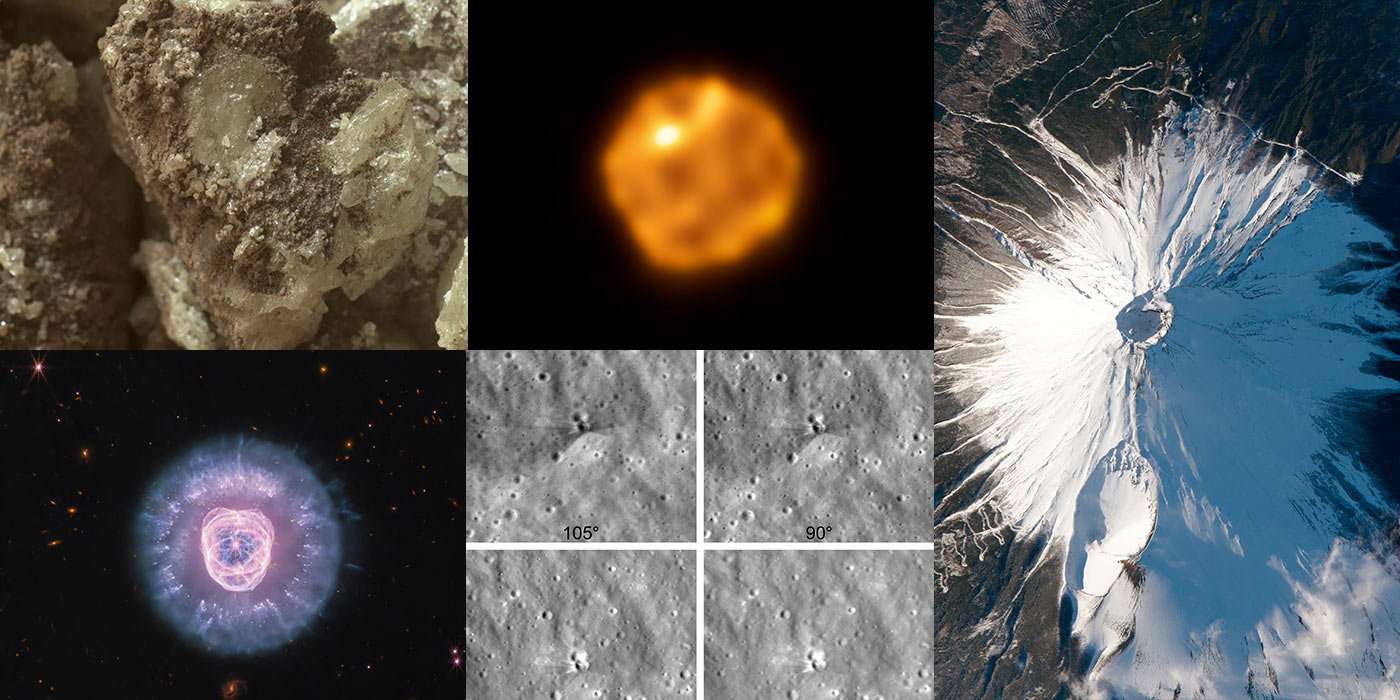
We journey from Mount Fuji as seen from orbit to the bubbling surface of Betelgeuse, exploring the forces that shape planets, moons, and stars across the cosmos. Along the way, JWST reveals the remains of a dying star, Curiosity uncovers clues to Mars’ volcanic past, and a fresh rocket impact on the Moon gives scientists a new opportunity to study how collisions reshape its surface. #PPOD
Planetary Picture of the Day - Week of August 17, 2026
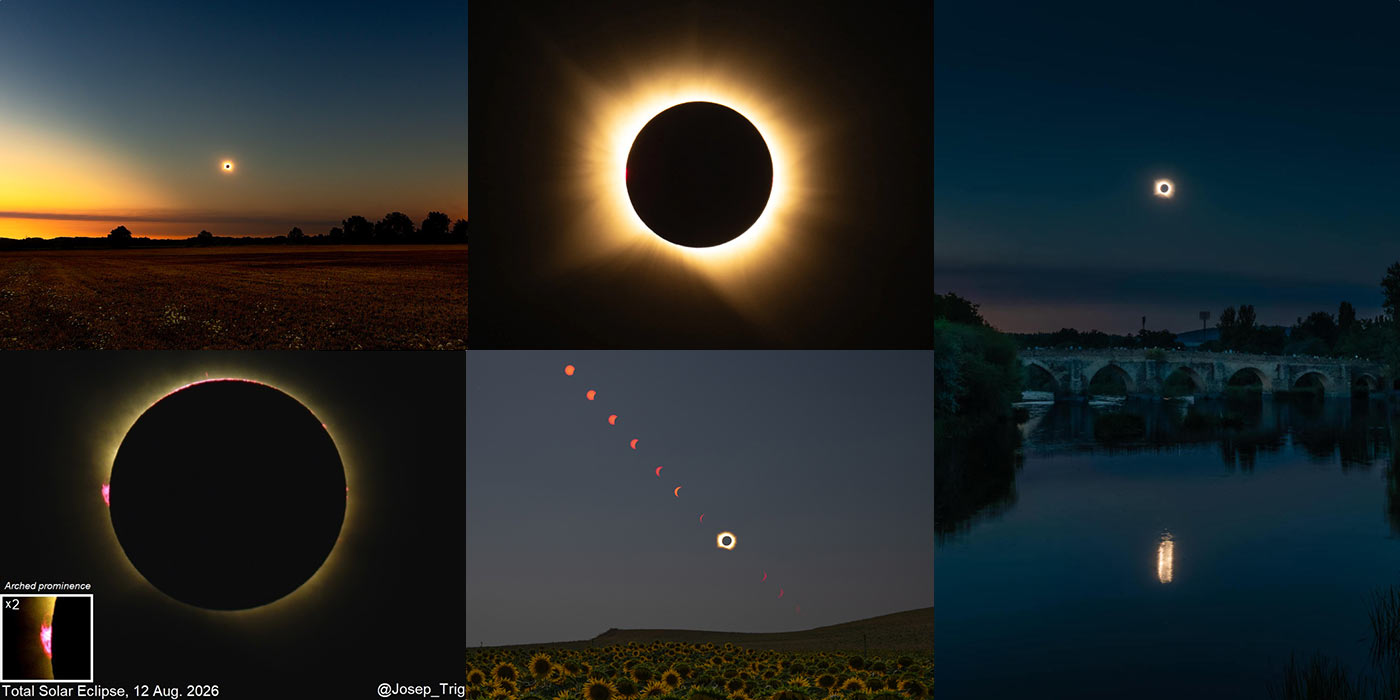
Let's celebrate the August 12 total solar eclipse through the eyes of photographers who experienced the Moon’s shadow sweeping across Spain. From Baily’s Beads and a glowing solar prominence to totality reflected in a river and framed by fields of sunflowers, these images capture both the science and extraordinary beauty of one of nature’s most spectacular celestial events. #PPOD #Eclipse
Planetary Picture of the Day - Week of August 10, 2026
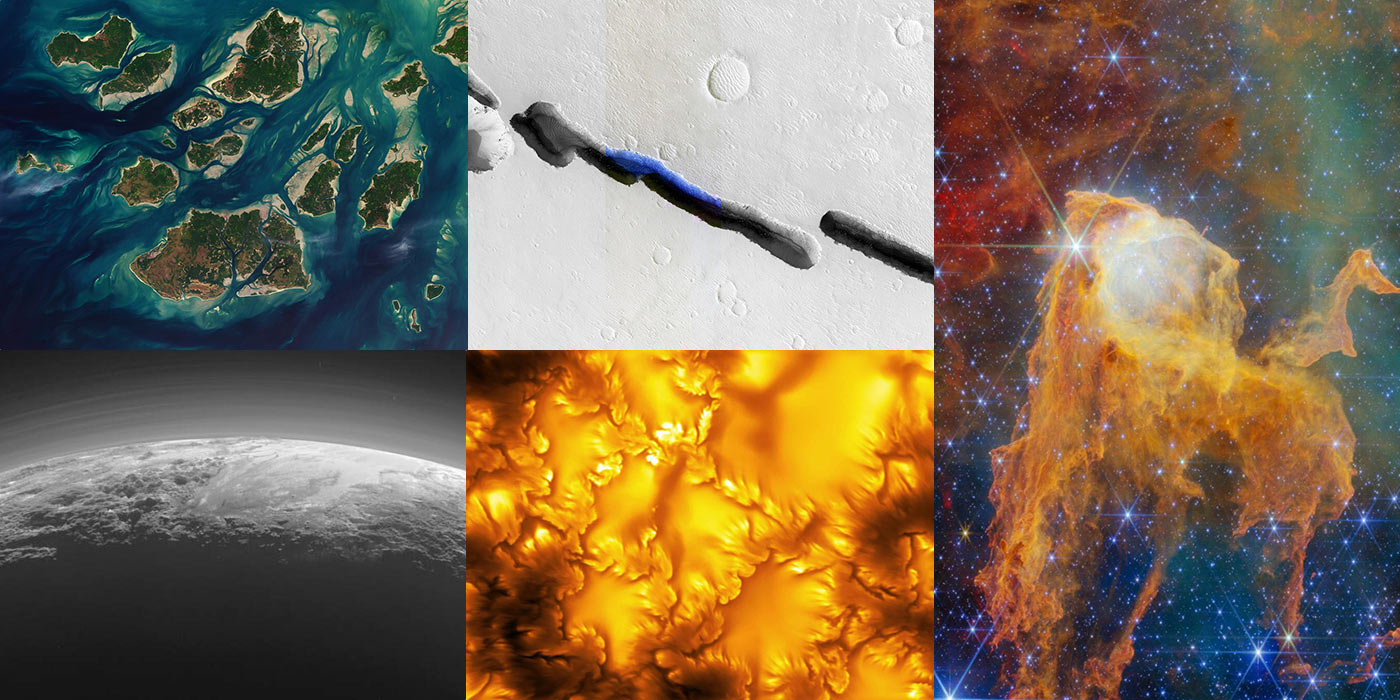
The universe is shaped by forces both immense and intricate, from fractured terrain on Mars and shifting tidal landscapes on Earth to tiny vortices dancing across the surface of the Sun. Farther afield, dramatic views of Pluto’s icy mountains and hazy atmosphere and a treasure chest of newborn stars in the Carina Nebula showcase the remarkable detail revealed by spacecraft and telescopes exploring the cosmos. #PPOD
Planetary Picture of the Day - Week of July 27, 2026
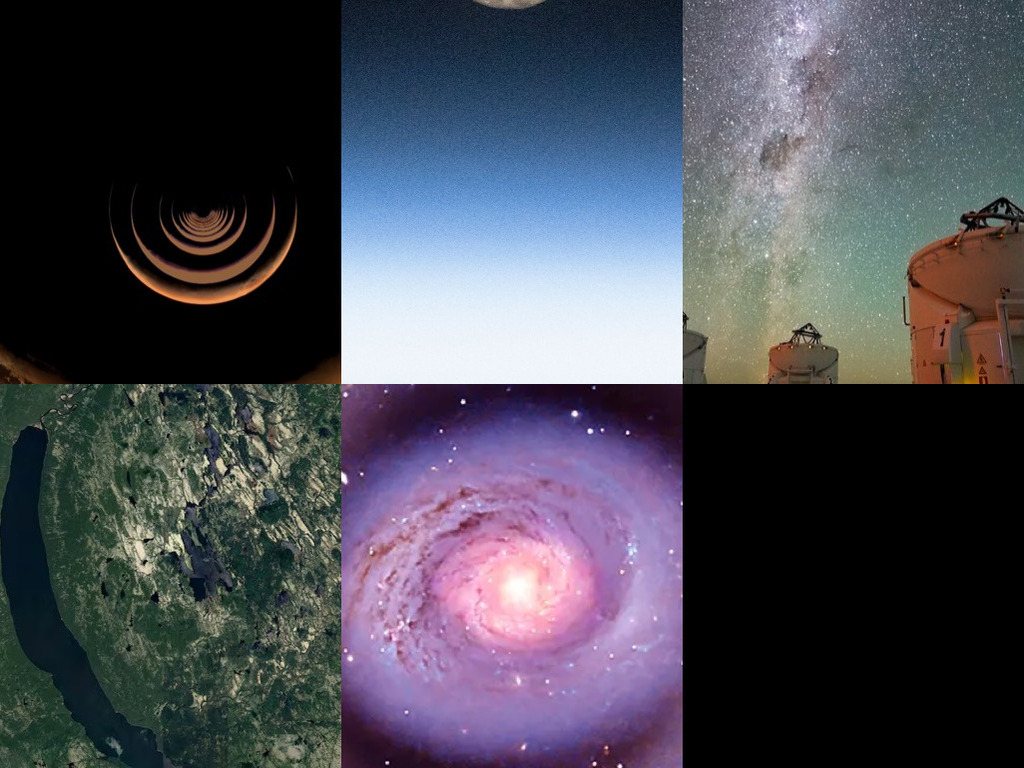
These images span the journey from our own backyard to distant galaxies, featuring Mars, the Moon, breathtaking night skies, and a fresh view of the star-forming galaxy Messier 94. Along the way, we celebrate exploration and discovery—from NASA’s Psyche mission preparing for its asteroid encounter to the revelation of a previously unknown impact crater on Earth —reminding us that there are still new wonders to uncover both on our own planet and across the cosmos. #PPOD
Planetary Picture of the Day - Week of July 20, 2026
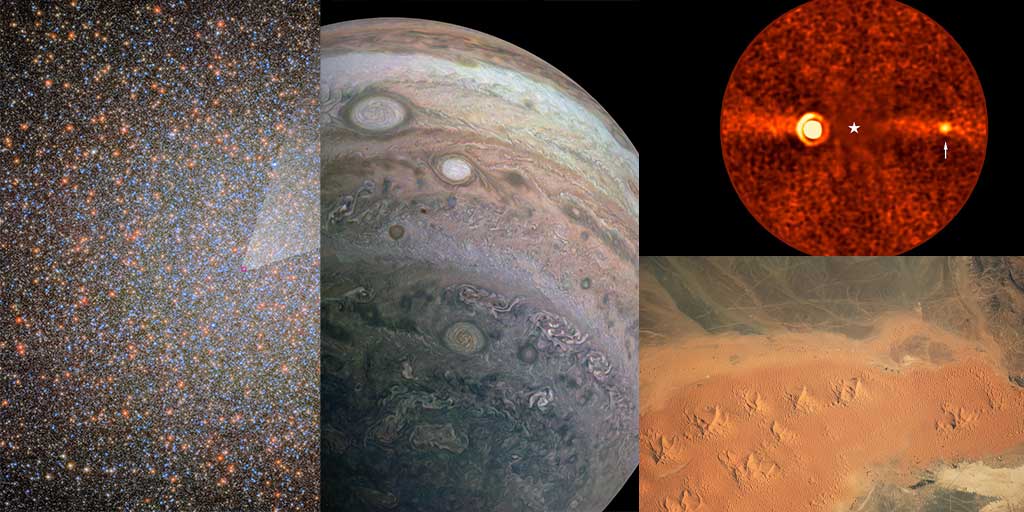
This week, we celebrate fifty years since Viking 1 became the first spacecraft to successfully land on and photograph the surface of Mars, alongside stunning new views of worlds, stars, and galaxies that continue to expand our understanding of the universe. From sculpted Sahara sand dunes and Jupiter’s colorful cloud bands to a newly discovered exoplanet and the first stellar-mass black hole identified in Omega Centauri, these images showcase the remarkable diversity of cosmic exploration. #PPOD
Planetary Picture of the Day - Week of July 13, 2026
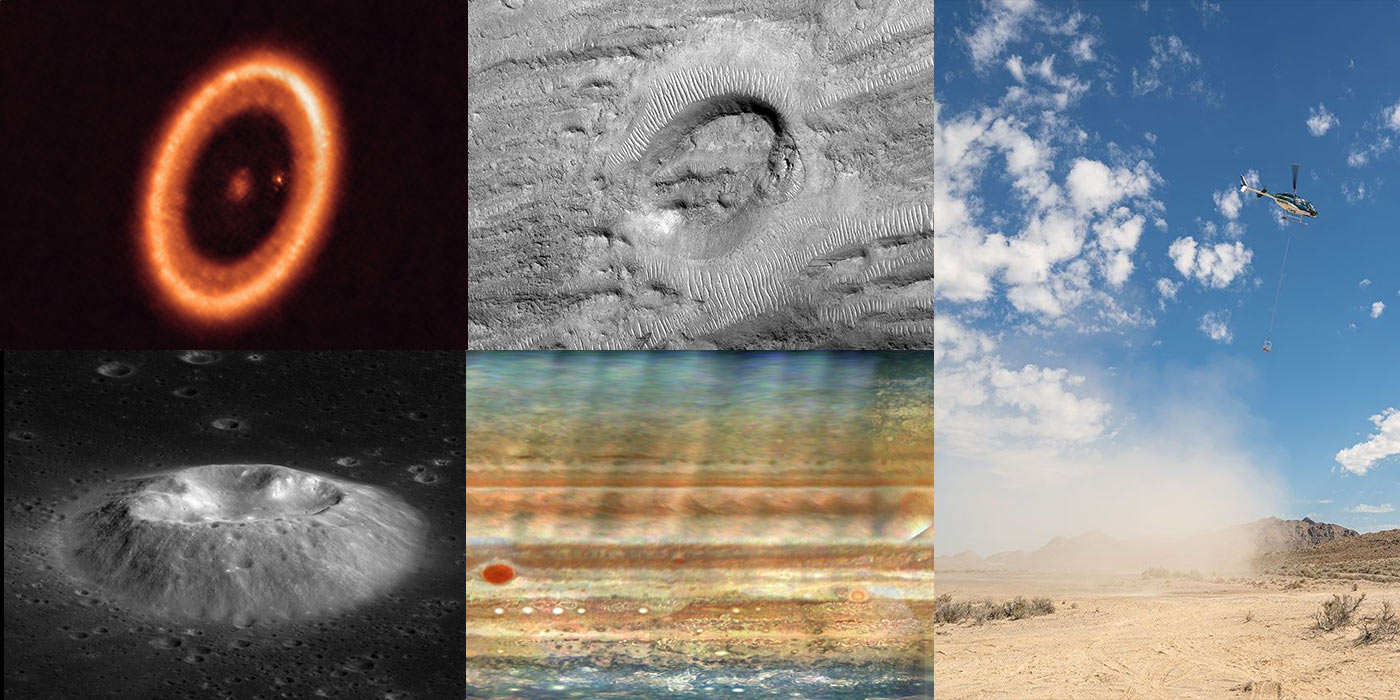
This week, we explore worlds in the making, from the first-ever evidence of moons forming around a distant exoplanet to ancient volcanic and flood-carved landscapes preserved on the Moon and Mars. The images also celebrate the science behind exploration, featuring new global views of Jupiter and Earth-based testing for NASA’s upcoming DAVINCI mission to Venus. #PPODResearch
Related Projects
SkyMapper: Expanding Access to Real-time Astronomy Through a Global Astronomical Network
SkyMapper and the SETI Institute are connecting educators, students and the public to live astronomical observations through a distributed astronomical network. #SkyMapper #SETI #Citizen Science #Astronomy
Virtual Planetary Laboratory
How can we best assess whether an exoplanet supports life? #VPL
Discovery and Futures Lab
What happens if life beyond Earth is discovered? The Discovery and Futures Lab at the SETI Institute fosters novel and anticipatory research at the intersection of science, society, our planet, and the search for life beyond Earth. #Discovery and Futures LabSupport the
SETI Institute
Scientists are getting closer in their search for life beyond earth. But with limited federal funding for the search for extraterrestrial intelligence, supporters are the reason cutting-edge scientists can keep their eyes on the sky.