






Monday, 27 July 2026
Psyche Approaches Mars
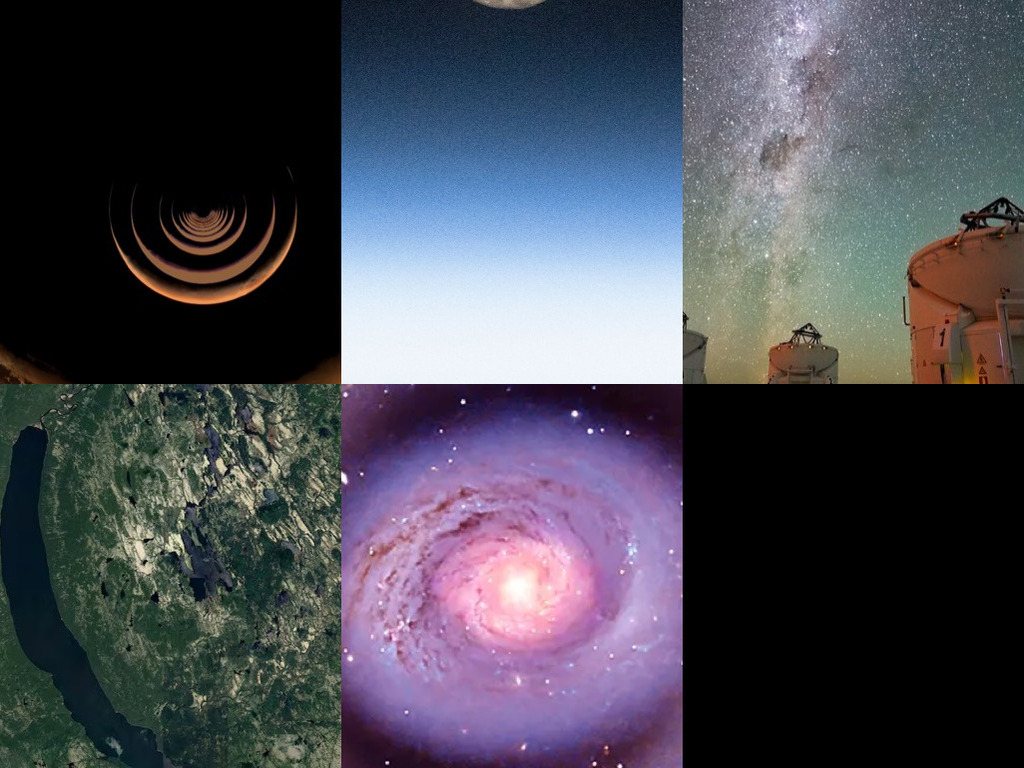
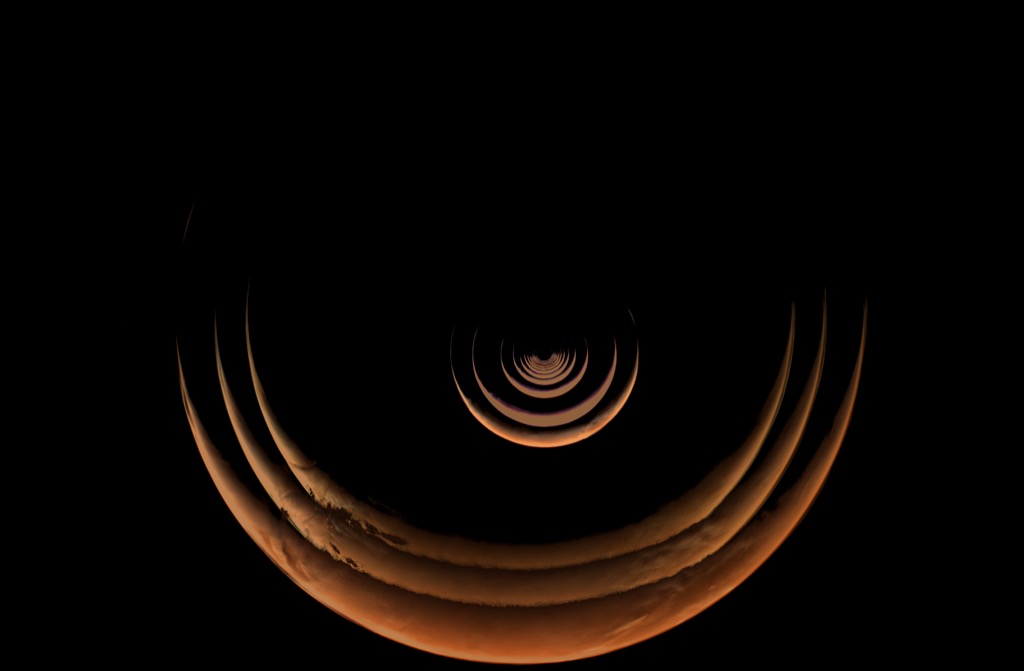
This composite photo released on July 17, 2026, shows the crescent of Mars growing as NASA’s Psyche spacecraft approached the planet for a gravity assist.
Psyche flew by Mars on May 15, 2026, using the planet’s gravity to gain speed and slightly tilt its trajectory. The flyby also gave the team an opportunity to prep for the science they will be conducting when they reach the metal-rich asteroid Psyche in 2029.
Tuesday, 28 July 2026
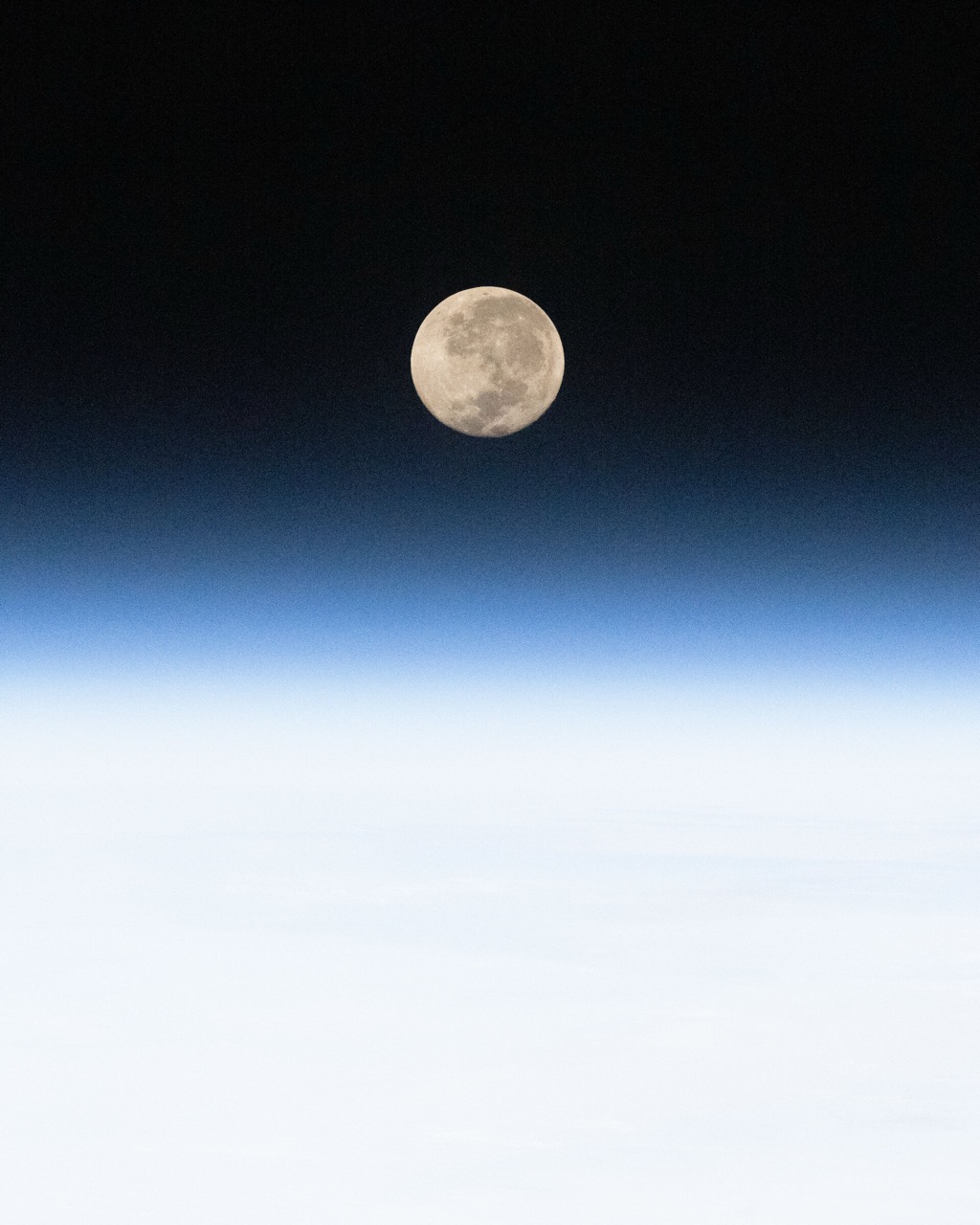
Moonset
This picture was published as part of a set on social media by ESA astronaut Sophie Adenot, with the following caption:
Day 157, orbit 2435 — The Moon has forever inspired, comforted and sparked curiosity. Fifty-seven years ago, the Apollo 11 crew took humanity's first steps on its surface. As we prepare to return and build a sustainable presence on its surface, the Moon is becoming the stepping stone for humanity's next great adventures in space. Go Artemis!
Wednesday, 29 July 2026
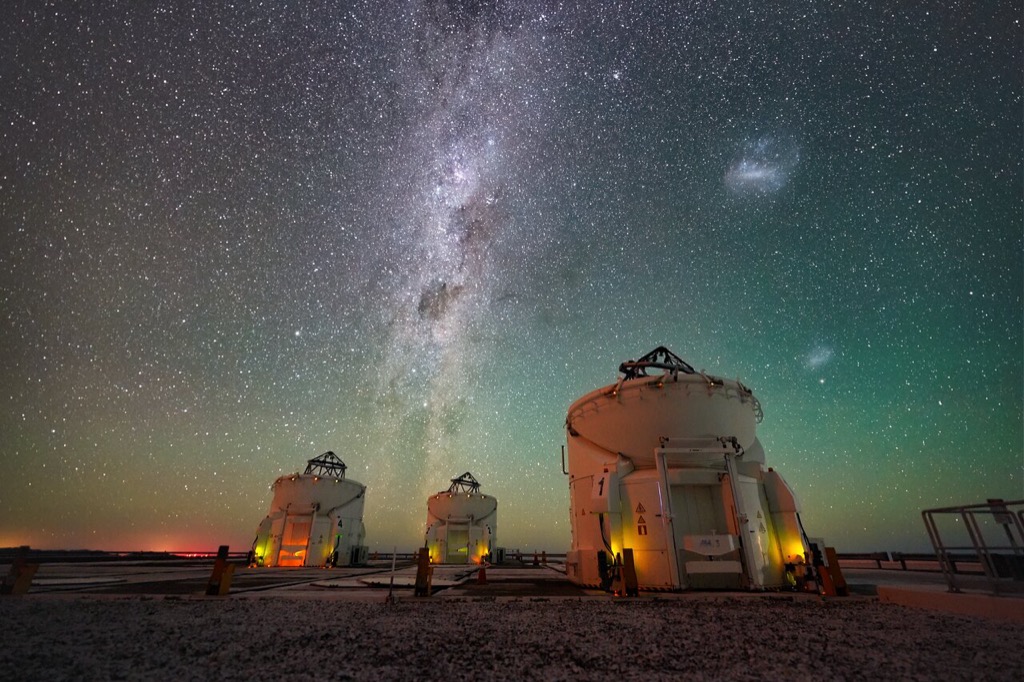
Watching Our Cosmic Neighborhood
This image shows the stunning night sky above three of the Auxiliary Telescopes (ATs) at ESO’s Paranal Observatory, in Chile’s Atacama Desert. Conditions at the site make it one of the best places on Earth for astronomical observations, with the band of the Milky Way, as well as the Large and Small Magellanic Clouds, visible to the unaided eye.
Thursday, 30 July 2026
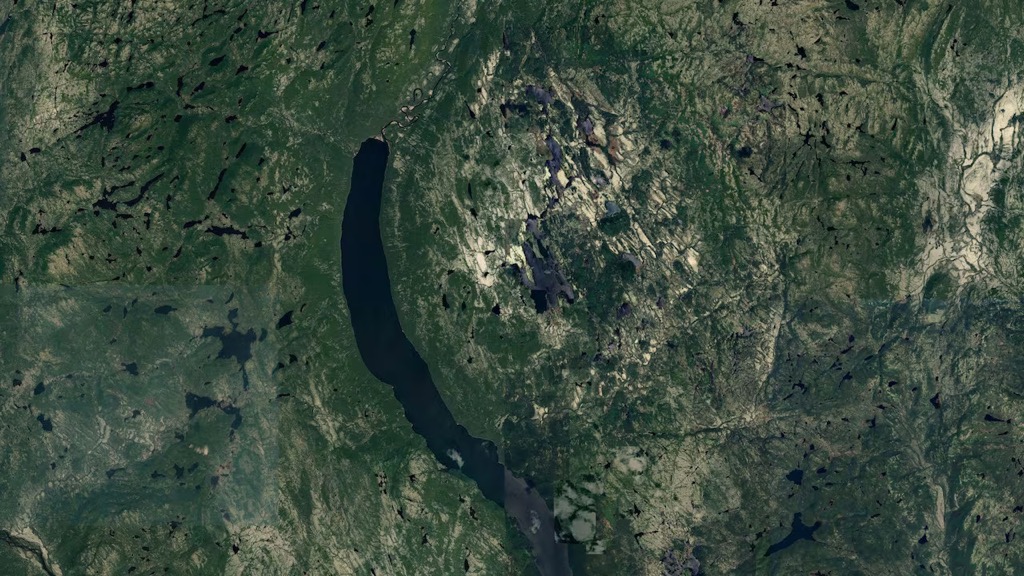
Uhackatik Crater in Canada
Amateur astronomer Joël Lapointe was using Google Maps to plan a camping vacation in 2024 when he came across a feature in Quebec's Côte-Nord region that reminded him of an impact crater. He reported the finding, and now field investigations have found geological evidence that this previously unknown feature is indeed a crater from an impact 390 million years ago. The crater's name, Uhackatik, was established in consultation with the Innu Council of Ekuanitshit. This image of the crater was drawn from Google Earth by Dr. Gordon Osinski, one of the researchers who confirmed its origin.
Friday, 31 July 2026
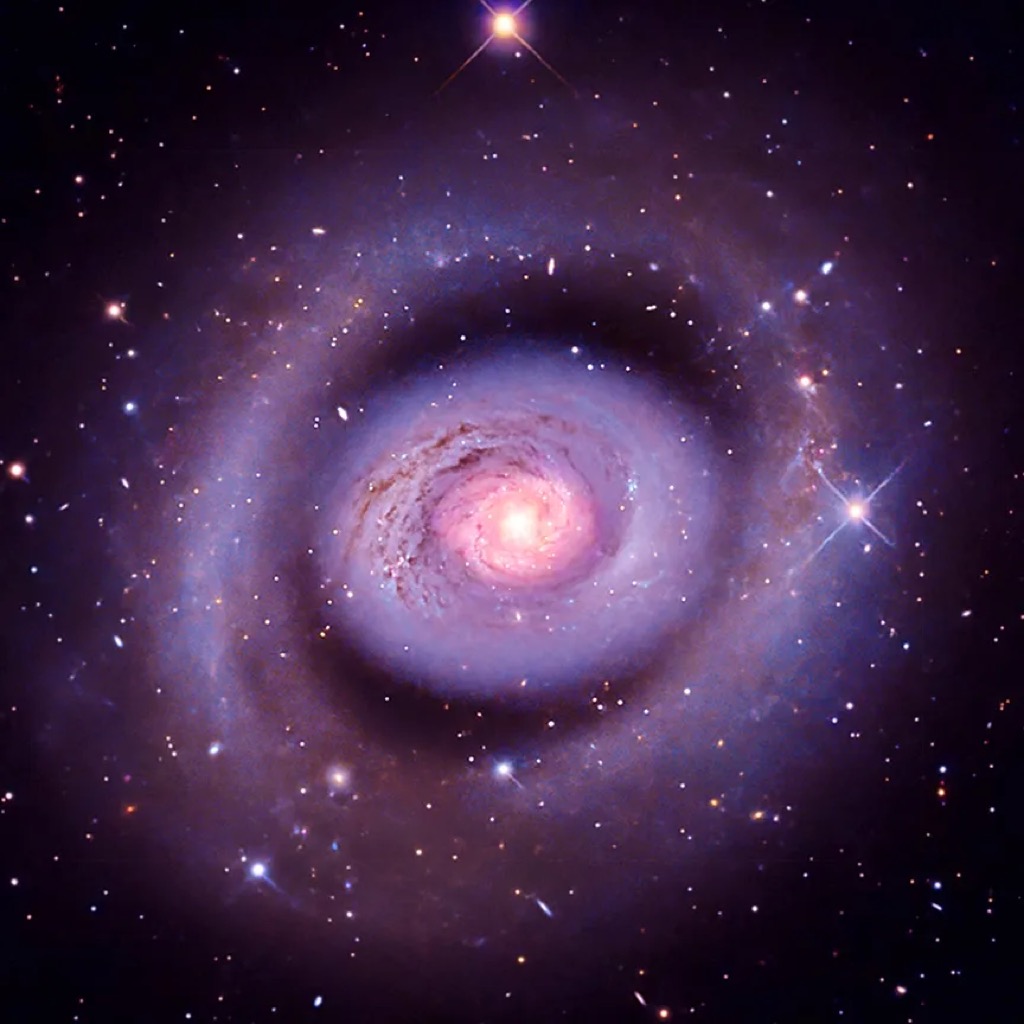
A New Look for Messier 94
NASA’s Chandra X-ray Observatory unveiled this new look at the galaxy NGC 4736, also known as Messier 94, on June 30, 2026. Messier 94 is a spiral galaxy with a bright inner ring, called a starburst ring, where new stars are forming, perhaps fueled by gas driven into the unique oval-shaped structure seen here.
In this image, X-rays from different Chandra wavelengths (red, orange, and blue) are layered with a visible-light image from astrophotographers using their telescopes on the ground (red, green, and blue).
News
Related News
Planetary Picture of the Day - Week of August 24, 2026
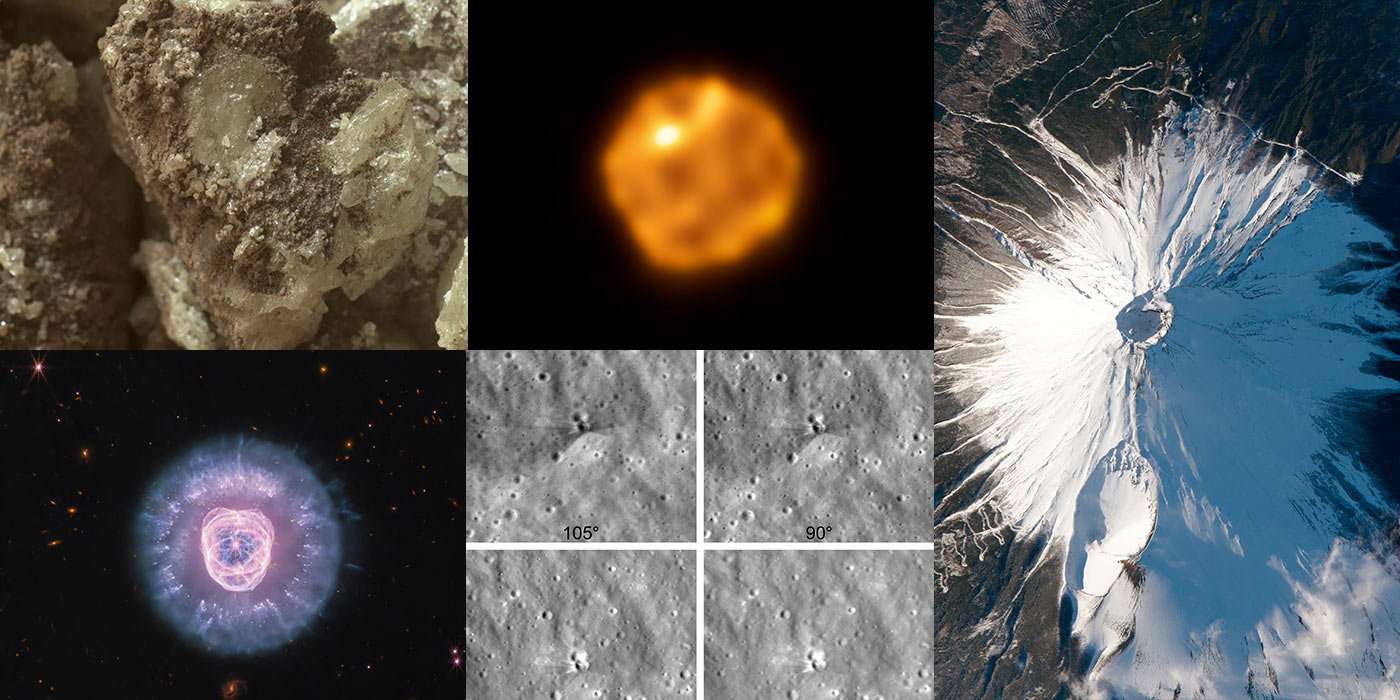
We journey from Mount Fuji as seen from orbit to the bubbling surface of Betelgeuse, exploring the forces that shape planets, moons, and stars across the cosmos. Along the way, JWST reveals the remains of a dying star, Curiosity uncovers clues to Mars’ volcanic past, and a fresh rocket impact on the Moon gives scientists a new opportunity to study how collisions reshape its surface. #PPOD

Planetary Picture of the Day - Week of August 17, 2026
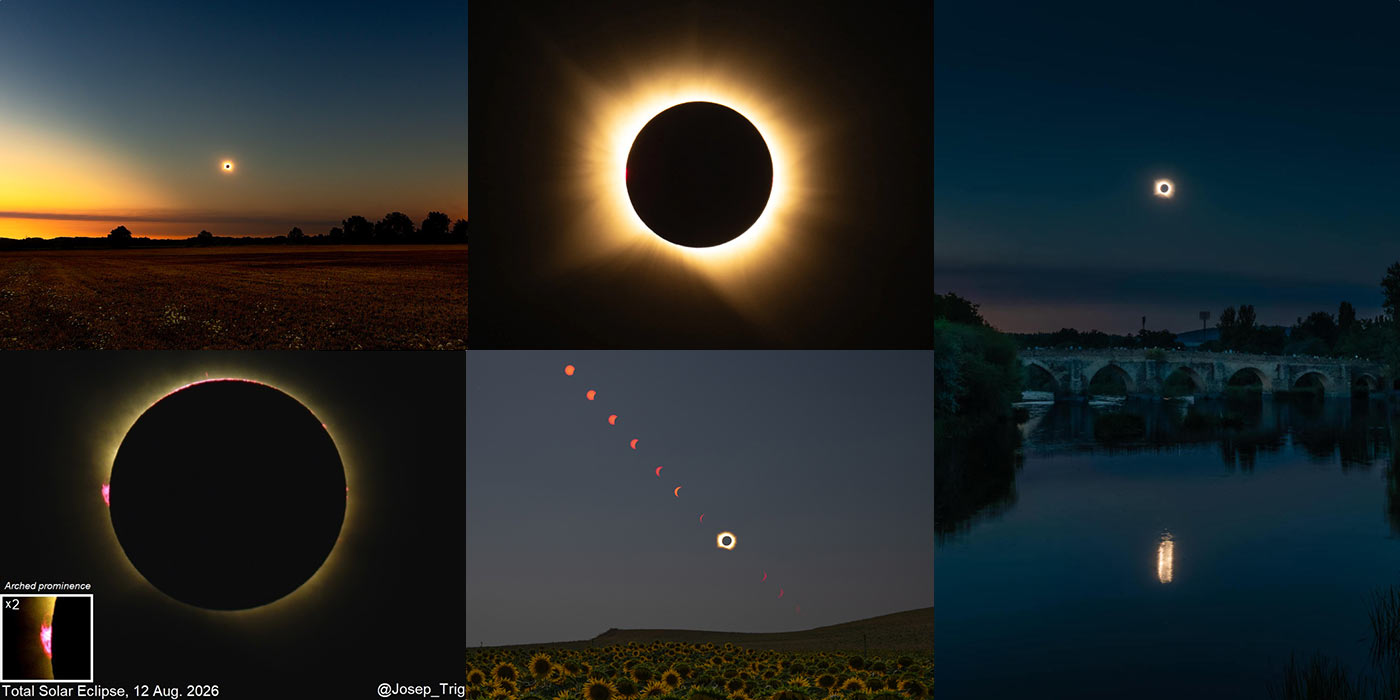
Let's celebrate the August 12 total solar eclipse through the eyes of photographers who experienced the Moon’s shadow sweeping across Spain. From Baily’s Beads and a glowing solar prominence to totality reflected in a river and framed by fields of sunflowers, these images capture both the science and extraordinary beauty of one of nature’s most spectacular celestial events. #PPOD #Eclipse
Planetary Picture of the Day - Week of August 10, 2026
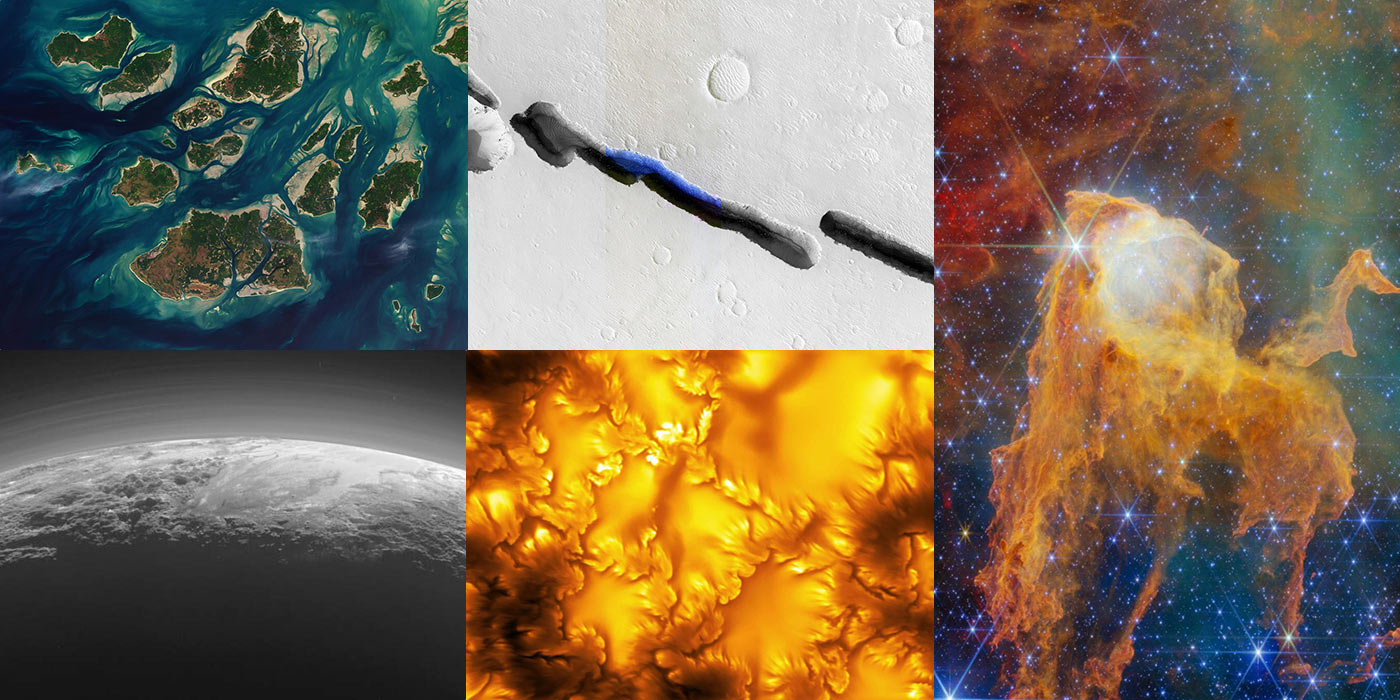
The universe is shaped by forces both immense and intricate, from fractured terrain on Mars and shifting tidal landscapes on Earth to tiny vortices dancing across the surface of the Sun. Farther afield, dramatic views of Pluto’s icy mountains and hazy atmosphere and a treasure chest of newborn stars in the Carina Nebula showcase the remarkable detail revealed by spacecraft and telescopes exploring the cosmos. #PPOD
Planetary Picture of the Day - August 3, 2026
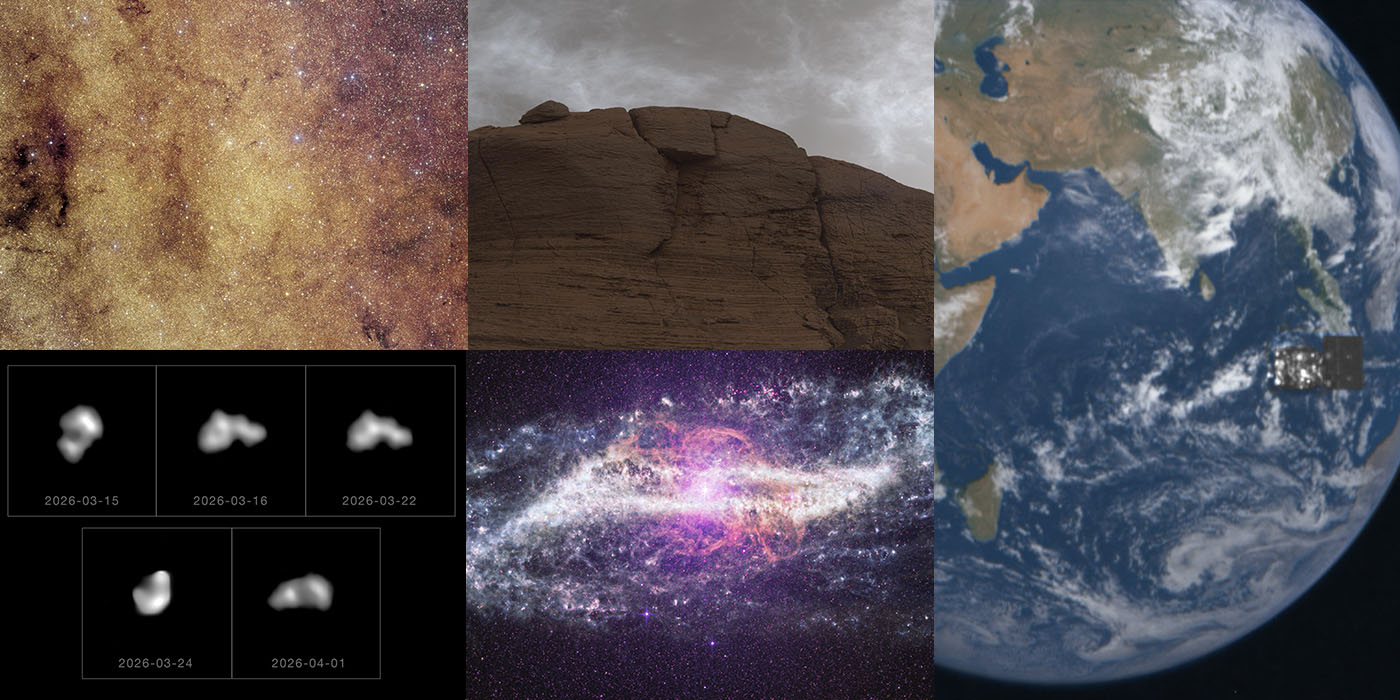
This week, we reveal hidden wonders across the cosmos, from delicate Martian clouds and a dust-shrouded galaxy to an asteroid with a never-before-seen shape and the crowded heart of the Milky Way. Together, these images showcase how new missions and advanced observatories continue to uncover surprising details about our solar system, our galaxy, and the universe beyond. #PPOD
Planetary Picture of the Day - Week of July 20, 2026
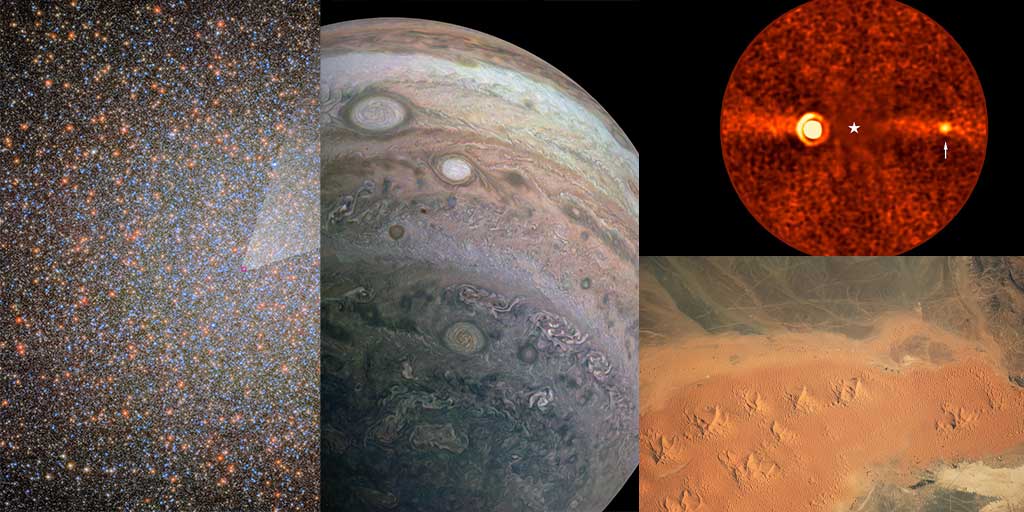
This week, we celebrate fifty years since Viking 1 became the first spacecraft to successfully land on and photograph the surface of Mars, alongside stunning new views of worlds, stars, and galaxies that continue to expand our understanding of the universe. From sculpted Sahara sand dunes and Jupiter’s colorful cloud bands to a newly discovered exoplanet and the first stellar-mass black hole identified in Omega Centauri, these images showcase the remarkable diversity of cosmic exploration. #PPOD
Planetary Picture of the Day - Week of July 13, 2026
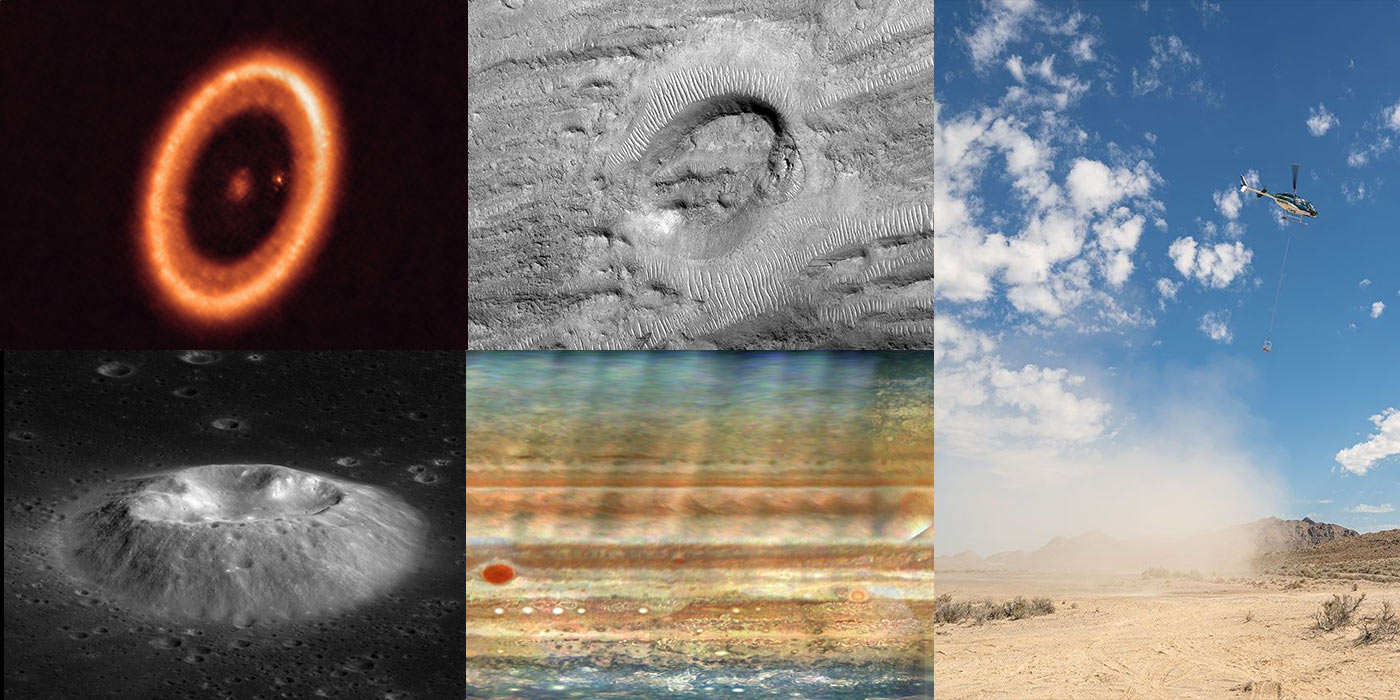
This week, we explore worlds in the making, from the first-ever evidence of moons forming around a distant exoplanet to ancient volcanic and flood-carved landscapes preserved on the Moon and Mars. The images also celebrate the science behind exploration, featuring new global views of Jupiter and Earth-based testing for NASA’s upcoming DAVINCI mission to Venus. #PPODResearch
Related Projects
SkyMapper: Expanding Access to Real-time Astronomy Through a Global Astronomical Network
SkyMapper and the SETI Institute are connecting educators, students and the public to live astronomical observations through a distributed astronomical network. #SkyMapper #SETI #Citizen Science #Astronomy
Virtual Planetary Laboratory
How can we best assess whether an exoplanet supports life? #VPL
Discovery and Futures Lab
What happens if life beyond Earth is discovered? The Discovery and Futures Lab at the SETI Institute fosters novel and anticipatory research at the intersection of science, society, our planet, and the search for life beyond Earth. #Discovery and Futures LabSupport the
SETI Institute
Scientists are getting closer in their search for life beyond earth. But with limited federal funding for the search for extraterrestrial intelligence, supporters are the reason cutting-edge scientists can keep their eyes on the sky.