






Wednesday, Aug 19, 2026

Credit: NASA/JPL-Caltech/University of Arizona

Monday, 10 August 2026

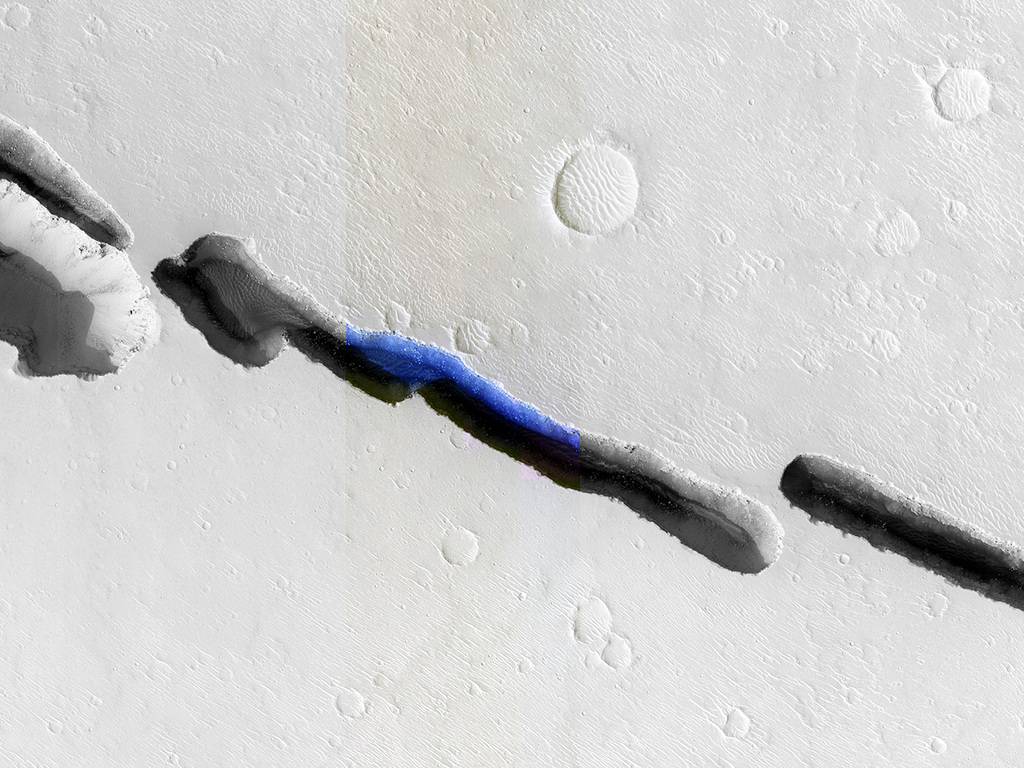
The Eastern Portion of Cerberus Fossae

Visible in this observation is a section of Cerberus Fossae, Mars (width approximately 250 meters), which comprises a series of rifts located in Elysium Planitia just north of the Martian equator. The fossae (Latin plural for a “ditch” or “depression”) are in close proximity and related to the formation of Athabasca Valles, which lies to the west. These rifts are collapse features believed to form by volcanic and tectonic processes.

In this composite image, we can see that the rift is not continuous, but discontinuous and offset. The offset could result from a preexisting subsurface discontinuity, such as a fault.

Credit: NASA/Lauren Dauphin, USGS; Text: Adam Voiland

Tuesday, 11 August 2026

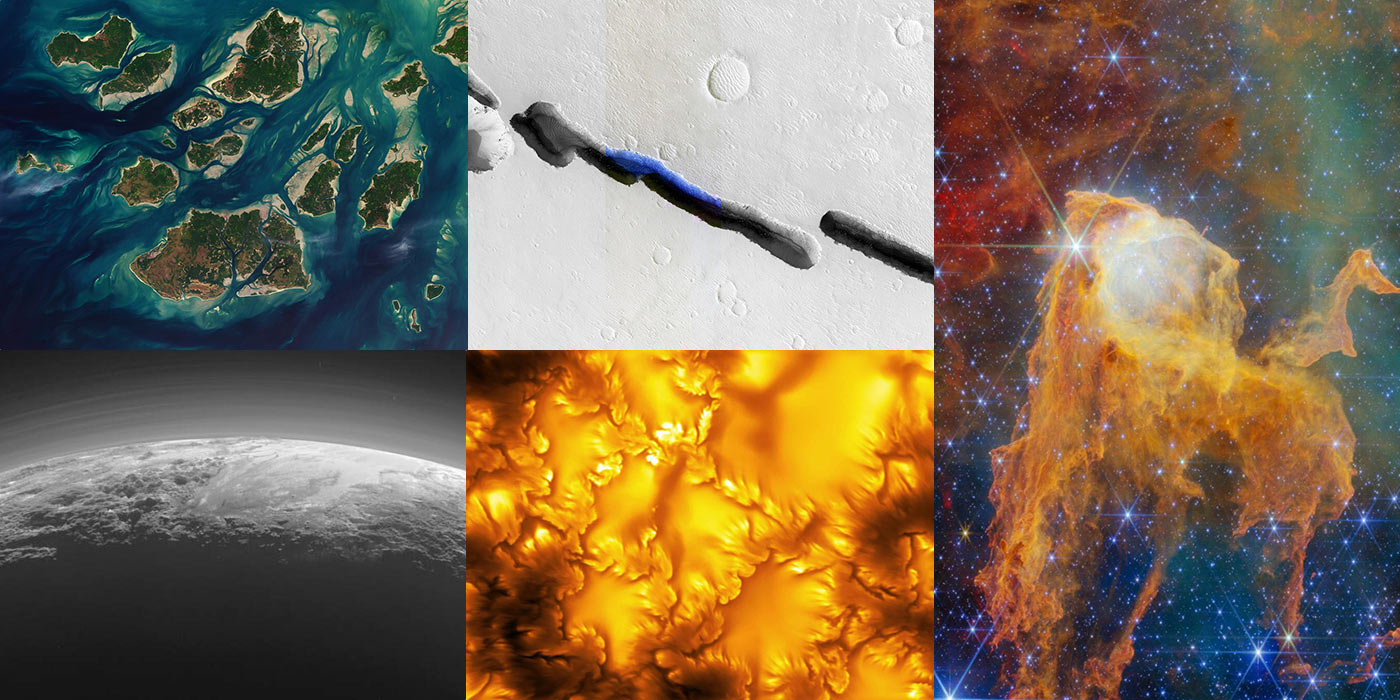
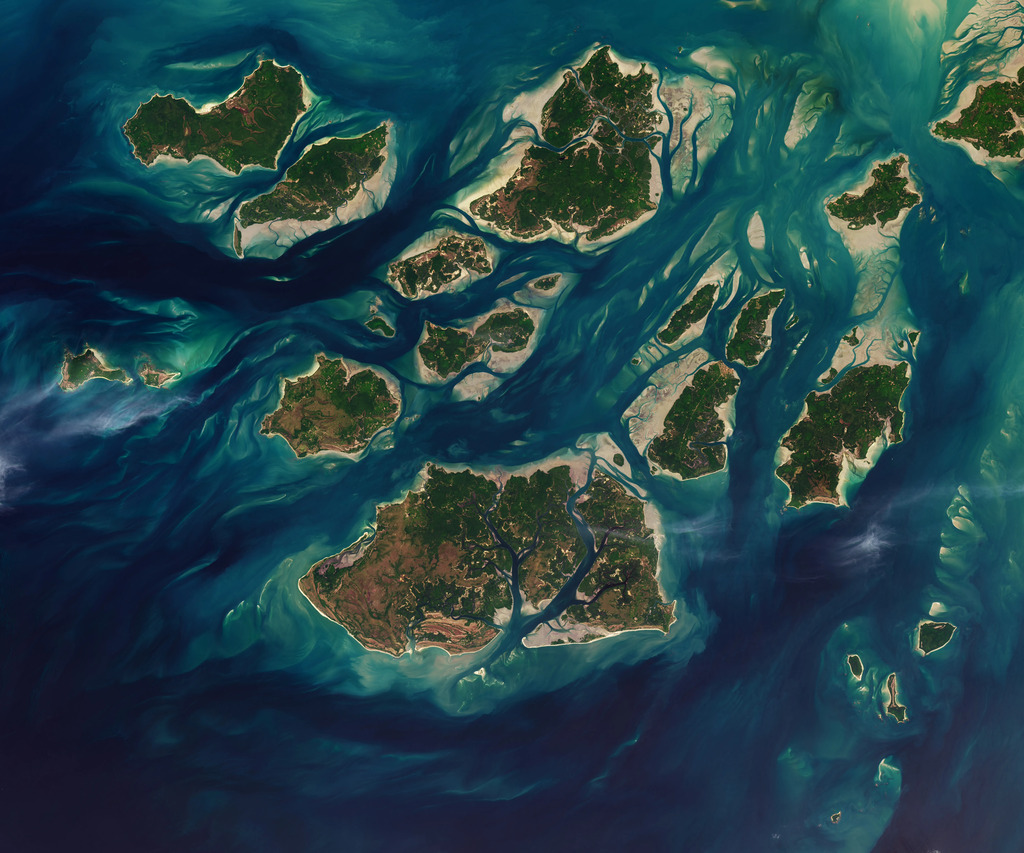
Guinea-Bissau Tidal Waters

Twice each day, tides ebb and flow through a maze of sandy channels, mudflats, and mangrove forests that flank the 88 islands and islets of Guinea-Bissau’s Bijagós Archipelago (Arquipélago dos Bijagós in Portuguese). Seen from above in this image from Nov. 28, 2025, the process leads to stark changes to the landscape: around low tide, intertidal mudflats and sandflats emerge from the sea, causing islands to grow significantly before shrinking again hours later.

Credit: NSF/NSO/AURA/MPS

Wednesday, 12 August 2026

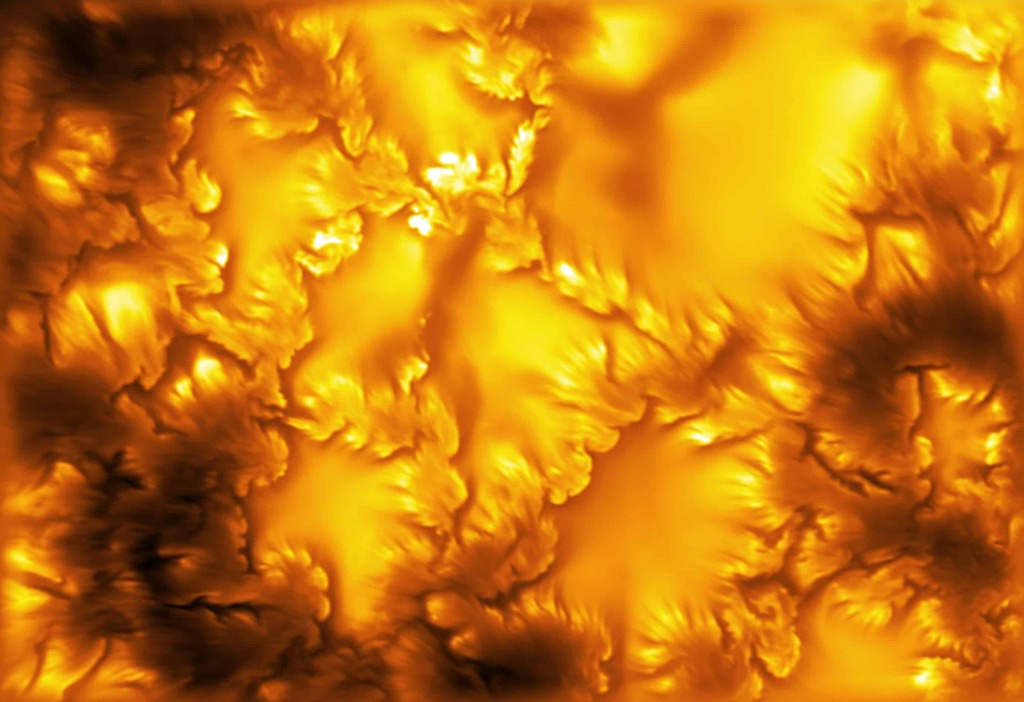
Tiny Vortices on the Sun

The highest-resolution image of the Sun’s surface (photosphere) ever captured, taken at 416 nm by the Inouye Solar Telescope. It reveals deformed boundaries of magnetic elements and ultra-fine-scale stripes, both associated with Kelvin-Helmholtz instability.

Credit: NASA/JHUAPL/SwRI

Thursday, 13 August 2026

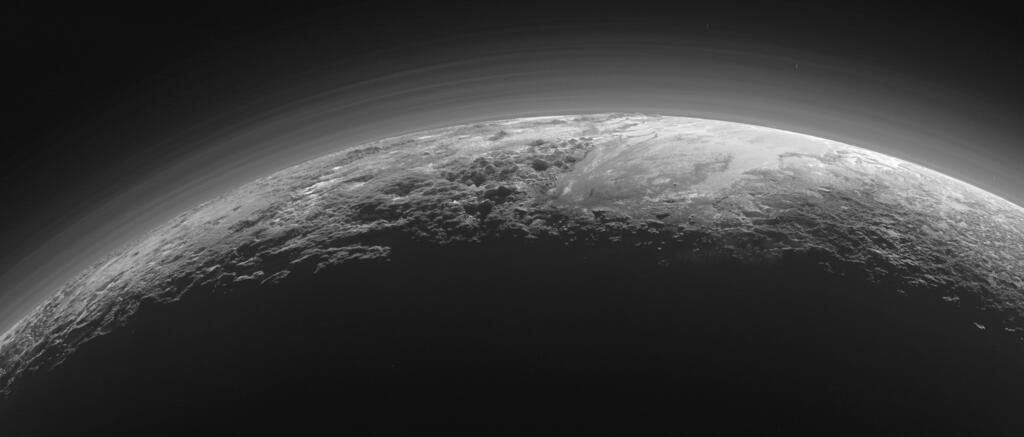
Pluto’s Majestic Mountains, Frozen Plains and Foggy Hazes

Just 15 minutes after its closest approach to Pluto on July 14, 2015, NASA's New Horizons spacecraft looked back toward the Sun and captured this near-sunset view of the rugged, icy mountains and flat ice plains extending to Pluto's horizon.

The smooth expanse of the informally named icy plain Sputnik Planum (right) is flanked to the west (left) by rugged mountains up to 3,500 meters high, including the informally named Norgay Montes in the foreground and Hillary Montes on the skyline.

To the right, east of Sputnik, rougher terrain is cut by apparent glaciers. The backlighting highlights more than a dozen layers of haze in Pluto's tenuous but distended atmosphere.

Credit: ESA/Webb, NASA & CSA, M. Reiter; Acknowledgments: M. H. Özsaraç

Friday, 14 August 2026

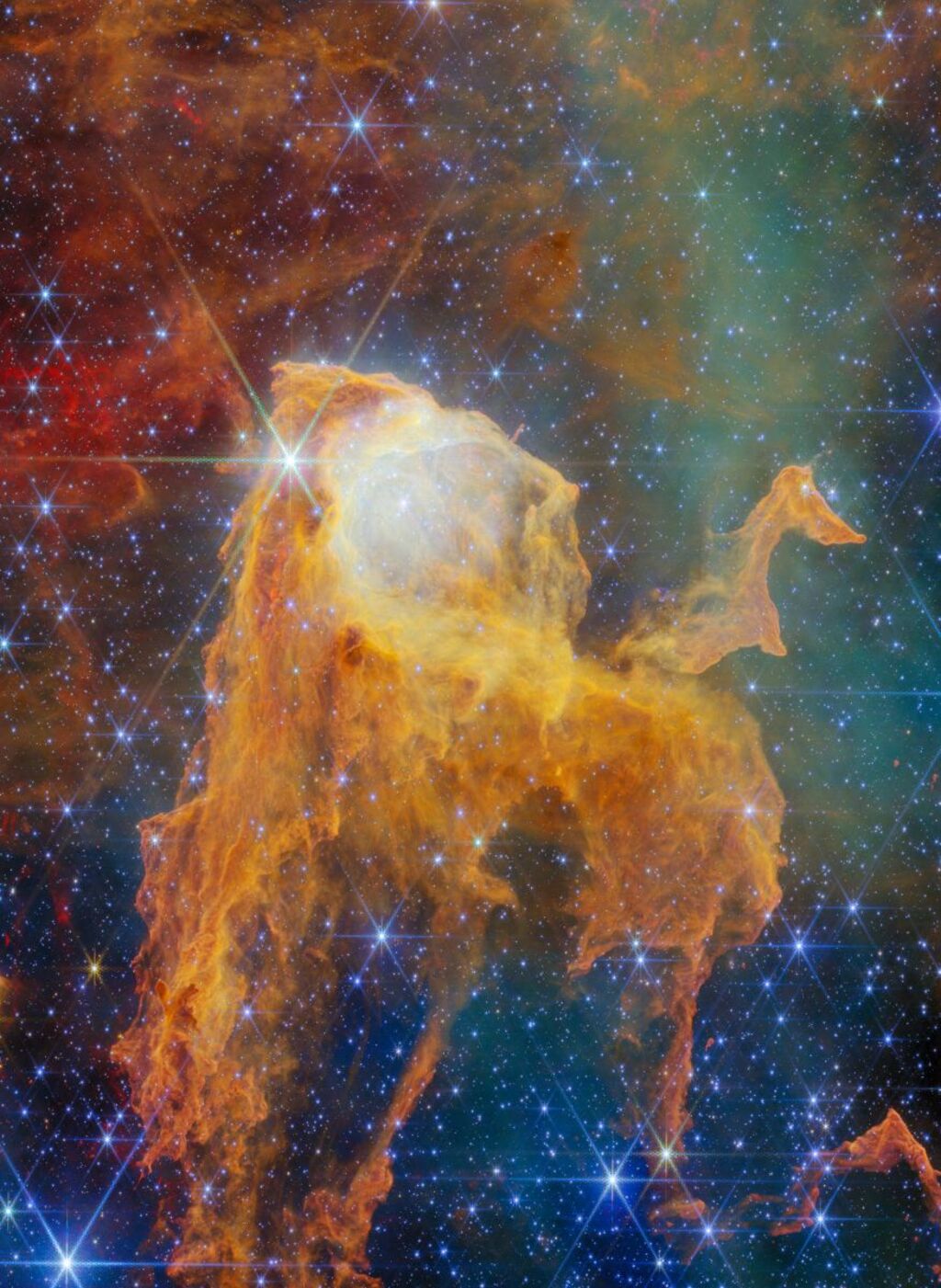
JWST Opens a Treasure Chest

This James Webb Space Telescope image peers into the Treasure Chest, a glowing cluster of young stars hidden inside the Carina Nebula, about 7,500 light-years from Earth. JWST's infrared vision reveals dozens of newborn stars still wrapped in dust, while powerful radiation from nearby massive stars sculpts the surrounding gas into the shape of an open chest.

News

Related News

Featured Image
Sep 2, 2026
Planetary Picture of the Day - Week of August 24, 2026
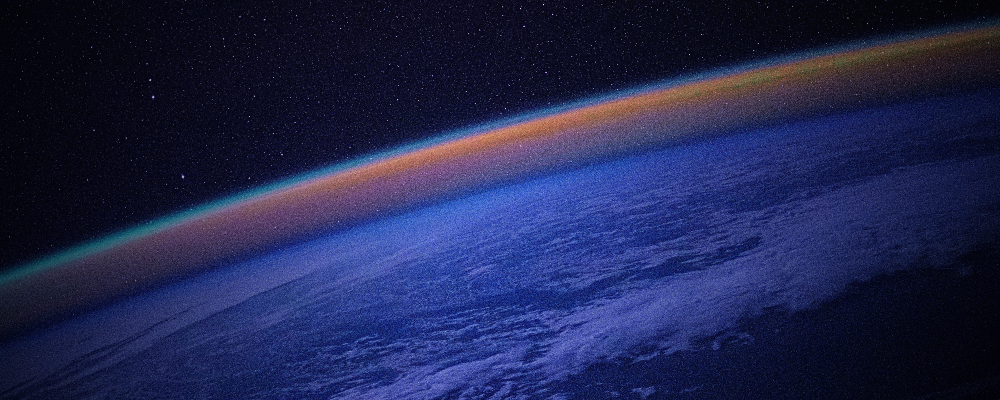
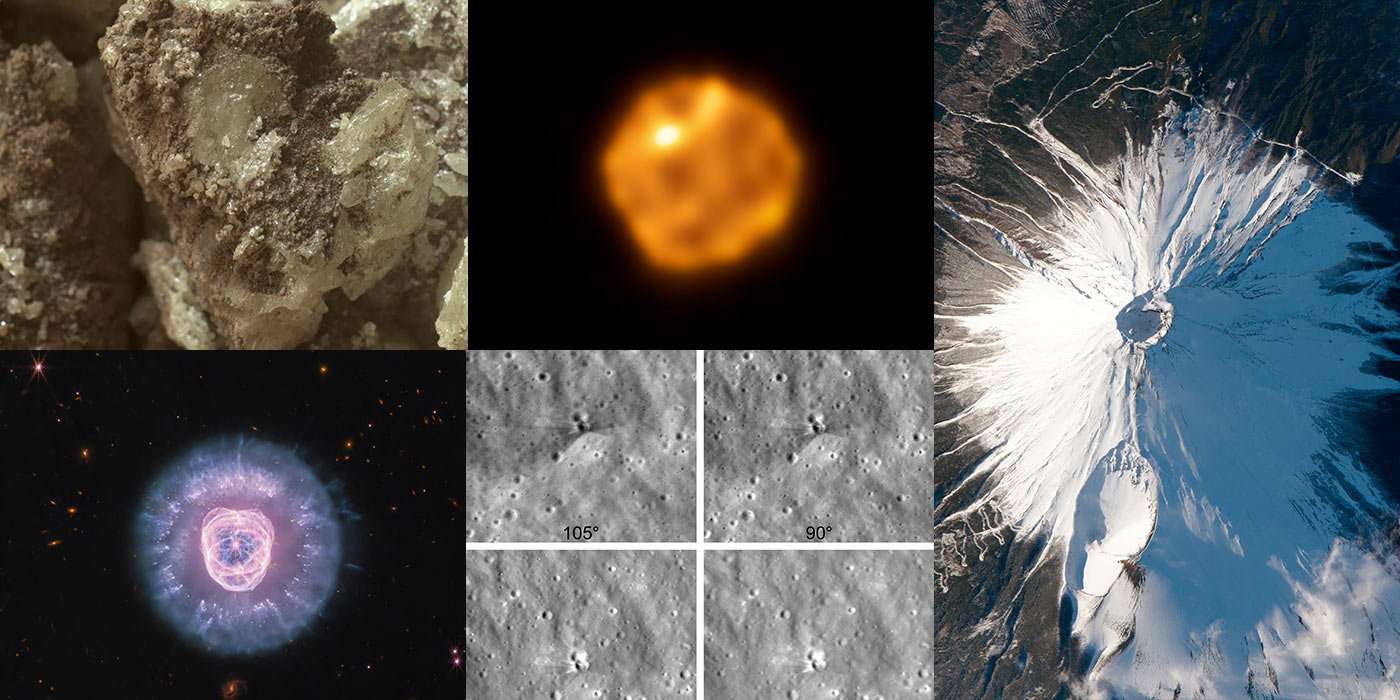
We journey from Mount Fuji as seen from orbit to the bubbling surface of Betelgeuse, exploring the forces that shape planets, moons, and stars across the cosmos. Along the way, JWST reveals the remains of a dying star, Curiosity uncovers clues to Mars’ volcanic past, and a fresh rocket impact on the Moon gives scientists a new opportunity to study how collisions reshape its surface. #PPOD

Featured Image
Aug 26, 2026
Planetary Picture of the Day - Week of August 17, 2026
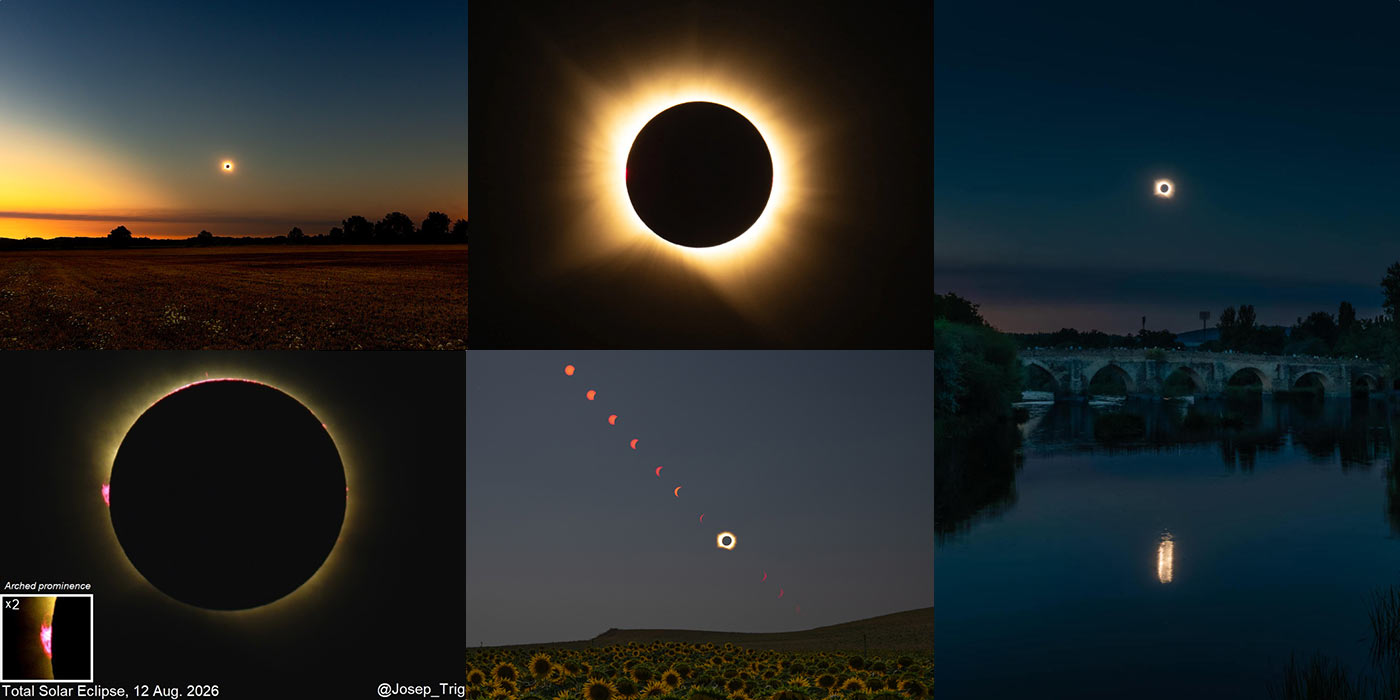
Let's celebrate the August 12 total solar eclipse through the eyes of photographers who experienced the Moon’s shadow sweeping across Spain. From Baily’s Beads and a glowing solar prominence to totality reflected in a river and framed by fields of sunflowers, these images capture both the science and extraordinary beauty of one of nature’s most spectacular celestial events. #PPOD #Eclipse
Featured Image
Aug 12, 2026
Planetary Picture of the Day - August 3, 2026
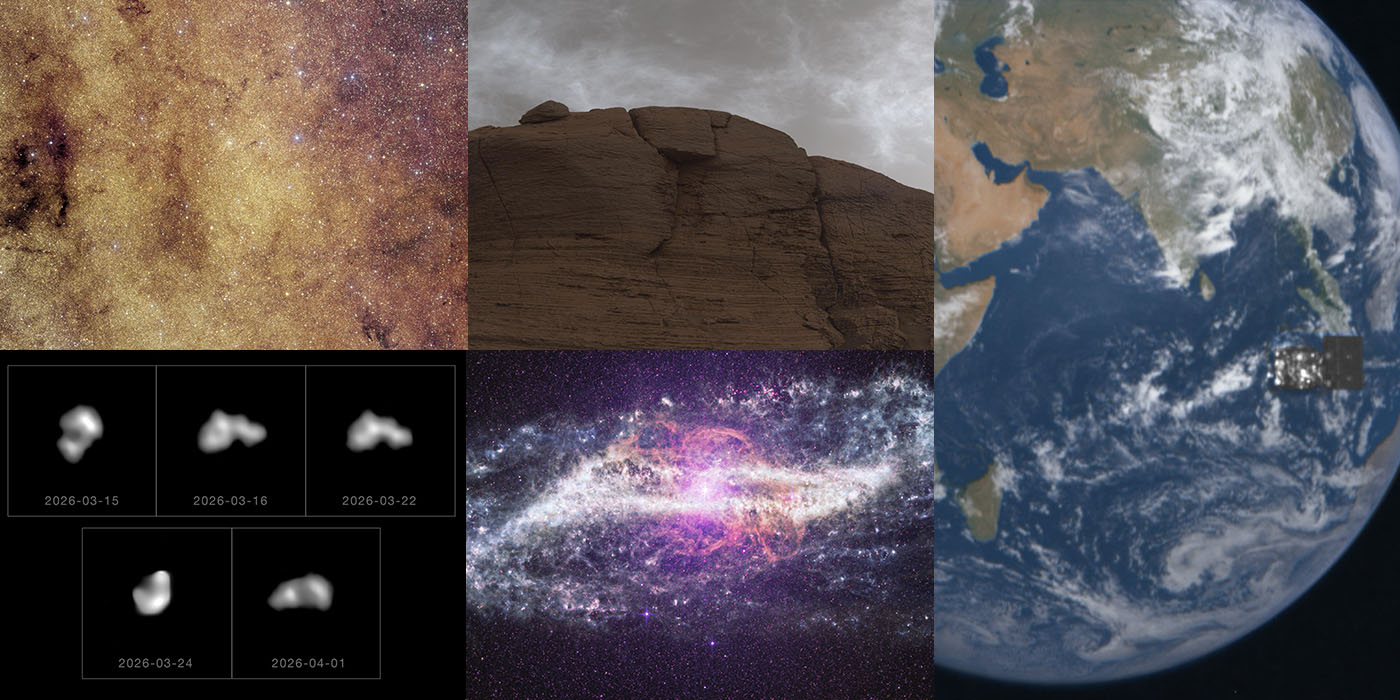
This week, we reveal hidden wonders across the cosmos, from delicate Martian clouds and a dust-shrouded galaxy to an asteroid with a never-before-seen shape and the crowded heart of the Milky Way. Together, these images showcase how new missions and advanced observatories continue to uncover surprising details about our solar system, our galaxy, and the universe beyond. #PPOD
Featured Image
Aug 5, 2026
Planetary Picture of the Day - Week of July 27, 2026
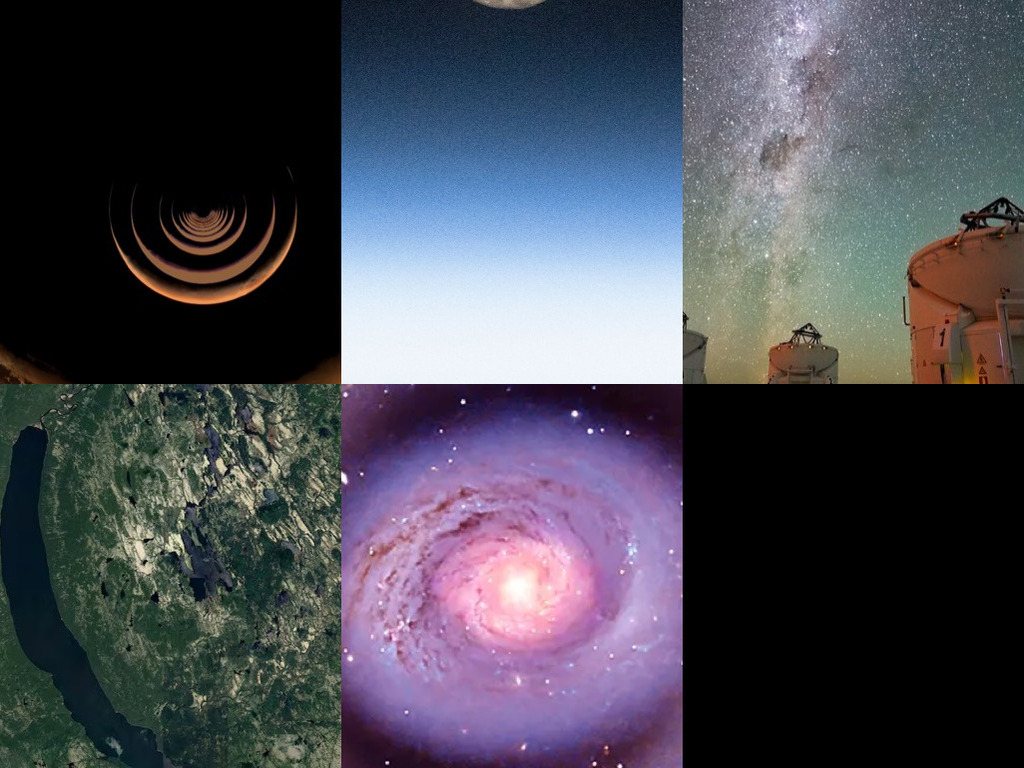
These images span the journey from our own backyard to distant galaxies, featuring Mars, the Moon, breathtaking night skies, and a fresh view of the star-forming galaxy Messier 94. Along the way, we celebrate exploration and discovery—from NASA’s Psyche mission preparing for its asteroid encounter to the revelation of a previously unknown impact crater on Earth —reminding us that there are still new wonders to uncover both on our own planet and across the cosmos. #PPOD
Featured Image
Jul 29, 2026
Planetary Picture of the Day - Week of July 20, 2026
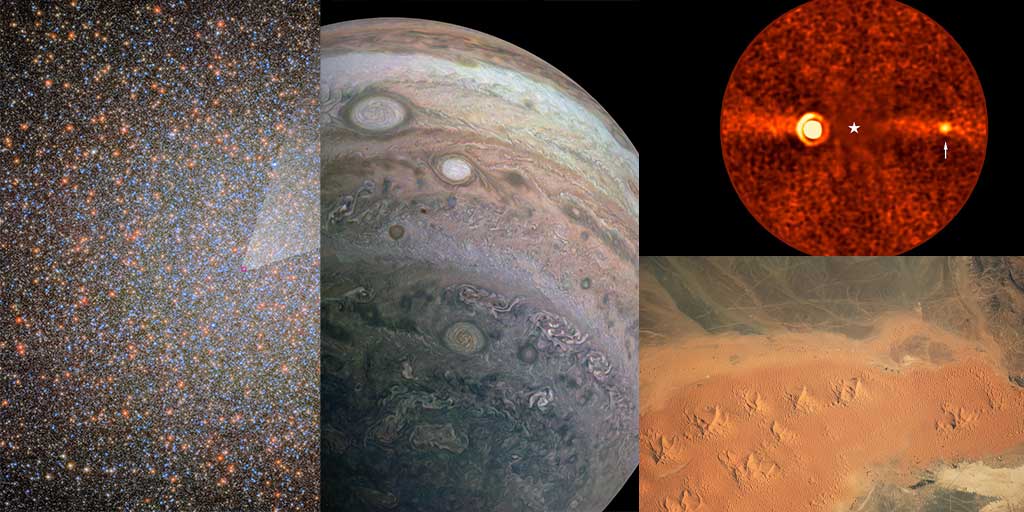
This week, we celebrate fifty years since Viking 1 became the first spacecraft to successfully land on and photograph the surface of Mars, alongside stunning new views of worlds, stars, and galaxies that continue to expand our understanding of the universe. From sculpted Sahara sand dunes and Jupiter’s colorful cloud bands to a newly discovered exoplanet and the first stellar-mass black hole identified in Omega Centauri, these images showcase the remarkable diversity of cosmic exploration. #PPOD
Featured Image
Jul 22, 2026
Planetary Picture of the Day - Week of July 13, 2026
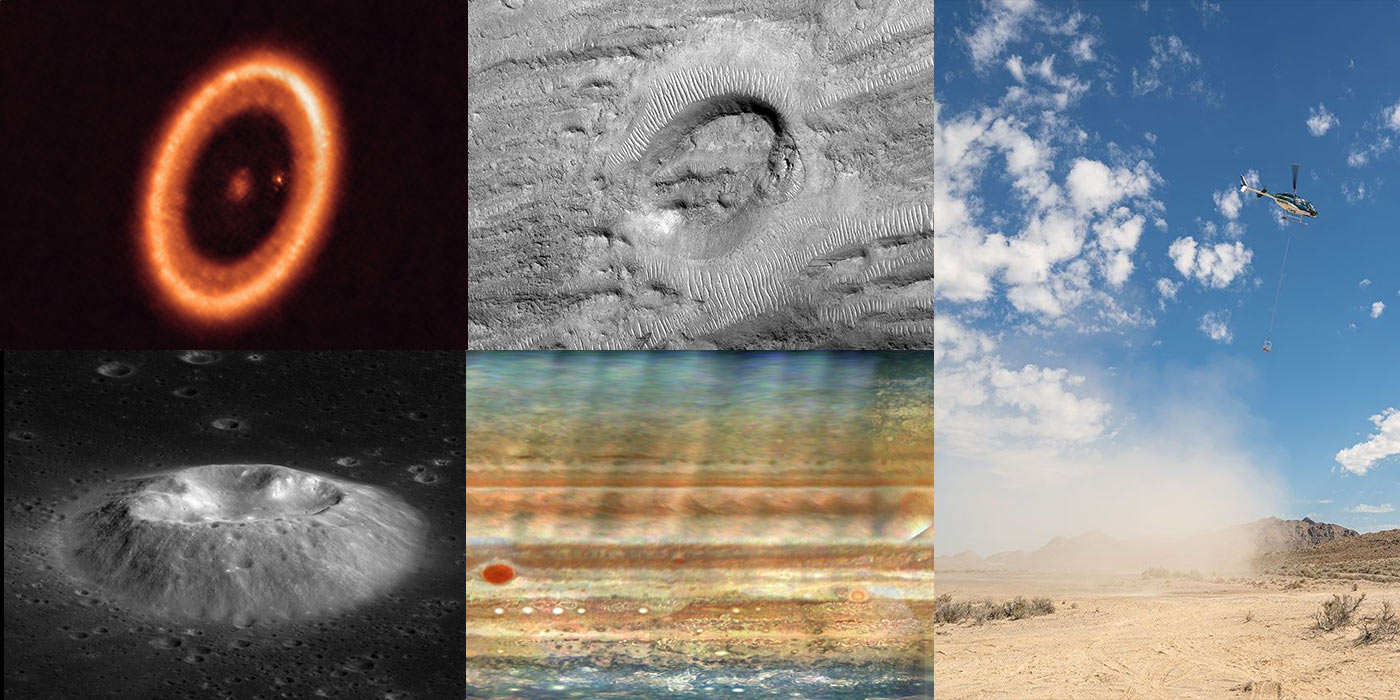
This week, we explore worlds in the making, from the first-ever evidence of moons forming around a distant exoplanet to ancient volcanic and flood-carved landscapes preserved on the Moon and Mars. The images also celebrate the science behind exploration, featuring new global views of Jupiter and Earth-based testing for NASA’s upcoming DAVINCI mission to Venus. #PPOD
Research

Related Projects

Featured Image
SkyMapper • SETI • Citizen Science • Astronomy
SkyMapper: Expanding Access to Real-time Astronomy Through a Global Astronomical Network
SkyMapper and the SETI Institute are connecting educators, students and the public to live astronomical observations through a distributed astronomical network. #SkyMapper #SETI #Citizen Science #Astronomy
Featured Image
VPL
Virtual Planetary Laboratory
How can we best assess whether an exoplanet supports life? #VPL
Featured Image
Discovery and Futures Lab
What happens if life beyond Earth is discovered? The Discovery and Futures Lab at the SETI Institute fosters novel and anticipatory research at the intersection of science, society, our planet, and the search for life beyond Earth.  #Discovery and Futures Lab
Support Us

Support the
SETI Institute

Scientists are getting closer in their search for life beyond earth. But with limited federal funding for the search for extraterrestrial intelligence, supporters are the reason cutting-edge scientists can keep their eyes on the sky.