






Wednesday, Sep 02, 2026

Credit: NASA

Monday, 24 August 2026

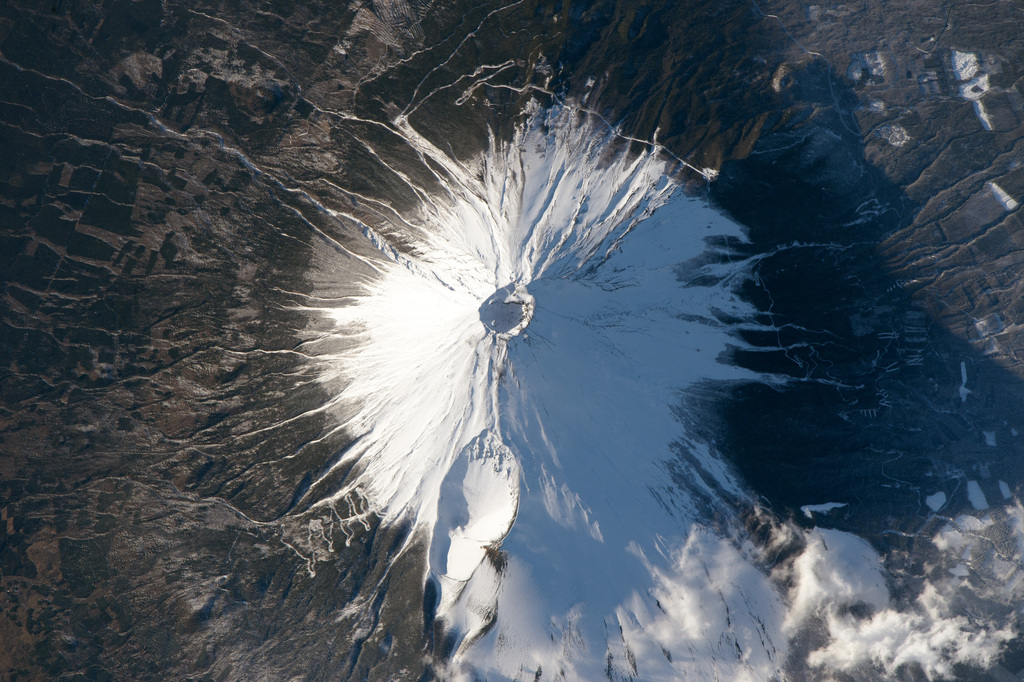
Mount Fuji From Orbit

Seen from the International Space Station, Japan’s Mount Fuji rises dramatically from the surrounding landscape. Low-angle sunlight emphasizes the volcano’s remarkably symmetrical cone, carving shadows into gullies along its flanks and into the summit crater and nearby Hoei crater.

At 3,776 meters (12,389 feet), Mount Fuji is Japan’s highest peak and one of the planet’s most recognizable volcanoes. Views like this from orbit offer a different perspective on the geologic processes that continually reshape Earth—our own dynamic world and the one against which we compare the landscapes and geology of other planets.

Credit: NASA, ESA, CSA, STScI; Image Processing: Alyssa Pagan (STScI)

Tuesday, 25 August 2026

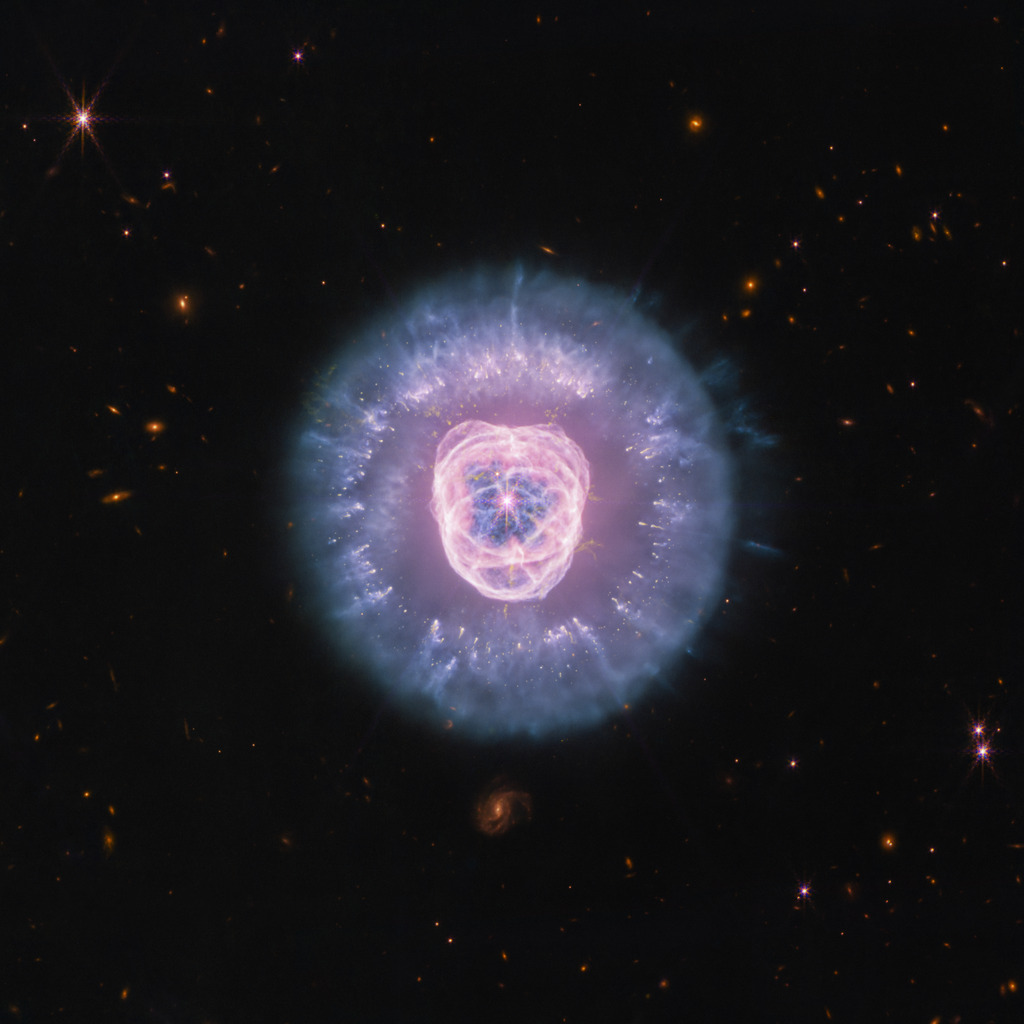
The Lion Nebula Roars

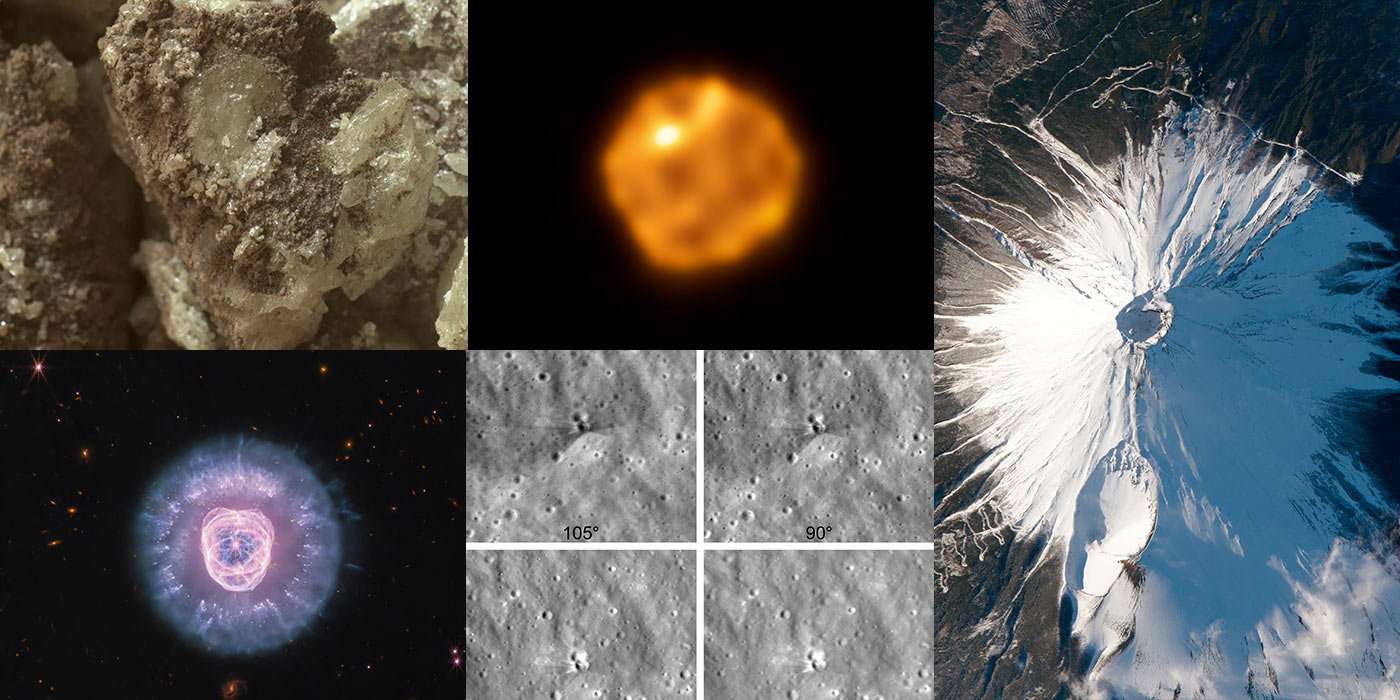
NASA’s JWST captured this striking new view of NGC 2392, nicknamed the Lion Nebula, using its near- and mid-infrared instruments. At its heart lies the remnant of a dying star, surrounded by material the star shed as it reached the final stages of its life.

JWST's high-resolution infrared vision brings remarkable detail to the nebula’s structure, revealing a bubble of ionized gas that resembles a lion’s face surrounded by a dramatic “mane” of gas and dust. Planetary nebulae like this one offer astronomers a glimpse of the distant future of stars similar to our Sun—and show how dying stars return material to space that can eventually become part of new stars and planets.

Credit: NASA/JPL-Caltech/MSSS

Wednesday, 26 August 2026

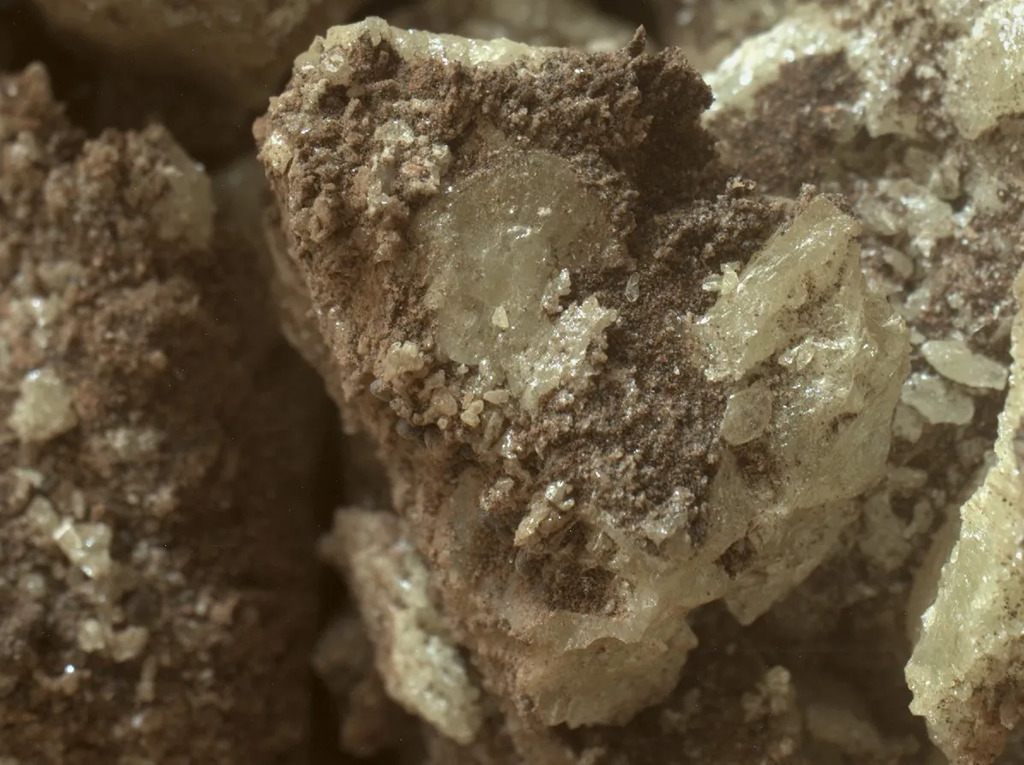
Curiosity Sees Martian Sulfur Up Close

Sometimes scientific discoveries happen by accident. NASA’s Curiosity rover uncovered these yellow sulfur crystals after driving over and crushing a rock on Mars in May 2024—the first time pure elemental sulfur had been found on the Red Planet.

Now, scientists may have an explanation for how it got there. A recent study suggests that magma deep beneath the Martian surface released fluids or gases that deposited sulfur near the surface about 3 billion years ago, adding another piece to the puzzle of Mars’ complex geologic past.

Credit: NASA/Goddard/Intuitive Machines

Thursday, 27 August 2026

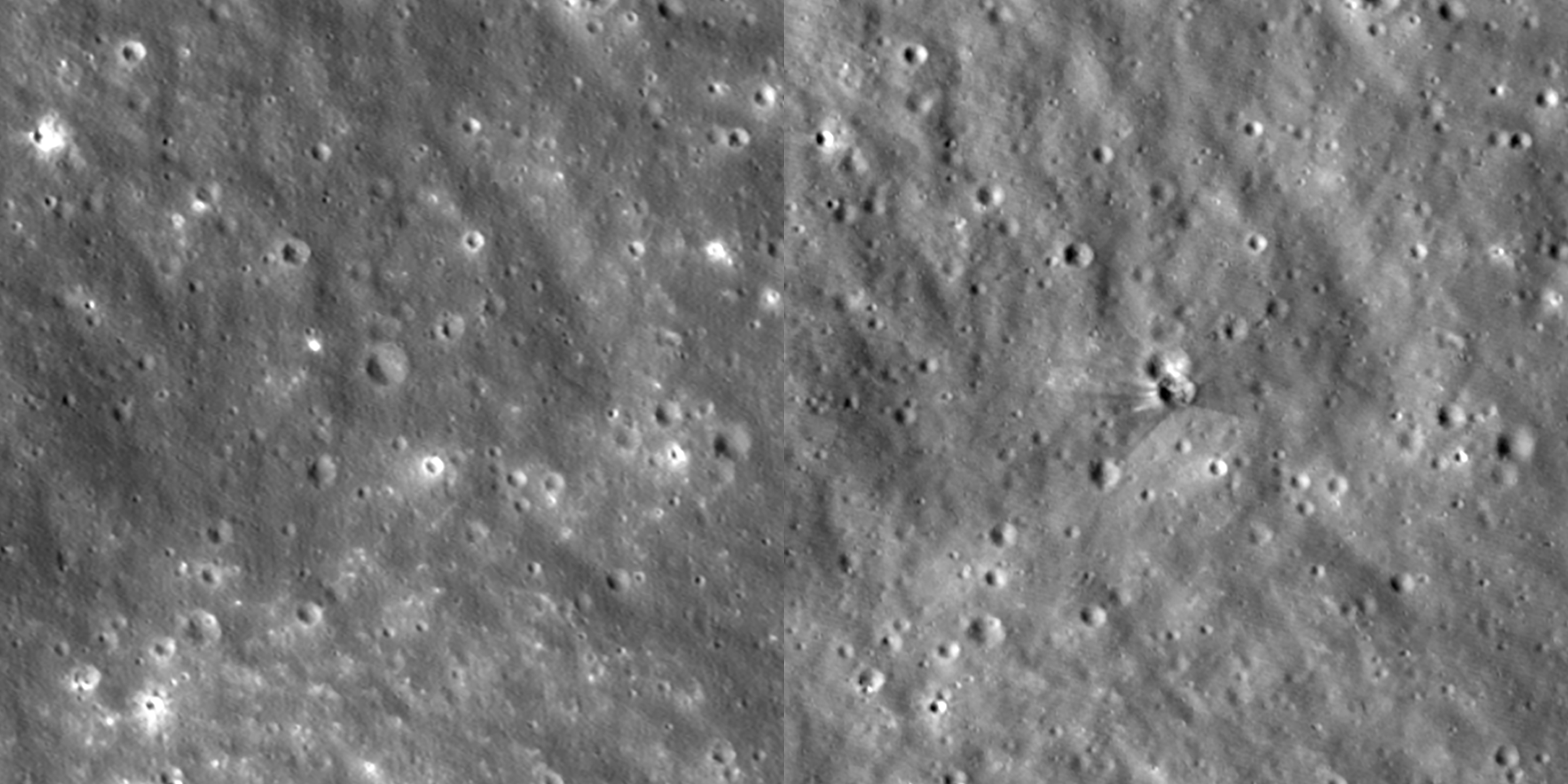
Falcon 9 Leaves Its Mark on the Moon

On August 5, 2026, a SpaceX Falcon 9 upper stage struck the Moon after drifting through the Earth-Moon system since launching Firefly Aerospace’s Blue Ghost 1 mission in January 2025. Six days later, NASA’s Lunar Reconnaissance Orbiter began photographing the impact site, revealing a fresh crater about 18 meters (60 feet) wide and less than 3 meters (10 feet) deep.

Bright and dark rays of debris extend outward from the crater, exposing material excavated from different depths beneath the lunar surface. Scientists are using the impact to study how collisions disturb the Moon’s regolith, while NASA’s Center for Near Earth Object Studies used the event to test techniques for predicting where objects will strike the lunar surface.

Credit: ALMA (ESO/NAOJ/NRAO)/W. Dent et al.

Friday, 28 August 2026

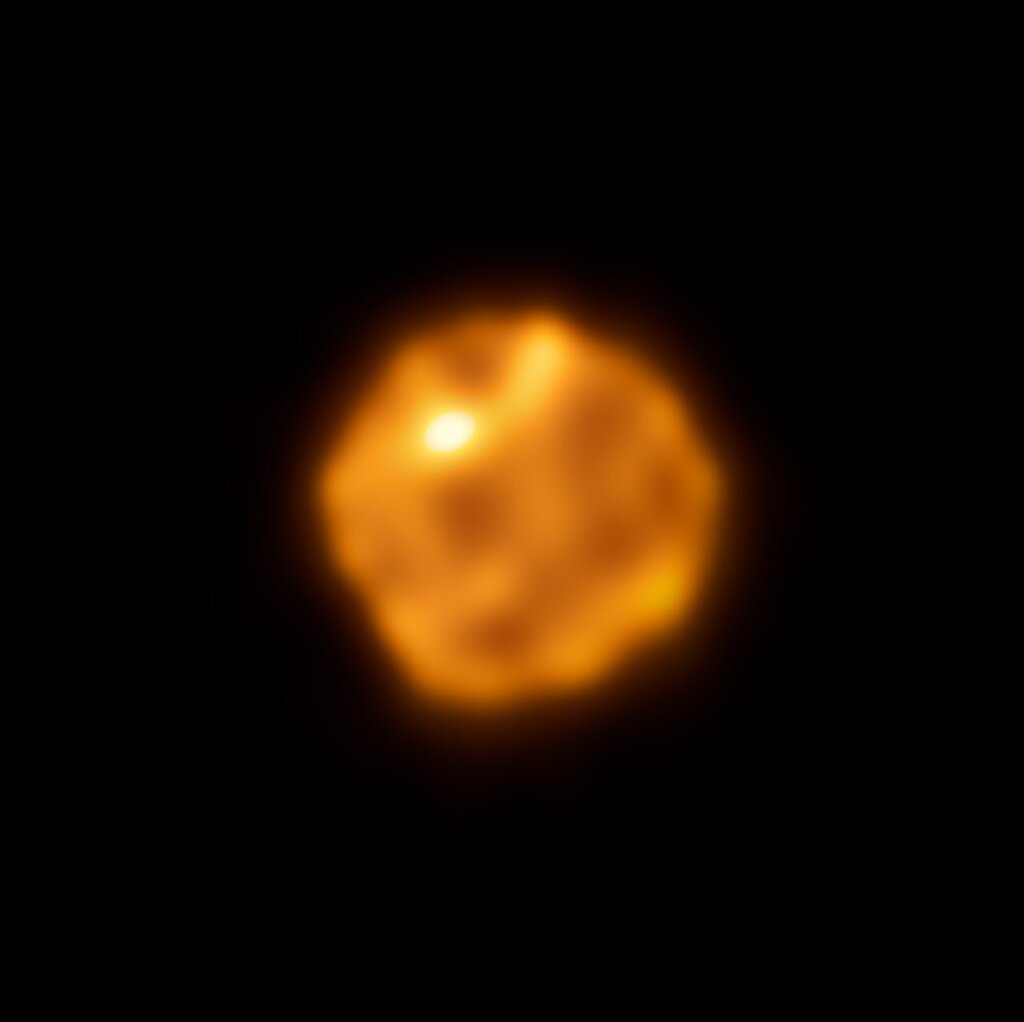
A Bubbling Betelgeuse

This remarkably detailed view of Betelgeuse, captured by the Atacama Large Millimeter/submillimeter Array (ALMA), reveals the uneven, bubbling surface of the famous red supergiant about 600 light-years away. Nearly 800 times larger than the Sun, Betelgeuse is covered by enormous regions of hot gas rising from deep within the star, creating the bright hotspots seen across its surface.

One of those hotspots has presented astronomers with a mystery: it appears in observations taken seven years apart, far longer than current models predict such features should survive. Understanding these enormous structures could offer new clues about the behavior of massive stars as they approach the final stages of their lives—and, eventually, explode as supernovae.

News

Related News

Featured Image
Aug 26, 2026
Planetary Picture of the Day - Week of August 17, 2026
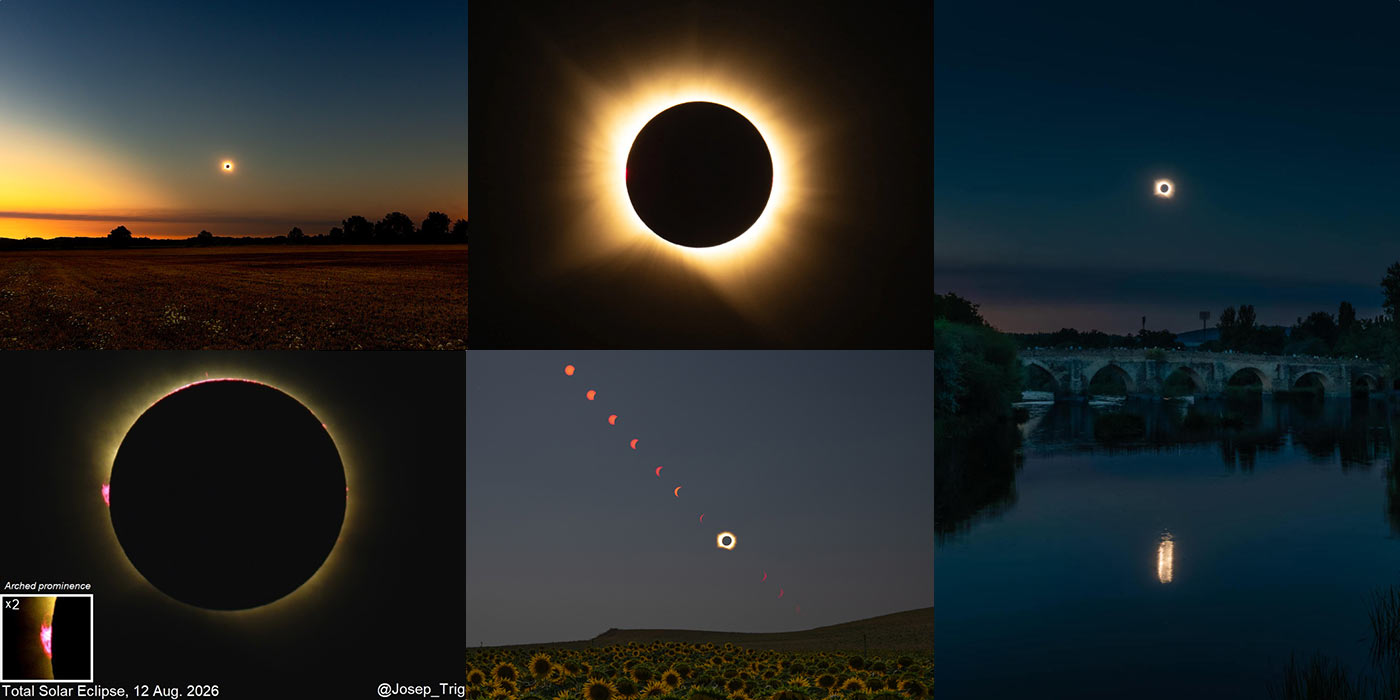
Let's celebrate the August 12 total solar eclipse through the eyes of photographers who experienced the Moon’s shadow sweeping across Spain. From Baily’s Beads and a glowing solar prominence to totality reflected in a river and framed by fields of sunflowers, these images capture both the science and extraordinary beauty of one of nature’s most spectacular celestial events. #PPOD #Eclipse

Featured Image
Aug 19, 2026
Planetary Picture of the Day - Week of August 10, 2026
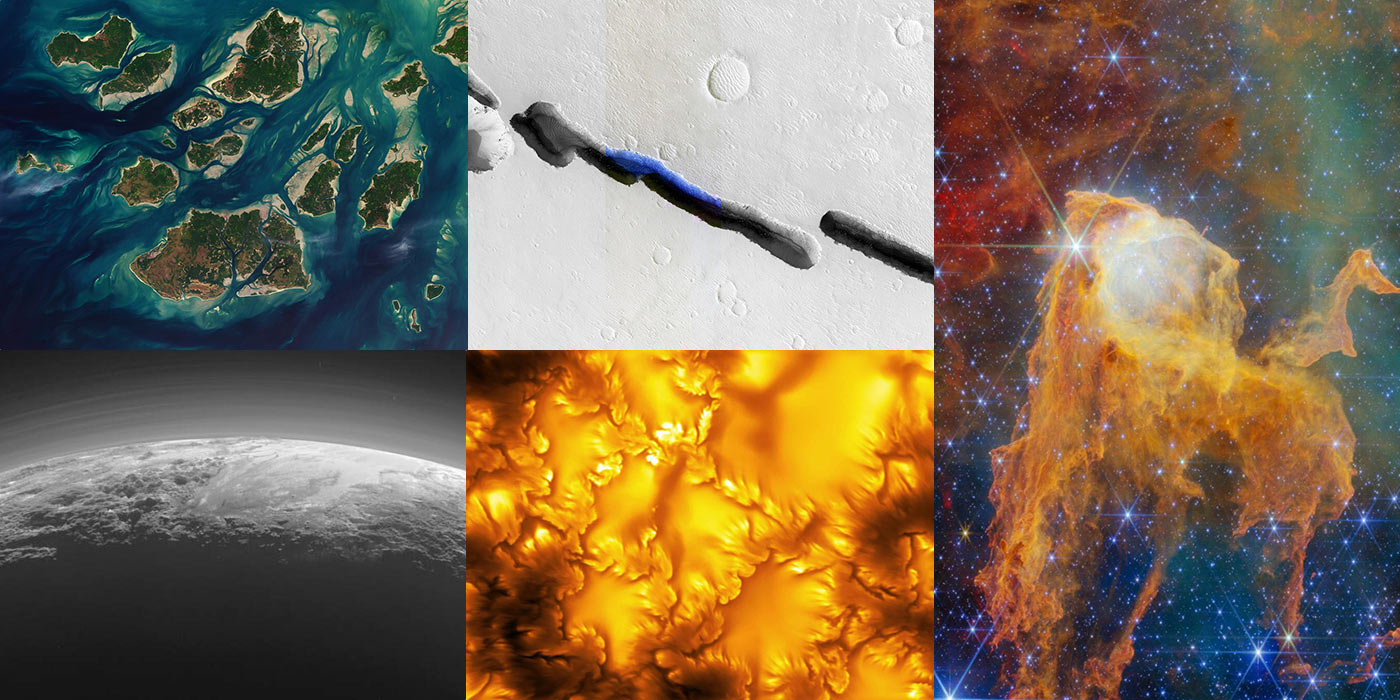
The universe is shaped by forces both immense and intricate, from fractured terrain on Mars and shifting tidal landscapes on Earth to tiny vortices dancing across the surface of the Sun. Farther afield, dramatic views of Pluto’s icy mountains and hazy atmosphere and a treasure chest of newborn stars in the Carina Nebula showcase the remarkable detail revealed by spacecraft and telescopes exploring the cosmos. #PPOD
Featured Image
Aug 12, 2026
Planetary Picture of the Day - August 3, 2026
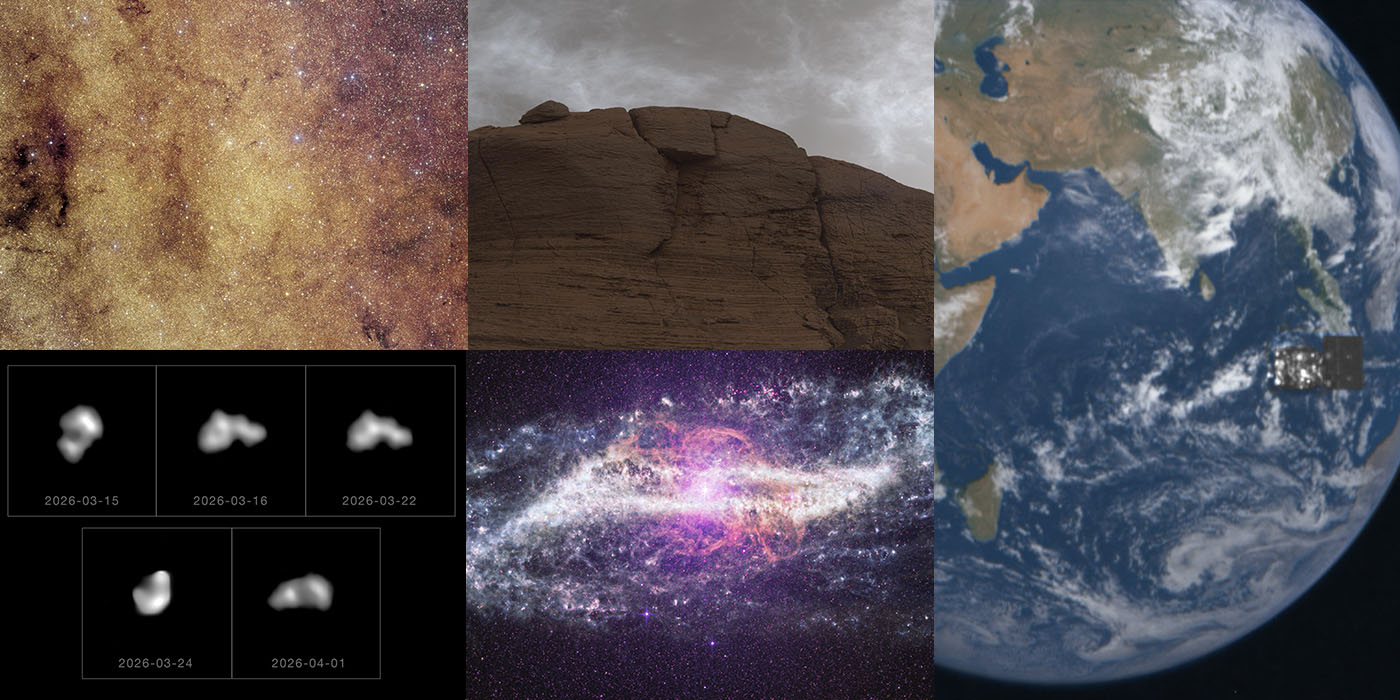
This week, we reveal hidden wonders across the cosmos, from delicate Martian clouds and a dust-shrouded galaxy to an asteroid with a never-before-seen shape and the crowded heart of the Milky Way. Together, these images showcase how new missions and advanced observatories continue to uncover surprising details about our solar system, our galaxy, and the universe beyond. #PPOD
Featured Image
Aug 5, 2026
Planetary Picture of the Day - Week of July 27, 2026
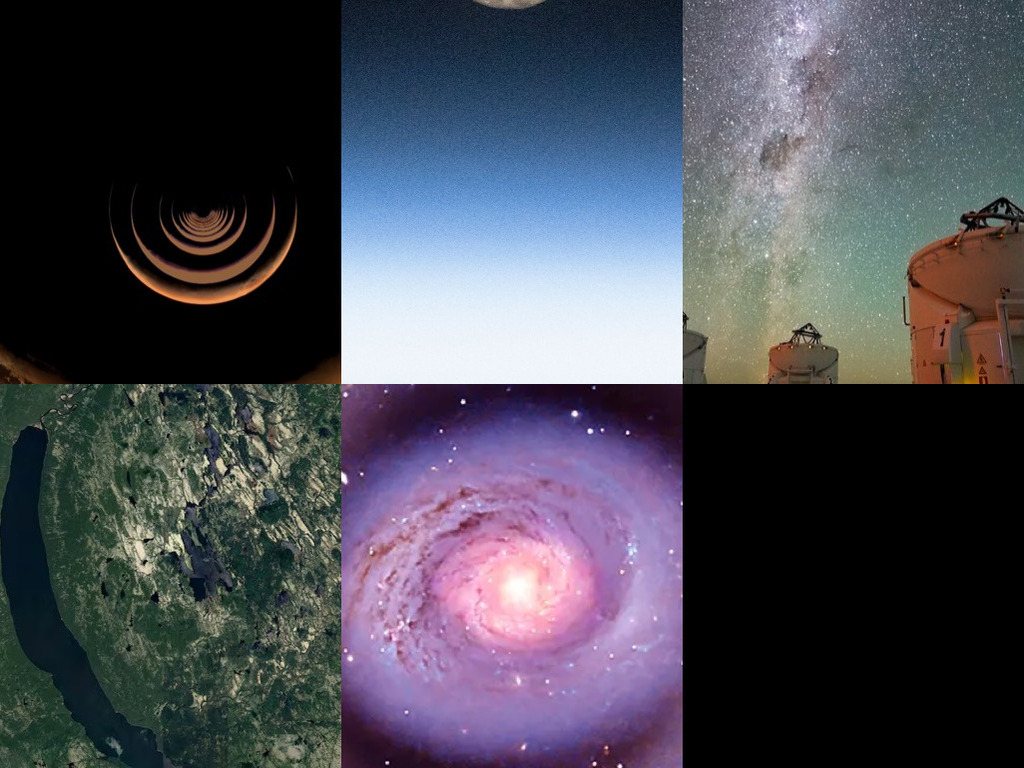
These images span the journey from our own backyard to distant galaxies, featuring Mars, the Moon, breathtaking night skies, and a fresh view of the star-forming galaxy Messier 94. Along the way, we celebrate exploration and discovery—from NASA’s Psyche mission preparing for its asteroid encounter to the revelation of a previously unknown impact crater on Earth —reminding us that there are still new wonders to uncover both on our own planet and across the cosmos. #PPOD
Featured Image
Jul 29, 2026
Planetary Picture of the Day - Week of July 20, 2026
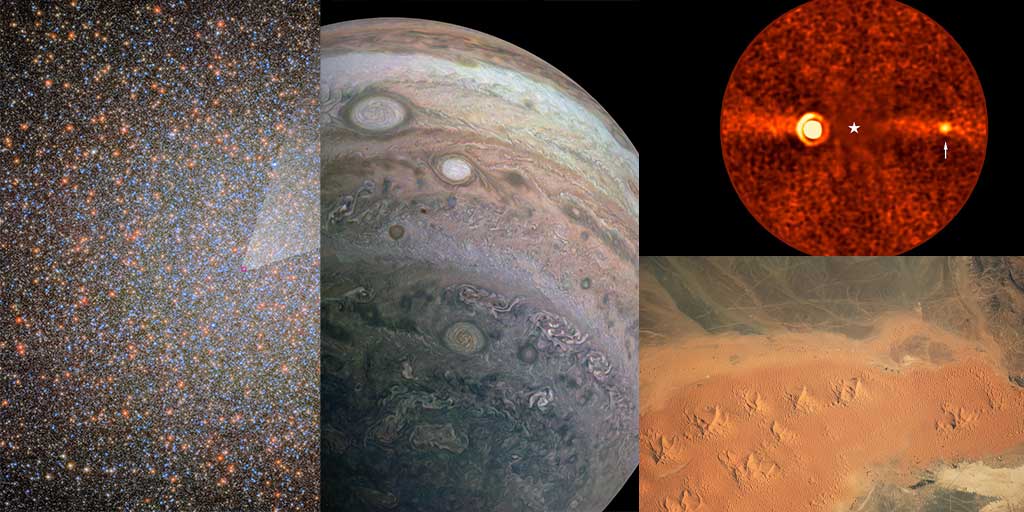
This week, we celebrate fifty years since Viking 1 became the first spacecraft to successfully land on and photograph the surface of Mars, alongside stunning new views of worlds, stars, and galaxies that continue to expand our understanding of the universe. From sculpted Sahara sand dunes and Jupiter’s colorful cloud bands to a newly discovered exoplanet and the first stellar-mass black hole identified in Omega Centauri, these images showcase the remarkable diversity of cosmic exploration. #PPOD
Featured Image
Jul 22, 2026
Planetary Picture of the Day - Week of July 13, 2026
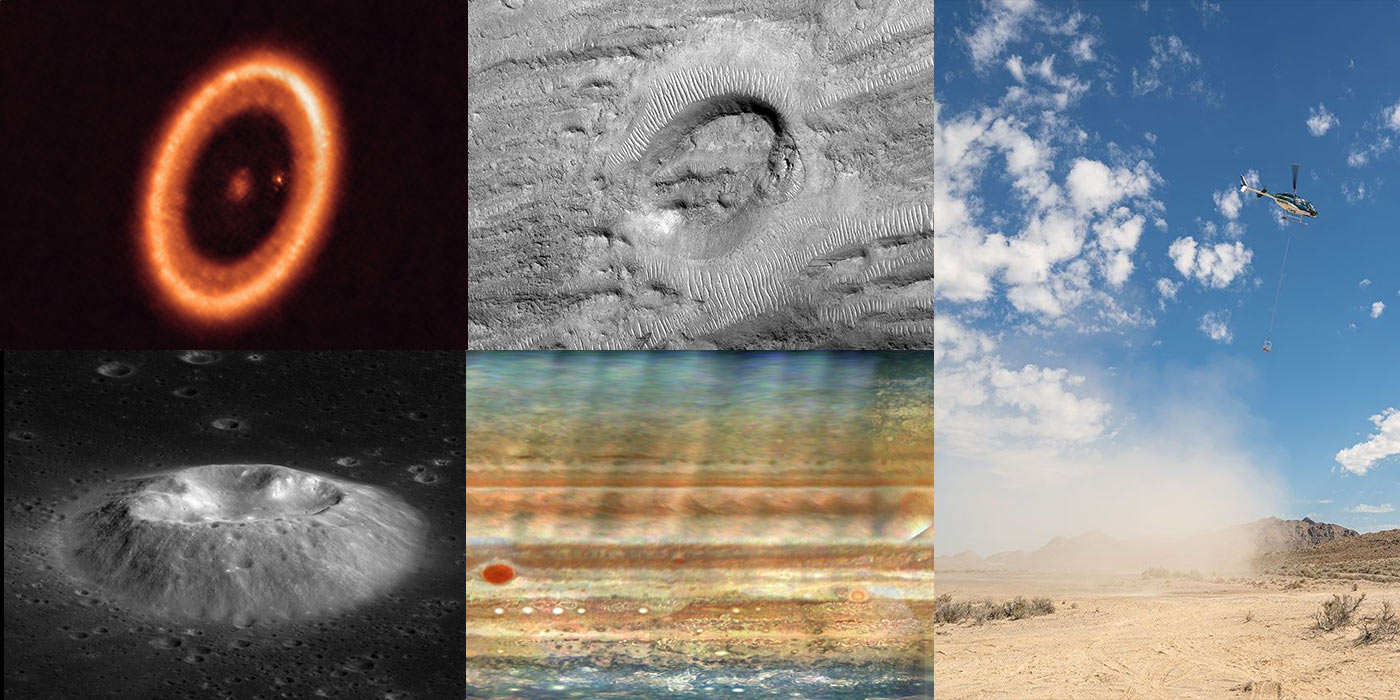
This week, we explore worlds in the making, from the first-ever evidence of moons forming around a distant exoplanet to ancient volcanic and flood-carved landscapes preserved on the Moon and Mars. The images also celebrate the science behind exploration, featuring new global views of Jupiter and Earth-based testing for NASA’s upcoming DAVINCI mission to Venus. #PPOD
Research

Related Projects

Featured Image
SkyMapper • SETI • Citizen Science • Astronomy
SkyMapper: Expanding Access to Real-time Astronomy Through a Global Astronomical Network
SkyMapper and the SETI Institute are connecting educators, students and the public to live astronomical observations through a distributed astronomical network. #SkyMapper #SETI #Citizen Science #Astronomy
Featured Image
VPL
Virtual Planetary Laboratory
How can we best assess whether an exoplanet supports life? #VPL
Featured Image
Discovery and Futures Lab
What happens if life beyond Earth is discovered? The Discovery and Futures Lab at the SETI Institute fosters novel and anticipatory research at the intersection of science, society, our planet, and the search for life beyond Earth.  #Discovery and Futures Lab
Support Us

Support the
SETI Institute

Scientists are getting closer in their search for life beyond earth. But with limited federal funding for the search for extraterrestrial intelligence, supporters are the reason cutting-edge scientists can keep their eyes on the sky.