Tuesday, Oct 01, 2024

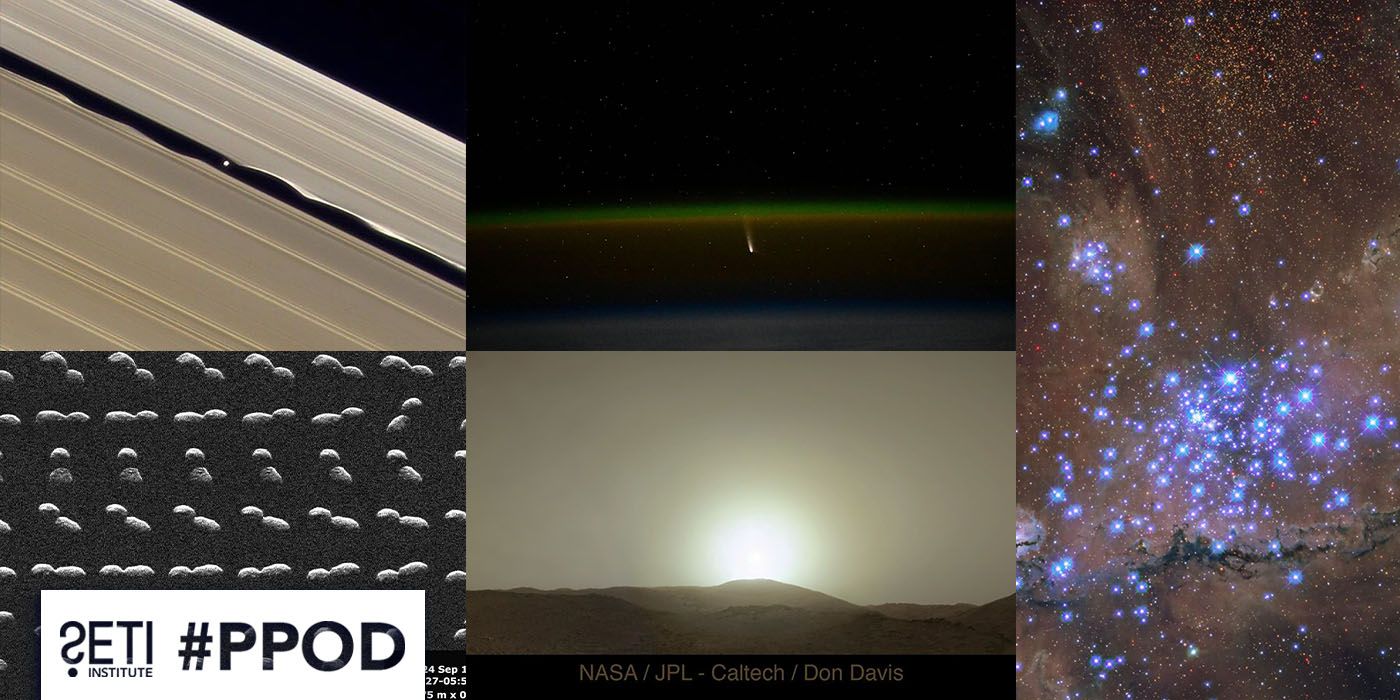
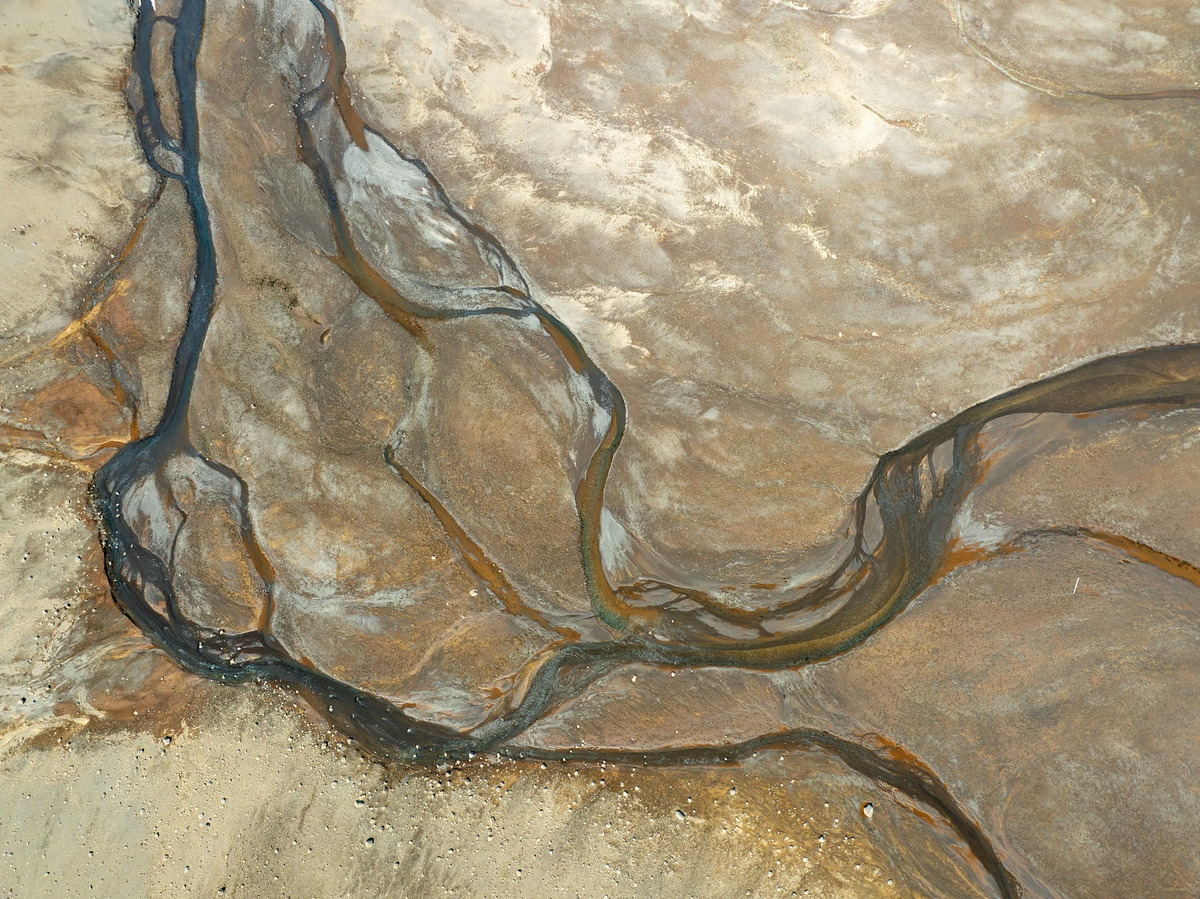
A stunning new Hubble view, another contact binary asteroid, a sunset on Mars, a comet from space, and a tiny shepherd moon are all featured this week.

Monday, 23 September 2024
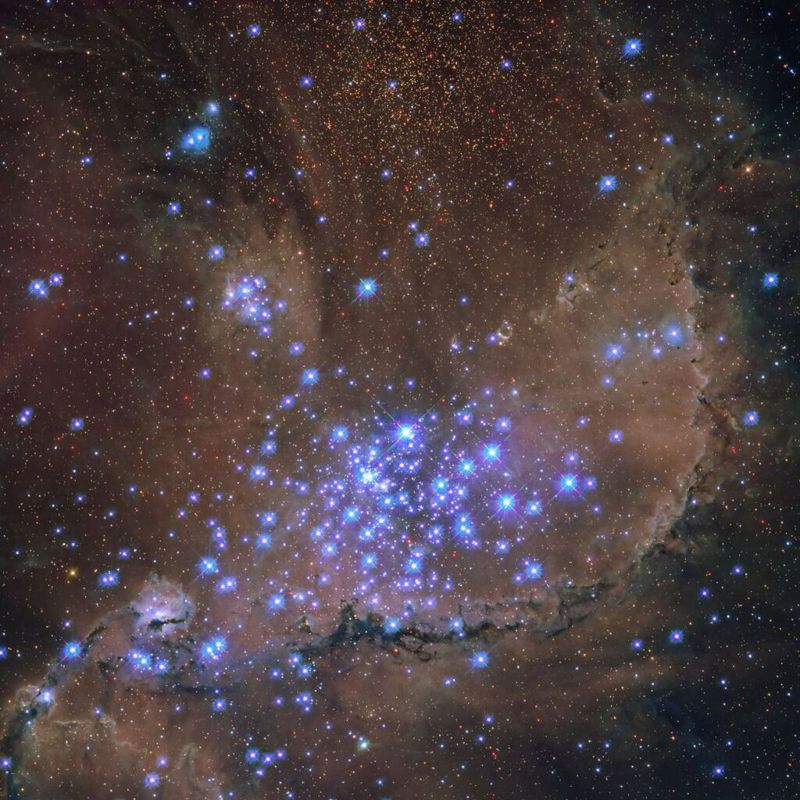
Credit: NASA, ESA, C. Murray (Space Telescope Science Institute), and ESO/VISTA VMC; Image Processing: Gladys Kober (NASA/Catholic University of America)

Hubble Captures Unique Ultraviolet View of a Spectacular Star Cluster
NGC 346 is a vibrant star cluster nestled within the Small Magellanic Cloud (SMC), our Milky Way's neighboring galaxy, located approximately 210,000 light years away. Discovered by Scottish astronomer James Dunlop and cataloged by J. L. E. Dreyer in 1826, NGC 346 is a dynamic nursery of young stars.

The cluster is home to a multitude of hot, massive stars that emit intense radiation and energetic outflows. These stellar winds have sculpted the surrounding nebula, N66, by eroding its dense gas and dust. Astronomers estimate that NGC 346 may house more than 50 percent of the high-mass stars in the entire SMC, highlighting its significant role in star formation within this galaxy.

Recent observations by the Hubble Space Telescope have provided a new perspective on NGC 346. Utilizing ultraviolet (UV) and visible-light observations, Hubble has unveiled the cluster's intricate details, showcasing a dazzling array of hot, blue stars. The UV light reveals the birth and evolution of these stars, offering valuable insights into star formation and its effects on the interstellar medium of the SMC—a galaxy with lower metallicity compared to our own Milky Way. This data also helps us understand the conditions of the early universe when low-metallicity galaxies were more common.

The striking image of NGC 346, released on August 26, 2024, provides a glimpse into the complex processes driving star formation and the evolution of young star clusters.

Tuesday, 24 September 2024
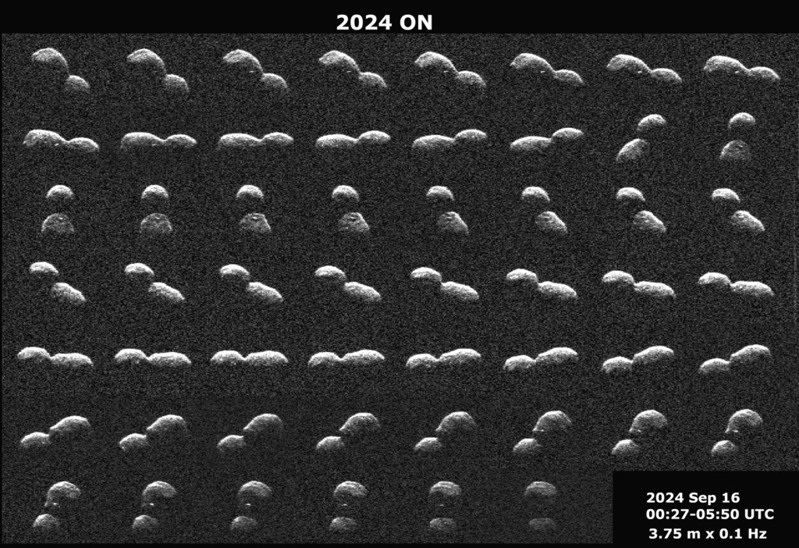
Credit: NASA/JPL-Caltech

(Another) Peanut-Shaped Asteroid
This series of radar images obtained by the Deep Space Network's Goldstone Deep Space Communications Complex Solar System Radar near Barstow, California, on Sept. 16, 2024, shows the near-Earth #asteroid 2024 ON a day before its close approach with our planet. The asteroid passed Earth at a distance of 1 million kilometers – about 2.6 times the distance between the Moon and Earth.

This asteroid is classified as potentially hazardous, but it does not pose a hazard to Earth for the foreseeable future. These Goldstone measurements have allowed scientists to greatly reduce the uncertainties in the asteroid's distance from Earth and in its future motion for many decades.

Wednesday, 25 September 2024
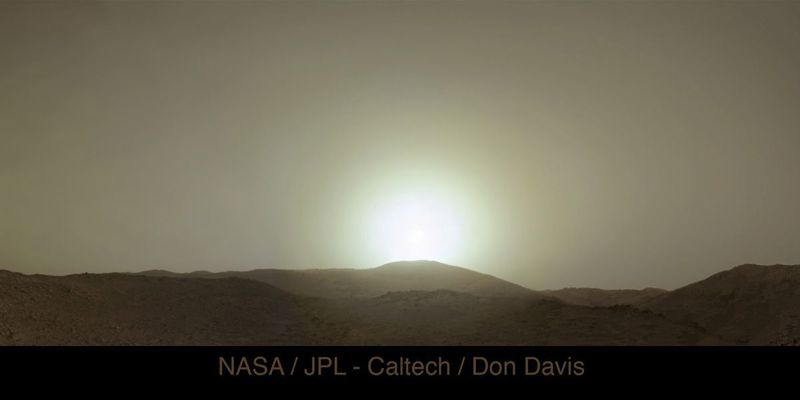
Credit: NASA/JPL-Caltech/Don Davis

Martian Sunset
NASA's Perseverance Rover captured this sunset on the mission's 1,100th sol (March 24, 2024) on #Mars. Two frames of very different exposures have been merged, with the sky nearest the Sun hand retouched to restore brightness values cut off by overexposure.

Thursday, 26 September 2024
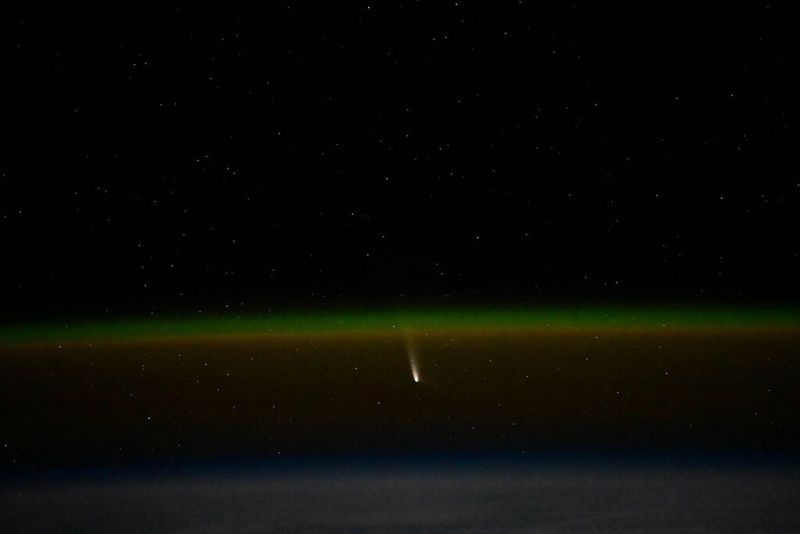
Credit: Don Pettit/NASA

Comet A3 from ISS
Predicted to be a bright comet easily seen with the unaided eye, Comet A3 is photographed here by astronaut Don Pettit while aboard the ISS on 22 September. Right now through 3 October, the comet is visible in the east-southeast direction before sunrise. Starting 12 October, Comet A3 will be visible in the west after sunset, rising higher in the sky over time.

Friday, 27 September 2024
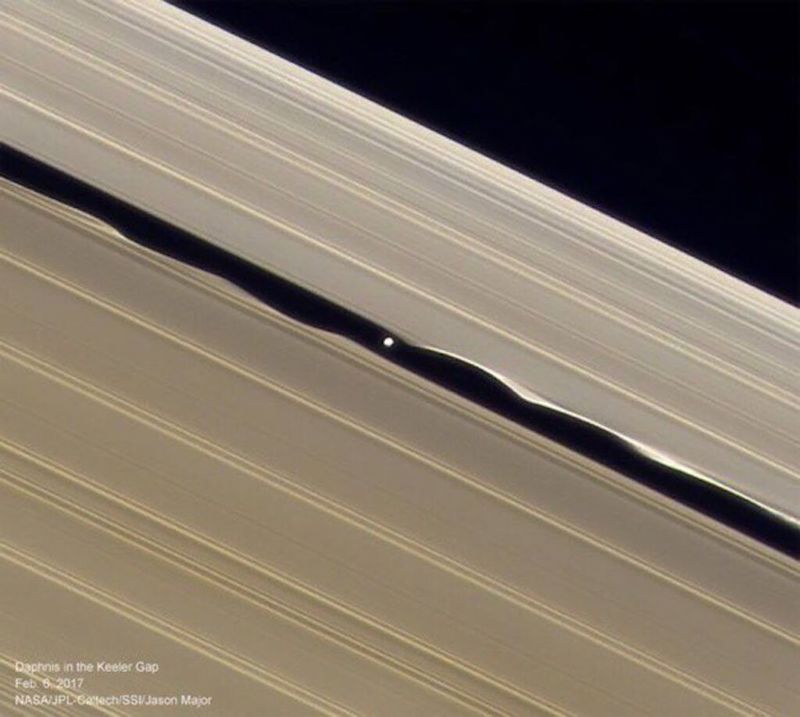
Credit: NASA/JPL-Caltech/SSI/J. Major

Making Waves
Saturn's tiny (8-kilometer) shepherd moon Daphnis travels inside the Keeler Gap in the A ring. The Cassini Imaging Team processed this view from pictures taken by NASA's Cassini spacecraft on February 6, 2017.

News

Related News

Featured Image
Sep 2, 2026
Planetary Picture of the Day - Week of August 24, 2026
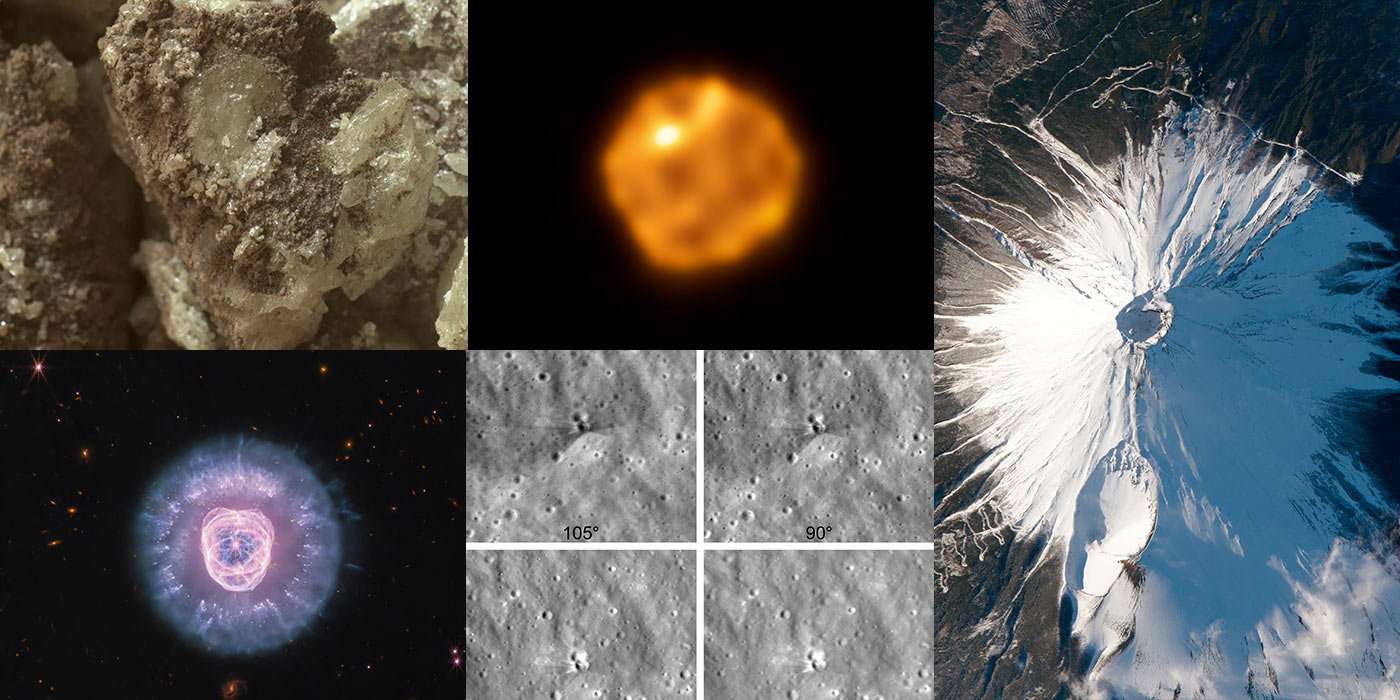
We journey from Mount Fuji as seen from orbit to the bubbling surface of Betelgeuse, exploring the forces that shape planets, moons, and stars across the cosmos. Along the way, JWST reveals the remains of a dying star, Curiosity uncovers clues to Mars’ volcanic past, and a fresh rocket impact on the Moon gives scientists a new opportunity to study how collisions reshape its surface. #PPOD
Featured Image
Aug 26, 2026
Planetary Picture of the Day - Week of August 17, 2026
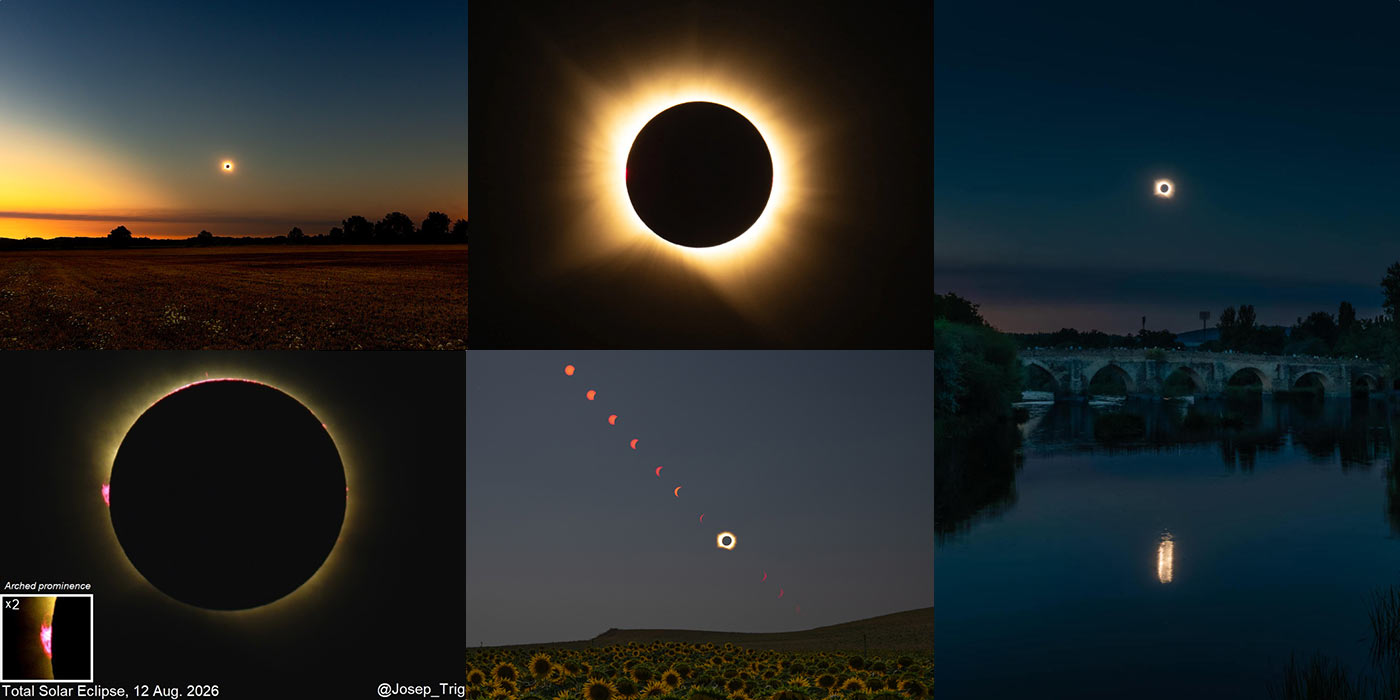
Let's celebrate the August 12 total solar eclipse through the eyes of photographers who experienced the Moon’s shadow sweeping across Spain. From Baily’s Beads and a glowing solar prominence to totality reflected in a river and framed by fields of sunflowers, these images capture both the science and extraordinary beauty of one of nature’s most spectacular celestial events. #PPOD #Eclipse
Featured Image
Aug 19, 2026
Planetary Picture of the Day - Week of August 10, 2026
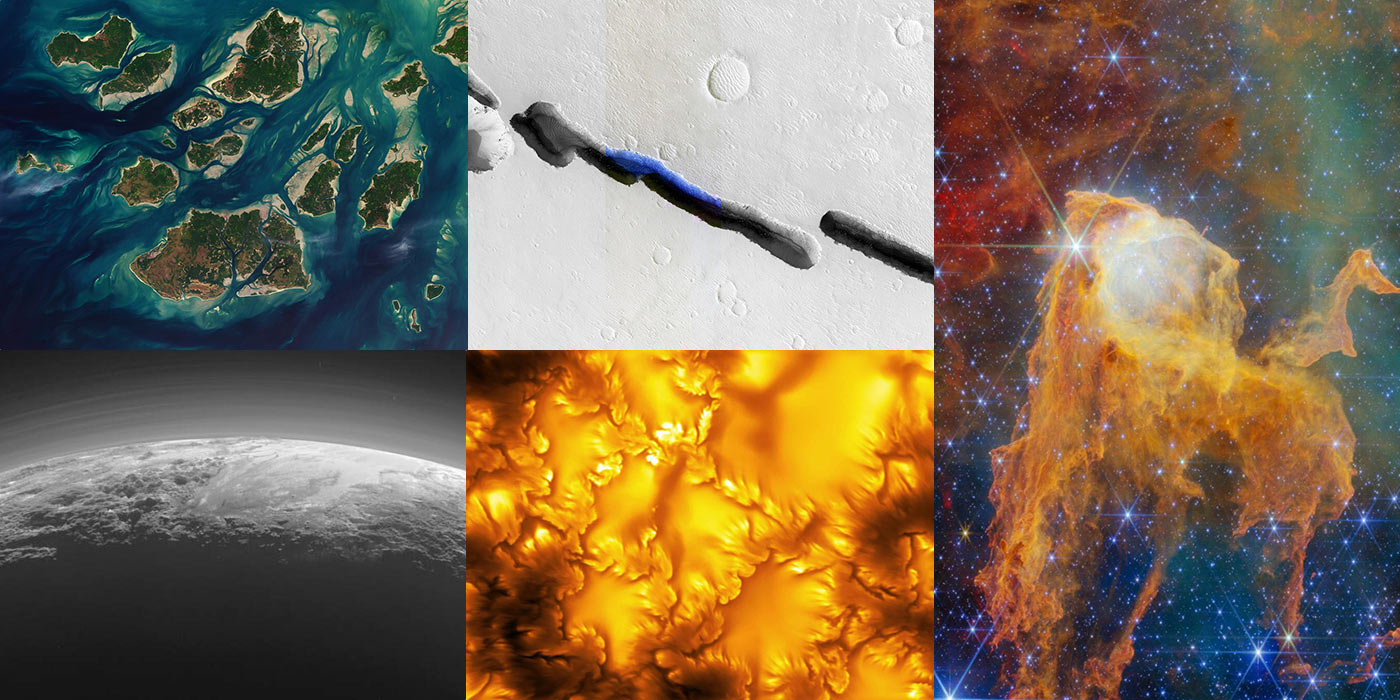
The universe is shaped by forces both immense and intricate, from fractured terrain on Mars and shifting tidal landscapes on Earth to tiny vortices dancing across the surface of the Sun. Farther afield, dramatic views of Pluto’s icy mountains and hazy atmosphere and a treasure chest of newborn stars in the Carina Nebula showcase the remarkable detail revealed by spacecraft and telescopes exploring the cosmos. #PPOD
Featured Image
Aug 12, 2026
Planetary Picture of the Day - August 3, 2026
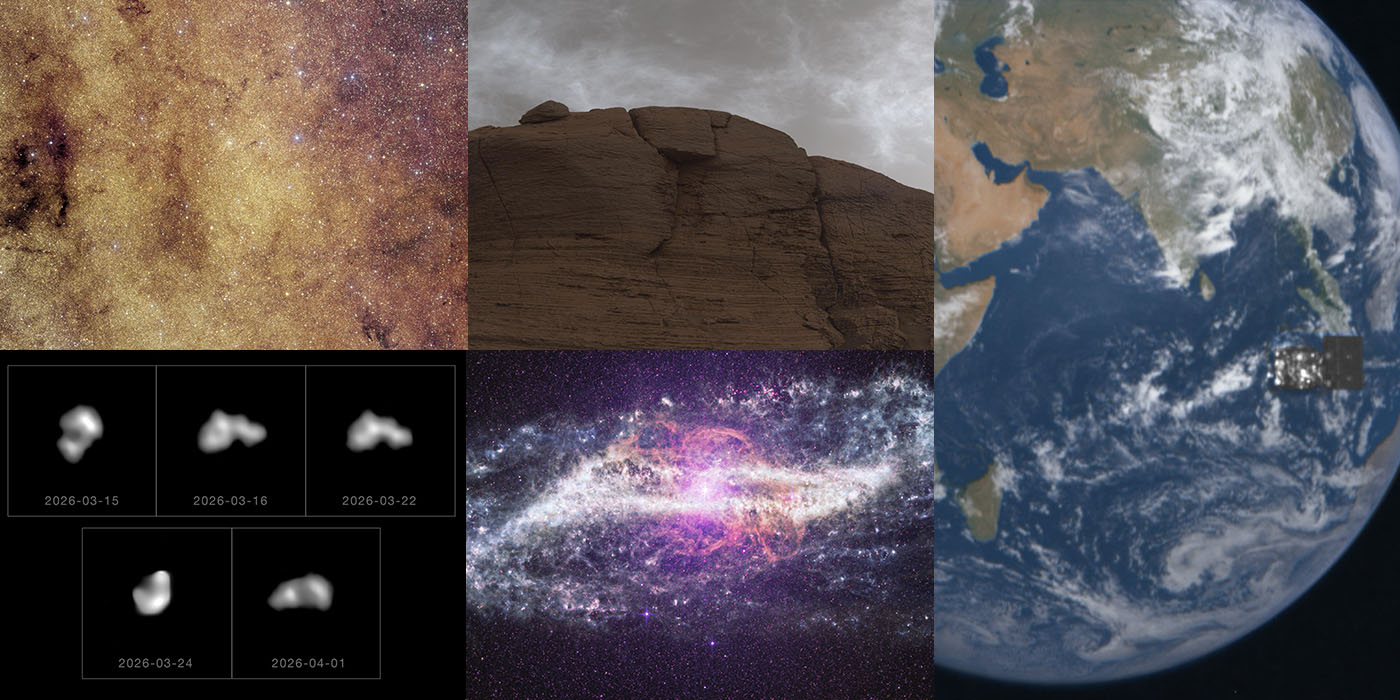
This week, we reveal hidden wonders across the cosmos, from delicate Martian clouds and a dust-shrouded galaxy to an asteroid with a never-before-seen shape and the crowded heart of the Milky Way. Together, these images showcase how new missions and advanced observatories continue to uncover surprising details about our solar system, our galaxy, and the universe beyond. #PPOD
Featured Image
Aug 5, 2026
Planetary Picture of the Day - Week of July 27, 2026
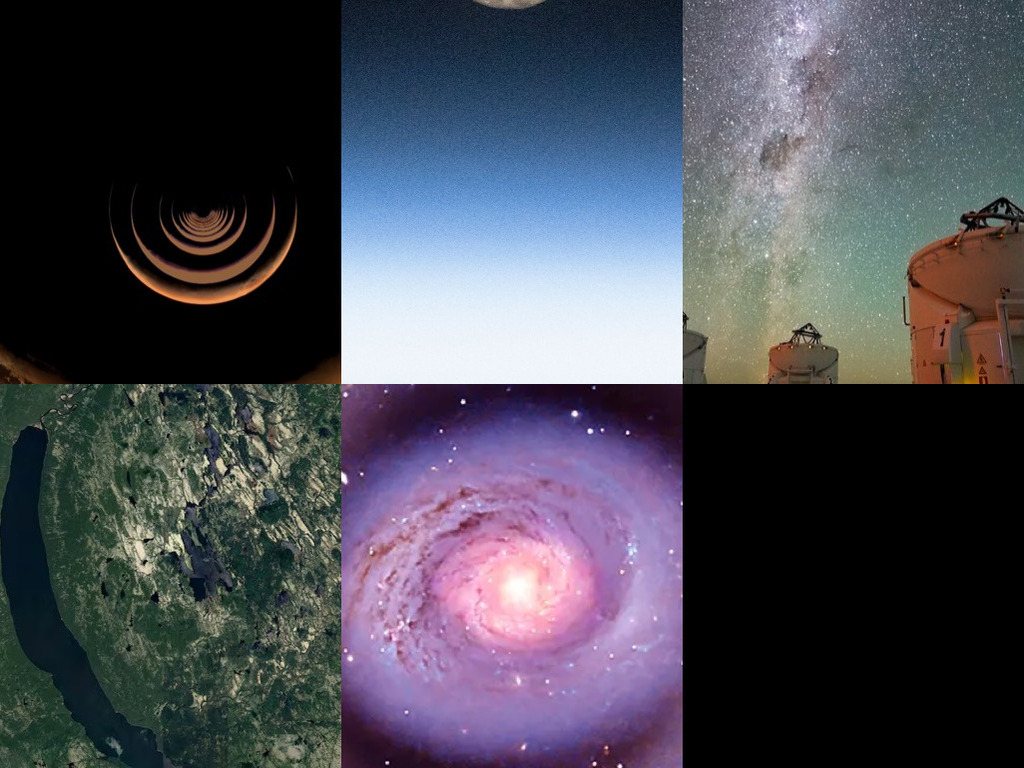
These images span the journey from our own backyard to distant galaxies, featuring Mars, the Moon, breathtaking night skies, and a fresh view of the star-forming galaxy Messier 94. Along the way, we celebrate exploration and discovery—from NASA’s Psyche mission preparing for its asteroid encounter to the revelation of a previously unknown impact crater on Earth —reminding us that there are still new wonders to uncover both on our own planet and across the cosmos. #PPOD
Featured Image
Jul 29, 2026
Planetary Picture of the Day - Week of July 20, 2026
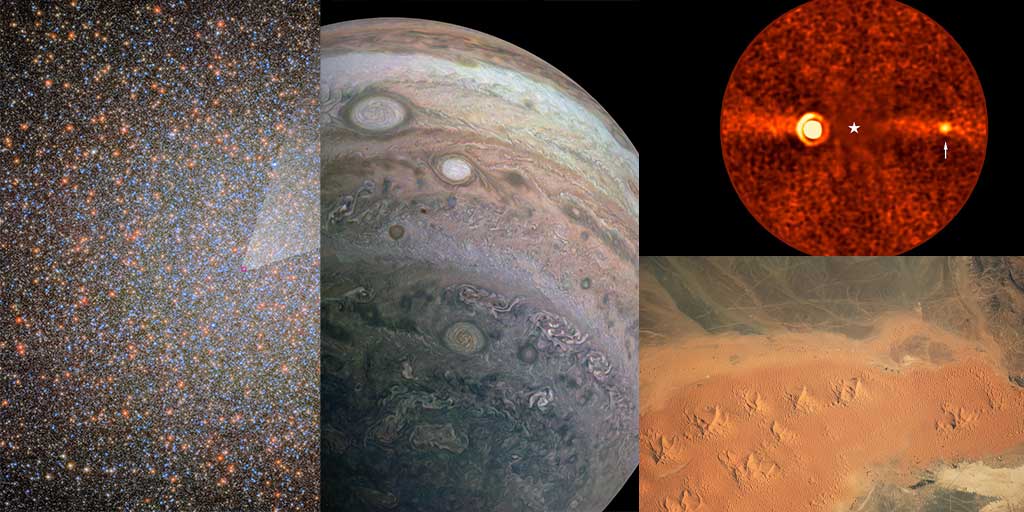
This week, we celebrate fifty years since Viking 1 became the first spacecraft to successfully land on and photograph the surface of Mars, alongside stunning new views of worlds, stars, and galaxies that continue to expand our understanding of the universe. From sculpted Sahara sand dunes and Jupiter’s colorful cloud bands to a newly discovered exoplanet and the first stellar-mass black hole identified in Omega Centauri, these images showcase the remarkable diversity of cosmic exploration. #PPOD
Research

Related Projects

Featured Image
SkyMapper • SETI • Citizen Science • Astronomy
SkyMapper: Expanding Access to Real-time Astronomy Through a Global Astronomical Network
SkyMapper and the SETI Institute are connecting educators, students and the public to live astronomical observations through a distributed astronomical network. #SkyMapper #SETI #Citizen Science #Astronomy
Featured Image
VPL
Virtual Planetary Laboratory
How can we best assess whether an exoplanet supports life? #VPL
Featured Image
Discovery and Futures Lab
What happens if life beyond Earth is discovered? The Discovery and Futures Lab at the SETI Institute fosters novel and anticipatory research at the intersection of science, society, our planet, and the search for life beyond Earth.  #Discovery and Futures Lab
Support Us

Support the
SETI Institute

Scientists are getting closer in their search for life beyond earth. But with limited federal funding for the search for extraterrestrial intelligence, supporters are the reason cutting-edge scientists can keep their eyes on the sky.