Tuesday, Sep 23, 2025

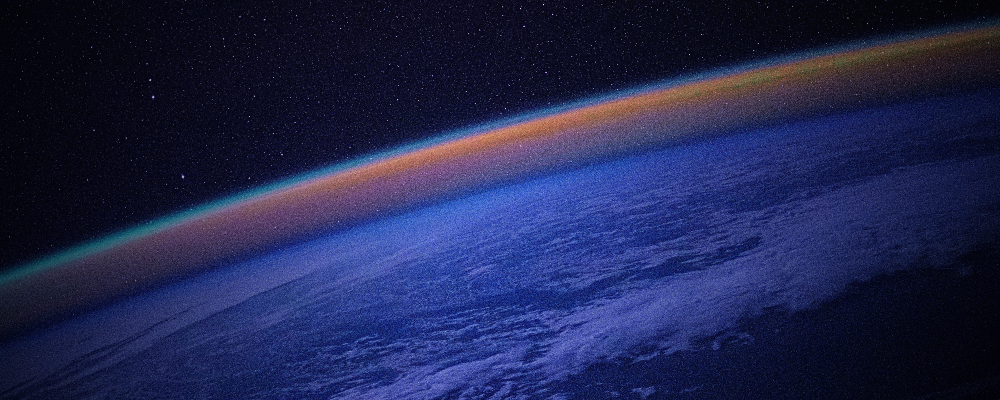
Some of the most beautiful images are the simplest, including this week's photo of the Earth and Moon. Plus a high-resolution picture of the Sun's surface, featuring detailed cells of plasma. Then there is the amazing catalog of images from Hubble and JWST, giving us glimpses into the wider universe. 

Credit: ESA/Juice/JANUS; Acknowledgments: Livio Agostini

Monday, 15 September 2025

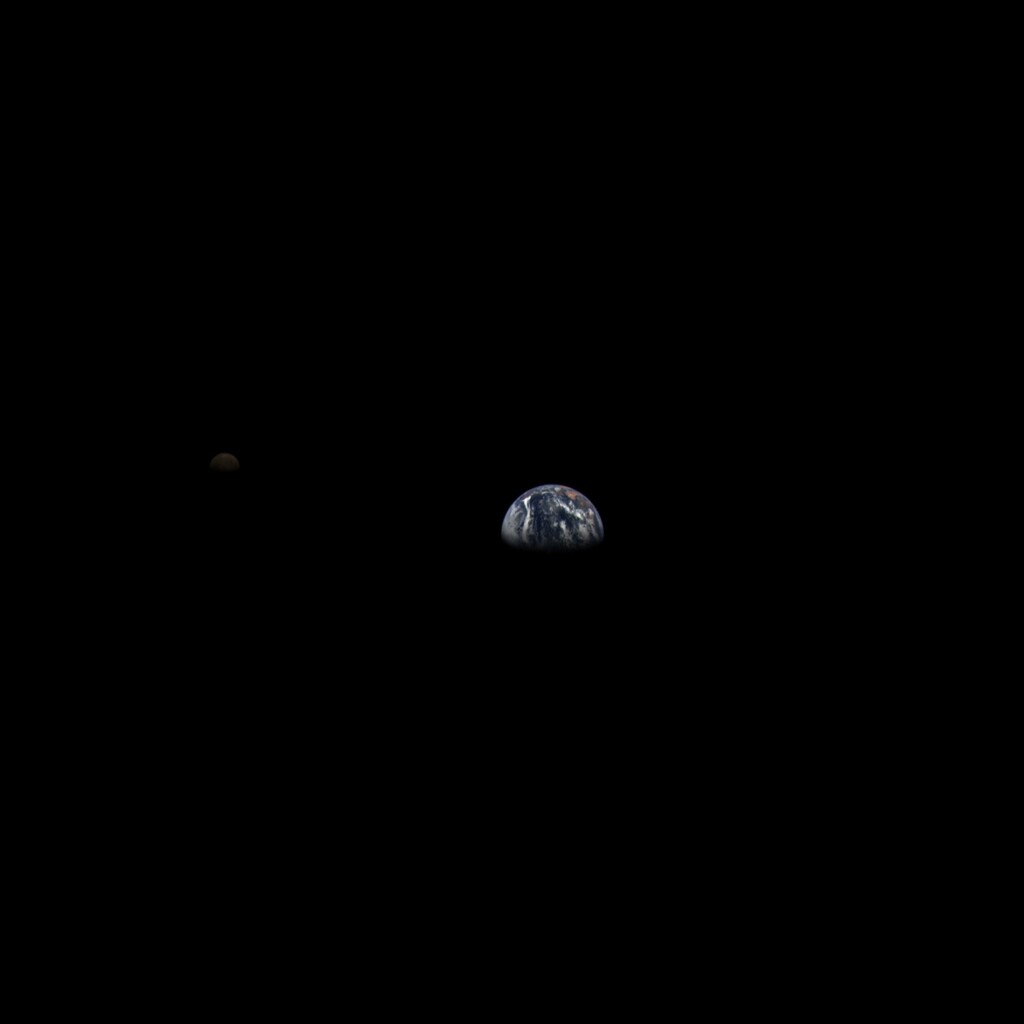
Earth–Moon Portrait

This photograph of Earth and the Moon was taken by the JANUS camera onboard ESA’s Jupiter Icy Moons Explorer (Juice). It was taken on September 9, 2024, as Juice sailed off towards Venus following its lunar-Earth flyby. At the time, it was 5.7 million kilometers away from Earth and 5.3 million kilometers from the Moon.

Credit: NASA, ESA, CSA, STScI

Tuesday, 16 September 2025

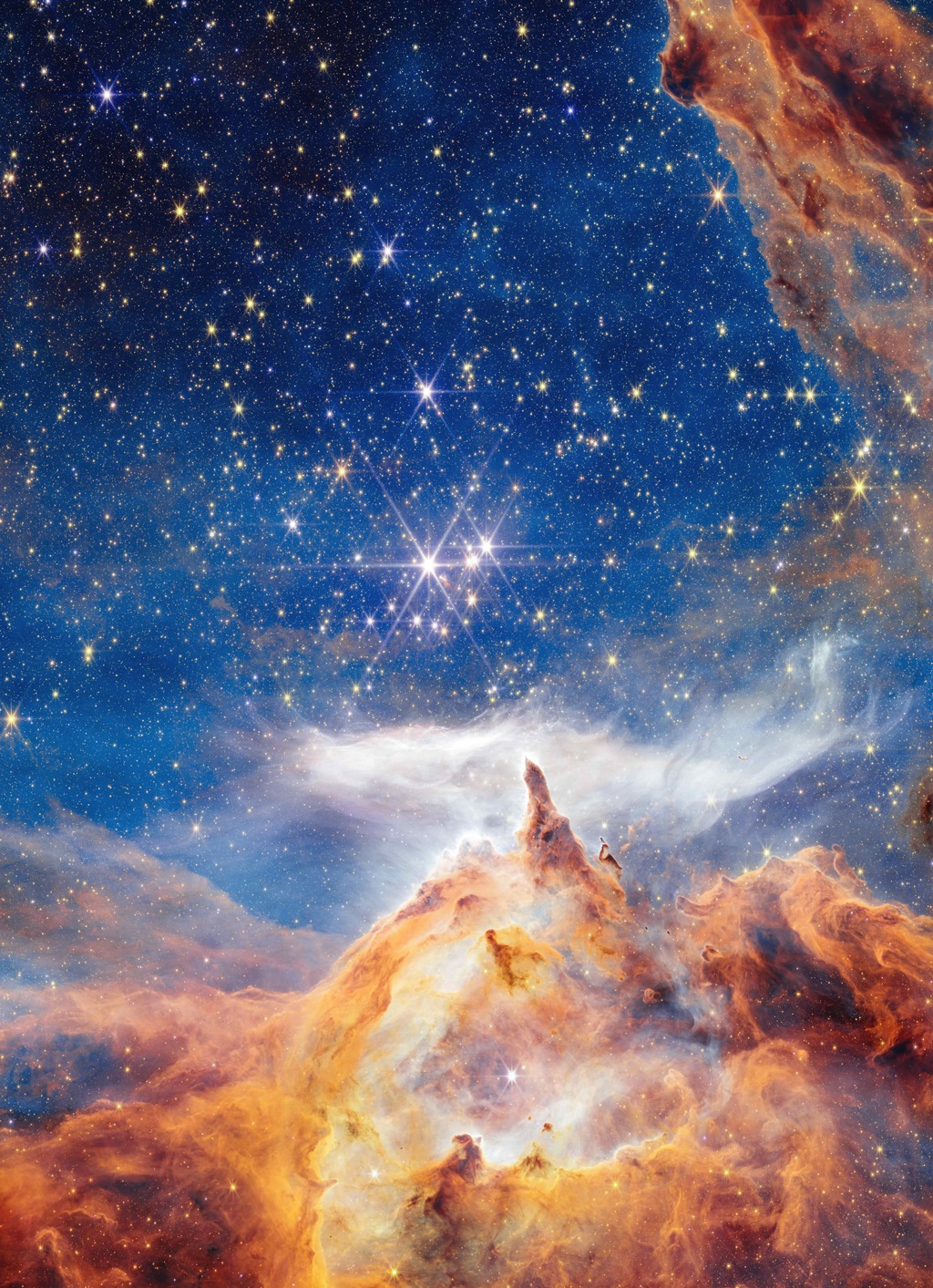
Shining Pismis 24

NASA’s James Webb Space Telescope captured this sparkling scene of star birth in an image released on Sept. 4, 2025. Called Pismis 24, this young star cluster resides in the core of the nearby Lobster Nebula, approximately 5,500 light-years from Earth in the constellation Scorpius. Home to a vibrant stellar nursery and one of the closest sites of massive star birth, Pismis 24 provides rare insight into large and massive stars. Its proximity makes this region one of the best places to explore the properties of hot young stars and how they evolve.

Captured in infrared light by Webb’s NIRCam (Near-Infrared Camera), this image reveals thousands of jewel-like stars of varying sizes and colors. The largest and most brilliant ones with the six-point diffraction spikes are the most massive stars in the cluster. Hundreds to thousands of smaller members of the cluster appear as white, yellow, and red, depending on their stellar type and the amount of dust enshrouding them. Webb also shows us tens of thousands of stars behind the cluster that are part of the Milky Way galaxy.

Credit: Inouye Solar Telescope, National Solar Observatory (NSO), AURA, NSF

Wednesday, 17 September 2025

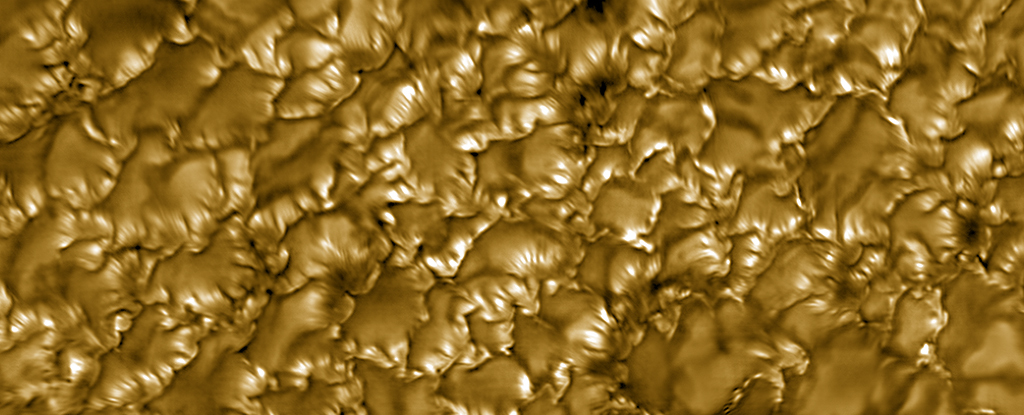
Solar Cells

The National Science Foundation (NSF) Daniel K. Inouye Solar Telescope has captured the highest-resolution image of the Sun's surface ever recorded. The image, produced by the National Solar Observatory (NSO), reveals a turbulent, "boiling" pattern of gas covering our star. The "boiling" appearance consists of cell-like structures, each approximately the size of Texas, which are formed by convective currents that move heat from the Sun's interior to its surface. Hot plasma rises in the center of the cells and sinks in the dark lanes at the edges. Tiny, bright markers of magnetic fields are visible in the dark lanes. It is thought that these specks of light funnel energy into the corona, the Sun's outer atmosphere, which could explain its high temperature. This image was part of the Inouye Solar Telescope's first-light observations, and its high resolution allows for the viewing of features as small as 30 kilometers for the first time.

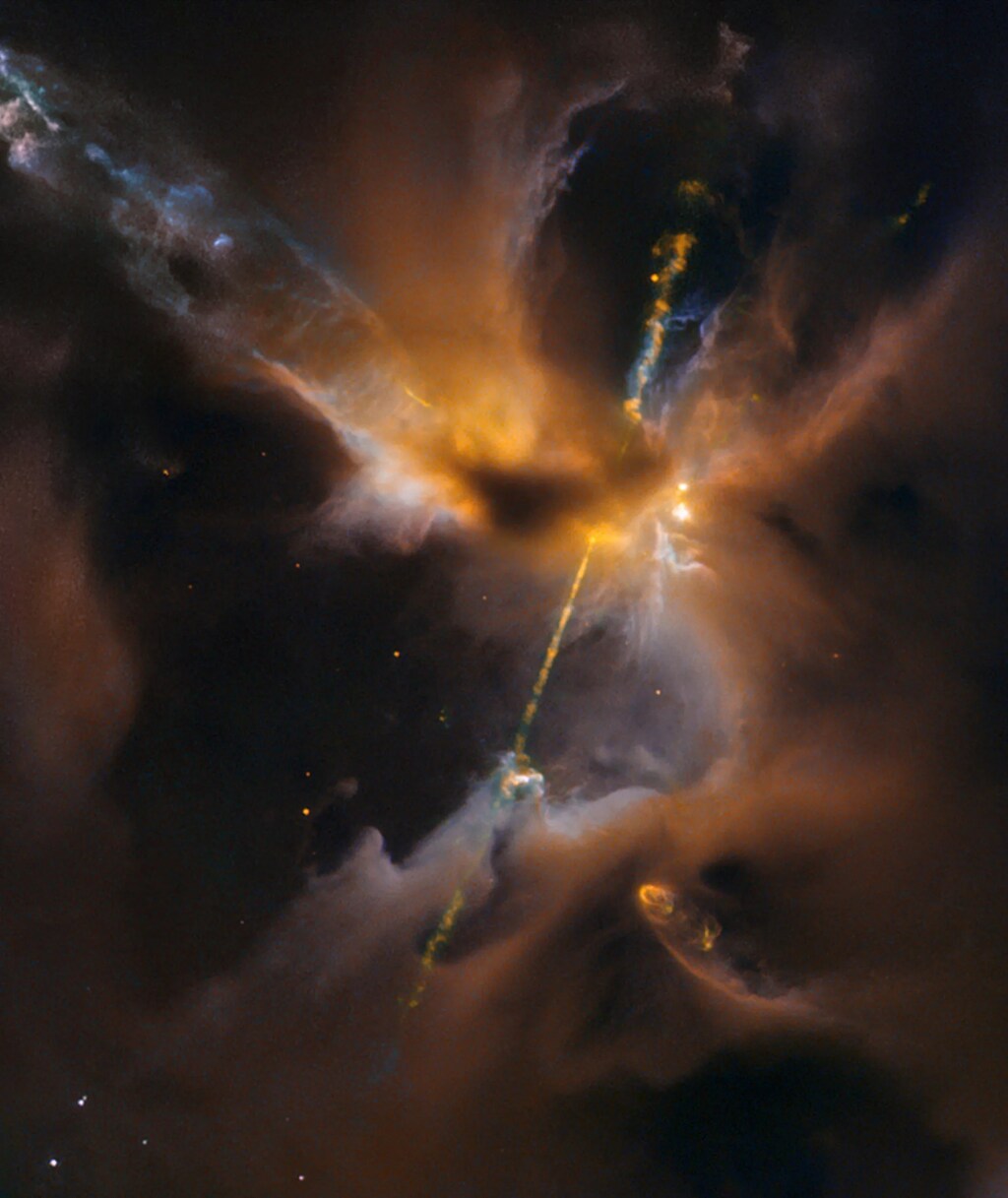
Credit: NASA, ESA, the Hubble Heritage (STScI/AURA)/Hubble-Europe (ESA) Collaboration, D. Padgett (GSFC), T. Megeath (University of Toledo), and B. Reipurth (University of Hawaii)

Thursday, 18 September 2025

Awakening Newborn Stars

Lying inside our home galaxy, the Milky Way, this Herbig–Haro object is a turbulent birthing ground for new stars in a region known as the Orion B molecular cloud complex, located 1,350 light-years away.

Herbig–Haro (HH) objects are bright patches of nebulosity associated with newborn stars that form when narrow jets of partially ionized gas ejected by stars collide with nearby clouds of gas and dust. This image of Herbig-Haro Jet HH 24 was taken by the Hubble Space Telescope in 2015.

When stars form within giant clouds of cool molecular hydrogen, some of the surrounding material collapses under gravity to create a rotating, flattened disk encircling the newborn star.

Although planets will later congeal in the disk, at this early stage, the protostar is feeding on the disk with a voracious appetite. Gas from the disk rains down onto the protostar and engorges it. Superheated material spills away and is shot outward from the star in opposite directions along an uncluttered escape route – the star's rotation axis.

Shock fronts develop along the jets, heating the surrounding gas to thousands of degrees Fahrenheit. The jets collide with the surrounding gas and dust, clearing vast spaces, much like a stream of water plowing into a hill of sand.

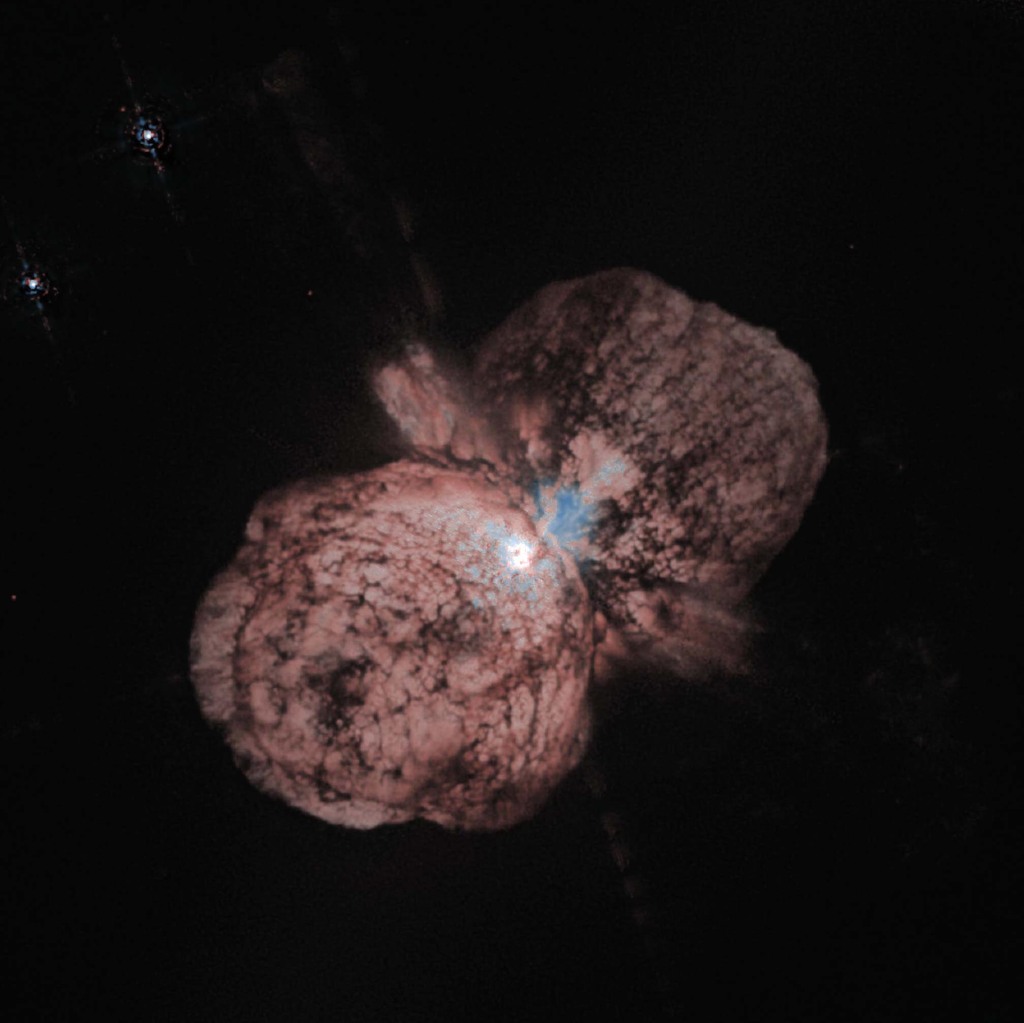
Credit: STScI, NASA, and Jon Morse

Friday, 19 September 2025

Eta Carinae

A huge, billowing pair of gas and dust clouds is captured in this stunning NASA Hubble Space Telescope image of the supermassive star Eta Carinae.

Eta Carinae was observed by Hubble in September 1995 with the Wide Field Planetary Camera 2 (WFPC2). Images taken through red and near-ultraviolet filters were subsequently combined to produce the color image shown.

Eta Carinae was the site of a giant outburst about 150 years ago, when it became one of the brightest stars in the southern sky. Though the star released as much visible light as a supernova explosion, it survived the outburst. Somehow, the explosion produced two polar lobes and a large, thin equatorial disk, all of which were moving outward at approximately 1.5 million miles per hour.

News

Related News

Featured Image
Sep 2, 2026
Planetary Picture of the Day - Week of August 24, 2026
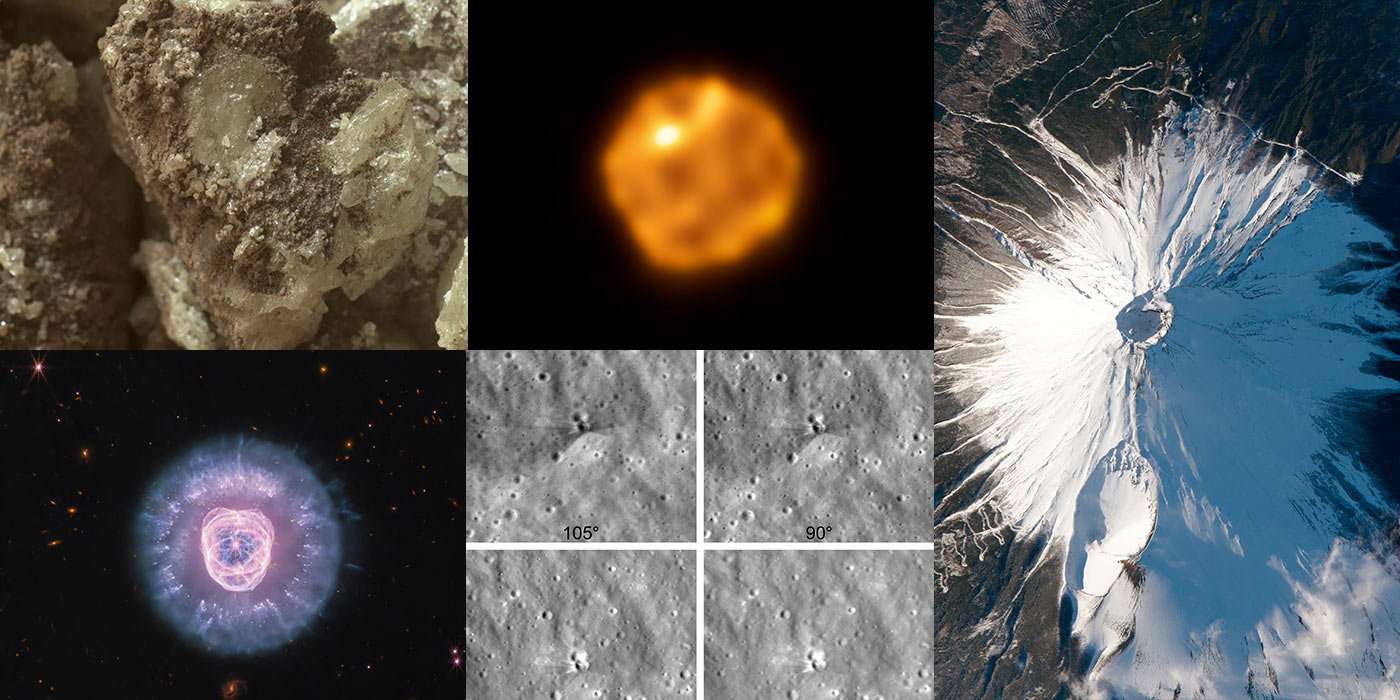
We journey from Mount Fuji as seen from orbit to the bubbling surface of Betelgeuse, exploring the forces that shape planets, moons, and stars across the cosmos. Along the way, JWST reveals the remains of a dying star, Curiosity uncovers clues to Mars’ volcanic past, and a fresh rocket impact on the Moon gives scientists a new opportunity to study how collisions reshape its surface. #PPOD
Featured Image
Aug 26, 2026
Planetary Picture of the Day - Week of August 17, 2026
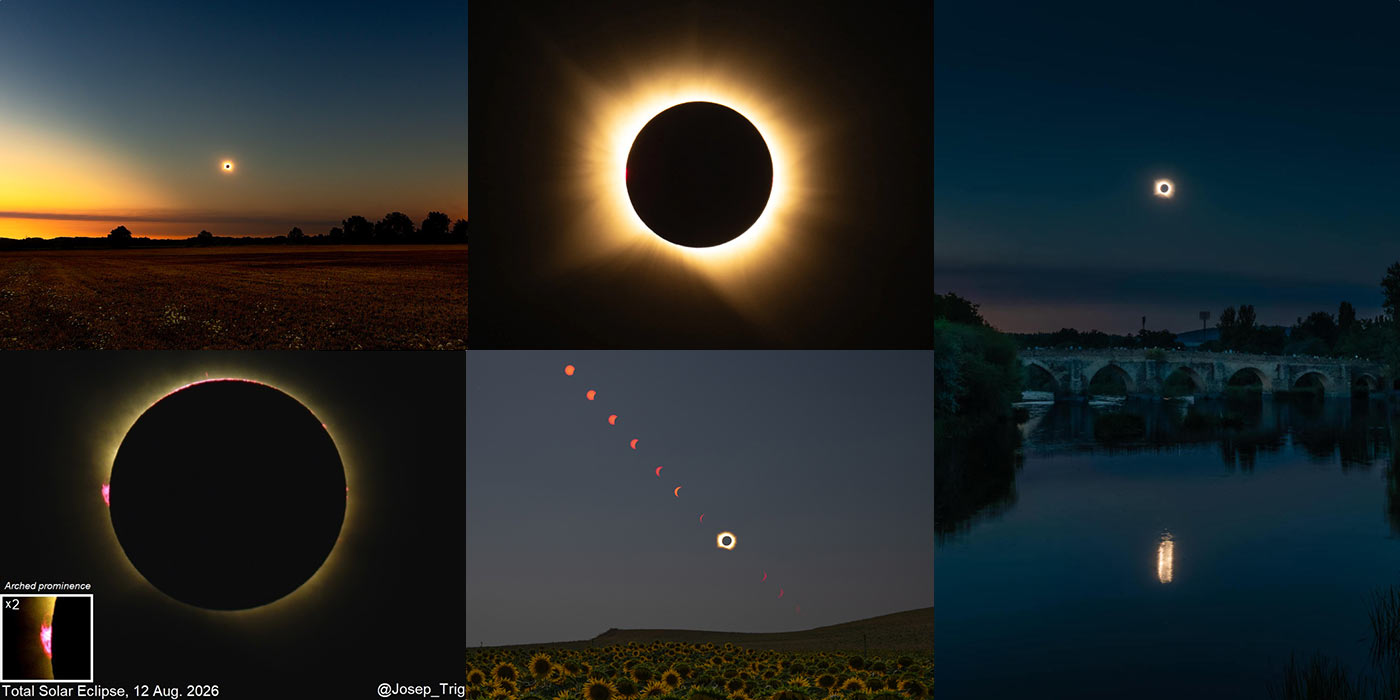
Let's celebrate the August 12 total solar eclipse through the eyes of photographers who experienced the Moon’s shadow sweeping across Spain. From Baily’s Beads and a glowing solar prominence to totality reflected in a river and framed by fields of sunflowers, these images capture both the science and extraordinary beauty of one of nature’s most spectacular celestial events. #PPOD #Eclipse
Featured Image
Aug 19, 2026
Planetary Picture of the Day - Week of August 10, 2026
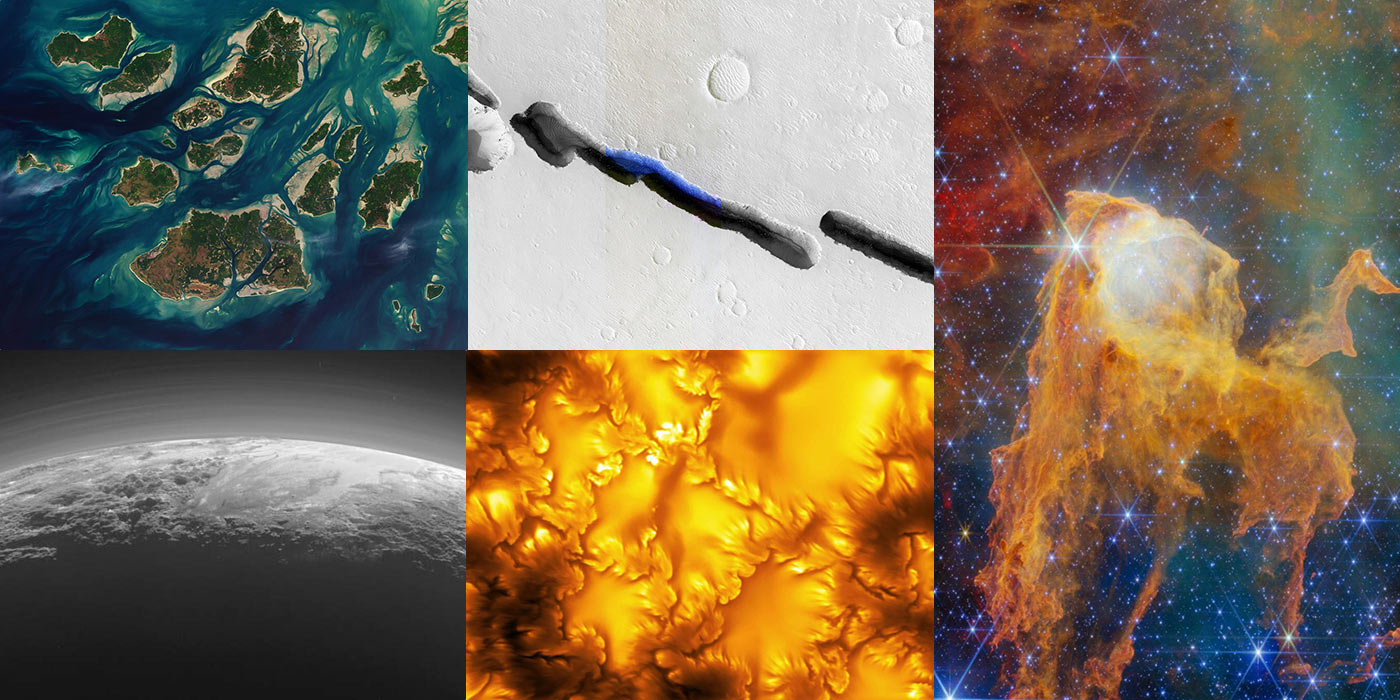
The universe is shaped by forces both immense and intricate, from fractured terrain on Mars and shifting tidal landscapes on Earth to tiny vortices dancing across the surface of the Sun. Farther afield, dramatic views of Pluto’s icy mountains and hazy atmosphere and a treasure chest of newborn stars in the Carina Nebula showcase the remarkable detail revealed by spacecraft and telescopes exploring the cosmos. #PPOD
Featured Image
Aug 12, 2026
Planetary Picture of the Day - August 3, 2026
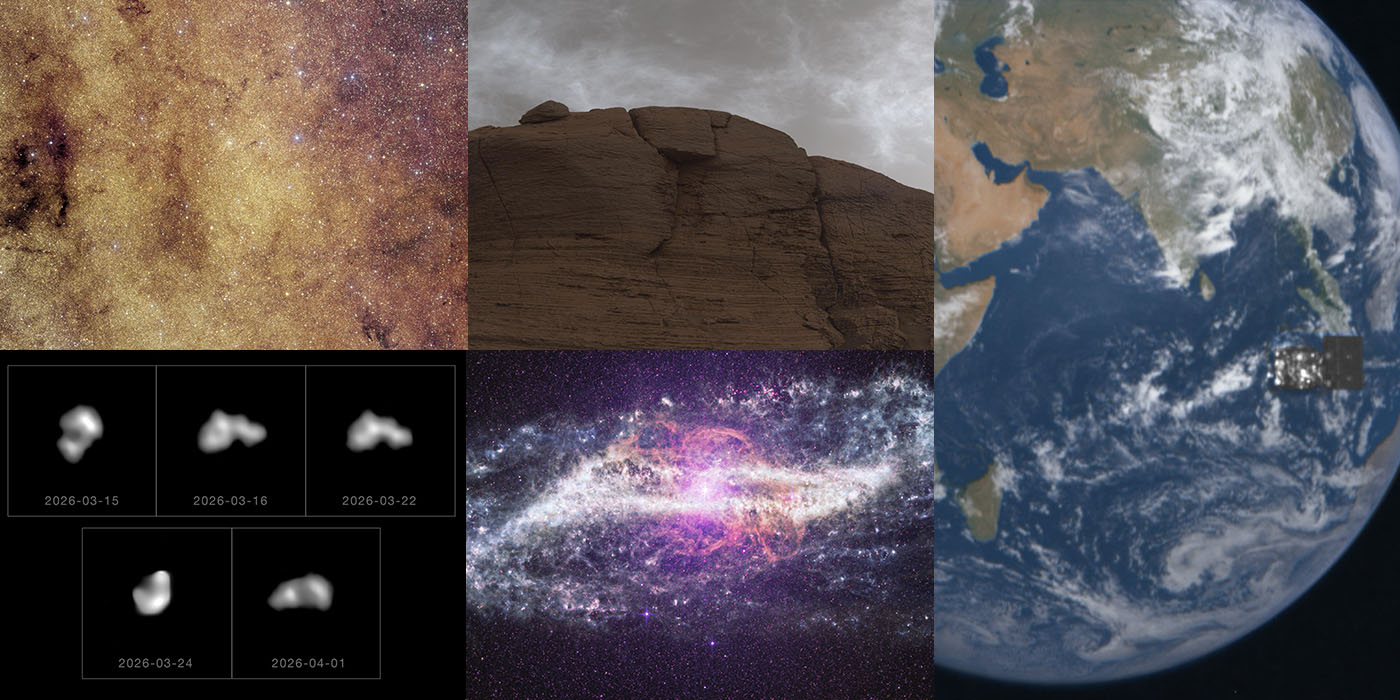
This week, we reveal hidden wonders across the cosmos, from delicate Martian clouds and a dust-shrouded galaxy to an asteroid with a never-before-seen shape and the crowded heart of the Milky Way. Together, these images showcase how new missions and advanced observatories continue to uncover surprising details about our solar system, our galaxy, and the universe beyond. #PPOD
Featured Image
Aug 5, 2026
Planetary Picture of the Day - Week of July 27, 2026
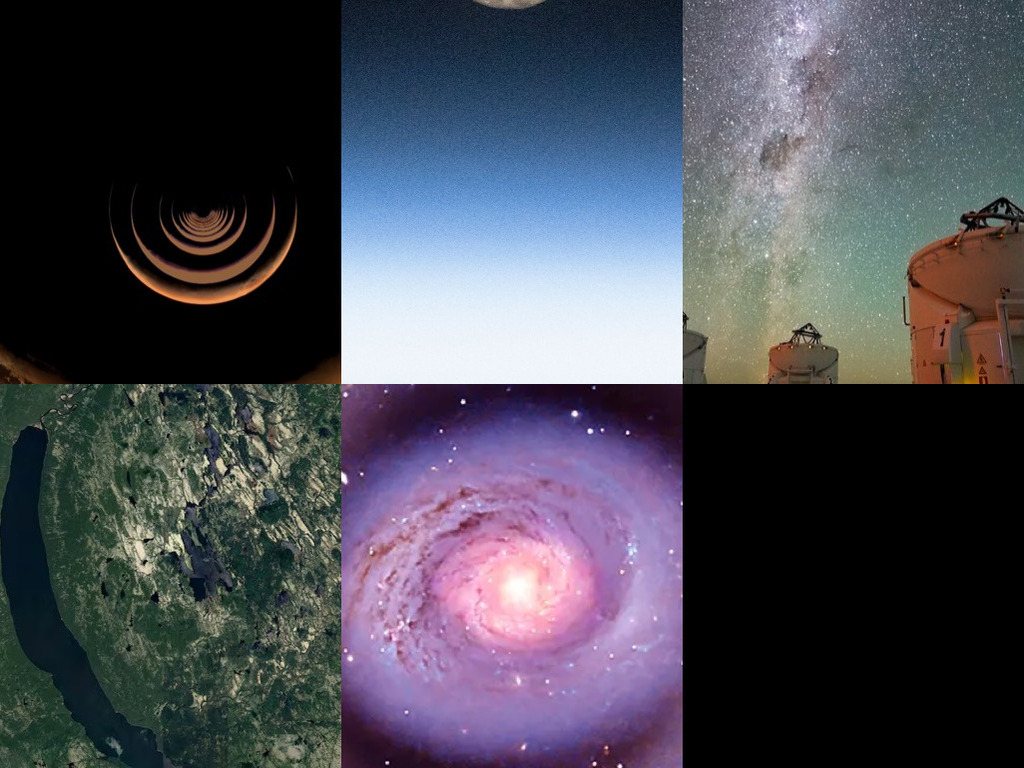
These images span the journey from our own backyard to distant galaxies, featuring Mars, the Moon, breathtaking night skies, and a fresh view of the star-forming galaxy Messier 94. Along the way, we celebrate exploration and discovery—from NASA’s Psyche mission preparing for its asteroid encounter to the revelation of a previously unknown impact crater on Earth —reminding us that there are still new wonders to uncover both on our own planet and across the cosmos. #PPOD
Featured Image
Jul 29, 2026
Planetary Picture of the Day - Week of July 20, 2026
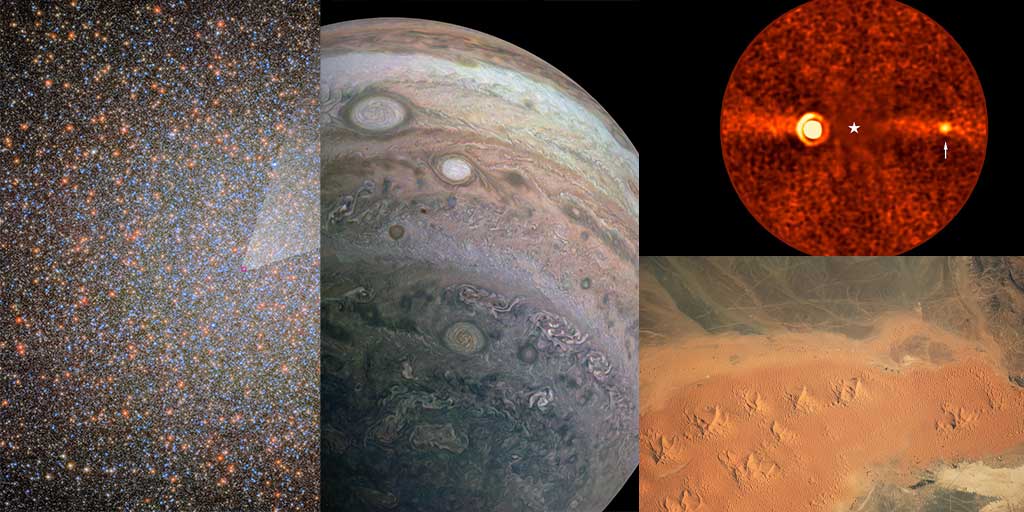
This week, we celebrate fifty years since Viking 1 became the first spacecraft to successfully land on and photograph the surface of Mars, alongside stunning new views of worlds, stars, and galaxies that continue to expand our understanding of the universe. From sculpted Sahara sand dunes and Jupiter’s colorful cloud bands to a newly discovered exoplanet and the first stellar-mass black hole identified in Omega Centauri, these images showcase the remarkable diversity of cosmic exploration. #PPOD
Research

Related Projects

Featured Image
SkyMapper • SETI • Citizen Science • Astronomy
SkyMapper: Expanding Access to Real-time Astronomy Through a Global Astronomical Network
SkyMapper and the SETI Institute are connecting educators, students and the public to live astronomical observations through a distributed astronomical network. #SkyMapper #SETI #Citizen Science #Astronomy
Featured Image
VPL
Virtual Planetary Laboratory
How can we best assess whether an exoplanet supports life? #VPL
Featured Image
Discovery and Futures Lab
What happens if life beyond Earth is discovered? The Discovery and Futures Lab at the SETI Institute fosters novel and anticipatory research at the intersection of science, society, our planet, and the search for life beyond Earth.  #Discovery and Futures Lab
Support Us

Support the
SETI Institute

Scientists are getting closer in their search for life beyond earth. But with limited federal funding for the search for extraterrestrial intelligence, supporters are the reason cutting-edge scientists can keep their eyes on the sky.