






Wednesday, Nov 05, 2025

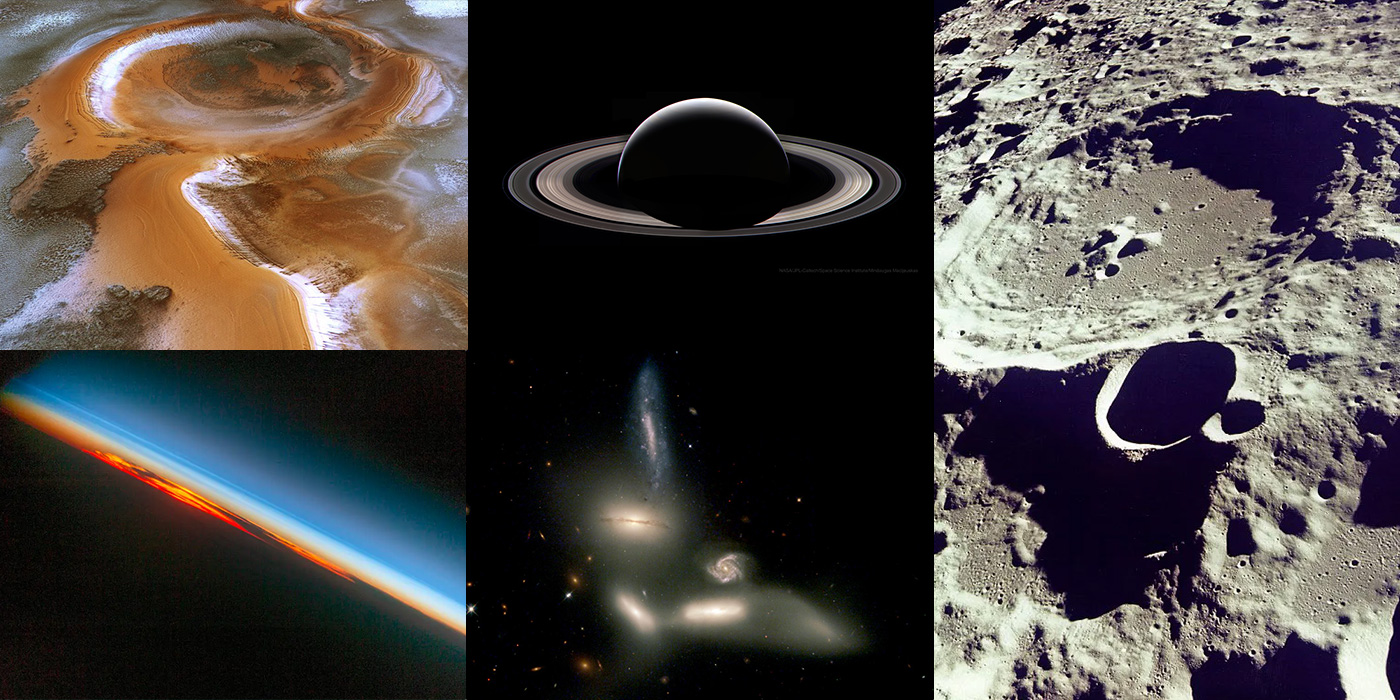
Space missions, both crewed and robotic, have yielded amazing imagery and discoveries, ranging from seasonal features on Mars to stunning photos of our beautiful home planet, the cratered far side of the Moon, and even distant galaxies.

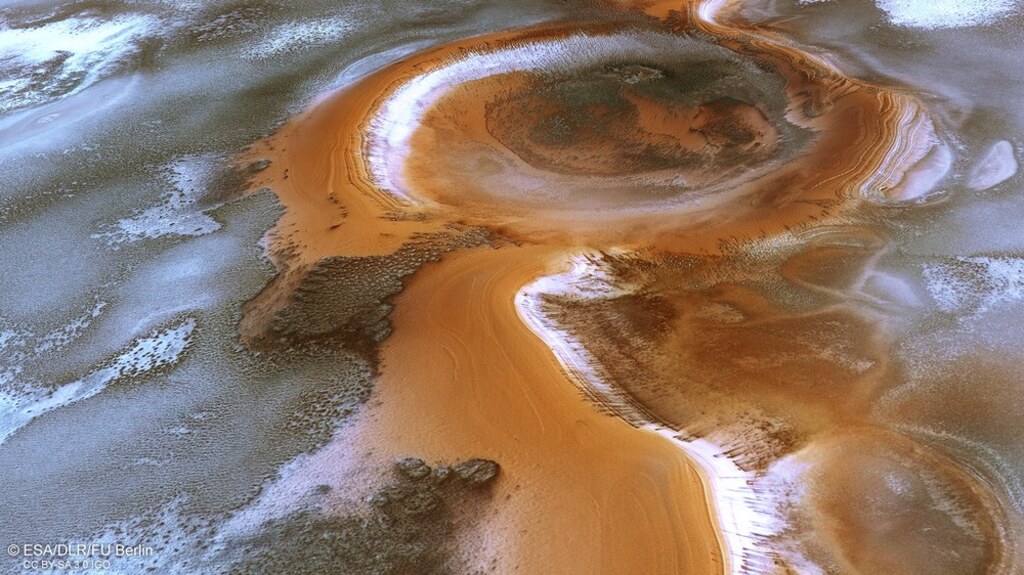
Credit: ESA/DLR/FU Berlin

Monday, 27 October 2025

Martian Winter Wonderland

This sweeping view along a rusty red ridge and into a crater showcases the exquisite beauty of icy, layered terrain in the south polar region on Mars.

The High Resolution Stereo Imaging camera onboard ESA’s Mars Express captured this frosty scene in the Ultimi Scopuli region near the south pole of Mars on 19 May 2022. At this time, it was southern hemisphere spring, and ice was starting to retreat. Dark dunes began to peak through the frost, and the elevated terrain appears ice-free.

Credit: NASA, JPL-Caltech, Space Science Institute, CICLOPS, Mindaugas Macijauskas

Tuesday, 28 October 2025

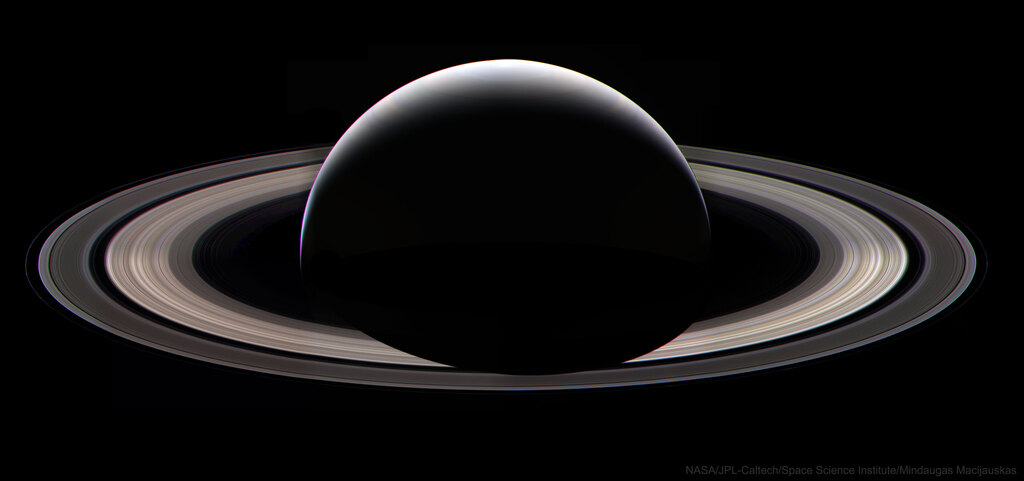
Lord of the Rings

Saturn is captured here by NASA's Cassini spacecraft. Cassini orbited the gas giant for thirteen years before ending its mission by plunging into the planet's atmosphere on September 15, 2017. This image is a mosaic compiled from frames recorded by Cassini two days before its final dive.

Credit: NASA. Caption: M. Justin Wilkinson, Texas State University

Wednesday, 29 October 2025

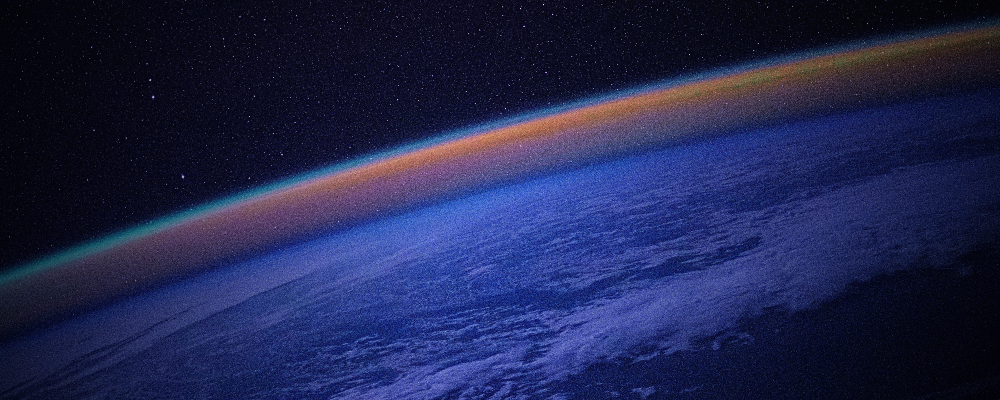
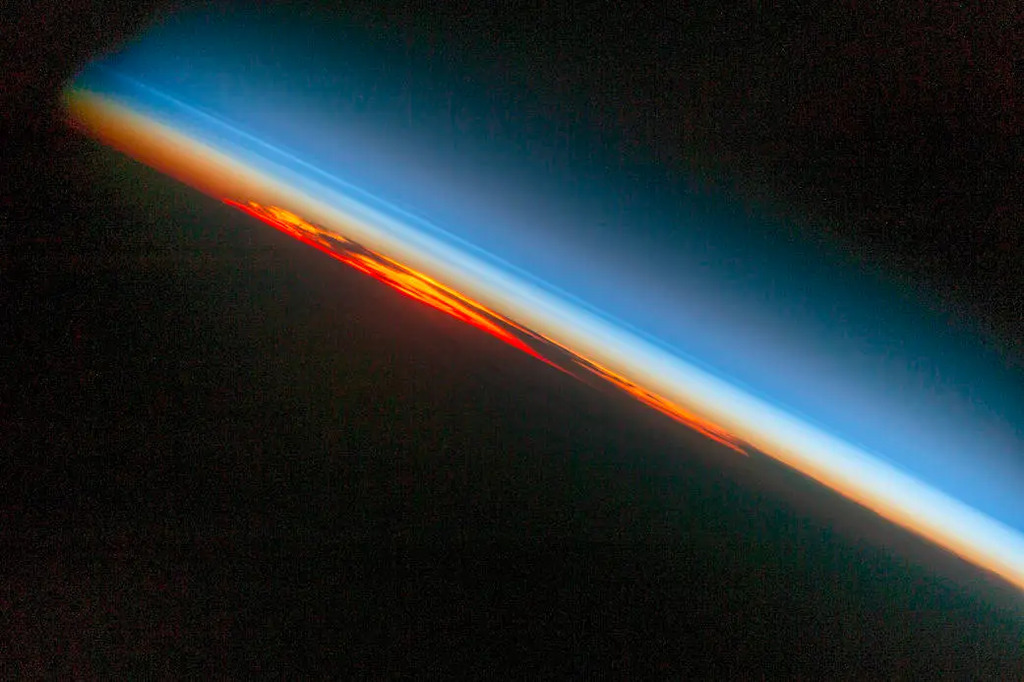
Fiery South Atlantic Sunset

An astronaut aboard the International Space Station photographed a sunset that looks like a vast sheet of flame. With Earth’s surface already in darkness, the setting sun, the cloud masses, and the sideways viewing angle make a powerful image of the kind that astronauts use to commemorate their flights.

Thin layers of lighter and darker blues reveal the many layers of the atmosphere. The lowest layer—the orange-brown line with clouds, dust, and smoke—is known to scientists as the troposphere, the layer of weather as we experience it. It is the smoke and dust particles in the atmosphere that give sunsets their strong red color.

Credit: NASA, J. English (U. Manitoba), S. Hunsberger, S. Zonak, J. Charlton, S. Gallagher (PSU), and L. Frattare (STScI)

Thursday, 30 October 2025

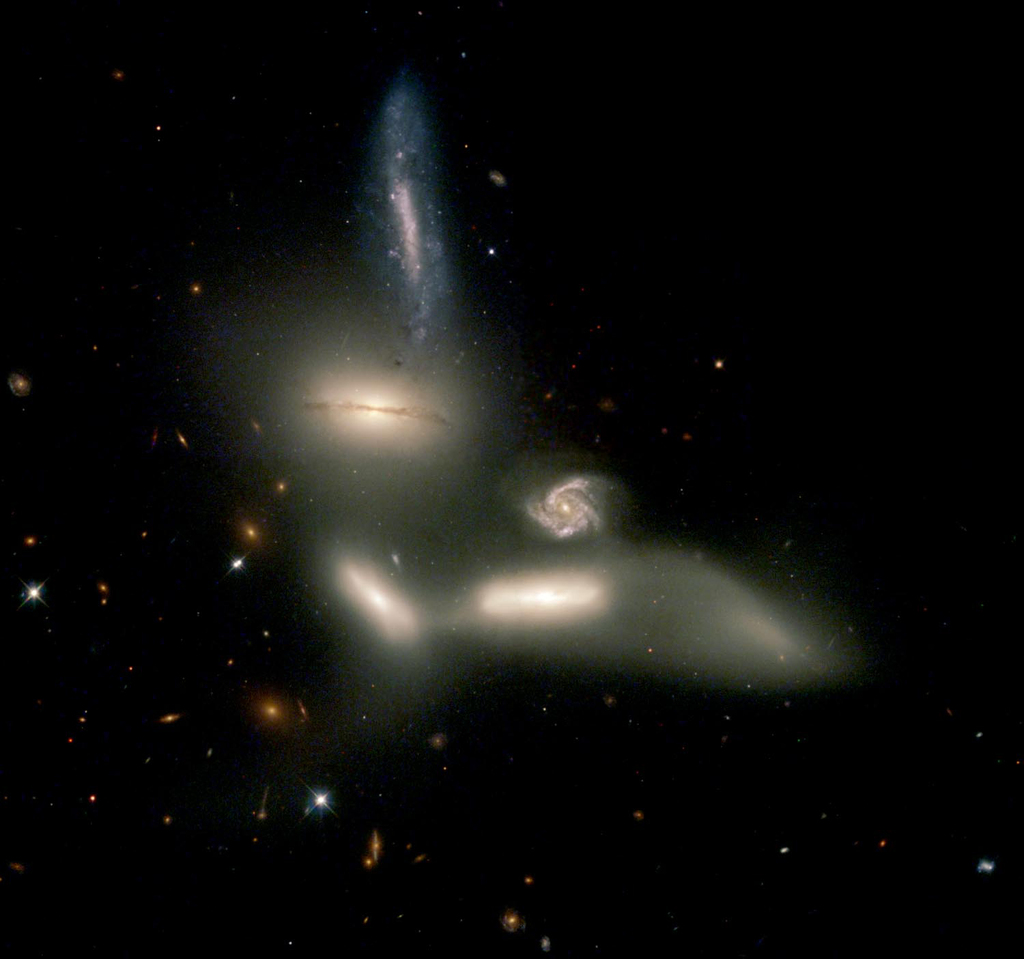
Seyfert's Sextet

Called Seyfert's Sextet, this galactic vista was captured by the Hubble Space Telescope in its 13th year. The galaxies are so tightly packed together that gravitational forces are beginning to rip stars from them and distort their shapes. Those same gravitational forces eventually could bring the galaxies together to form one large galaxy.

Seyfert's Sextet is not a very accurate nickname, though. Rather than six, only four galaxies are actually on the dance card. The small face-on spiral with the prominent arms (at center) is a background galaxy almost five times farther away than the other four. The sixth member of the sextet isn't a galaxy at all but a long "tidal tail" of stars (lower right) torn from one of the galaxies.

The group resides 190 million light-years away in the constellation Serpens. When the light we receive today left these galaxies, the dinosaurs ruled the Earth in the Middle Jurassic.

Credit: Apollo 11 crew / NASA.

Friday, 31 October 2025

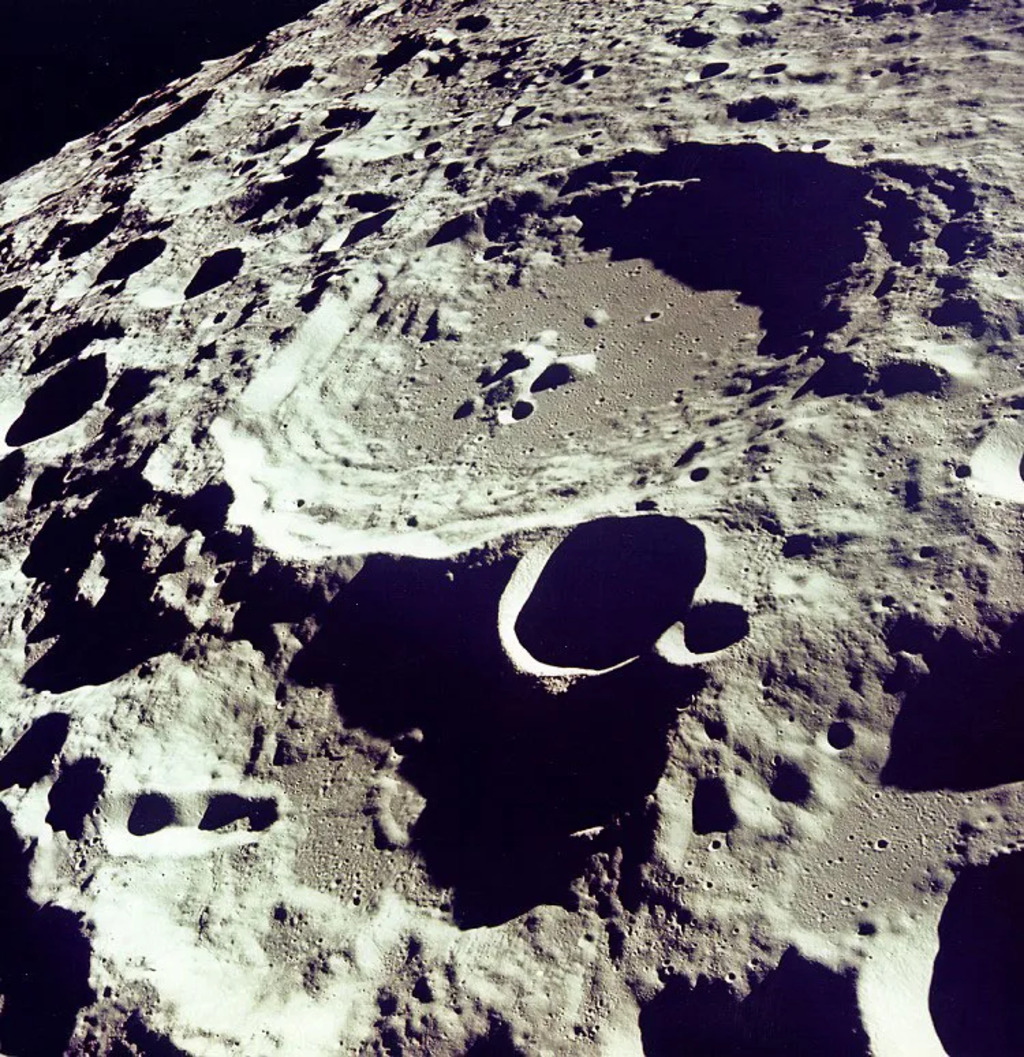
Lunar Farside

This image of the crater Daedalus, with a diameter of about 80 kilometers, on the Moon's far side was taken by the Apollo 11 crew while in orbit around the Moon in 1969. The Moon’s far side is rugged and densely cratered, while the near side—the face that always looks toward Earth—is comparatively smooth. Because the Moon is tidally locked, humanity didn’t actually see the far side until the mid-20th century. Its bright highlands are much older than the dark, volcanic plains—or maria—that dominate the near side. Scientists think this contrast arose because the Moon’s crust is thinner on the near side, allowing ancient lava to flow more freely there.

News

Related News

Featured Image
Sep 2, 2026
Planetary Picture of the Day - Week of August 24, 2026
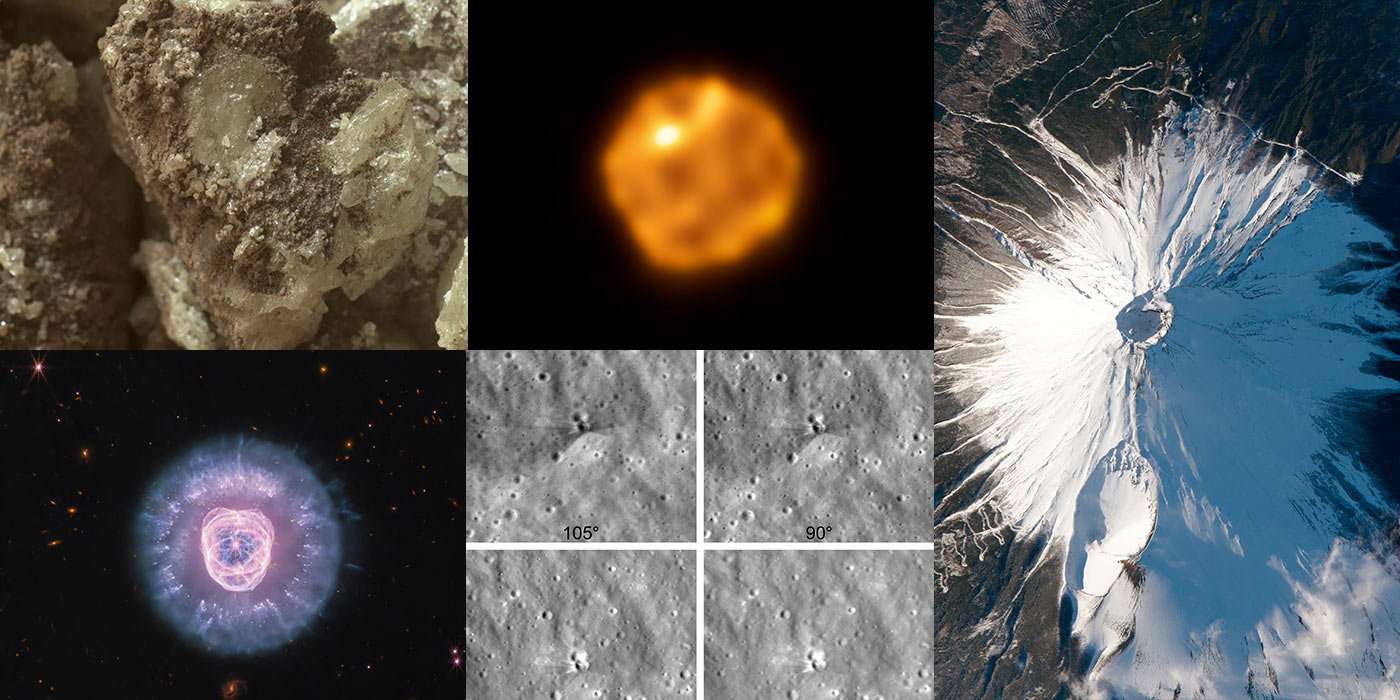
We journey from Mount Fuji as seen from orbit to the bubbling surface of Betelgeuse, exploring the forces that shape planets, moons, and stars across the cosmos. Along the way, JWST reveals the remains of a dying star, Curiosity uncovers clues to Mars’ volcanic past, and a fresh rocket impact on the Moon gives scientists a new opportunity to study how collisions reshape its surface. #PPOD
Featured Image
Aug 26, 2026
Planetary Picture of the Day - Week of August 17, 2026
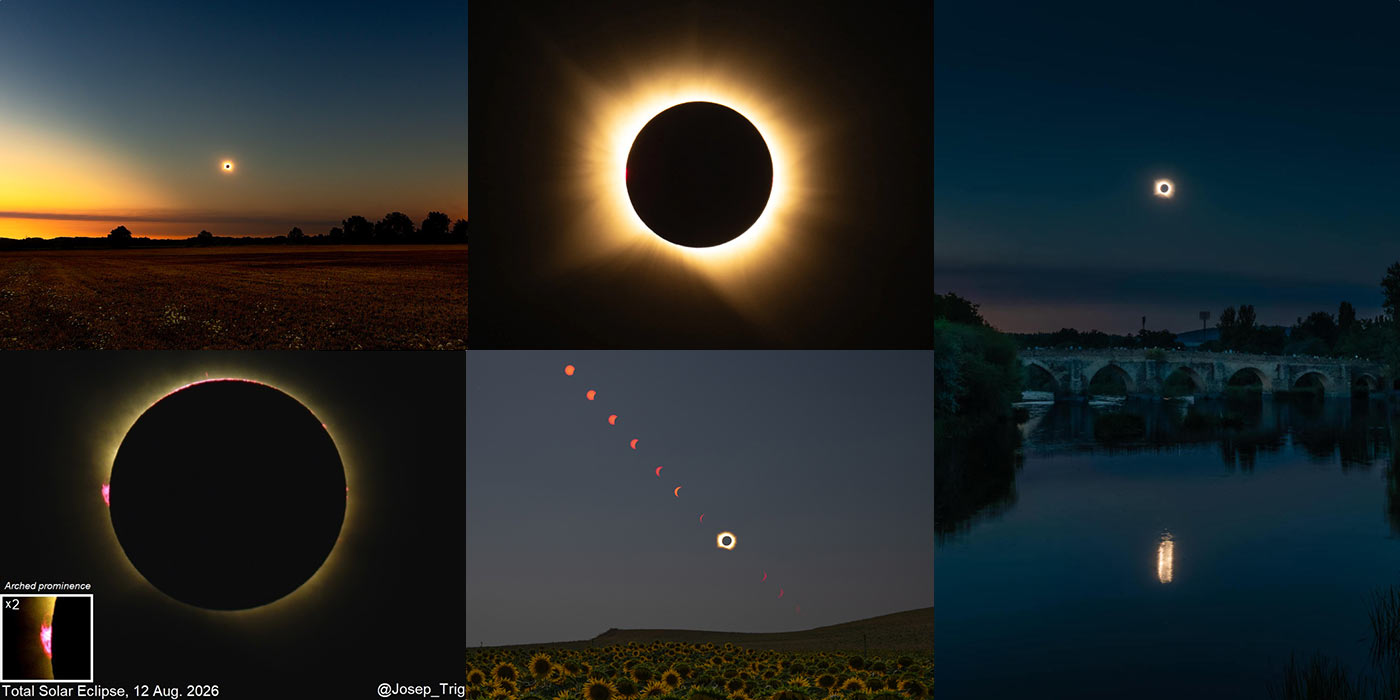
Let's celebrate the August 12 total solar eclipse through the eyes of photographers who experienced the Moon’s shadow sweeping across Spain. From Baily’s Beads and a glowing solar prominence to totality reflected in a river and framed by fields of sunflowers, these images capture both the science and extraordinary beauty of one of nature’s most spectacular celestial events. #PPOD #Eclipse
Featured Image
Aug 19, 2026
Planetary Picture of the Day - Week of August 10, 2026
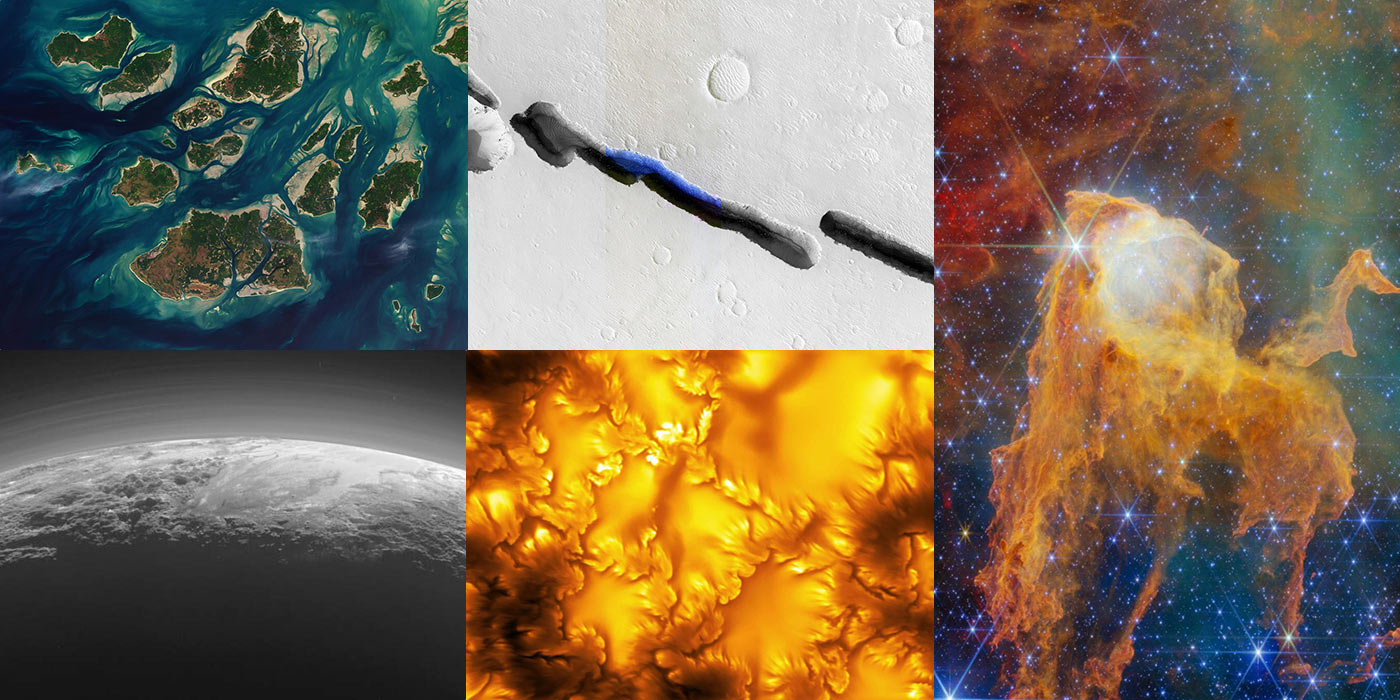
The universe is shaped by forces both immense and intricate, from fractured terrain on Mars and shifting tidal landscapes on Earth to tiny vortices dancing across the surface of the Sun. Farther afield, dramatic views of Pluto’s icy mountains and hazy atmosphere and a treasure chest of newborn stars in the Carina Nebula showcase the remarkable detail revealed by spacecraft and telescopes exploring the cosmos. #PPOD
Featured Image
Aug 12, 2026
Planetary Picture of the Day - August 3, 2026
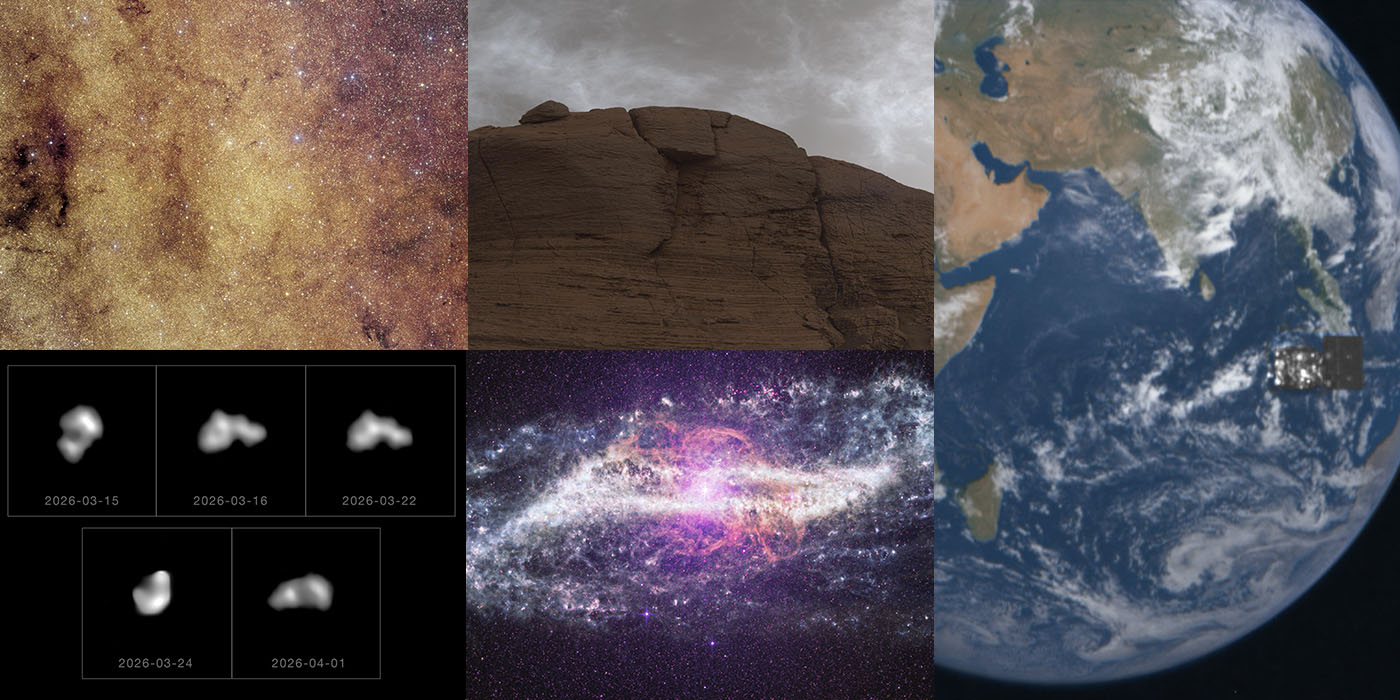
This week, we reveal hidden wonders across the cosmos, from delicate Martian clouds and a dust-shrouded galaxy to an asteroid with a never-before-seen shape and the crowded heart of the Milky Way. Together, these images showcase how new missions and advanced observatories continue to uncover surprising details about our solar system, our galaxy, and the universe beyond. #PPOD
Featured Image
Aug 5, 2026
Planetary Picture of the Day - Week of July 27, 2026
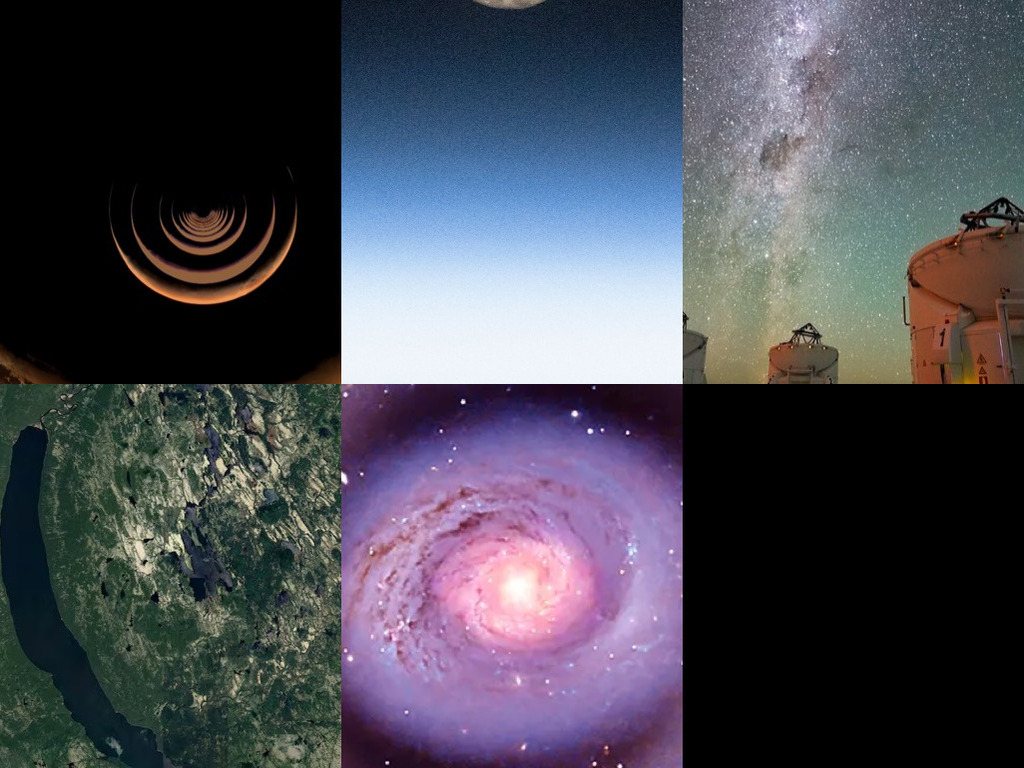
These images span the journey from our own backyard to distant galaxies, featuring Mars, the Moon, breathtaking night skies, and a fresh view of the star-forming galaxy Messier 94. Along the way, we celebrate exploration and discovery—from NASA’s Psyche mission preparing for its asteroid encounter to the revelation of a previously unknown impact crater on Earth —reminding us that there are still new wonders to uncover both on our own planet and across the cosmos. #PPOD
Featured Image
Jul 29, 2026
Planetary Picture of the Day - Week of July 20, 2026
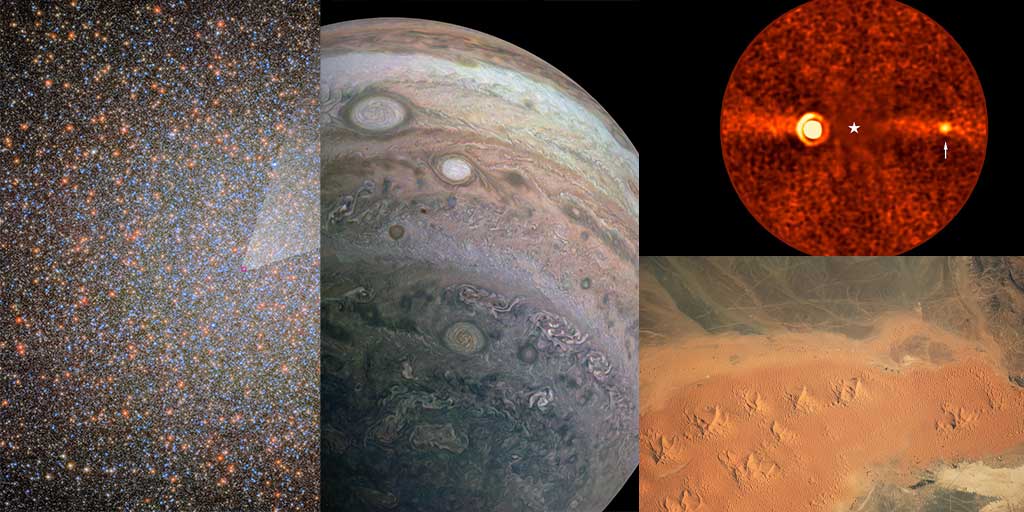
This week, we celebrate fifty years since Viking 1 became the first spacecraft to successfully land on and photograph the surface of Mars, alongside stunning new views of worlds, stars, and galaxies that continue to expand our understanding of the universe. From sculpted Sahara sand dunes and Jupiter’s colorful cloud bands to a newly discovered exoplanet and the first stellar-mass black hole identified in Omega Centauri, these images showcase the remarkable diversity of cosmic exploration. #PPOD
Research

Related Projects

Featured Image
SkyMapper • SETI • Citizen Science • Astronomy
SkyMapper: Expanding Access to Real-time Astronomy Through a Global Astronomical Network
SkyMapper and the SETI Institute are connecting educators, students and the public to live astronomical observations through a distributed astronomical network. #SkyMapper #SETI #Citizen Science #Astronomy
Featured Image
VPL
Virtual Planetary Laboratory
How can we best assess whether an exoplanet supports life? #VPL
Featured Image
Discovery and Futures Lab
What happens if life beyond Earth is discovered? The Discovery and Futures Lab at the SETI Institute fosters novel and anticipatory research at the intersection of science, society, our planet, and the search for life beyond Earth.  #Discovery and Futures Lab
Support Us

Support the
SETI Institute

Scientists are getting closer in their search for life beyond earth. But with limited federal funding for the search for extraterrestrial intelligence, supporters are the reason cutting-edge scientists can keep their eyes on the sky.