Wednesday, Dec 03, 2025

Credit: ESO

Monday, 24 November 2025

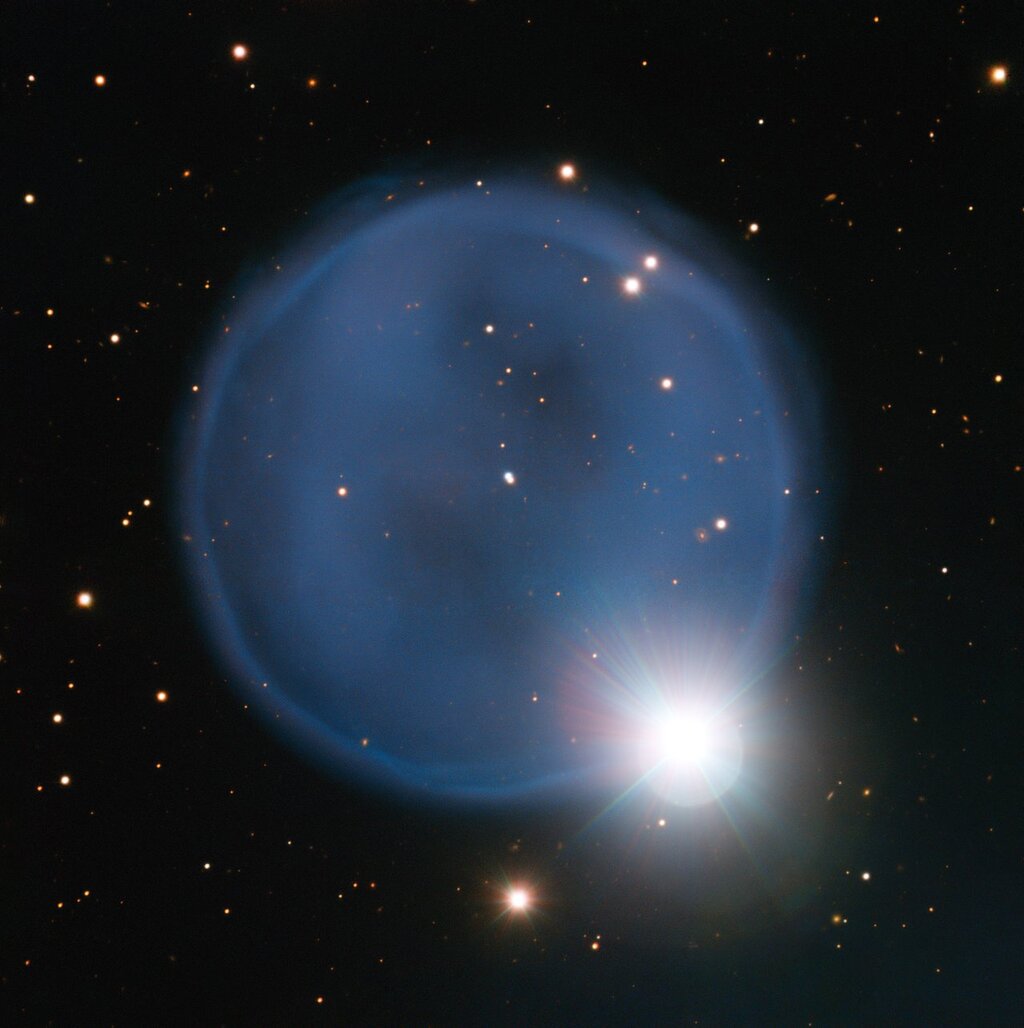
Abell 33

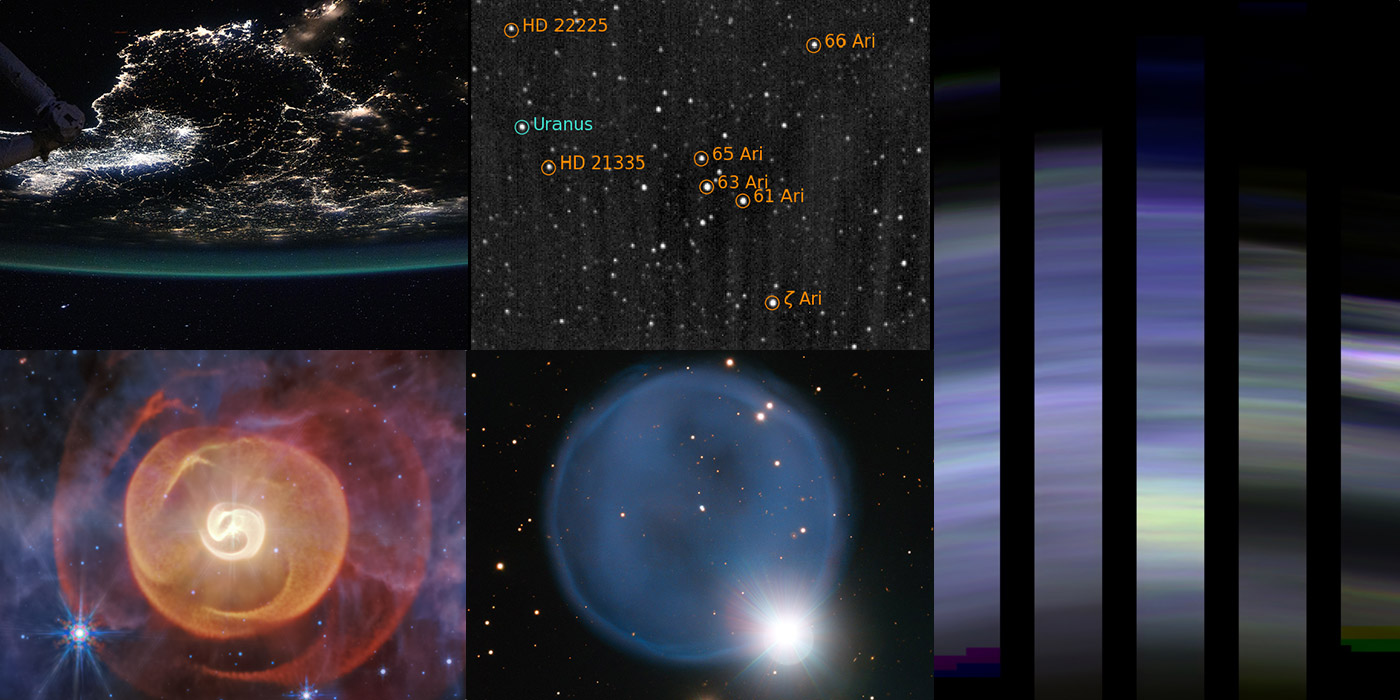
Astronomers using ESO’s Very Large Telescope in Chile have captured this eye-catching image of planetary nebula Abell 33. Created when an aging star blew off its outer layers, this beautiful blue bubble is, by chance, aligned with a foreground star and bears an uncanny resemblance to a diamond engagement ring. This cosmic gem is unusually symmetric, appearing to be almost perfectly circular on the sky.

Credit: ESA/TGO/CaSSIS

Tuesday, 25 November 2025

Mars’s Atmospheric Mille-Feuille

ESA’s ExoMars Trace Gas Orbiter keeps gathering information from its orbit around Mars to understand its ancient past and potential habitability. The spacecraft was cruising over the southern highlands of Terra Cimmeria, some 400 km above the Martian surface, when it recorded this composite of five vertical images on 21 January 2024. Towards the bottom is Mars; at the top, space.

The kaleidoscope of light and colour is composed of the highest resolution images of the atmosphere above the limb of Mars ever obtained. Mars’s limb is the curved edge of the planet, the apparent boundary where its surface meets space. Observing a planet's limb can reveal details about the hazy edge of its atmosphere.

The spacecraft was in the shadow of Mars, looking towards a veil of dust backlit by the setting sun. From this vantage point, the Colour and Stereo Surface Imaging System (CaSSIS) aboard could reveal fine layers of cloud and dust scattered throughout the atmosphere. The five images, each covering a 3.6 km-wide slice of the atmosphere, show tens of layers spanning altitudes from 15 to 55 km. Each slice pictured is 200 km apart from the others.

Credit: JAXA/Kimiya Yui

Wednesday, 26 November 2025

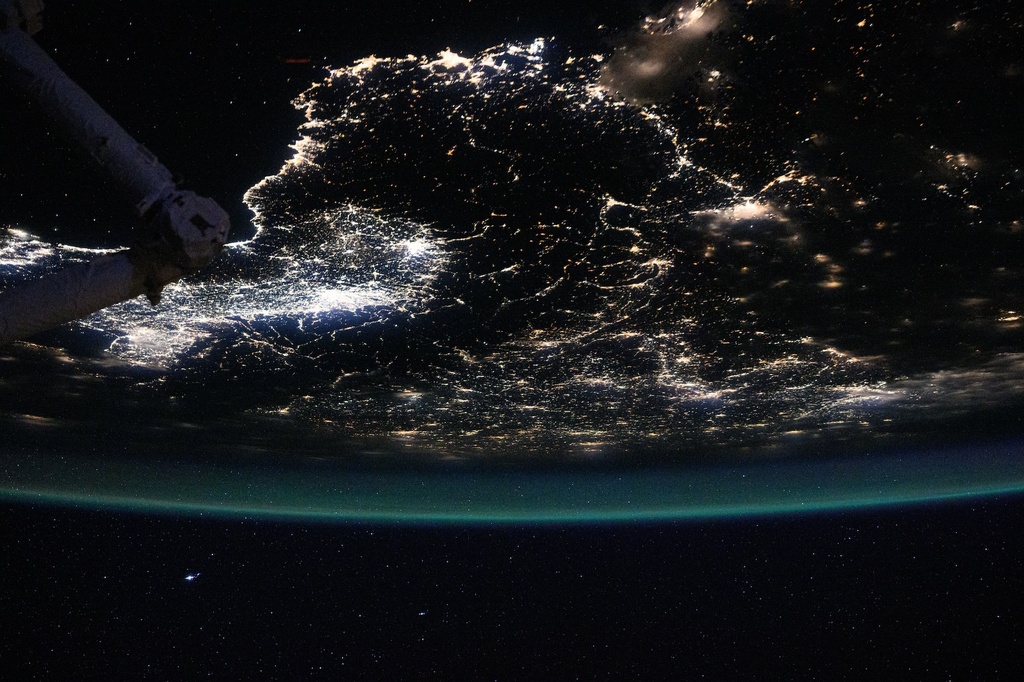
City Lights and Atmospheric Glow

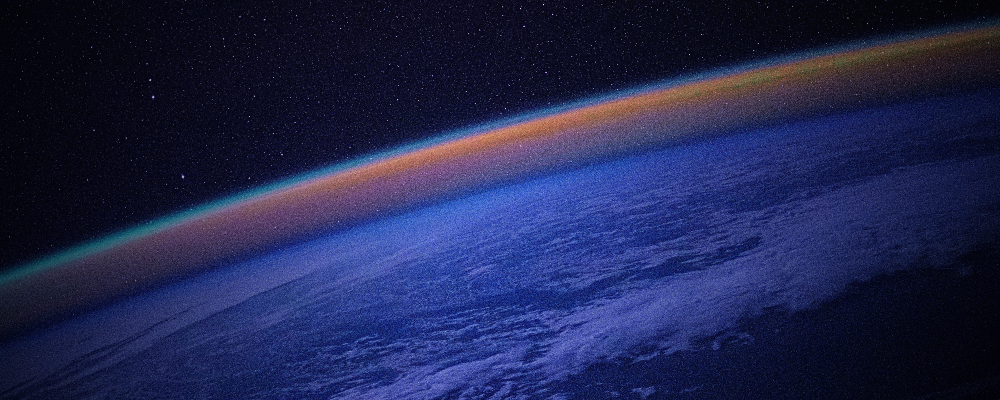
JAXA (Japan Aerospace Exploration Agency) astronaut Kimiya Yui captured this photo of southern Europe and the northwestern Mediterranean coast from the International Space Station as it orbited 261 miles above Earth on Aug. 30, 2025. At left, the Po Valley urban corridor in Italy shines with the metropolitan areas of Milan and Turin and their surrounding suburbs.

Credit: NASA/JPL-Caltech

Thursday, 27 November 2025

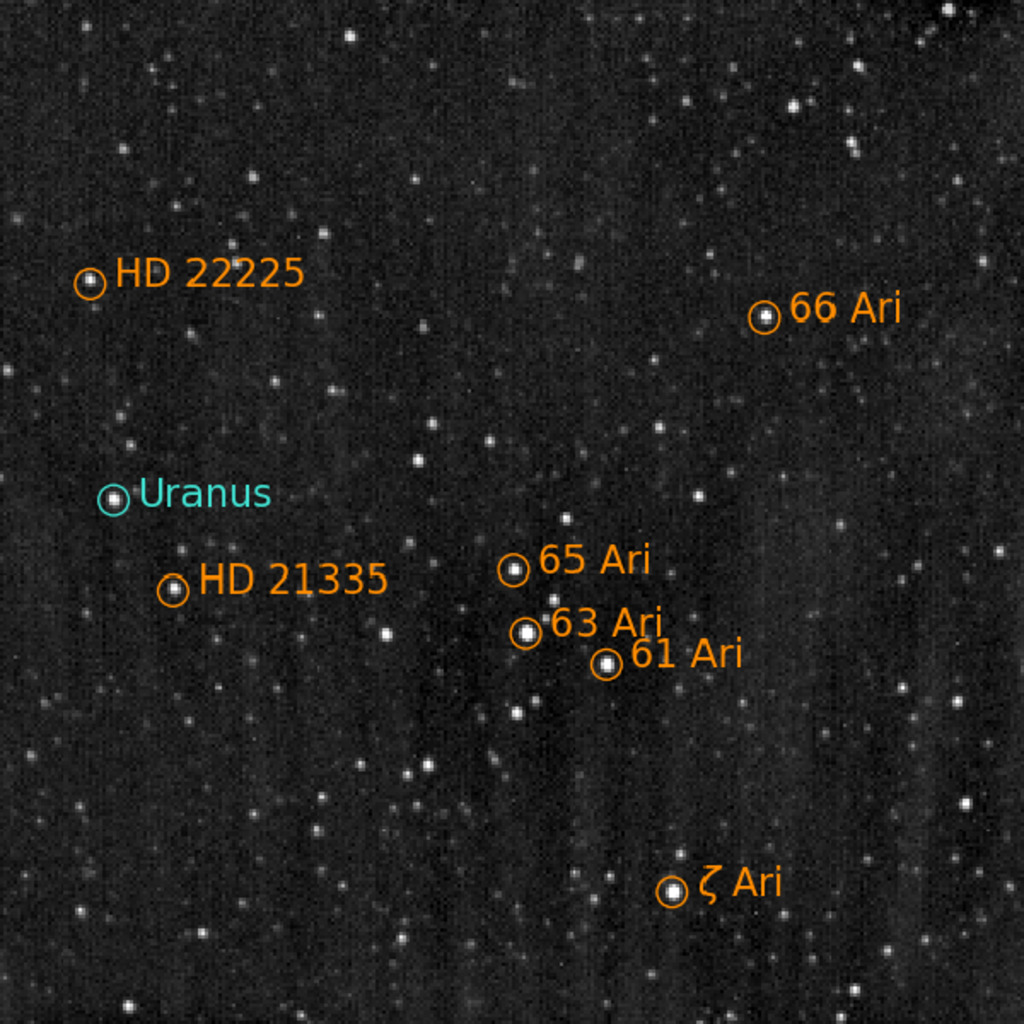
Uranus With Star Tracker Camera

NASA’s Europa Clipper captured this image of a starfield — and the planet Uranus — on Nov. 5, 2025, while experimenting with one of its two stellar reference units. These star-tracking cameras are used for maintaining spacecraft orientation. Within the camera’s field of view — representing 0.1% of the whole sky around the spacecraft — Uranus is visible as a larger dot near the left side of the image.

Credit: Image: NASA, ESA, CSA, STScI; Science: Yinuo Han (Caltech), Ryan White (Macquarie University); Image Processing: Alyssa Pagan (STScI)

Friday, 28 November 2025

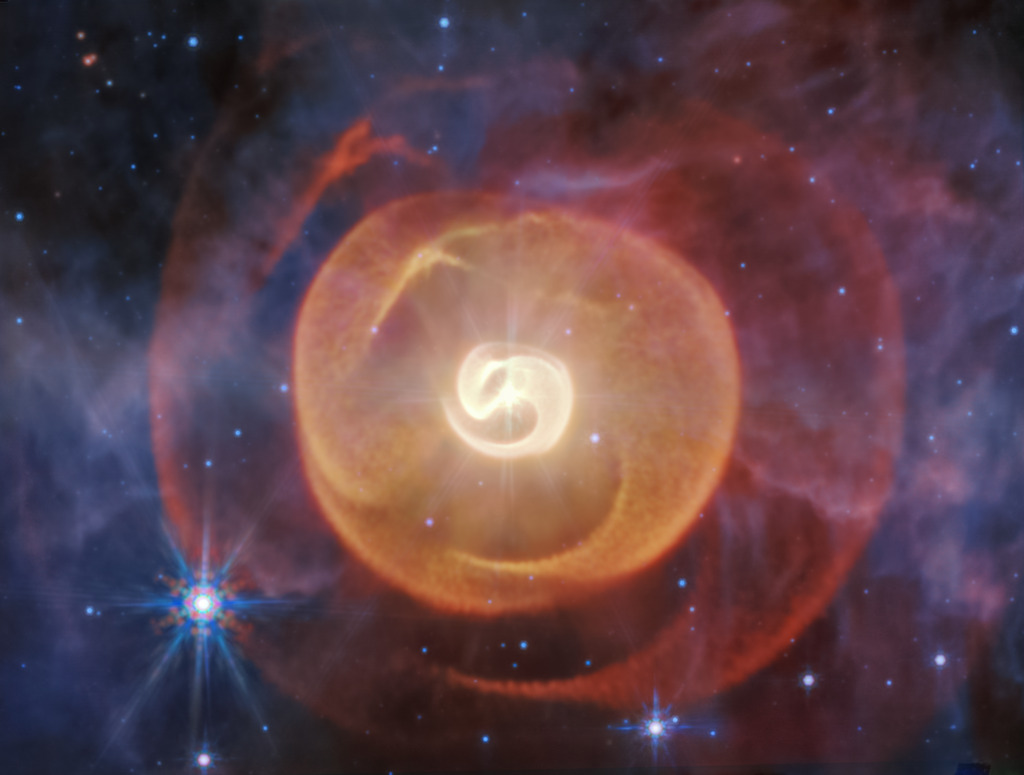
JWST Captures Apep

NASA’s James Webb Space Telescope has delivered a first-of-its-kind: a crisp mid-infrared image of a system of four serpentine spirals of dust, one expanding beyond the next in precisely the same pattern. (The fourth is almost transparent, at the edges of JWST's image.) Observations taken prior to JWST detected only one shell, and although outer shells were hypothesized, ground-based searches failed to uncover any. These shells were emitted over the last 700 years by two aging Wolf-Rayet stars in a system known as Apep, a nod to the Egyptian god of chaos.

JWST's image, combined with several years of data from the European Southern Observatory’s Very Large Telescope (VLT) in Chile, narrowed down how often the pair swing by one another: once every 190 years. Over each incredibly long orbit, they pass closely for 25 years and form dust.

JWST also confirmed that there are three stars gravitationally bound to one another in this system. The dust ejected by the two Wolf-Rayet stars is “slashed” by a third star, a massive supergiant, which carves holes into each expanding cloud of dust from its wider orbit. (All three stars are shown as a single bright point of light in Webb’s image.)

JWST's mid-infrared image shows four coiled shells of dust around a pair of Wolf-Rayet stars known as Apep for the first time. Previous observations by other telescopes showed only one. Webb's data also confirmed that there are three stars gravitationally bound to one another.

News

Related News

Featured Image
Sep 2, 2026
Planetary Picture of the Day - Week of August 24, 2026
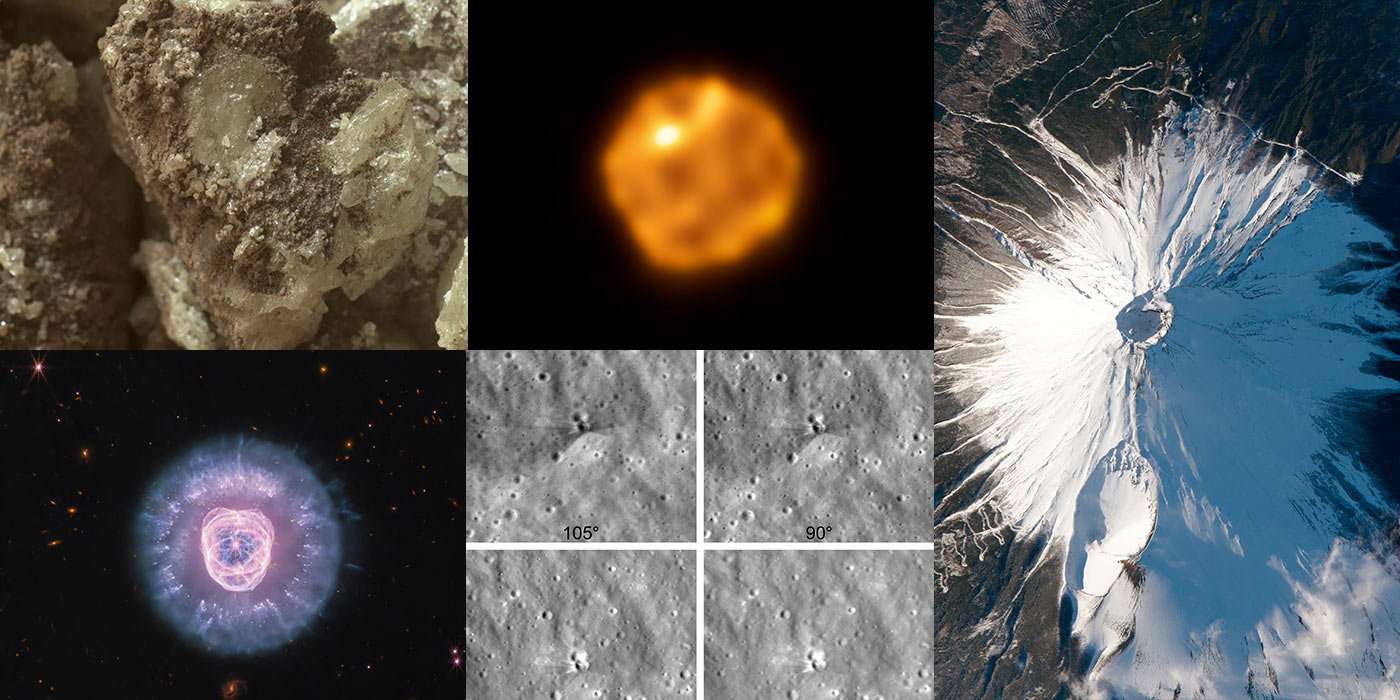
We journey from Mount Fuji as seen from orbit to the bubbling surface of Betelgeuse, exploring the forces that shape planets, moons, and stars across the cosmos. Along the way, JWST reveals the remains of a dying star, Curiosity uncovers clues to Mars’ volcanic past, and a fresh rocket impact on the Moon gives scientists a new opportunity to study how collisions reshape its surface. #PPOD
Featured Image
Aug 26, 2026
Planetary Picture of the Day - Week of August 17, 2026
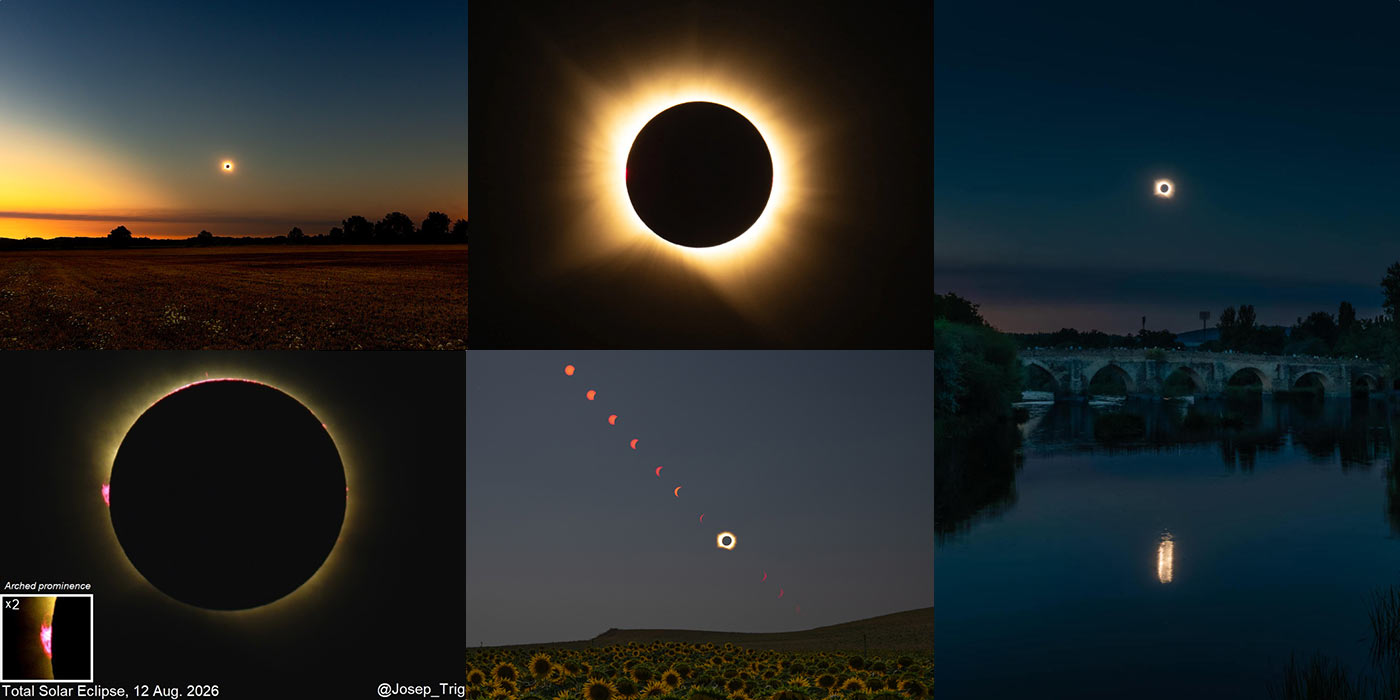
Let's celebrate the August 12 total solar eclipse through the eyes of photographers who experienced the Moon’s shadow sweeping across Spain. From Baily’s Beads and a glowing solar prominence to totality reflected in a river and framed by fields of sunflowers, these images capture both the science and extraordinary beauty of one of nature’s most spectacular celestial events. #PPOD #Eclipse
Featured Image
Aug 19, 2026
Planetary Picture of the Day - Week of August 10, 2026
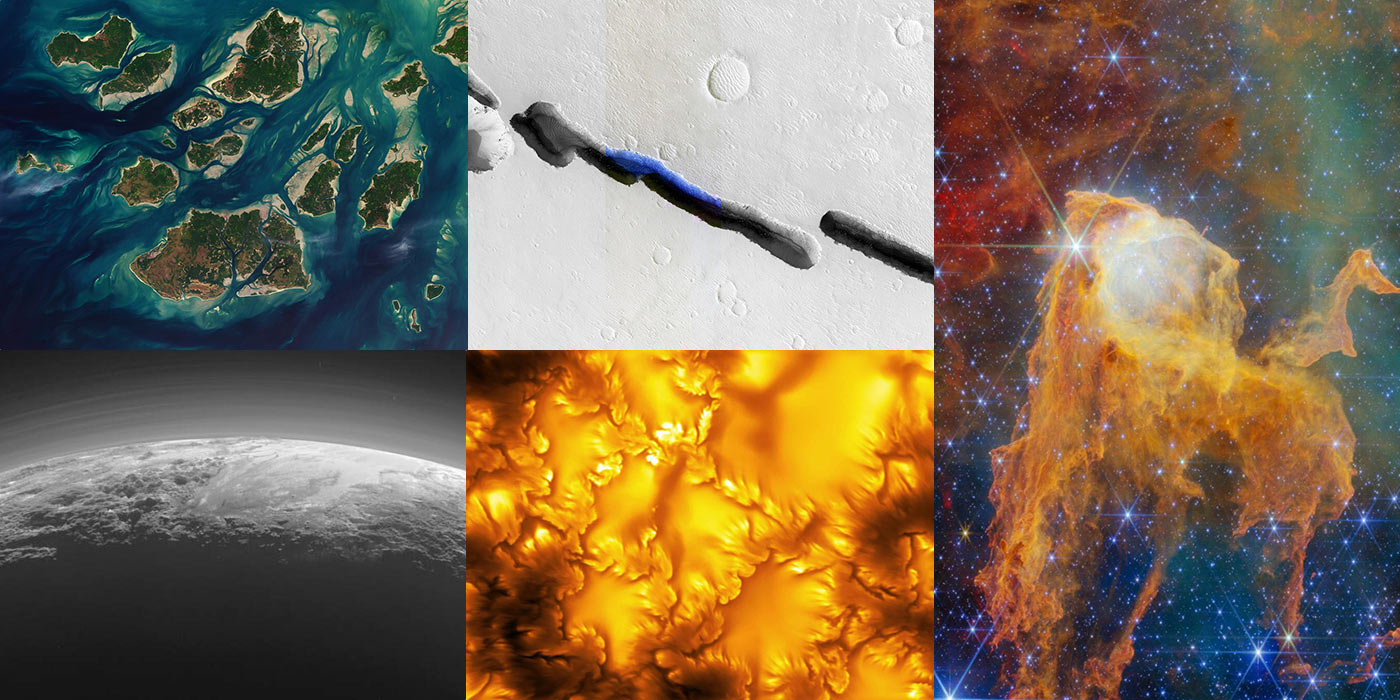
The universe is shaped by forces both immense and intricate, from fractured terrain on Mars and shifting tidal landscapes on Earth to tiny vortices dancing across the surface of the Sun. Farther afield, dramatic views of Pluto’s icy mountains and hazy atmosphere and a treasure chest of newborn stars in the Carina Nebula showcase the remarkable detail revealed by spacecraft and telescopes exploring the cosmos. #PPOD
Featured Image
Aug 12, 2026
Planetary Picture of the Day - August 3, 2026
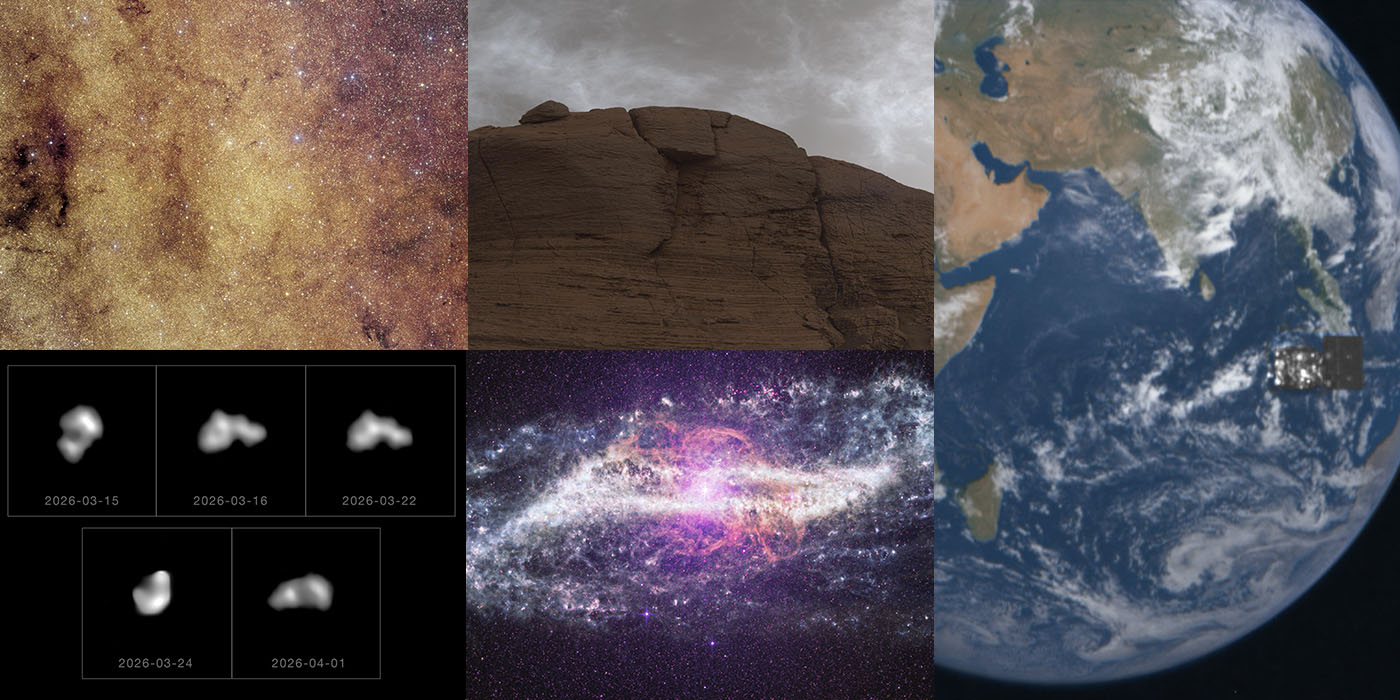
This week, we reveal hidden wonders across the cosmos, from delicate Martian clouds and a dust-shrouded galaxy to an asteroid with a never-before-seen shape and the crowded heart of the Milky Way. Together, these images showcase how new missions and advanced observatories continue to uncover surprising details about our solar system, our galaxy, and the universe beyond. #PPOD
Featured Image
Aug 5, 2026
Planetary Picture of the Day - Week of July 27, 2026
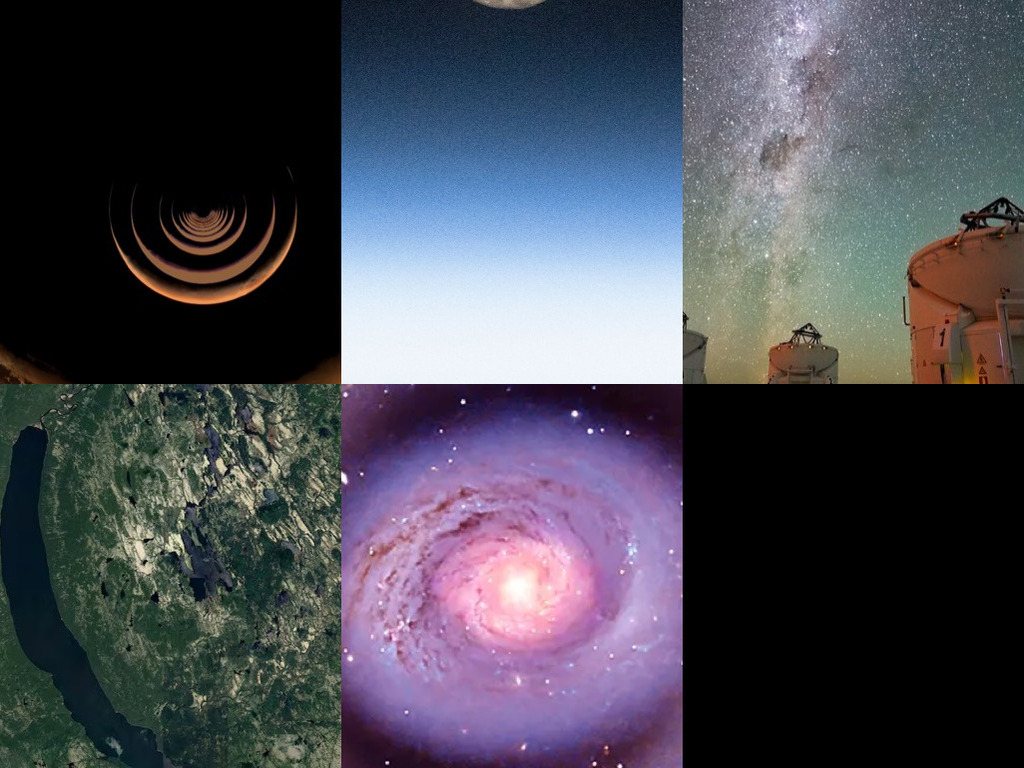
These images span the journey from our own backyard to distant galaxies, featuring Mars, the Moon, breathtaking night skies, and a fresh view of the star-forming galaxy Messier 94. Along the way, we celebrate exploration and discovery—from NASA’s Psyche mission preparing for its asteroid encounter to the revelation of a previously unknown impact crater on Earth —reminding us that there are still new wonders to uncover both on our own planet and across the cosmos. #PPOD
Featured Image
Jul 29, 2026
Planetary Picture of the Day - Week of July 20, 2026
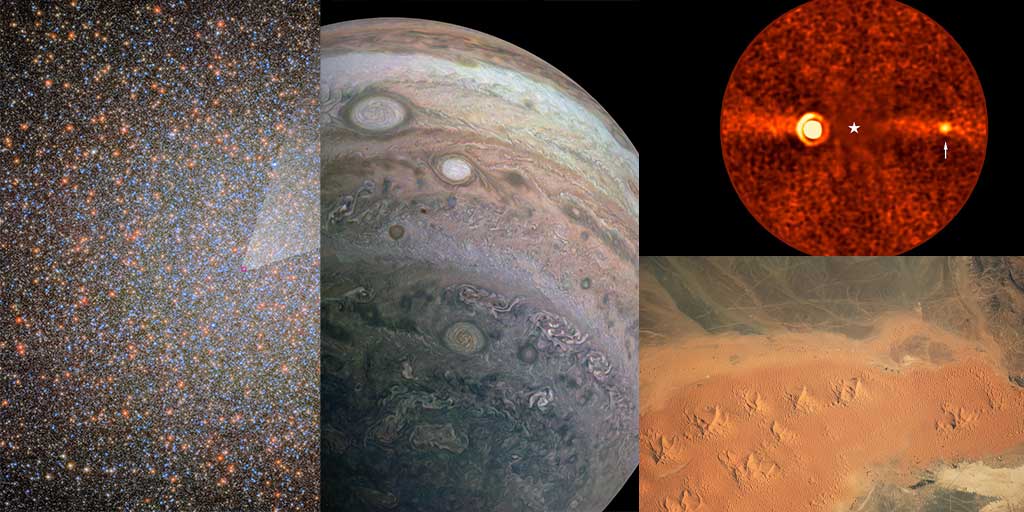
This week, we celebrate fifty years since Viking 1 became the first spacecraft to successfully land on and photograph the surface of Mars, alongside stunning new views of worlds, stars, and galaxies that continue to expand our understanding of the universe. From sculpted Sahara sand dunes and Jupiter’s colorful cloud bands to a newly discovered exoplanet and the first stellar-mass black hole identified in Omega Centauri, these images showcase the remarkable diversity of cosmic exploration. #PPOD
Research

Related Projects

Featured Image
SkyMapper • SETI • Citizen Science • Astronomy
SkyMapper: Expanding Access to Real-time Astronomy Through a Global Astronomical Network
SkyMapper and the SETI Institute are connecting educators, students and the public to live astronomical observations through a distributed astronomical network. #SkyMapper #SETI #Citizen Science #Astronomy
Featured Image
VPL
Virtual Planetary Laboratory
How can we best assess whether an exoplanet supports life? #VPL
Featured Image
Discovery and Futures Lab
What happens if life beyond Earth is discovered? The Discovery and Futures Lab at the SETI Institute fosters novel and anticipatory research at the intersection of science, society, our planet, and the search for life beyond Earth.  #Discovery and Futures Lab
Support Us

Support the
SETI Institute

Scientists are getting closer in their search for life beyond earth. But with limited federal funding for the search for extraterrestrial intelligence, supporters are the reason cutting-edge scientists can keep their eyes on the sky.