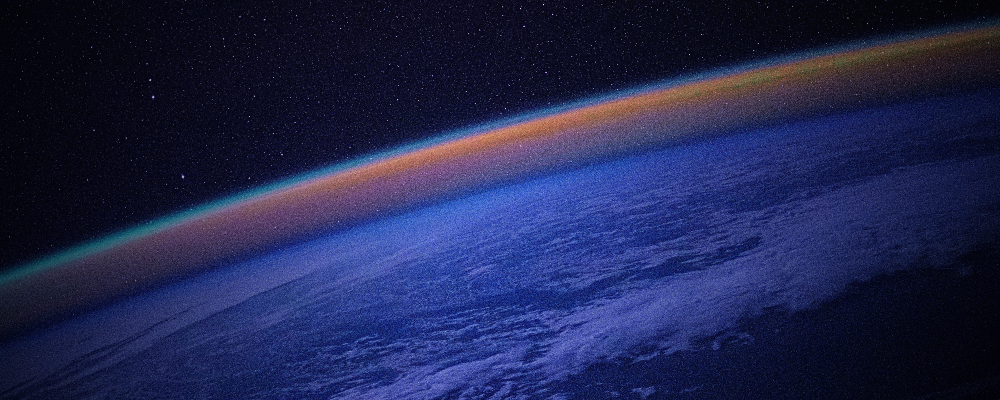
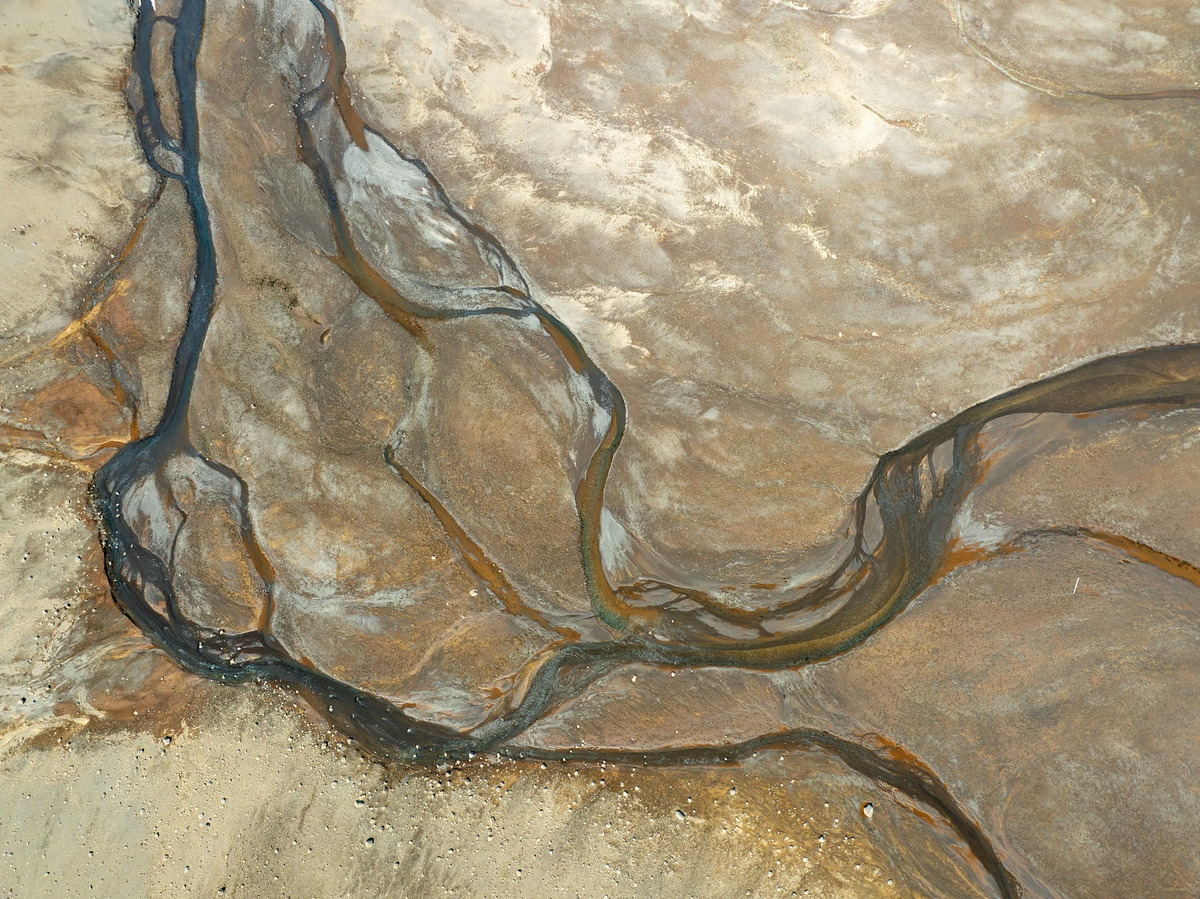
Wednesday, Nov 26, 2025

Credit: NASA, ESA, CSA, STScI.

Monday, 17 November 2025

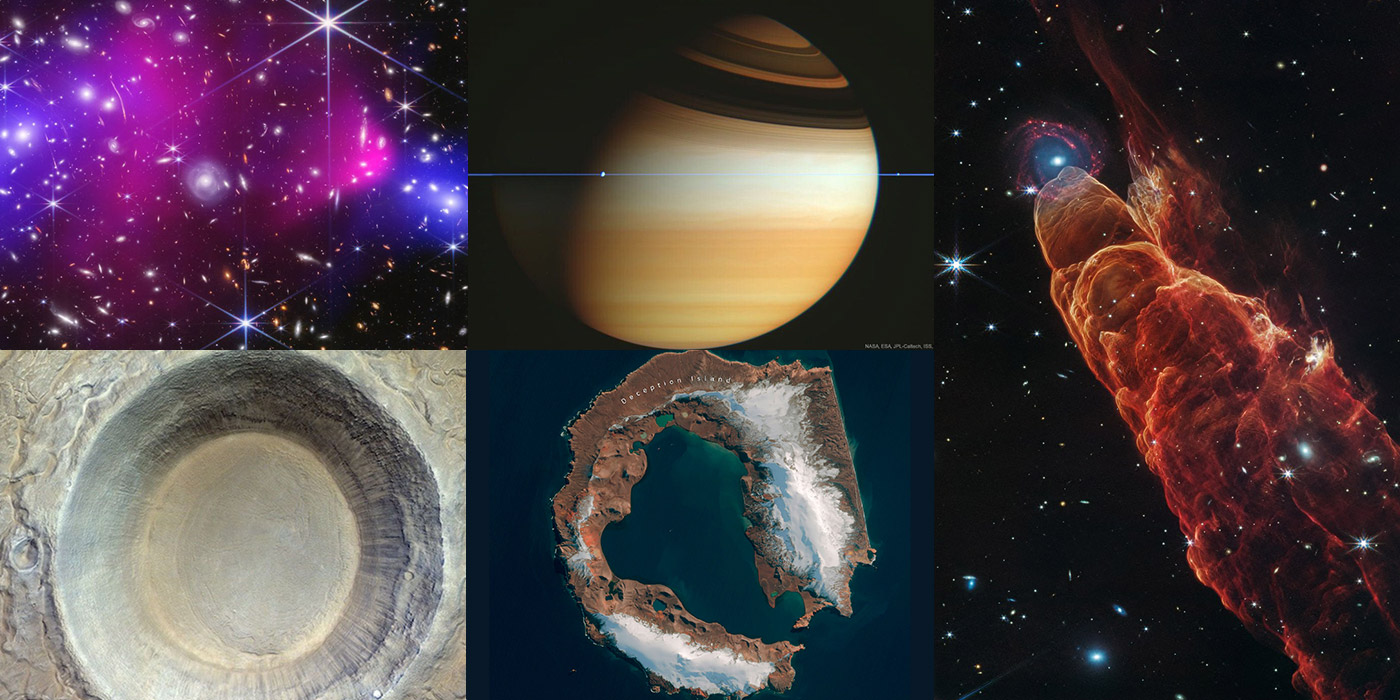
Herbig-Haro 49/50

NASA’s James Webb Space Telescope observed Herbig-Haro 49/50, an outflow from a nearby still-forming star, in high-resolution near- and mid-infrared light. The young star is off to the lower right corner of the Webb image. The intricate features of the outflow, represented in a reddish-orange color, provide detailed clues about how young stars form and how their jet activity affects the surrounding environment. A chance alignment in this direction of the sky provides a beautiful juxtaposition of this nearby Herbig-Haro object (located within our Milky Way) with a face-on spiral galaxy in the distant background.

Protostars are young stars in the process of formation that generally launch narrow jets of material. These jets move through the surrounding environment, in some cases extending to large distances away from the protostar.

Like the water wake generated by a speeding boat, the arcs in this image are created by the fast-moving jet slamming into surrounding dust and gas. This ambient material is compressed and heated, then cooled by emitting light at visible and infrared wavelengths. In particular, the infrared light captured here by Webb highlights molecular hydrogen and carbon monoxide.

The galaxy that appears by happenstance at the tip of Herbig-Haro 49/50 is a much more distant spiral galaxy. It has a prominent central bulge, represented in blue, which indicates the location of older stars. It also displays hints of “side lobes,” suggesting that this could be a barred-spiral galaxy. Reddish clumps within the spiral arms show the locations of warm dust and groups of forming stars.

There are many more galaxies at further distances in the surrounding background, including ones that shine through the diffuse infrared glow of the nearby Herbig-Haro object.

Credit: NASA, ESA, JPL, ISS, Cassini Imaging Team; Processing: Fernando Garcia Navarro.

Tuesday, 18 November 2025

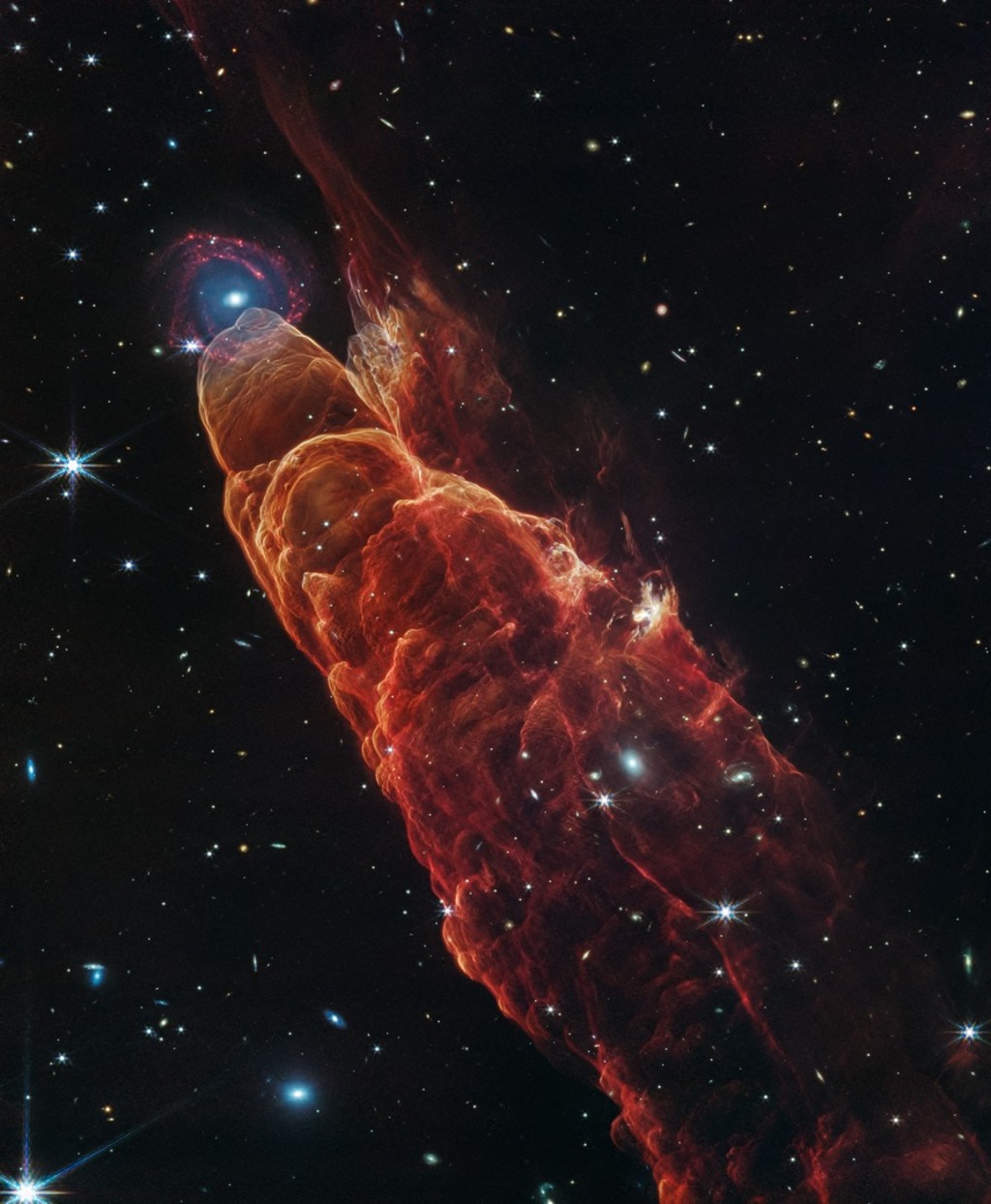
Crossing the Rings

Saturn is seen here through the lens of NASA's Cassini spacecraft during a ring plane crossing in February 2005. The picture reveals the razor-thin ring plane in blue, atmospheric bands in gold, and moons Dione and Enceladus as slight "bumps" in the rings.

Credit: Image: NASA, ESA, CSA, STScI, CXC; Science: James Jee (Yonsei University, UC Davis), Sangjun Cha (Yonsei University), Kyle Finner (Caltech/IPAC).

Wednesday, 19 November 2025

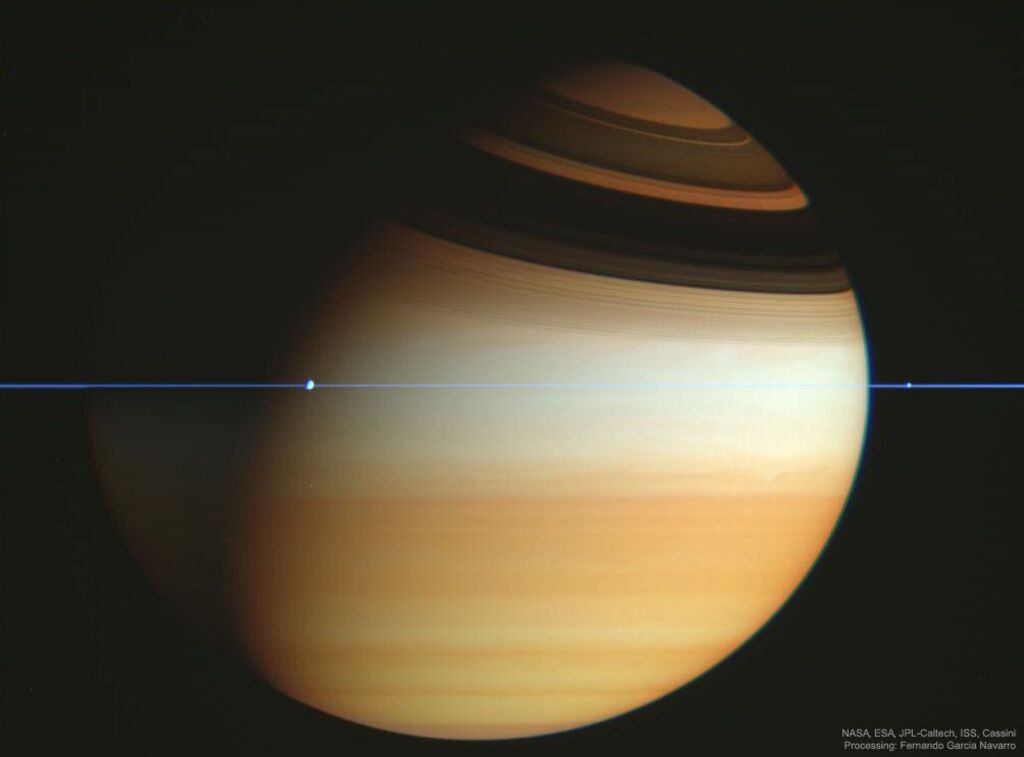
Bullet Cluster

This is the central region of the Bullet Cluster, comprised of two massive galaxy clusters. The vast number of galaxies and foreground stars in the image was captured by NASA’s JWST in near-infrared light. Glowing, hot X-rays captured by NASA’s Chandra X-ray Observatory appear in pink. The blue represents the dark matter, which was precisely mapped by researchers with JWST's detailed imaging. Usually, gas, dust, stars, and dark matter are combined into galaxies, even when they are gravitationally bound within larger groups known as galaxy clusters. The Bullet Cluster is unusual in that the intracluster gas and dark matter are separated, offering further evidence in support of dark matter.

Credit: ESA/TGO/CaSSIS.

Thursday, 20 November 2025

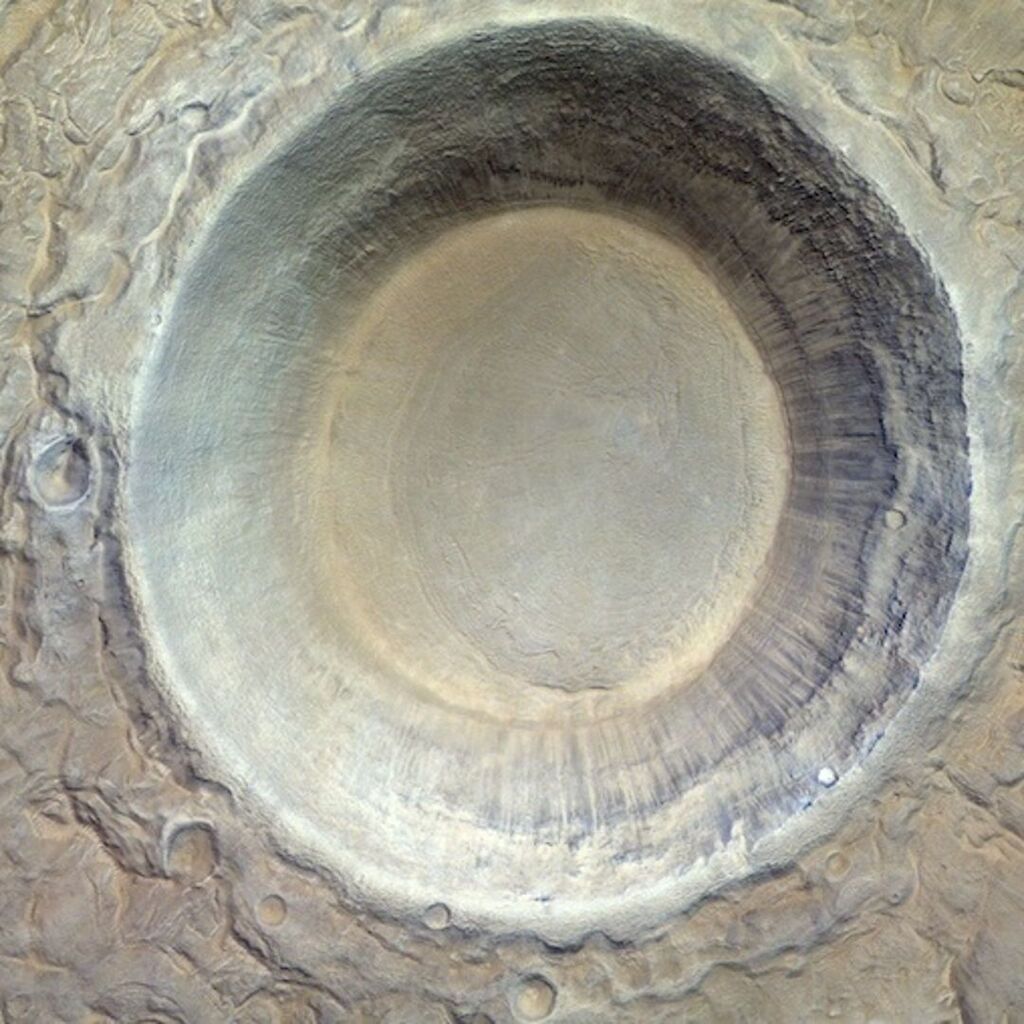
The Eye of the Crater

A vast cavity on the Red Planet looks back at ExoMars Trace Gas Orbiter (TGO) with an icy stare. The crater is located in Utopia Planitia, the largest known impact basin in the Solar System, with a diameter of roughly 3,300 km, or twice the size of Earth’s Sahara Desert from north to south.

This remnant of an ancient impact is just one of the many scars asteroids have inflicted upon the Red Planet. Water, volcanoes, and impacts from asteroids shaped the Martian surface in the ancient past. Mars is currently a cold, dry desert.

This view from CaSSIS shows a crater approximately eight kilometres in diameter with material ejected in a manner that scientists believe suggests the presence of water ice. When the asteroid hit this region of Mars, the water ice melted, and a mix of liquid water and dust rock was propelled from the top layers.

The smooth appearance of the crater is consistent with other features in the region, which have evidence of a water-ice history. Zooming into the crater, it is possible to see streaks on the walls of the crater, showing evidence of landslides, and ripples sculpted by the wind.

Credit: European Union, Copernicus Sentinel-2 imagery.

Friday, 21 November 2025

Deception Island

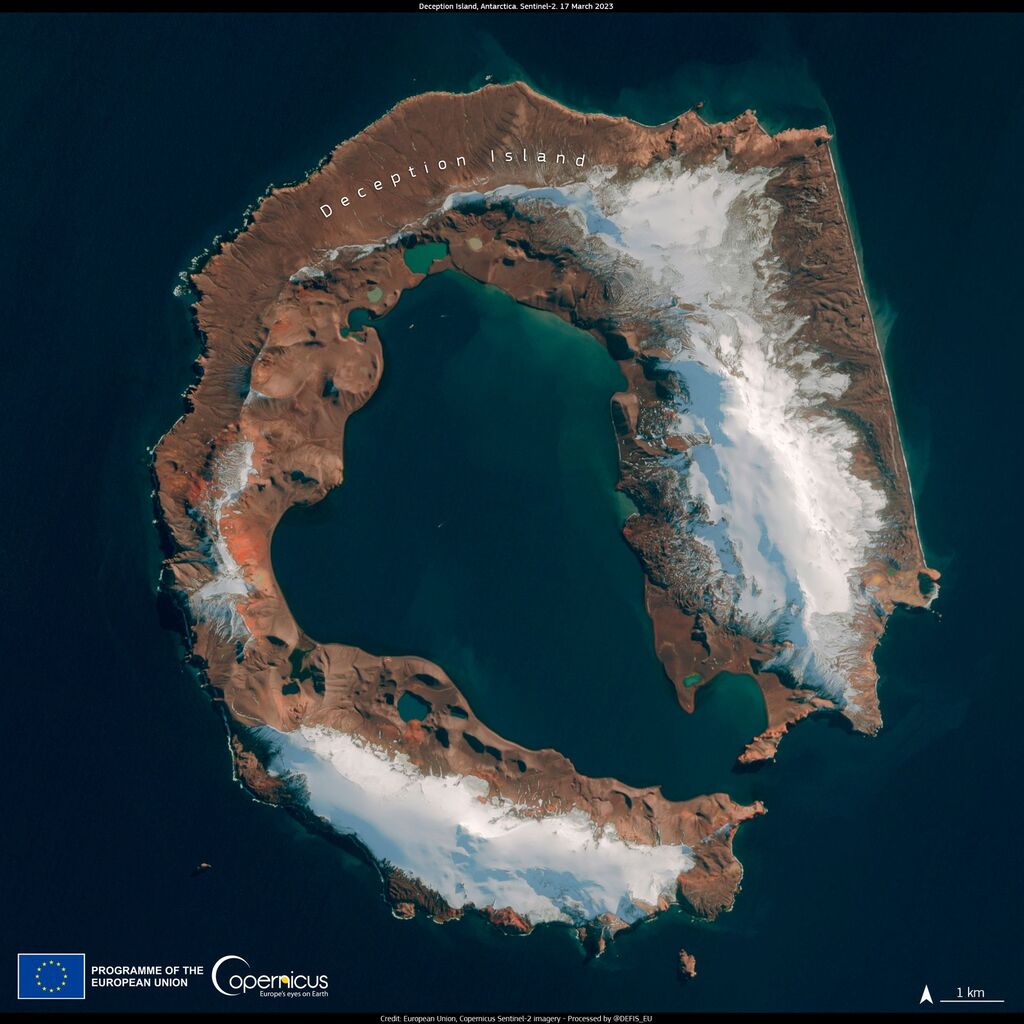
On 17 March 2023, one of the Copernicus Sentinel-2 satellites captured this rare cloud-free image of Deception Island.

Deception Island is an active volcanic caldera located in the South Shetland Islands of Antarctica. It has long been the focus of intense interest from both tourists and researchers because of its remarkable geology and unique ecological characteristics.

The island boasts a horseshoe-shaped caldera, a distinguishing feature formed by a large volcanic eruption approximately 10,000 years ago. This caldera creates a unique, sheltered harbour that has previously served as a natural haven for whaling and sealing ships.

Moreover, the caldera's shape provides a protective barrier from strong winds and currents, creating a microclimate that supports a rich and diverse ecosystem.

News

Related News

Featured Image
Sep 2, 2026
Planetary Picture of the Day - Week of August 24, 2026
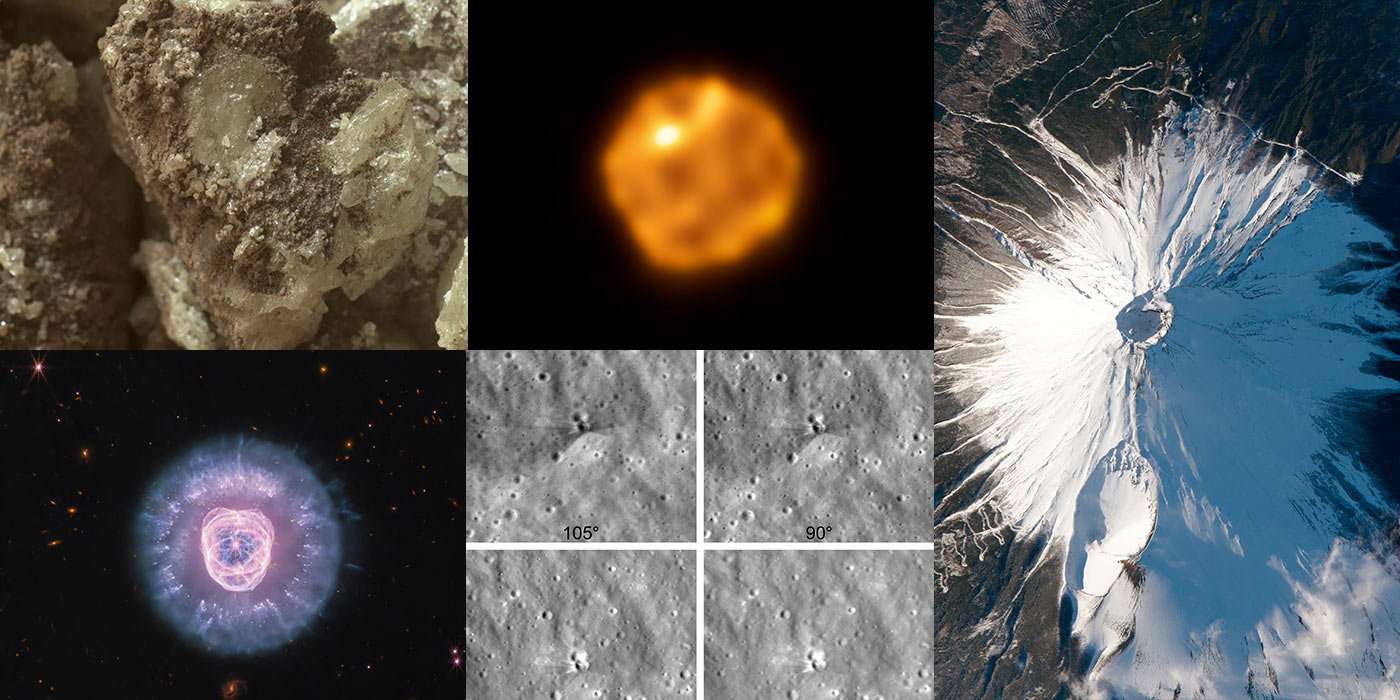
We journey from Mount Fuji as seen from orbit to the bubbling surface of Betelgeuse, exploring the forces that shape planets, moons, and stars across the cosmos. Along the way, JWST reveals the remains of a dying star, Curiosity uncovers clues to Mars’ volcanic past, and a fresh rocket impact on the Moon gives scientists a new opportunity to study how collisions reshape its surface. #PPOD
Featured Image
Aug 26, 2026
Planetary Picture of the Day - Week of August 17, 2026
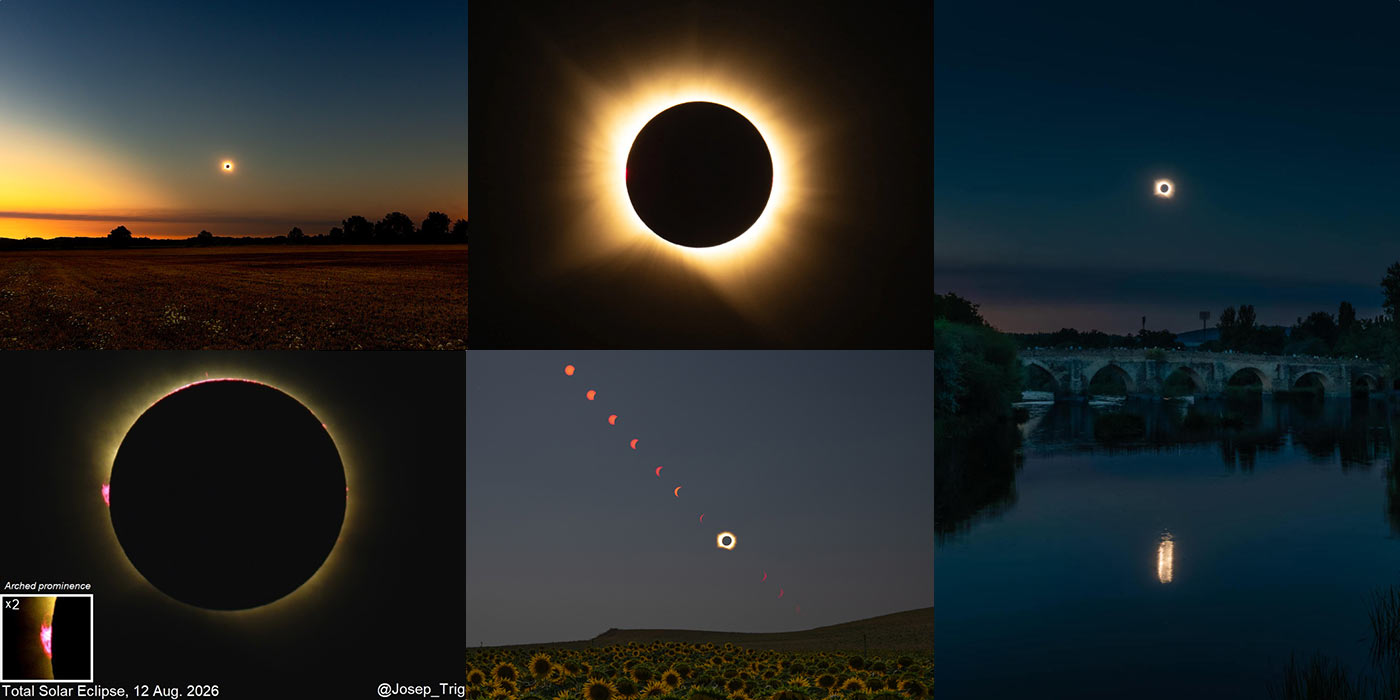
Let's celebrate the August 12 total solar eclipse through the eyes of photographers who experienced the Moon’s shadow sweeping across Spain. From Baily’s Beads and a glowing solar prominence to totality reflected in a river and framed by fields of sunflowers, these images capture both the science and extraordinary beauty of one of nature’s most spectacular celestial events. #PPOD #Eclipse
Featured Image
Aug 19, 2026
Planetary Picture of the Day - Week of August 10, 2026
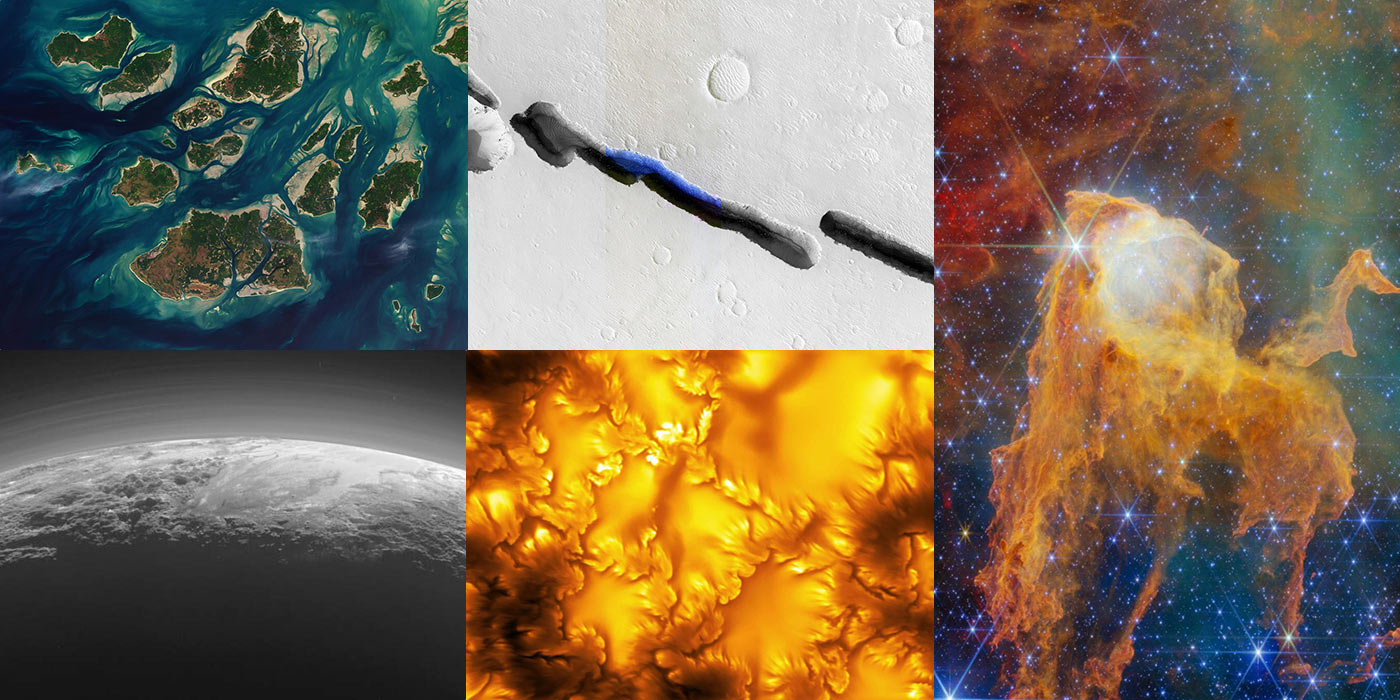
The universe is shaped by forces both immense and intricate, from fractured terrain on Mars and shifting tidal landscapes on Earth to tiny vortices dancing across the surface of the Sun. Farther afield, dramatic views of Pluto’s icy mountains and hazy atmosphere and a treasure chest of newborn stars in the Carina Nebula showcase the remarkable detail revealed by spacecraft and telescopes exploring the cosmos. #PPOD
Featured Image
Aug 12, 2026
Planetary Picture of the Day - August 3, 2026
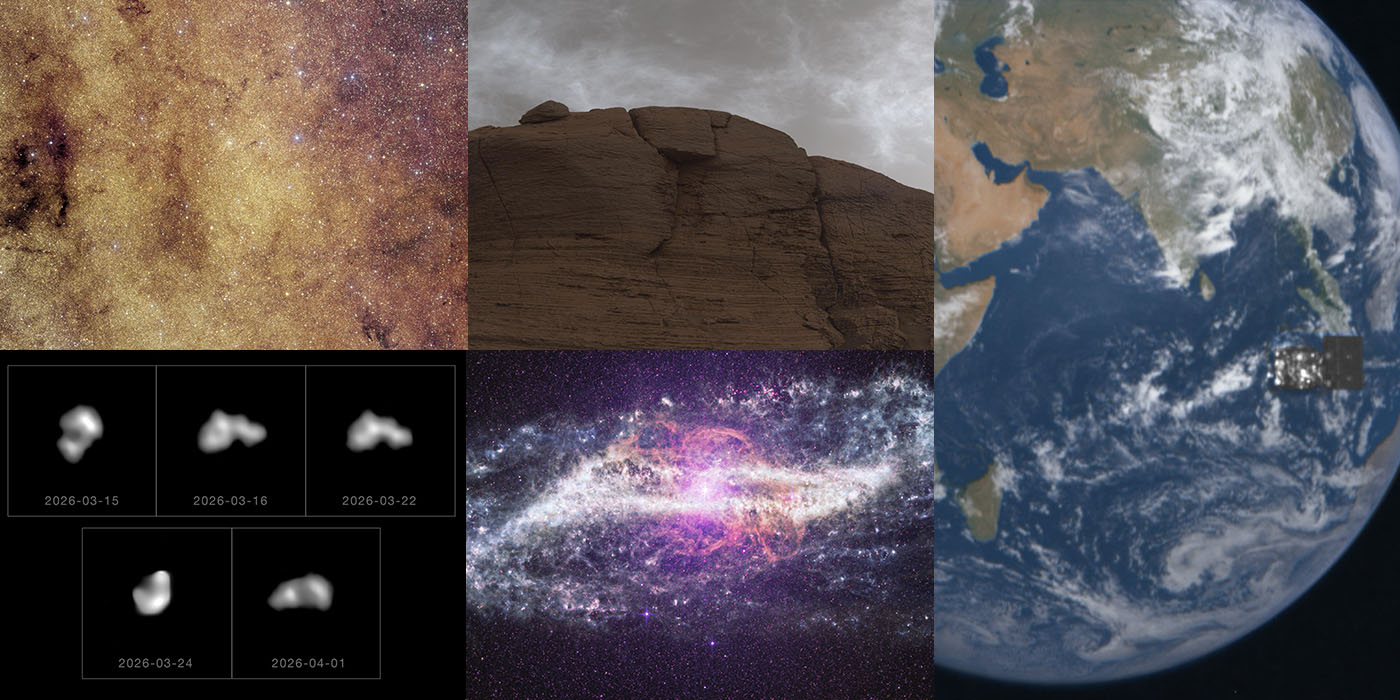
This week, we reveal hidden wonders across the cosmos, from delicate Martian clouds and a dust-shrouded galaxy to an asteroid with a never-before-seen shape and the crowded heart of the Milky Way. Together, these images showcase how new missions and advanced observatories continue to uncover surprising details about our solar system, our galaxy, and the universe beyond. #PPOD
Featured Image
Aug 5, 2026
Planetary Picture of the Day - Week of July 27, 2026
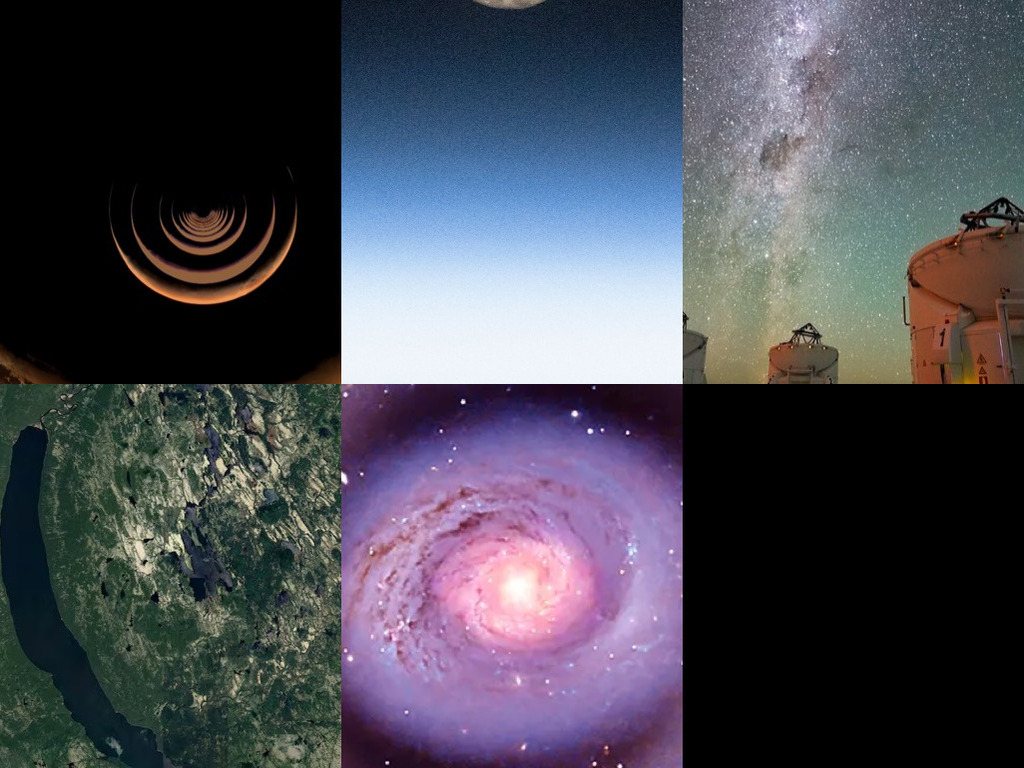
These images span the journey from our own backyard to distant galaxies, featuring Mars, the Moon, breathtaking night skies, and a fresh view of the star-forming galaxy Messier 94. Along the way, we celebrate exploration and discovery—from NASA’s Psyche mission preparing for its asteroid encounter to the revelation of a previously unknown impact crater on Earth —reminding us that there are still new wonders to uncover both on our own planet and across the cosmos. #PPOD
Featured Image
Jul 29, 2026
Planetary Picture of the Day - Week of July 20, 2026
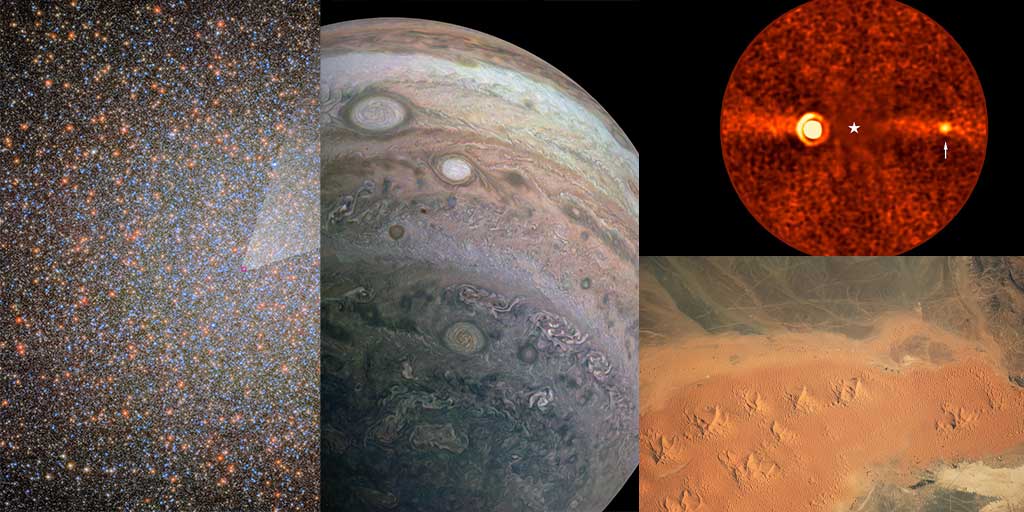
This week, we celebrate fifty years since Viking 1 became the first spacecraft to successfully land on and photograph the surface of Mars, alongside stunning new views of worlds, stars, and galaxies that continue to expand our understanding of the universe. From sculpted Sahara sand dunes and Jupiter’s colorful cloud bands to a newly discovered exoplanet and the first stellar-mass black hole identified in Omega Centauri, these images showcase the remarkable diversity of cosmic exploration. #PPOD
Research

Related Projects

Featured Image
SkyMapper • SETI • Citizen Science • Astronomy
SkyMapper: Expanding Access to Real-time Astronomy Through a Global Astronomical Network
SkyMapper and the SETI Institute are connecting educators, students and the public to live astronomical observations through a distributed astronomical network. #SkyMapper #SETI #Citizen Science #Astronomy
Featured Image
VPL
Virtual Planetary Laboratory
How can we best assess whether an exoplanet supports life? #VPL
Featured Image
Discovery and Futures Lab
What happens if life beyond Earth is discovered? The Discovery and Futures Lab at the SETI Institute fosters novel and anticipatory research at the intersection of science, society, our planet, and the search for life beyond Earth.  #Discovery and Futures Lab
Support Us

Support the
SETI Institute

Scientists are getting closer in their search for life beyond earth. But with limited federal funding for the search for extraterrestrial intelligence, supporters are the reason cutting-edge scientists can keep their eyes on the sky.