Tuesday, May 27, 2025

The universe is full of wondrous circles and spheres, from sun dogs around the Sun to spiraling galaxies and storms on Jupiter, including all of our planets and the Moon. Enjoy!

Credit: RubinObs/NOIRLab/SLAC/DOE/NSF/AURA/W. O'Mullane

Monday, 19 May 2025

Vera C. Rubin Observatory

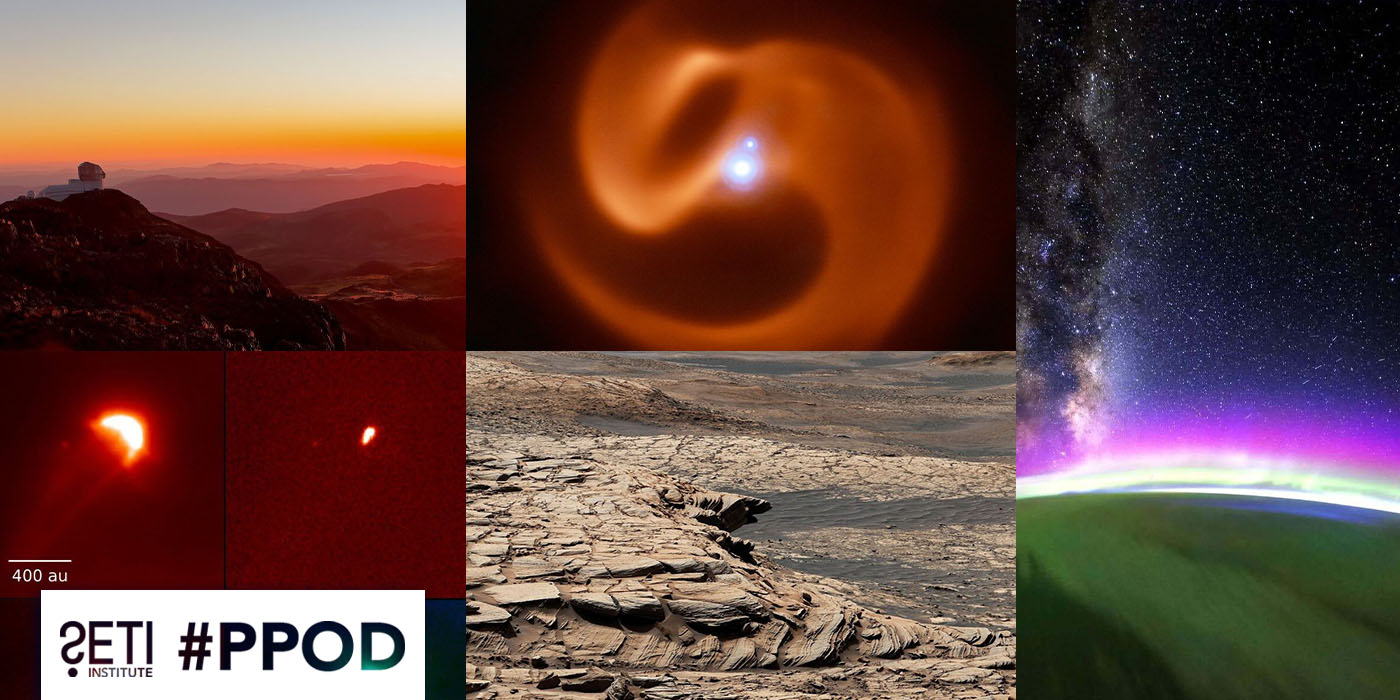
Rubin Observatory basks in the glow of this vibrant sunset from April 2025. From atop its perch on Cerro Pachón in Chile, Rubin will repeatedly scan the entire southern hemisphere sky for a decade, generating the greatest cosmic movie of the Universe ever made.

Credit: Mari L. Aru et al. (ESO)

Tuesday, 20 May 2025

Proplyd in Detail

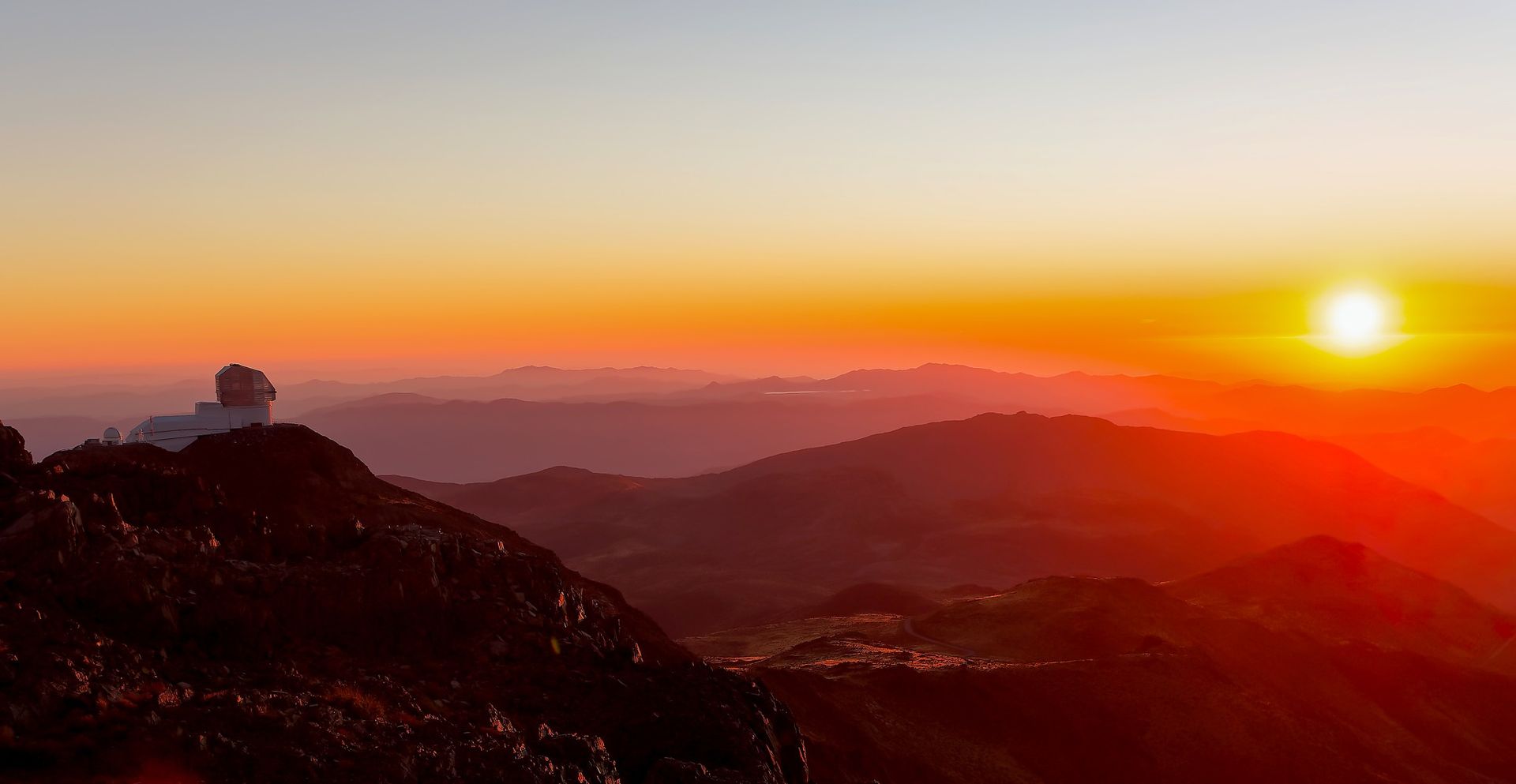
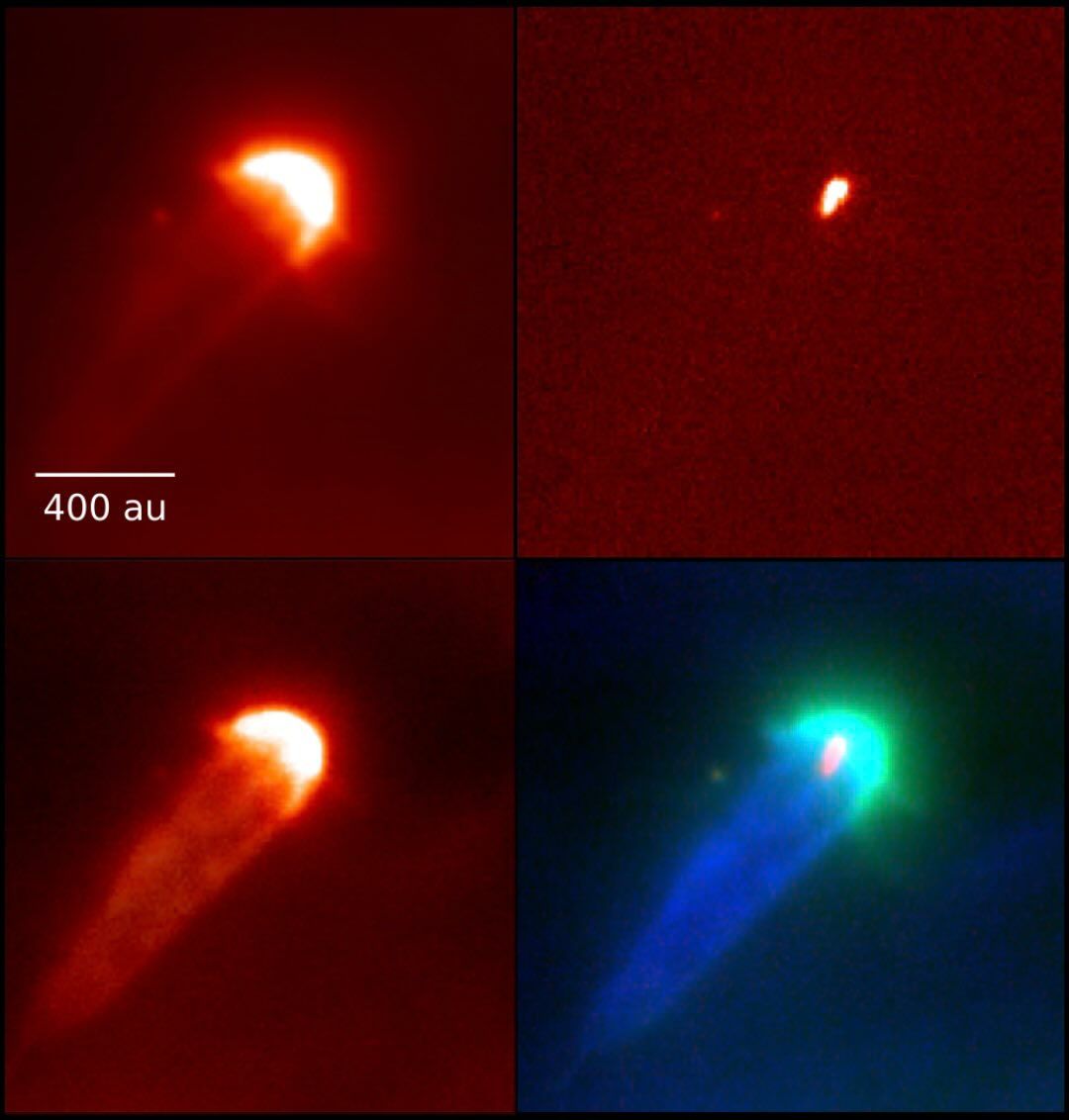
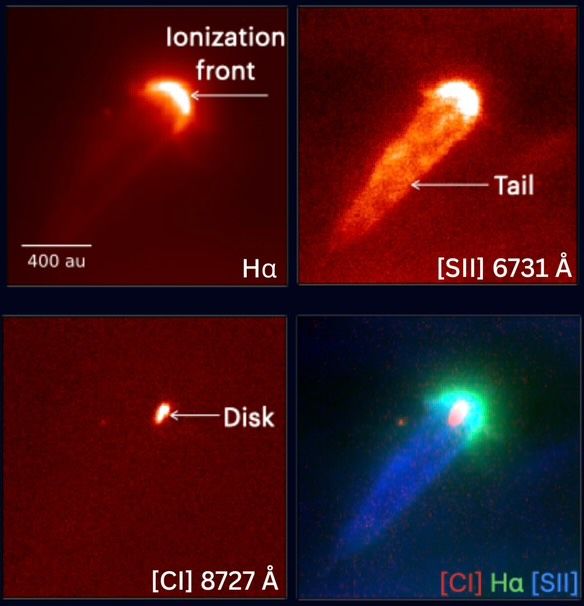
This sequence shows the irradiated protoplanetary disk (proplyd) 177-341 W in the Orion Nebula, captured in unprecedented detail by the Multi Unit Spectroscopic Explorer (MUSE) on ESO’s Very Large Telescope. Each panel isolates light from specific elements—hydrogen, carbon, and nitrogen—unravelling the physical and chemical conditions in which planets in high-UV environments form. Every part of the system is distinguished for the first time, including the disk in the carbon emission line. As opposed to previous proplyd images, this sequence was captured by a ground-based observatory.

Credit: NASA/Don Pettit

Wednesday, 21 May 2025

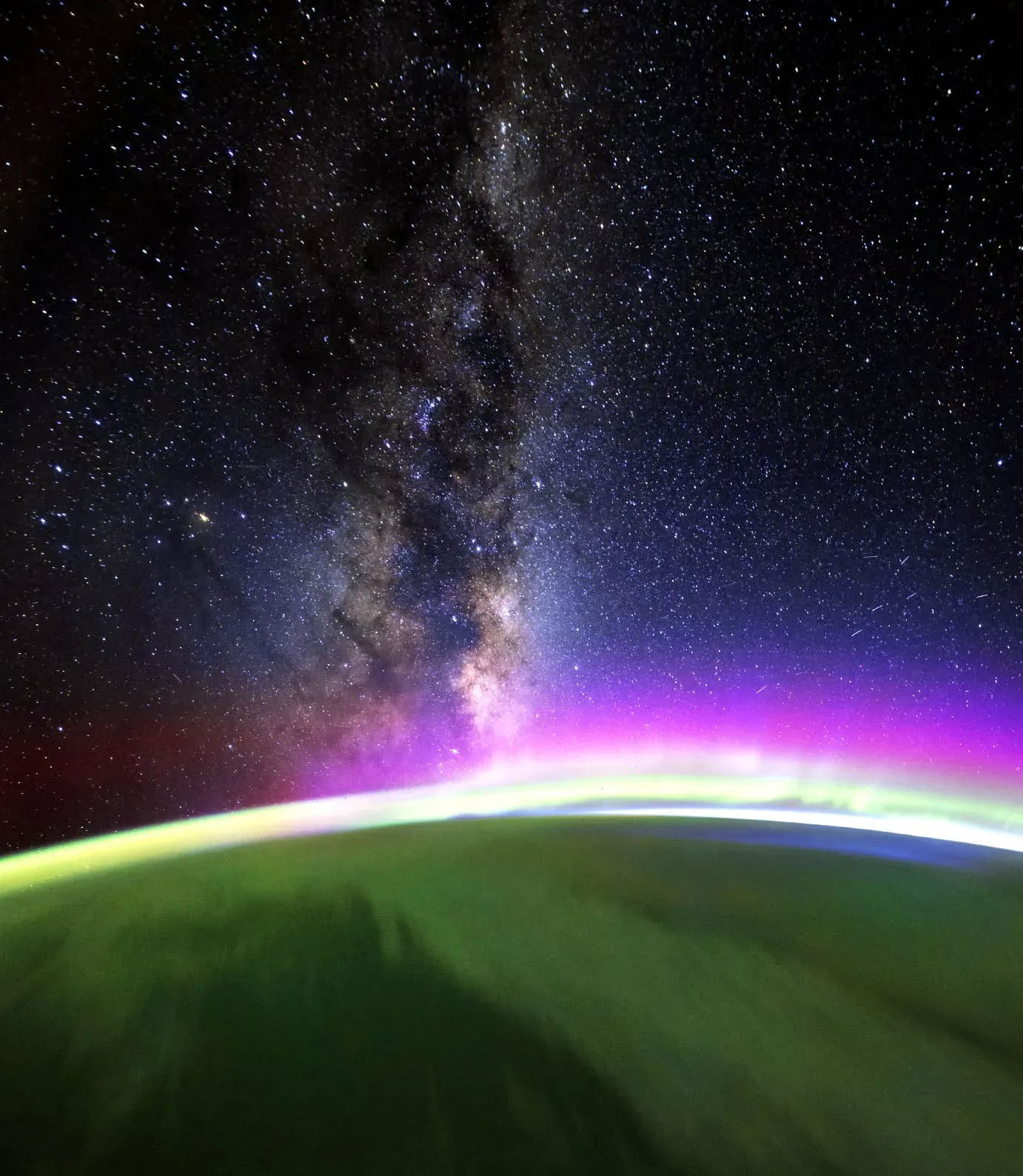
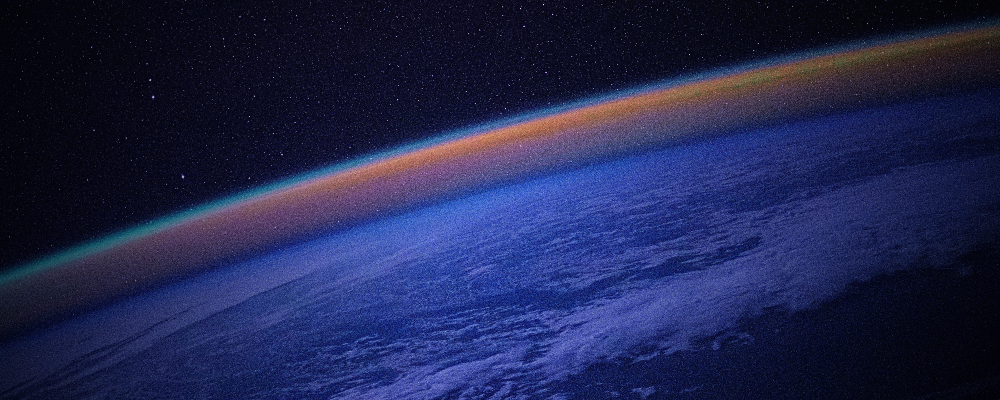
Cosmic Colors Over an Orbital Sunrise

Astronaut Don Pettit took this photo from space on Jan. 27, 2025, as the Sun began to rise over a cloudy Pacific Ocean. This long-exposure image shows off the broad band of the Milky Way, our home galaxy, above the aurora and airglow that shine closer to Earth's horizon.

Credit: NASA/JPL-Caltech/MSSS

Thursday, 22 May 2025

Curiosity's View From the Top of the Greenheugh Pediment

This view from NASA’s Curiosity Mars rover, stitched together from 28 images, was captured after the rover ascended the steep slope of a geologic feature called “Greenheugh Pediment.” In the distance at the top of the image is the floor of Gale Crater near a region called Aeolis Dorsa that researchers believe was once a massive ocean.

Credit: ESO/Callingham et al.

Friday, 23 May 2025

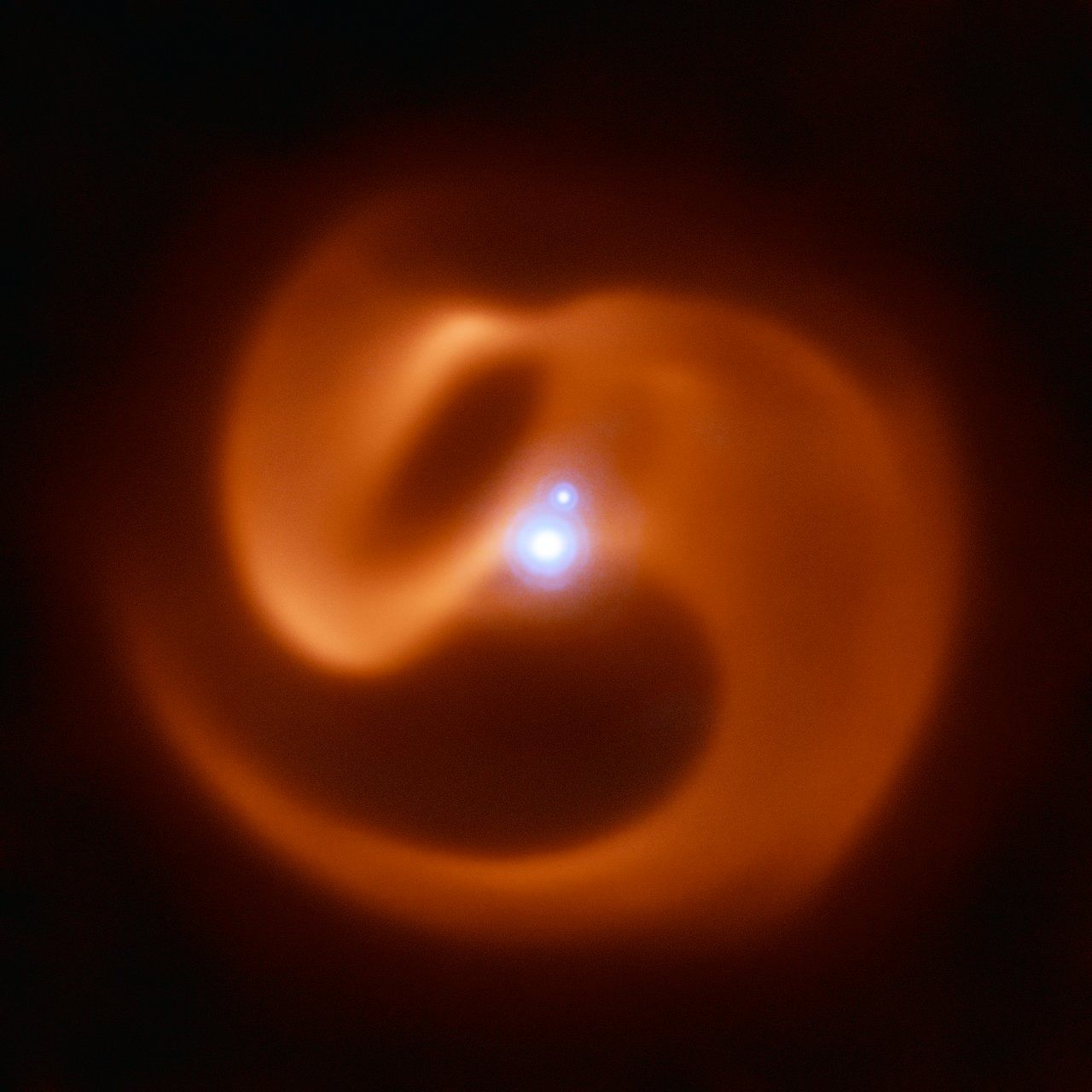
Coils of Apep

The VISIR instrument on ESO’s VLT captured this stunning image of a massive binary star system. Nicknamed Apep after an ancient Egyptian deity, it could be the first gamma-ray burst progenitor to be found in our galaxy.

Apep’s stellar winds have created the dust cloud surrounding the system, which consists of a binary star with a fainter companion. With two Wolf-Rayet stars orbiting each other in the binary, the serpentine swirls surrounding Apep are formed by the collision of two sets of powerful stellar winds, which create the spectacular dust plumes seen in the image.

The reddish pinwheel in this image is data from the VISIR instrument on ESO’s Very Large Telescope (VLT), showing the spectacular dust plumes surrounding Apep. The blue sources at the centre of the image are a triple star system, which consists of a binary star system and a companion single star bound together by gravity. Only two star-like objects are visible in the image, but the lower source is an unresolved binary Wolf-Rayet star. The NACOadaptive optics instrument on the VLT captured the triple star system.

News

Related News

Featured Image
Sep 2, 2026
Planetary Picture of the Day - Week of August 24, 2026
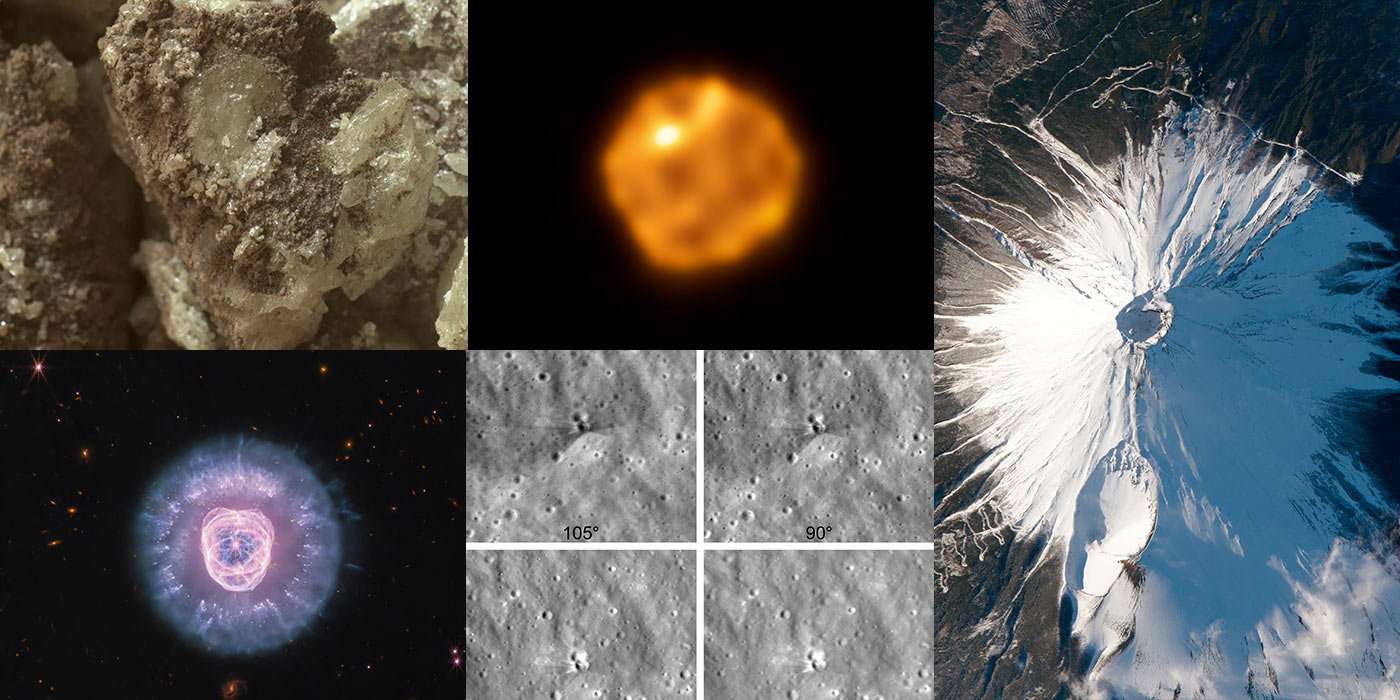
We journey from Mount Fuji as seen from orbit to the bubbling surface of Betelgeuse, exploring the forces that shape planets, moons, and stars across the cosmos. Along the way, JWST reveals the remains of a dying star, Curiosity uncovers clues to Mars’ volcanic past, and a fresh rocket impact on the Moon gives scientists a new opportunity to study how collisions reshape its surface. #PPOD
Featured Image
Aug 26, 2026
Planetary Picture of the Day - Week of August 17, 2026
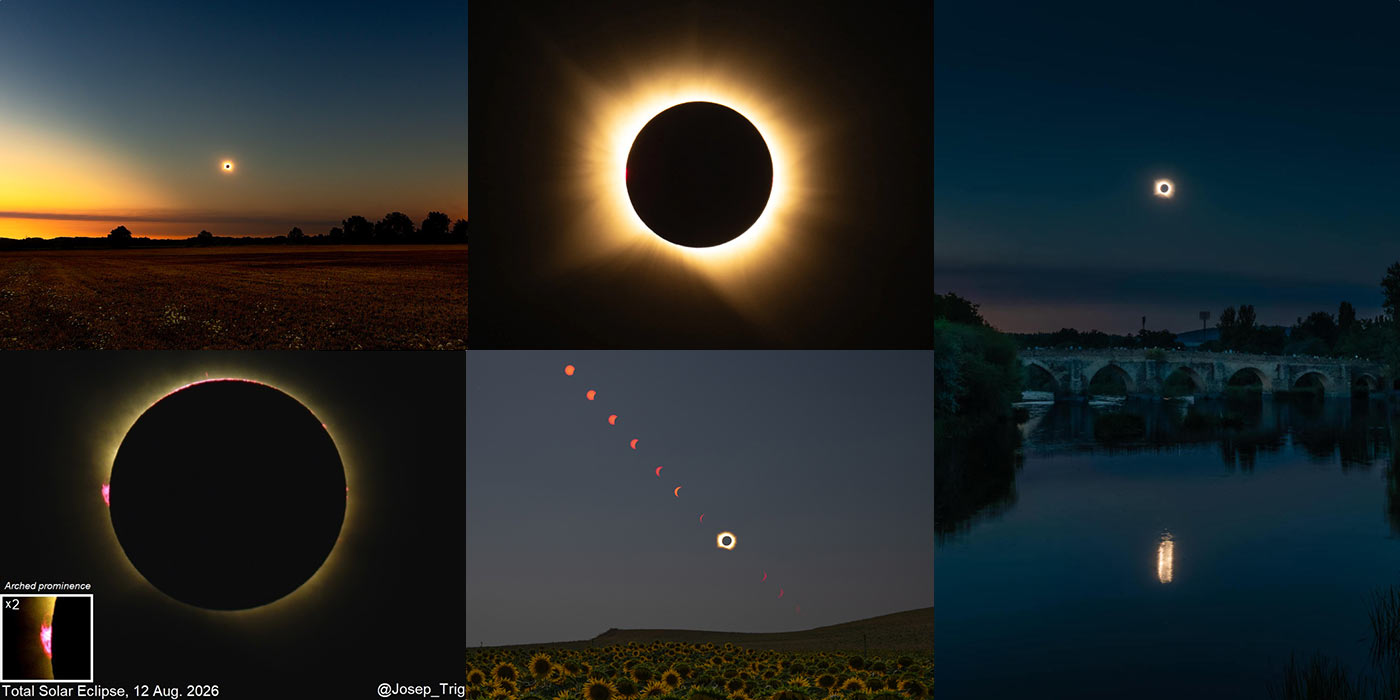
Let's celebrate the August 12 total solar eclipse through the eyes of photographers who experienced the Moon’s shadow sweeping across Spain. From Baily’s Beads and a glowing solar prominence to totality reflected in a river and framed by fields of sunflowers, these images capture both the science and extraordinary beauty of one of nature’s most spectacular celestial events. #PPOD #Eclipse
Featured Image
Aug 19, 2026
Planetary Picture of the Day - Week of August 10, 2026
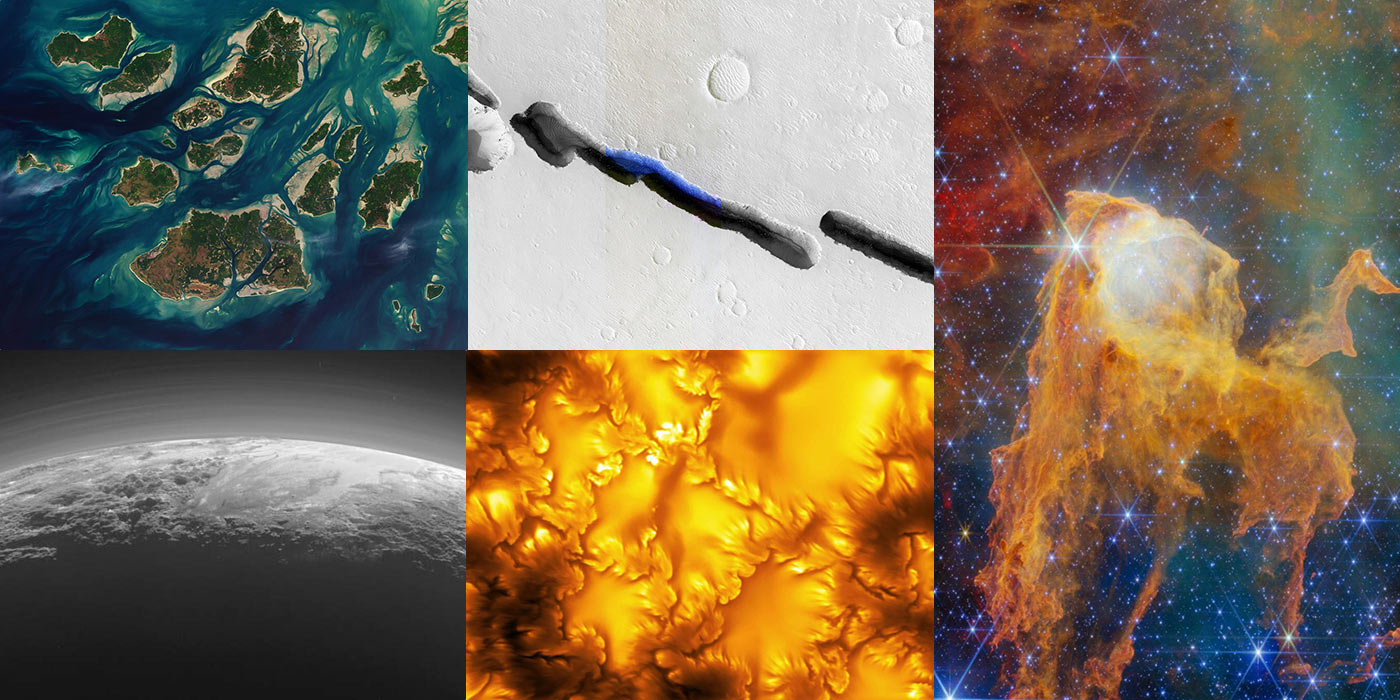
The universe is shaped by forces both immense and intricate, from fractured terrain on Mars and shifting tidal landscapes on Earth to tiny vortices dancing across the surface of the Sun. Farther afield, dramatic views of Pluto’s icy mountains and hazy atmosphere and a treasure chest of newborn stars in the Carina Nebula showcase the remarkable detail revealed by spacecraft and telescopes exploring the cosmos. #PPOD
Featured Image
Aug 12, 2026
Planetary Picture of the Day - August 3, 2026
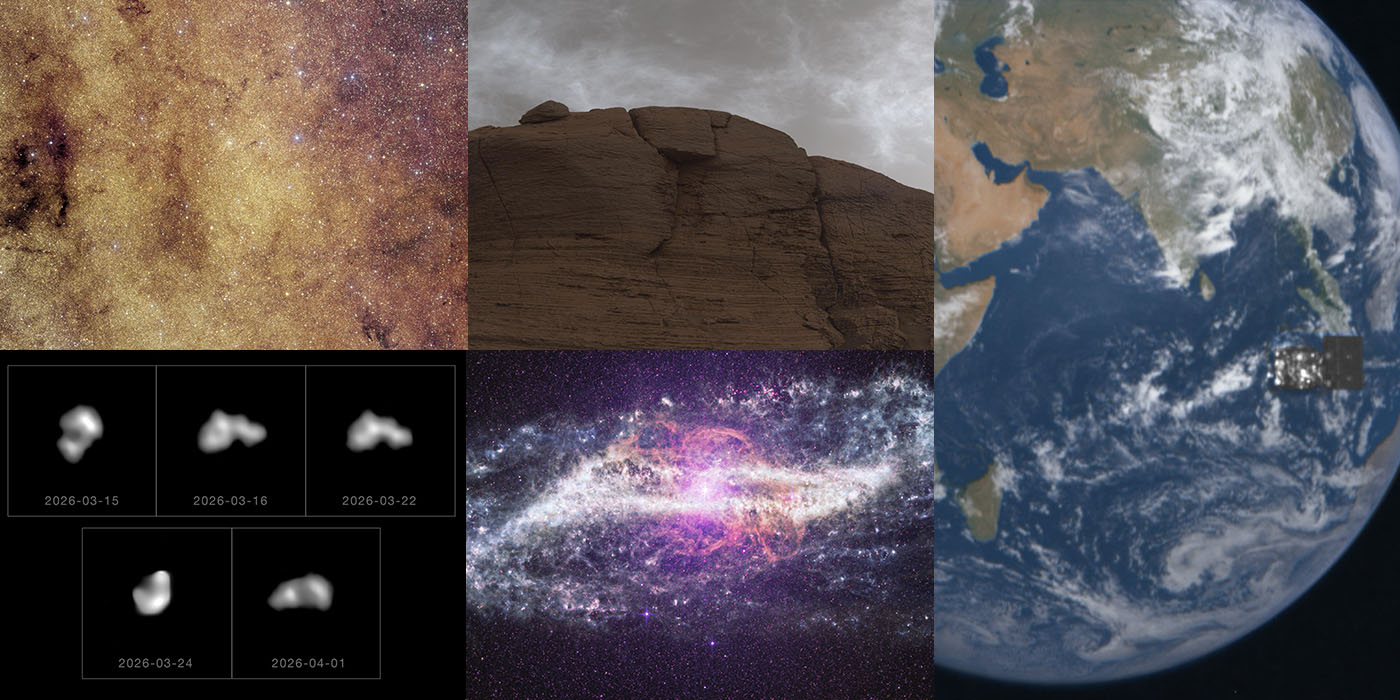
This week, we reveal hidden wonders across the cosmos, from delicate Martian clouds and a dust-shrouded galaxy to an asteroid with a never-before-seen shape and the crowded heart of the Milky Way. Together, these images showcase how new missions and advanced observatories continue to uncover surprising details about our solar system, our galaxy, and the universe beyond. #PPOD
Featured Image
Aug 5, 2026
Planetary Picture of the Day - Week of July 27, 2026
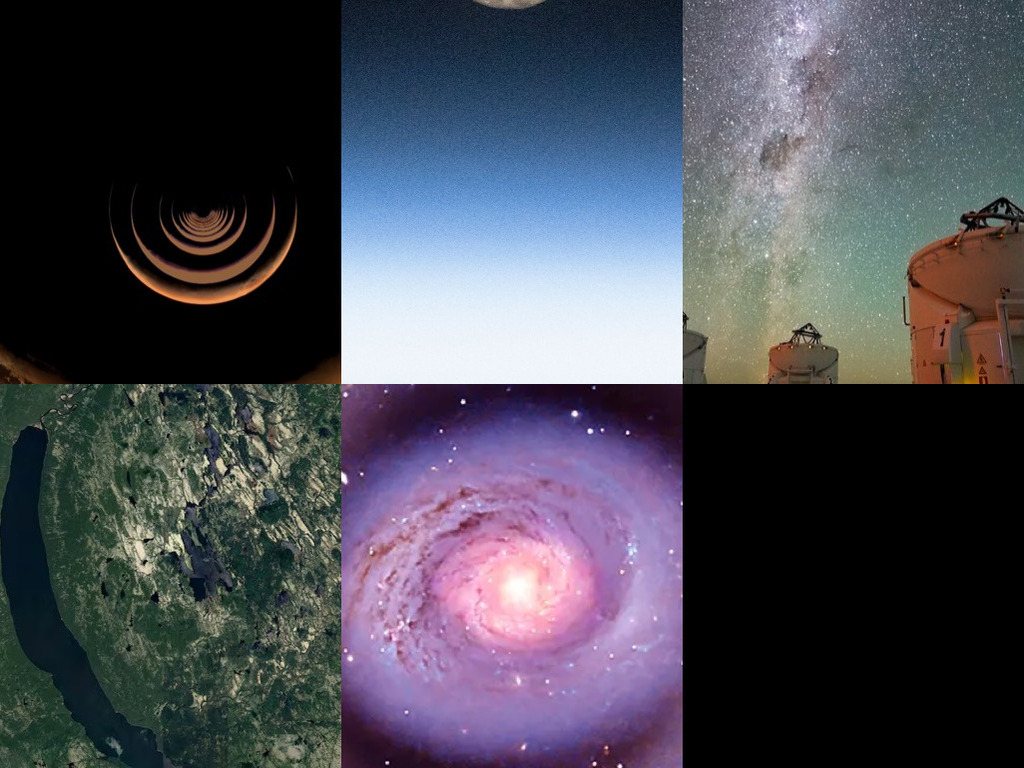
These images span the journey from our own backyard to distant galaxies, featuring Mars, the Moon, breathtaking night skies, and a fresh view of the star-forming galaxy Messier 94. Along the way, we celebrate exploration and discovery—from NASA’s Psyche mission preparing for its asteroid encounter to the revelation of a previously unknown impact crater on Earth —reminding us that there are still new wonders to uncover both on our own planet and across the cosmos. #PPOD
Featured Image
Jul 29, 2026
Planetary Picture of the Day - Week of July 20, 2026
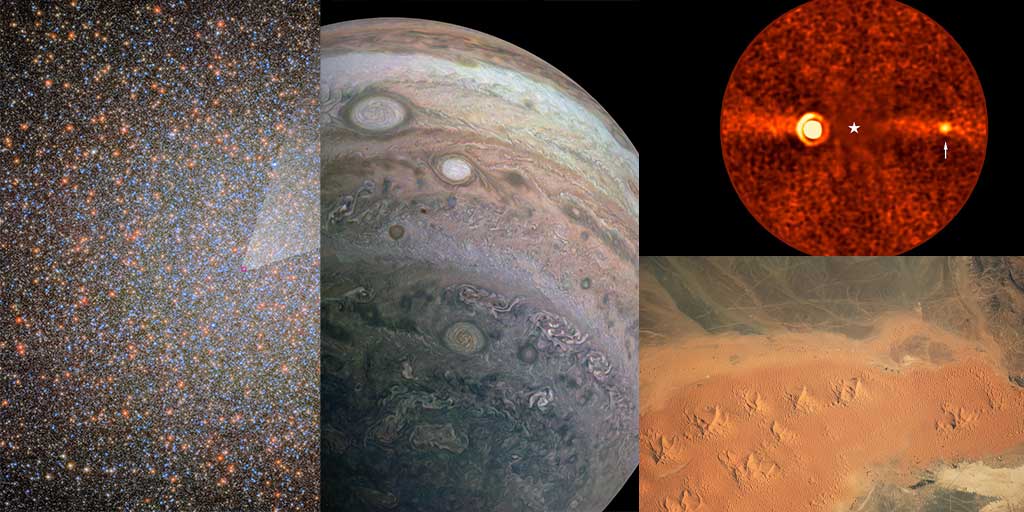
This week, we celebrate fifty years since Viking 1 became the first spacecraft to successfully land on and photograph the surface of Mars, alongside stunning new views of worlds, stars, and galaxies that continue to expand our understanding of the universe. From sculpted Sahara sand dunes and Jupiter’s colorful cloud bands to a newly discovered exoplanet and the first stellar-mass black hole identified in Omega Centauri, these images showcase the remarkable diversity of cosmic exploration. #PPOD
Research

Related Projects

Featured Image
SkyMapper • SETI • Citizen Science • Astronomy
SkyMapper: Expanding Access to Real-time Astronomy Through a Global Astronomical Network
SkyMapper and the SETI Institute are connecting educators, students and the public to live astronomical observations through a distributed astronomical network. #SkyMapper #SETI #Citizen Science #Astronomy
Featured Image
VPL
Virtual Planetary Laboratory
How can we best assess whether an exoplanet supports life? #VPL
Featured Image
Discovery and Futures Lab
What happens if life beyond Earth is discovered? The Discovery and Futures Lab at the SETI Institute fosters novel and anticipatory research at the intersection of science, society, our planet, and the search for life beyond Earth.  #Discovery and Futures Lab
Support Us

Support the
SETI Institute

Scientists are getting closer in their search for life beyond earth. But with limited federal funding for the search for extraterrestrial intelligence, supporters are the reason cutting-edge scientists can keep their eyes on the sky.