






Monday, 18 May 2026
Moon-Venus Conjunction
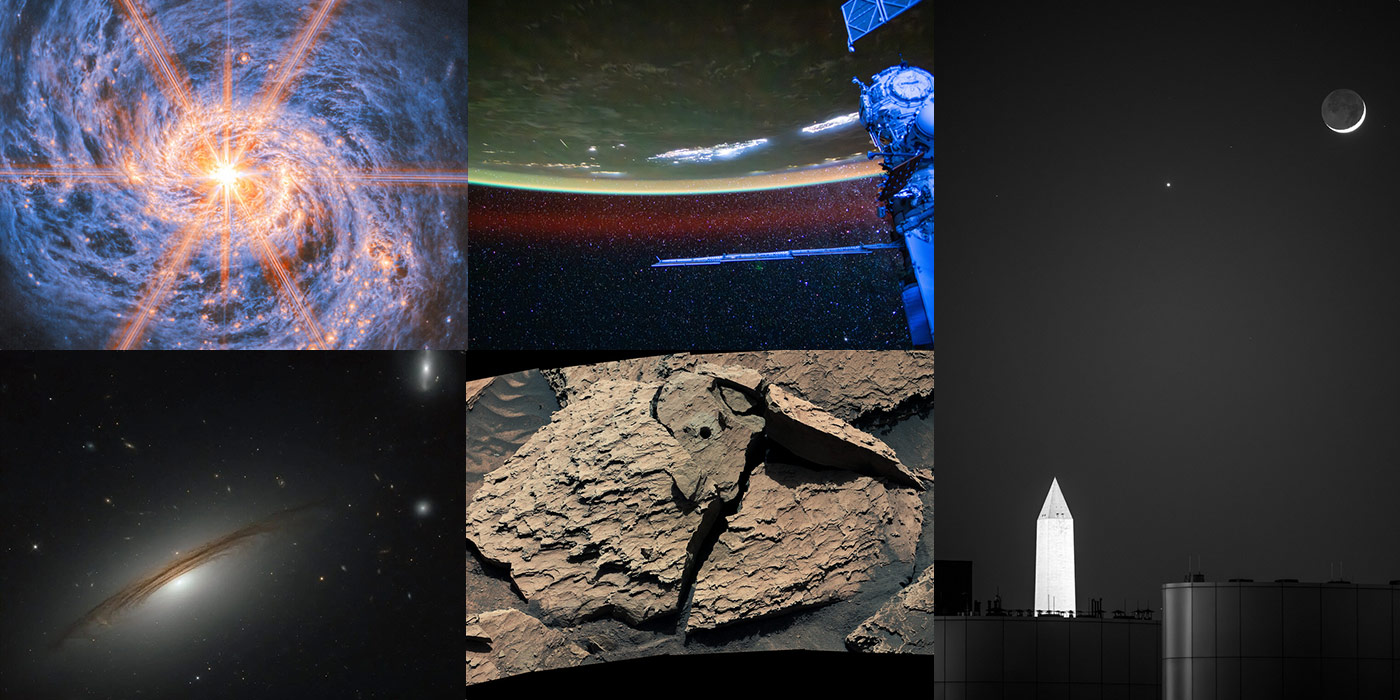
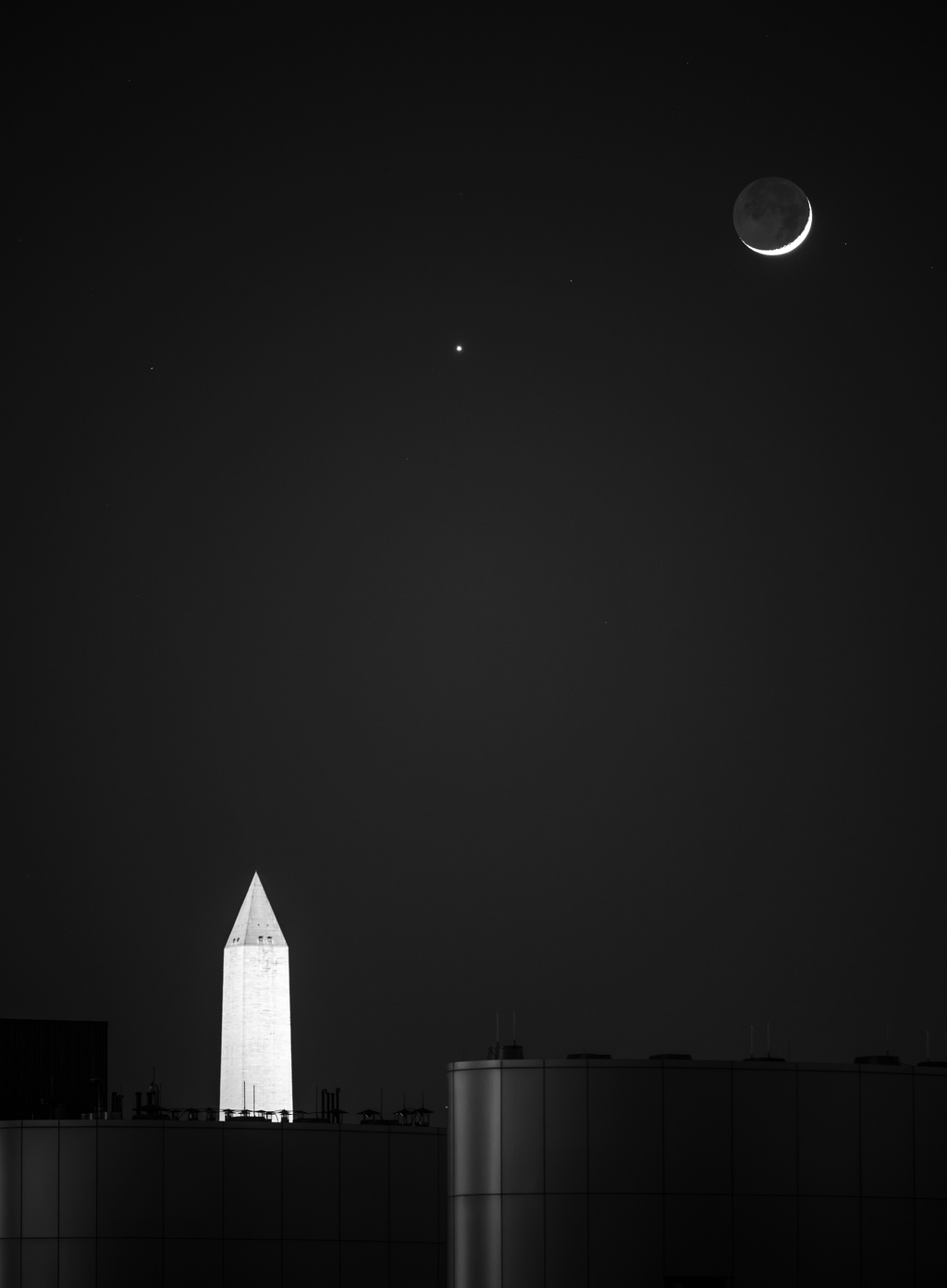
The Moon and Venus, center, are seen in conjunction above the Washington Monument, Monday, May 18, 2026, as viewed from the Mary W. Jackson NASA Headquarters Building in Washington.
The Moon and Venus look close together because they line up from our point of view on Earth. In reality, they are separated by millions of miles in space.
Tuesday, 19 May 2026
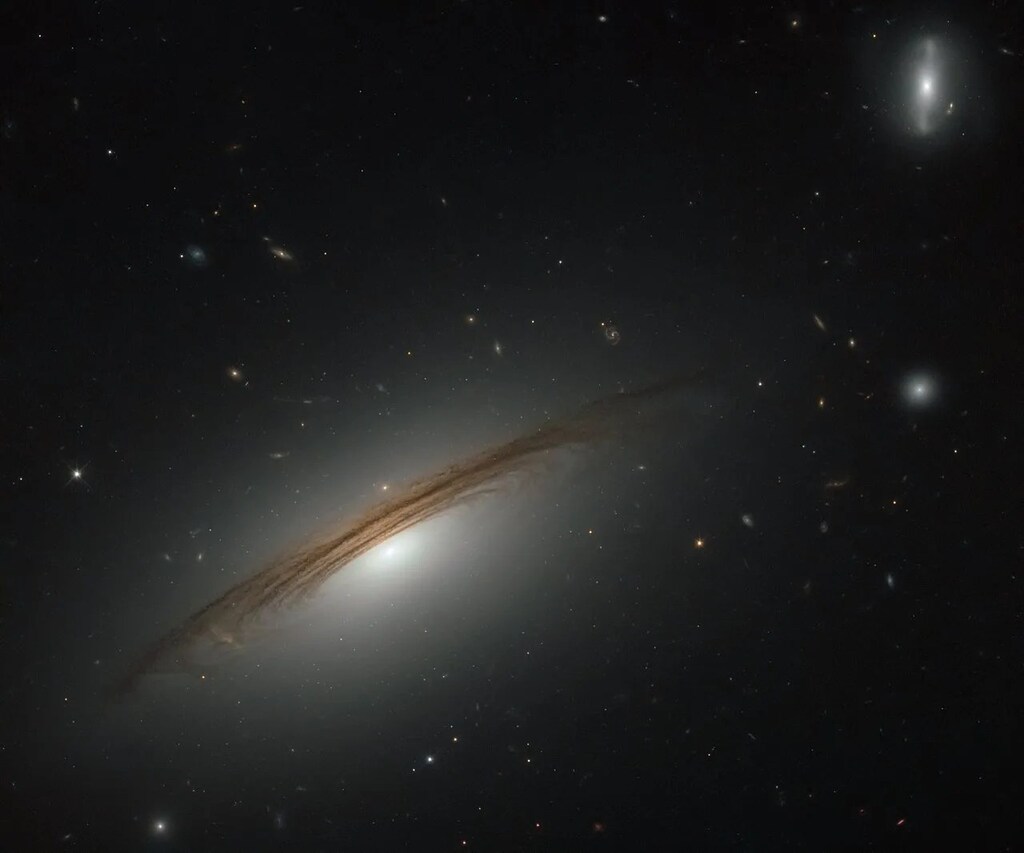
A Galactic Hybrid
This NASA/ESA Hubble Space Telescope image showcases the remarkable galaxy UGC 12591. UGC 12591 sits somewhere between a lenticular and a spiral. It lies just under 400 million light-years away from us in the westernmost region of the Pisces–Perseus Supercluster, a long chain of galaxy clusters that stretches out for hundreds of millions of light-years — one of the largest known structures in the cosmos.
The galaxy itself is also extraordinary: it is incredibly massive. The galaxy and its halo together contain several hundred billion times the mass of the sun, four times the mass of the Milky Way. It also whirls around extremely quickly, rotating at speeds of up to 1.8 million kilometers per hour.
Observations with Hubble are helping astronomers determine the mass of UGC 12591 and whether the galaxy formed and grew slowly over time or grew unusually massive by colliding and merging with another large galaxy at some point in its past.
Wednesday, 20 May 2026
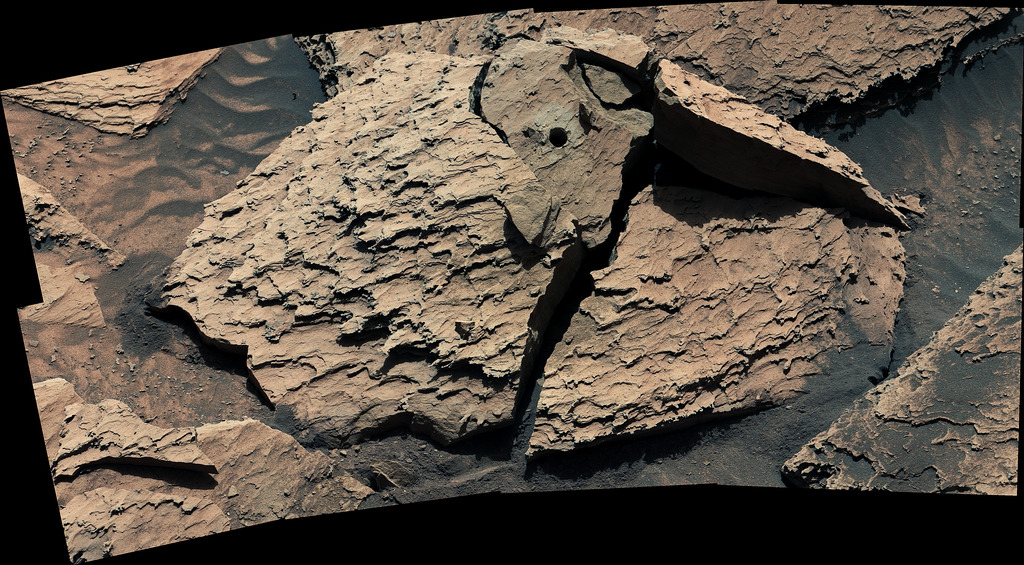
Curiosity Shakes Loose a Pesky Rock
After NASA’s Curiosity #Mars rover drilled a sample from this rock on April 25, 2026, it withdrew its robotic arm and pulled the entire rock off the surface with it. Engineers spent several days repositioning the arm and vibrating the drill to try to loosen the rock. When it finally detached on May 1, the rock broke into pieces.
This close-up image of the rock was produced by Curiosity’s Mast Camera, or Mastcam, on May 6. Nicknamed “Atacama,” the rock is estimated to be 1.5 feet in diameter at its base and 6 inches thick. It would weigh roughly 28.6 pounds on Earth (and about a third of that on Mars). The circular hole produced by Curiosity’s drill is visible in the rock.
Thursday, 21 May 2026
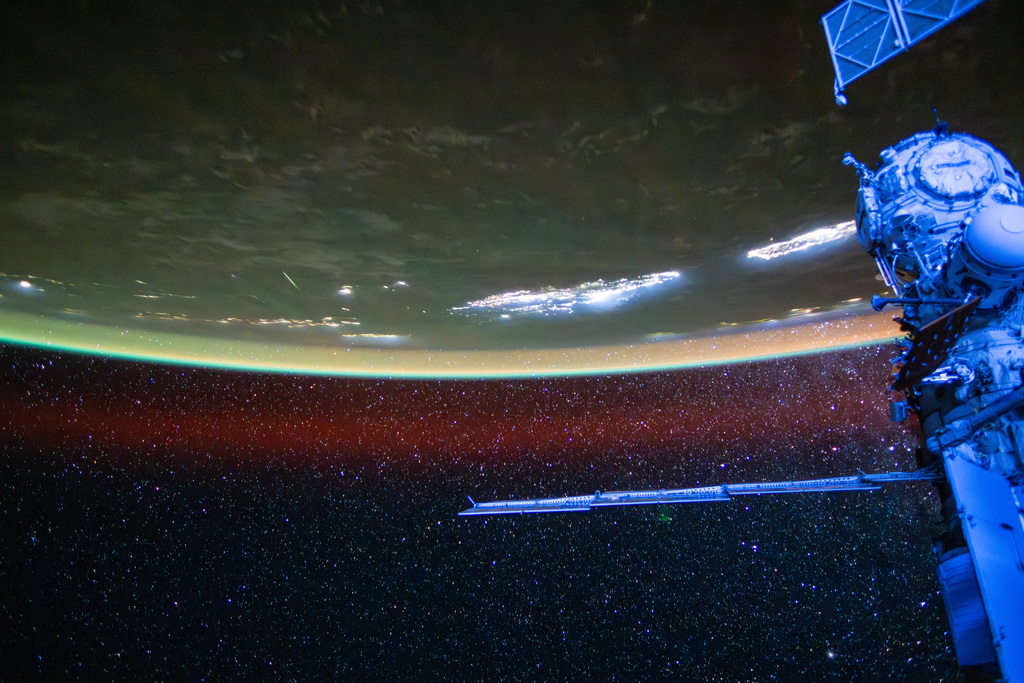
A Lyrid From Orbit
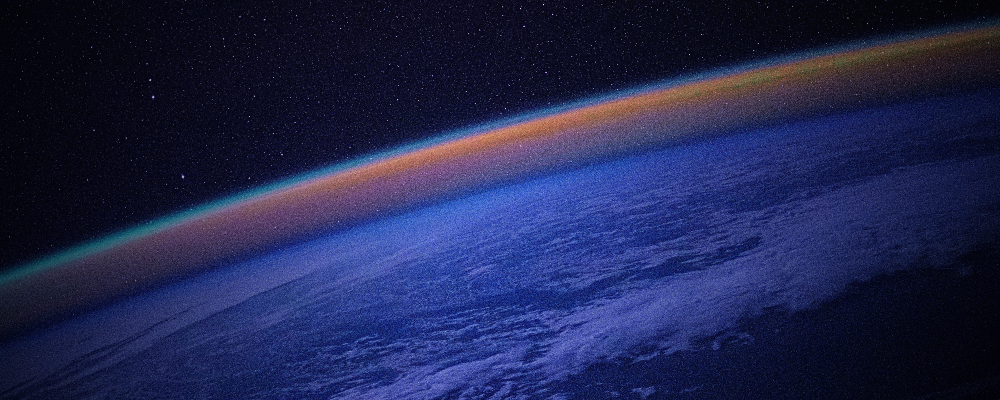
The Expedition 74 crew on the International Space Station turned into meteor chasers as Earth passed through a cloud of dust and small debris left behind by comet Thatcher in 1861.
ESA astronaut Sophie Adenot set up a camera to automatically record thousands of images in the hope of catching a shooting star, an elusive event that often lasts only a fraction of a second.
“In scientific terms, a shooting star is actually a meteor: a tiny fragment of rock or dust from space that disintegrates as it enters Earth’s atmosphere, after traveling astronomical distances. For those with their heads full of dreams, seeing a shooting star often feels like the perfect moment to make a wish… just in case!” says Sophie.
Friday, 22 May 2026
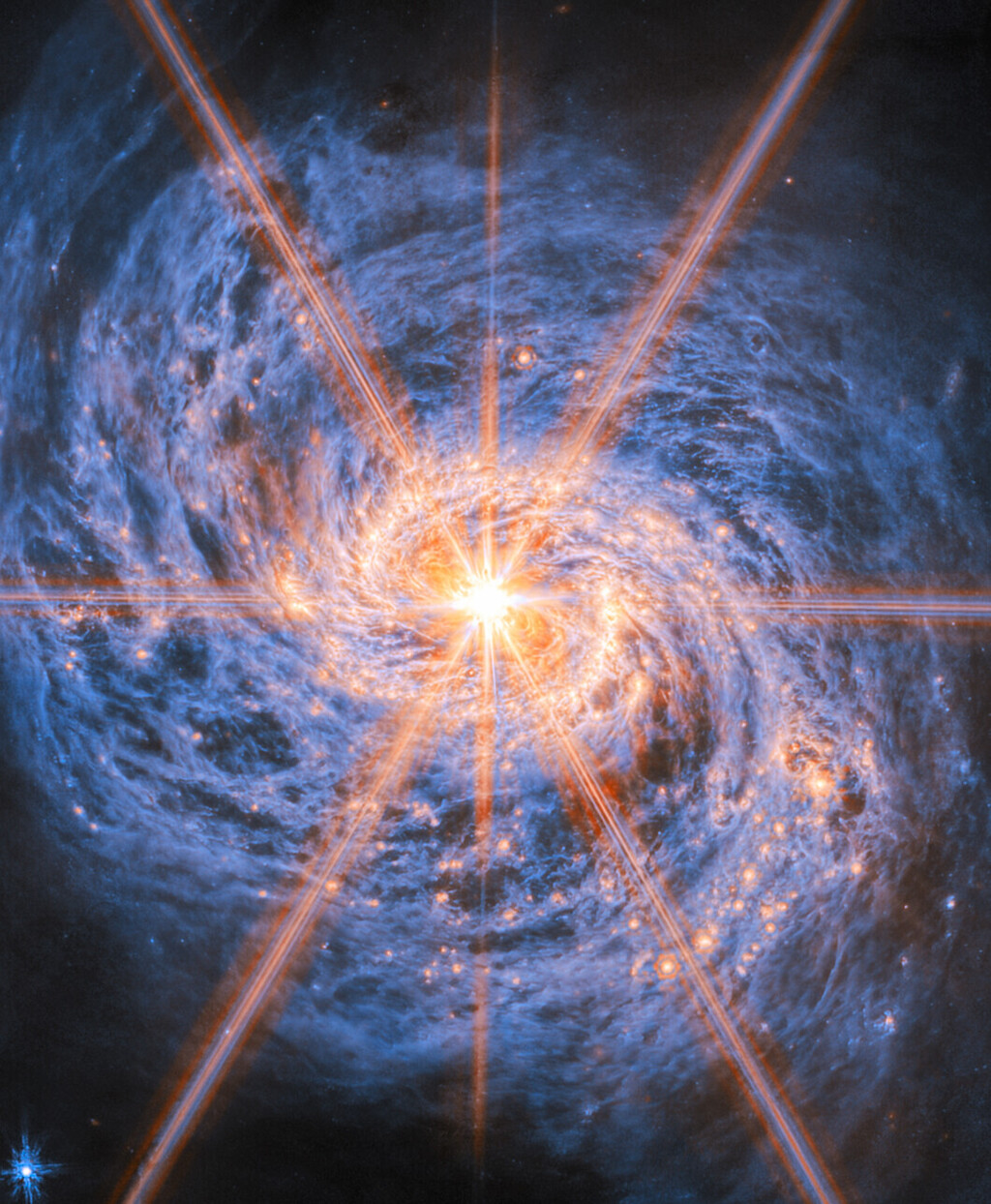
Messier 77 from JWST
Messier 77, also known as the Squid Galaxy, was imaged by the NASA/ESA/CSA James Webb Space Telescope in the mid-infrared. The six orange lines emanating from the center of the image are an effect of the telescope's optics, while the bright region at the center of the galaxy marks where material is falling around a supermassive black hole.
News
Related News
Planetary Picture of the Day - Week of August 24, 2026
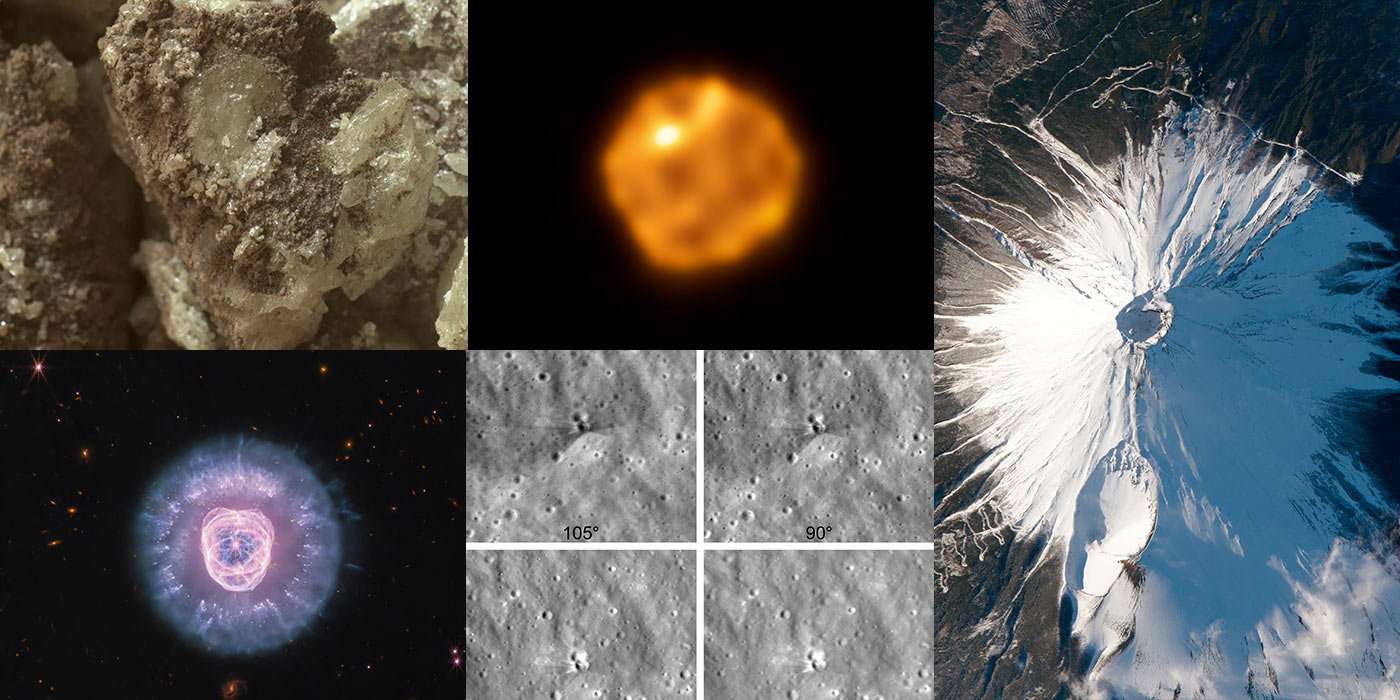
We journey from Mount Fuji as seen from orbit to the bubbling surface of Betelgeuse, exploring the forces that shape planets, moons, and stars across the cosmos. Along the way, JWST reveals the remains of a dying star, Curiosity uncovers clues to Mars’ volcanic past, and a fresh rocket impact on the Moon gives scientists a new opportunity to study how collisions reshape its surface. #PPOD

Planetary Picture of the Day - Week of August 17, 2026
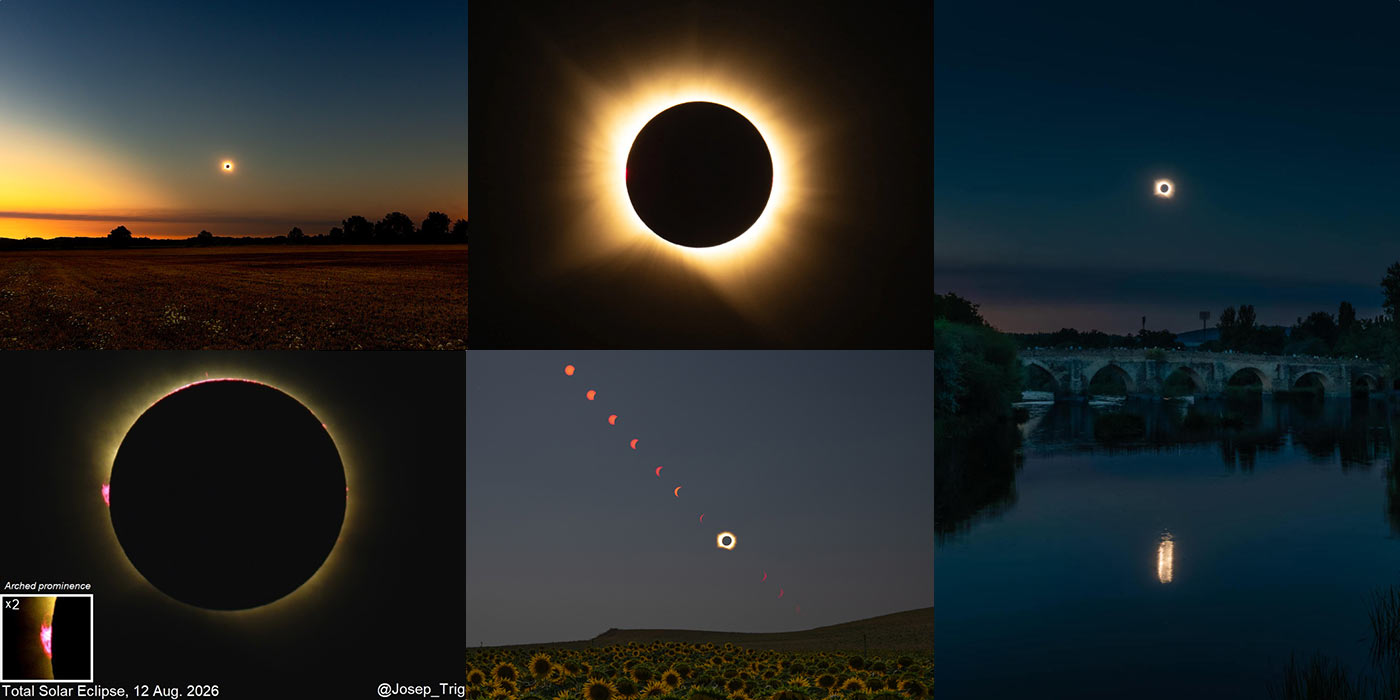
Let's celebrate the August 12 total solar eclipse through the eyes of photographers who experienced the Moon’s shadow sweeping across Spain. From Baily’s Beads and a glowing solar prominence to totality reflected in a river and framed by fields of sunflowers, these images capture both the science and extraordinary beauty of one of nature’s most spectacular celestial events. #PPOD #Eclipse
Planetary Picture of the Day - Week of August 10, 2026
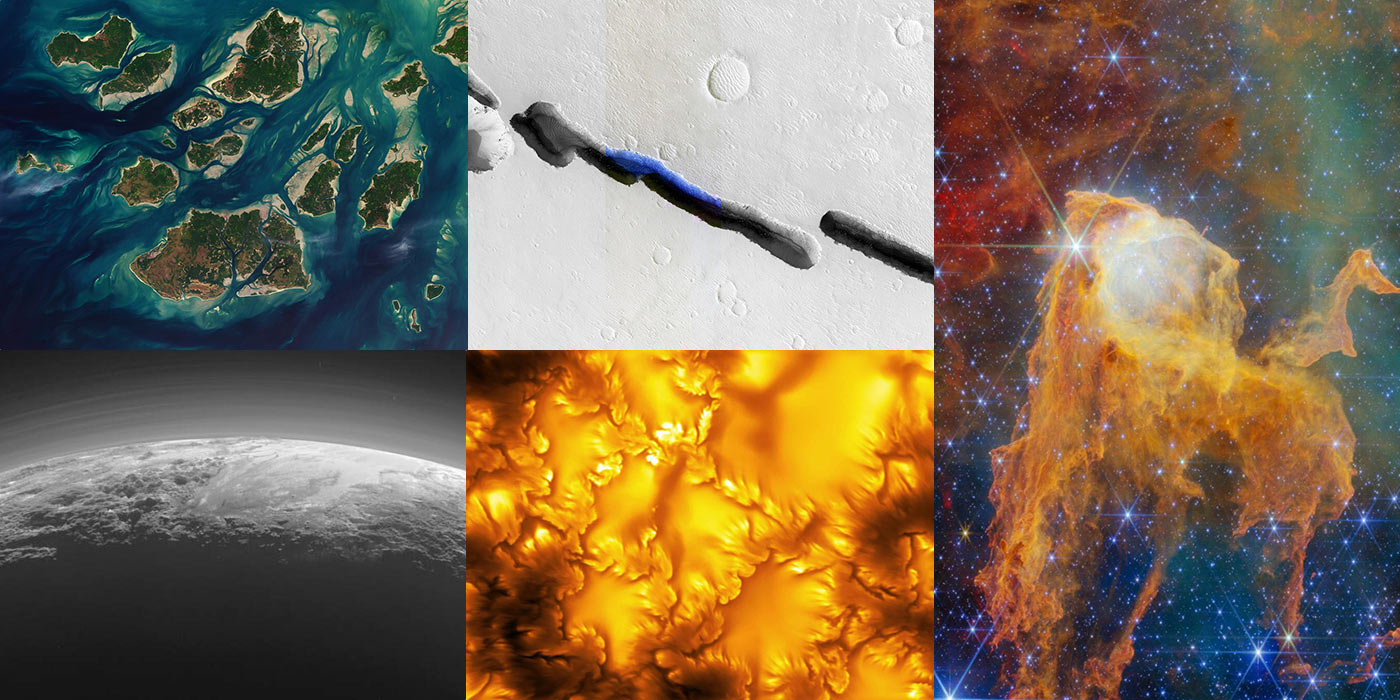
The universe is shaped by forces both immense and intricate, from fractured terrain on Mars and shifting tidal landscapes on Earth to tiny vortices dancing across the surface of the Sun. Farther afield, dramatic views of Pluto’s icy mountains and hazy atmosphere and a treasure chest of newborn stars in the Carina Nebula showcase the remarkable detail revealed by spacecraft and telescopes exploring the cosmos. #PPOD
Planetary Picture of the Day - August 3, 2026
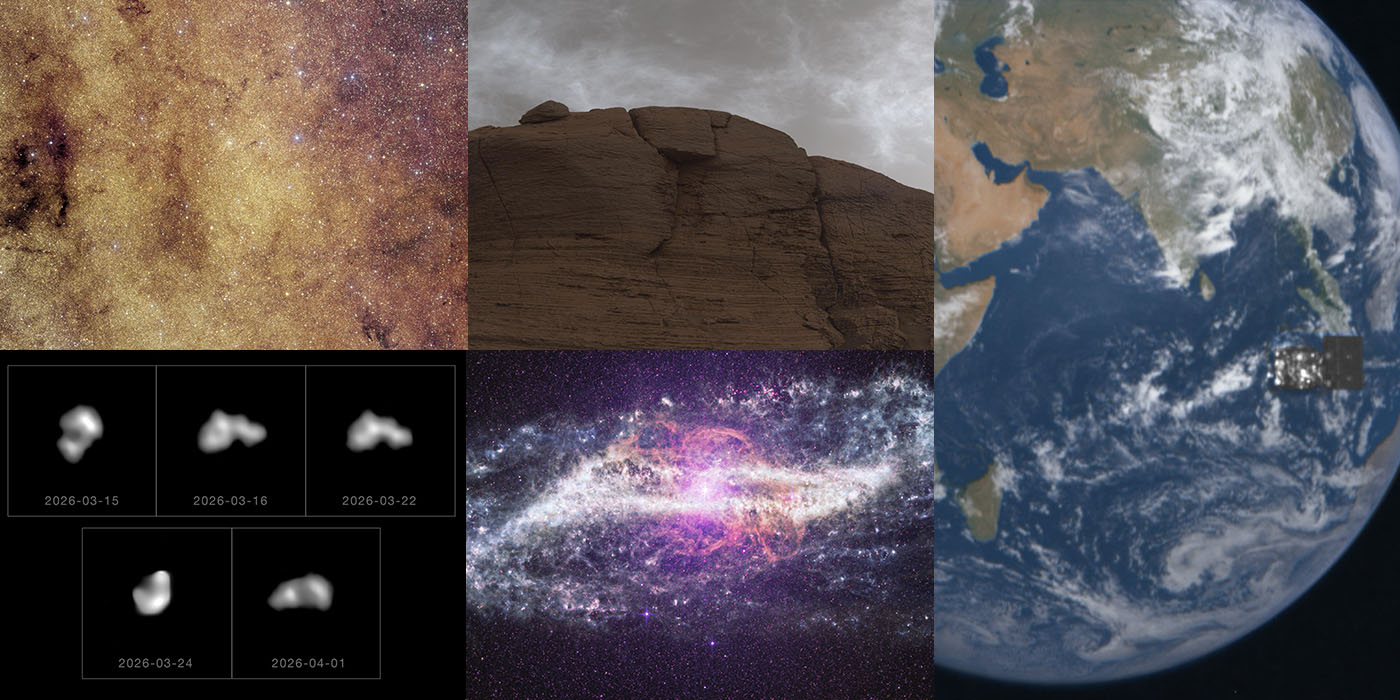
This week, we reveal hidden wonders across the cosmos, from delicate Martian clouds and a dust-shrouded galaxy to an asteroid with a never-before-seen shape and the crowded heart of the Milky Way. Together, these images showcase how new missions and advanced observatories continue to uncover surprising details about our solar system, our galaxy, and the universe beyond. #PPOD
Planetary Picture of the Day - Week of July 27, 2026
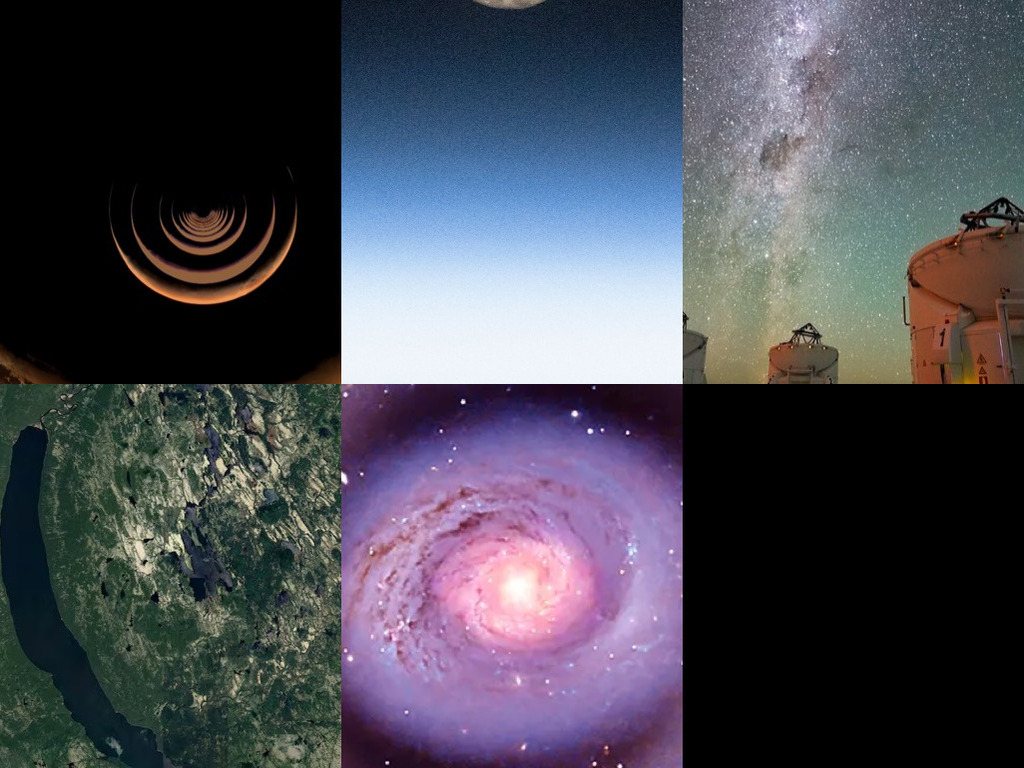
These images span the journey from our own backyard to distant galaxies, featuring Mars, the Moon, breathtaking night skies, and a fresh view of the star-forming galaxy Messier 94. Along the way, we celebrate exploration and discovery—from NASA’s Psyche mission preparing for its asteroid encounter to the revelation of a previously unknown impact crater on Earth —reminding us that there are still new wonders to uncover both on our own planet and across the cosmos. #PPOD
Planetary Picture of the Day - Week of July 20, 2026
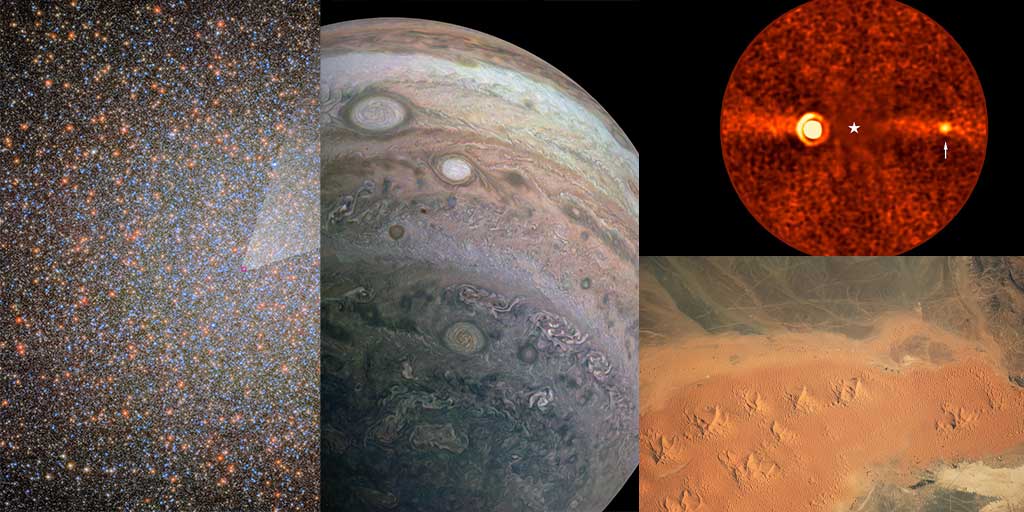
This week, we celebrate fifty years since Viking 1 became the first spacecraft to successfully land on and photograph the surface of Mars, alongside stunning new views of worlds, stars, and galaxies that continue to expand our understanding of the universe. From sculpted Sahara sand dunes and Jupiter’s colorful cloud bands to a newly discovered exoplanet and the first stellar-mass black hole identified in Omega Centauri, these images showcase the remarkable diversity of cosmic exploration. #PPODResearch
Related Projects
SkyMapper: Expanding Access to Real-time Astronomy Through a Global Astronomical Network
SkyMapper and the SETI Institute are connecting educators, students and the public to live astronomical observations through a distributed astronomical network. #SkyMapper #SETI #Citizen Science #Astronomy
Virtual Planetary Laboratory
How can we best assess whether an exoplanet supports life? #VPL
Discovery and Futures Lab
What happens if life beyond Earth is discovered? The Discovery and Futures Lab at the SETI Institute fosters novel and anticipatory research at the intersection of science, society, our planet, and the search for life beyond Earth. #Discovery and Futures LabSupport the
SETI Institute
Scientists are getting closer in their search for life beyond earth. But with limited federal funding for the search for extraterrestrial intelligence, supporters are the reason cutting-edge scientists can keep their eyes on the sky.