Wednesday, Mar 18, 2026

Credit: NASA, ESA, CSA, STScI, M. Micheli (ESA NEOCC).

Monday, 9 March 2026

Asteroid 2024 YR4

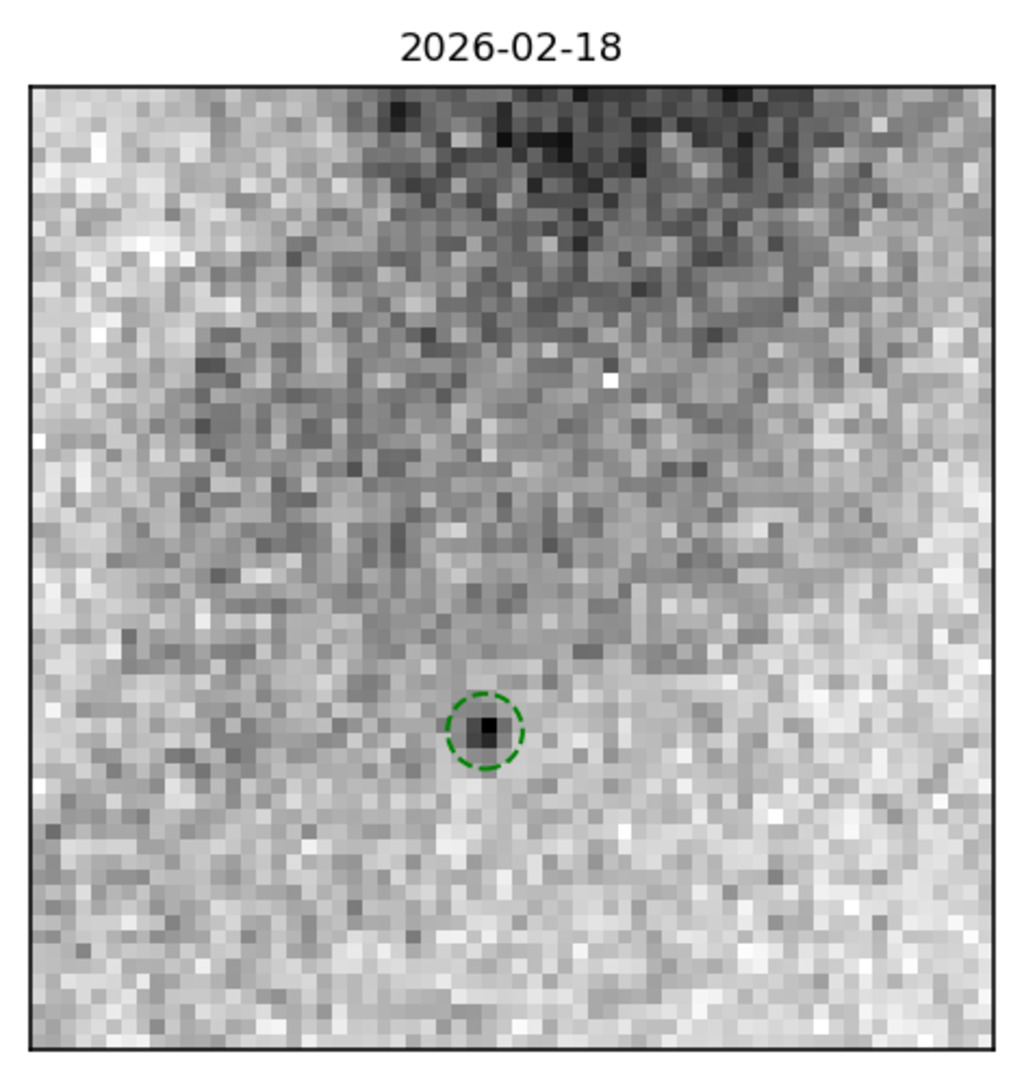
JWST successfully observed the extremely faint near-Earth asteroid 2024 YR4 (circled in green) on 18 February 2026 with its Near-Infrared Camera (NIRCam).

By analyzing the asteroid’s position relative to background stars whose locations are very well known, astronomers were able to rule out any chance that the asteroid could impact Earth’s Moon on 22 December 2032.

Credit: NASA/Michael DeMocker.

Tuesday, 10 March 2026

Total Lunar Eclipse

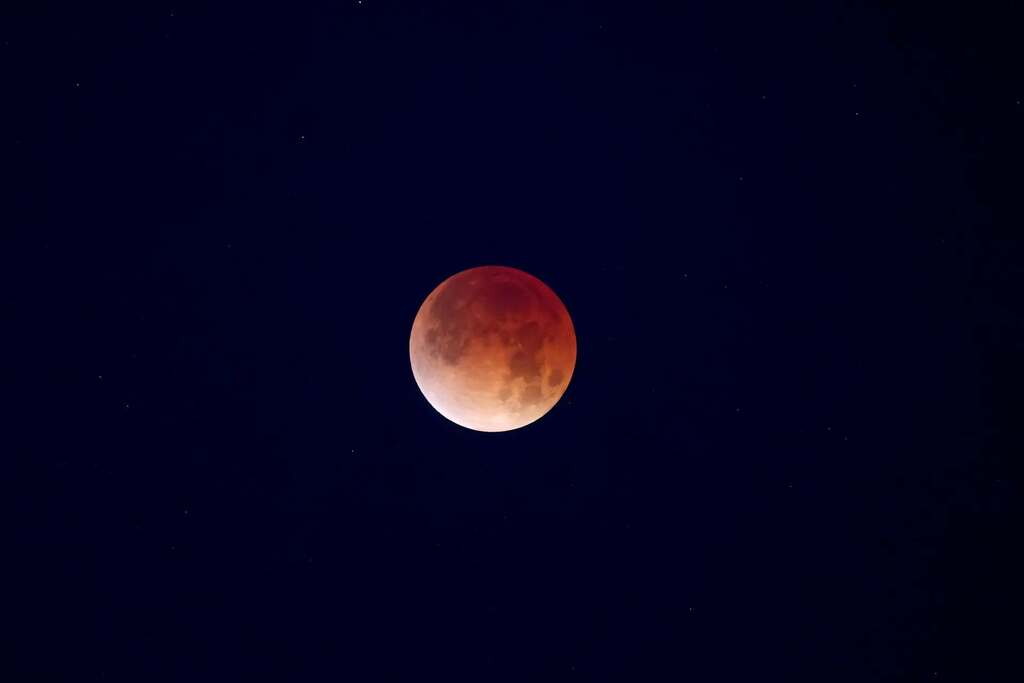
The Moon appears red during a total lunar eclipse over New Orleans, home of NASA’s Michoud Assembly Facility, on March 3, 2026. This “blood moon” occurs during a total lunar eclipse, as Earth lines up between the Moon and the Sun. When this happens, the only light that reaches the Moon’s surface is from the edges of Earth’s atmosphere. The air molecules from Earth’s atmosphere scatter out most of the blue light.

The remaining light reflects onto the Moon’s surface with a red glow, making the Moon appear red in the night sky. This is the same effect that turns the sky pink, orange, and red at sunrise and sunset.

Credit: ASI/NASA.

Wednesday, 11 March 2026

DART Impact Changes Asteroid Orbit

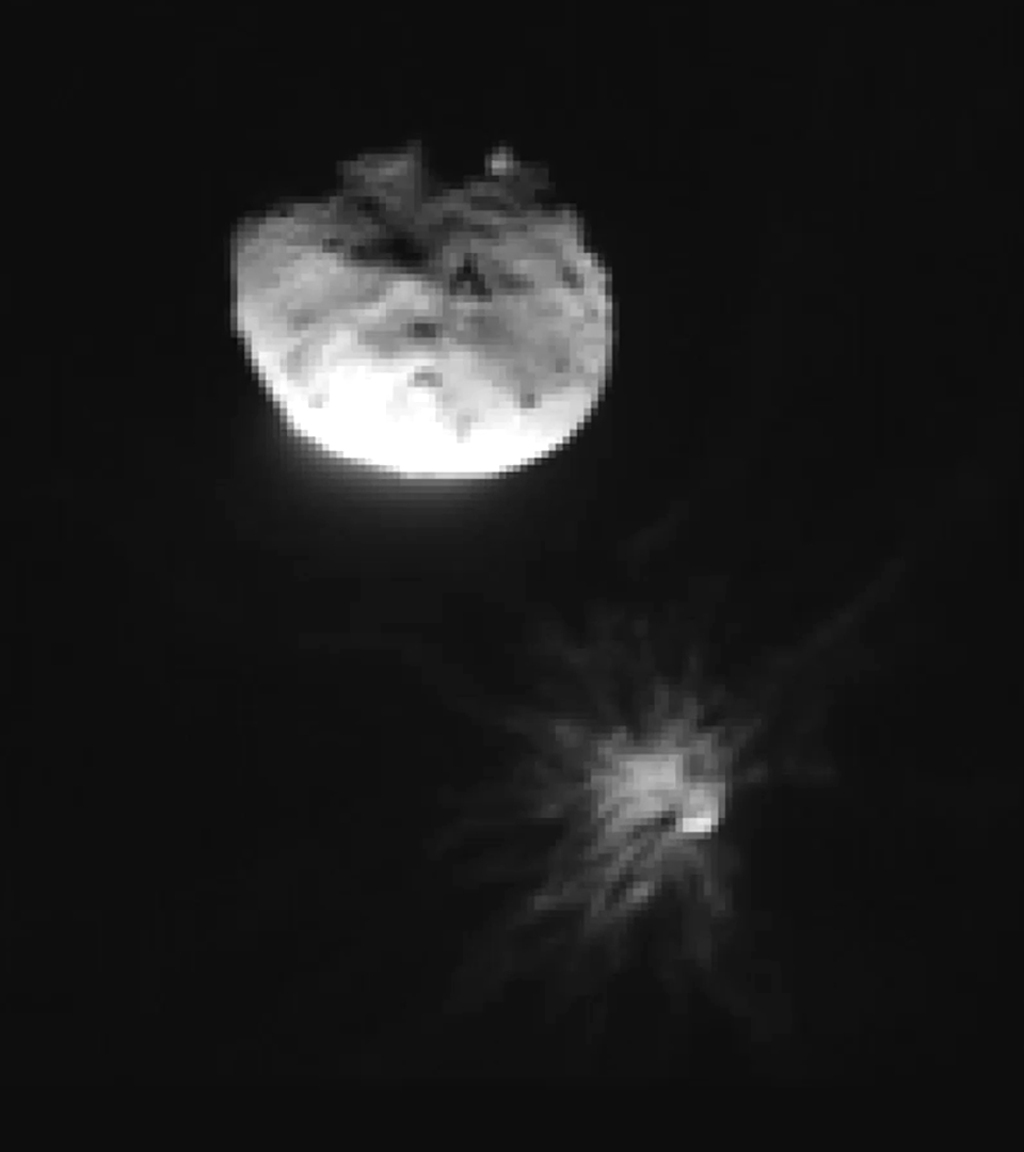
The Italian Space Agency’s LICIACube traveled alongside NASA’s DART to capture the spacecraft’s collision with Dimorphos. In this LICIACube image, taken moments after impact on Sept. 26, 2022, rocky debris can be seen fanning out from the smaller asteroid below its larger binary partner, Didymos.

New research reveals that when DART intentionally impacted the asteroid moonlet, it didn’t just change the motion of Dimorphos around its larger companion, Didymos; the crash also shifted the orbit of both asteroids around the Sun.

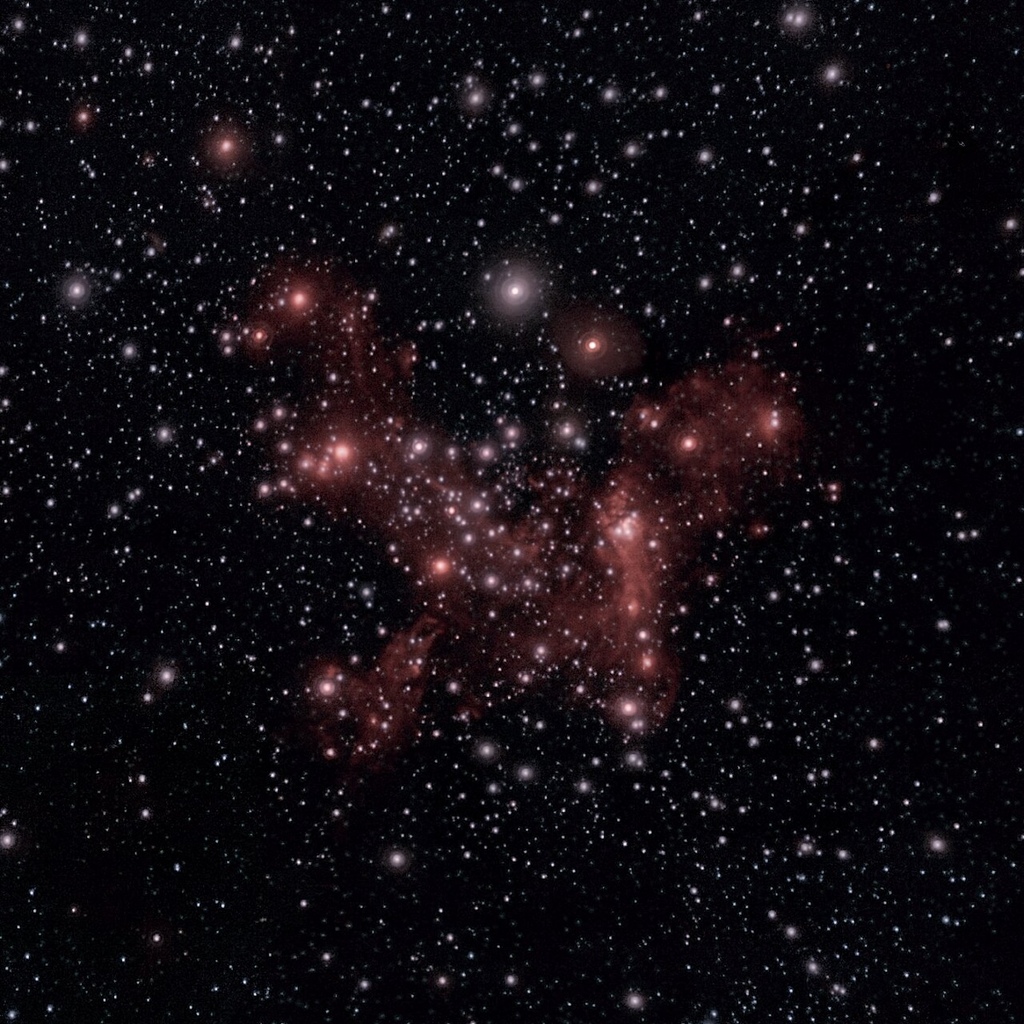
Credit: ESO/D. Ribeiro for the MPE GC team.

Thursday, 12 March 2026

Milky Way's Center

This stunning snapshot, taken with ESO’s Very Large Telescope (VLT), reveals the stars and gas surrounding an invisible giant — a supermassive black hole, located some 27,000 light-years away, at the heart of our Milky Way. This is a hugely dynamic environment, with stars and gas clouds hurtling by the black hole at dramatic speeds.

A team of astronomers at the Max Planck Institute for Extraterrestrial Physics in Germany has detected a new gas cloud, named G2t, orbiting the supermassive black hole. Two gas clouds, G1 and G2, were already known, but their nature and origin were still being debated. In particular, it was unclear whether these clouds were hiding a star within or were composed purely of gas. However, the discovery of a third gas cloud now helps answer these questions.

It was revealed that G1, G2, and G2t are on nearly identical orbits, only slightly rotated relative to each other. This rules out the possibility that each cloud hides a star in its core, as the odds of different stars having almost identical orbits are slim. This discovery shows that, despite decades of monitoring our Milky Way centre, new unanswered curiosities still arise. But what could be more exciting than mysteries waiting to be solved?

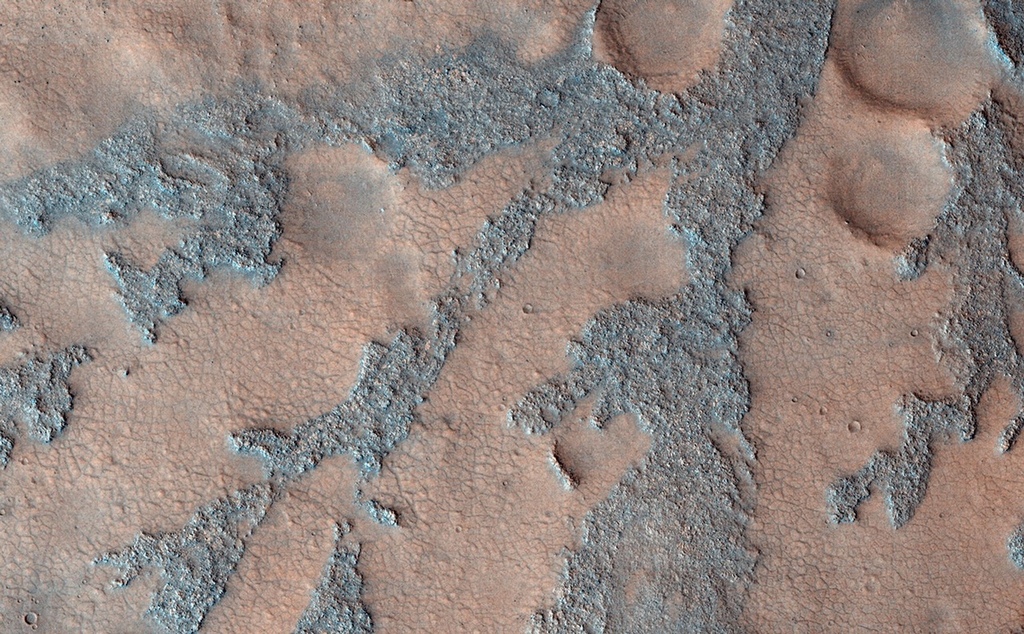
Credit: NASA/JPL-Caltech/University of Arizona.

Friday, 13 March 2026

Antoniadi Crater, Mars

In this image from the High Resolution Imaging Science Experiment (HiRISE) camera on NASA's Mars Reconnaissance Orbiter, the dark branched features in the floor of Antoniadi Crater look like giant ferns, or fern casts. However, these ferns would be several miles in size and composed of rough, rocky material.

A more likely hypothesis is that this represents a channel network that now stands in inverted relief. The channels may have been lined or filled with indurated materials, making the channel fill more resistant to wind erosion than the surrounding materials. After probably billions of years of wind erosion, the resistant channels now stand relatively high. The material between the branched ridges exhibits a fracture pattern and color similar to deposits elsewhere on Mars known to be rich in hydrated minerals, such as clays.

The inverted channels have short, stubby branches characteristic of formation by groundwater sapping. Spring water seeps into the channels and undercuts overlying layers, which collapse, so the channels grow headward. These images tell the story of an ancient wet environment on Mars, where life could have been possible. Ancient Martian life, if it existed, would most likely consist of microorganisms rather than giant tree ferns.

News

Related News

Featured Image
Sep 2, 2026
Planetary Picture of the Day - Week of August 24, 2026
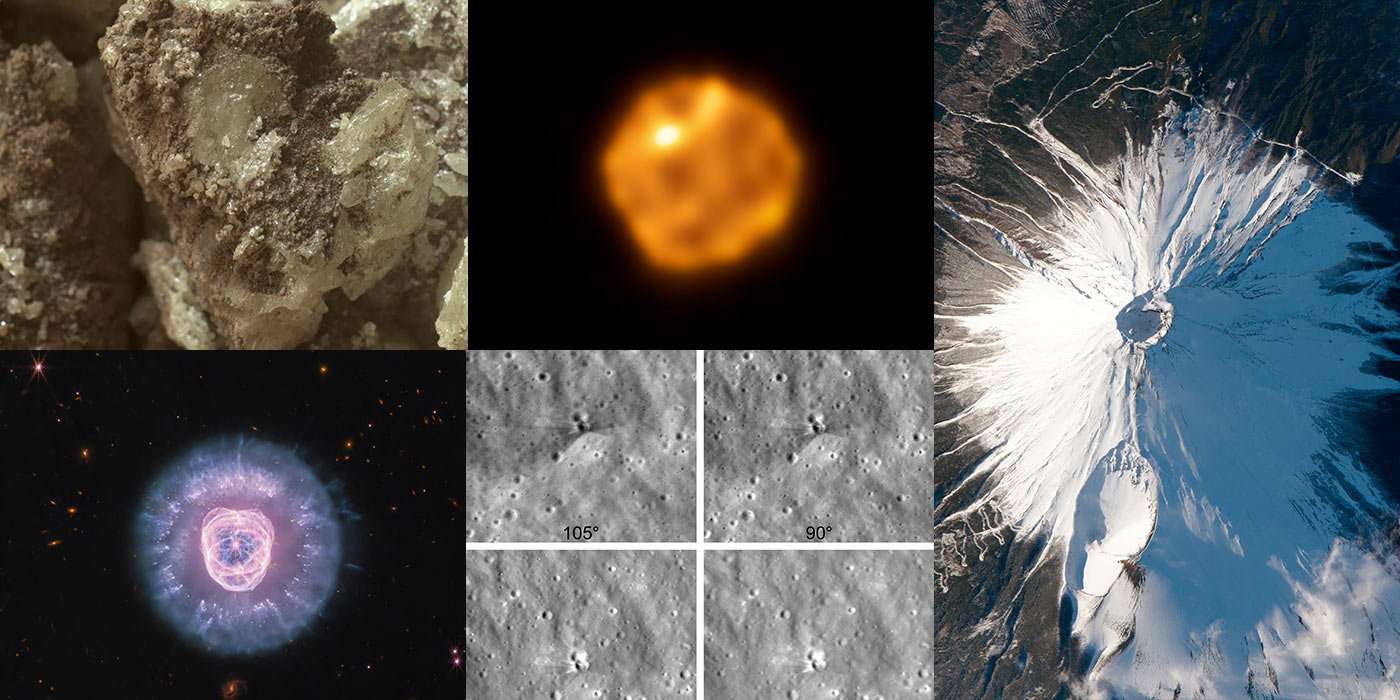
We journey from Mount Fuji as seen from orbit to the bubbling surface of Betelgeuse, exploring the forces that shape planets, moons, and stars across the cosmos. Along the way, JWST reveals the remains of a dying star, Curiosity uncovers clues to Mars’ volcanic past, and a fresh rocket impact on the Moon gives scientists a new opportunity to study how collisions reshape its surface. #PPOD
Featured Image
Aug 26, 2026
Planetary Picture of the Day - Week of August 17, 2026
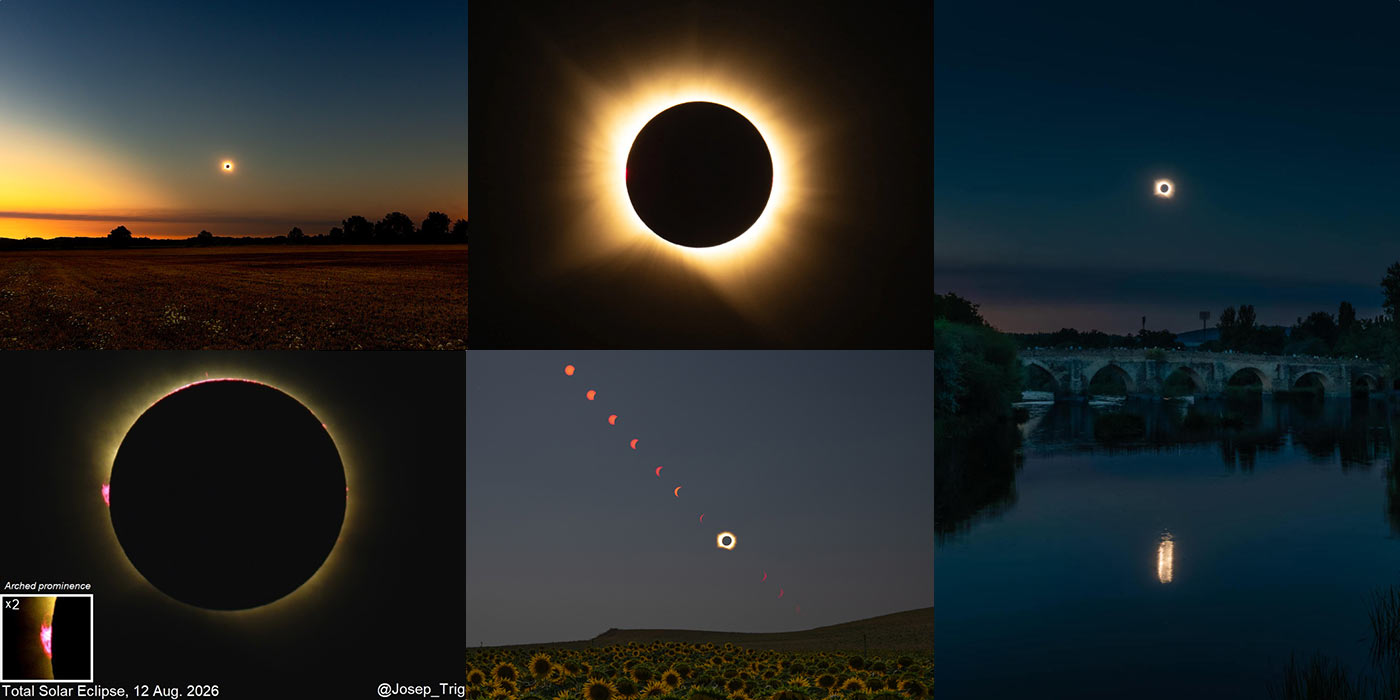
Let's celebrate the August 12 total solar eclipse through the eyes of photographers who experienced the Moon’s shadow sweeping across Spain. From Baily’s Beads and a glowing solar prominence to totality reflected in a river and framed by fields of sunflowers, these images capture both the science and extraordinary beauty of one of nature’s most spectacular celestial events. #PPOD #Eclipse
Featured Image
Aug 19, 2026
Planetary Picture of the Day - Week of August 10, 2026
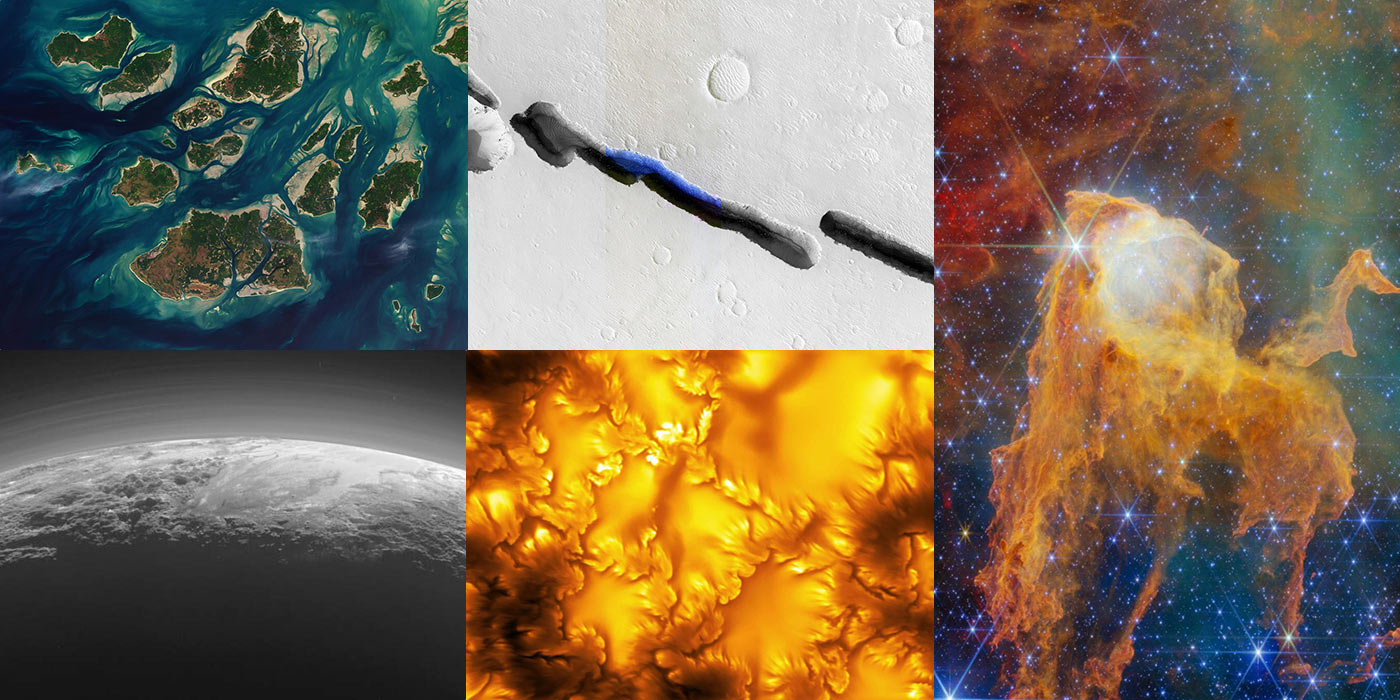
The universe is shaped by forces both immense and intricate, from fractured terrain on Mars and shifting tidal landscapes on Earth to tiny vortices dancing across the surface of the Sun. Farther afield, dramatic views of Pluto’s icy mountains and hazy atmosphere and a treasure chest of newborn stars in the Carina Nebula showcase the remarkable detail revealed by spacecraft and telescopes exploring the cosmos. #PPOD
Featured Image
Aug 12, 2026
Planetary Picture of the Day - August 3, 2026
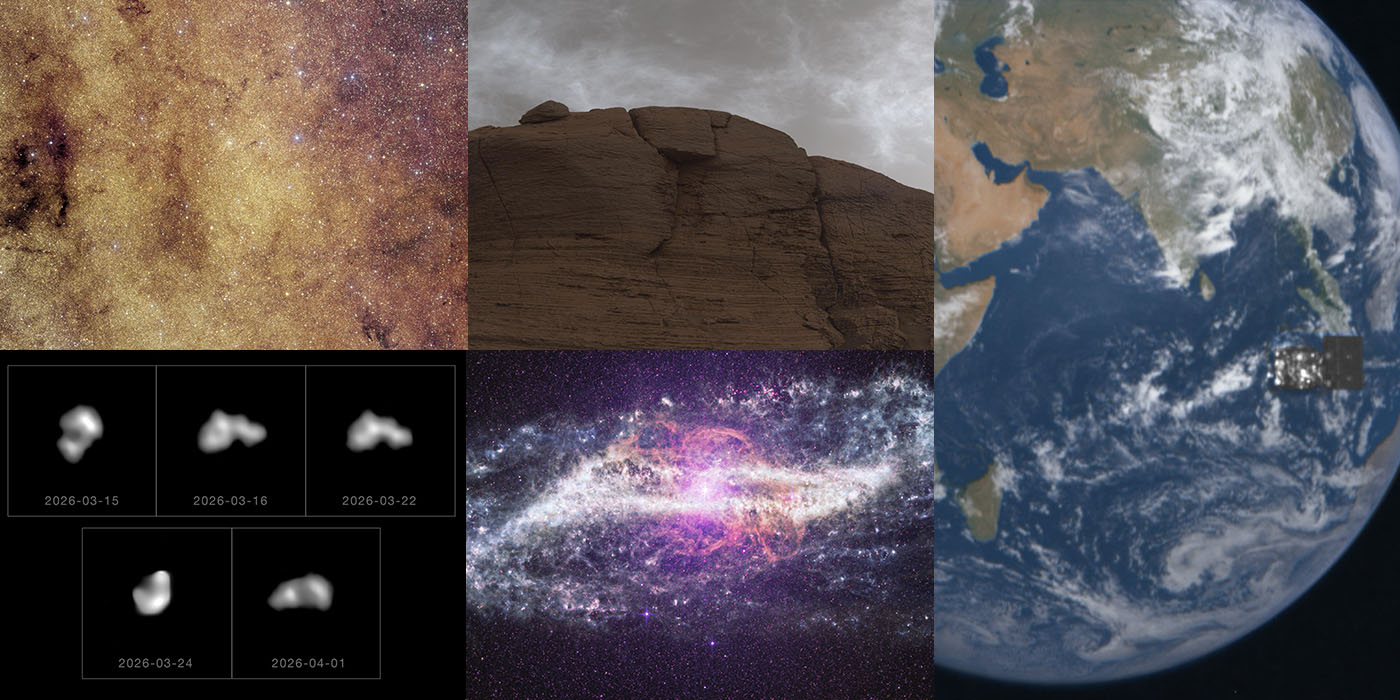
This week, we reveal hidden wonders across the cosmos, from delicate Martian clouds and a dust-shrouded galaxy to an asteroid with a never-before-seen shape and the crowded heart of the Milky Way. Together, these images showcase how new missions and advanced observatories continue to uncover surprising details about our solar system, our galaxy, and the universe beyond. #PPOD
Featured Image
Aug 5, 2026
Planetary Picture of the Day - Week of July 27, 2026
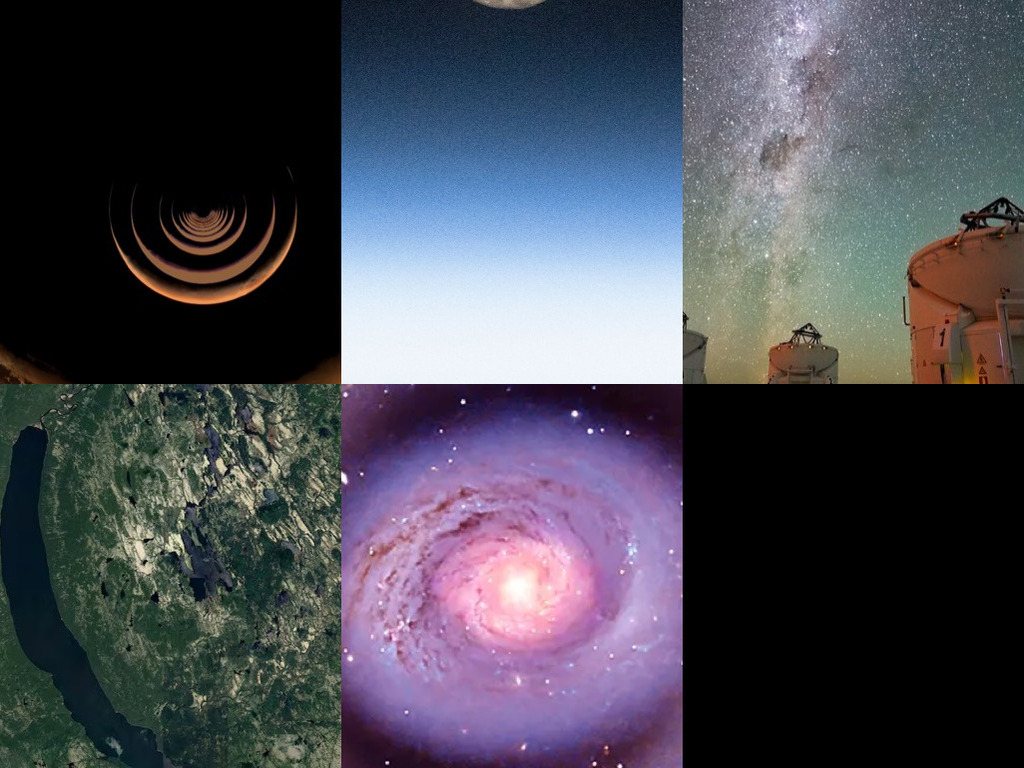
These images span the journey from our own backyard to distant galaxies, featuring Mars, the Moon, breathtaking night skies, and a fresh view of the star-forming galaxy Messier 94. Along the way, we celebrate exploration and discovery—from NASA’s Psyche mission preparing for its asteroid encounter to the revelation of a previously unknown impact crater on Earth —reminding us that there are still new wonders to uncover both on our own planet and across the cosmos. #PPOD
Featured Image
Jul 29, 2026
Planetary Picture of the Day - Week of July 20, 2026
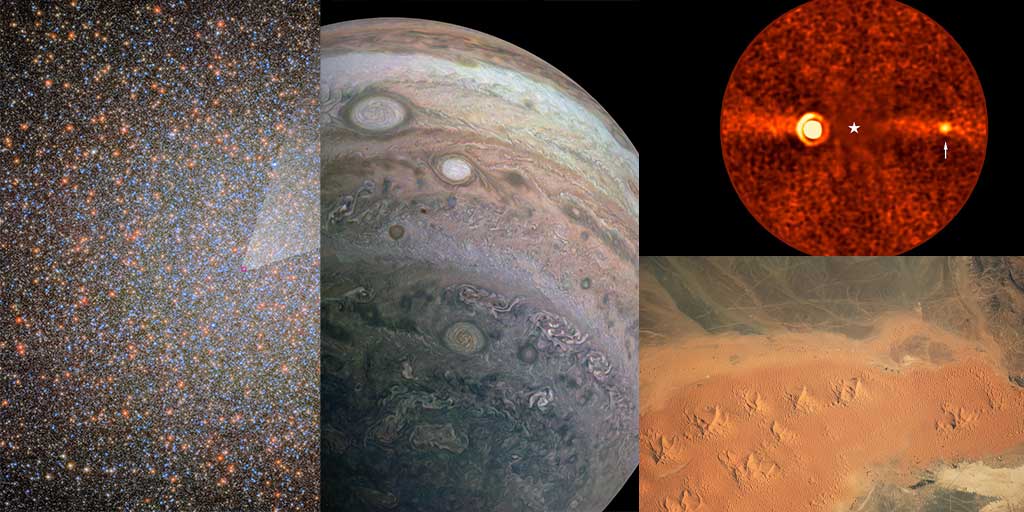
This week, we celebrate fifty years since Viking 1 became the first spacecraft to successfully land on and photograph the surface of Mars, alongside stunning new views of worlds, stars, and galaxies that continue to expand our understanding of the universe. From sculpted Sahara sand dunes and Jupiter’s colorful cloud bands to a newly discovered exoplanet and the first stellar-mass black hole identified in Omega Centauri, these images showcase the remarkable diversity of cosmic exploration. #PPOD
Research

Related Projects

Featured Image
SkyMapper • SETI • Citizen Science • Astronomy
SkyMapper: Expanding Access to Real-time Astronomy Through a Global Astronomical Network
SkyMapper and the SETI Institute are connecting educators, students and the public to live astronomical observations through a distributed astronomical network. #SkyMapper #SETI #Citizen Science #Astronomy
Featured Image
VPL
Virtual Planetary Laboratory
How can we best assess whether an exoplanet supports life? #VPL
Featured Image
Discovery and Futures Lab
What happens if life beyond Earth is discovered? The Discovery and Futures Lab at the SETI Institute fosters novel and anticipatory research at the intersection of science, society, our planet, and the search for life beyond Earth.  #Discovery and Futures Lab
Support Us

Support the
SETI Institute

Scientists are getting closer in their search for life beyond earth. But with limited federal funding for the search for extraterrestrial intelligence, supporters are the reason cutting-edge scientists can keep their eyes on the sky.