Wednesday, Jun 11, 2025

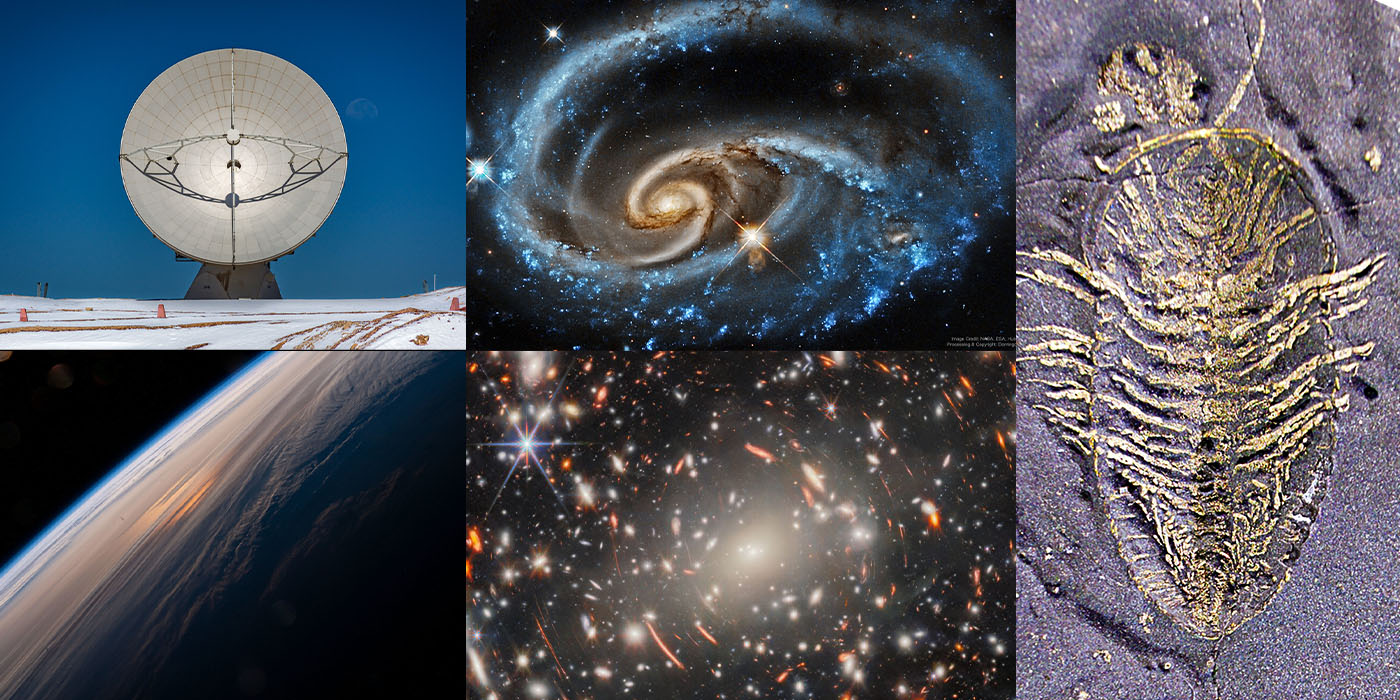
While space telescopes like JWST and Hubble help us peer back into the deep history of the universe, on Earth, fossils tell the stories of our past. This week, we observe a massive galaxy cluster and a strange, gravitationally influenced galaxy. Plus a pyrite-filled fossil, an orbital sunrise, and the Moon next to a ground-based radio telescope dish.

Credit: ESA/Webb, NASA & CSA, H. Atek, M. Zamani (ESA/Webb); Acknowledgments: R. Endsley

Monday, 2 June 2025

The Distant Past

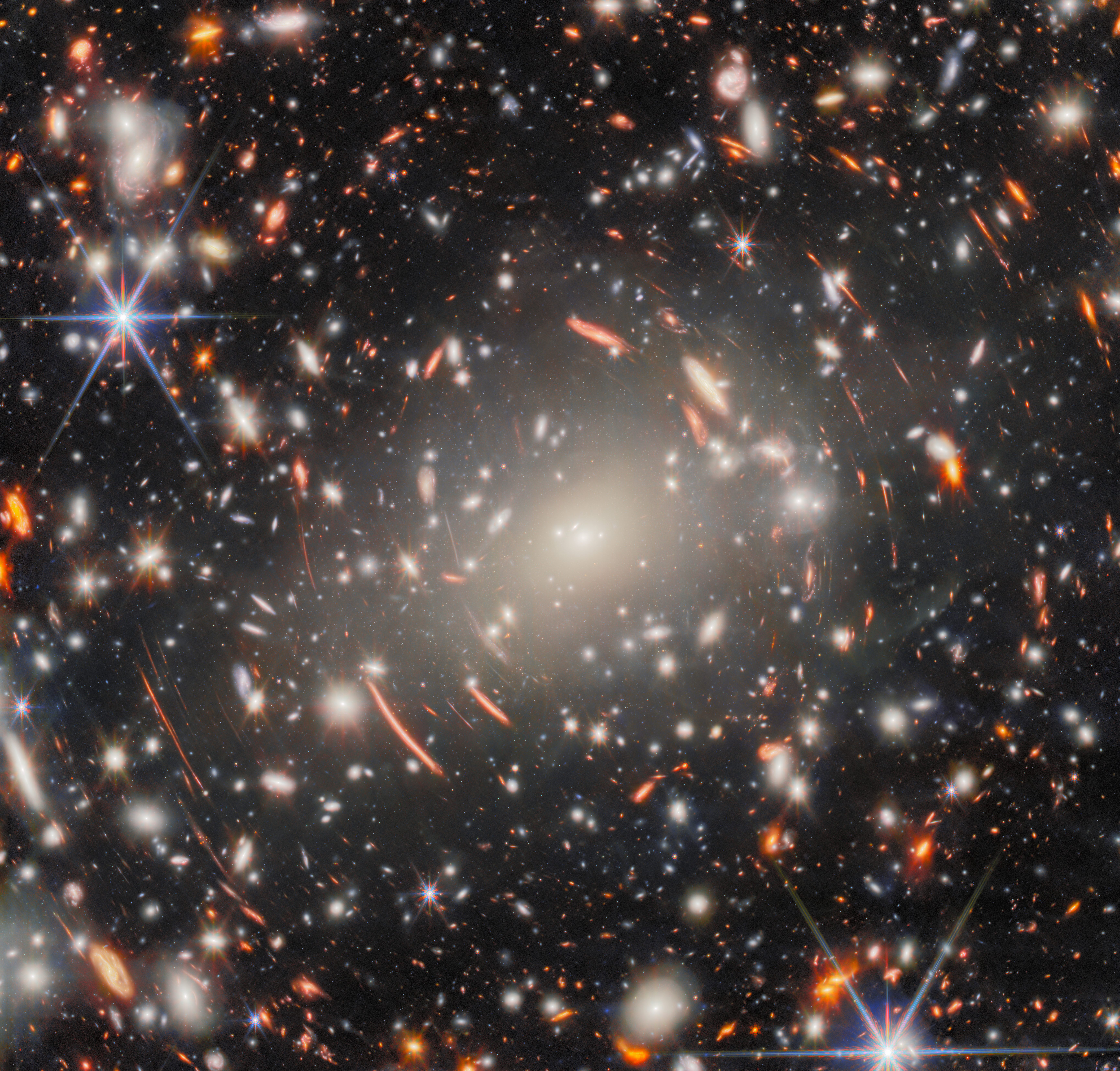
In this new NASA/ESA/CSA James Webb Space Telescope picture, the eye is first drawn to the central mega-monster, galaxy cluster Abell S1063. This behemoth collection of galaxies, lying 4.5 billion light-years from Earth in the constellation Grus (the Crane), dominates the scene. Looking more closely, this dense collection of heavy galaxies is surrounded by glowing streaks of light, and these warped arcs are the true object of scientists’ interest: faint galaxies from the Universe’s distant past.

This new imagery from Webb’s Near-Infrared Camera (NIRCam) showcases an incredible forest of lensing arcs around Abell S1063. These arcs reveal distorted background galaxies at a range of cosmic distances, along with a multitude of faint galaxies and previously unseen features.

Credit: Didier Descouens via Wikimedia Commons

Tuesday, 3 June 2025

Trilobite!

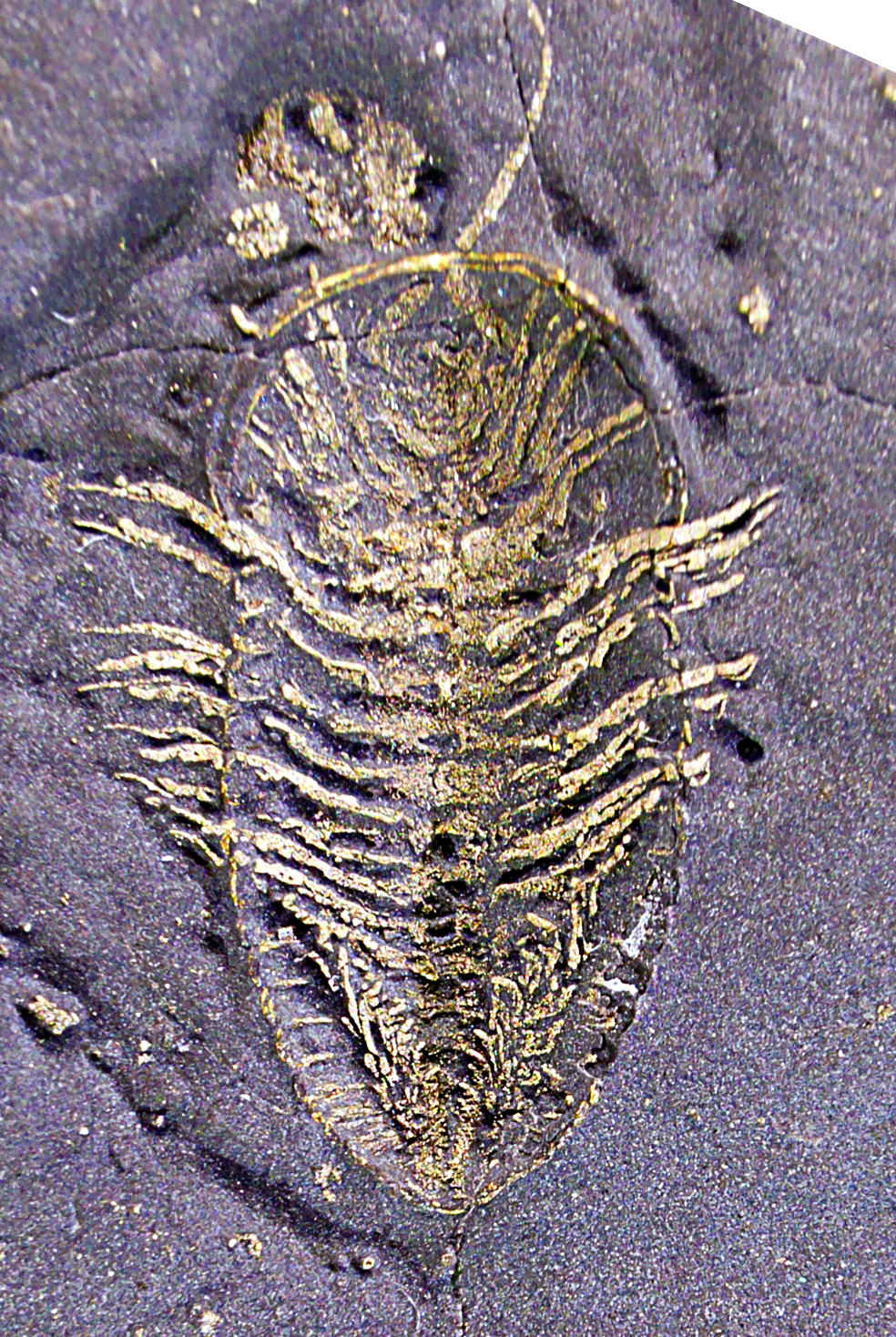
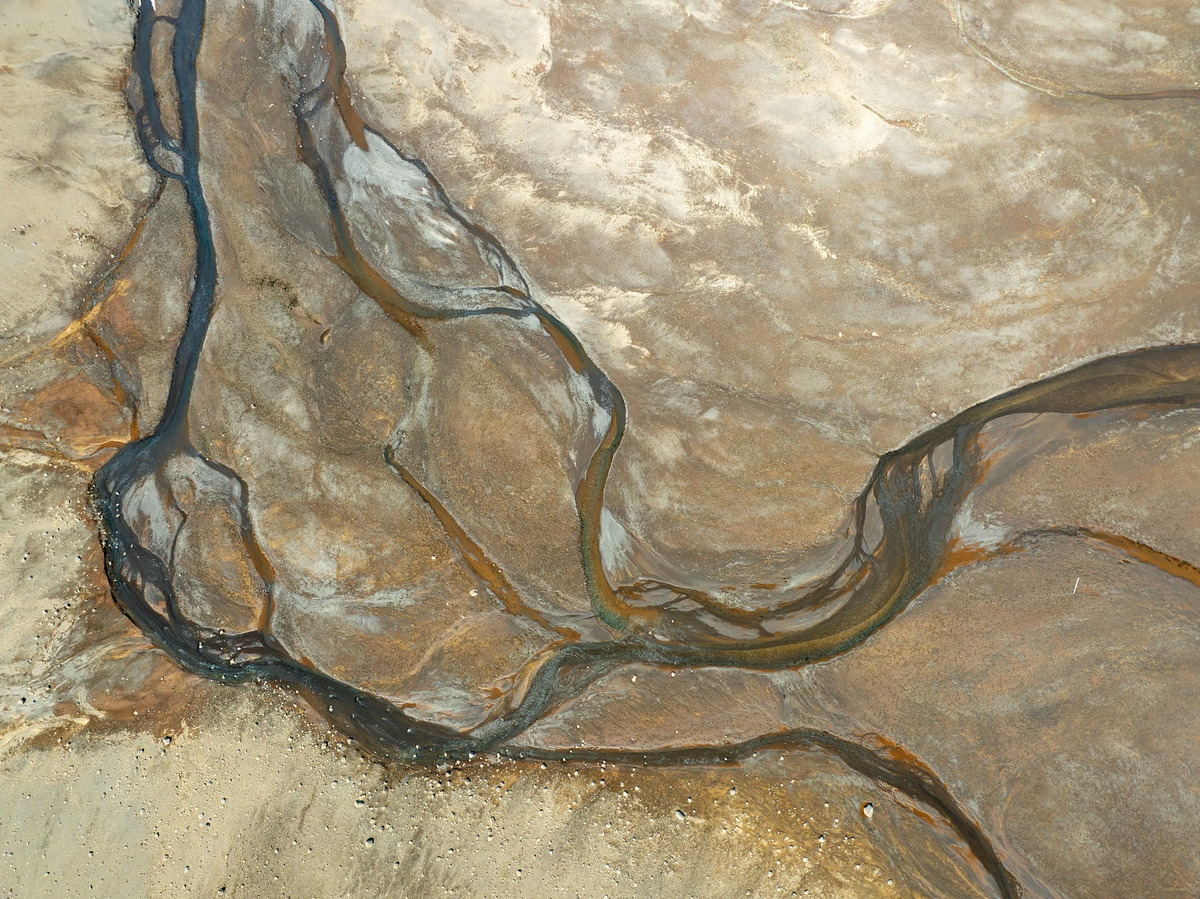
Triarthrus eatoni is a trilobite of the family Olenidae and the order Ptychopariida. This fossil was collected from the Frankfort Shale, Sixmile Creek in Cleveland's Glen, near Rome, Oneida Co., New York, USA, from the Upper Ordovician (Caradoc, 458 to 448 mjo). It shows the biramous appendages and antennae deposited as pyrite.

Credit: Y. Villalon/ESO

Wednesday, 4 June 2025

Peering Over ALMA's Shoulder

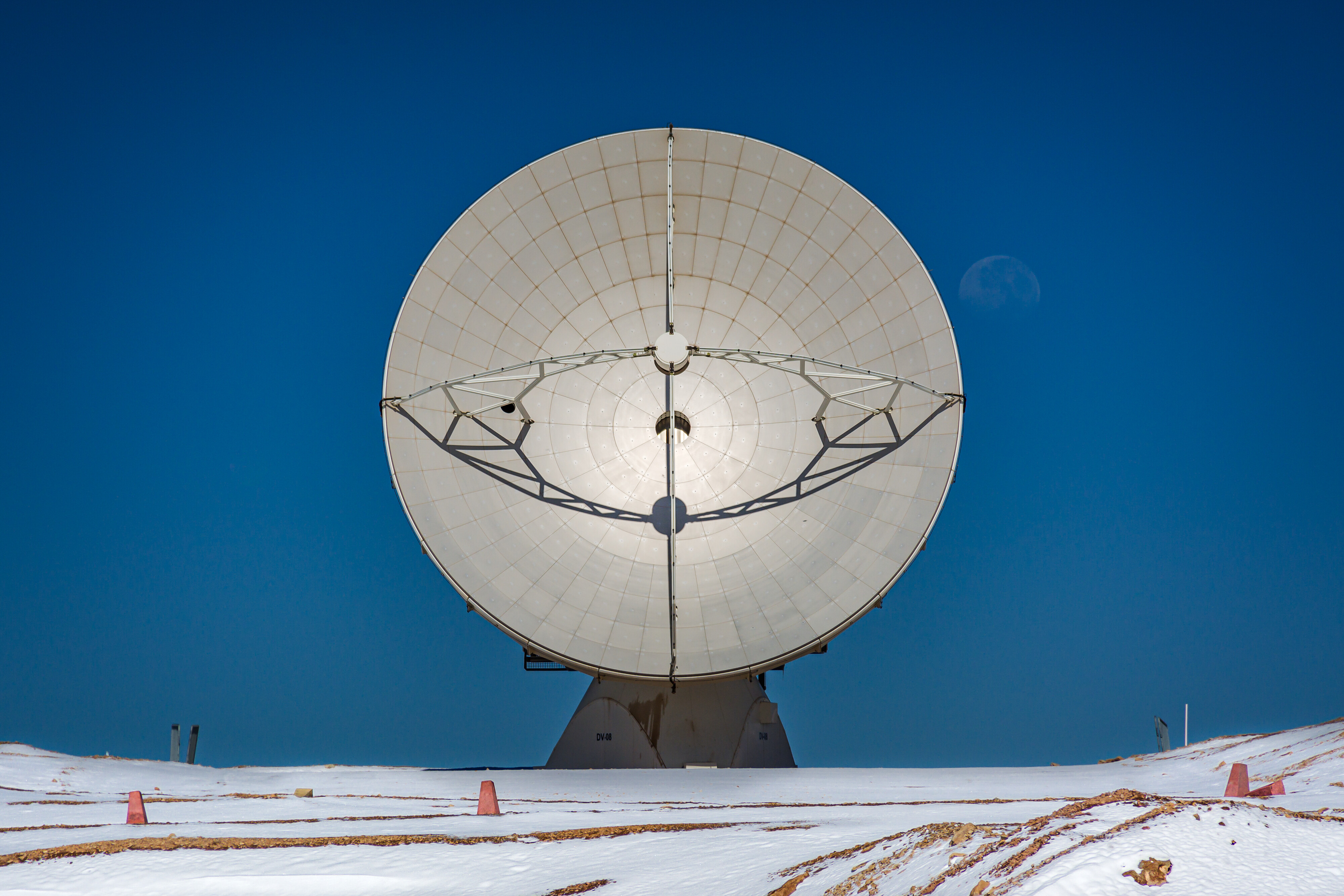
Two large, pale discs can be seen in today's PPOD: one of them in the Atacama Desert, the other orbiting the Earth 384,000 km away. The latter is our ever-present Moon, faintly hanging in the clear blue sky. Next to it is the real star of the image: one of the antennas of the Atacama Large Millimeter/submillimeter Array (ALMA).

ALMA, which ESO operates together with international partners, is made up of 66 such antennas, spread out atop the 5000-m high Chajnantor Plateau in Chile. Unlike optical telescopes, which gather light in wavelengths that we can see, these dishes observe the cool corners of the Universe using longer, invisible wavelengths — somewhere between infrared radiation and radio waves.

These antennas work together, creating a huge virtual telescope with a complex technique called interferometry. By adjusting the separation between the antennas, which can go up to 16 km, astronomers can study cosmic objects in different levels of detail. With all of its individual dishes working together in perfect harmony, ALMA truly becomes more than the sum of its parts.

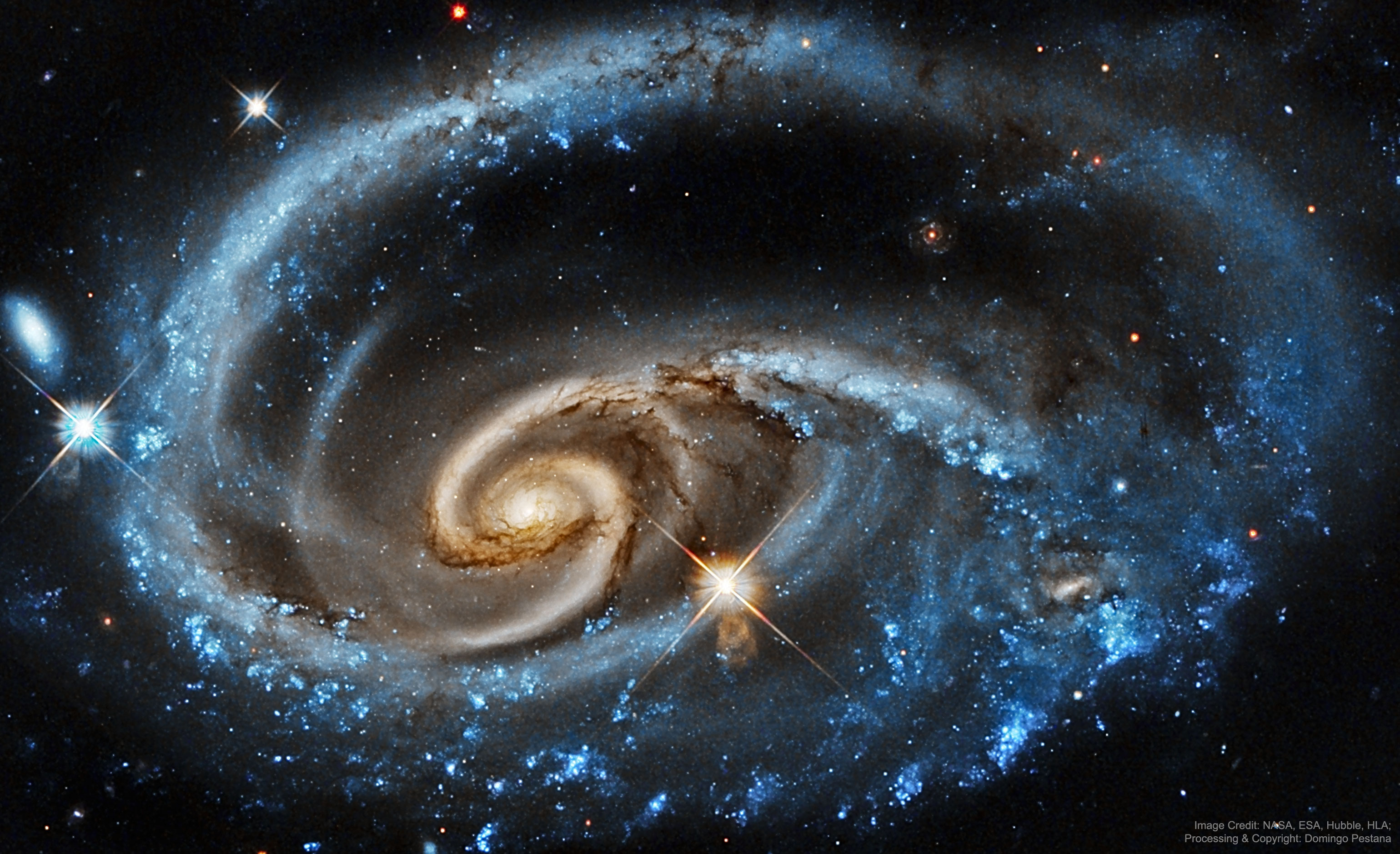
Credit: NASA, ESA, Hubble, HLA; Processing & Copyright: Domingo Pestana

Thursday, 5 June 2025

Wildly Interacting Galaxy

Here you can see the galaxy catalogued as UGC 1810 by itself, but with its collisional partner, it is known as Arp 273. The overall shape of the UGC 1810 -- in particular its blue outer ring -- is likely a result of wild and violent gravitational interactions. This ring's blue color is caused by massive, super-hot stars that formed only in the past few million years. The inner galaxy appears older, redder, and threaded with cool filamentary dust. A few bright stars appear in the foreground, unrelated to UGC 1810, while several galaxies are visible well in the background. Arp 273 lies about 300 million light years away toward the constellation of Andromeda. Quite likely, UGC 1810 will devour its galactic sidekick over the next billion years and settle into a classic spiral form.

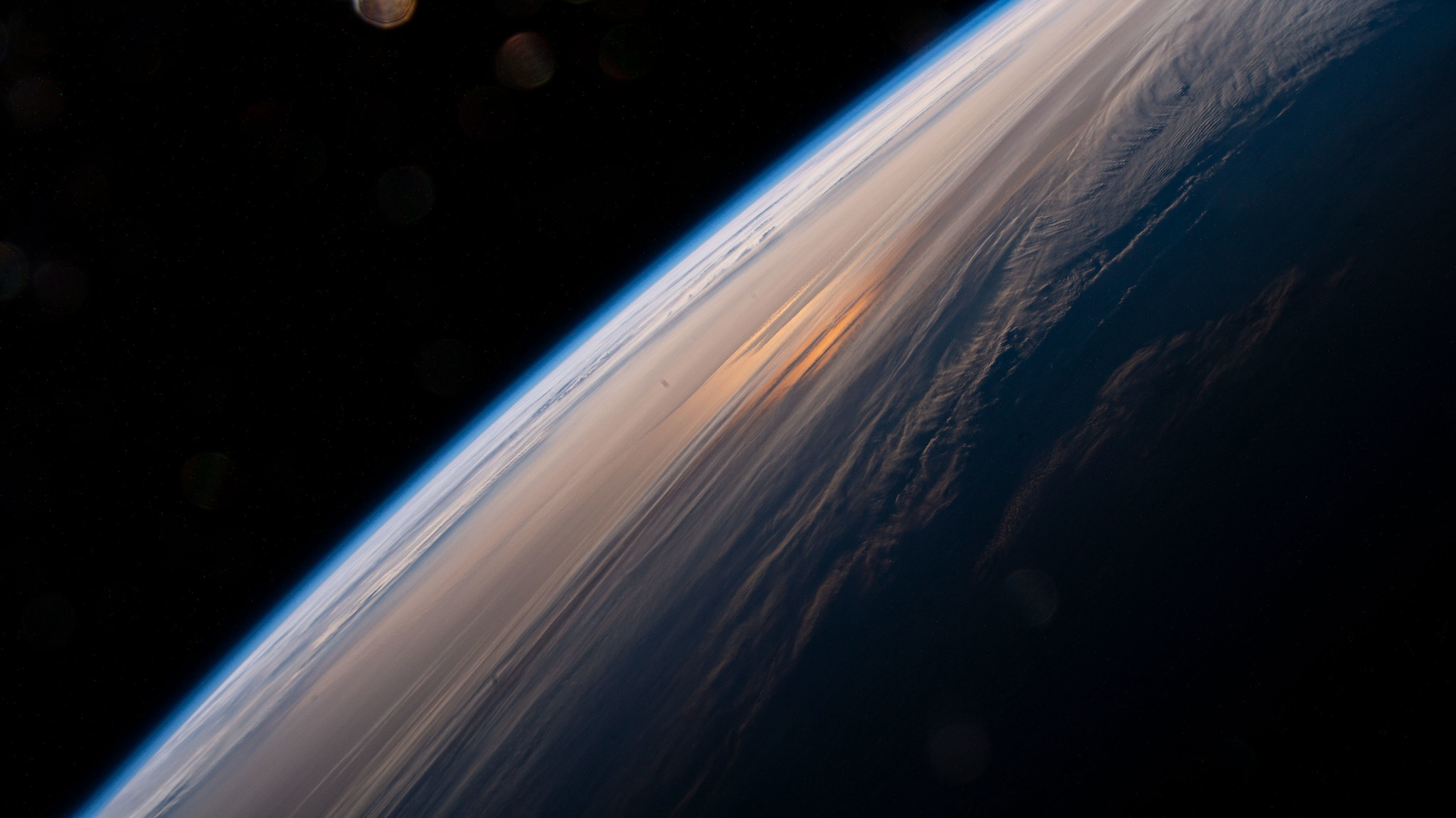
Credit: NASA JSC

Friday, 6 June 2025

Orbital Sunrise

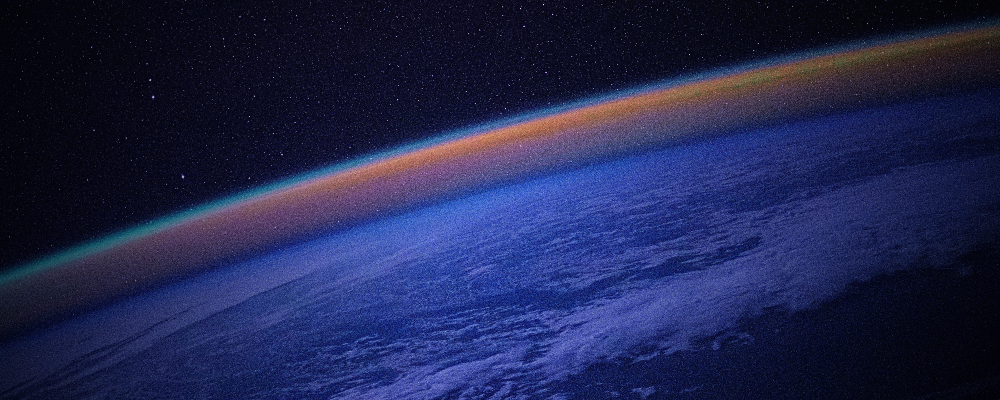
Let's end the week with the early morning hues of an orbital sunrise, as seen from the International Space Station on April 28, 2021, as it soared 425 kilometers above the China-Russia border in far eastern Asia near the Sea of Japan.

News

Related News

Featured Image
Sep 2, 2026
Planetary Picture of the Day - Week of August 24, 2026
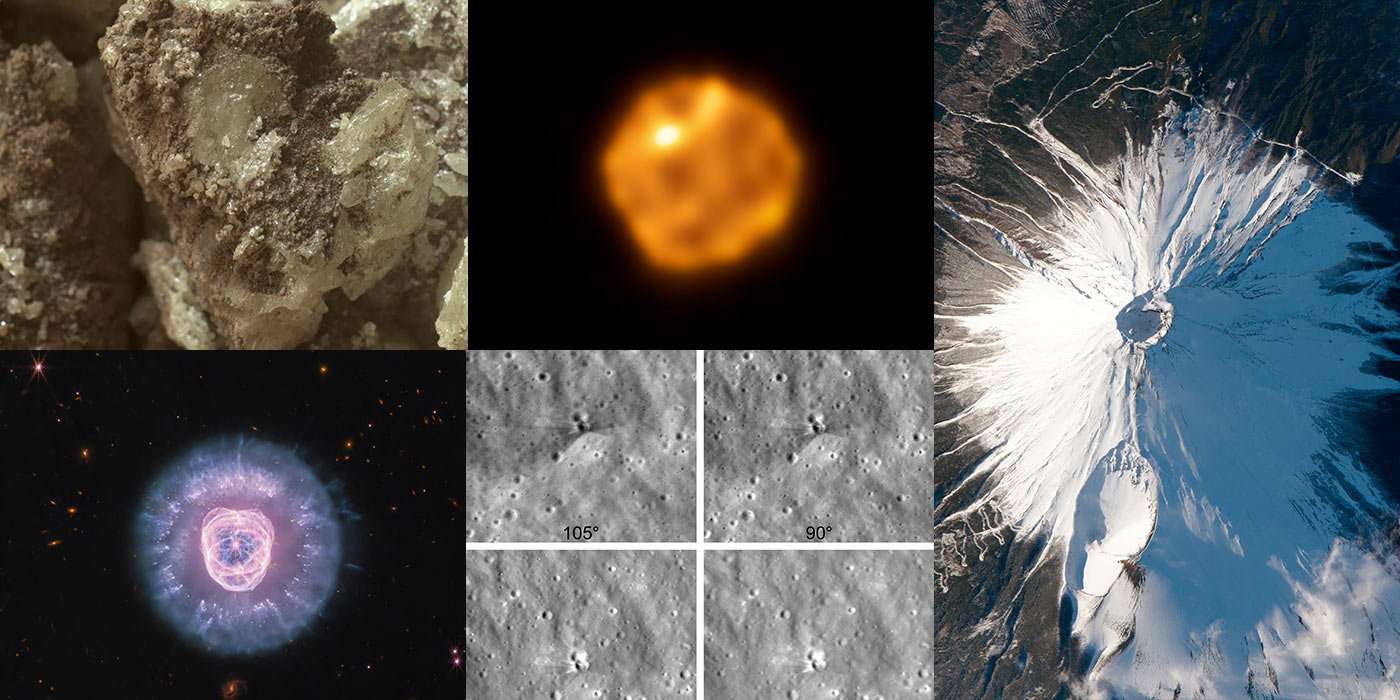
We journey from Mount Fuji as seen from orbit to the bubbling surface of Betelgeuse, exploring the forces that shape planets, moons, and stars across the cosmos. Along the way, JWST reveals the remains of a dying star, Curiosity uncovers clues to Mars’ volcanic past, and a fresh rocket impact on the Moon gives scientists a new opportunity to study how collisions reshape its surface. #PPOD
Featured Image
Aug 26, 2026
Planetary Picture of the Day - Week of August 17, 2026
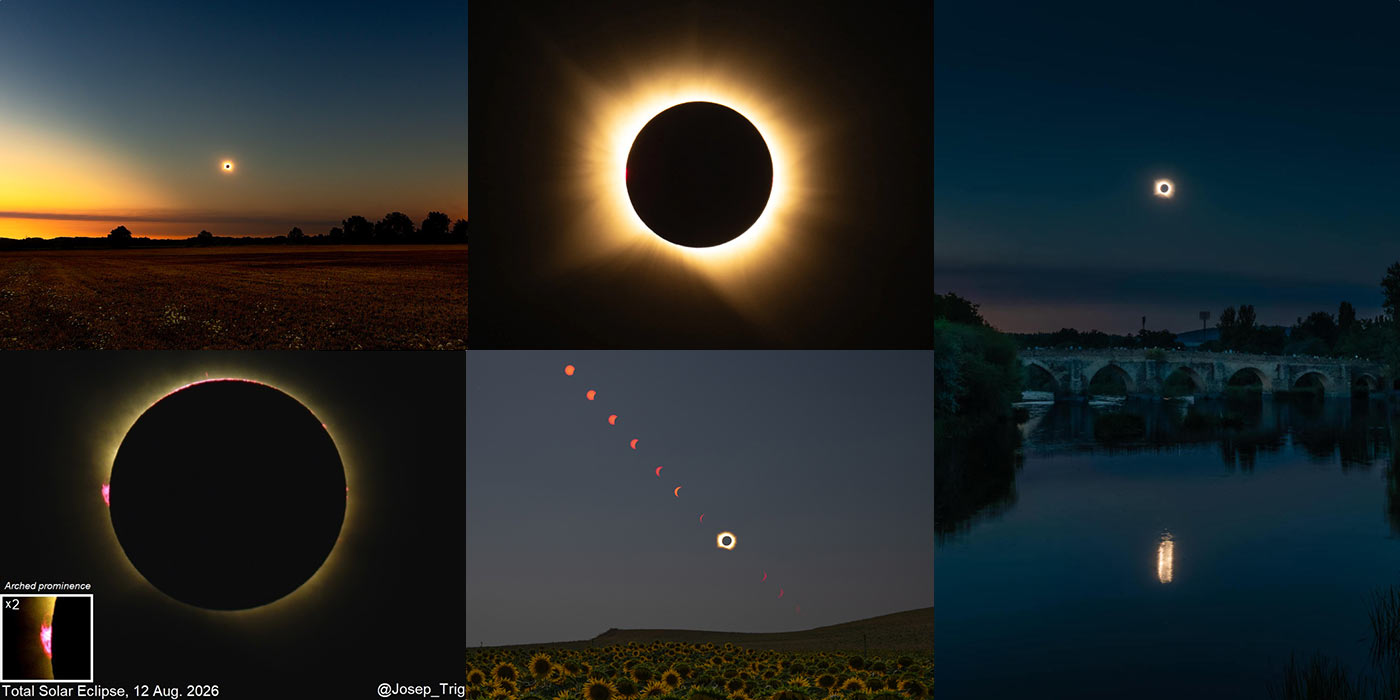
Let's celebrate the August 12 total solar eclipse through the eyes of photographers who experienced the Moon’s shadow sweeping across Spain. From Baily’s Beads and a glowing solar prominence to totality reflected in a river and framed by fields of sunflowers, these images capture both the science and extraordinary beauty of one of nature’s most spectacular celestial events. #PPOD #Eclipse
Featured Image
Aug 19, 2026
Planetary Picture of the Day - Week of August 10, 2026
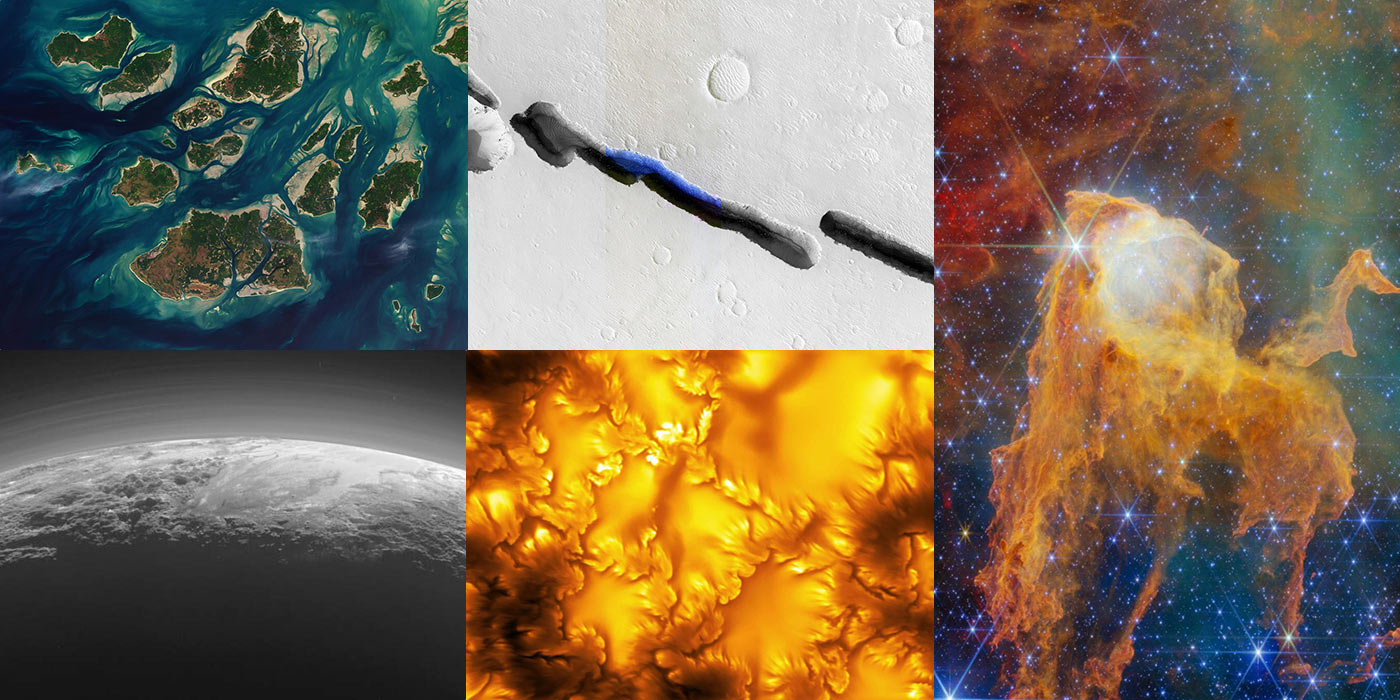
The universe is shaped by forces both immense and intricate, from fractured terrain on Mars and shifting tidal landscapes on Earth to tiny vortices dancing across the surface of the Sun. Farther afield, dramatic views of Pluto’s icy mountains and hazy atmosphere and a treasure chest of newborn stars in the Carina Nebula showcase the remarkable detail revealed by spacecraft and telescopes exploring the cosmos. #PPOD
Featured Image
Aug 12, 2026
Planetary Picture of the Day - August 3, 2026
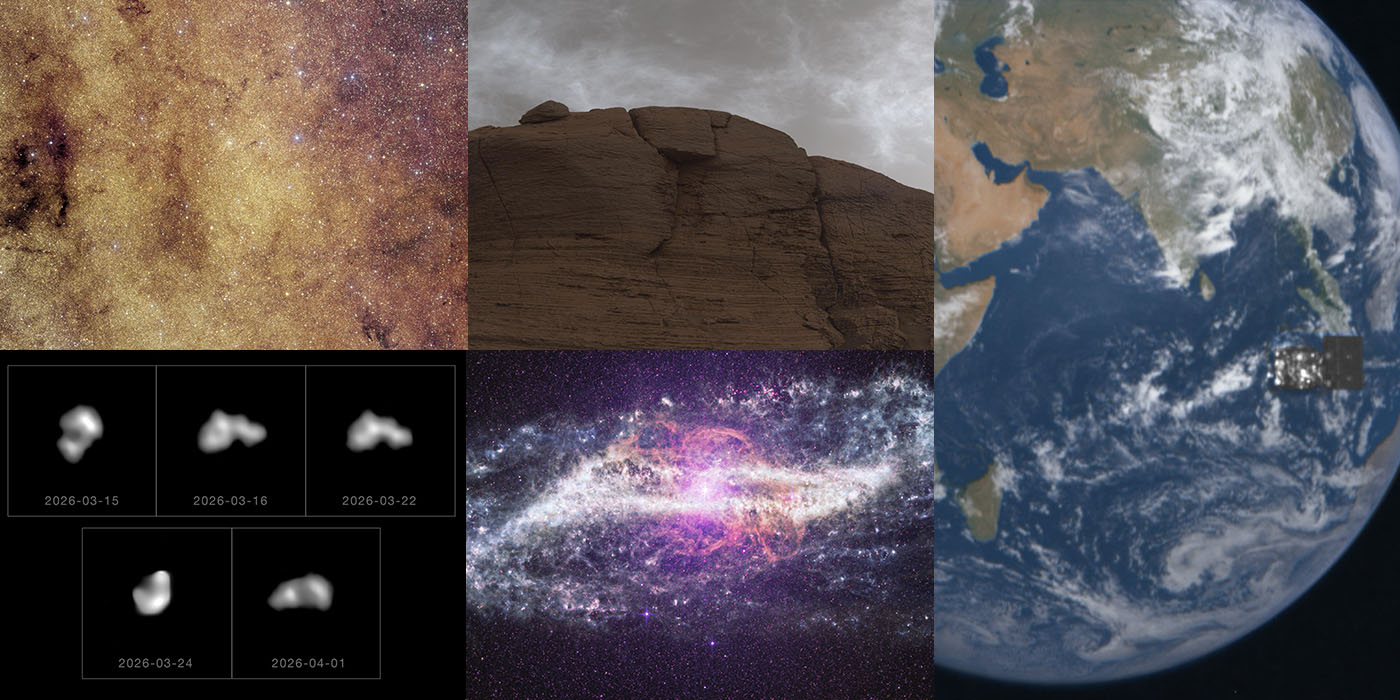
This week, we reveal hidden wonders across the cosmos, from delicate Martian clouds and a dust-shrouded galaxy to an asteroid with a never-before-seen shape and the crowded heart of the Milky Way. Together, these images showcase how new missions and advanced observatories continue to uncover surprising details about our solar system, our galaxy, and the universe beyond. #PPOD
Featured Image
Aug 5, 2026
Planetary Picture of the Day - Week of July 27, 2026
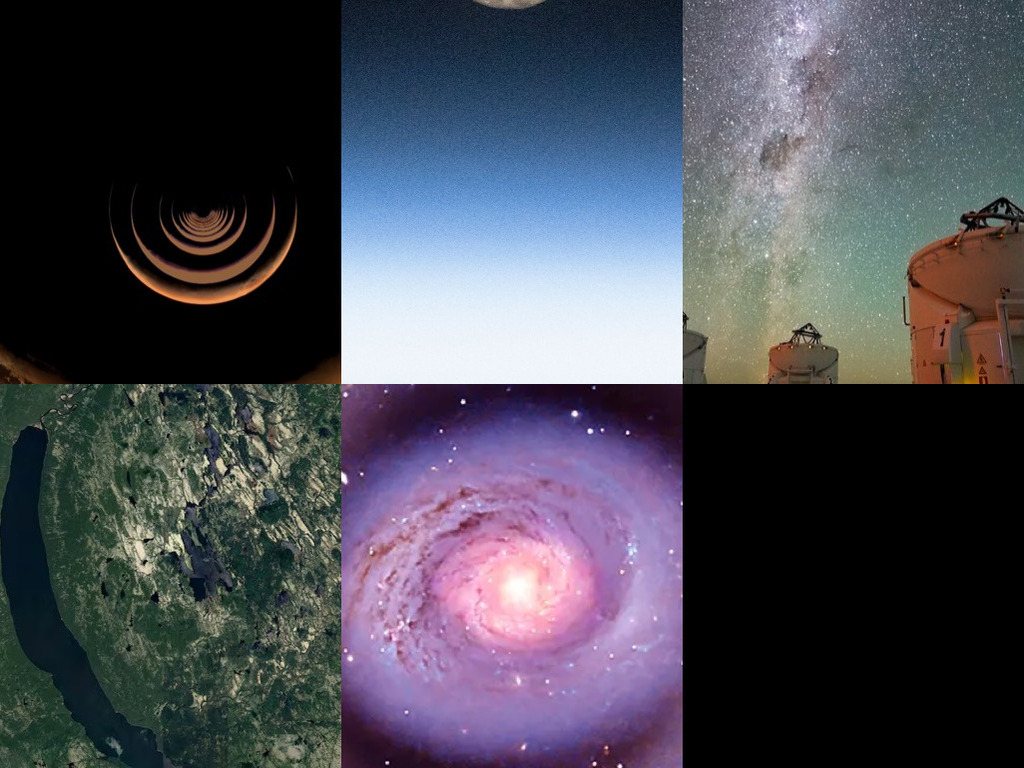
These images span the journey from our own backyard to distant galaxies, featuring Mars, the Moon, breathtaking night skies, and a fresh view of the star-forming galaxy Messier 94. Along the way, we celebrate exploration and discovery—from NASA’s Psyche mission preparing for its asteroid encounter to the revelation of a previously unknown impact crater on Earth —reminding us that there are still new wonders to uncover both on our own planet and across the cosmos. #PPOD
Featured Image
Jul 29, 2026
Planetary Picture of the Day - Week of July 20, 2026
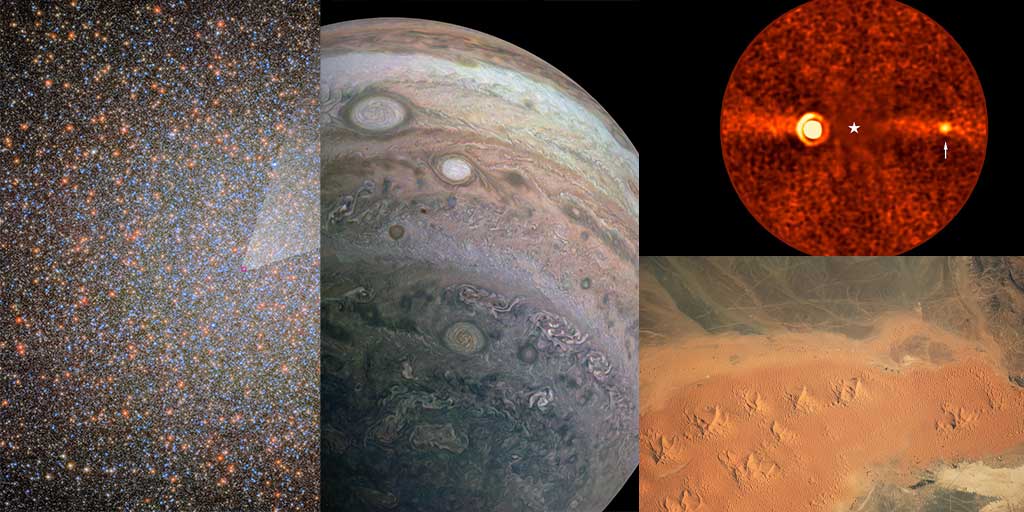
This week, we celebrate fifty years since Viking 1 became the first spacecraft to successfully land on and photograph the surface of Mars, alongside stunning new views of worlds, stars, and galaxies that continue to expand our understanding of the universe. From sculpted Sahara sand dunes and Jupiter’s colorful cloud bands to a newly discovered exoplanet and the first stellar-mass black hole identified in Omega Centauri, these images showcase the remarkable diversity of cosmic exploration. #PPOD
Research

Related Projects

Featured Image
SkyMapper • SETI • Citizen Science • Astronomy
SkyMapper: Expanding Access to Real-time Astronomy Through a Global Astronomical Network
SkyMapper and the SETI Institute are connecting educators, students and the public to live astronomical observations through a distributed astronomical network. #SkyMapper #SETI #Citizen Science #Astronomy
Featured Image
VPL
Virtual Planetary Laboratory
How can we best assess whether an exoplanet supports life? #VPL
Featured Image
Discovery and Futures Lab
What happens if life beyond Earth is discovered? The Discovery and Futures Lab at the SETI Institute fosters novel and anticipatory research at the intersection of science, society, our planet, and the search for life beyond Earth.  #Discovery and Futures Lab
Support Us

Support the
SETI Institute

Scientists are getting closer in their search for life beyond earth. But with limited federal funding for the search for extraterrestrial intelligence, supporters are the reason cutting-edge scientists can keep their eyes on the sky.