Wednesday, Jul 24, 2024

Planetary Picture of the Day

Week of July 15, 2024

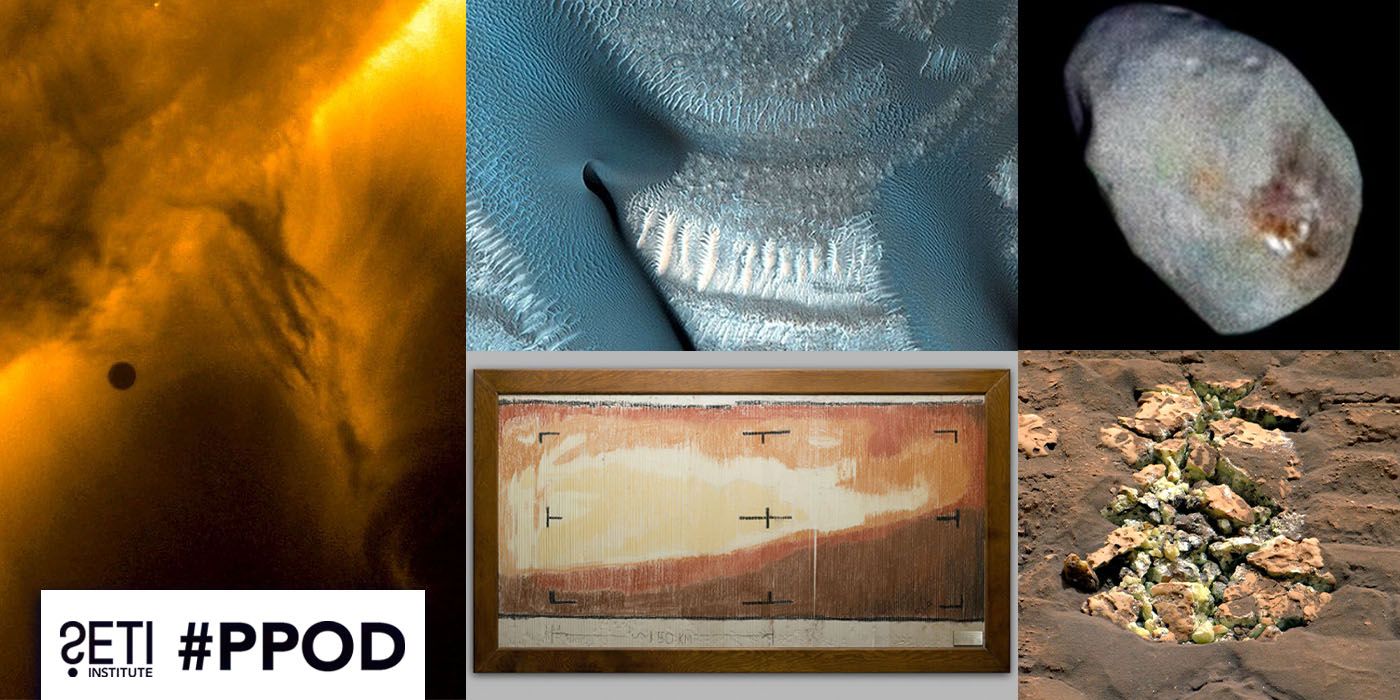
Sulfur-bearing rock on Mars? Yes, we have that. Plus a hand-colored image from Mars, a layered crater on Mars, Mercury in transit, and Pluto's moon Nix.

Monday, 15 July 2024
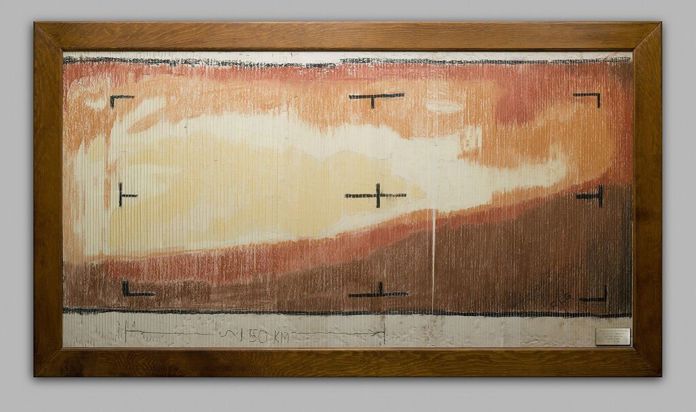

Credit: NASA/JPL/Dan Goods


First Digital Image From Mars

On this date in 1965, Mariner 4 made its closest approach to Mars, simultaneously making history by taking the first photos of another planet from space. A "real-time data translator" machine converted digital image data into numbers printed on paper strips. Too anxious to wait for the official processed image, employees from the Voyager Telecommunications Section at NASA's Jet Propulsion Laboratory attached these strips to a display panel and hand-colored the numbers like a paint-by-numbers picture. The completed image was framed and presented to JPL director, William H. Pickering. The 22 photographs revealed the existence of lunar-type craters upon a desert-like surface.


Tuesday, 16 July 2024
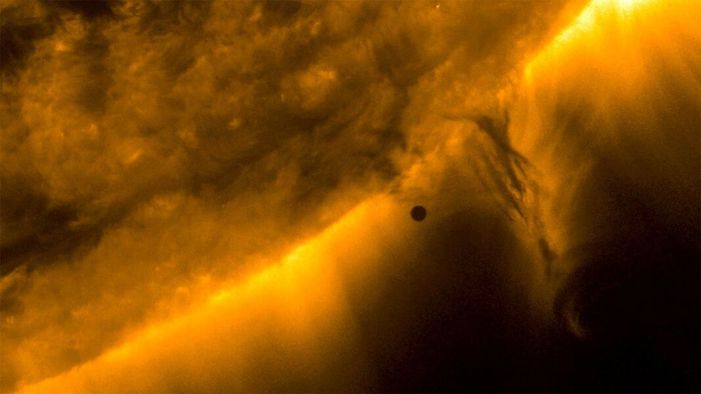

Credit: ESA/NASA/Solar Orbiter/EUI Team


Mercury in Transit

This image of Mercury transiting the Sun was taken on 3 January 2023 by the ESA/NASA Solar Orbiter’s Extreme Ultraviolet Imager instrument. At the time, Mercury was 46.7 million kilometers from the Sun.


Wednesday, 17 June 2024
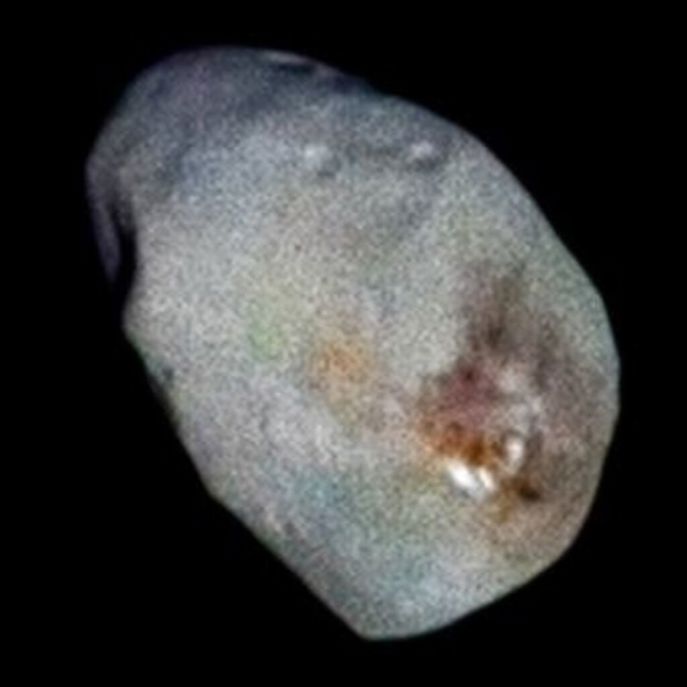

Credit: NASA/JHU-APL/SwRI/Roman Tkachenko


Janus in Front of Saturn

This is the best view of Nix, a natural satellite of Pluto, with a diameter of 49.8 km across its longest dimension. The tiny moon was discovered along with Pluto's outermost moon Hydra on 15 May 2005 by astronomers using the Hubble Space Telescope in advance of the arrival of the New Horizons spacecraft. The large reddish area is possibly an impact crater.


Thursday, 18 July 2024
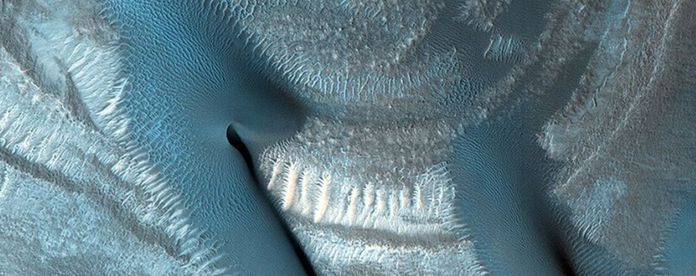

Credit: NASA/JPL-Caltech/UArizona Image #: ESP_025001_2255


Layers in a Crater in Nilosyrtis, Mars

This impact crater in the Nilosyrtis region of Mars contains numerous layers that are exposed along its floor. These layers formed long after the impact event and are likely deposits of dust and ice. Also, look at these dunes of dark sand that probably blew in from the surrounding terrain. This image is less than a kilometer across. The blue filter is applied to extract information about texture and composition. The natural color would be rusty brown.


Friday, 19 July 2024
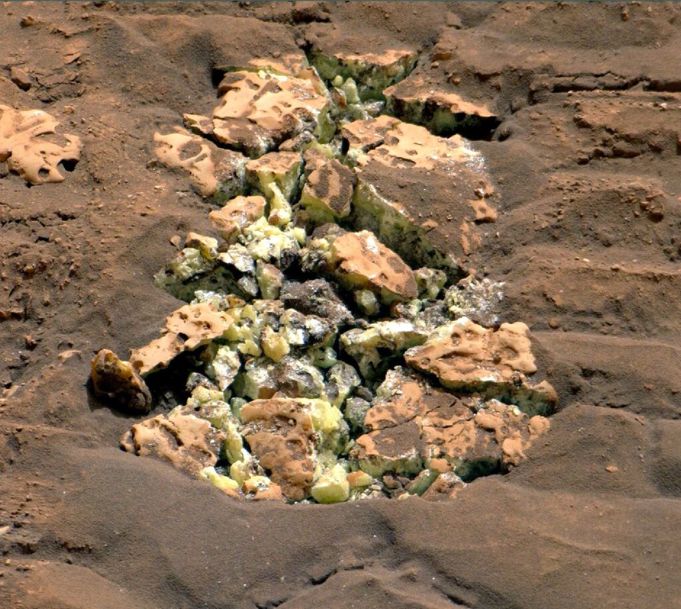

Credit: NASA/JPL-Caltech


CRONCH

NASA's Curiosity rover ran over a rock and found crystals inside! They're pure sulfur. Elemental sulfur is something we’ve never seen before on Mars. We don't know much about these yellow crystals yet, but the team is already at work to figure it out!

News

Related News

Featured Image
Sep 2, 2026
Planetary Picture of the Day - Week of August 24, 2026
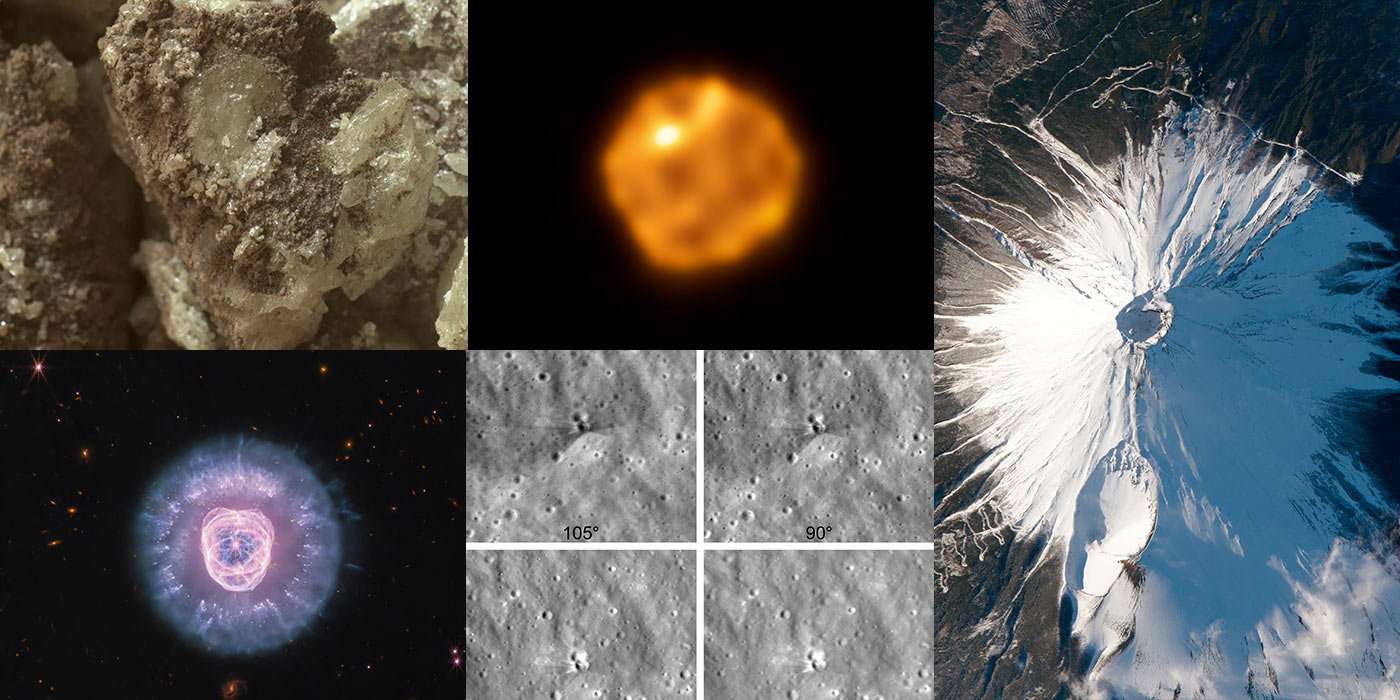
We journey from Mount Fuji as seen from orbit to the bubbling surface of Betelgeuse, exploring the forces that shape planets, moons, and stars across the cosmos. Along the way, JWST reveals the remains of a dying star, Curiosity uncovers clues to Mars’ volcanic past, and a fresh rocket impact on the Moon gives scientists a new opportunity to study how collisions reshape its surface. #PPOD
Featured Image
Aug 26, 2026
Planetary Picture of the Day - Week of August 17, 2026
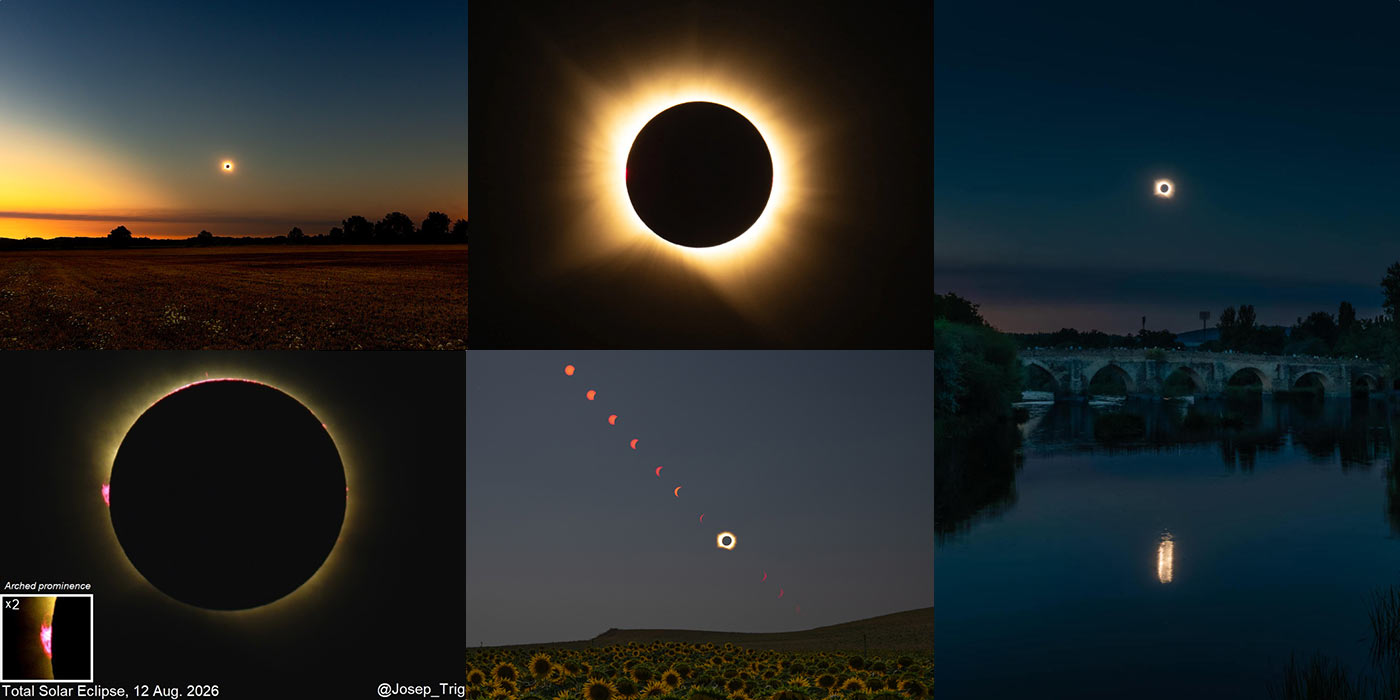
Let's celebrate the August 12 total solar eclipse through the eyes of photographers who experienced the Moon’s shadow sweeping across Spain. From Baily’s Beads and a glowing solar prominence to totality reflected in a river and framed by fields of sunflowers, these images capture both the science and extraordinary beauty of one of nature’s most spectacular celestial events. #PPOD #Eclipse
Featured Image
Aug 19, 2026
Planetary Picture of the Day - Week of August 10, 2026
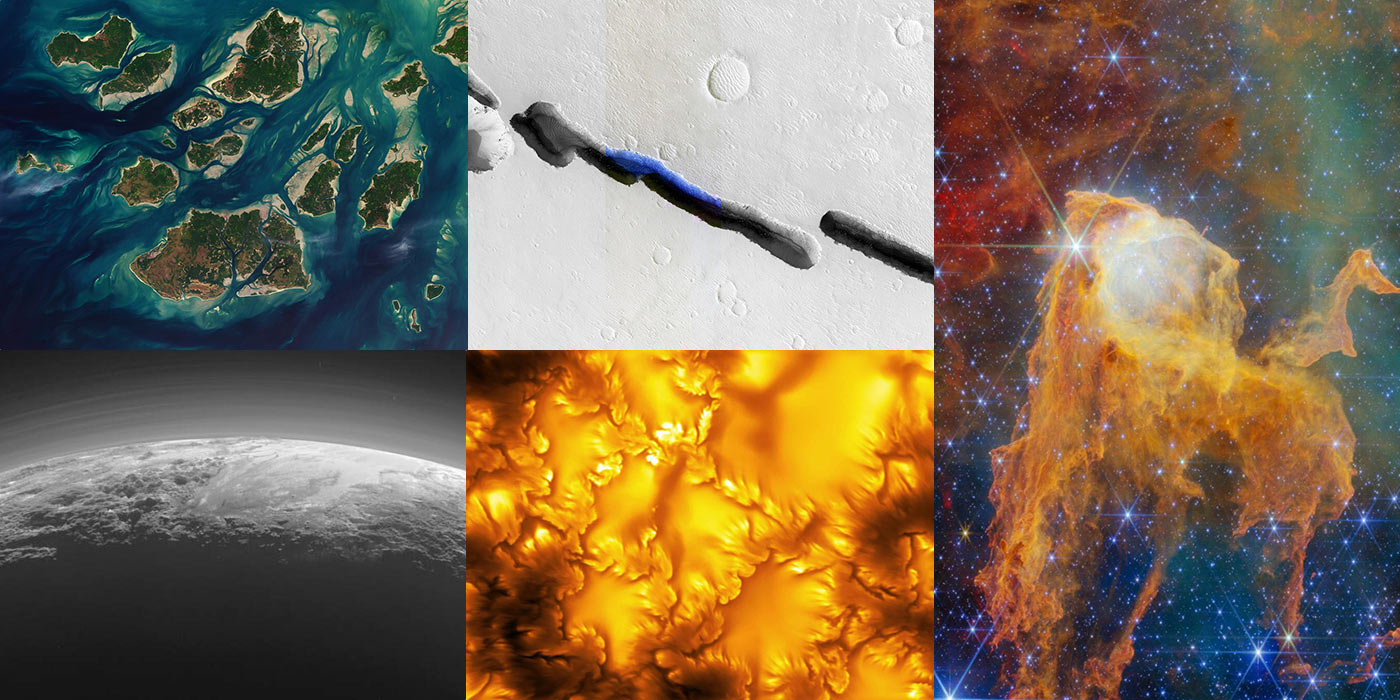
The universe is shaped by forces both immense and intricate, from fractured terrain on Mars and shifting tidal landscapes on Earth to tiny vortices dancing across the surface of the Sun. Farther afield, dramatic views of Pluto’s icy mountains and hazy atmosphere and a treasure chest of newborn stars in the Carina Nebula showcase the remarkable detail revealed by spacecraft and telescopes exploring the cosmos. #PPOD
Featured Image
Aug 12, 2026
Planetary Picture of the Day - August 3, 2026
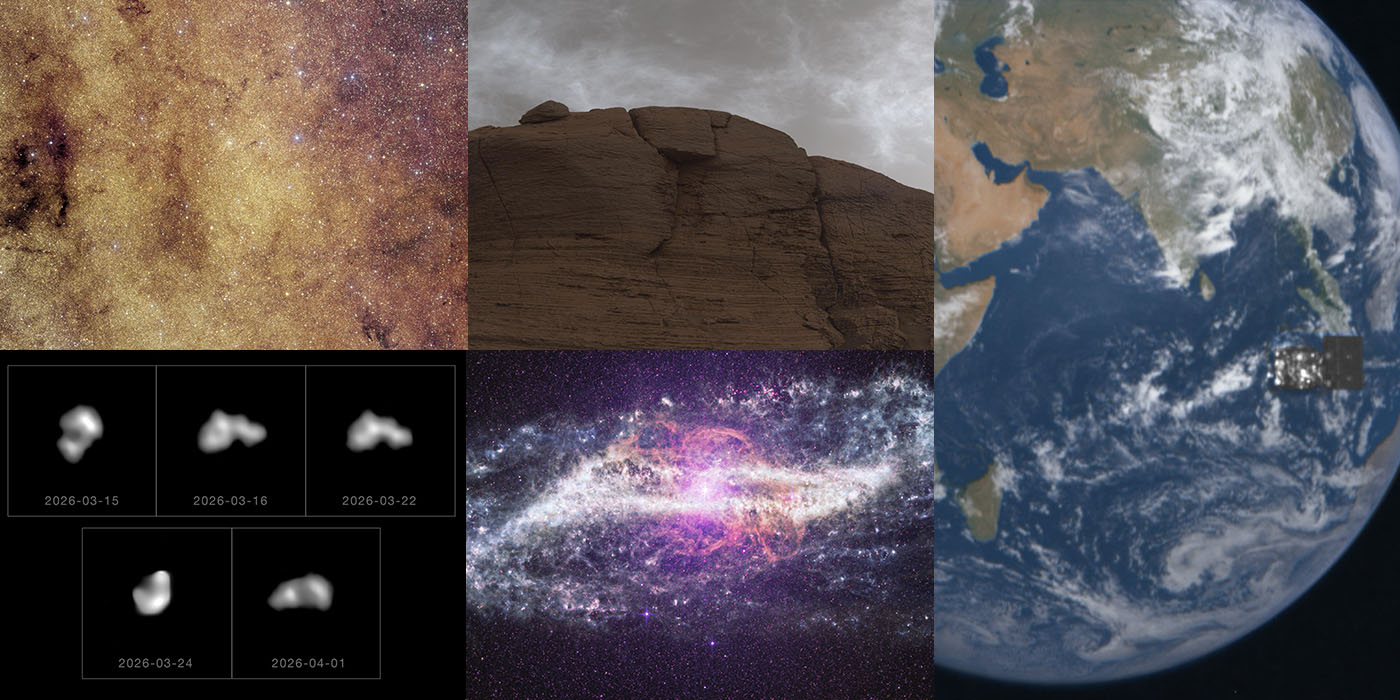
This week, we reveal hidden wonders across the cosmos, from delicate Martian clouds and a dust-shrouded galaxy to an asteroid with a never-before-seen shape and the crowded heart of the Milky Way. Together, these images showcase how new missions and advanced observatories continue to uncover surprising details about our solar system, our galaxy, and the universe beyond. #PPOD
Featured Image
Aug 5, 2026
Planetary Picture of the Day - Week of July 27, 2026
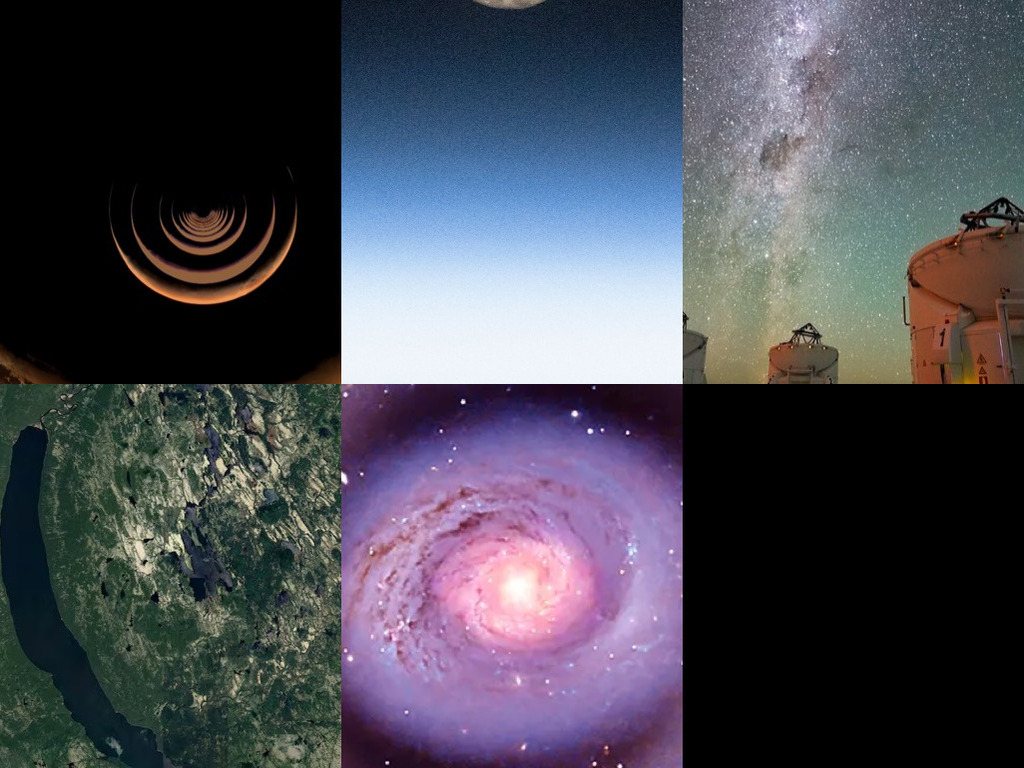
These images span the journey from our own backyard to distant galaxies, featuring Mars, the Moon, breathtaking night skies, and a fresh view of the star-forming galaxy Messier 94. Along the way, we celebrate exploration and discovery—from NASA’s Psyche mission preparing for its asteroid encounter to the revelation of a previously unknown impact crater on Earth —reminding us that there are still new wonders to uncover both on our own planet and across the cosmos. #PPOD
Featured Image
Jul 29, 2026
Planetary Picture of the Day - Week of July 20, 2026
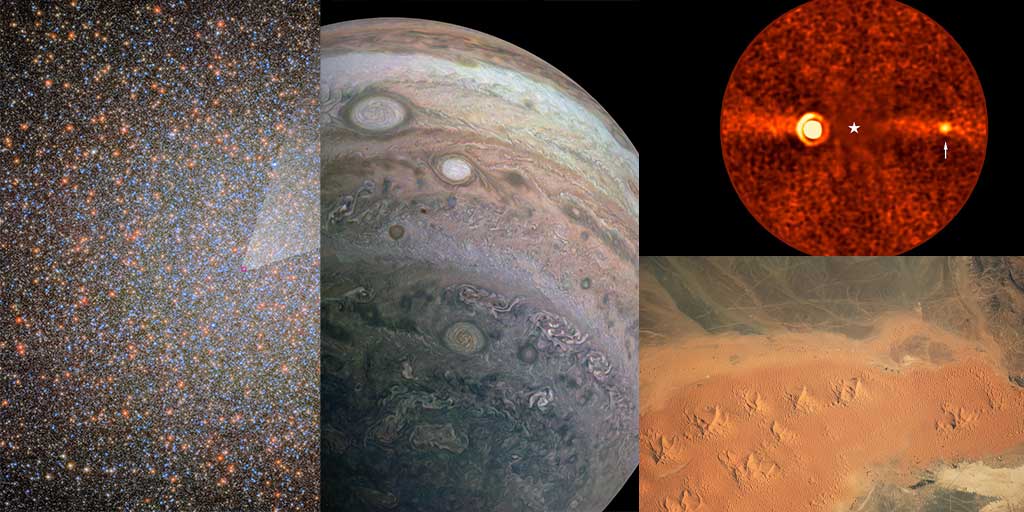
This week, we celebrate fifty years since Viking 1 became the first spacecraft to successfully land on and photograph the surface of Mars, alongside stunning new views of worlds, stars, and galaxies that continue to expand our understanding of the universe. From sculpted Sahara sand dunes and Jupiter’s colorful cloud bands to a newly discovered exoplanet and the first stellar-mass black hole identified in Omega Centauri, these images showcase the remarkable diversity of cosmic exploration. #PPOD
Research

Related Projects

Featured Image
SkyMapper • SETI • Citizen Science • Astronomy
SkyMapper: Expanding Access to Real-time Astronomy Through a Global Astronomical Network
SkyMapper and the SETI Institute are connecting educators, students and the public to live astronomical observations through a distributed astronomical network. #SkyMapper #SETI #Citizen Science #Astronomy
Featured Image
VPL
Virtual Planetary Laboratory
How can we best assess whether an exoplanet supports life? #VPL
Featured Image
Discovery and Futures Lab
What happens if life beyond Earth is discovered? The Discovery and Futures Lab at the SETI Institute fosters novel and anticipatory research at the intersection of science, society, our planet, and the search for life beyond Earth.  #Discovery and Futures Lab
Support Us

Support the
SETI Institute

Scientists are getting closer in their search for life beyond earth. But with limited federal funding for the search for extraterrestrial intelligence, supporters are the reason cutting-edge scientists can keep their eyes on the sky.