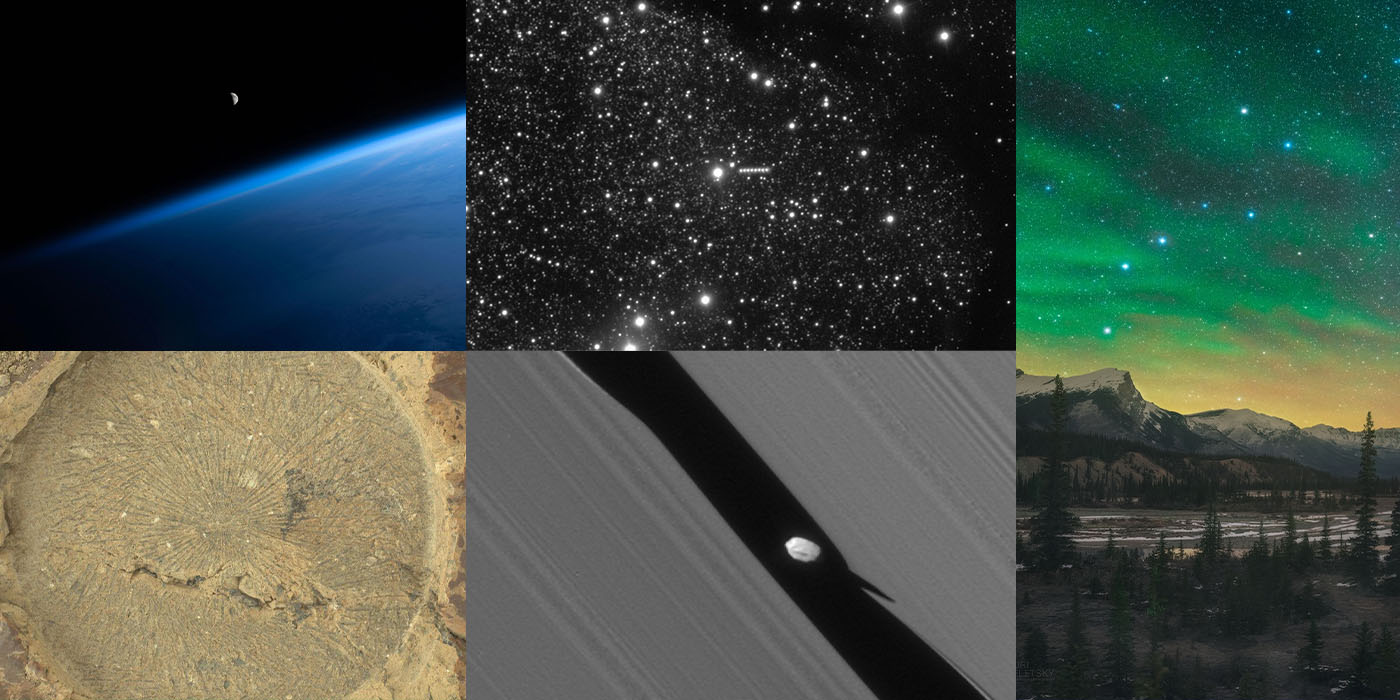







Sometimes, otherworldly means an experience that doesn't seem to be of Earth, even if it is. Sometimes, otherworldly is literally about another world. This week, we showcase both kinds of images, from a crescent moon above Earth and the green airflow of our atmosphere to a tiny shepherd moon orbiting in Saturn's rings and a visiting interstellar comet. Plus, the Perseverance rover scratched up a rock... for science!
Monday, 7 July 2025
Shepherd Moon
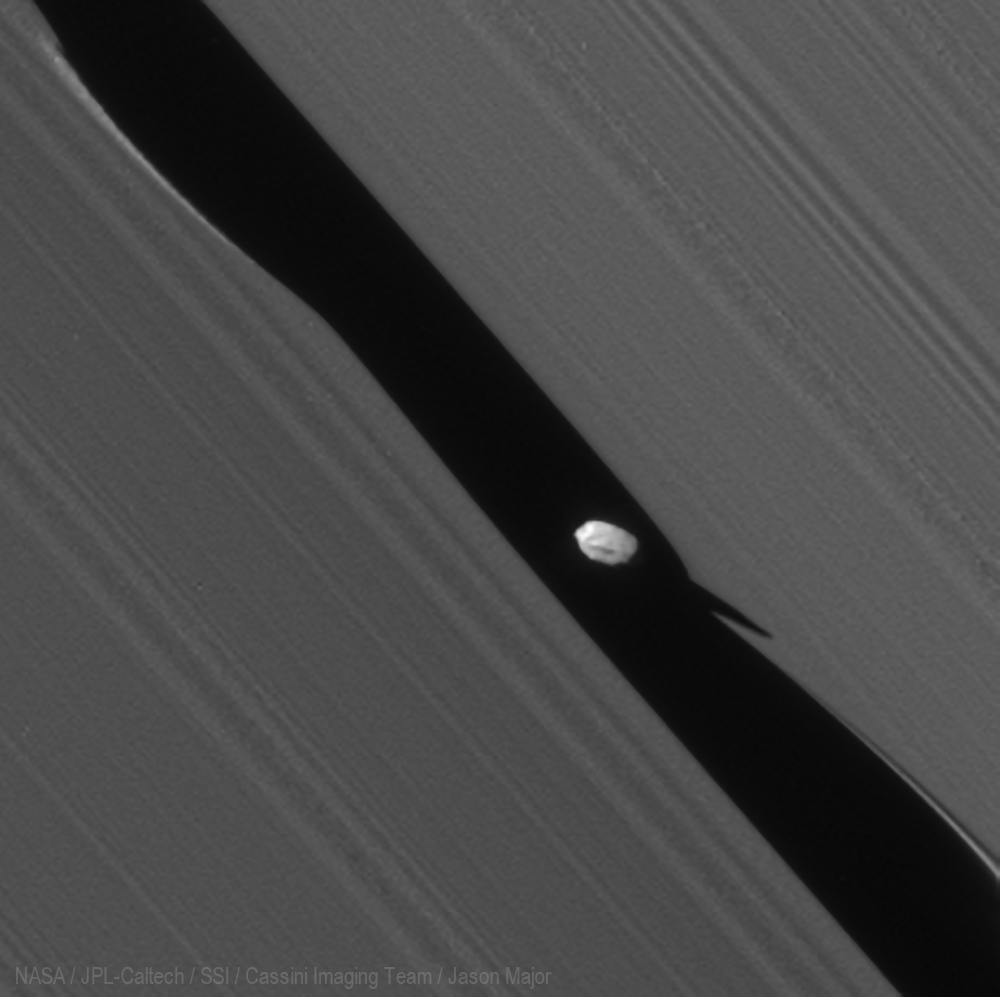
This image showcases the 9.8-kilometer-long moon Daphnis as it journeys within the Keeler Gap of Saturn's A ring, captured by Cassini's narrow-angle camera 15 years ago on July 5, 2010. As Daphnis orbits Saturn, it induces gravitational ripples along the edges of the gap. The ring particles are drawn toward the moon and then settle back into the ring. The waves generated by the moon on the inner edge of the gap advance ahead of it in orbit, while those on the outer edge trail behind due to variations in relative orbital velocities.
Tuesday, 8 July 2025
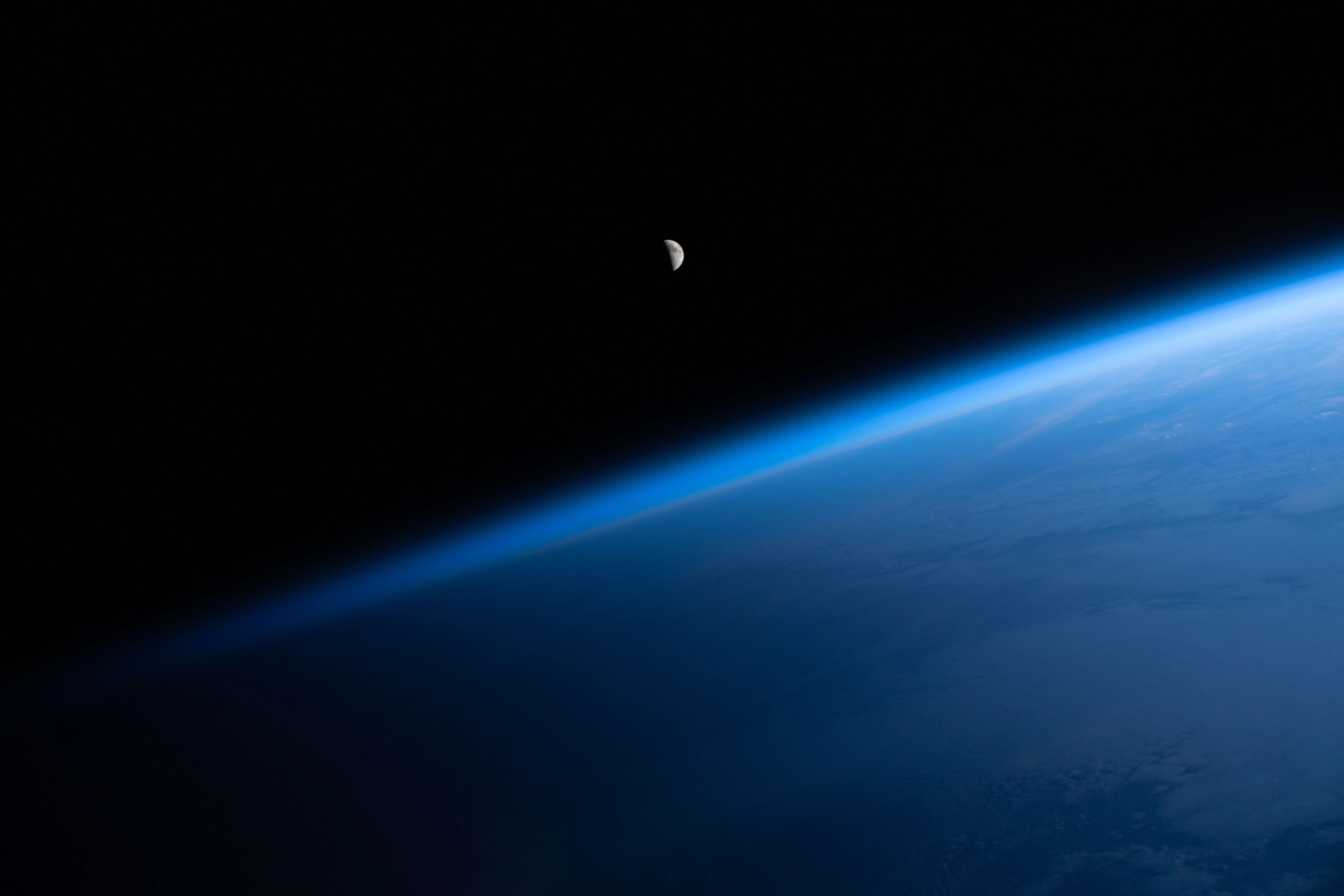
Waning Crescent Moon
NASA astronaut Bob Hines took this picture of the waning crescent moon on May 8, 2022, as the International Space Station flew into an orbital sunrise 260 miles above the Atlantic Ocean off the northwest coast of the United States. Since the station became operational in November 2000, crew members have produced hundreds of thousands of images of our Moon and Earth through Crew Earth Observations.
Wednesday, 9 July 2025
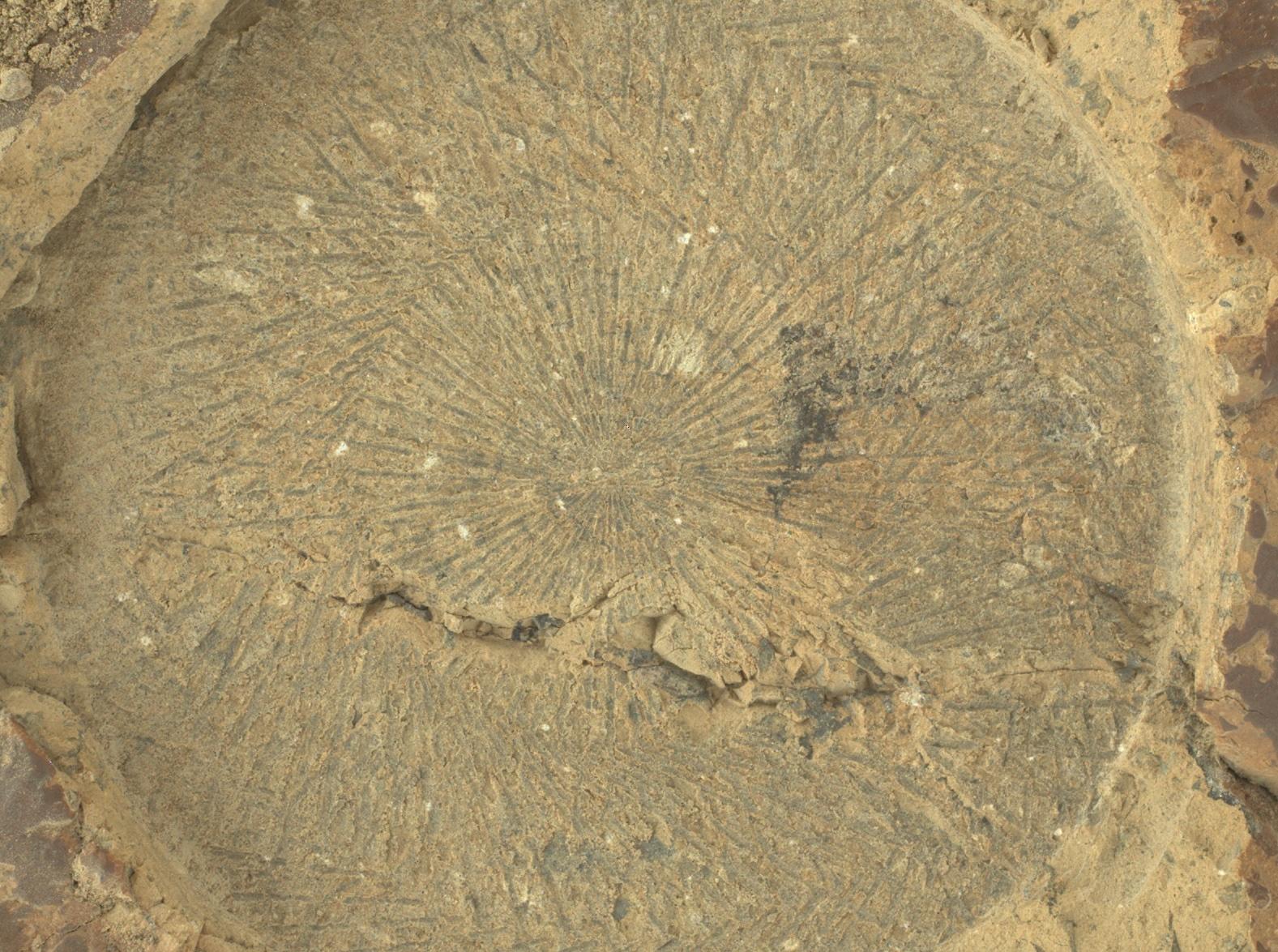
'Kenmore' Abrasion Patch
This close-up view of an abrasion made by NASA's Perseverance rover on June 5, 2025, shows distinctive "tool marks" formed as the abrasion bit interacted with the rock. These radiating patterns of lines tend to indicate that the rock is relatively hard. The image was taken from approximately 7 centimeters away by the rover's WATSON (Wide Angle Topographic Sensor for Operations and eNgineering) imager.
A maroon-brown rock coating is visible at the far edges and corners of the image. This coating was chipped off and removed within the area of the patch by the abrasion process.
Most of the distinctive white, millimeter-sized grains set within a finer-grained gray matrix contain feldspar (an aluminum silicate mineral). The irregularly shaped dark patches in the upper right quadrant, as well as those within the fracture that cuts through the lower half of the abrasion, are composed chiefly of manganese and nickel.
Thursday, 10 July 2025
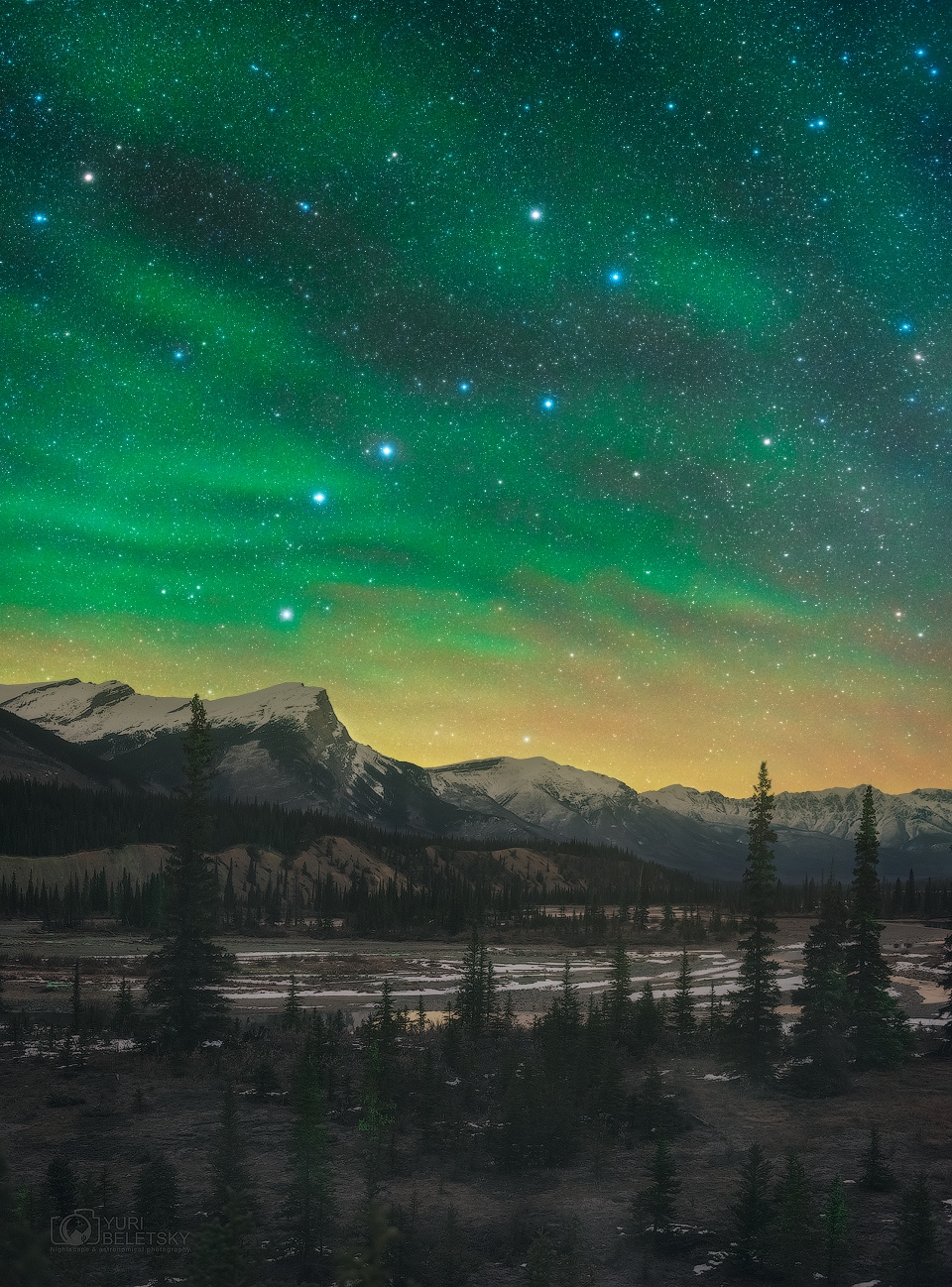
Dipping into Airglow
The Big Dipper hovers above the Canadian Rockies in this breathtaking mountain and night sky image captured at Banff National Park in 2018. What truly stands out, however, is the stunning greenish airglow. This airglow is displayed here in undulating patterns and is caused by chemiluminescence, a process in which light is produced through chemical excitation and subsequent radiative decay. The energy for this chemical excitation comes from the Sun's extreme ultraviolet rays during the day. Unlike aurorae, which are confined to high-latitude regions, airglow can be observed worldwide.
The scene was documented in two shots using one camera: one exposure followed the stars, while the other remained anchored on a tripod.
Friday, 11 July 2025
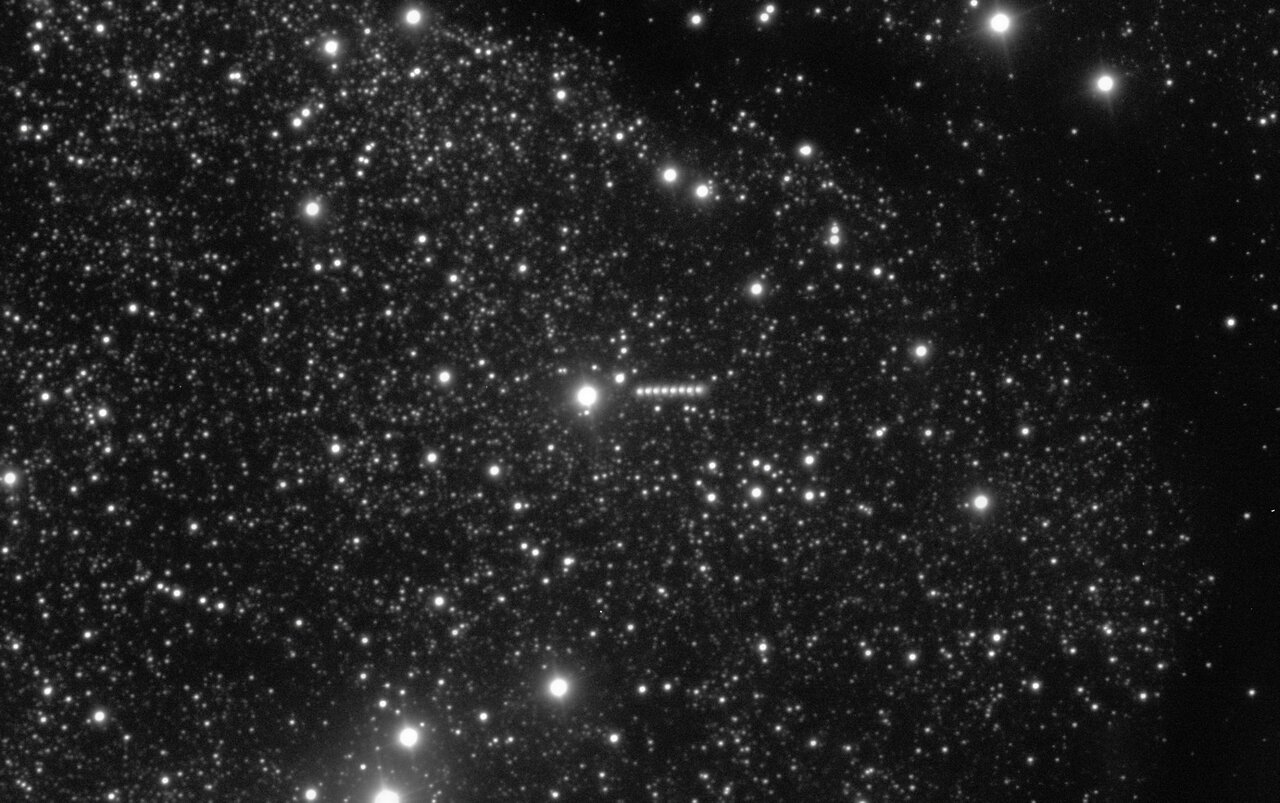
Interstellar Comet 3I/ATLAS
ESO’s Very Large Telescope (VLT) has obtained new images of 3I/ATLAS, an interstellar object discovered last week. Identified as a comet, 3I/ATLAS is only the third visitor from outside the Solar System ever found, after 1I/ʻOumuamua and 2I/Borisov. Its highly eccentric hyperbolic orbit, unlike that of objects in the Solar System, gave away its interstellar origin.
In this image, several VLT observations have been overlaid, showing the comet as a series of dots that move to the right of the image over approximately 13 minutes on the night of July 3, 2025. The data were obtained with the FORS2 instrument and are available in the ESO archive.
News
Related News
Planetary Picture of the Day - Week of August 24, 2026
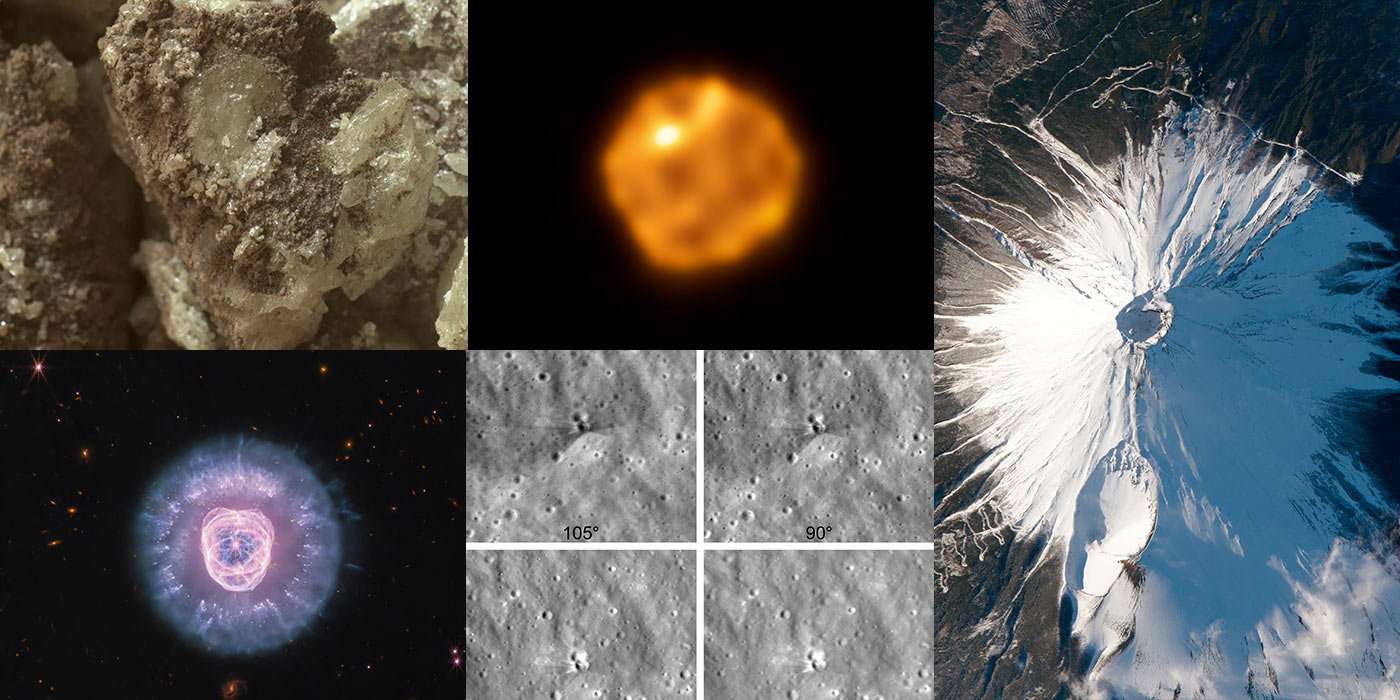
We journey from Mount Fuji as seen from orbit to the bubbling surface of Betelgeuse, exploring the forces that shape planets, moons, and stars across the cosmos. Along the way, JWST reveals the remains of a dying star, Curiosity uncovers clues to Mars’ volcanic past, and a fresh rocket impact on the Moon gives scientists a new opportunity to study how collisions reshape its surface. #PPOD

Planetary Picture of the Day - Week of August 17, 2026
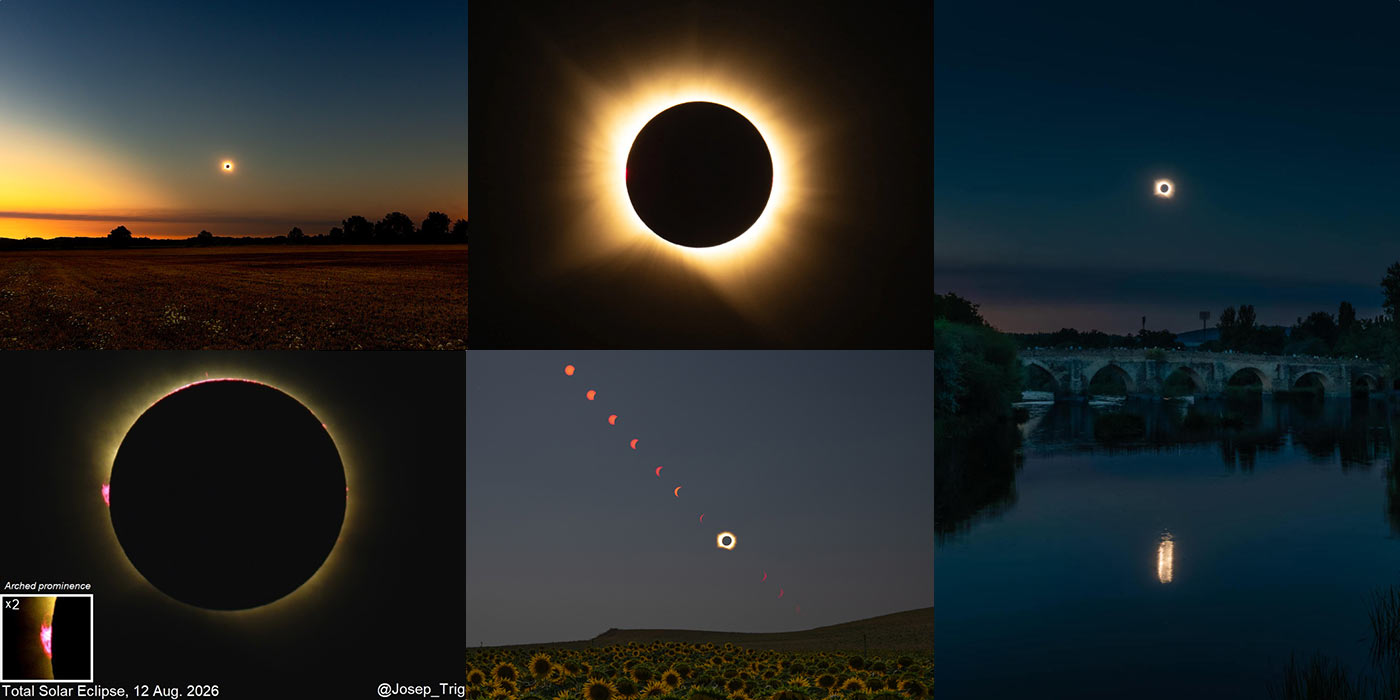
Let's celebrate the August 12 total solar eclipse through the eyes of photographers who experienced the Moon’s shadow sweeping across Spain. From Baily’s Beads and a glowing solar prominence to totality reflected in a river and framed by fields of sunflowers, these images capture both the science and extraordinary beauty of one of nature’s most spectacular celestial events. #PPOD #Eclipse
Planetary Picture of the Day - Week of August 10, 2026
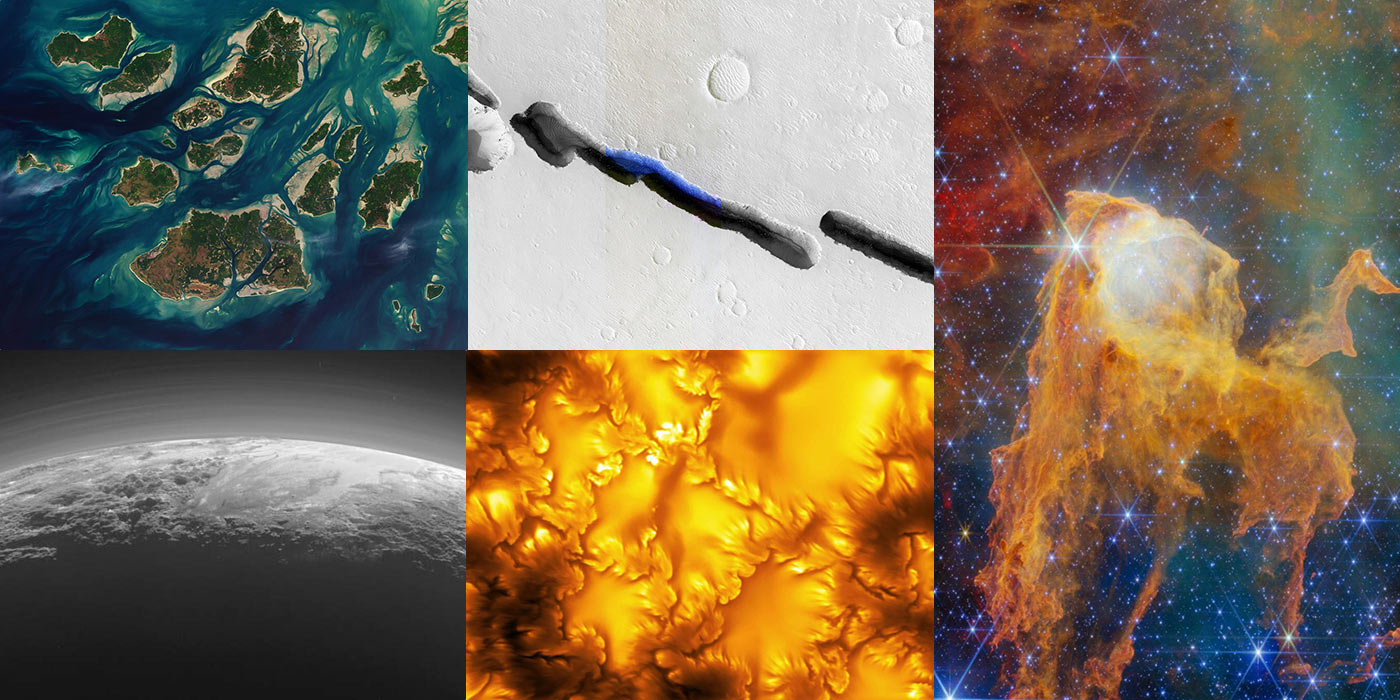
The universe is shaped by forces both immense and intricate, from fractured terrain on Mars and shifting tidal landscapes on Earth to tiny vortices dancing across the surface of the Sun. Farther afield, dramatic views of Pluto’s icy mountains and hazy atmosphere and a treasure chest of newborn stars in the Carina Nebula showcase the remarkable detail revealed by spacecraft and telescopes exploring the cosmos. #PPOD
Planetary Picture of the Day - August 3, 2026
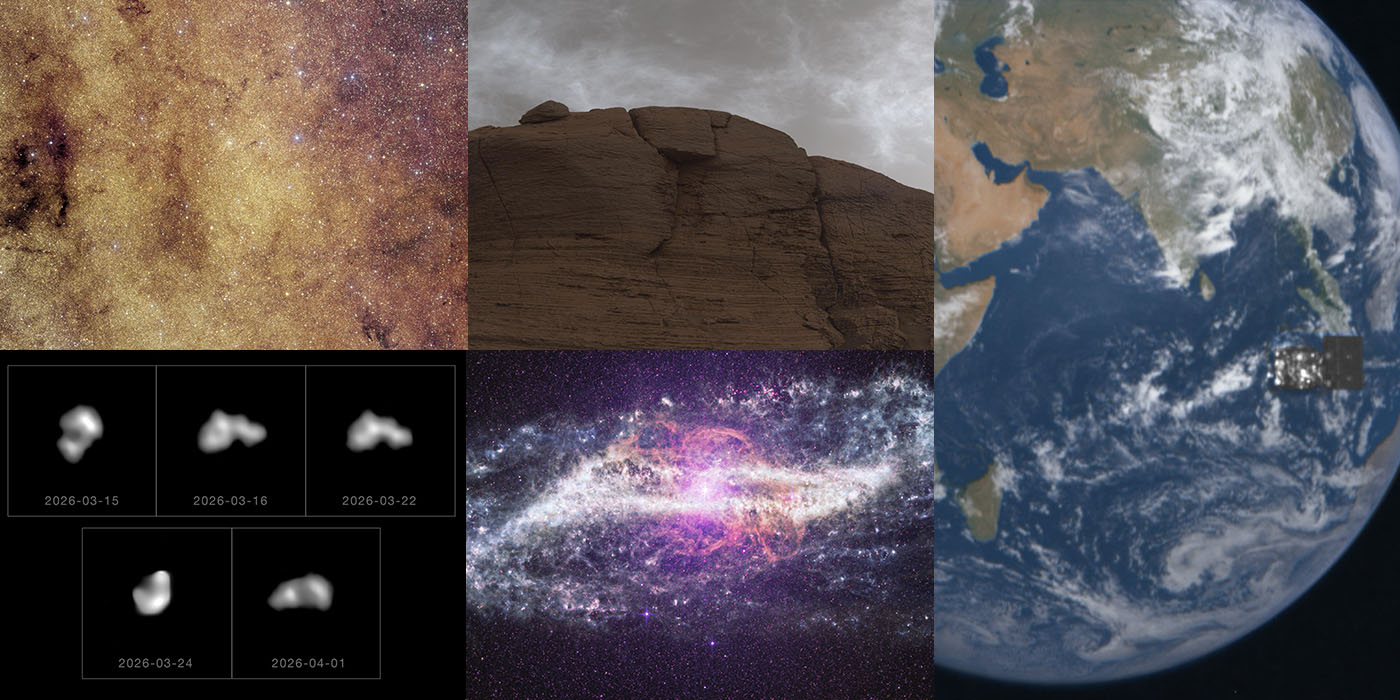
This week, we reveal hidden wonders across the cosmos, from delicate Martian clouds and a dust-shrouded galaxy to an asteroid with a never-before-seen shape and the crowded heart of the Milky Way. Together, these images showcase how new missions and advanced observatories continue to uncover surprising details about our solar system, our galaxy, and the universe beyond. #PPOD
Planetary Picture of the Day - Week of July 27, 2026
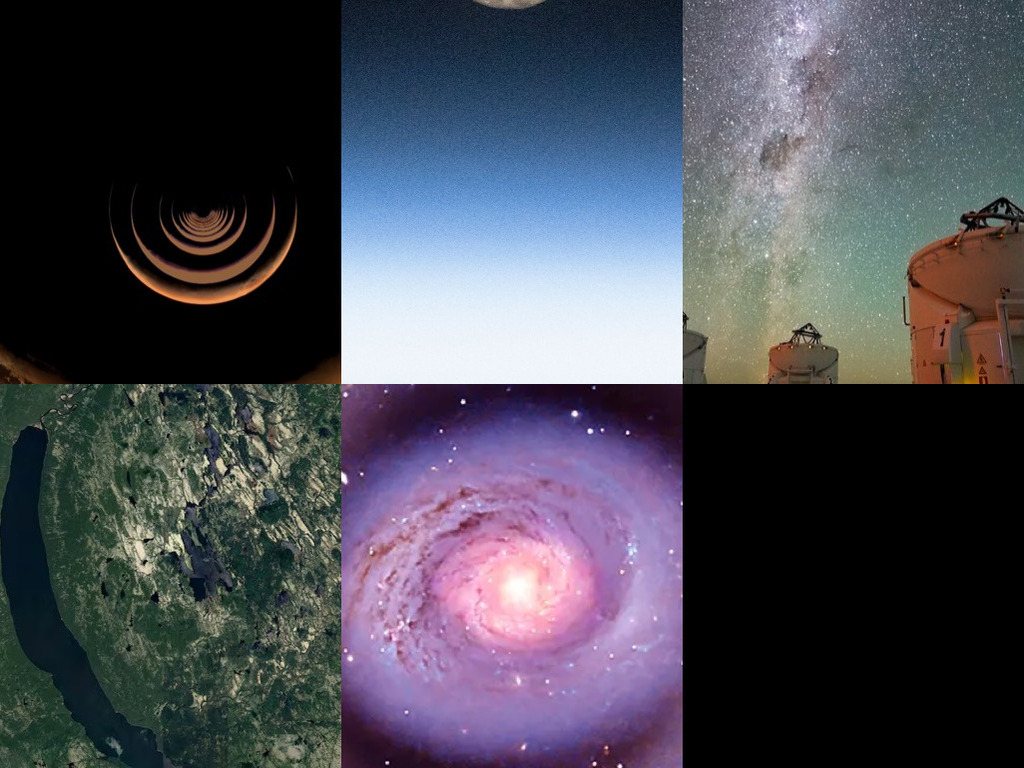
These images span the journey from our own backyard to distant galaxies, featuring Mars, the Moon, breathtaking night skies, and a fresh view of the star-forming galaxy Messier 94. Along the way, we celebrate exploration and discovery—from NASA’s Psyche mission preparing for its asteroid encounter to the revelation of a previously unknown impact crater on Earth —reminding us that there are still new wonders to uncover both on our own planet and across the cosmos. #PPOD
Planetary Picture of the Day - Week of July 20, 2026
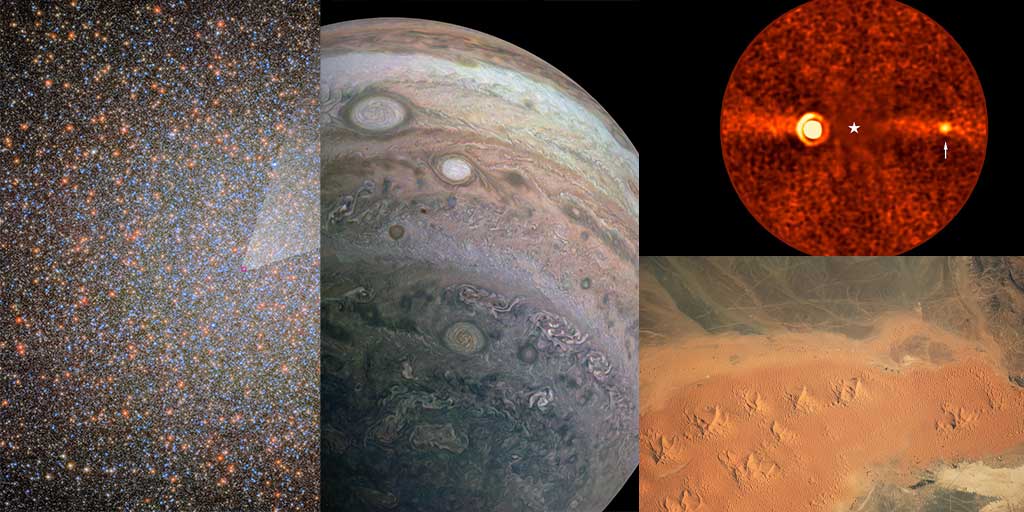
This week, we celebrate fifty years since Viking 1 became the first spacecraft to successfully land on and photograph the surface of Mars, alongside stunning new views of worlds, stars, and galaxies that continue to expand our understanding of the universe. From sculpted Sahara sand dunes and Jupiter’s colorful cloud bands to a newly discovered exoplanet and the first stellar-mass black hole identified in Omega Centauri, these images showcase the remarkable diversity of cosmic exploration. #PPODResearch
Related Projects
SkyMapper: Expanding Access to Real-time Astronomy Through a Global Astronomical Network
SkyMapper and the SETI Institute are connecting educators, students and the public to live astronomical observations through a distributed astronomical network. #SkyMapper #SETI #Citizen Science #Astronomy
Virtual Planetary Laboratory
How can we best assess whether an exoplanet supports life? #VPL
Discovery and Futures Lab
What happens if life beyond Earth is discovered? The Discovery and Futures Lab at the SETI Institute fosters novel and anticipatory research at the intersection of science, society, our planet, and the search for life beyond Earth. #Discovery and Futures LabSupport the
SETI Institute
Scientists are getting closer in their search for life beyond earth. But with limited federal funding for the search for extraterrestrial intelligence, supporters are the reason cutting-edge scientists can keep their eyes on the sky.