







Wednesday, Feb 18, 2026

Credit: NASA/SDO

Tuesday, 10 February 2026

Strong Solar Flare

This Feb. 4, 2026, image from NASA’s Solar Dynamics Observatory (SDO) captures a strong solar flare erupting from the star. Solar flares are powerful bursts of energy that, along with other types of solar eruptions, can impact radio communications, electric power grids, and navigation signals and pose risks to spacecraft and astronauts. The flare pictured was classified as an X4.2 flare. X-class flares are the most intense, and the number provides more information about their strength.

SDO measures the Sun’s properties and solar activity to help us better understand the Sun’s magnetic changes. By studying flares and how they affect our planet and nearby space, SDO helps us better prepare for and respond to these potential disruptions.

Credit: NASA/STScI/A. Pagan

Wednesday, 11 February 2026

JWST Reveals Dark Matter

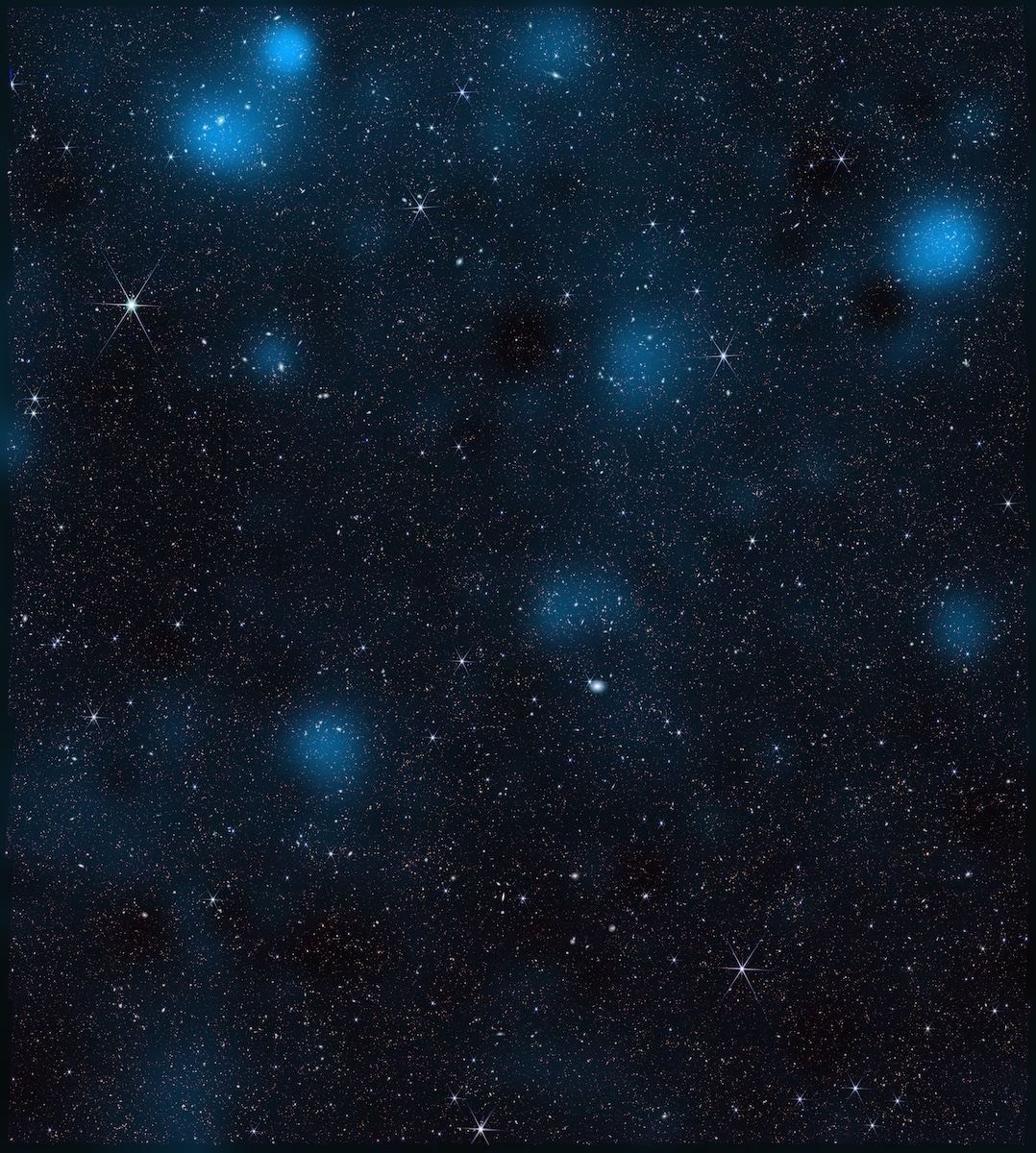
This image from NASA’s James Webb Space Telescope, containing nearly 800,000 galaxies, is overlaid with a map of dark matter, represented in blue. Brighter blue areas indicate a higher density of dark matter. Researchers used JWST data to detect dark matter — which is invisible — through its gravitational influence on ordinary matter.

The area of sky shown here is 0.54 square degrees (about 2½ times the size of the full Moon) and located in the constellation Sextans. Webb’s Near-Infrared Camera (NIRCam) peered at this region for a total of about 255 hours.

Credit: Contains modified Copernicus Sentinel data (2025), processed by ESA

Thursday, 12 February 2026

Olympic View

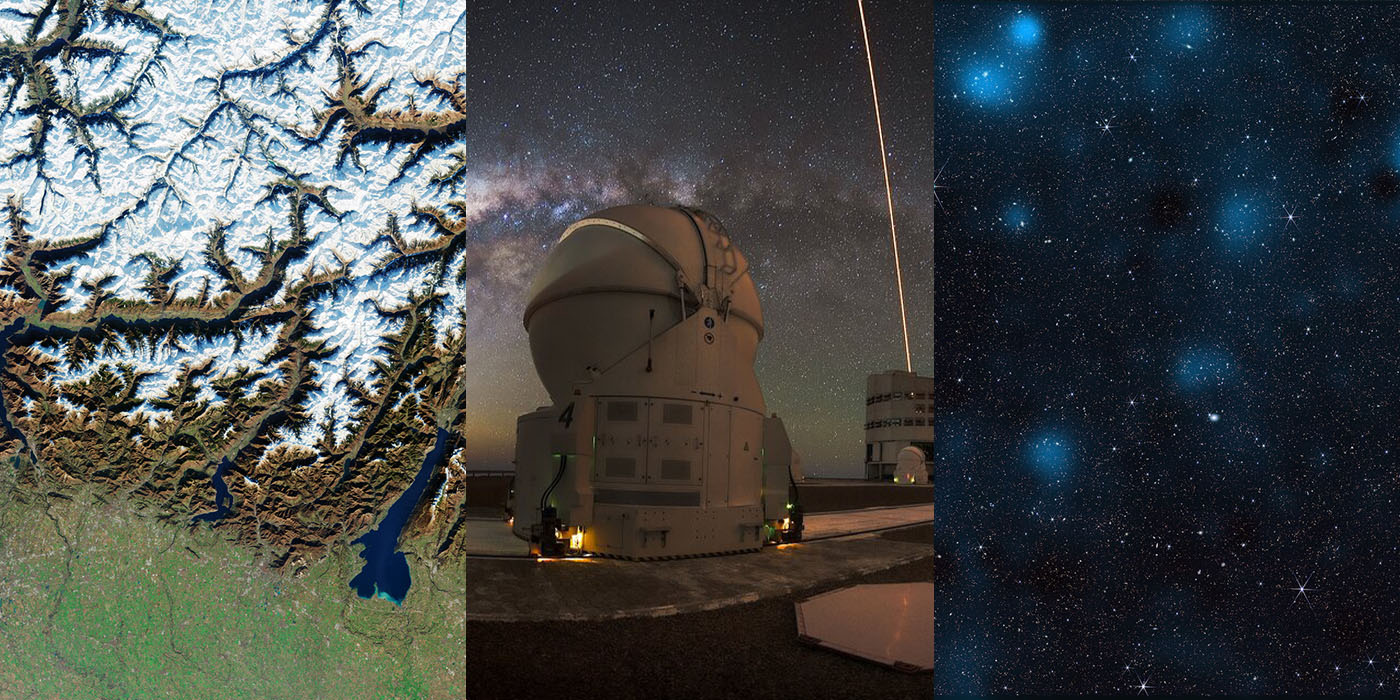
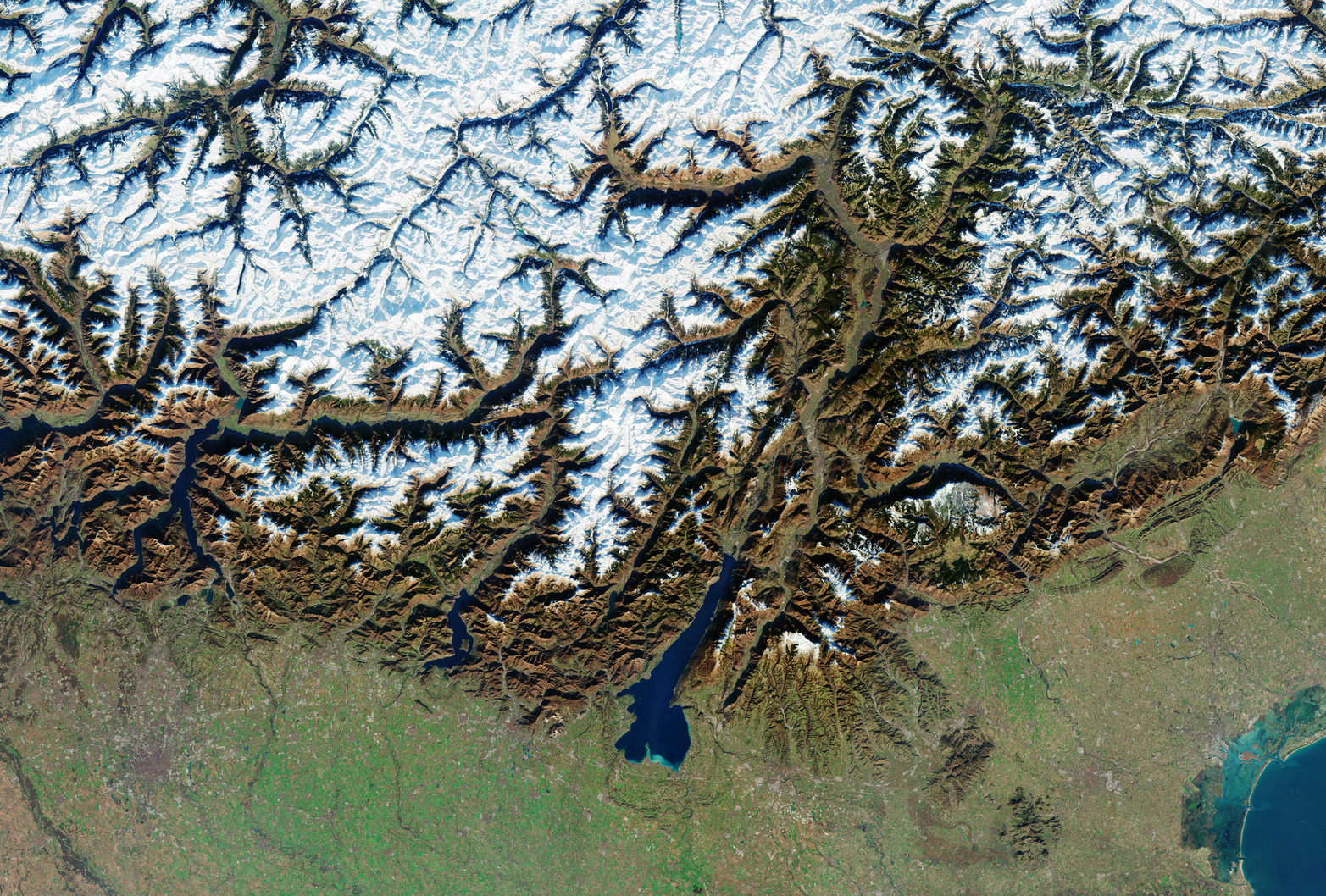
The Copernicus Sentinel-2 mission brings us a striking view of northern Italy, highlighting several key Olympic venues for the 2026 Winter Olympics.

Also known as the Milano Cortina Games, this year’s Olympics are geographically widespread, with events taking place simultaneously in different regions and venues across northern Italy, including Milan, Bormio, Livigno, Anterselva, Cortina d’Ampezzo, Predazzo, Tesero, and Verona.

The upper part of this cloud-free image is dominated by the Alps' mountains and valleys, where most venues are located.

To the northeast lies Cortina d’Ampezzo, the town that lends its name to this year’s Games. Often called the Pearl of the Dolomites, Cortina sits at the heart of these dramatic mountains, also a UNESCO World Heritage site. A renowned winter sports resort, Cortina also hosted the 1956 Winter Olympics.

Credit: A. Trigo/ESO

Friday, 13 February 2026

The Marvels of Paranal

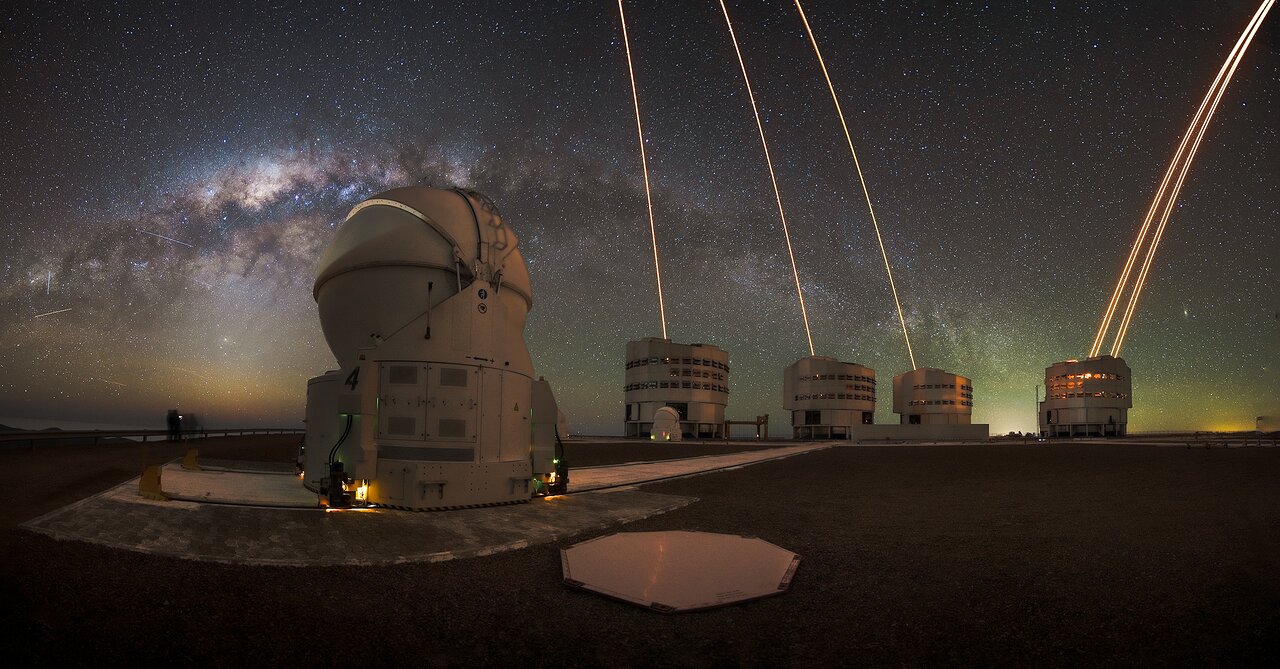
This picture shows the full scope of Paranal’s beauty. Cerro Paranal in Chile’s Atacama Desert, the mountain peak home to ESO’s Very Large Telescope (VLT), is a site of many marvels. And this panoramic image taken by Chilean astrophotographer Alexis Trigo certainly captures them all.

But the telescopes are not the only marvel that stands out in this picture: the dark sky in the background is just as striking, with the centre of the Milky Way shining to the left. This view is unfortunately polluted by many “scratches” caused by satellite megaconstellations, a growing threat for astronomy that ESO is working hard to mitigate.

Credit: NASA/JPL-Caltech/SSI/CICLOPS/Jason Major

Friday, 6 February 2026

Saturnian Squiggle

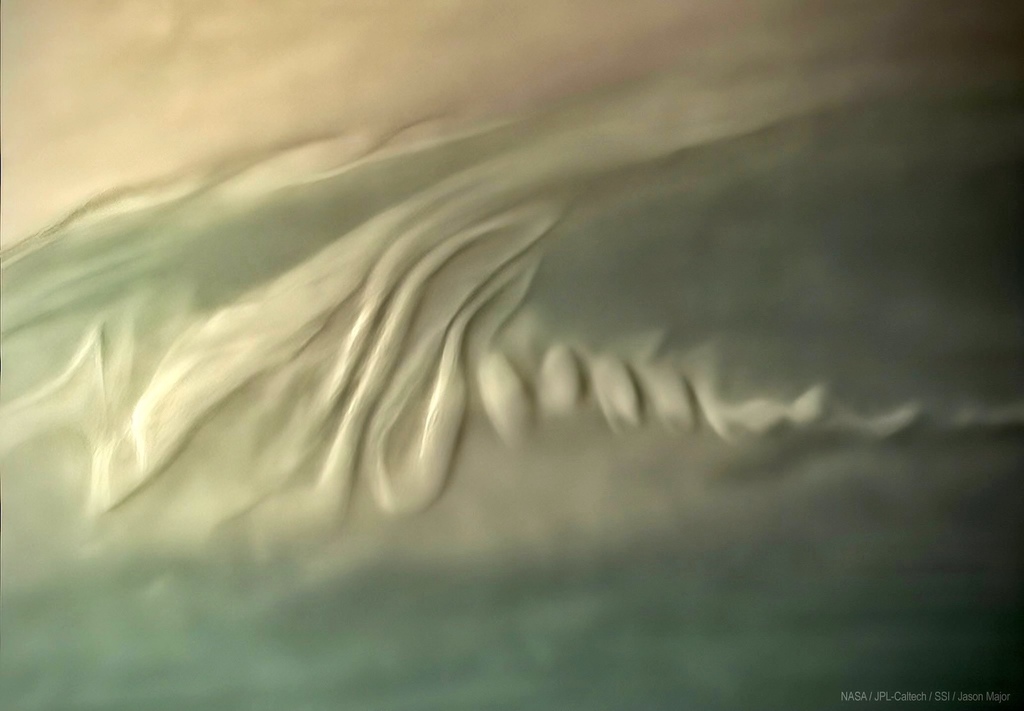
This very impressive, and little-known, image of a meandering squiggle of high-altitude clouds on Saturn was captured by the Cassini spacecraft on July 18, 2010. It almost looks like one of these fancy latte art designs!

News

Related News

Featured Image
Sep 2, 2026
Planetary Picture of the Day - Week of August 24, 2026
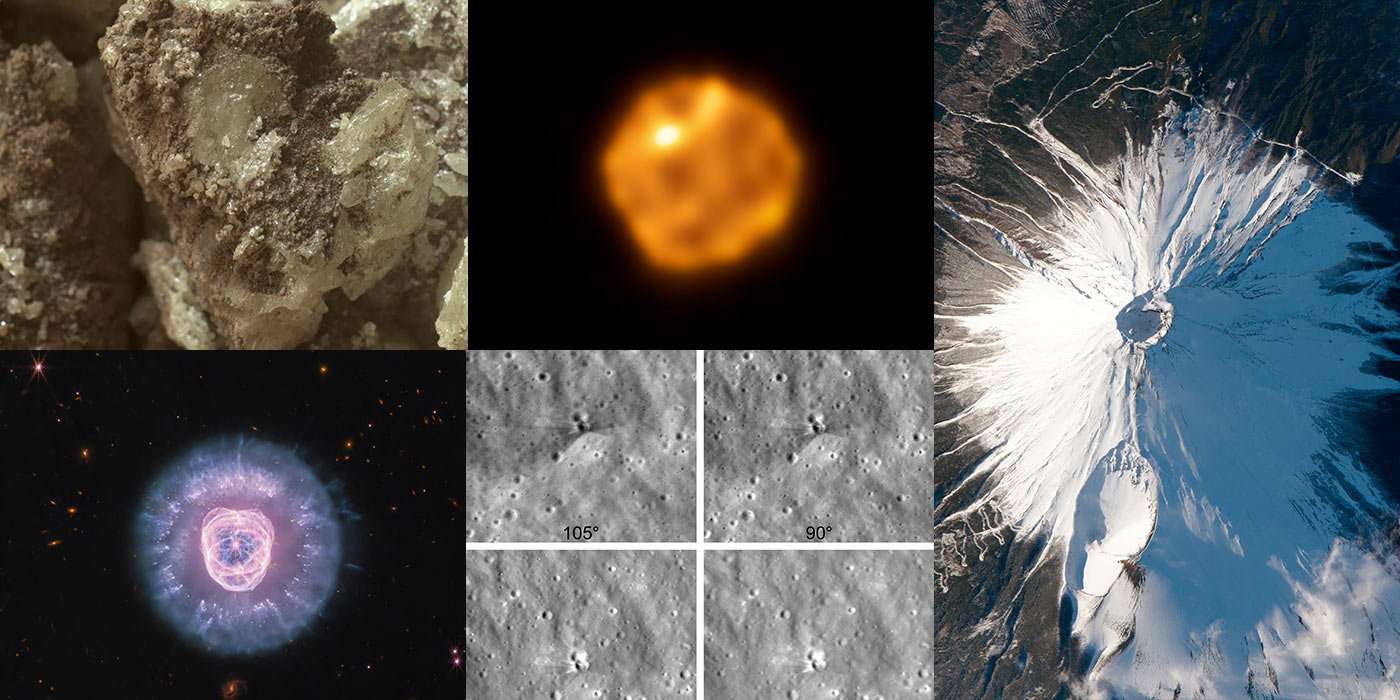
We journey from Mount Fuji as seen from orbit to the bubbling surface of Betelgeuse, exploring the forces that shape planets, moons, and stars across the cosmos. Along the way, JWST reveals the remains of a dying star, Curiosity uncovers clues to Mars’ volcanic past, and a fresh rocket impact on the Moon gives scientists a new opportunity to study how collisions reshape its surface. #PPOD

Featured Image
Aug 26, 2026
Planetary Picture of the Day - Week of August 17, 2026
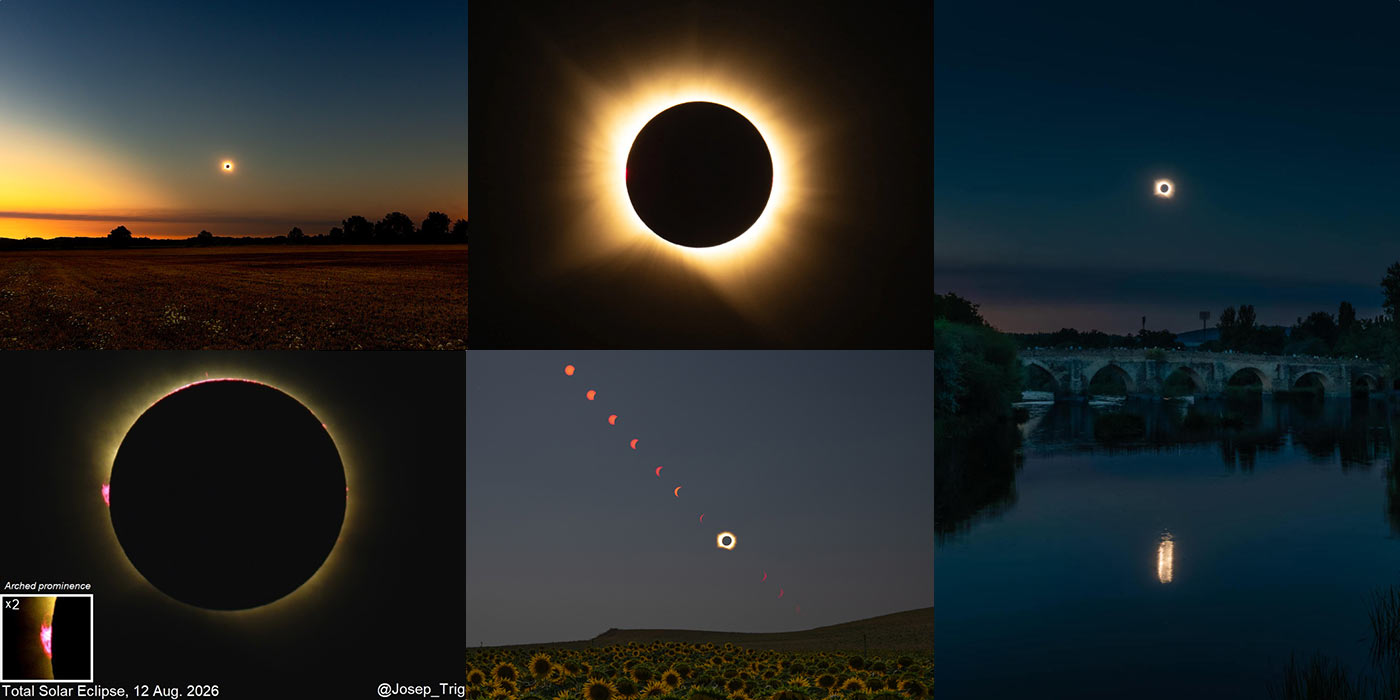
Let's celebrate the August 12 total solar eclipse through the eyes of photographers who experienced the Moon’s shadow sweeping across Spain. From Baily’s Beads and a glowing solar prominence to totality reflected in a river and framed by fields of sunflowers, these images capture both the science and extraordinary beauty of one of nature’s most spectacular celestial events. #PPOD #Eclipse
Featured Image
Aug 19, 2026
Planetary Picture of the Day - Week of August 10, 2026
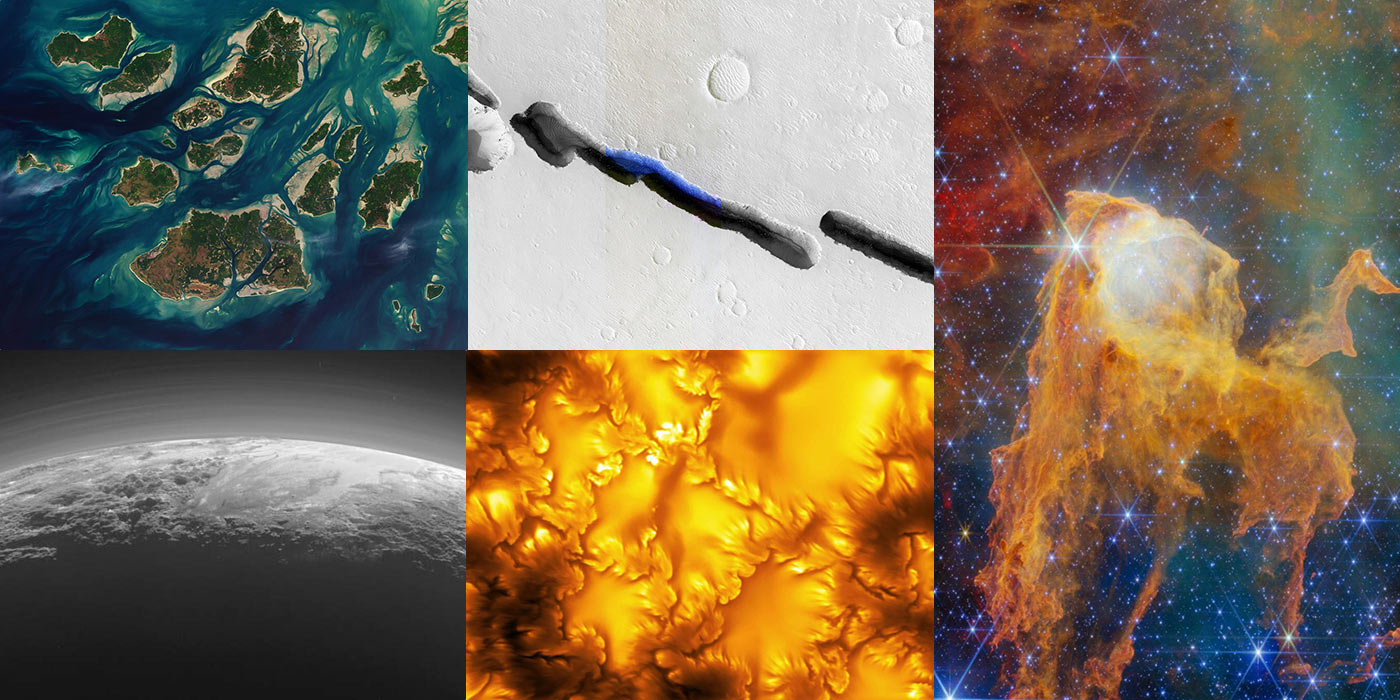
The universe is shaped by forces both immense and intricate, from fractured terrain on Mars and shifting tidal landscapes on Earth to tiny vortices dancing across the surface of the Sun. Farther afield, dramatic views of Pluto’s icy mountains and hazy atmosphere and a treasure chest of newborn stars in the Carina Nebula showcase the remarkable detail revealed by spacecraft and telescopes exploring the cosmos. #PPOD
Featured Image
Aug 12, 2026
Planetary Picture of the Day - August 3, 2026
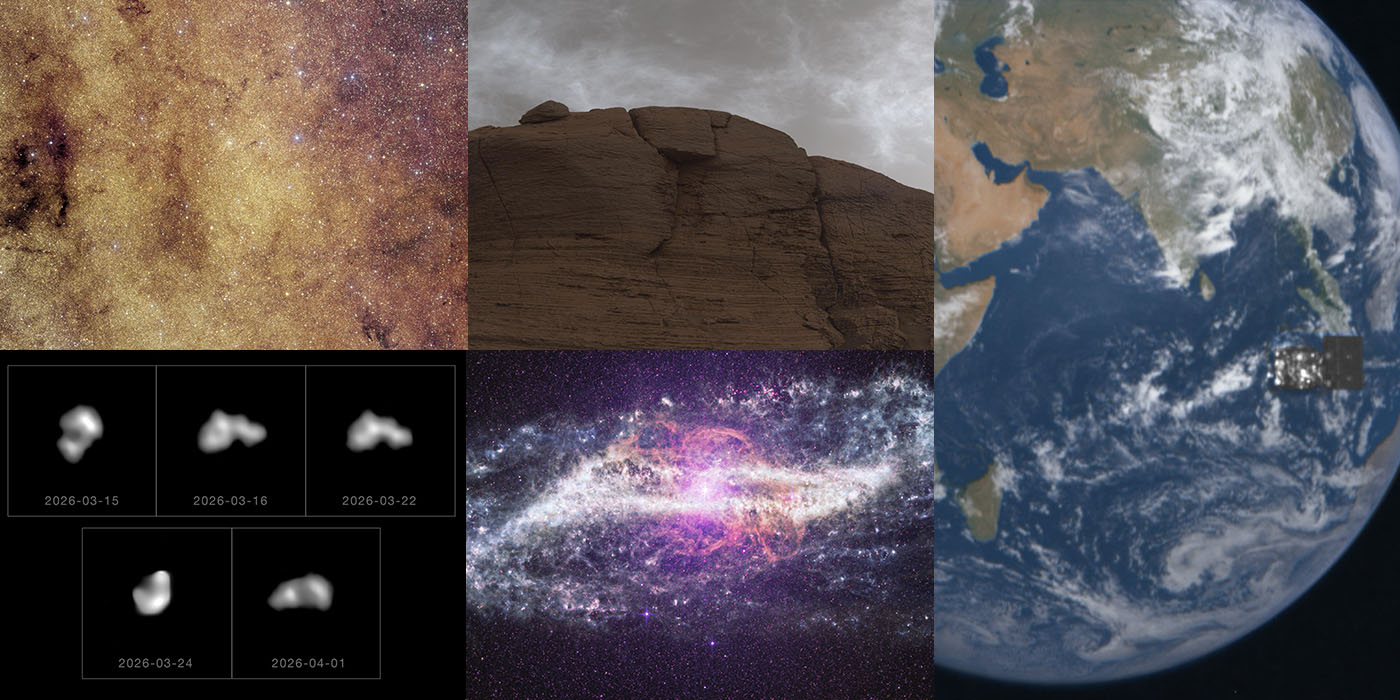
This week, we reveal hidden wonders across the cosmos, from delicate Martian clouds and a dust-shrouded galaxy to an asteroid with a never-before-seen shape and the crowded heart of the Milky Way. Together, these images showcase how new missions and advanced observatories continue to uncover surprising details about our solar system, our galaxy, and the universe beyond. #PPOD
Featured Image
Aug 5, 2026
Planetary Picture of the Day - Week of July 27, 2026
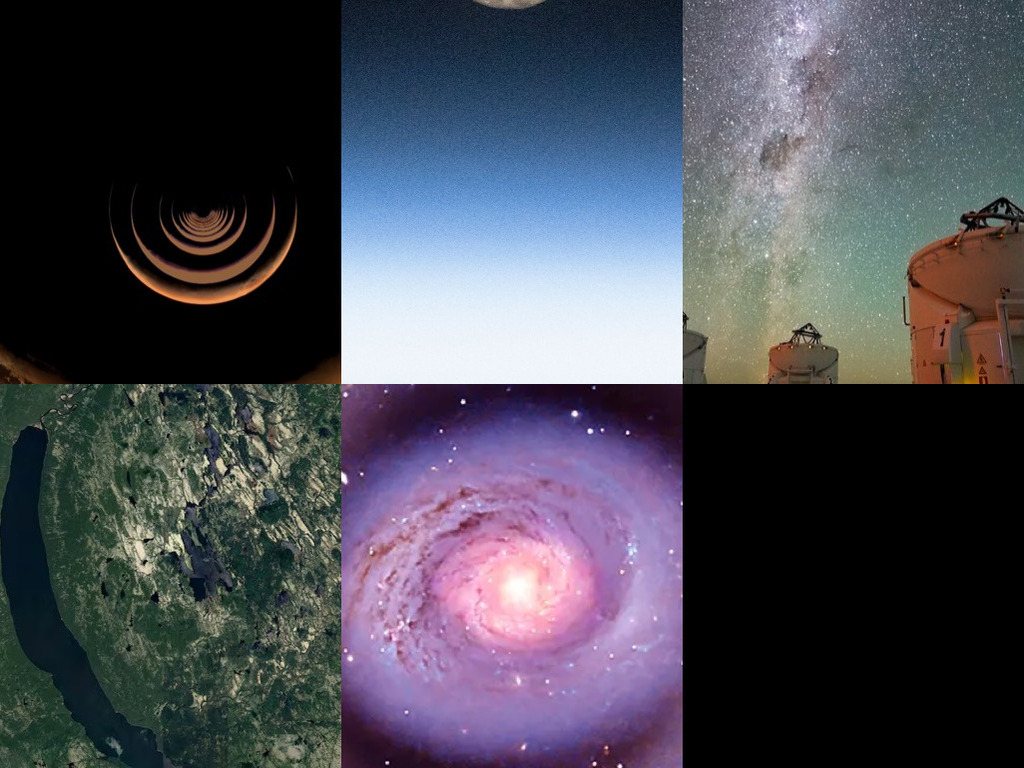
These images span the journey from our own backyard to distant galaxies, featuring Mars, the Moon, breathtaking night skies, and a fresh view of the star-forming galaxy Messier 94. Along the way, we celebrate exploration and discovery—from NASA’s Psyche mission preparing for its asteroid encounter to the revelation of a previously unknown impact crater on Earth —reminding us that there are still new wonders to uncover both on our own planet and across the cosmos. #PPOD
Featured Image
Jul 29, 2026
Planetary Picture of the Day - Week of July 20, 2026
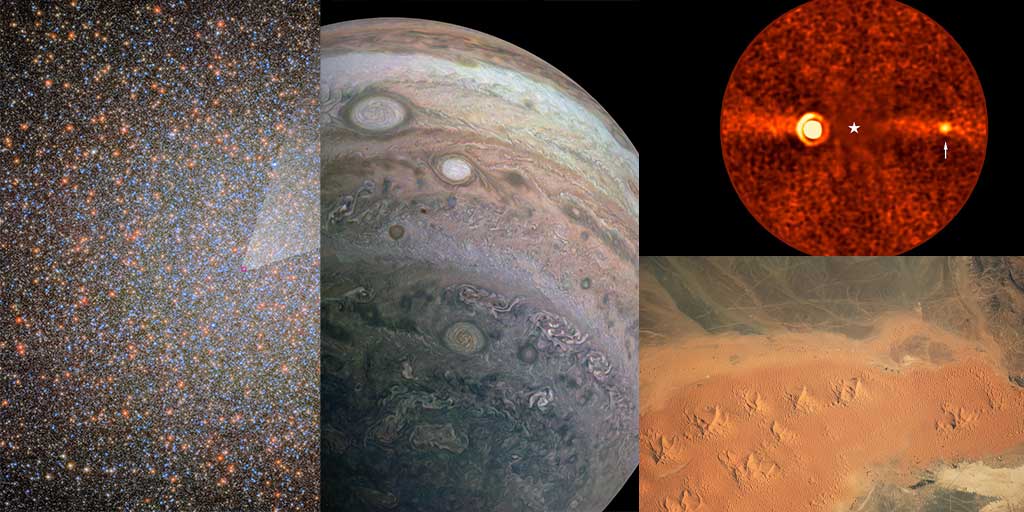
This week, we celebrate fifty years since Viking 1 became the first spacecraft to successfully land on and photograph the surface of Mars, alongside stunning new views of worlds, stars, and galaxies that continue to expand our understanding of the universe. From sculpted Sahara sand dunes and Jupiter’s colorful cloud bands to a newly discovered exoplanet and the first stellar-mass black hole identified in Omega Centauri, these images showcase the remarkable diversity of cosmic exploration. #PPOD
Research

Related Projects

Featured Image
SkyMapper • SETI • Citizen Science • Astronomy
SkyMapper: Expanding Access to Real-time Astronomy Through a Global Astronomical Network
SkyMapper and the SETI Institute are connecting educators, students and the public to live astronomical observations through a distributed astronomical network. #SkyMapper #SETI #Citizen Science #Astronomy
Featured Image
VPL
Virtual Planetary Laboratory
How can we best assess whether an exoplanet supports life? #VPL
Featured Image
Discovery and Futures Lab
What happens if life beyond Earth is discovered? The Discovery and Futures Lab at the SETI Institute fosters novel and anticipatory research at the intersection of science, society, our planet, and the search for life beyond Earth.  #Discovery and Futures Lab
Support Us

Support the
SETI Institute

Scientists are getting closer in their search for life beyond earth. But with limited federal funding for the search for extraterrestrial intelligence, supporters are the reason cutting-edge scientists can keep their eyes on the sky.