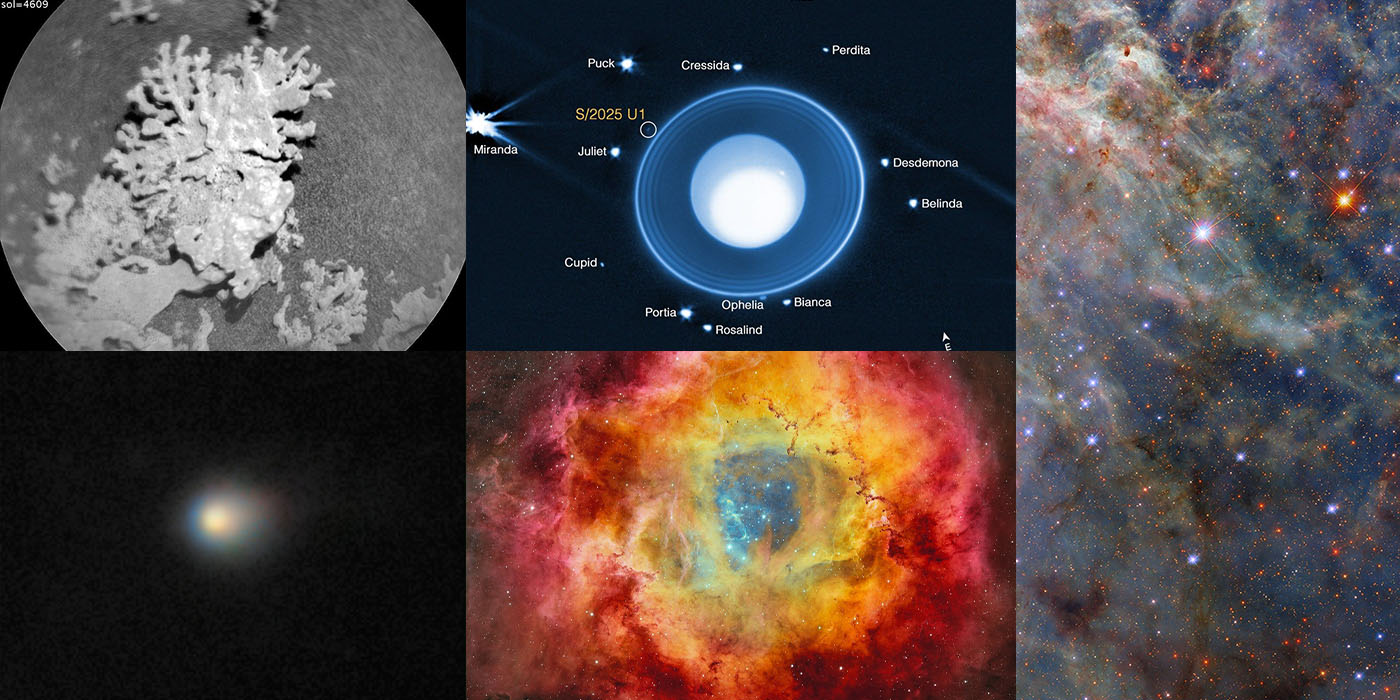







This week features some incredible phenomena -- an interstellar visitor, a tarantula, a coral-shaped rock, a rosette, and a new moon for ice giant Uranus.
Monday, 18 August 2025
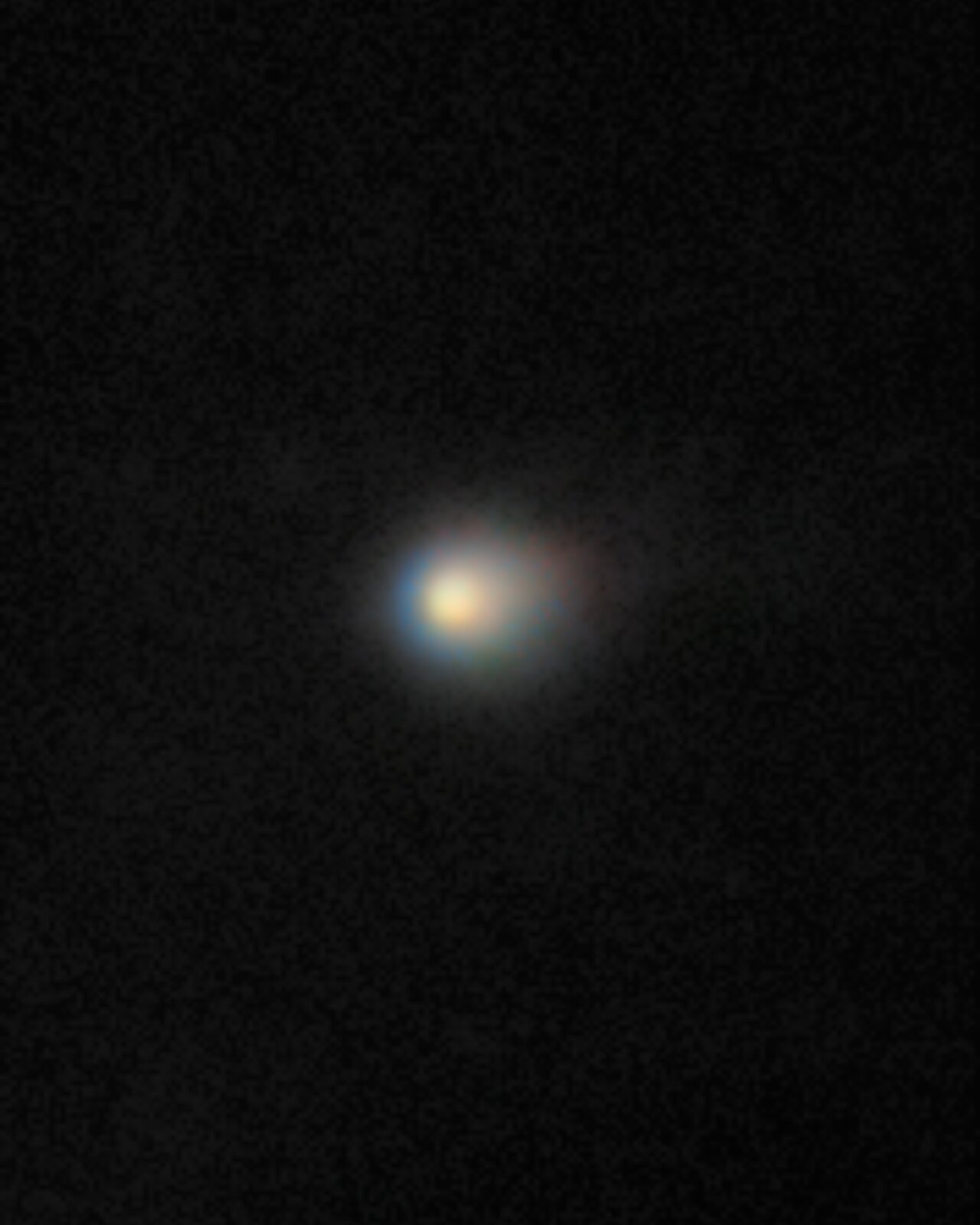
Comet 3I/ATLAS
Comet 3I/ATLAS is captured in this image by the Gemini North telescope. The incredible sensitivity of Gemini North's Multi-Object Spectrograph (GMOS-N) reveals the comet’s compact coma — a cloud of gas and dust surrounding its icy nucleus.
Tuesday, 19 August 2025
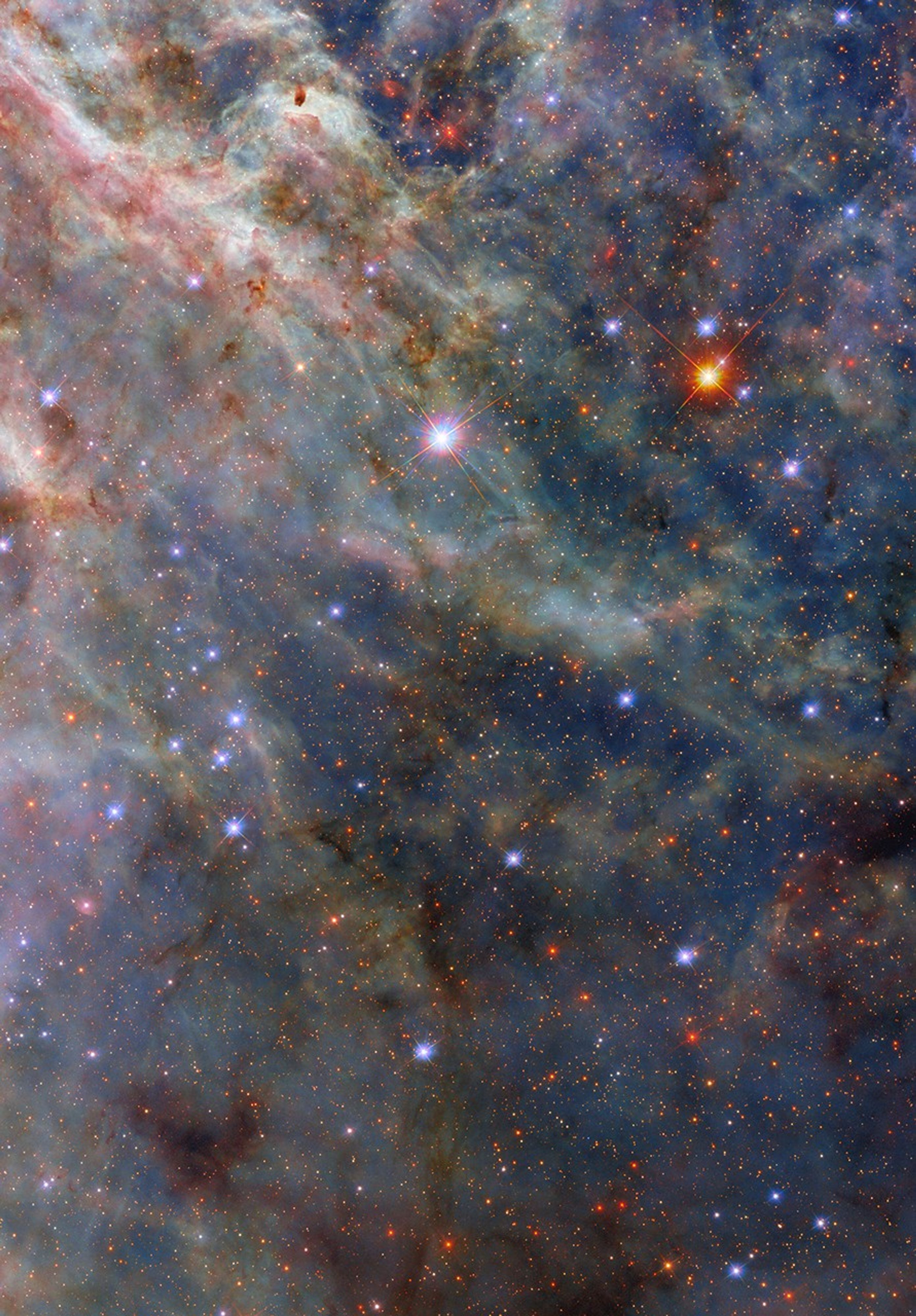
Hubble Captures a Tarantula
This NASA/ESA Hubble Space Telescope image captures incredible details in the dusty clouds of a star-forming factory called the Tarantula Nebula. Most of the nebulae Hubble images are in our galaxy, but this nebula is in the Large Magellanic Cloud, a dwarf galaxy located about 160,000 light-years away in the constellations Dorado and Mensa.
The Large Magellanic Cloud is the largest of the dozens of small satellite galaxies that orbit the Milky Way. The Tarantula Nebula is the largest and brightest star-forming region, not just in the Large Magellanic Cloud, but in the entire group of nearby galaxies to which the Milky Way belongs.
The Tarantula Nebula is home to the most massive stars known, some roughly 200 times as massive as our Sun. This image is very close to a rare type of star called a Wolf–Rayet star. Wolf–Rayet stars are massive stars that have lost their outer shell of hydrogen and are extremely hot and luminous, powering dense and furious stellar winds.
Wednesday, 20 August 2025
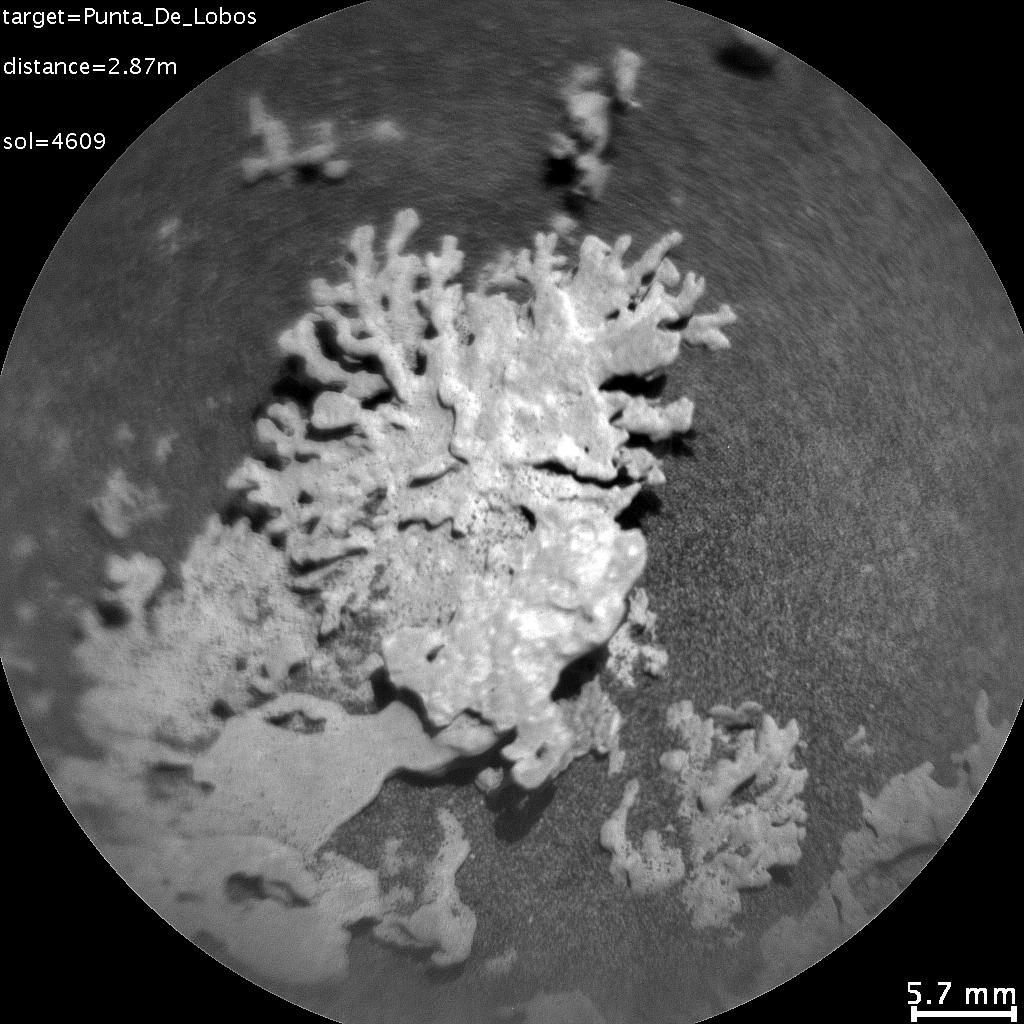
Coral-Shaped Martian Rock
NASA's Curiosity Mars rover used the Remote Micro Imager, part of its ChemCam instrument, to view this wind-eroded rock shaped like a piece of coral on July 24, 2025, the 4,609th Martian day, or sol, of the mission. Curiosity has found many rocks like this one, which were formed by ancient water combined with billions of years of sandblasting by the wind.
Curiosity has found many small features like this one, which formed billions of years ago when liquid water still existed on Mars. Water carried dissolved minerals into rock cracks and later dried, leaving the hardened minerals behind. Eons of sandblasting by the wind wore away the surrounding rock, producing the unique shapes seen today.
This common process, seen extensively on Earth, has produced fantastic shapes on Mars, including a flower-shaped rock.
Thursday, 21 August 2025
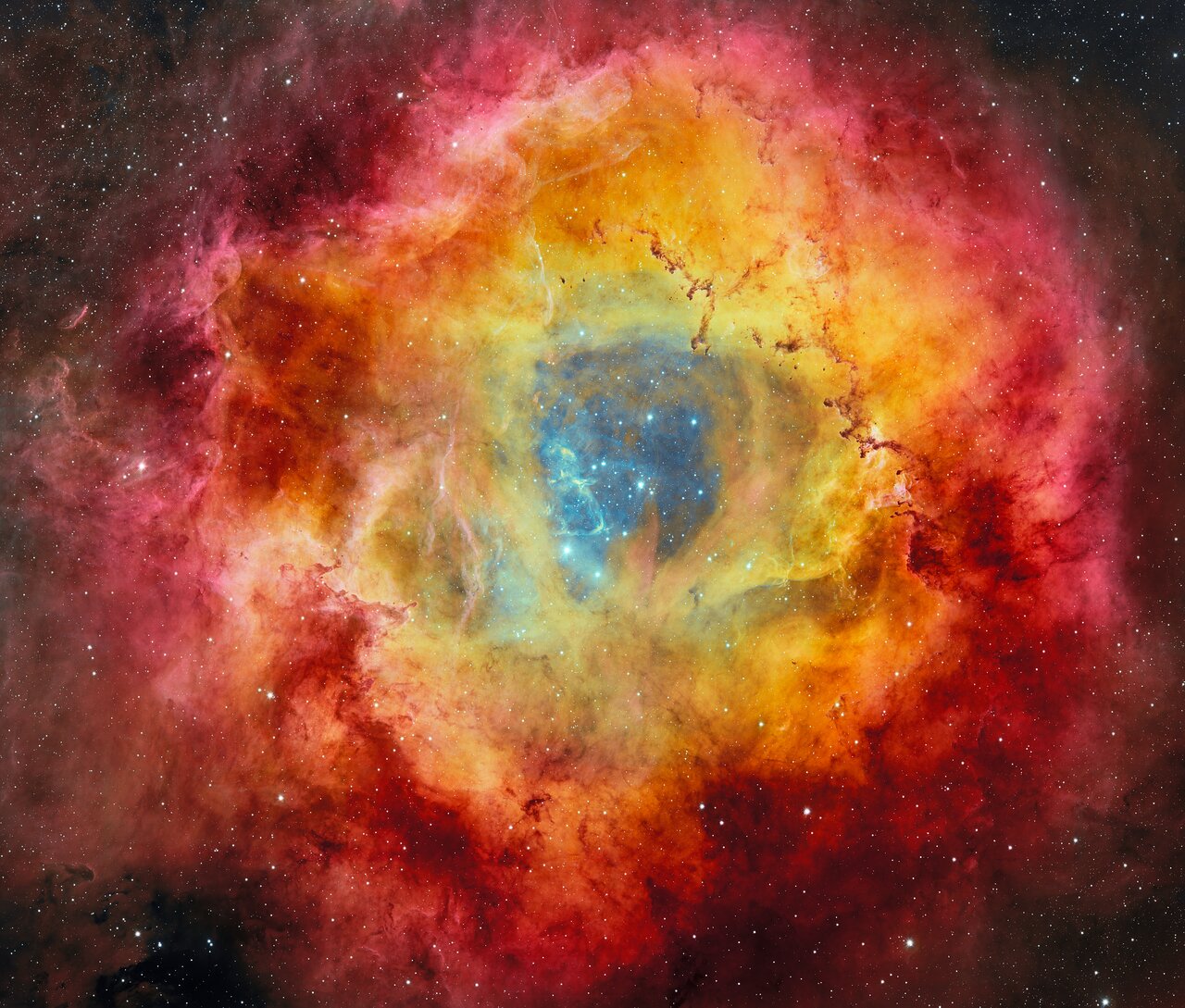
Rosette Nebula
Cradled within the fiery petals of the Rosette Nebula is NGC 2244, the young star cluster that it nurtured. The cluster’s stars light up the nebula in vibrant hues of red, gold, and purple, and opaque towers of dust rise from the billowing clouds around its excavated core. This image was captured by the 570-megapixel Department of Energy-fabricated Dark Energy Camera (DECam), mounted on the U.S. National Science Foundation Víctor M. Blanco 4-meter Telescope at Cerro Tololo Inter-American Observatory, a Program of NSF NOIRLab.
Friday, 22 August 2025
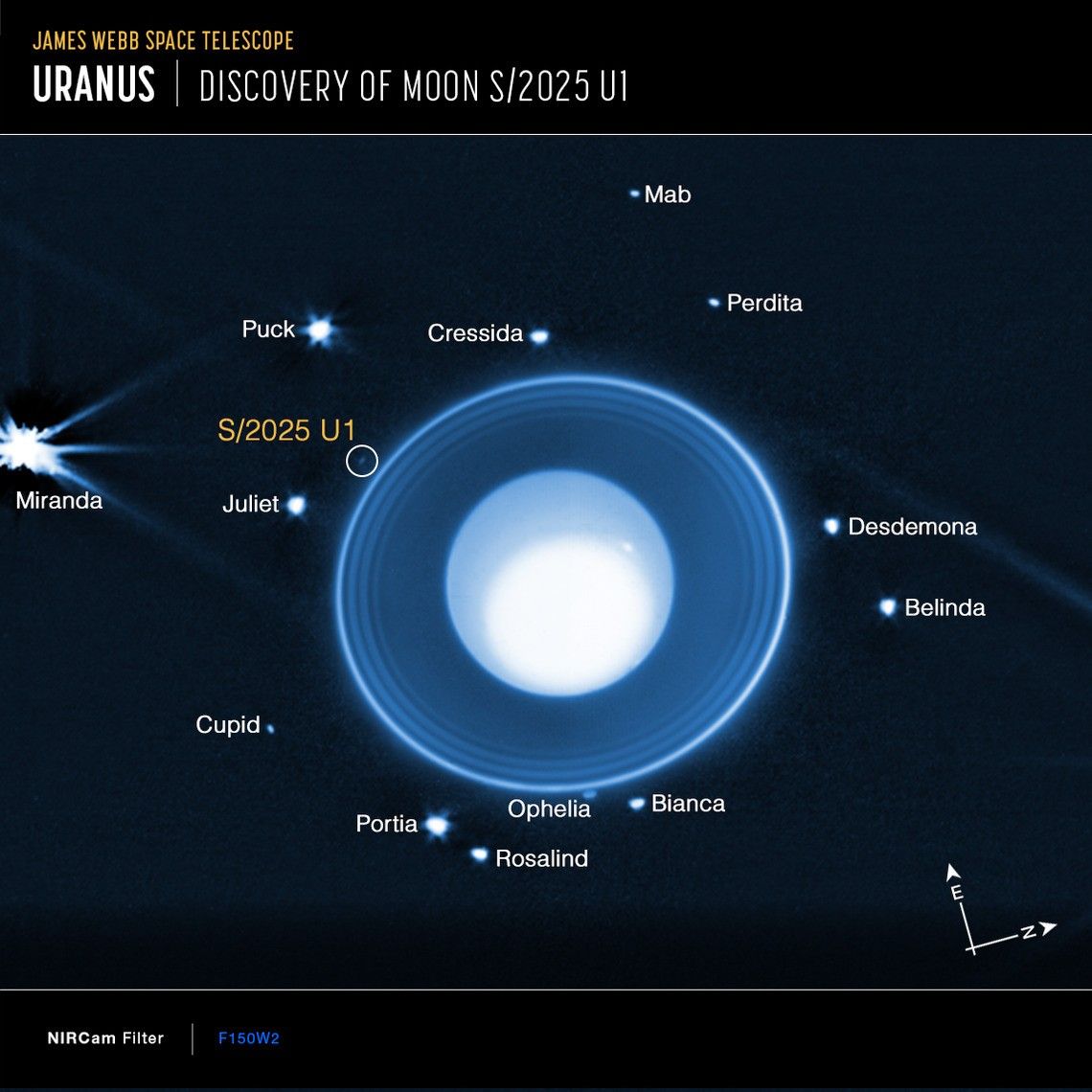
New Moon of Uranus
Astronomers using NASA’s James Webb Space Telescope discovered a new moon orbiting Uranus in images taken by Webb’s NIRCam (Near-Infrared Camera). This image shows the moon, designated S/2025 U1, as well as 13 of the 28 other known moons orbiting the planet. (The small moon Cordelia orbits just inside the outermost ring, but is not visible in these views due to glare from the rings.) Due to the drastic differences in brightness levels, the image is a composite of three different treatments of the data, allowing the viewer to see details in the planetary atmosphere, the surrounding rings, and the orbiting moons. The data was taken with NIRCam’s wide band F150W2 filter that transmits infrared wavelengths from about 1.0 to 2.4 microns.
News
Related News
Planetary Picture of the Day - Week of August 24, 2026
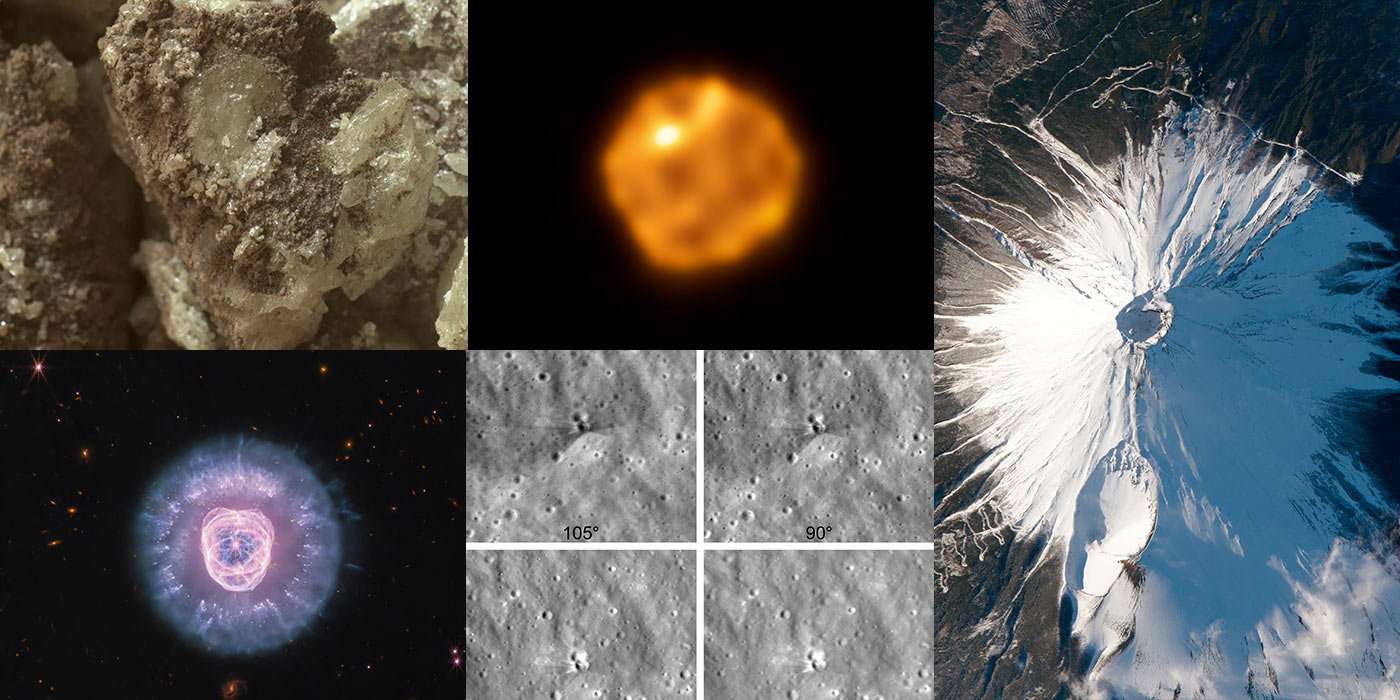
We journey from Mount Fuji as seen from orbit to the bubbling surface of Betelgeuse, exploring the forces that shape planets, moons, and stars across the cosmos. Along the way, JWST reveals the remains of a dying star, Curiosity uncovers clues to Mars’ volcanic past, and a fresh rocket impact on the Moon gives scientists a new opportunity to study how collisions reshape its surface. #PPOD

Planetary Picture of the Day - Week of August 17, 2026
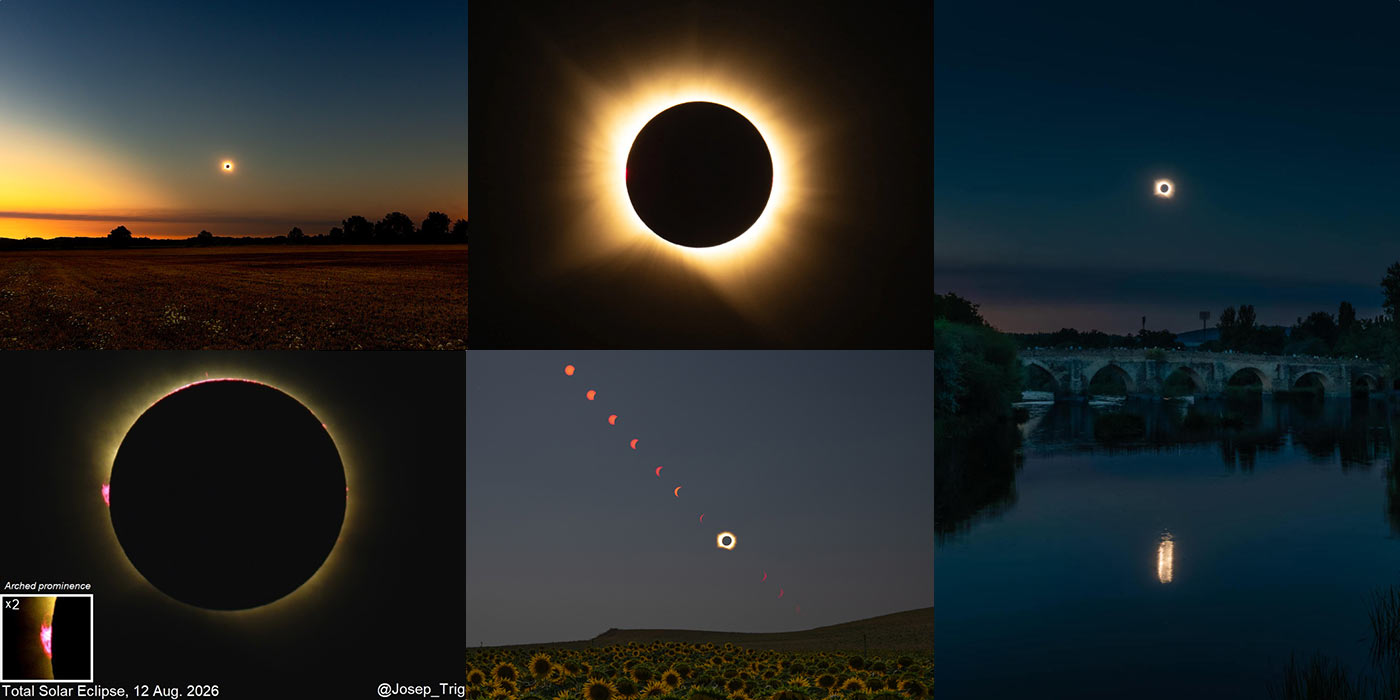
Let's celebrate the August 12 total solar eclipse through the eyes of photographers who experienced the Moon’s shadow sweeping across Spain. From Baily’s Beads and a glowing solar prominence to totality reflected in a river and framed by fields of sunflowers, these images capture both the science and extraordinary beauty of one of nature’s most spectacular celestial events. #PPOD #Eclipse
Planetary Picture of the Day - Week of August 10, 2026
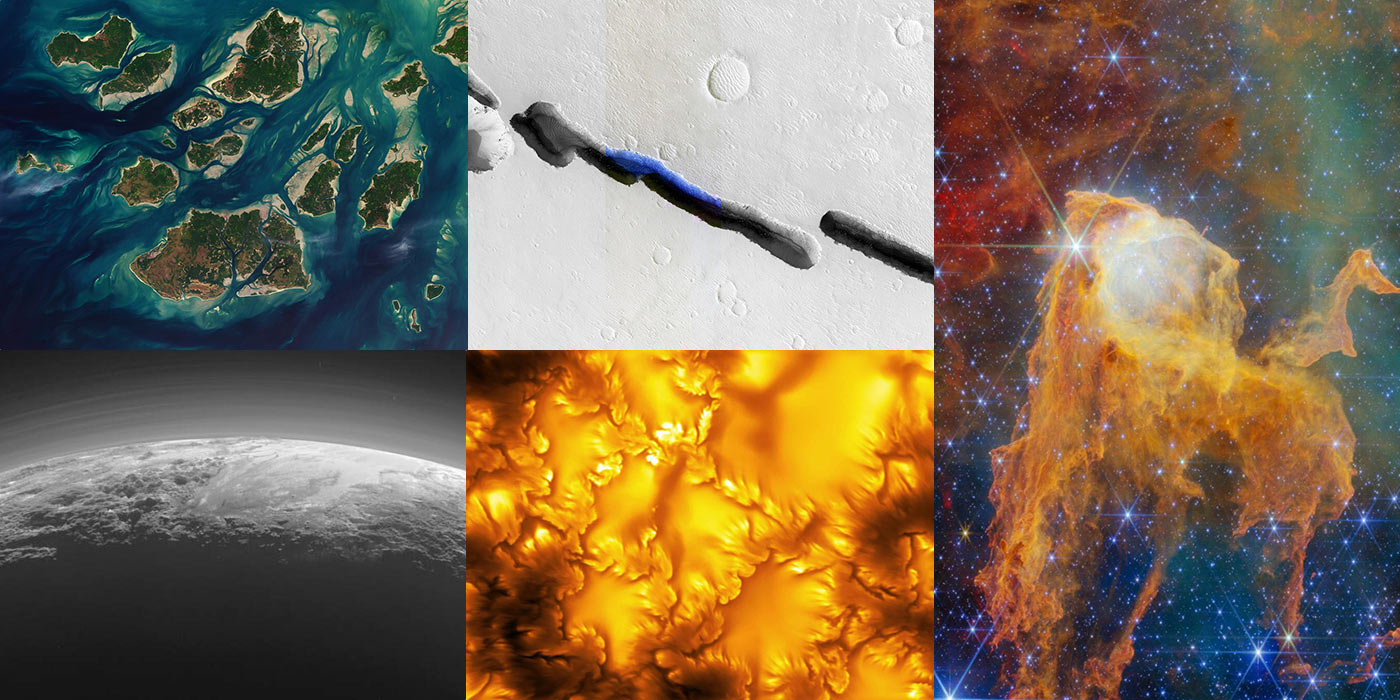
The universe is shaped by forces both immense and intricate, from fractured terrain on Mars and shifting tidal landscapes on Earth to tiny vortices dancing across the surface of the Sun. Farther afield, dramatic views of Pluto’s icy mountains and hazy atmosphere and a treasure chest of newborn stars in the Carina Nebula showcase the remarkable detail revealed by spacecraft and telescopes exploring the cosmos. #PPOD
Planetary Picture of the Day - August 3, 2026
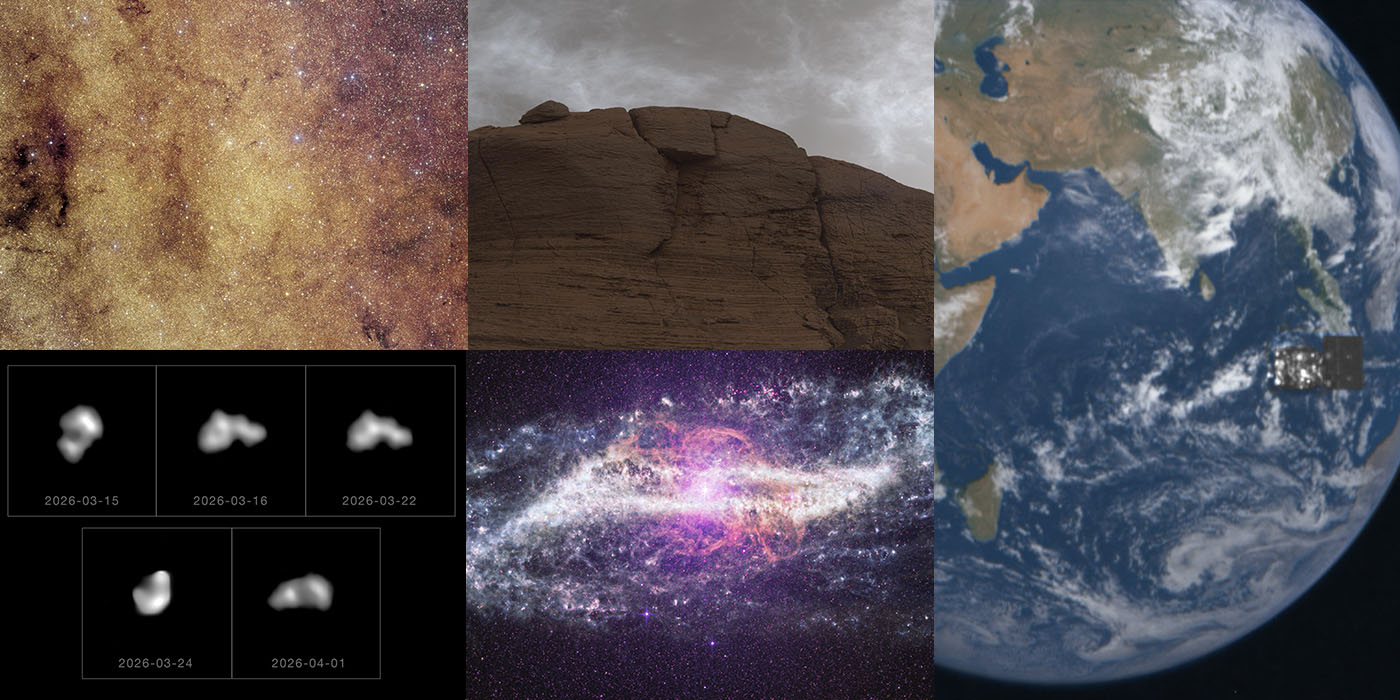
This week, we reveal hidden wonders across the cosmos, from delicate Martian clouds and a dust-shrouded galaxy to an asteroid with a never-before-seen shape and the crowded heart of the Milky Way. Together, these images showcase how new missions and advanced observatories continue to uncover surprising details about our solar system, our galaxy, and the universe beyond. #PPOD
Planetary Picture of the Day - Week of July 27, 2026
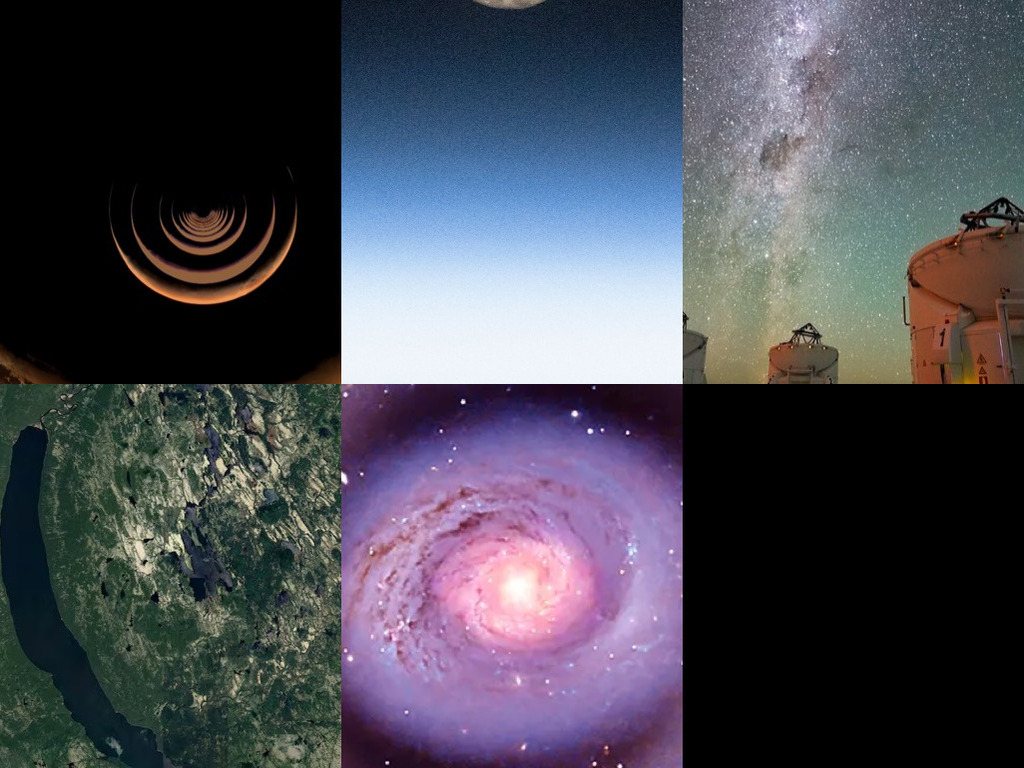
These images span the journey from our own backyard to distant galaxies, featuring Mars, the Moon, breathtaking night skies, and a fresh view of the star-forming galaxy Messier 94. Along the way, we celebrate exploration and discovery—from NASA’s Psyche mission preparing for its asteroid encounter to the revelation of a previously unknown impact crater on Earth —reminding us that there are still new wonders to uncover both on our own planet and across the cosmos. #PPOD
Planetary Picture of the Day - Week of July 20, 2026
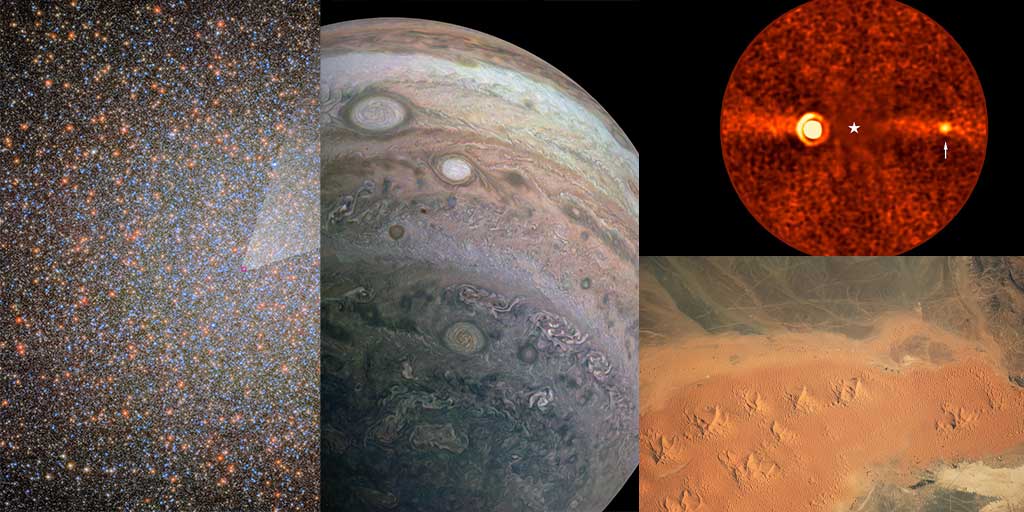
This week, we celebrate fifty years since Viking 1 became the first spacecraft to successfully land on and photograph the surface of Mars, alongside stunning new views of worlds, stars, and galaxies that continue to expand our understanding of the universe. From sculpted Sahara sand dunes and Jupiter’s colorful cloud bands to a newly discovered exoplanet and the first stellar-mass black hole identified in Omega Centauri, these images showcase the remarkable diversity of cosmic exploration. #PPODResearch
Related Projects
SkyMapper: Expanding Access to Real-time Astronomy Through a Global Astronomical Network
SkyMapper and the SETI Institute are connecting educators, students and the public to live astronomical observations through a distributed astronomical network. #SkyMapper #SETI #Citizen Science #Astronomy
Virtual Planetary Laboratory
How can we best assess whether an exoplanet supports life? #VPL
Discovery and Futures Lab
What happens if life beyond Earth is discovered? The Discovery and Futures Lab at the SETI Institute fosters novel and anticipatory research at the intersection of science, society, our planet, and the search for life beyond Earth. #Discovery and Futures LabSupport the
SETI Institute
Scientists are getting closer in their search for life beyond earth. But with limited federal funding for the search for extraterrestrial intelligence, supporters are the reason cutting-edge scientists can keep their eyes on the sky.