







On Sunday November 4th, Janice Bishop, Senior Research Scientist and Chair of the Astrobiology Group at the SETI Institute, was honored as a new Fellow of the Geological Society of America at their 130th annual meeting.
According to the GSA website, “GSA members are nominated by existing GSA Fellows in recognition of their distinguished contributions to the geosciences through such avenues as publications, applied research, teaching, administration of geological programs, contributing to the public awareness of geology, leadership of professional organizations, and taking on editorial, bibliographic, and library responsibilities.”
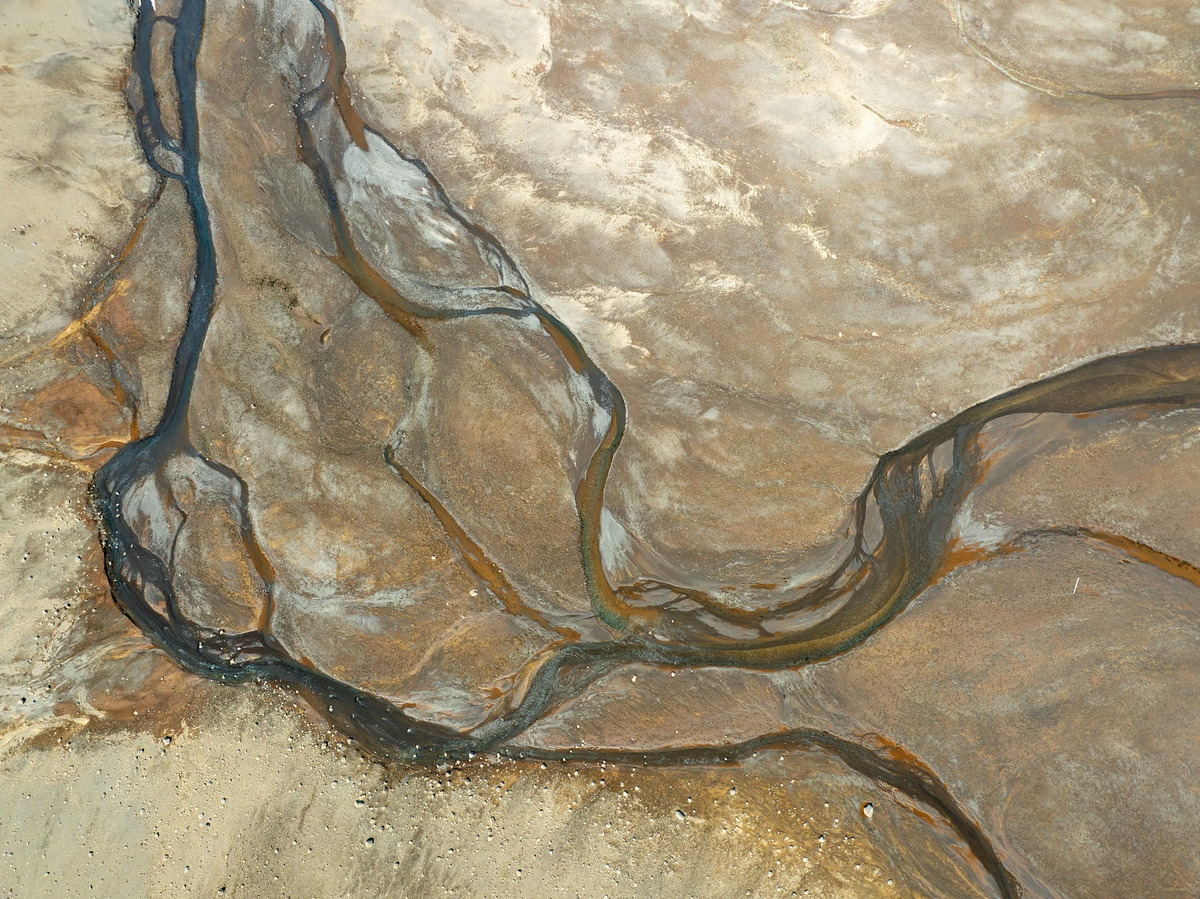
Bishop’s research uses spectroscopy to characterize and understand how rocks and clays on Mars were formed, providing insights about the environment on ancient Mars. Bishop’s work also takes her to Mars analog environments on Earth, such as Hawai’i and Western Australia.
Janice also presented a paper, "Reaction of CA sulfates and chlorides in the Martian near surface to create sinkholes and debris flows", during the conference.
News
Related News
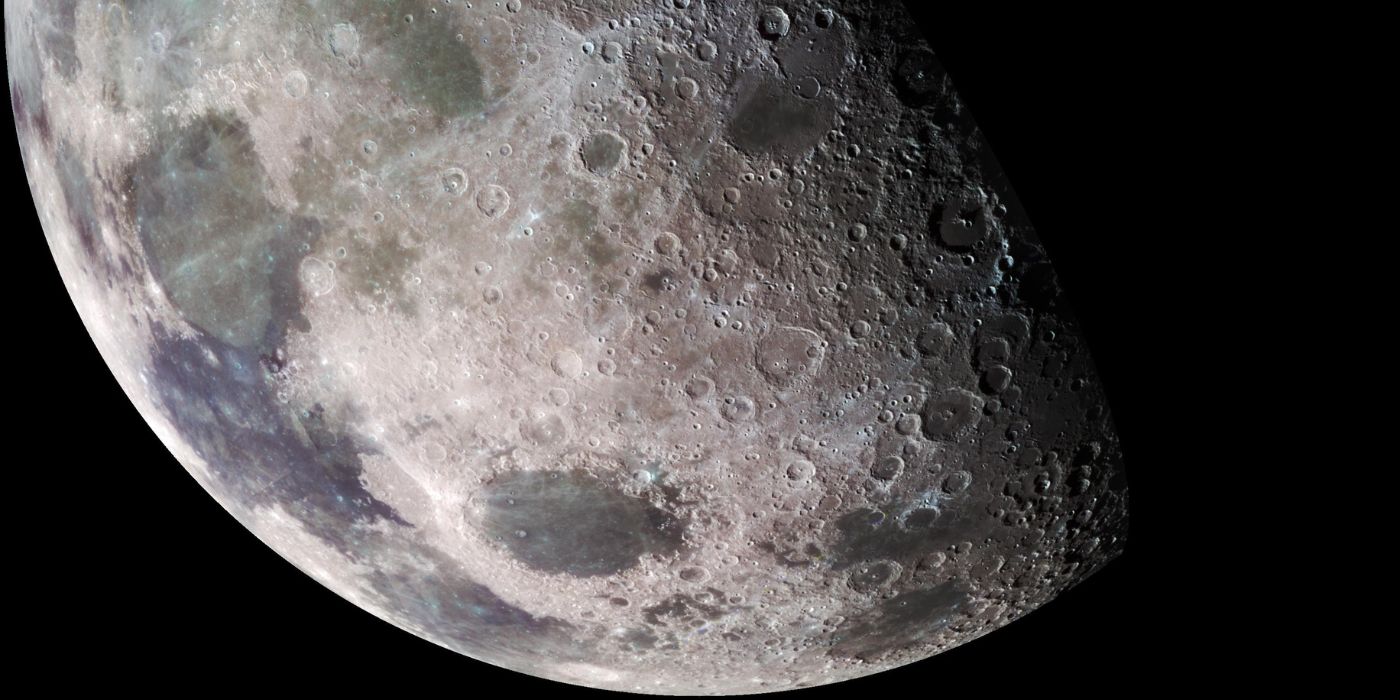
Researchers Propose Searching the Moon for Microscopic Technosignatures
New study outlines the first quantitative framework for searching lunar regolith for microscopic technosignatures. #Press Releases #Moon #Technosignatures #Lewis Pinault #Andrew Siemion #Astrobiology #SETI #Solar System #AI and Machine Learning #Bill Diamond

SETI Institute Team Looks for a New Way to Find Resources in Space
#Press Releases #Pablo Sobron #Moon #Asteroids #Planetary Exploration #Spectroscopy #Astrobiology
SETI Institute In the News: July Roundup 2026
#SETI Institute in the News #SETI Institute #Community #Peter Jenniskens #Lucian Walkowicz #Chelsea Haramia #Pascal Lee #Bill Diamond #Seth Shostak #Meteorites #SETI #UAPs #NASA Missions and Observatories #Discovery and Futures Lab #Mars
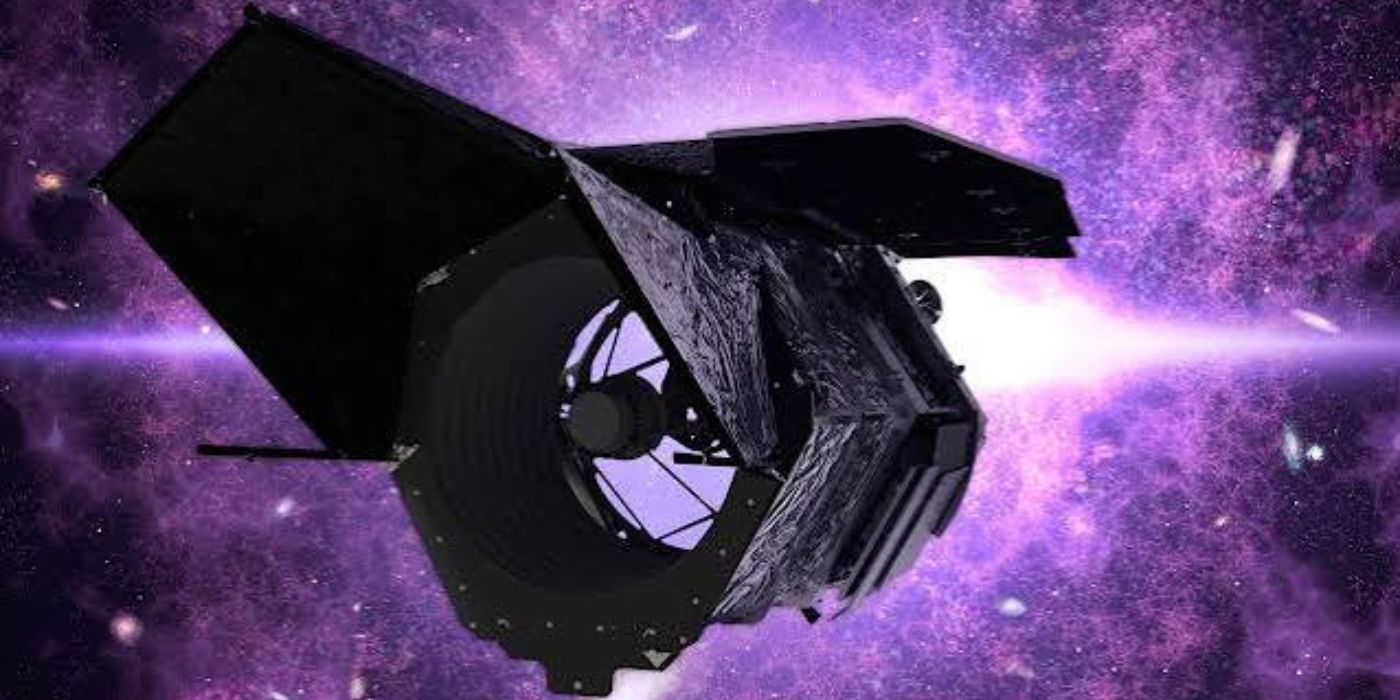
Hide the Star: How Roman Will See Exoplanets
#Blog #Franck Marchis #Margaret Turnbull #Nancy Grace Roman Space Telescope #Planetary Exploration #NASA Missions and Observatories #Exoplanets #Spectroscopy #Astronomy
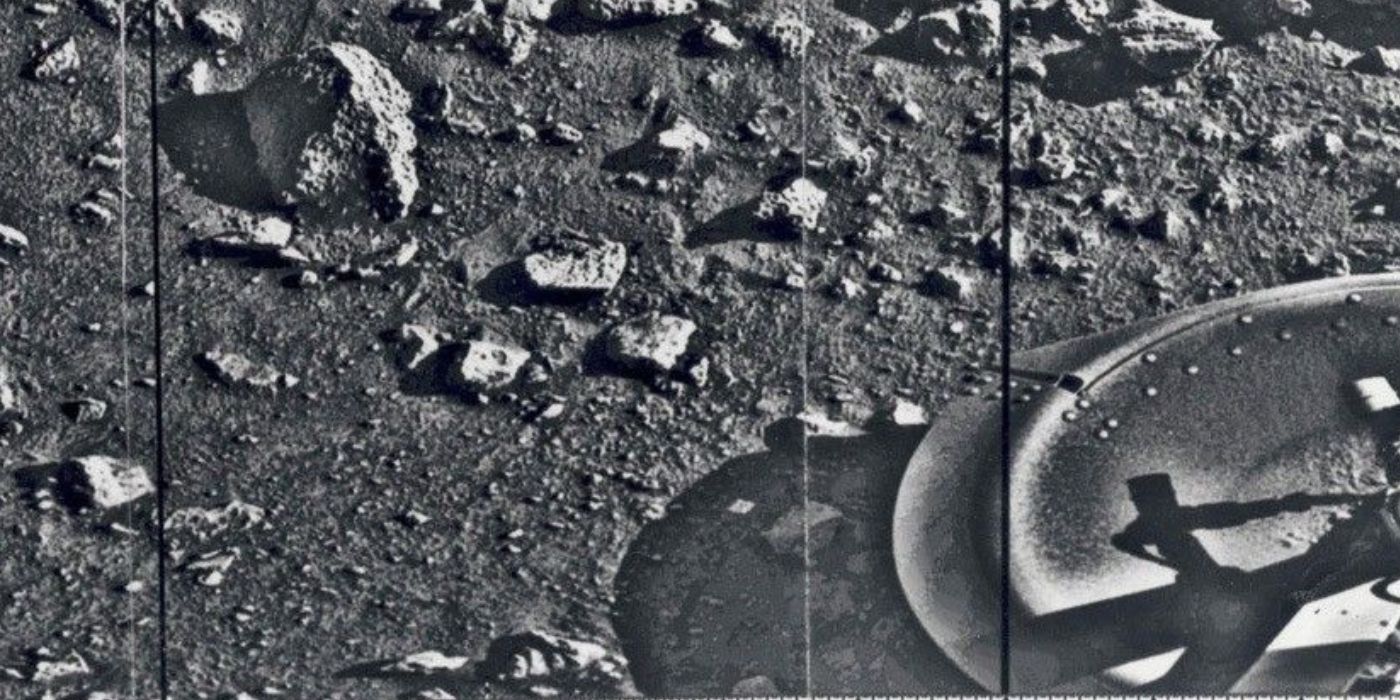
50 Years on Mars: From Viking to Today's Rovers
#Blog #Simon Steel #Pascal Lee #Mars
Celebrating 25 Years of Exoplanet Astrobiology: Welcoming the Virtual Planetary Laboratory to its New Home at the SETI Institute
#VPL #Astrobiology #SETI Institute #Victoria Meadows #Andrew Lincowski #Eric Wolf #Nicholas Wogan #Kimberly Bott #Hannah DawsonResearch
Related Projects
SkyMapper: Expanding Access to Real-time Astronomy Through a Global Astronomical Network
SkyMapper and the SETI Institute are connecting educators, students and the public to live astronomical observations through a distributed astronomical network. #SkyMapper #SETI #Citizen Science #Astronomy
Virtual Planetary Laboratory
How can we best assess whether an exoplanet supports life? #VPL
Discovery and Futures Lab
What happens if life beyond Earth is discovered? The Discovery and Futures Lab at the SETI Institute fosters novel and anticipatory research at the intersection of science, society, our planet, and the search for life beyond Earth. #Discovery and Futures LabSupport the
SETI Institute
Scientists are getting closer in their search for life beyond earth. But with limited federal funding for the search for extraterrestrial intelligence, supporters are the reason cutting-edge scientists can keep their eyes on the sky.