








Tuesday, Nov 04, 2025

Image Credit: Disney/Pixar.

At A Glance

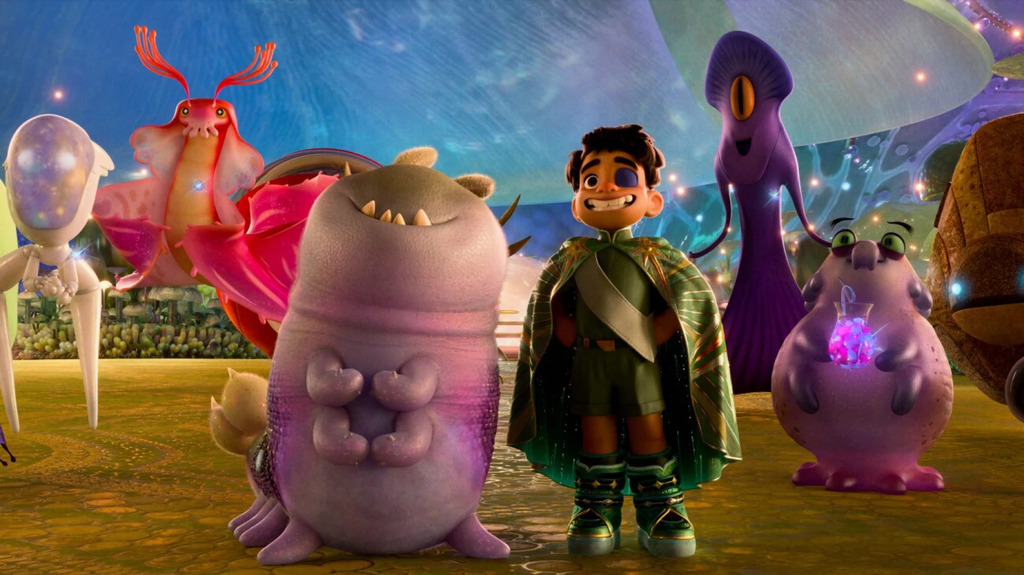
  • Blue Dot: SETI Institute: Its Role in the Disney/Pixar Animated Film Elio and the Fermi Paradox: Dr. Simon Steel and Dr. Sofia Sheikh discussed the SETI Institute’s  science advising for Elio and the ongoing mystery of the Fermi Paradox.
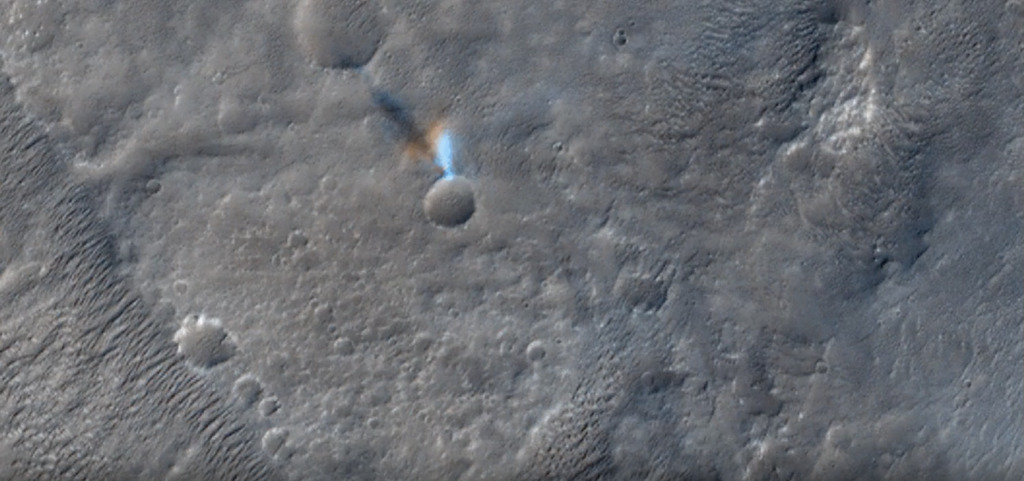
  • Dust Devils Reveal Surprising Raging Winds on Mars: Dr. Lori Fenton explained how powerful dust devils shape Mars’ surface and influence its climate.
  • The Allen Telescope Array Reveals Black Hole with a Voracious Appetite: The ATA helped detect a rare dual–black hole system, revealing new insights into galactic dynamics.
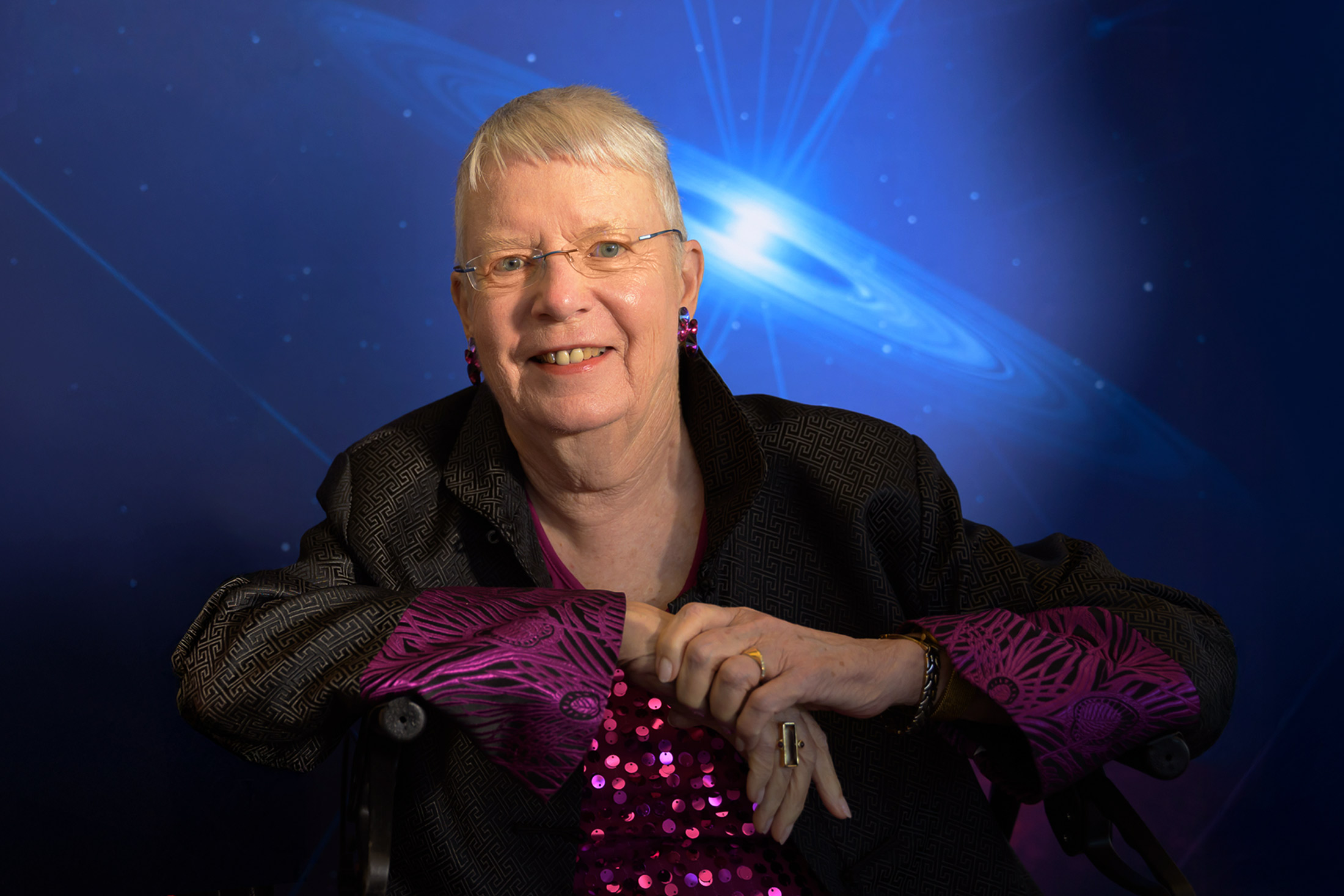
  • California Academy of Sciences Honors SETI Pioneer Jill Tarter: Dr. Tarter received the Academy’s Fellows Medal for her groundbreaking leadership in SETI and astrobiology.
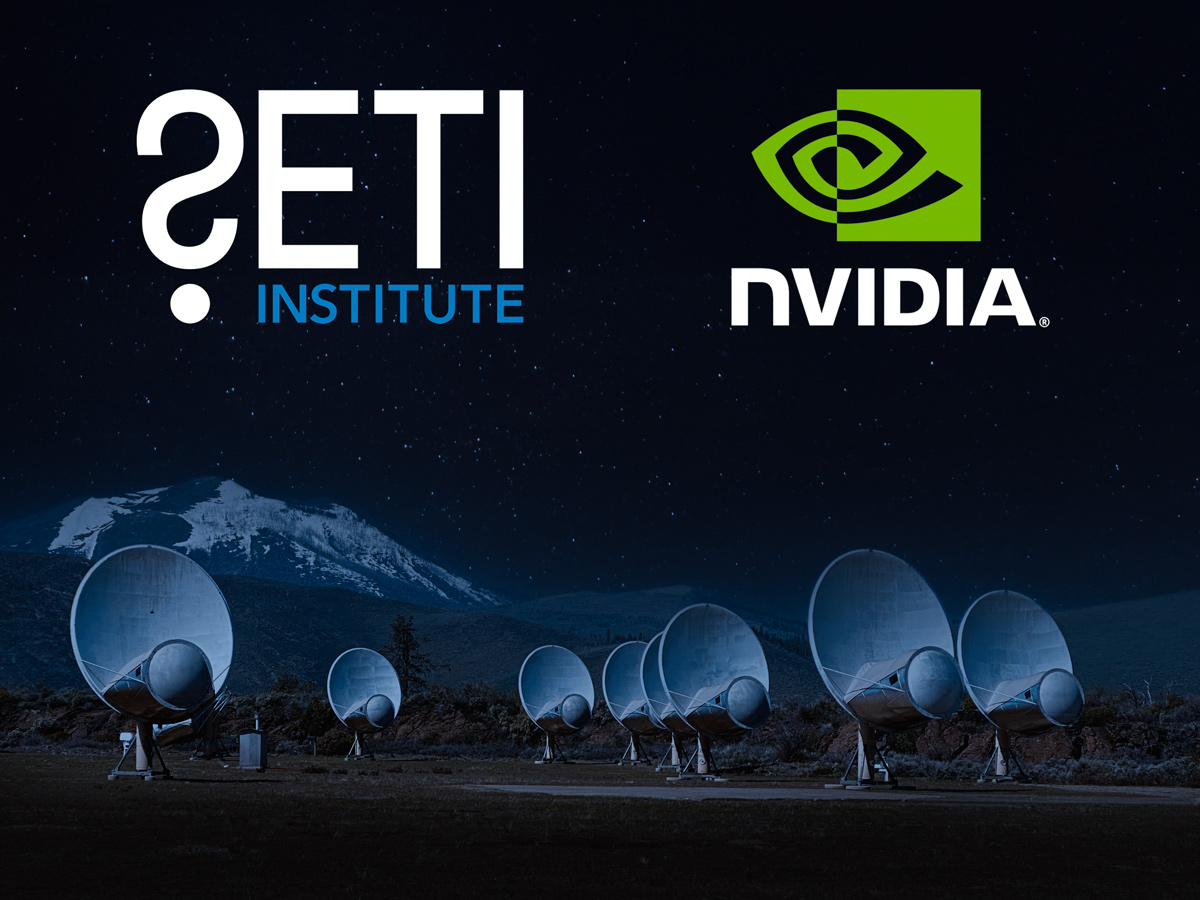
  • SETI Institute Enhances Extraterrestrial Life Search Using NVIDIA IGX Thor Technology: NVIDIA’s AI platform is revolutionizing real-time signal analysis at the Allen Telescope Array.

Throughout October, the SETI Institute was featured across leading science and media outlets, underscoring its continued leadership in research, innovation, and public engagement. From advising Disney/Pixar on the science behind Elio to contributing expert analysis on Martian dust dynamics, SETI Institute scientists help bring complex discoveries to a global audience. Additional coverage spotlighted the Allen Telescope Array’s pivotal role in uncovering a hidden black hole, Dr. Jill Tarter’s recognition by the California Academy of Sciences, and the SETI Institute’s integration of NVIDIA’s AI technology to accelerate the search for extraterrestrial intelligence.

Blue Dot: SETI Institute: Its role in the Disney/Pixar animated film Elio and the Fermi Paradox

In an October episode of Blue Dot, host Dave Schlom spotlighted the SETI Institute’s scientific contributions to Disney/Pixar’s film Elio. Dr. Simon Steel, Deputy Director of the Carl Sagan Center, discussed how the SETI Institute advised Pixar to ensure scientific authenticity in the story of a boy mistaken for Earth’s ambassador to the galaxy. The conversation then turned to the search for extraterrestrial intelligence. SETI Institute research scientist Dr. Sofia Sheikh joined to unpack the Fermi Paradox and discuss humanity’s ongoing quest to understand why, despite the vastness of the cosmos, we have yet to encounter alien life.

Listen to the full episode by Blue Dot here: Blue Dot: SETI Institute: Its role in the Disney/Pixar animated film Elio and The Fermi Paradox

Dust devils reveal surprising raging winds on Mars

SETI Institute planetary scientist Dr. Lori Fenton provided expert commentary in a CNN feature highlighting new research on powerful dust devils on Mars. The study, based on data from ESA’s Mars Express and ExoMars Trace Gas Orbiter, found that Martian winds can reach up to 99 miles per hour – far stronger than previously recorded. Dr. Fenton explained that the movement of sand and dust is a primary driver of both surface modification and climate change on Mars, shaping its evolving landscape over time. She emphasized that understanding these processes is essential for refining climate models and planning future exploration missions.

Read the full story by CNN here: Dust devils reveal surprising raging winds on Mars

Allen Telescope reveals black hole with a voracious appetite

A Space Connect feature highlighted the Allen Telescope Array’s (ATA) crucial role in detecting a rare cosmic phenomenon – a star torn apart by a hidden, off-centre supermassive black hole. The ATA’s sensitive, wide-frequency radio observations revealed that the host galaxy of event AT 2024tvd contains two supermassive black holes, one displaced by about 2,600 light years. SETI Institute researcher Dr. Sofia Sheikh emphasized that the ATA’s ability to rapidly monitor fast-changing radio signals was key to capturing the event’s fleeting evolution. This capability demonstrates the telescope’s growing importance in time-domain astronomy and studies of transient cosmic phenomena.

Read the story by Space Connect here: Allen Telescope reveals black hole with a voracious appetite

California Academy of Sciences Honors SETI Pioneer Jill Tarter with Prestigious Fellows Medal

A Science Magazine feature celebrated Dr. Jill Tarter as the recipient of the California Academy of Sciences’ prestigious Fellows Medal, honoring her pioneering leadership in astrobiology and the search for extraterrestrial intelligence. The article highlighted Tarter’s visionary role in establishing the SETI Institute, leading initiatives such as Project Phoenix, and spearheading the creation of the Allen Telescope Array – the first observatory dedicated entirely to SETI research. SETI Institute CEO Bill Diamond praised her for inspiring generations of scientists, especially women in STEM, while her ongoing work continues to shape humanity’s quest to understand life beyond Earth.

Read the feature by Science Magazine here: California Academy of Sciences Honors SETI Pioneer Jill Tarter with Prestigious Fellows Medal

SETI Institute Enhances Extraterrestrial Life Search Using NVIDIA IGX Thor Technology

A Science Magazine feature detailed the SETI Institute’s adoption of NVIDIA’s IGX Thor platform at the Allen Telescope Array (ATA), marking a major leap in real-time AI–powered radio astronomy. With 42 antennas scanning the cosmos, the ATA will use IGX Thor’s GPU-accelerated processing to analyze radio signals directly at the source, drastically reducing data turnaround time. SETI Institute engineer Luigi Cruz highlighted the platform’s efficiency for next-generation signal processing, while Dr. Andrew Siemion emphasized its transformative impact on how scientists detect and interpret cosmic signals – ushering in a new era of AI-driven exploration in the search for extraterrestrial intelligence.

Read more about this on Science Magazine: SETI Institute Enhances Extraterrestrial Life Search Using NVIDIA IGX Thor Technology

News

Related News

Featured Image
Sep 8, 2026
Researchers Propose Searching the Moon for Microscopic Technosignatures
New study outlines the first quantitative framework for searching lunar regolith for microscopic technosignatures. #Press Releases #Moon #Technosignatures #Lewis Pinault #Andrew Siemion #Astrobiology #SETI #Solar System #AI and Machine Learning #Bill Diamond

Featured Image
Sep 1, 2026
The SETI Institute and ETH Zurich join forces to search for the origin of life
ETH Zurich and the SETI Institute announced a strategic scientific partnership today. The US-based research organization will provide start-up funding for a new assistant professorship and associated research activities at ETH Zurich. #Press Releases #SETI Institute #Partnerships #ETH Zurich #Bill Diamond
Featured Image
Aug 27, 2026
SETI Institute Achievements: Q2 2026 Activity Report
During the second quarter of 2026, the SETI Institute was especially active and made strong progress in research, education, outreach, and public engagement. Our scientists published over 80 peer-reviewed papers in fields such as SETI, astrobiology, planetary science, exoplanets, and heliophysics. #Activity Reports #Carl Sagan Center #Outreach #Education #AIR #Community #Research #SETI Institute
Featured Image
Aug 21, 2026
Look Up: A Lunar Eclipse on August 27
#Eclipse #Community #Andrew Fraknoi
Featured Image
Aug 13, 2026
SETI Institute In the News: July Roundup 2026
#SETI Institute in the News #SETI Institute #Community #Peter Jenniskens #Lucian Walkowicz #Chelsea Haramia #Pascal Lee #Bill Diamond #Seth Shostak #Meteorites #SETI #UAPs #NASA Missions and Observatories #Discovery and Futures Lab #Mars
Featured Image
Aug 11, 2026
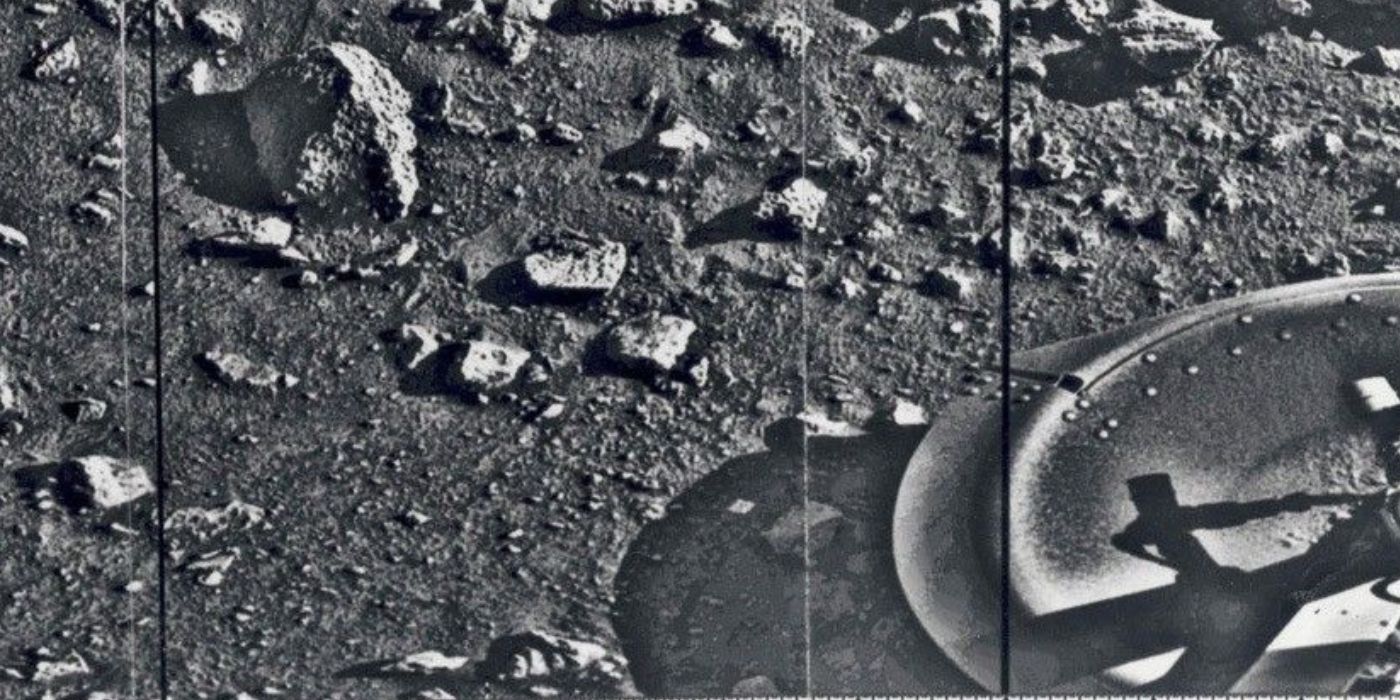
50 Years on Mars: From Viking to Today's Rovers
#Blog #Simon Steel #Pascal Lee #Mars
Research

Related Projects

Featured Image
SkyMapper • SETI • Citizen Science • Astronomy
SkyMapper: Expanding Access to Real-time Astronomy Through a Global Astronomical Network
SkyMapper and the SETI Institute are connecting educators, students and the public to live astronomical observations through a distributed astronomical network. #SkyMapper #SETI #Citizen Science #Astronomy
Featured Image
VPL
Virtual Planetary Laboratory
How can we best assess whether an exoplanet supports life? #VPL
Featured Image
Discovery and Futures Lab
What happens if life beyond Earth is discovered? The Discovery and Futures Lab at the SETI Institute fosters novel and anticipatory research at the intersection of science, society, our planet, and the search for life beyond Earth.  #Discovery and Futures Lab
Support Us

Support the
SETI Institute

Scientists are getting closer in their search for life beyond earth. But with limited federal funding for the search for extraterrestrial intelligence, supporters are the reason cutting-edge scientists can keep their eyes on the sky.