








Friday, Aug 02, 2024

July marked a significant milestone in optical SETI research, as the SETI Institute team installed two new LaserSETI stations in Sedona, AZ. This installation brings the number of active LaserSETI observatories to three, enhancing our ability to scan the entire sky and monitor for extrasolar laser pulses continuously. LaserSETI stations need to be strategically placed around the globe to achieve this goal.

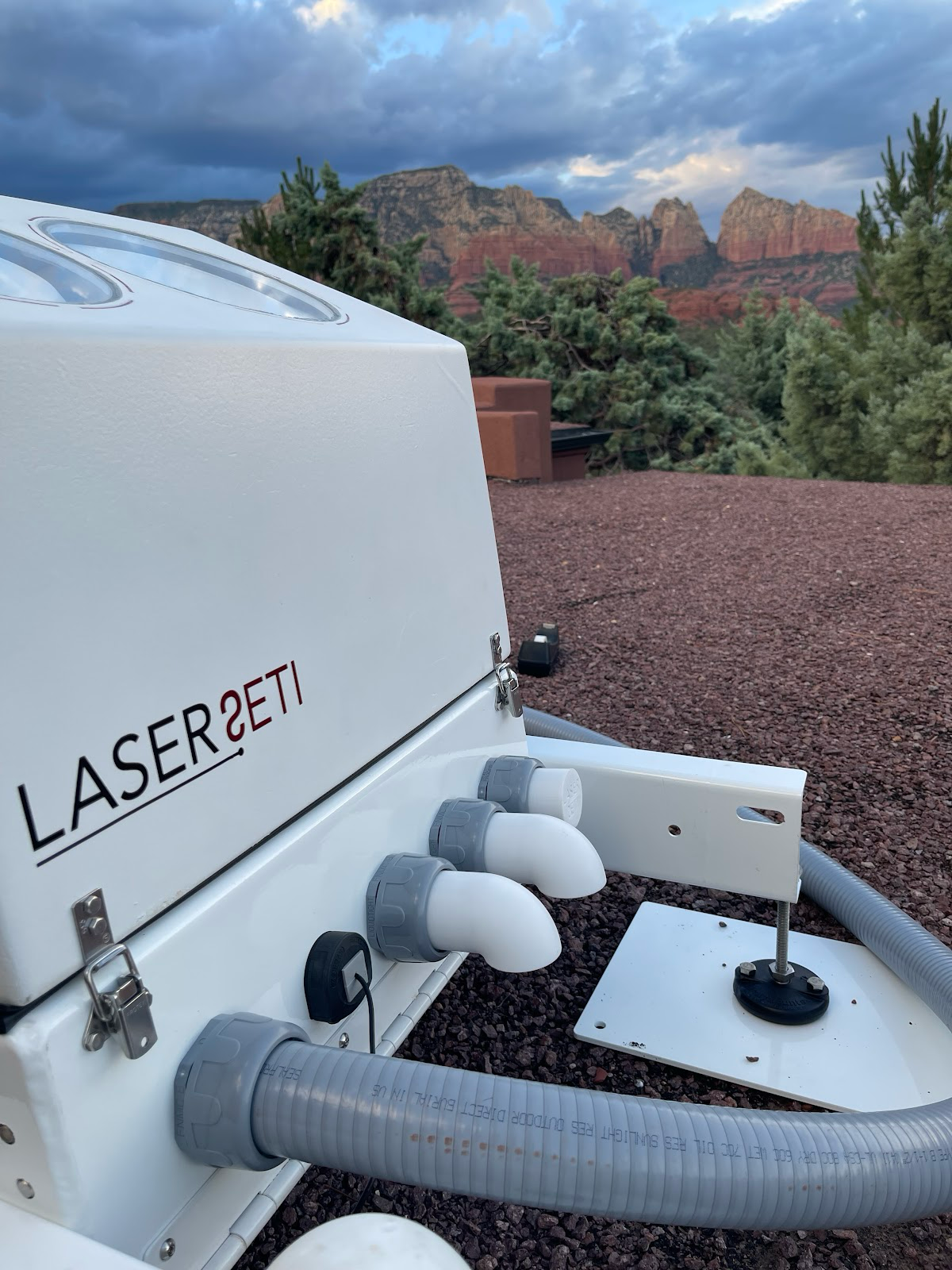
One of the two LaserSETI stations overlooking the landscape of Sedona, AZ.

LaserSETI installations in California and Hawai’i collectively observe 18.5% of the sky. With the new observatory in Sedona, this coverage will increase to an impressive 31.4%. This expansion is a critical step towards achieving global coverage, enabling constant monitoring of the sky for technosignatures. 

Initially constructed at LaserSETI Director Eliot Gillum’s home, the new stations were moved and finalized at the San Francisco SETI Institute/Unistellar offices. After completing them, we shipped them to Sedona, AZ on behalf of Richard Factor, who generously offered his roof as the site for the LaserSETI installation. Despite a brief disruption caused by a CrowdStrike outage, the entire team arrived on time and proceeded with the installation as planned.

Getting ready to load one of the stations onto the scissor lift for rooftop installation.

The journey wasn’t without its hurdles. Minor damage occurred during shipping, but the dedicated team quickly repaired the structures, ensuring they were functional for the installation. Upon arrival, the team’s first tasks included securing the stations on the roof and aligning them to the correct portions of the sky. They then ran power and Ethernet cables to the stations. After confirming power, we established remote connectivity.

Unfortunately, the Arizona night sky was too cloudy to complete the final step of focusing the instruments. Additionally, several software updates are still needed before the survey can be fully automated. As a result, the team will have to return for the “first light” once the final pieces are in place, probably before September 2024.

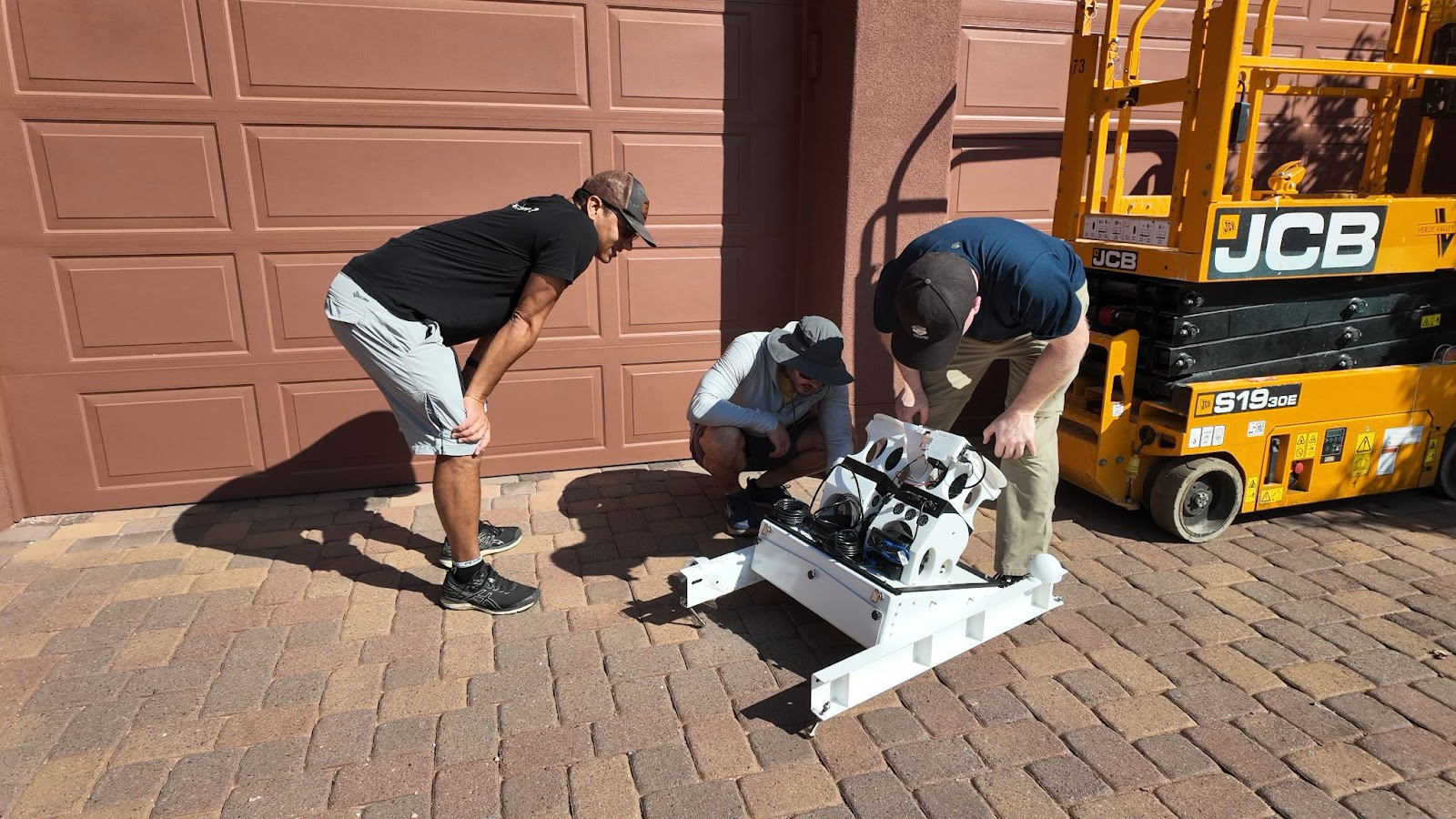
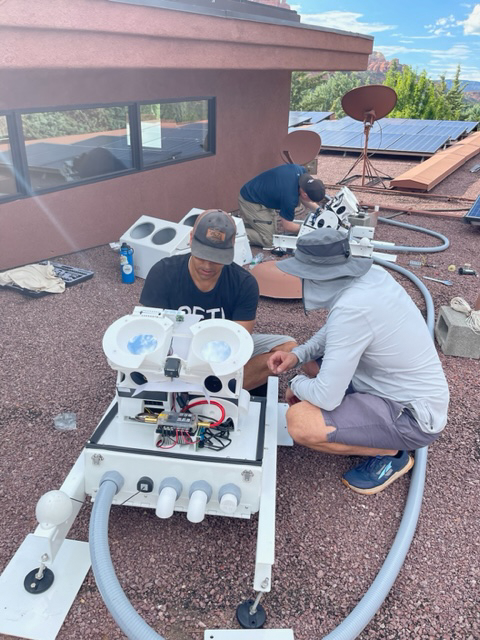
Part of the team – Franck Marchis, Eliot Gillum, and Danny Kuljis – working on the instruments.

The LaserSETI project has ambitious plans for further expansion. Nine more stations are currently under construction, bringing us closer to our goal of comprehensive sky coverage. The LaserSETI team plans to install these upcoming observatories in the Caribbean, the Arabian Peninsula, Europe, and the Himalayas.  

The dedication and perseverance of the LaserSETI team, coupled with the generosity of supporters like Richard Factor, are driving us ever closer to answering one of humanity’s most profound questions: Are we alone in the universe?

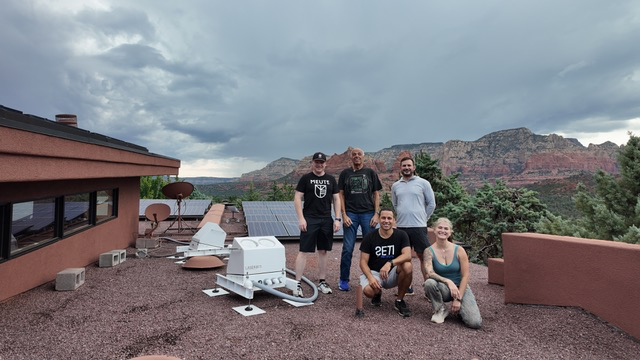
The LaserSETI team and Sedona installation site! Back, from left to right: Eliot Gilum, Richard Factor, Danny Kuljis. Front, from left to right: Franck Marchis, Lauren Sgro.

News

Related News

Featured Image
Sep 8, 2026
Researchers Propose Searching the Moon for Microscopic Technosignatures
New study outlines the first quantitative framework for searching lunar regolith for microscopic technosignatures. #Press Releases #Moon #Technosignatures #Lewis Pinault #Andrew Siemion #Astrobiology #SETI #Solar System #AI and Machine Learning #Bill Diamond

Featured Image
Aug 27, 2026
SETI Institute Achievements: Q2 2026 Activity Report
During the second quarter of 2026, the SETI Institute was especially active and made strong progress in research, education, outreach, and public engagement. Our scientists published over 80 peer-reviewed papers in fields such as SETI, astrobiology, planetary science, exoplanets, and heliophysics. #Activity Reports #Carl Sagan Center #Outreach #Education #AIR #Community #Research #SETI Institute
Featured Image
Aug 21, 2026
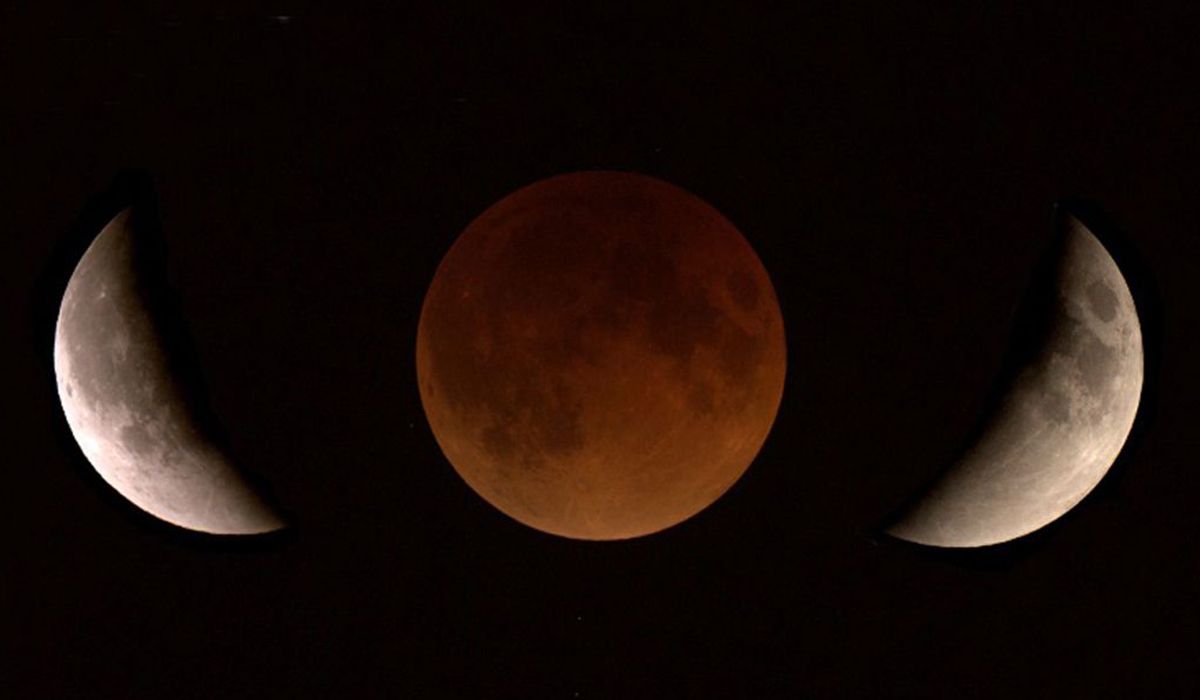
Look Up: A Lunar Eclipse on August 27
#Eclipse #Community #Andrew Fraknoi
Featured Image
Aug 13, 2026
SETI Institute In the News: July Roundup 2026
#SETI Institute in the News #SETI Institute #Community #Peter Jenniskens #Lucian Walkowicz #Chelsea Haramia #Pascal Lee #Bill Diamond #Seth Shostak #Meteorites #SETI #UAPs #NASA Missions and Observatories #Discovery and Futures Lab #Mars
Featured Image
Aug 12, 2026
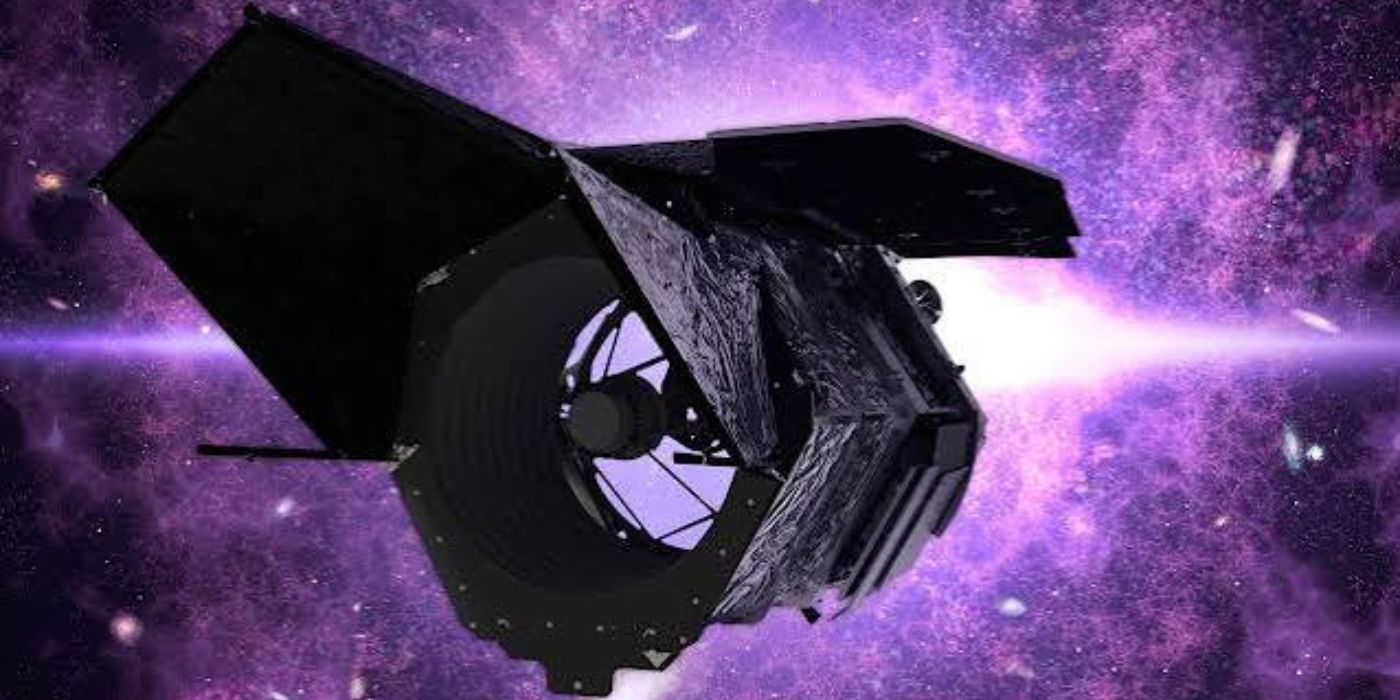
Hide the Star: How Roman Will See Exoplanets
#Blog #Franck Marchis #Margaret Turnbull #Nancy Grace Roman Space Telescope #Planetary Exploration #NASA Missions and Observatories #Exoplanets #Spectroscopy #Astronomy
Featured Image
Jul 24, 2026
A New Way to Search for Alien Civilizations
#Blog #Lauren Sgro
Research

Related Projects

Featured Image
SkyMapper • SETI • Citizen Science • Astronomy
SkyMapper: Expanding Access to Real-time Astronomy Through a Global Astronomical Network
SkyMapper and the SETI Institute are connecting educators, students and the public to live astronomical observations through a distributed astronomical network. #SkyMapper #SETI #Citizen Science #Astronomy
Featured Image
VPL
Virtual Planetary Laboratory
How can we best assess whether an exoplanet supports life? #VPL
Featured Image
Discovery and Futures Lab
What happens if life beyond Earth is discovered? The Discovery and Futures Lab at the SETI Institute fosters novel and anticipatory research at the intersection of science, society, our planet, and the search for life beyond Earth.  #Discovery and Futures Lab
Support Us

Support the
SETI Institute

Scientists are getting closer in their search for life beyond earth. But with limited federal funding for the search for extraterrestrial intelligence, supporters are the reason cutting-edge scientists can keep their eyes on the sky.