Thursday, Aug 08, 2019

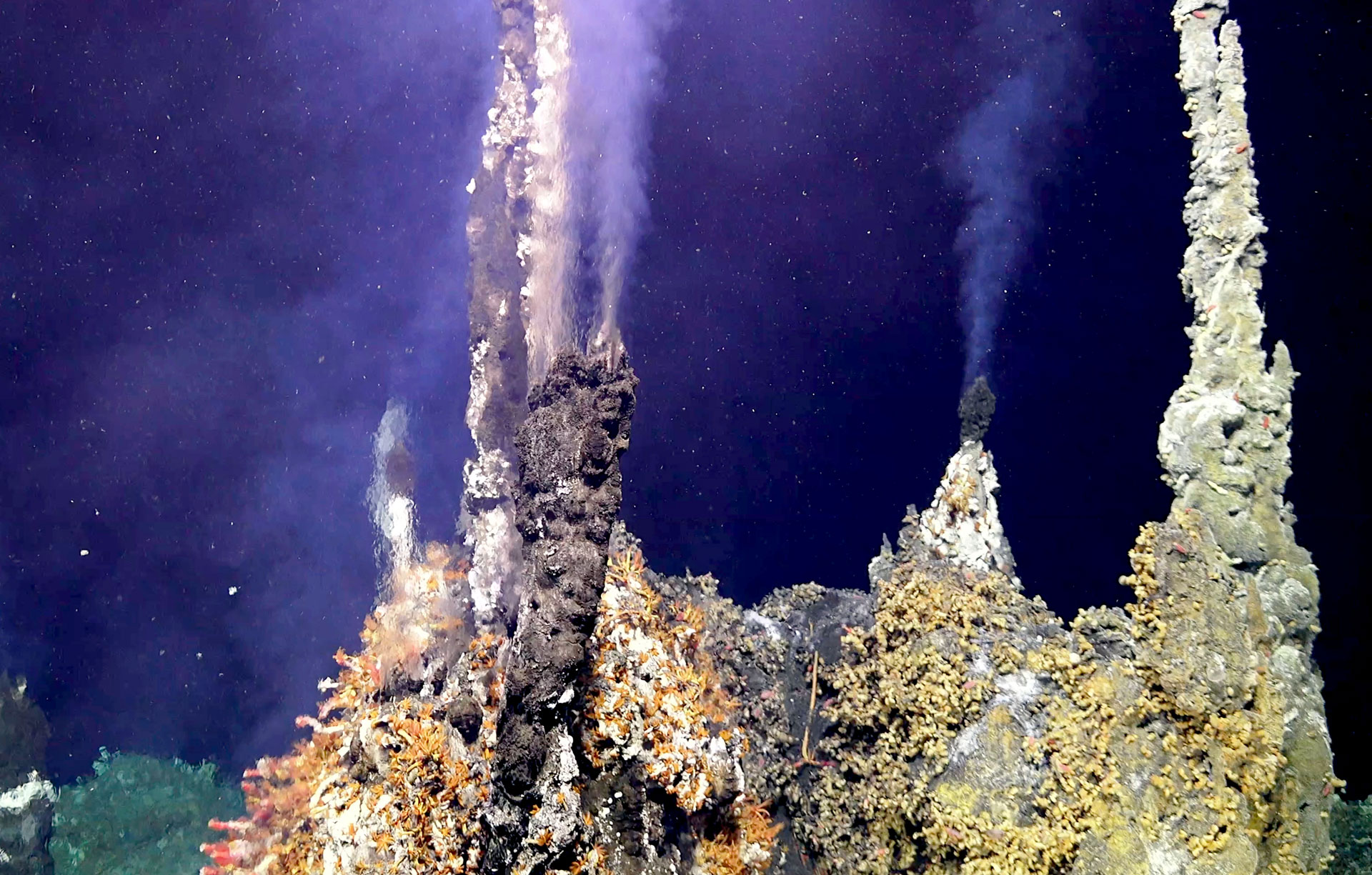
Hydrothermal system at Axial Seamount. Image Credit: D. Kelley, University of Washington/NSF-OOI/WHOI.

August 8, 2019, Mountain View, CA -- Pablo Sobron, a SETI Institute physicist, and Laurie Barge, a NASA JPL research scientist, are the recipients of a NASA Planetary Science and Technology from Analog Research (PSTAR) grant to study underwater hydrothermal systems at Axial Seamount, the largest and most active volcano on the western boundary of the Juan de Fuca tectonic plate. Their project, known as InVADER (In-situ Vent Analysis Divebot for Exobiology Research), will transform the technological and operational arsenal available for future Ocean World exploration. The InVADER team, which consists of scientists and engineers from other institutions in the United States and Great Britain, will broaden the scientific knowledge and techniques available to ocean sciences today.

“With InVADER, we bring next-generation space exploration tools 1500 meters below the ocean surface,” said Sobron. “This way, our project offers unprecedented opportunities to bridge studies of Earth’s oceans and mission concepts to explore oceans in our Solar System.” InVADER integrates an innovative science payload into a deep ocean platform. The overarching mission is to advance technologies for autonomous sampling and real-time sensing. To accomplish its goal, InVADER features the first long-term-resident, real-time, combined imaging and spectroscopy payload for underwater sensing. InVADER will take daily measurements for 12 months. The data collected will provide a greater understanding of geochemical dynamics across time and also allow active investigation of microbial metabolisms in hydrothermal environments.

By being resident on-site at the vent, InVADER will capture transient events and provide unprecedented spatial and temporal access to a deep ocean hydrothermal system. This data will determine relevant gradients in vent systems; composition and mineralogy of hydrothermal chimneys and associated precipitates; relevant small-scale features that are indicators of vent geochemistry and/or habitability; and the presence and distribution of organics.

The team will also bring back samples of local fluids and minerals to be analyzed in the lab. Analysis will enable the team to characterize the mineralogy, hydrothermal fluid compositions, and geological context of the samples. “Together, these measurements will help us determine new strategies to study life in Earth’s oceans and refine methods for how we might study habitable vent systems on ocean worlds like Europa or Enceladus in the future” explained Barge.

The InVADER project is a compelling example of a public/private, multi-institute partnership with a dynamic team that includes:

  • Pablo Sobron (SETI Institute and Impossible Sensing)
  • Anuscheh Nawaz, Justin Burnett, Deborah Kelley, Aaron Marburg, and Dana Manalang (University of Washington)
  • Laurie Barge, Renaud Detry, and Ninos Hermis (JPL)
  • Blair Thorton (University of Southhampton, UK)
  • Anupam Misra and Tayro Acosta (University of Hawaii)
  • Jan Amend (University of Southern California)
  • Kris Zacny, Fredrik Rehnmark, and David Yu (Honeybee Robotics)
  • Roy Price (SUNY Stony Brook University)
  • Marianne Smith (Citrus College)

“InVADER brings together an exceptionally qualified team of senior and junior scientists, engineers, and students, including student interns from the community college,” said Sobron. “The team will leverage NASA and National Science Foundation (NSF) investments – the NSF funds and the University of Washington operates and manages the Regional Cabled Array where InVADER will be deployed – to further technological advances that will enhance our scientific understanding of oceans on Earth and beyond.”

Follow the mission online at https://invader-mission.org and on Instagram at @invadermission.

About the SETI Institute
Founded in 1984, the SETI Institute is a non-profit, multi-disciplinary research and education organization whose mission is to lead humanity’s quest to understand the origins and prevalence of life and intelligence in the Universe and to share that knowledge with the world. Our research encompasses the physical and biological sciences and leverages expertise in data analytics, machine learning and advanced signal detection technologies. The SETI Institute is a distinguished research partner for industry, academia and government agencies, including NASA and NSF.

Contact information
Rebecca McDonald

Director of Communications
SETI Institute
189 Bernardo Ave., Suite 200
Mountain View, CA 94043
[email protected]
www.seti.org

View/download full press release

News

Related News

Featured Image
Sep 8, 2026
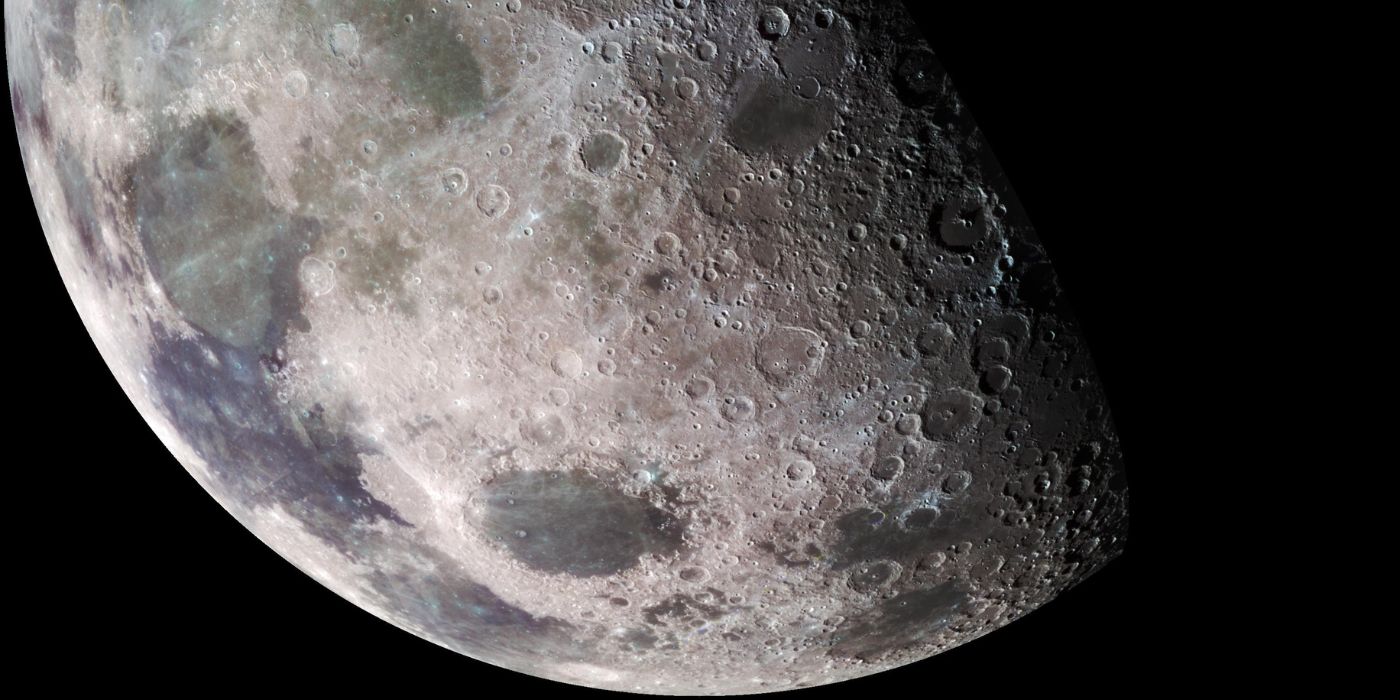
Researchers Propose Searching the Moon for Microscopic Technosignatures
New study outlines the first quantitative framework for searching lunar regolith for microscopic technosignatures. #Press Releases #Moon #Technosignatures #Lewis Pinault #Andrew Siemion #Astrobiology #SETI #Solar System #AI and Machine Learning #Bill Diamond
Featured Image
Sep 1, 2026
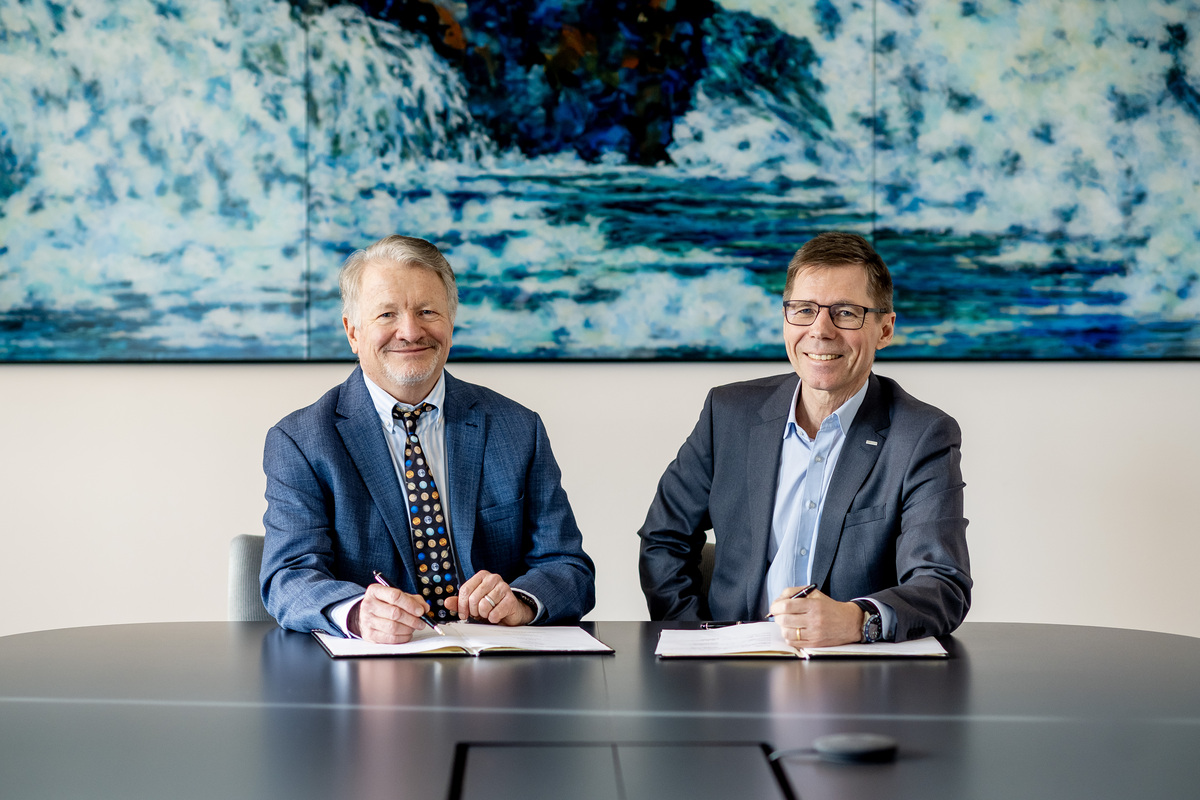
The SETI Institute and ETH Zurich join forces to search for the origin of life
ETH Zurich and the SETI Institute announced a strategic scientific partnership today. The US-based research organization will provide start-up funding for a new assistant professorship and associated research activities at ETH Zurich. #Press Releases #SETI Institute #Partnerships #ETH Zurich #Bill Diamond
Featured Image
Aug 25, 2026
JWST Reveals a Race Against Time for Forming Planets
SETI Institute scientist Uma Gorti co-authors one of the largest JWST studies of how planet-forming disks lose their gas #Press Releases #JWST #Astronomy #Astrophysics #Uma Gorti
Featured Image
Aug 24, 2026
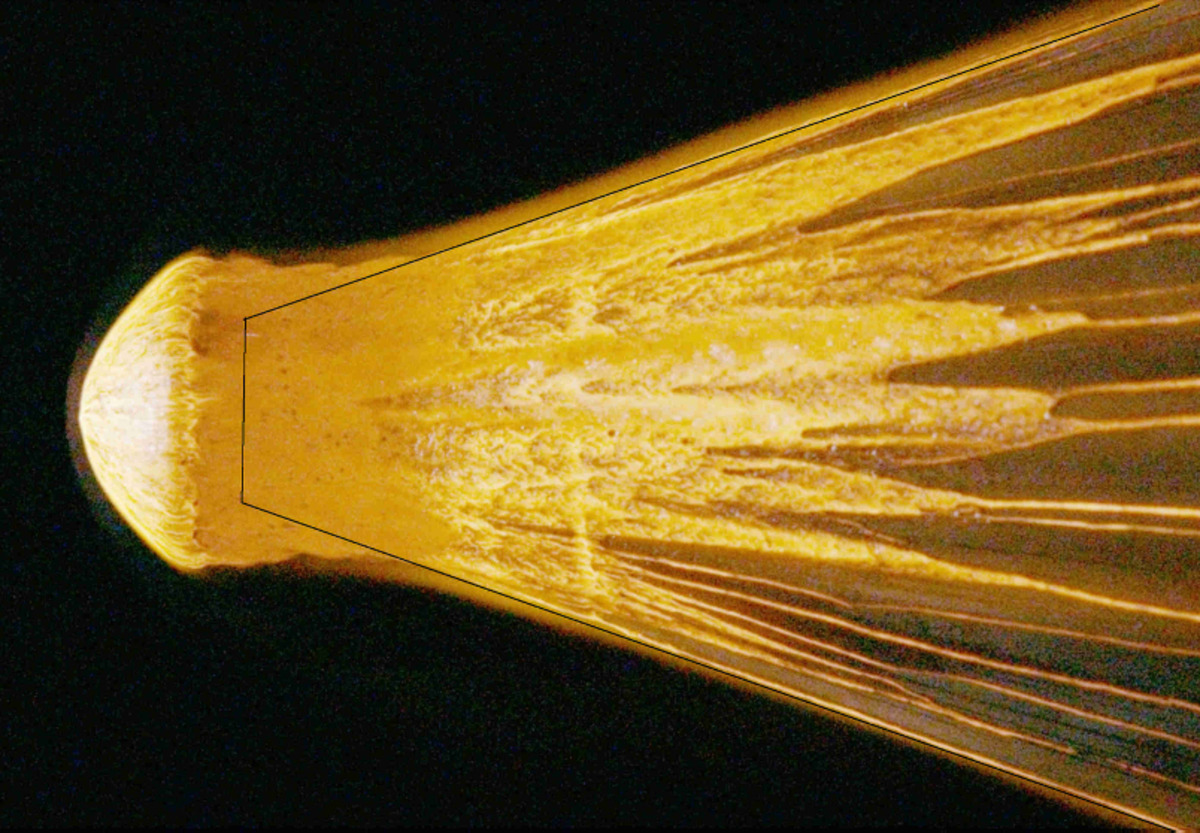
New study reveals how space rocks become meteorites
Analysis of the atmospheric passage of 75 meteorite falls identifies seven distinct processes as space rocks melt, fragment and slow before they fall as meteorites #Press Releases #Comets, Meteors, and Asteroids #Peter Jenniskens #Meteorites #Astronomy #Stuart Pilorz
Featured Image
Aug 19, 2026
SETI Institute Team Looks for a New Way to Find Resources in Space
#Press Releases #Pablo Sobron #Moon #Asteroids #Planetary Exploration #Spectroscopy #Astrobiology
Featured Image
Aug 12, 2026
Hide the Star: How Roman Will See Exoplanets
#Blog #Franck Marchis #Margaret Turnbull #Nancy Grace Roman Space Telescope #Planetary Exploration #NASA Missions and Observatories #Exoplanets #Spectroscopy #Astronomy
Research

Related Projects

Featured Image
SkyMapper • SETI • Citizen Science • Astronomy
SkyMapper: Expanding Access to Real-time Astronomy Through a Global Astronomical Network
SkyMapper and the SETI Institute are connecting educators, students and the public to live astronomical observations through a distributed astronomical network. #SkyMapper #SETI #Citizen Science #Astronomy
Featured Image
VPL
Virtual Planetary Laboratory
How can we best assess whether an exoplanet supports life? #VPL
Featured Image
Discovery and Futures Lab
What happens if life beyond Earth is discovered? The Discovery and Futures Lab at the SETI Institute fosters novel and anticipatory research at the intersection of science, society, our planet, and the search for life beyond Earth.  #Discovery and Futures Lab
Support Us

Support the
SETI Institute

Scientists are getting closer in their search for life beyond earth. But with limited federal funding for the search for extraterrestrial intelligence, supporters are the reason cutting-edge scientists can keep their eyes on the sky.