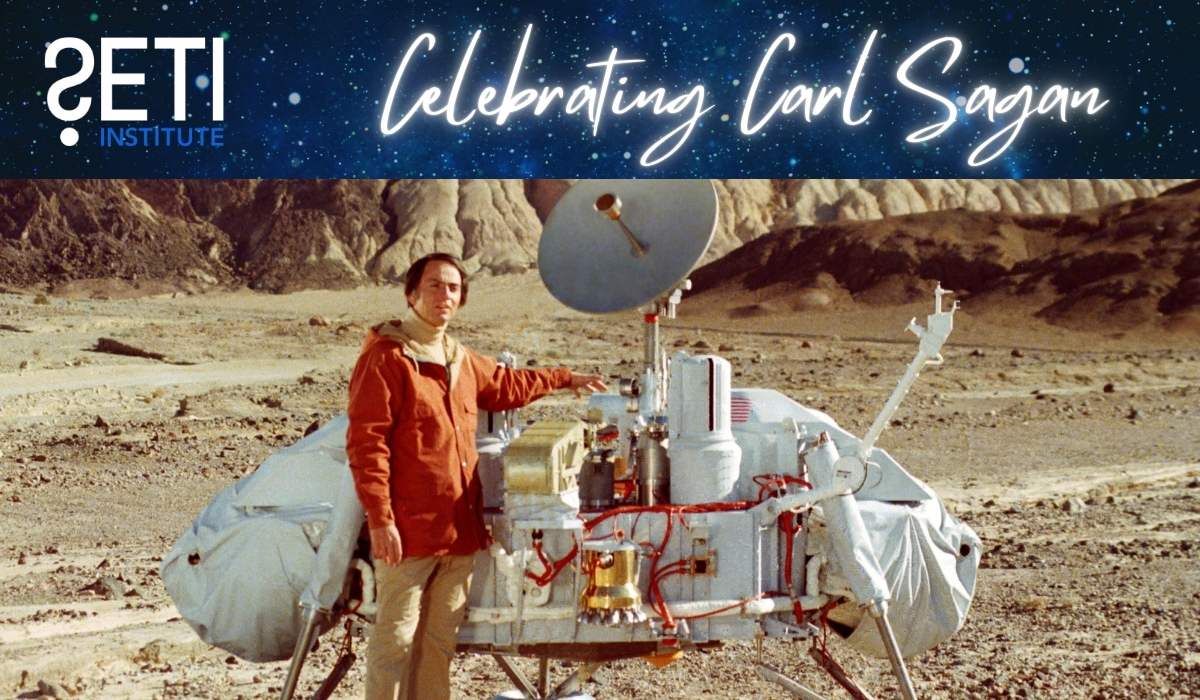
Carl Sagan had a gift for translating complex scientific ideas into stories that sparked wonder and inspired generations, including many of the scientists shaping today’s discoveries. Through his books, TV, and his sense of personal awe, he invited millions of people to join him on a journey of exploration. His television series, Cosmos: A Personal Voyage, made Sagan a household name, exploring humanity’s relationship with the universe. Sagan’s influence also extended to popular culture with Contact, the book and screenplay that introduced Ellie Arroway, a character inspired by SETI Institute co-founder Dr. Jill Tarter and later portrayed by Jodie Foster in the 1997 film. His legacy as a science communicator endures, making science not only accessible but also deeply engaging and human.
Beyond his work as a communicator, Sagan’s scientific contributions were profound. His research encompassed planetary science, astrobiology, and SETI. He played pivotal roles in the Mariner, Viking, Voyager, and Galileo missions, exploring Mars, Venus, Jupiter, and the outer planets. He collaborated with teams that included Dr. Frank Drake to create the Pioneer plaque and the Voyager Golden Record, messages that could potentially be understood by any extraterrestrial civilization that might find them. His impact is perhaps most memorably captured in Voyager 1’s “Pale Blue Dot” image of Earth, a moving reminder of our planet’s fragility in the vastness of space.
Sagan also made lasting contributions to the SETI Institute, serving on its Board of Directors and continuing to inspire its mission to lead humanity's quest to understand the origins and prevalence of life and intelligence in the universe and share that knowledge with the world. Today, he is remembered as a member of the SETI Institute’s Emeritus Board, an enduring symbol of his passion for the search for life beyond Earth.
On what would have been his 90th birthday, we celebrate Carl Sagan as a visionary who brought the stars closer, reminding us to stay curious and to keep looking up. Happy Birthday, Carl Sagan—thank you for showing us that the universe is worth exploring, understanding, and cherishing.
News
Related News
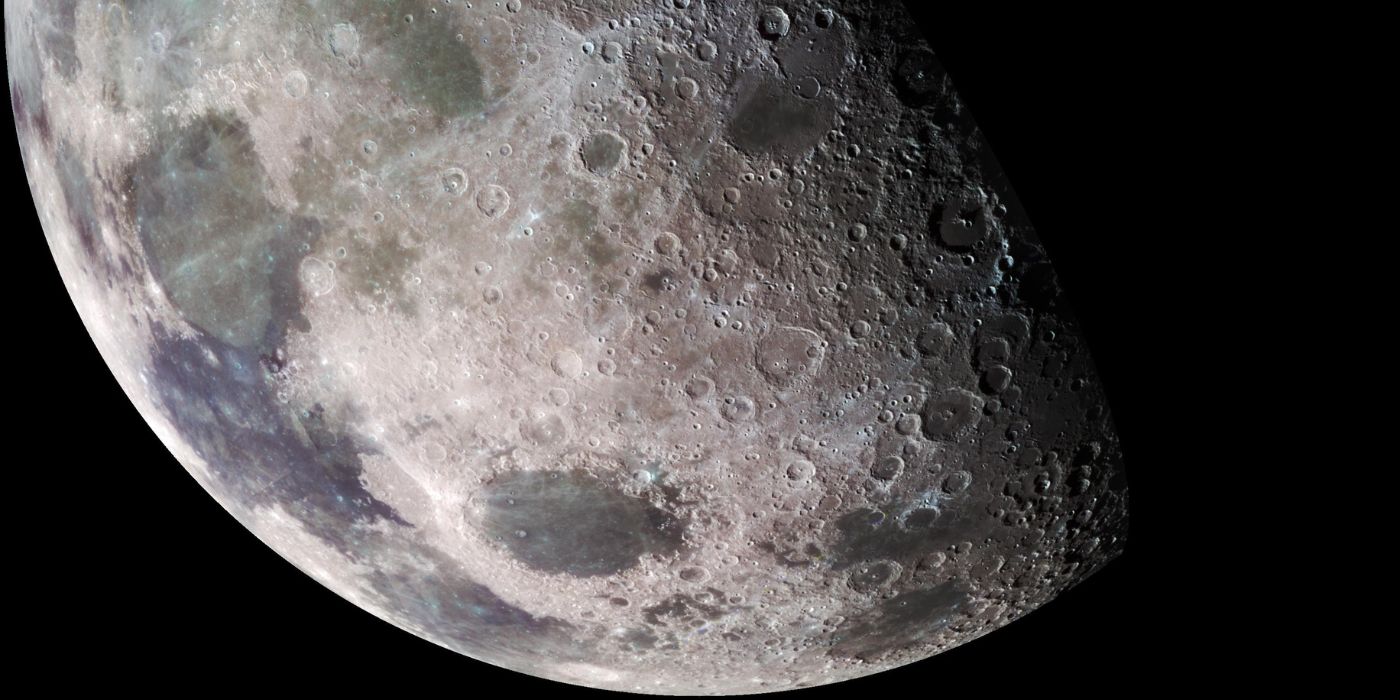
Researchers Propose Searching the Moon for Microscopic Technosignatures
New study outlines the first quantitative framework for searching lunar regolith for microscopic technosignatures. #Press Releases #Moon #Technosignatures #Lewis Pinault #Andrew Siemion #Astrobiology #SETI #Solar System #AI and Machine Learning #Bill Diamond
SETI Institute Achievements: Q2 2026 Activity Report
During the second quarter of 2026, the SETI Institute was especially active and made strong progress in research, education, outreach, and public engagement. Our scientists published over 80 peer-reviewed papers in fields such as SETI, astrobiology, planetary science, exoplanets, and heliophysics. #Activity Reports #Carl Sagan Center #Outreach #Education #AIR #Community #Research #SETI Institute
JWST Reveals a Race Against Time for Forming Planets
SETI Institute scientist Uma Gorti co-authors one of the largest JWST studies of how planet-forming disks lose their gas #Press Releases #JWST #Astronomy #Astrophysics #Uma Gorti
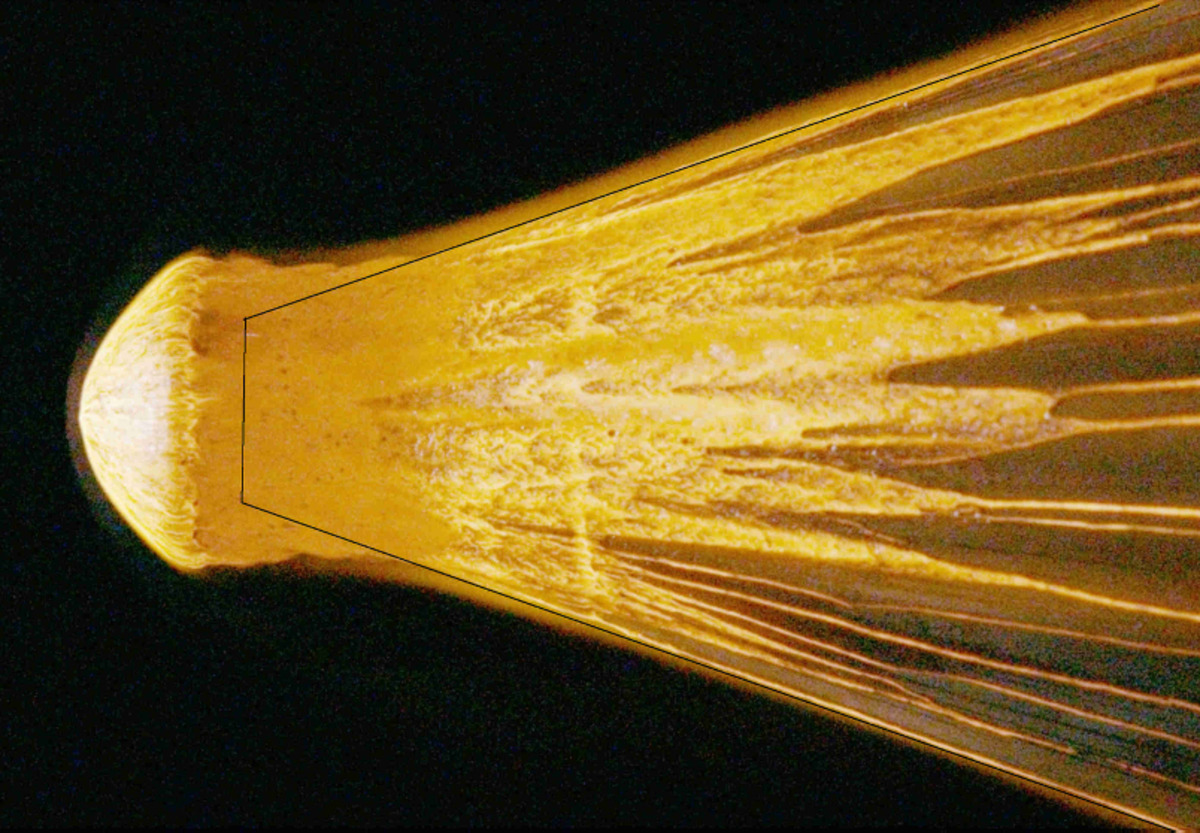
New study reveals how space rocks become meteorites
Analysis of the atmospheric passage of 75 meteorite falls identifies seven distinct processes as space rocks melt, fragment and slow before they fall as meteorites #Press Releases #Comets, Meteors, and Asteroids #Peter Jenniskens #Meteorites #Astronomy #Stuart Pilorz
SETI Institute Team Looks for a New Way to Find Resources in Space
#Press Releases #Pablo Sobron #Moon #Asteroids #Planetary Exploration #Spectroscopy #Astrobiology
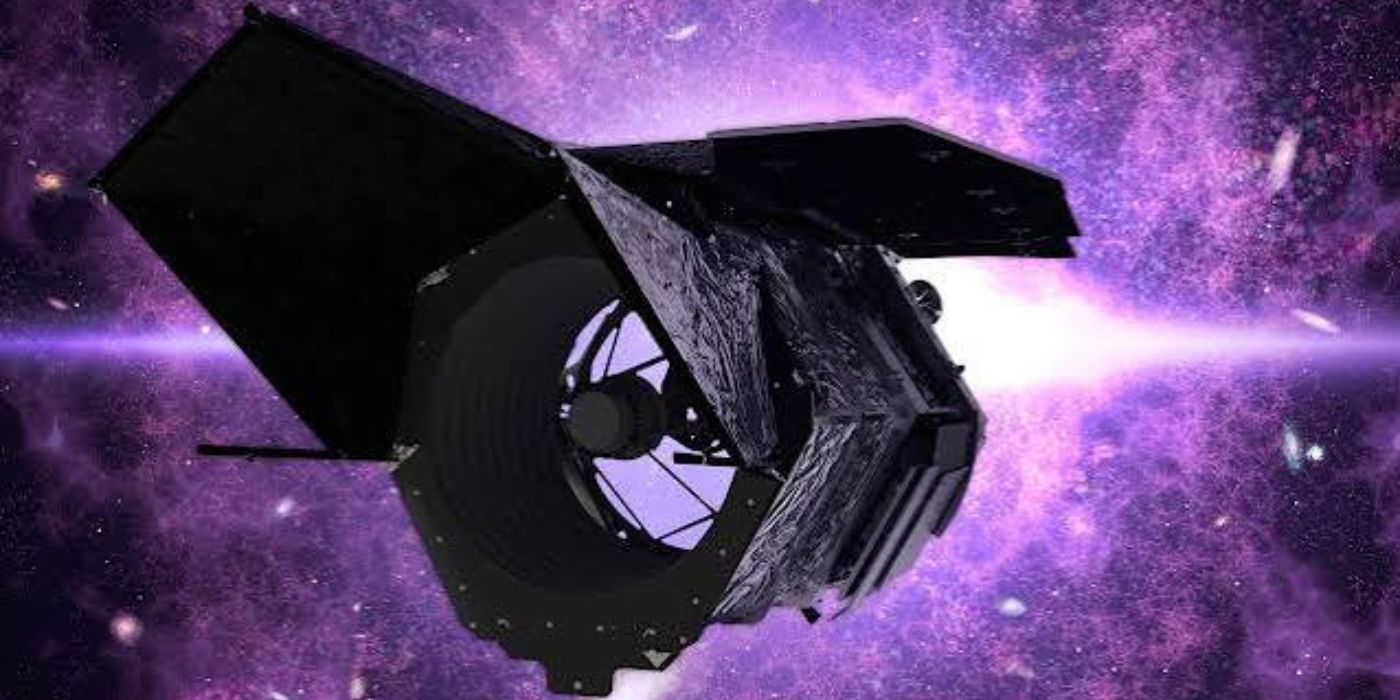
Hide the Star: How Roman Will See Exoplanets
#Blog #Franck Marchis #Margaret Turnbull #Nancy Grace Roman Space Telescope #Planetary Exploration #NASA Missions and Observatories #Exoplanets #Spectroscopy #AstronomyResearch
Related Projects
SkyMapper: Expanding Access to Real-time Astronomy Through a Global Astronomical Network
SkyMapper and the SETI Institute are connecting educators, students and the public to live astronomical observations through a distributed astronomical network. #SkyMapper #SETI #Citizen Science #Astronomy
Virtual Planetary Laboratory
How can we best assess whether an exoplanet supports life? #VPL
Discovery and Futures Lab
What happens if life beyond Earth is discovered? The Discovery and Futures Lab at the SETI Institute fosters novel and anticipatory research at the intersection of science, society, our planet, and the search for life beyond Earth. #Discovery and Futures LabSupport the
SETI Institute
Scientists are getting closer in their search for life beyond earth. But with limited federal funding for the search for extraterrestrial intelligence, supporters are the reason cutting-edge scientists can keep their eyes on the sky.