






Photo by Brian Day NASA.
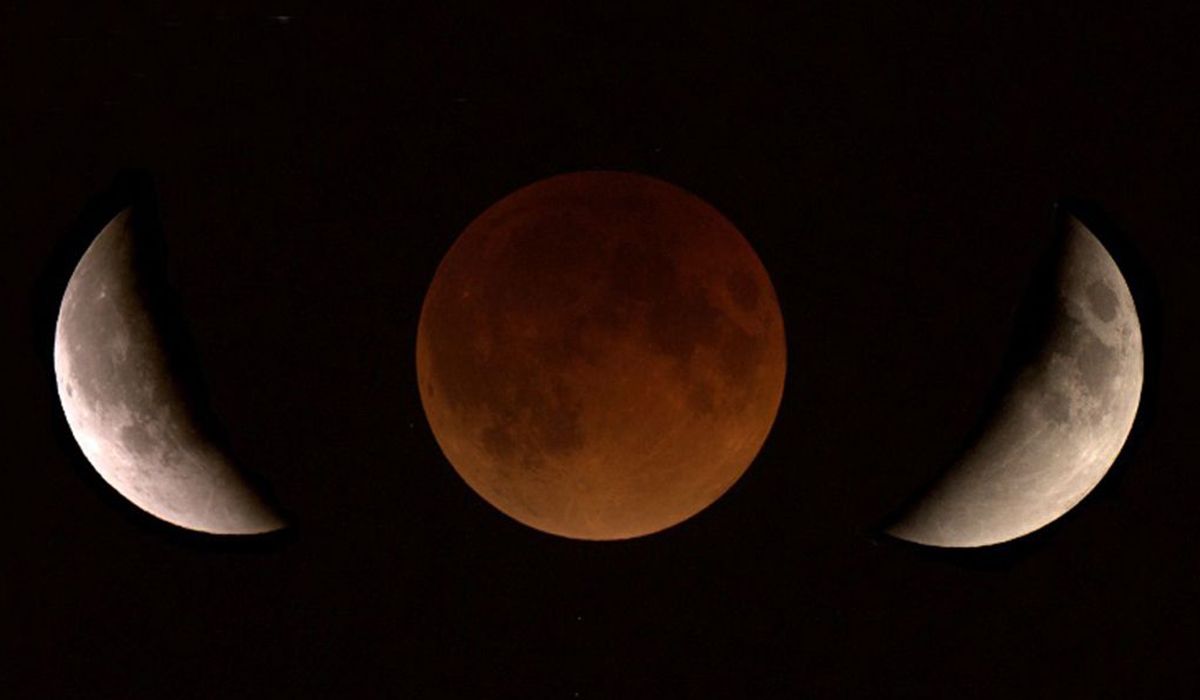
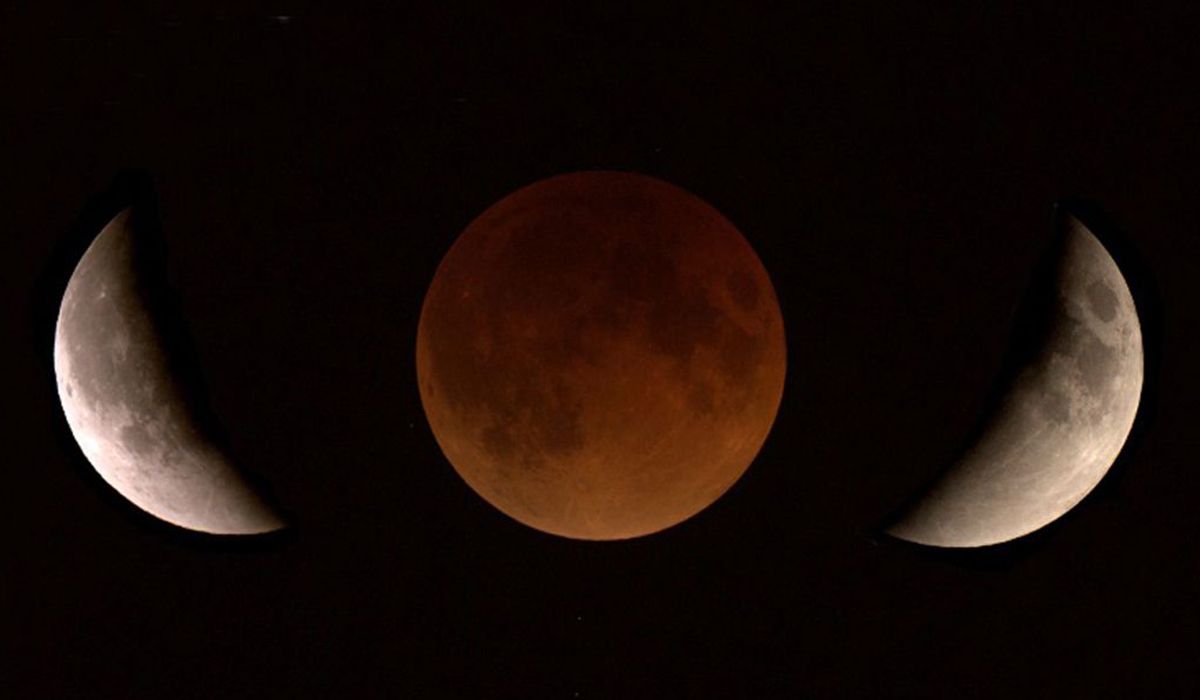
A total eclipse of the Moon will be visible to everyone in North and South America on the night of March 13 to 14, 2025. (March 14th is often celebrated as Pi Day and is also Einstein’s birthday!)
Total eclipses of the Moon are very democratic -- perfectly safe to look at and not requiring any special equipment to see. The unfortunate thing is that many parts of the country will see the eclipse in the middle of the night – which might lead to some very tired co-workers or students coming in the next morning.
A full information sheet, written by astronomer Andrew Fraknoi, with eclipse times for each time zone, can be found at: http://bit.ly/2025eclipse
Special Note: An eclipse of the Moon from Earth can be seen as an eclipse of the Sun (by the Earth) from the Moon. Normally, there is no one on the Moon to see such an eclipse. But now there is!
Firefly Aerospace (a private company) has landed its Blue Ghost capsule on the surface of the Moon and it is taking good pictures. From their website, it appears that the Firefly group is aware of the eclipse and planning to take images of it from the Moon.
Additionally, check out what Dr. Lauren Sgro has to say about this upcoming eclipse:
News
Related News
Researchers Propose Searching the Moon for Microscopic Technosignatures
New study outlines the first quantitative framework for searching lunar regolith for microscopic technosignatures. #Press Releases #Moon #Technosignatures #Lewis Pinault #Andrew Siemion #Astrobiology #SETI #Solar System #AI and Machine Learning #Bill Diamond
Planetary Picture of the Day - Week of August 17, 2026
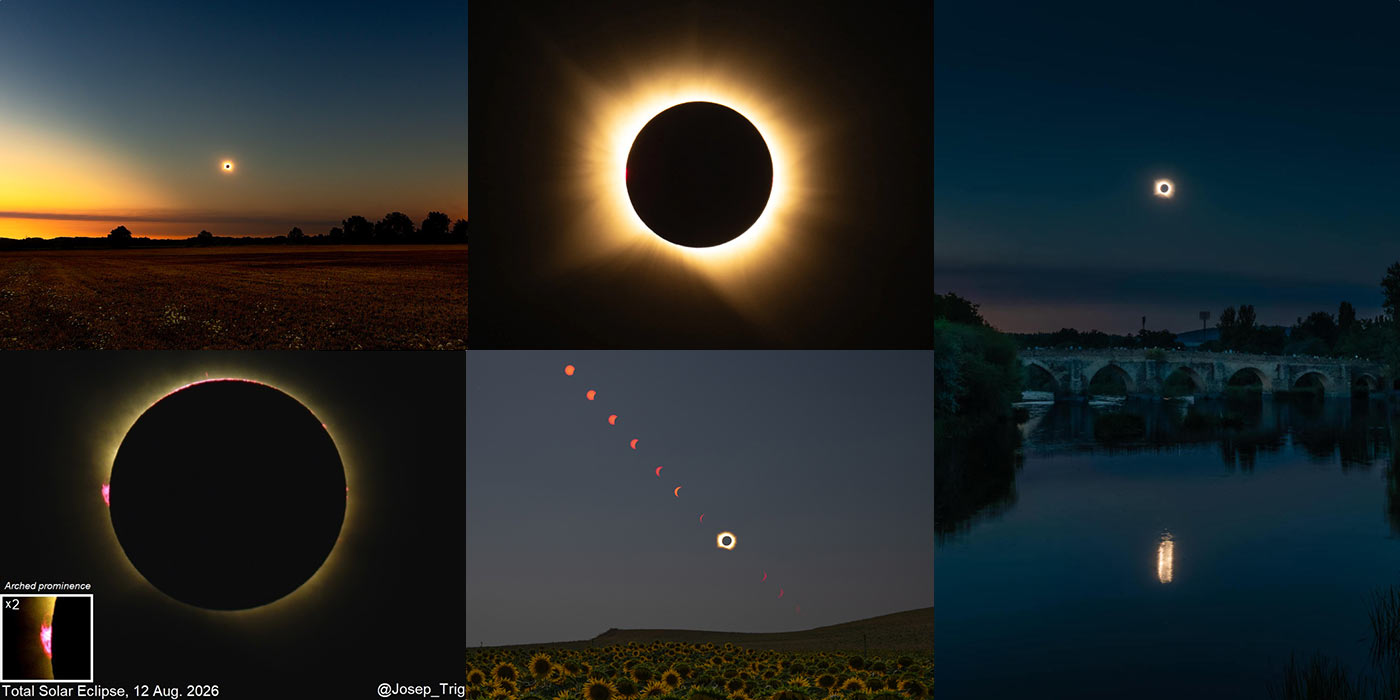
Let's celebrate the August 12 total solar eclipse through the eyes of photographers who experienced the Moon’s shadow sweeping across Spain. From Baily’s Beads and a glowing solar prominence to totality reflected in a river and framed by fields of sunflowers, these images capture both the science and extraordinary beauty of one of nature’s most spectacular celestial events. #PPOD #Eclipse
Look Up: A Lunar Eclipse on August 27
#Eclipse #Community #Andrew Fraknoi
SETI Institute Team Looks for a New Way to Find Resources in Space
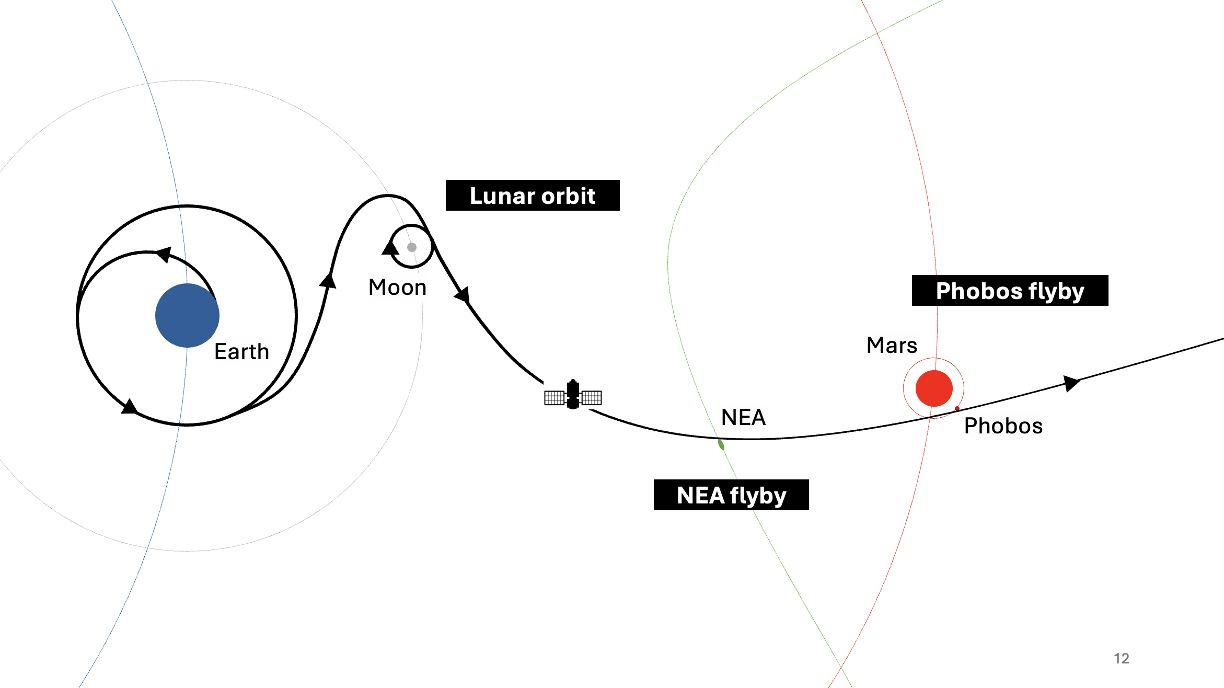
#Press Releases #Pablo Sobron #Moon #Asteroids #Planetary Exploration #Spectroscopy #Astrobiology
SETI Institute In the News: June Roundup 2026
Throughout June 2026, SETI Institute scientists, affiliates, and collaborators contributed to discussions spanning interstellar visitors, planetary science, technosignature searches, animal cognition, and the scientific process guiding the search for life beyond Earth. #SETI Institute in the News #SETI Institute #Community #Eduardo Bendek #Optical SETI #SETI #3I/ATLAS #ATA #Comets, Meteors, and Asteroids #Solar System #Franck Marchis #Ariel Graykowski #Jill Tarter #Vishal Gajjar #Radio Astronomy #Bill Diamond #Lori Marino
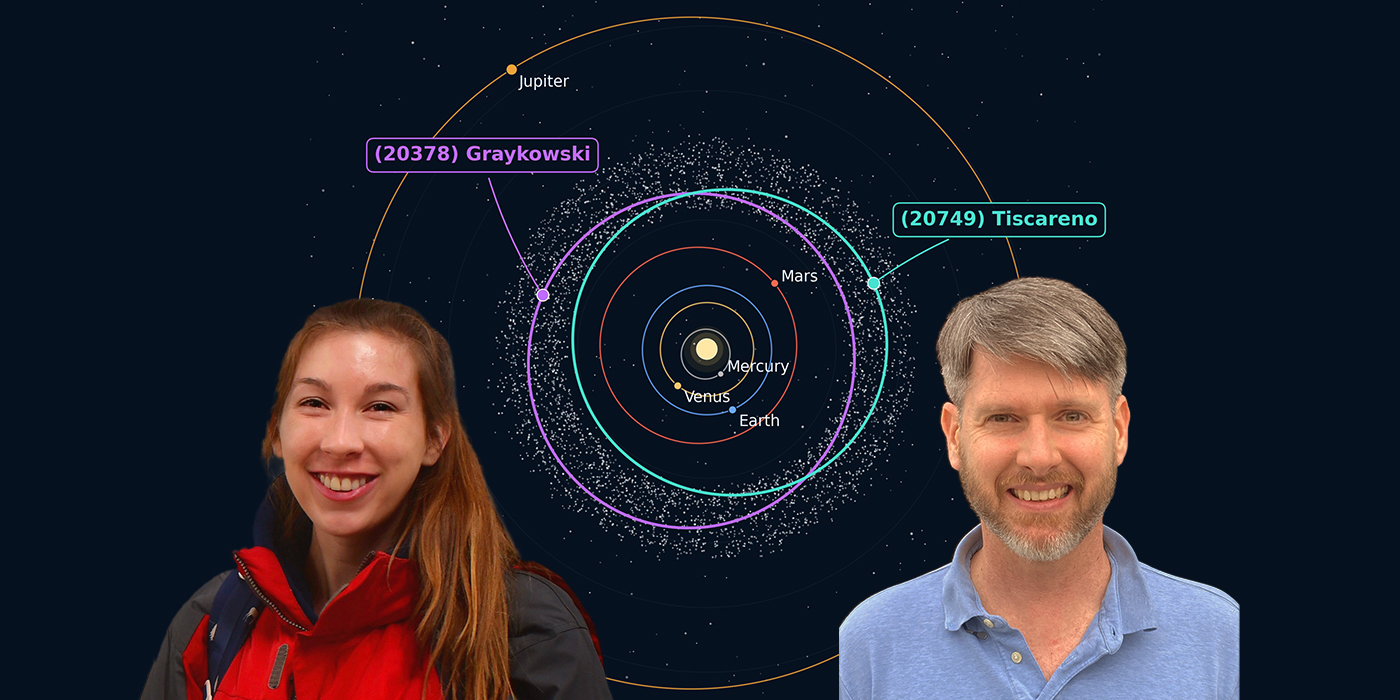
Two SETI Institute Scientists Honored with Asteroids Bearing Their Names
#Comets, Meteors, and Asteroids #Ariel Graykowski #Matthew Tiscareno #Planetary Astronomy #Solar System #SaturnResearch
Related Projects
SkyMapper: Expanding Access to Real-time Astronomy Through a Global Astronomical Network
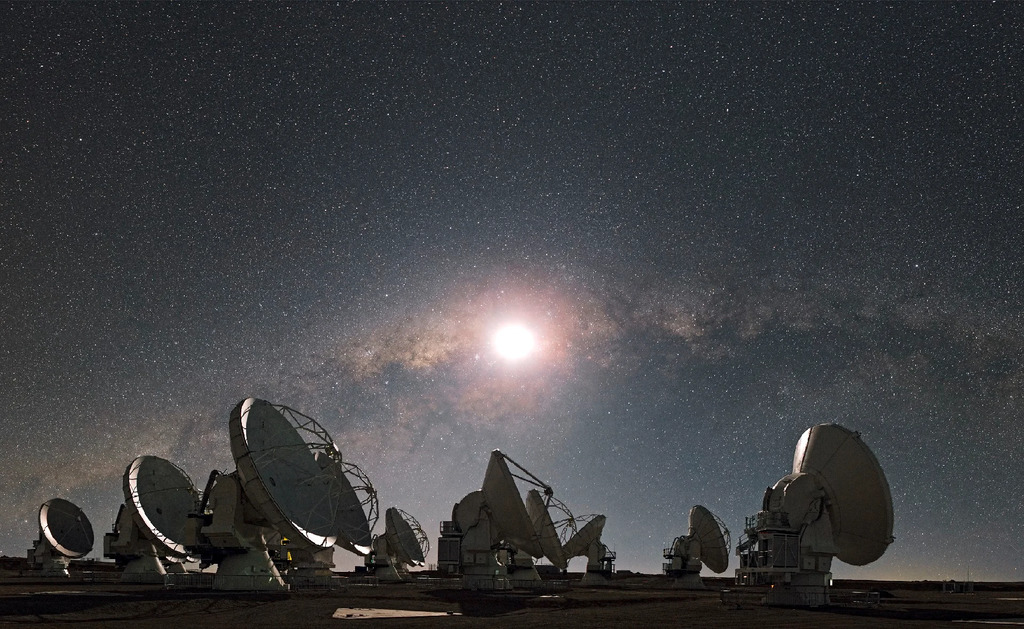
SkyMapper and the SETI Institute are connecting educators, students and the public to live astronomical observations through a distributed astronomical network. #SkyMapper #SETI #Citizen Science #Astronomy
Virtual Planetary Laboratory
How can we best assess whether an exoplanet supports life? #VPL
Discovery and Futures Lab
What happens if life beyond Earth is discovered? The Discovery and Futures Lab at the SETI Institute fosters novel and anticipatory research at the intersection of science, society, our planet, and the search for life beyond Earth. #Discovery and Futures LabSupport the
SETI Institute
Scientists are getting closer in their search for life beyond earth. But with limited federal funding for the search for extraterrestrial intelligence, supporters are the reason cutting-edge scientists can keep their eyes on the sky.