)

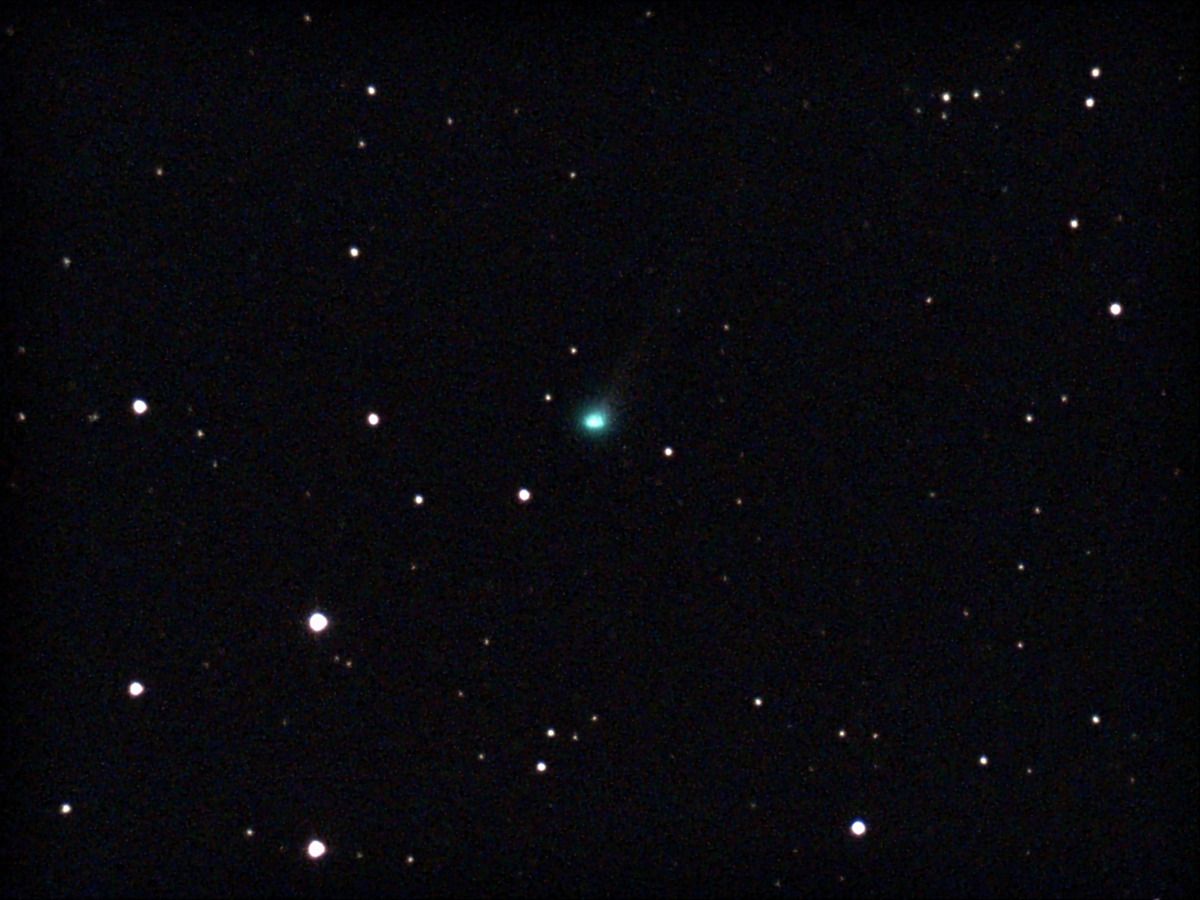
This spring, skywatchers have been treated to the captivating and unpredictable display of a new comet, called C/2025 F2 (SWAN). Discovered in late March 2025 through data from the SWAN instrument aboard NASA and ESA’s Solar and Heliospheric Observatory, this long-period comet is making its journey to the inner solar system from the distant Oort Cloud. Amidst the excitement of a new celestial visitor, observers have taken note of its unpredictable behavior.
Comets are like Cats
Shortly after its discovery, observers noted an unexpected and rapid increase in brightness. The comet appeared approximately 10 times brighter in the span of just a few days, leaping from magnitude ~11 at the beginning of April to magnitude ~8 by April 6. This sudden brightening suggested an outburst, possibly caused by the rapid release of sublimating ice and dust as the comet warmed. Such behavior hinted that the comet would reach 3-4 magnitude and become a naked eye near its closest approach to the Sun, or perihelion.
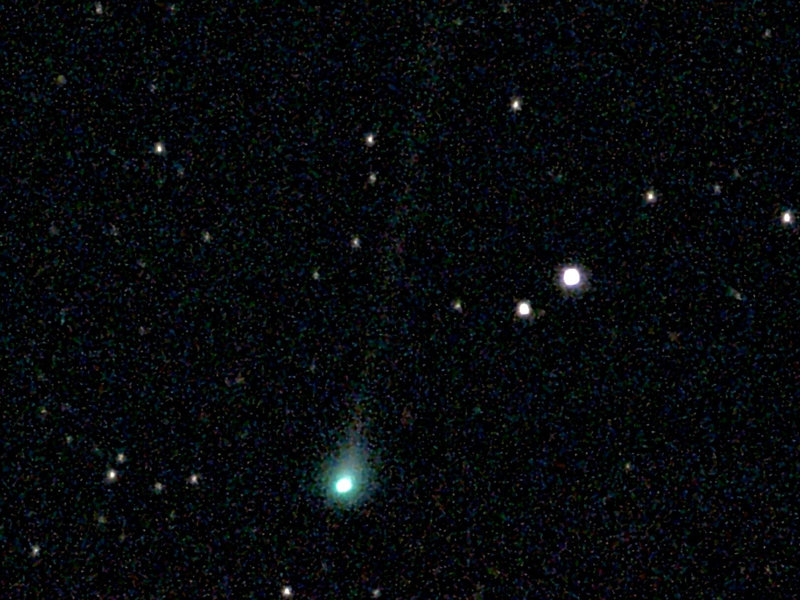
However, comets are so notoriously unpredictable that they are often likened to cats – they have a tail, and they tend to do what they want. Such is the case with Comet SWAN; following its rapid brightening, it began to dim and so did the hopes that it would become a naked-eye object. This decline suggests that the earlier outburst is likely subsiding, and the comet’s activity is decreasing as it approaches the Sun. In fact, Unistellar Network observations from April 26 reveal that the comet has no central condensation, suggesting that its icy core, or nucleus, has disintegrated due to the Sun’s heat.
An image of Comet SWAN from April 15 by Aad V. (Netherlands)
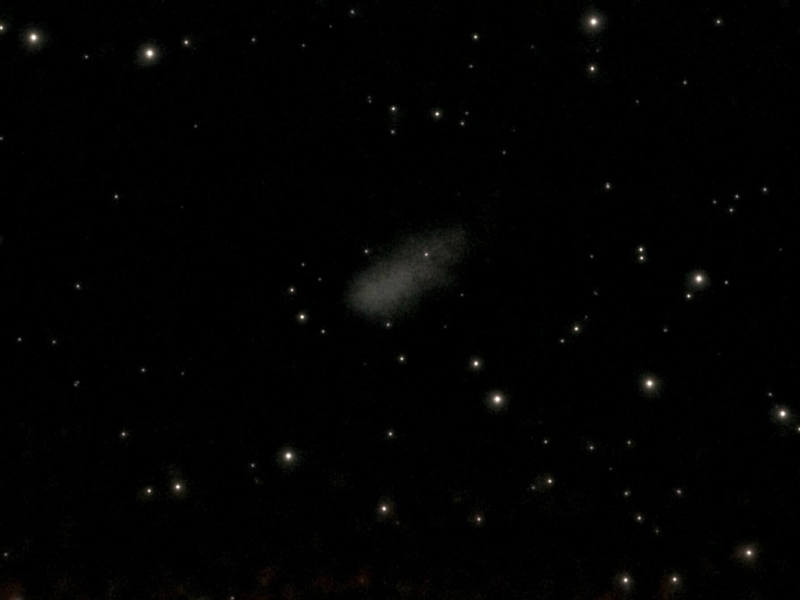
Aad V.’s observation of the same comet less than two weeks later on April 26. The comets nucleus appears to be gone!
Comet SWAN’s Green Glow
One of the most striking features of Comet SWAN is its vivid green coma. This emerald hue results from diatomic carbon (C₂) fluorescing in sunlight, a classic signature of active comets. The green glow adds to the comet’s visual appeal, making it a fascinating target for citizen astronomers. Some of the most famous comets also exhibit this characteristic green glow, like Halley’s Comet or comet C/2022 ZTF (E3) from a few years back. But this eerie color may not last long as the comet breaks up amidst its travels.
Luckily, it’s still observable for the time being, so catch it quickly before it fades for good! Since this disintegrating comet is reaching our skies for the first time in recorded history, skygazers are seeing something new that will likely never be seen again.
Continued Observation is Key
Studying comets like C/2025 F2 (SWAN) provides valuable insights into the early solar system, as their ices and dust have been preserved in the outskirts of the Solar System until they grace our Earthly skies. Their unpredictable behavior, such as sudden outbursts and changes in brightness, offers clues about their composition and the processes driving their activity. Continued monitoring is crucial to understanding these celestial bodies and what they can withstand, as well as the dynamic nature of our solar system. And that’s where the Unistellar Network comes in — see our instructions below to observe this ephemeral visitor, and happy comet watching!
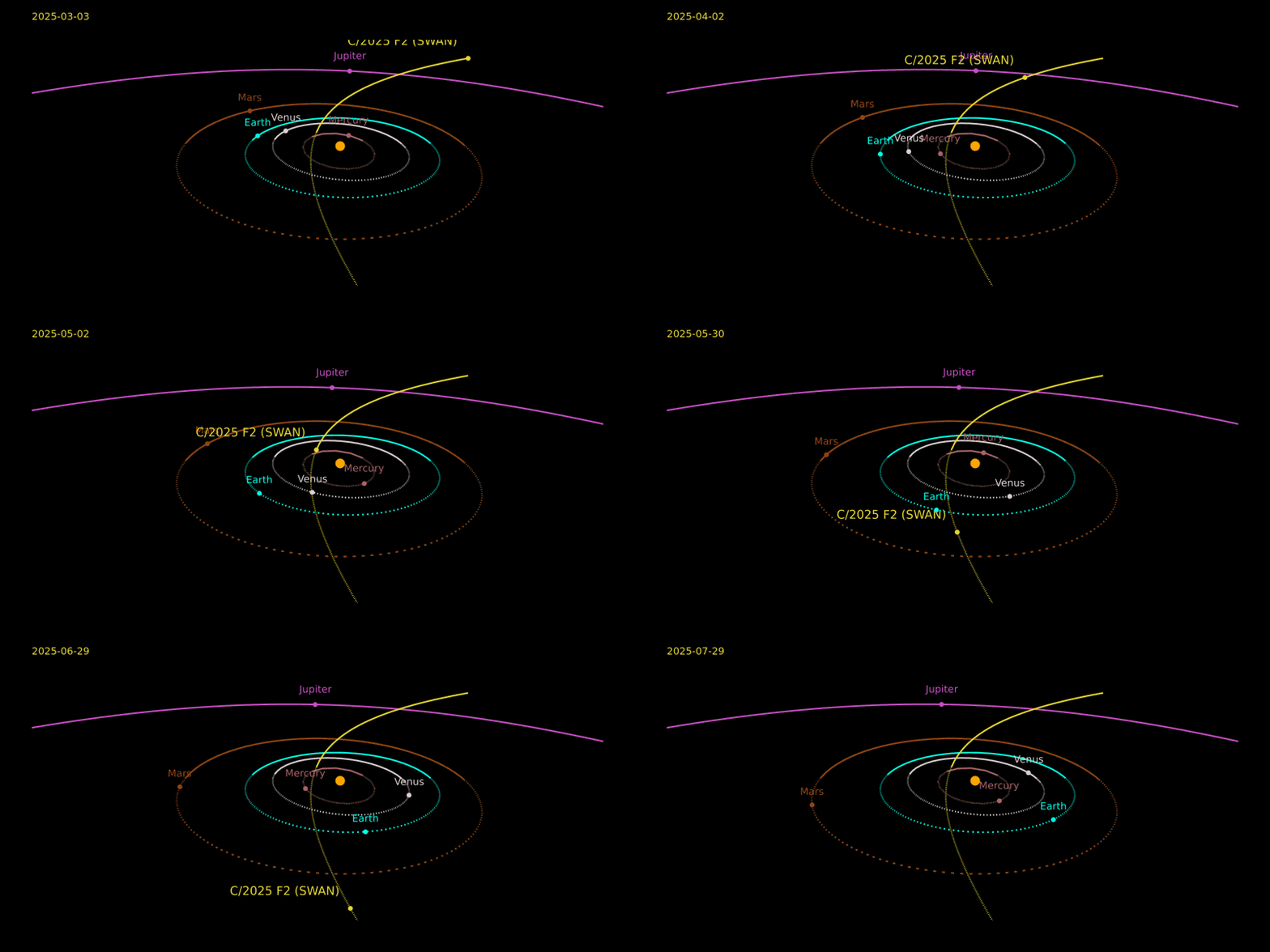
- Comet SWAN will reach perihelion on May 1 and perigee, its closest approach to Earth, on May 2. It may not survive these flybys, so get your telescopes out and observe as soon as possible to catch what’s left! The comet has recently transitioned to the evening sky for the Northern Hemisphere. In May, if it stays intact and continues its journey southward, viewers in the Southern Hemisphere will have the chance to see Comet SWAN’s green glow. This comet is in the Unistellar app’s newest release, so it’s easy to observe!
- To make a Science observation, visit the Comets Tutorial Pageand follow the Observation section instructions for A: The target is in the Unistellar app’s catalog.
- In the Recording field be sure the following information is entered:
- Record duration : 20min
- Exposure time : 4000ms
- Gain : 25db
- When you are done, don’t forget to submit a Comet Observation Report.
This article was originally published by Lauren Sgro at science.unistellar.com