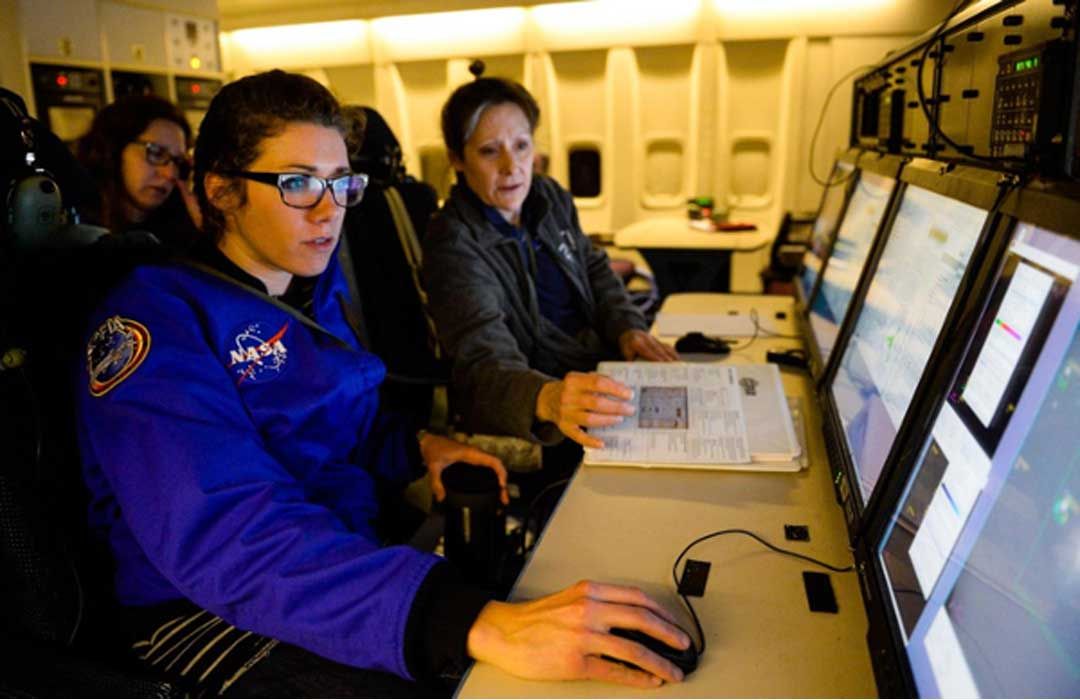
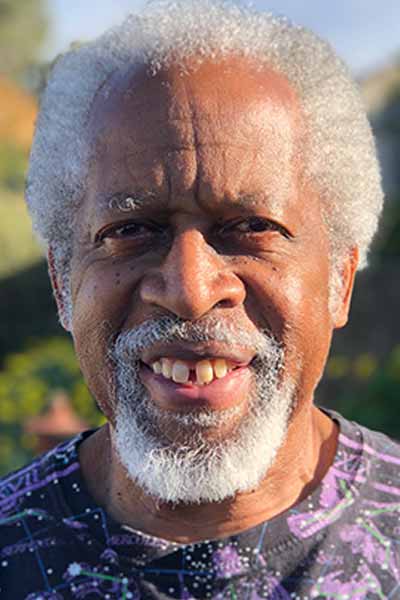
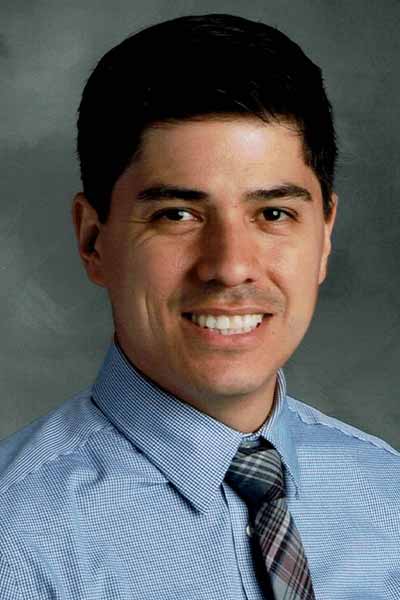
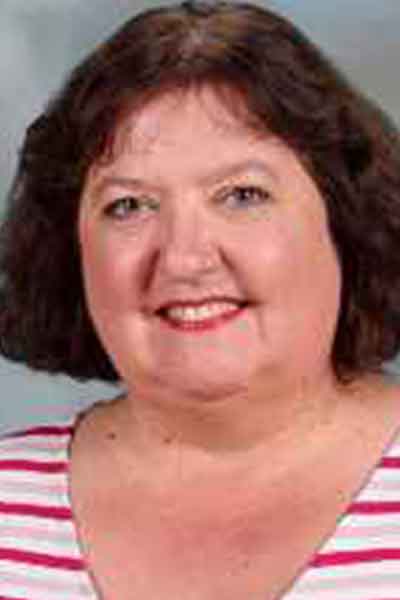
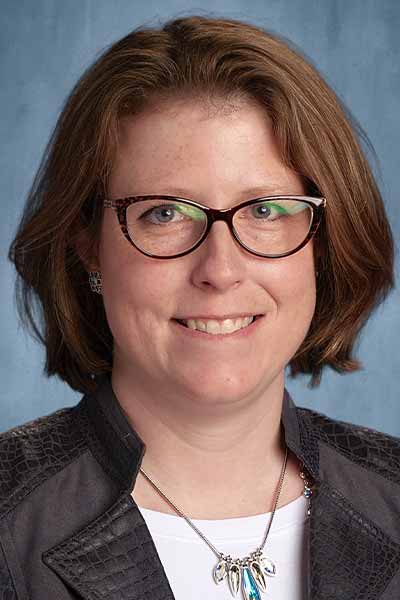
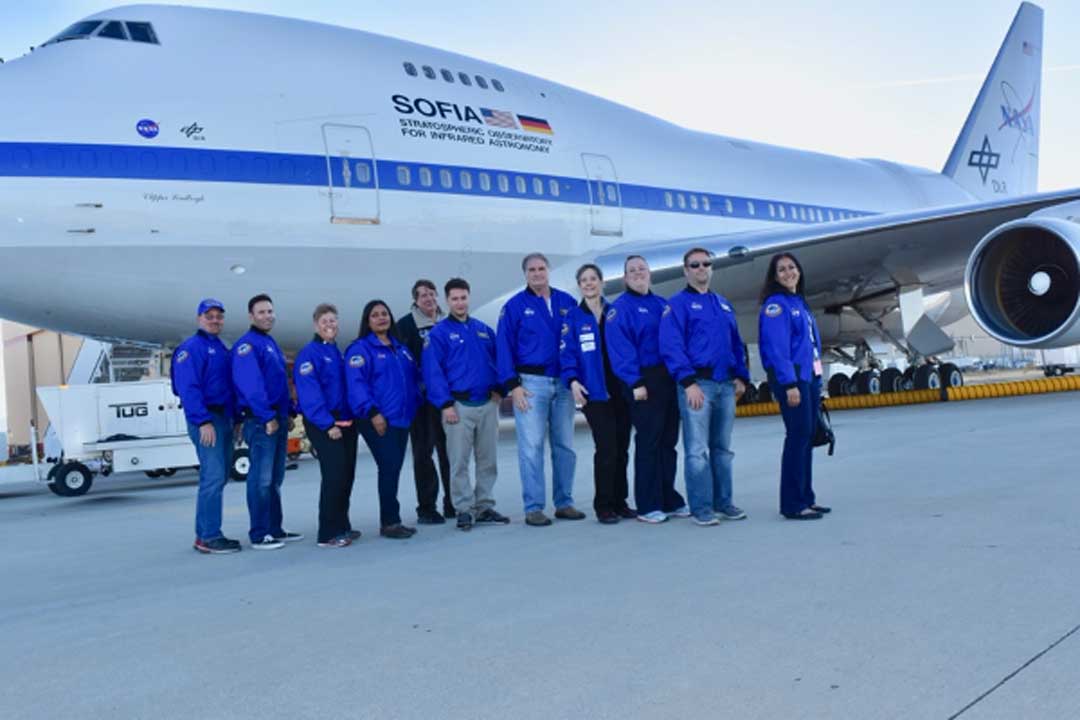
AAA teachers and SETI Institute staff flight facilitators at the dedicated educators console onboard SOFIA during an all-night science research flight. (NASA / SETI Institute)
February 25, 2021, Mountain View, CA -- The SETI Institute has selected 30 teachers from 10 states as 2021 NASA Airborne Astronomy Ambassadors (AAAs). AAA is a professional development program for science teachers designed to improve science teaching and increase student learning and STEM engagement. This year’s expanded AAA program includes not only high school teachers but also middle school and community college teachers.
“Over its history, our NASA-funded AAA program has impacted tens of thousands of high school students through the immersive and inspirational experience of their teachers,” said Bill Diamond, CEO of the SETI Institute. “This powerful STEM program will allow the SETI Institute to help bring NASA science into classrooms across the country.”
AAA teachers receive training in astrophysics and planetary science. Their training includes a week-long STEM immersion experience at a NASA astronomy research facility such as the Stratospheric Observatory for Infrared Astronomy (SOFIA). After their training, the AAAs teach a physical science curriculum module created by the SETI Institute that connects curriculum concepts to NASA- and SOFIA-enabled research. WestEd education consultants assess the impact of the specialized curriculum module on student STEM learning and engagement. Past evaluations of the AAA program have shown statistically significant improvements in performance and STEM engagement among students whose teachers participated in the program.
“We are grateful that NASA will be funding the AAA program through 2025 and are especially excited to be adding middle school and community college teachers and their students,” said Dr. Dana Backman, AAA program lead. “These teachers will use their professional development and SOFIA experiences to convey real-world content to their students that illuminate the value of scientific research and the wide variety of STEM career paths available to them.”
The school districts and organizations participating in the AAA program during 2021 are:
Anaheim Union High School District, California
Anchorage School District, Alaska
Anne Arundel Community College, Maryland
Canyons School District, Utah
Chabot College, California
Cobb County Schools, Georgia
Fayette County Public Schools, Kentucky
Foothill-DeAnza Community College District, California
Fort Zumwalt School District, Missouri
Harmony Public Schools, Texas
William S. Hart Union High School District, California
MiraCosta Community College District, California
Northside Independent School District (San Antonio), Texas
San Mateo Community College District, California
Suffolk County Community College, New York
The Meadows School, Nevada
Washoe County School District, Nevada
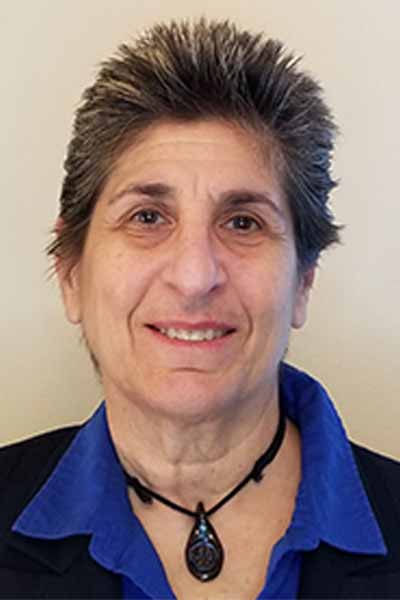
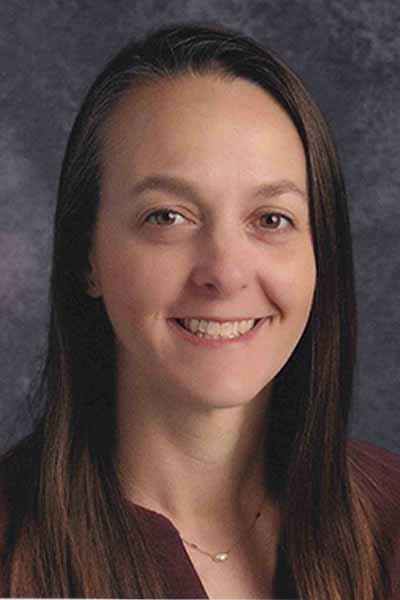
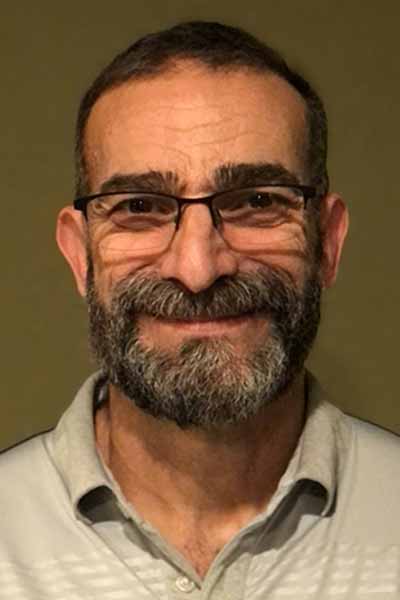
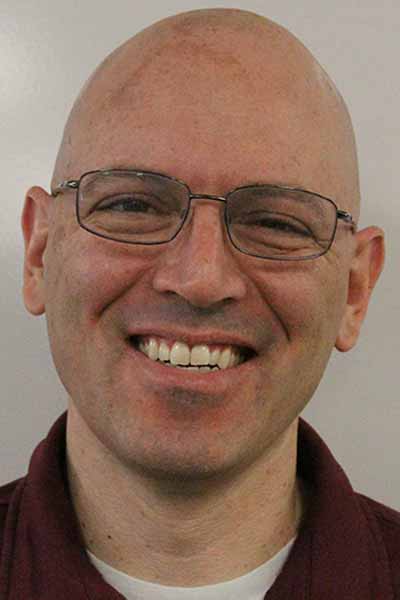
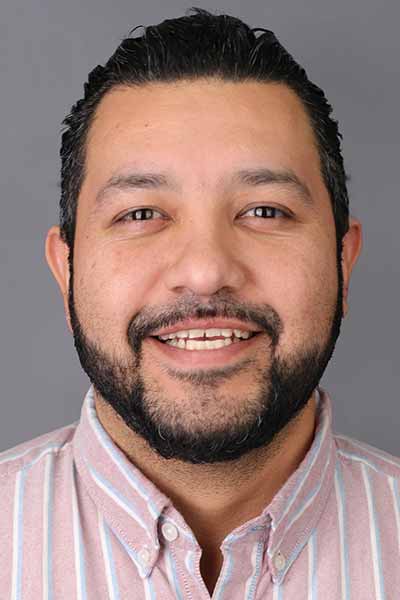
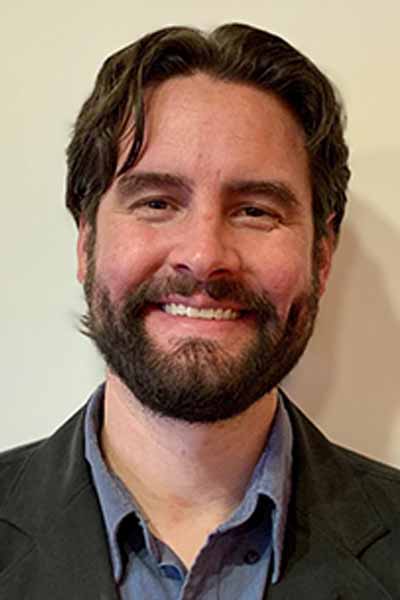
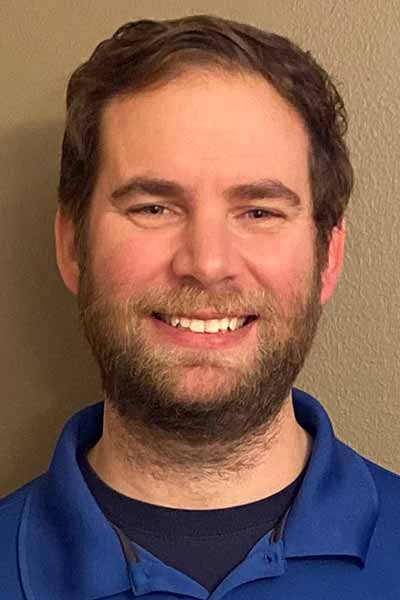
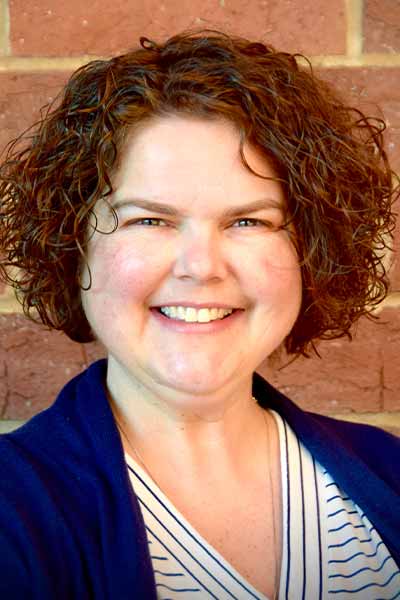
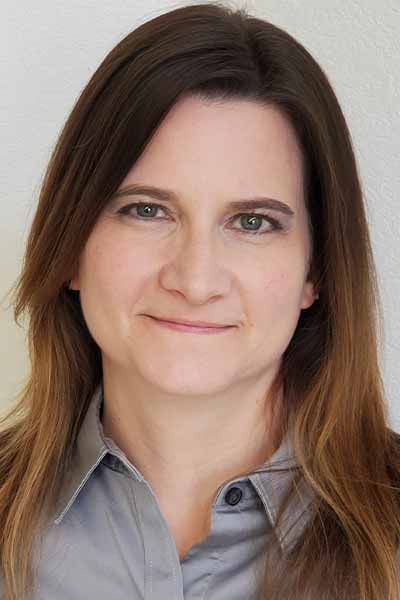
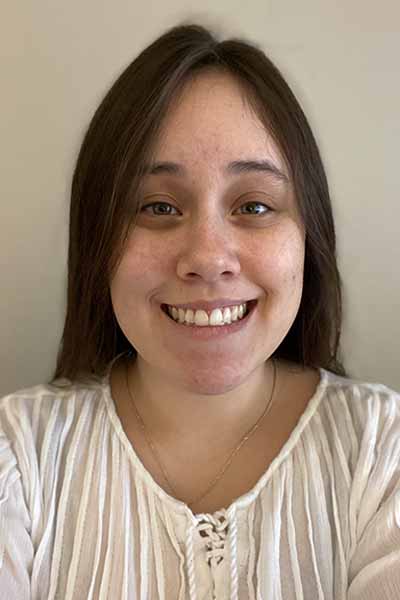
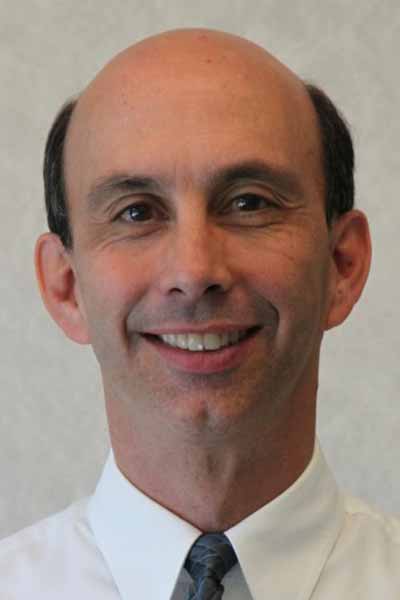
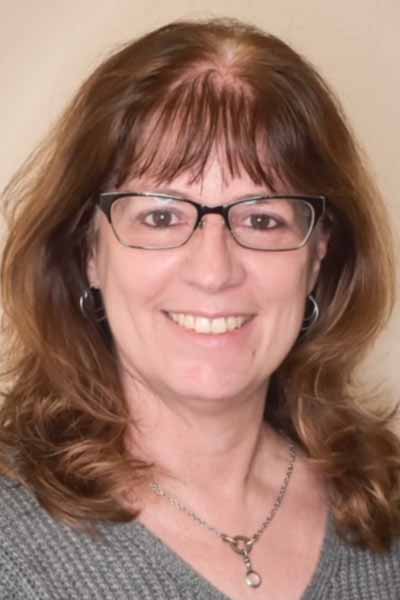
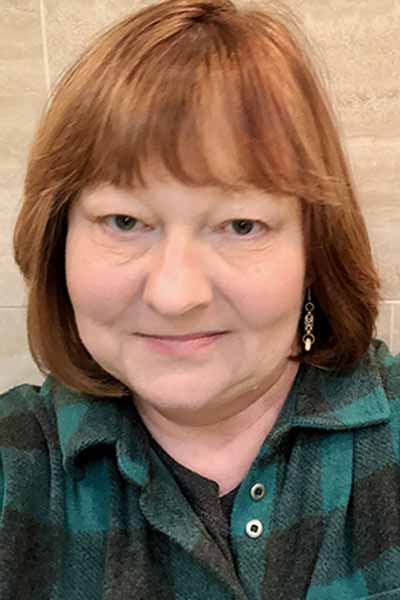
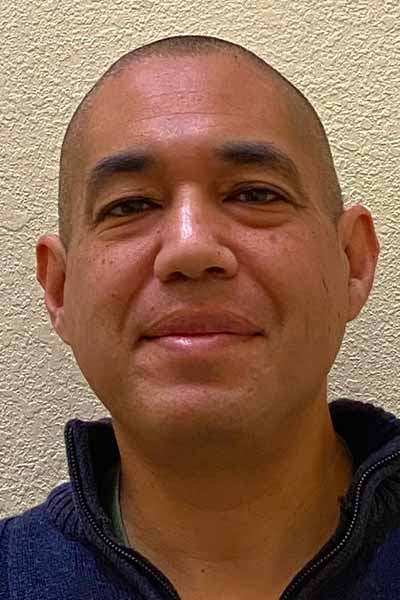
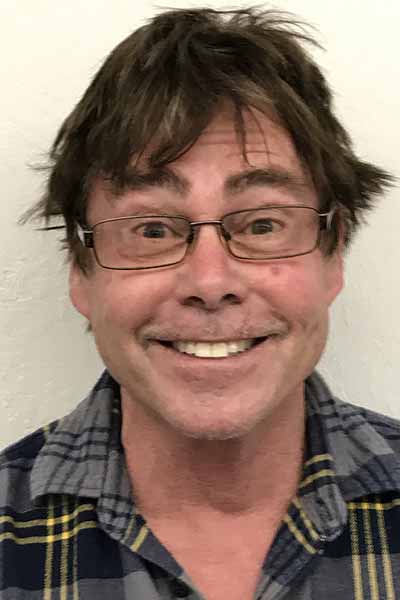
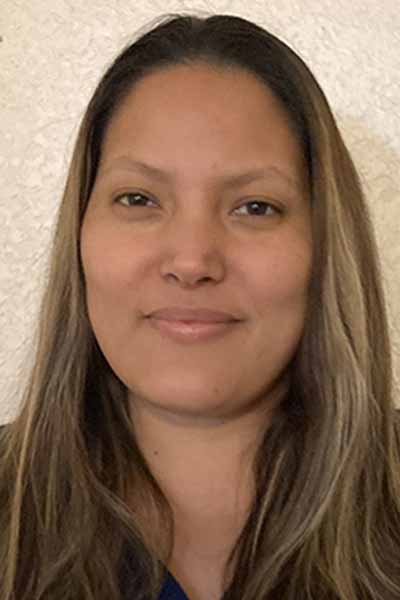
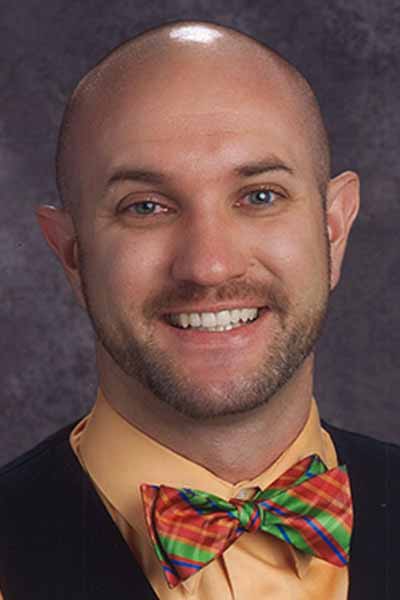
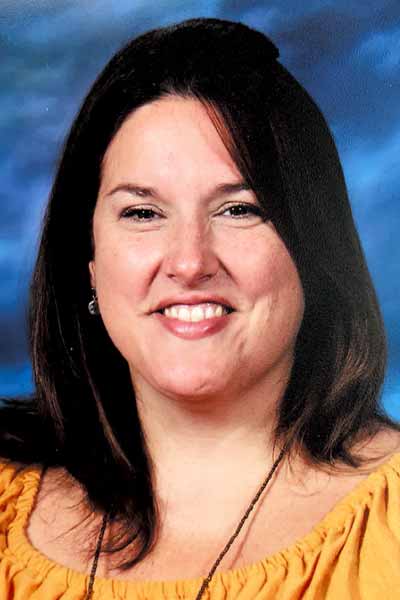
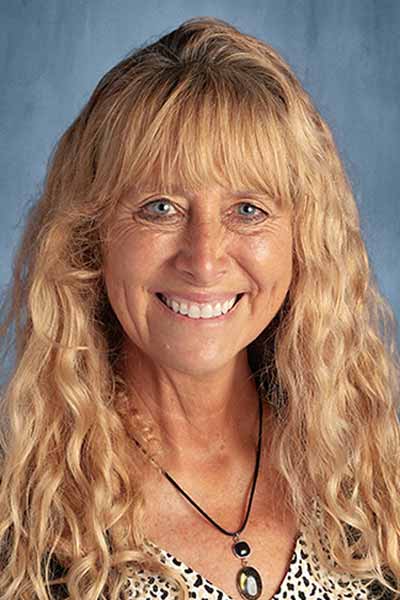
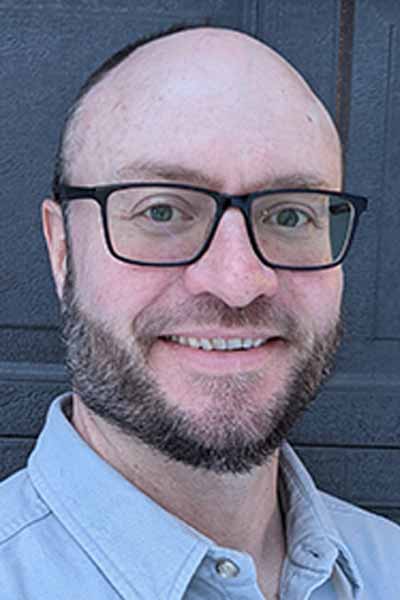
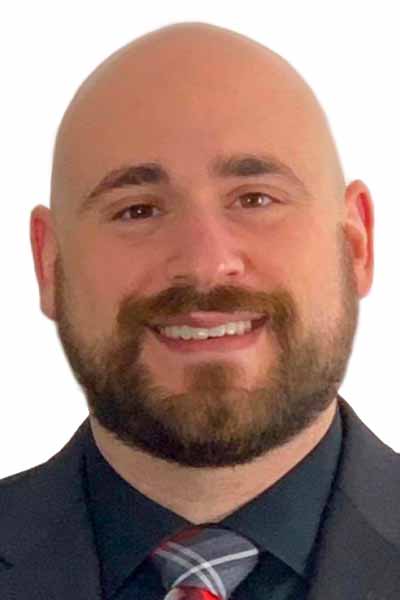
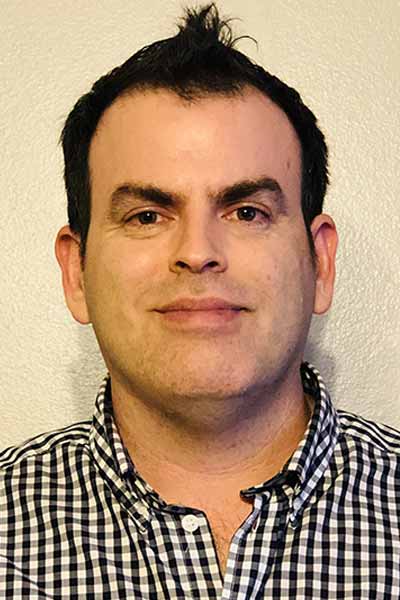
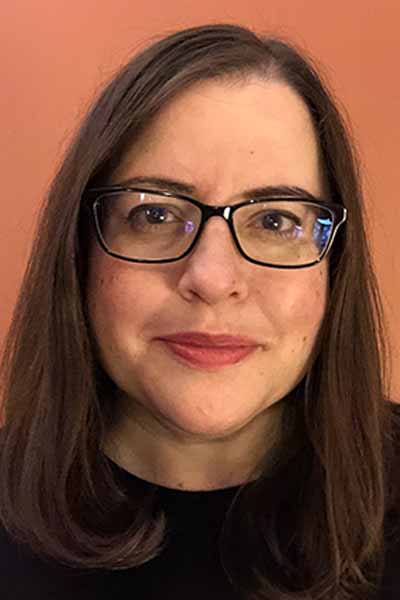
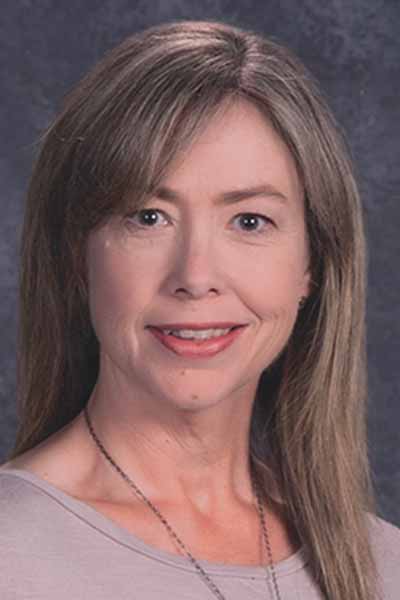
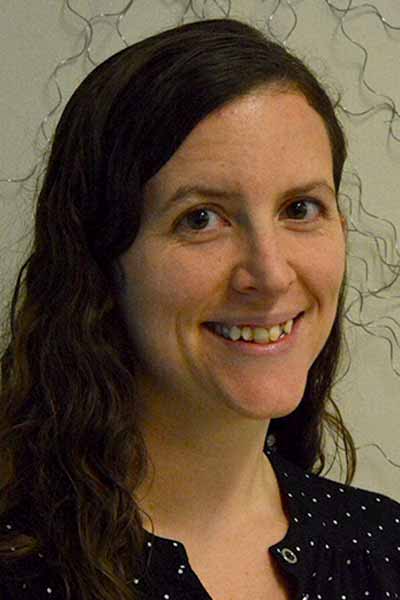
The 30 teachers selected as 2021 Airborne Astronomy Ambassadors are listed and pictured below:
Beverly Berekian, Ball Junior High School, Anaheim, California
Alicia Black, Dubray Middle School, Saint Peters, Missouri
Frank Cascarano, Foothill College, Los Altos Hills, California
Clief Castleton, Hillcrest High School, Midvale, Utah
Fernando Cepeda, Harmony Science Academy – Dallas High, Dallas, Texas
Erik Conkey, North Valleys High School, Reno, Nevada
Wesley Cullen, Dubray Middle School, Saint Peters, Missouri
Dana Evans, Walton High School, Marietta, Georgia
Rica French, MiraCosta College, Oceanside, California
Marisa Heflin, Arroyo Seco Junior High School, Santa Clarita, California
Scott Hildreth, Chabot College, Hayward, California
Kathleen Kraus, Wallace B. Jefferson Middle School, San Antonio, Texas
Deborah Levine, Anne Arundel Community College, Arnold, Maryland
David Marasco, Foothill College, Los Altos Hills, California
Stephen Martin, Damonte Ranch High School, Reno, Nevada
Linda Martinez, Harmony Science Academy – San Antonio, San Antonio, Texas
Geoffrey Mathews, Foothill College, Los Altos Hills, California
Milo Maughan, Corner Canyon High School, Draper, Utah
Jenny McCall, Winburn Middle School, Lexington, Kentucky
Tami McIntire, Palmer Middle School, Kennesaw, Georgia
Jason Patterson, Clark Middle School, Anchorage, Alaska
Zachary Richards, Suffolk County Community College, Brentwood, New York
Richard Rochin, Brookhurst Junior High School, Anaheim, California
Erin Schneider, Goldenview Middle School, Anchorage, Alaska
Darryl Stanford, College of San Mateo, San Mateo, California
Scott Trujillo, The Meadows School, Las Vegas, Nevada
Shelley Turski, La Mesa Junior High School, Santa Clarita, California
Shannon Ventresca, East Cobb Middle School, Marietta, Georgia
Stacy Wade-Robb, Rio Norte Junior High School, Santa Clarita, California
Pamela Word, Jay High School, San Antonio, Texas
)