)

Thursday, Jan 02, 2025
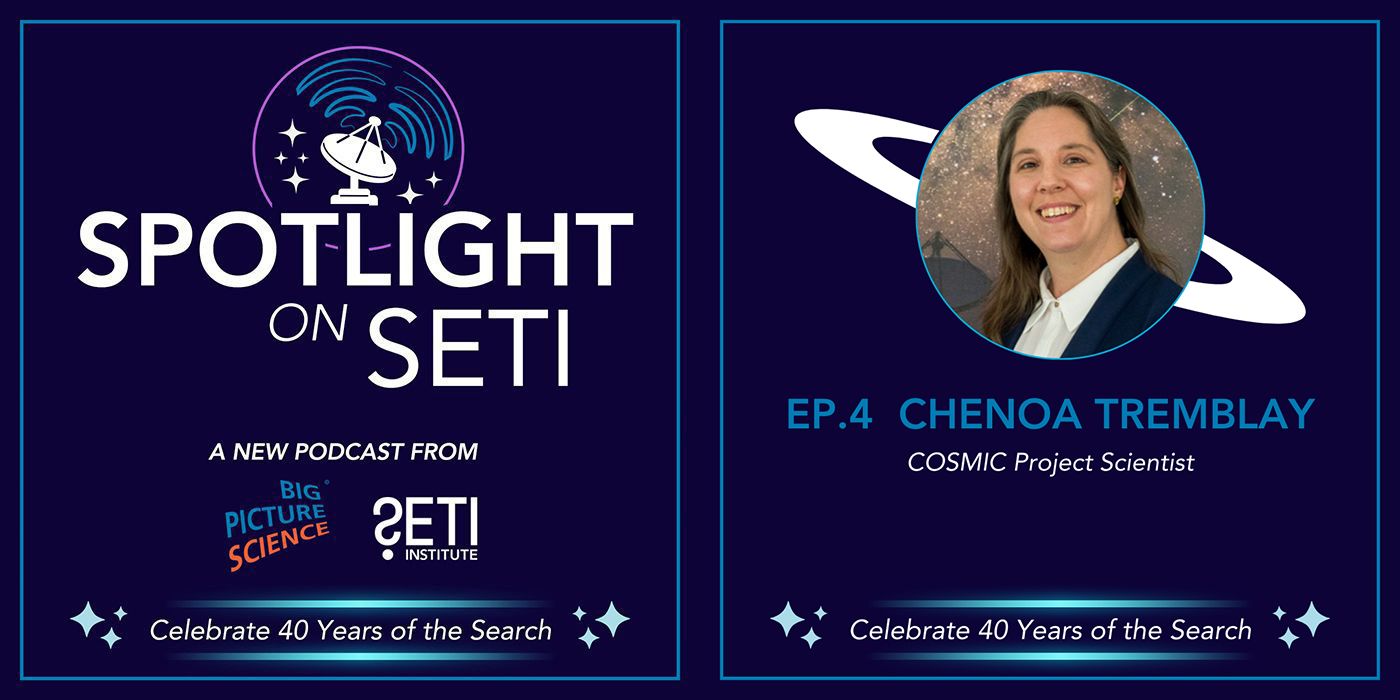
The SETI Institute’s search for alien biosignatures and technosignatures depends on radio telescopes. You may have seen the stunning photos of massive telescope arrays in the desert, but what types of alien signals might help researchers actually detect with those giant dishes?
In this fourth episode, Brian Edwards talks with physicist Chenoa Tremblay, a COSMIC Project Scientist who is based at the Very Large Array in New Mexico. They dig into the important role radio telescopes play in SETI, how powerful computers have supercharged the search for life off Earth, and imagine what kinds of biosignatures and technosignatures of alien life we are most likely to find.
Music by Jun Miyake
You can support the work of Big Picture Science by joining us on Patreon. Thanks for your support!







News
Related News
Jul 21, 2026
Celebrating 25 Years of Exoplanet Astrobiology: Welcoming the Virtual Planetary Laboratory to its New Home at the SETI Institute
#VPL #Astrobiology #SETI Institute #Victoria Meadows #Andrew Lincowski #Eric Wolf #Nicholas Wogan #Kimberly Bott #Hannah Dawson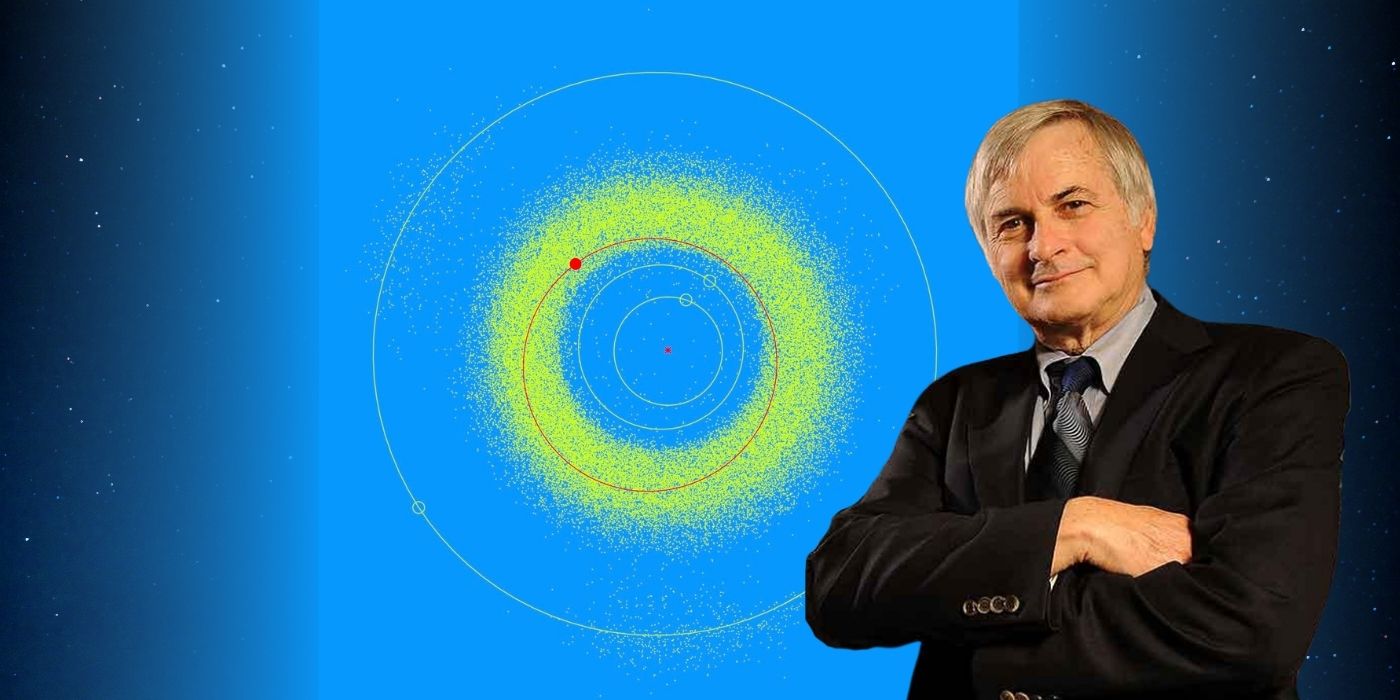
May 1, 2026
Asteroid Named in Honor of SETI Researcher and Communicator Seth Shostak
#Comets, Meteors, and Asteroids #Seth Shostak #SETI #Astronomy #Big Picture Science #Outreach #Andrew Fraknoi
Nov 13, 2025
SETI Institute Welcomes Dr. Christina (Chrissy) Richey as Director of Partnerships & Business Development
#Press Releases #SETI Institute #Christina Richey #Partnerships #SSAIL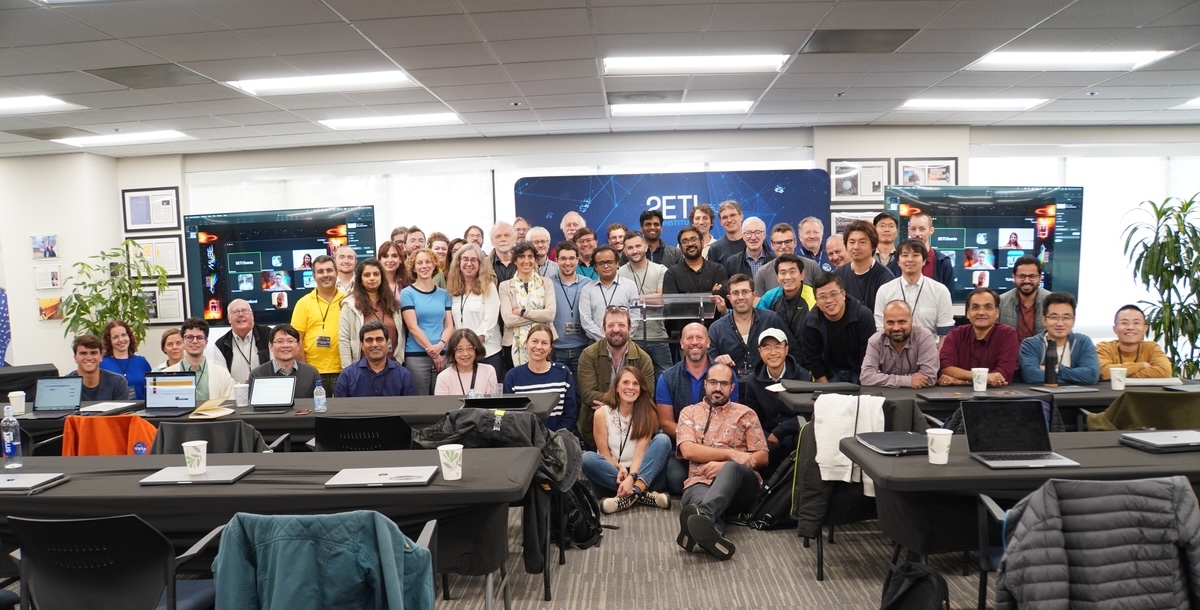
Nov 10, 2025
SETI Institute Hosts Joint IRIS–MUSE Solar Science Team Meeting
#Partnerships #Heliophysics #SETI Institute #Life at the SETI Institute #MUSE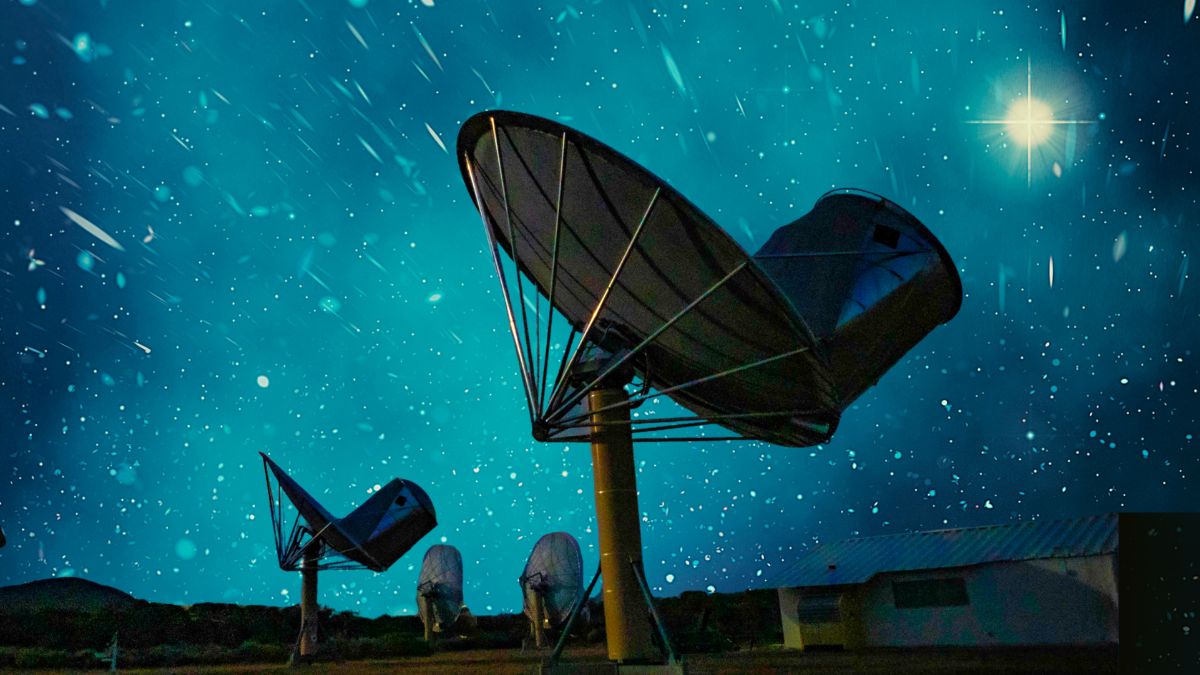
Sep 2, 2025
Help Save the Search
#SETI Institute #Community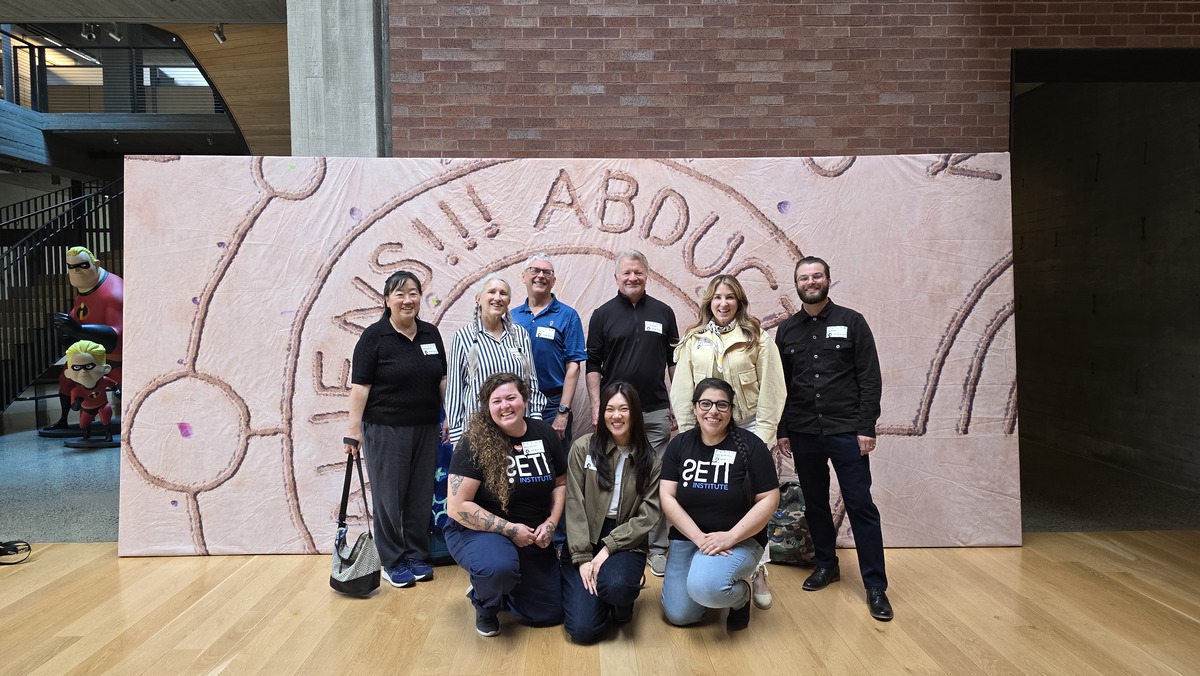
Jul 9, 2025
Aliens, Friendship, and the Drake Equation: How Elio Brings SETI Science to the Big Screen
#SETI Institute #Movie Reviews #SETI #Life at the SETI Institute #Drake Equation
Jul 21, 2026
#VPL
#Astrobiology
#SETI Institute
#Victoria Meadows
#Andrew Lincowski
#Eric Wolf
#Nicholas Wogan
#Kimberly Bott
#Hannah Dawson
May 1, 2026
#Comets, Meteors, and Asteroids
#Seth Shostak
#SETI
#Astronomy
#Big Picture Science
#Outreach
#Andrew Fraknoi
Asteroid Named in Honor of SETI Researcher and Communicator Seth Shostak
Nov 13, 2025
#Press Releases
#SETI Institute
#Christina Richey
#Partnerships
#SSAIL
SETI Institute Welcomes Dr. Christina (Chrissy) Richey as Director of Partnerships & Business Development
Nov 10, 2025
#Partnerships
#Heliophysics
#SETI Institute
#Life at the SETI Institute
#MUSE
SETI Institute Hosts Joint IRIS–MUSE Solar Science Team Meeting
Sep 2, 2025
#SETI Institute
#Community
Help Save the Search
Jul 9, 2025
#SETI Institute
#Movie Reviews
#SETI
#Life at the SETI Institute
#Drake Equation
Aliens, Friendship, and the Drake Equation: How Elio Brings SETI Science to the Big Screen
Research
Related Projects

SkyMapper • SETI • Citizen Science • Astronomy
SkyMapper: Expanding Access to Real-time Astronomy Through a Global Astronomical Network
SkyMapper and the SETI Institute are connecting educators, students and the public to live astronomical observations through a distributed astronomical network. #SkyMapper #SETI #Citizen Science #Astronomy
VPL
Virtual Planetary Laboratory
How can we best assess whether an exoplanet supports life? #VPL
Discovery and Futures Lab
Discovery and Futures Lab
What happens if life beyond Earth is discovered? The Discovery and Futures Lab at the SETI Institute fosters novel and anticipatory research at the intersection of science, society, our planet, and the search for life beyond Earth. #Discovery and Futures Lab
May 17, 2026
SkyMapper: Expanding Access to Real-time Astronomy Through a Global Astronomical Network
SkyMapper and the SETI Institute are connecting educators, students and the public to live astronomical observations through a distributed astronomical network.
#SkyMapper
#SETI
#Citizen Science
#Astronomy
May 5, 2026
Virtual Planetary Laboratory
How can we best assess whether an exoplanet supports life?
#VPL
Apr 16, 2026
Discovery and Futures Lab
What happens if life beyond Earth is discovered? The Discovery and Futures Lab at the SETI Institute fosters novel and anticipatory research at the intersection of science, society, our planet, and the search for life beyond Earth.
#Discovery and Futures Lab
Support Us
Support the
SETI Institute
Scientists are getting closer in their search for life beyond earth. But with limited federal funding for the search for extraterrestrial intelligence, supporters are the reason cutting-edge scientists can keep their eyes on the sky.