SETI Institute In the News
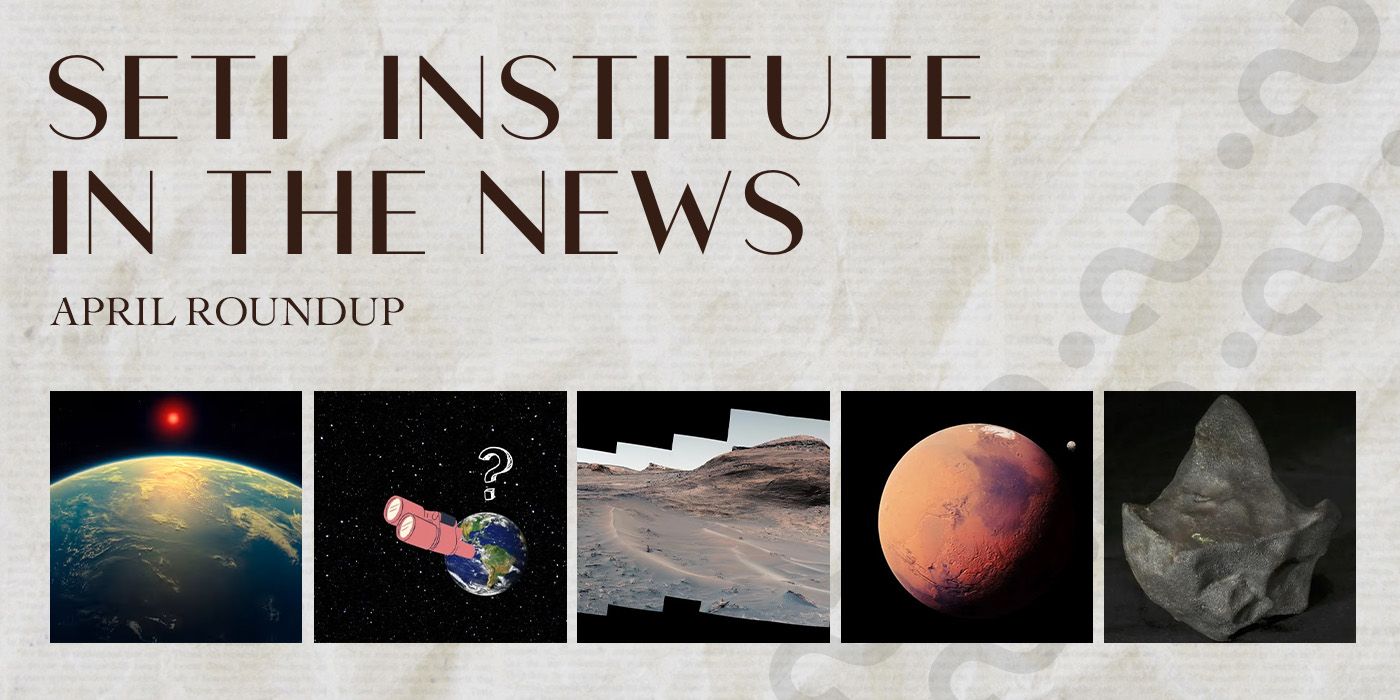
April was an exciting month at the SETI Institute, full of discoveries that push the boundaries of our understanding of life beyond Earth.
Dr. Nathalie Cabrol shared her thoughts on the curious gas signatures detected on exoplanet K2-18b — clues that could hint at alien biology, or at least tell us more about the conditions needed for life. Meanwhile, Dr. Daniel Angerhausen reminded us that even finding no signs of life, can be just as meaningful, helping scientists narrow down where and how life might exist in the cosmos.
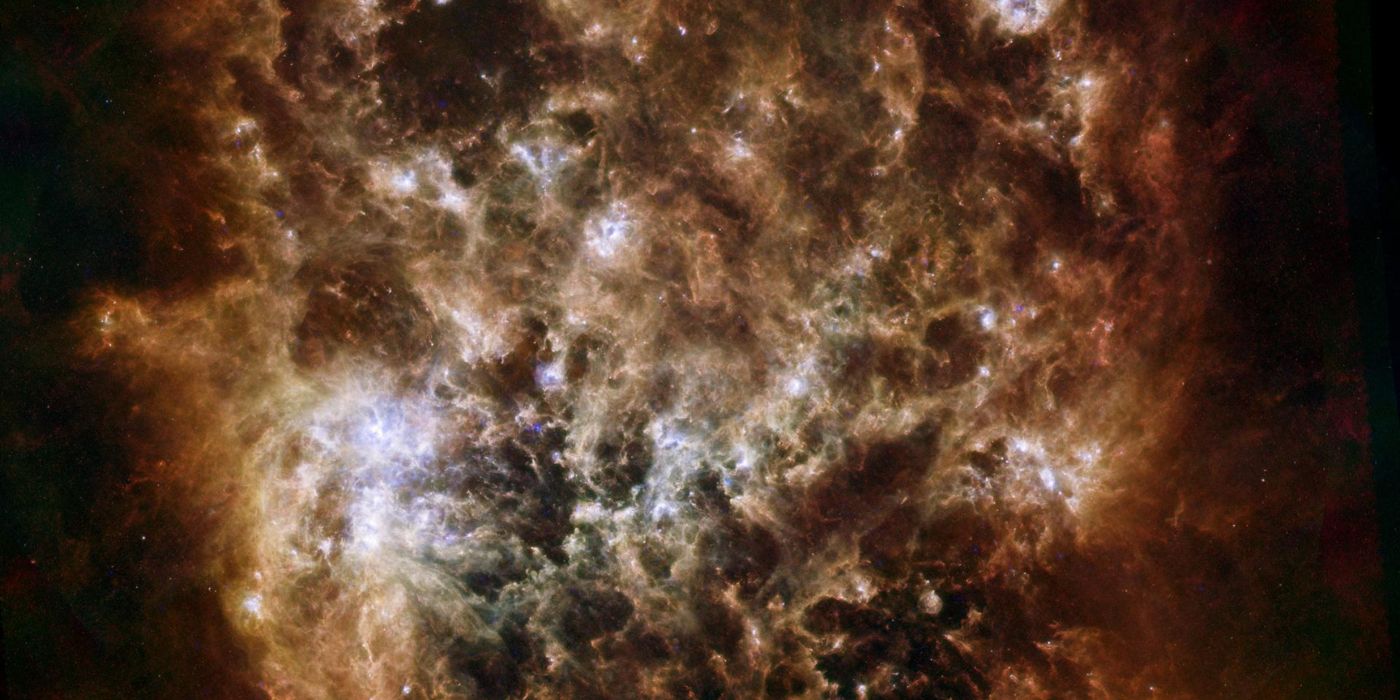
On Mars, Dr. Janice Bishop contributed to research revealing how carbonate minerals may hold the key to understanding the planet’s dramatic shift from a wetter, more hospitable past to dry world we see today.
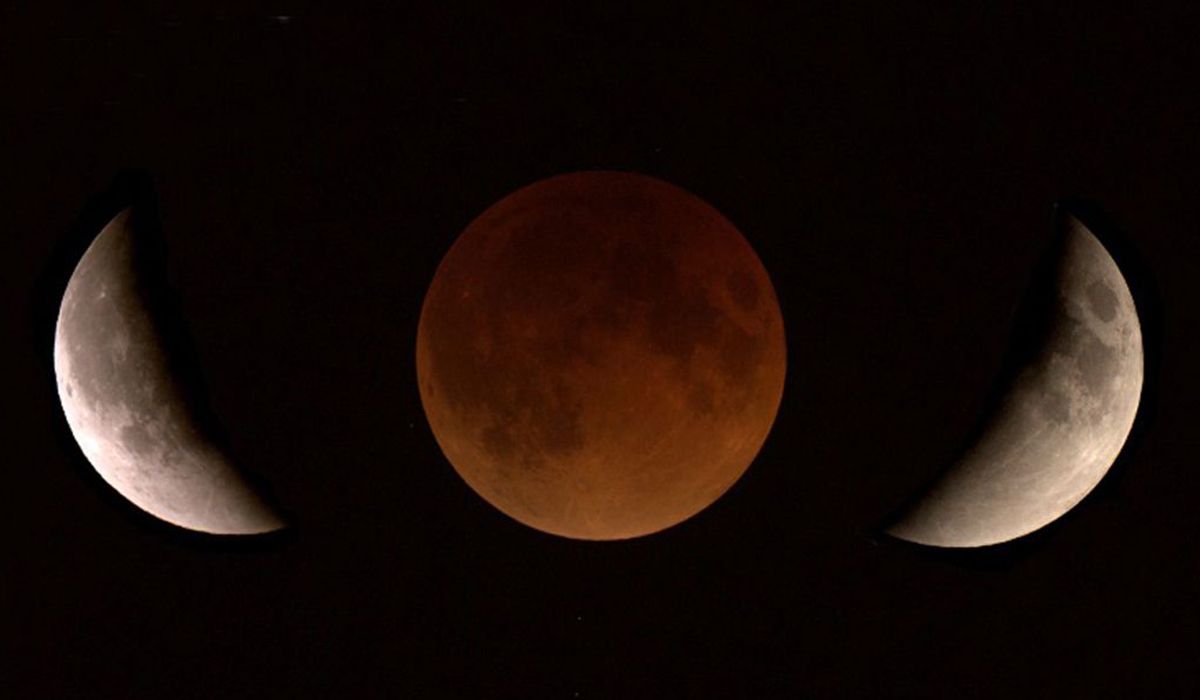
Dr. Matija Ćuk brought new ideas to the table about the Martian moons, Phobos and Deimos. His work suggests these moons likely formed from a massive collision, rather than being captured asteroids — an idea that reshapes what we know about Mars’ ancient history.
Finally, meteor expert Dr. Peter Jenniskens investigated a rare find: a fragile, water-rich “mudball” meteorite that survived its plunge through Earth’s atmosphere and landed in Costa Rica. Its survival challenges long-held beliefs about how delicate space rocks interact with our planet.
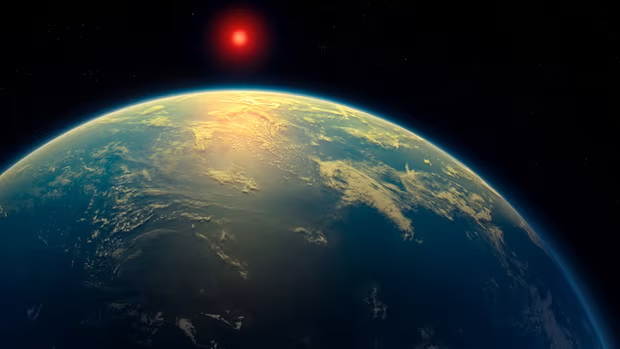
Is There Really Life on Planet K2-18b? We Can’t Rule It Out, but Some Key Questions Must Be Answered
A recent study of the exoplanet K2-18b has sparked interest with the possible detection of gases linked to life. This planet, 124 light-years away, may be a rare class of "Hycean" worlds — ocean-covered with a hydrogen-rich atmosphere, and potentially suitable for life.
Researchers detected signs of dimethyl sulphide (DMS) or dimethyl disulphide (DMDS), gases produced by marine life on Earth. But these can also form without life, and the signal isn’t strong enough to confirm anything definitive.
Dr. Nathalie Cabrol, director of the Carl Sagan Center at the SETI Institute, says the findings mark an important step. While not evidence of life, they show real progress in our search for habitable worlds.
Read the full article by The Guardian here: Is there really life on planet K2-18b? We can’t rule it out, but some key questions must be answered
We Keep Coming Up Empty in the Search for Alien Life. Here’s What That Could Mean — and What Comes Next
A new study looks at what it could mean if we continue to find no signs of life beyond Earth. Researchers suggest that even negative results are valuable. Using statistical models, they found that if no biosignatures are detected in 40–80 exoplanets, it could indicate that fewer than 10–20% of similar planets host life.
Daniel Angerhausen, an astrobiologist at ETH Zurich and a researcher with the SETI Institute, explained, “Even if we don’t find life, we’ll finally be able to quantify how rare—or common—planets with detectable biosignatures really might be.” He also emphasized the importance of accuracy, saying, “If we’re not careful and are overconfident in our abilities to identify life, even a large survey could lead to misleading results.”
Read the full article by Gizmodo.com here: We Keep Coming Up Empty in the Search for Alien Life. Here’s What That Could Mean—and What Comes Next
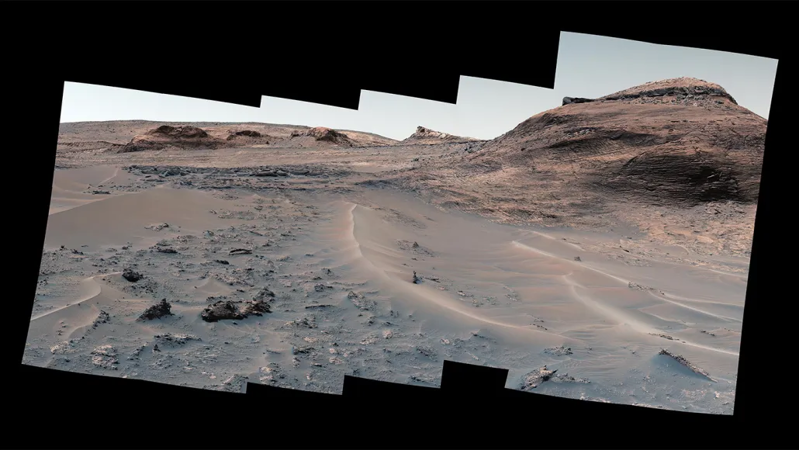
A NASA Rover Finally Found Mars’ Missing Carbon
NASA’s Curiosity rover has found a key clue about Mars’ past climate: a carbonate mineral called siderite, found in lakebed rocks in Gale Crater. This suggests that Mars’ missing carbon dioxide was trapped in rocks as the planet dried out.Published in Science, the study provides the first evidence of a carbon cycle on Mars. Unlike Earth’s balanced cycle, Mars seems to have trapped more carbon than it released, offering insights into how it lost its once-habitable environment.
Dr. Janice Bishop, Senior Research Scientist at SETI Institute, said the discovery “provides a great explanation for where the missing carbonate is and how the ancient Martian atmosphere could have been thick enough to support liquid water on the surface.”
Read the full article by Science News here: A NASA rover finally found Mars’ missing carbon
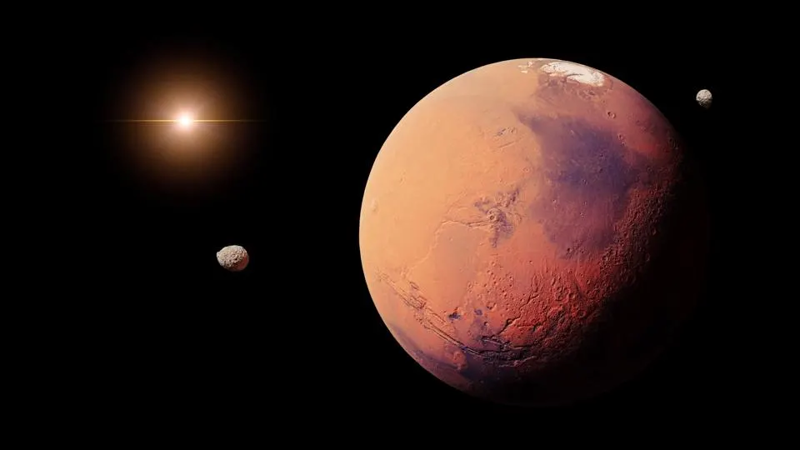
Ultimate Origin Of Martian Moons Phobos And Deimos Remains A Mystery
A new study led by planetary dynamicist Matijua Ćuk at the SETI Institute deepens the mystery of Mars’ moons, Phobos and Deimos. The research rules out the idea that they were captured by Mars' gravity, instead supporting the theory that they formed from debris after a massive impact.
Using detailed simulations that included Mars’ uneven gravity and the Sun’s influence, the team found that while this impact origin is likely, questions remain, especially about Phobo’s age, which could range from 100 million to billions of years. Ćuk explains that “Phobos orbits faster than Mars spins, so it rises in the West and sets in the East,” and because of this, its orbit is slowly decaying. He adds that “Deimos’ orbital tilt may be the only evidence that Mars had other moons in the past.”
Read the full article by Forbes here: Ultimate Origin Of Martian Moons Phobos And Deimos Remains A Mystery
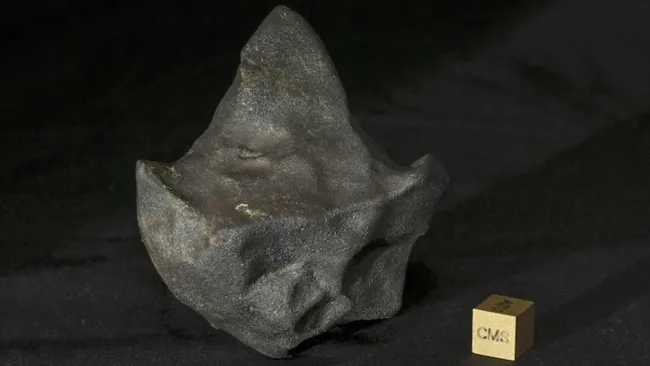
How a 'Mudball' Meteorite Survived Space to Land in the Jungles of Central America
In 2019, a rare “mudball” fell in Costa Rica and surprisingly, it survived the journey through space and Earth’s atmosphere mostly intact. These water-rich meteorites were once thought to be fragile, but this find suggests otherwise.
“Apparently, the presence of water-rich minerals does not mean they are weak,” said Peter Jenniskens, a meteor astronomer from the SETI Institute and NASA Ames Research Center.
Based on the meteor’s trajectory, Jenniskens believes the meteor originated from a large asteroid in the outer region of the asteroid belt.
Read the full article by Space.com here: How a 'mudball' meteorite survived space to land in the jungles of Central America
)