Tuesday, Oct 08, 2024

The SETI Institute frequently appears in news stories due to its essential contributions to space science and exploration. From groundbreaking discoveries to inspiring initiatives, the world of space exploration continues to capture our imaginations.

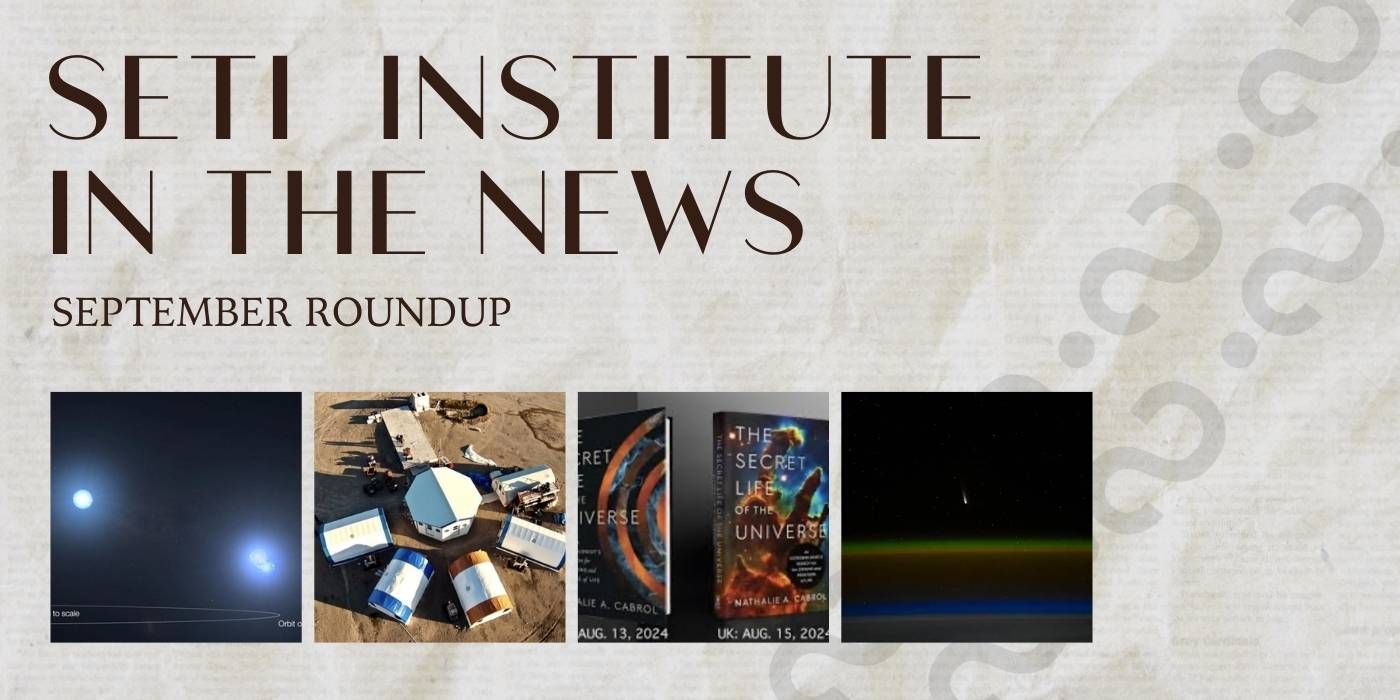
In this month’s roundup, discover how astronomers have uncovered a unique triple star system with the shortest known outer orbital period, and updates on the Comet Tsuchinshan-Atlas comet that has been traveling for over 81,000 years, and more!
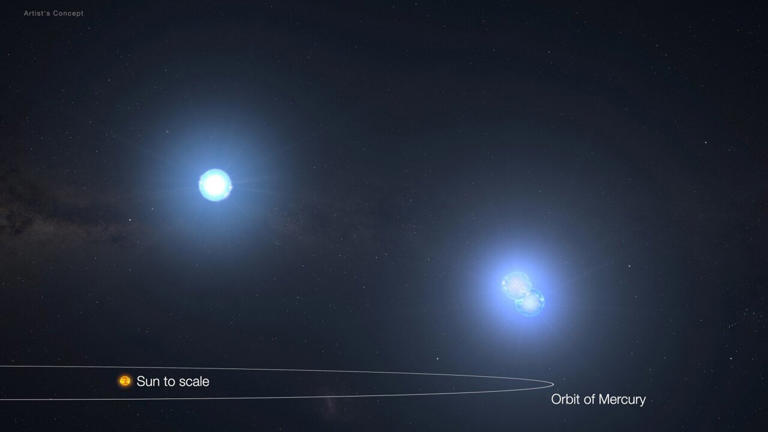
New Triple Star System Sets Shortest Orbital Period Record

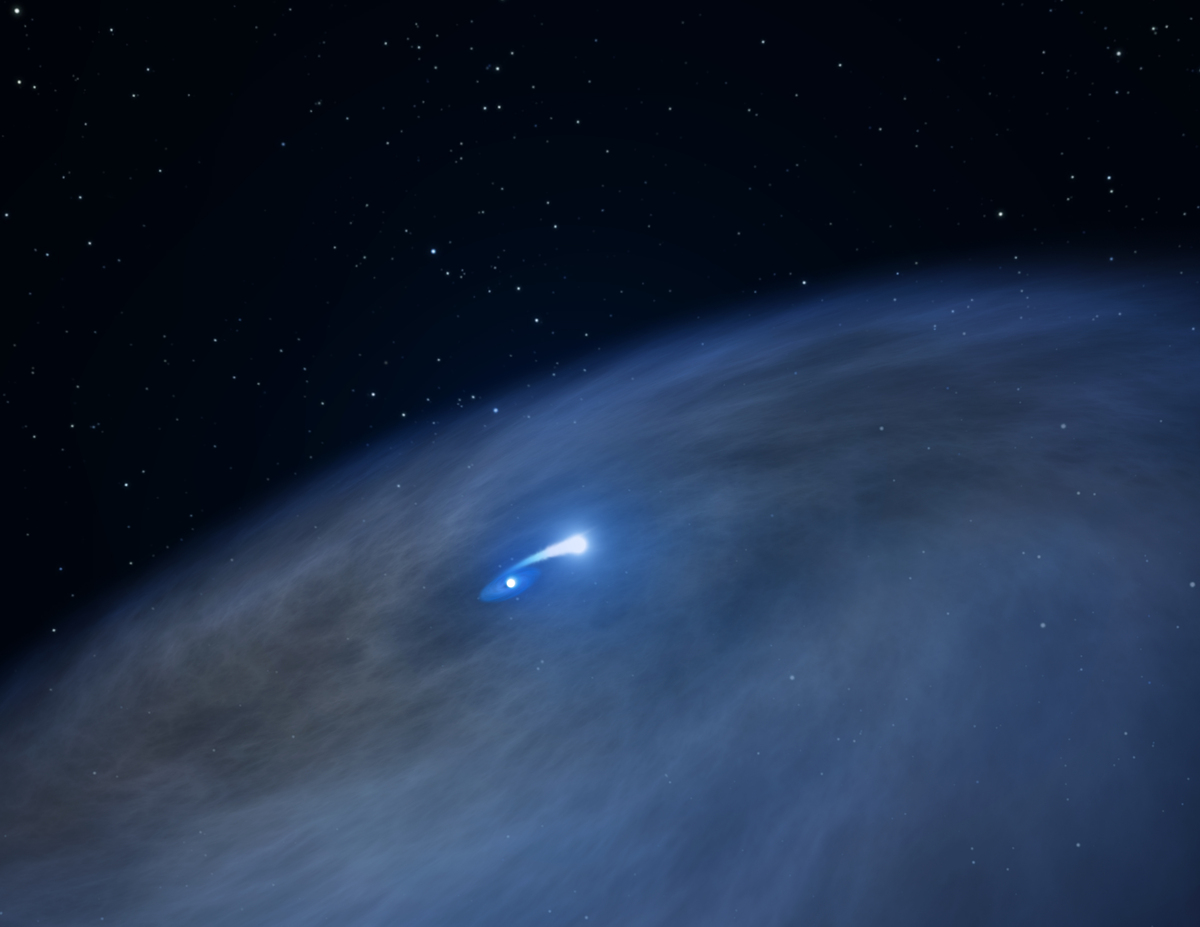
A new triple star system named TIC 290061484, discovered by professional and amateur astronomers, features two stars orbiting each other every 1.8 days, with a third star orbiting the pair in just 25 days. This breaks the previous record for the shortest outer orbital period.

Veselin Kostov, a research scientist at NASA's Goddard Space Flight Center and the SETI Institute, led the study, which was published in The Astrophysical Journal on October 2nd. Kostov stated, "Thanks to the compact, edge-on configuration of the system, we can measure the orbits, masses, sizes, and temperatures of its stars. And we can study how the system formed and predict how it may evolve."

National Space Society Awards Grant to the Haughton-Mars Project to Further STEM Education

The National Space Society has awarded a $15,000 grant to the Haughton-Mars Project (HMP) to support their Mars simulation research and STEM education activities. The HMP is a leading international field research project located on Devon Island in the Canadian Arctic, led by renowned planetary scientist Dr. Pascal Lee. The project is focused on studying the effectiveness of drones for exploring Mars. The grant will also support the HMP's 2024 Apollo Fellowship program and other STEM initiatives.

The Best Books We Read This Week: The Secret Life of the Universe

The SETI Institute’s Director of the Carl Sagan Center for Research, Nathalie A. Cabrol, offers a fascinating overview of astrobiology in her new book, The Secret Life of the Universe. Cabrol explores the scientific advances of recent decades, many of which have dramatically changed our understanding of the cosmos and brought us closer to discovering extraterrestrial life. The Secret Life of the Universe is a compact and accessible guide for anyone interested in astrobiology and the search for extraterrestrial life. Cabrol's writing is engaging and informative, making complex scientific concepts easy to understand.
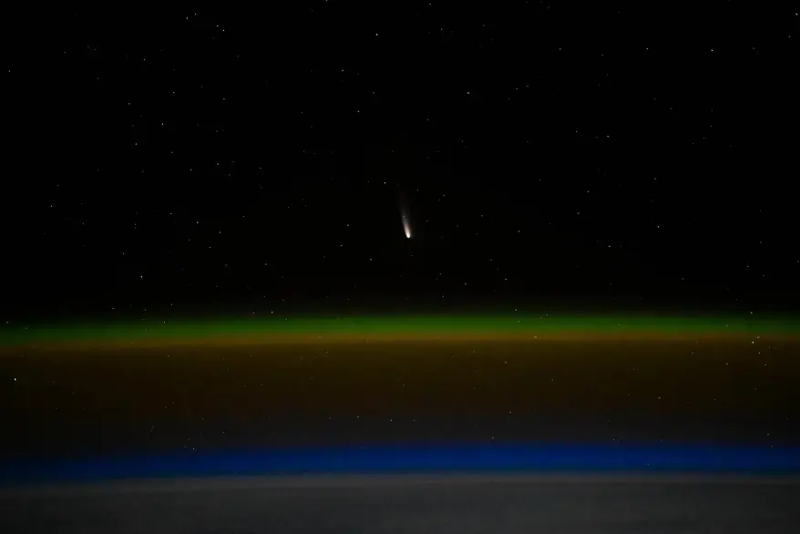
Really cool’ Comet on 81,000-Year Trip Toward Earth Has Finally Arrived — Here’s How to See It

A comet that has been traveling for an astonishing 81,000 years is finally making its closest approach to Earth. Discovered last year, Comet A3, also known as Tsuchinshan-Atlas, is being hailed as a potential "comet of the decade" by the SETI Institute. The celestial spectacle is vastly rarer than the appearance of Halley's comet, which occurs approximately every 72 to 80 years. Despite initial concerns about its dimming brightness, Comet A3 is now regaining its luminosity and is expected to put on a spectacular show in the coming days.


News

Related News

Featured Image
Sep 1, 2026
The SETI Institute and ETH Zurich join forces to search for the origin of life
ETH Zurich and the SETI Institute announced a strategic scientific partnership today. The US-based research organization will provide start-up funding for a new assistant professorship and associated research activities at ETH Zurich. #Press Releases #SETI Institute #Partnerships #ETH Zurich #Bill Diamond
Featured Image
Aug 27, 2026
SETI Institute Achievements: Q2 2026 Activity Report
During the second quarter of 2026, the SETI Institute was especially active and made strong progress in research, education, outreach, and public engagement. Our scientists published over 80 peer-reviewed papers in fields such as SETI, astrobiology, planetary science, exoplanets, and heliophysics. #Activity Reports #Carl Sagan Center #Outreach #Education #AIR #Community #Research #SETI Institute
Featured Image
Aug 21, 2026
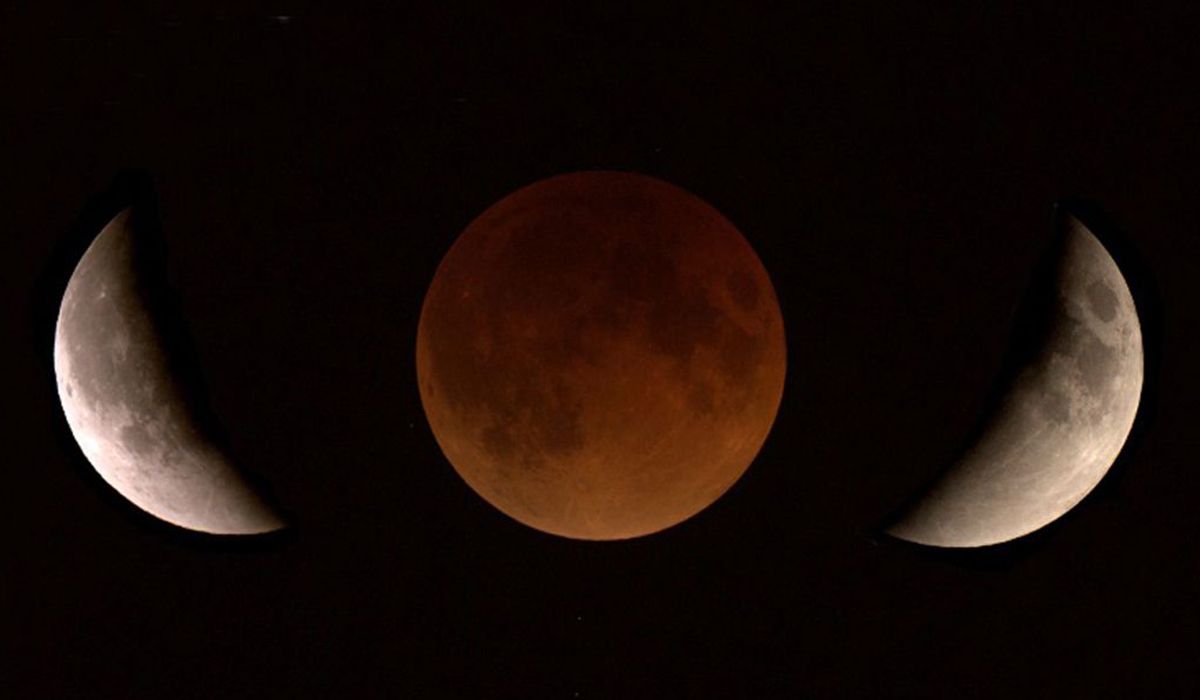
Look Up: A Lunar Eclipse on August 27
#Eclipse #Community #Andrew Fraknoi
Featured Image
Aug 13, 2026
SETI Institute In the News: July Roundup 2026
#SETI Institute in the News #SETI Institute #Community #Peter Jenniskens #Lucian Walkowicz #Chelsea Haramia #Pascal Lee #Bill Diamond #Seth Shostak #Meteorites #SETI #UAPs #NASA Missions and Observatories #Discovery and Futures Lab #Mars
Featured Image
Jul 20, 2026
SETI Institute In the News: June Roundup 2026
Throughout June 2026, SETI Institute scientists, affiliates, and collaborators contributed to discussions spanning interstellar visitors, planetary science, technosignature searches, animal cognition, and the scientific process guiding the search for life beyond Earth. #SETI Institute in the News #SETI Institute #Community #Eduardo Bendek #Optical SETI #SETI #3I/ATLAS #ATA #Comets, Meteors, and Asteroids #Solar System #Franck Marchis #Ariel Graykowski #Jill Tarter #Vishal Gajjar #Radio Astronomy #Bill Diamond #Lori Marino
Featured Image
Jul 10, 2026
SETI Institute Achievements: Q1 2026 Activity Report
#Activity Reports #Carl Sagan Center #Outreach #Education #AIR #Community #Research #SETI Institute
Research

Related Projects

Featured Image
SkyMapper • SETI • Citizen Science • Astronomy
SkyMapper: Expanding Access to Real-time Astronomy Through a Global Astronomical Network
SkyMapper and the SETI Institute are connecting educators, students and the public to live astronomical observations through a distributed astronomical network. #SkyMapper #SETI #Citizen Science #Astronomy
Featured Image
VPL
Virtual Planetary Laboratory
How can we best assess whether an exoplanet supports life? #VPL
Featured Image
Discovery and Futures Lab
What happens if life beyond Earth is discovered? The Discovery and Futures Lab at the SETI Institute fosters novel and anticipatory research at the intersection of science, society, our planet, and the search for life beyond Earth.  #Discovery and Futures Lab
Support Us

Support the
SETI Institute

Scientists are getting closer in their search for life beyond earth. But with limited federal funding for the search for extraterrestrial intelligence, supporters are the reason cutting-edge scientists can keep their eyes on the sky.