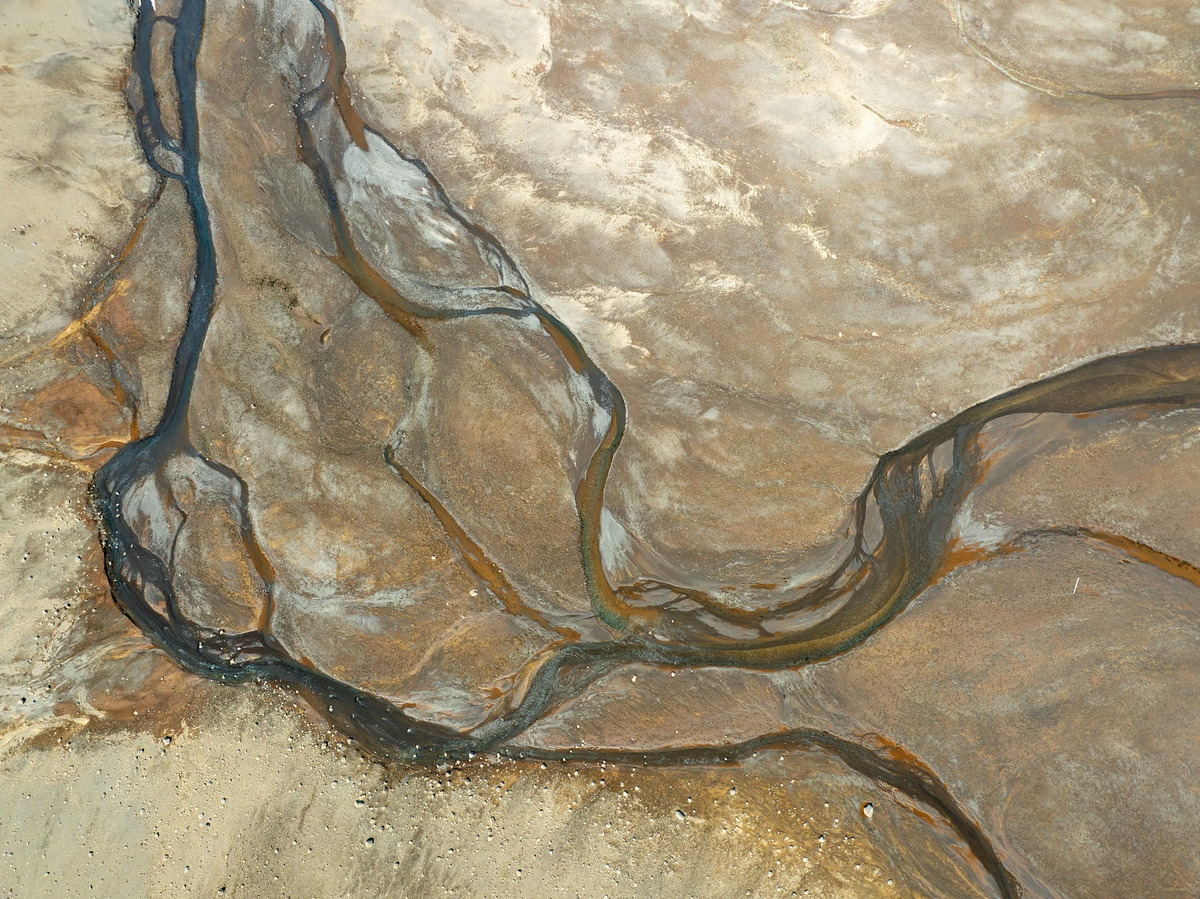
The SETI Institute frequently appears in news stories due to its essential contributions to space science and exploration.
Dive into our May roundup, a collection of highlighted articles from different sources that illustrate the wide range of fields in which our scientists are excelling.
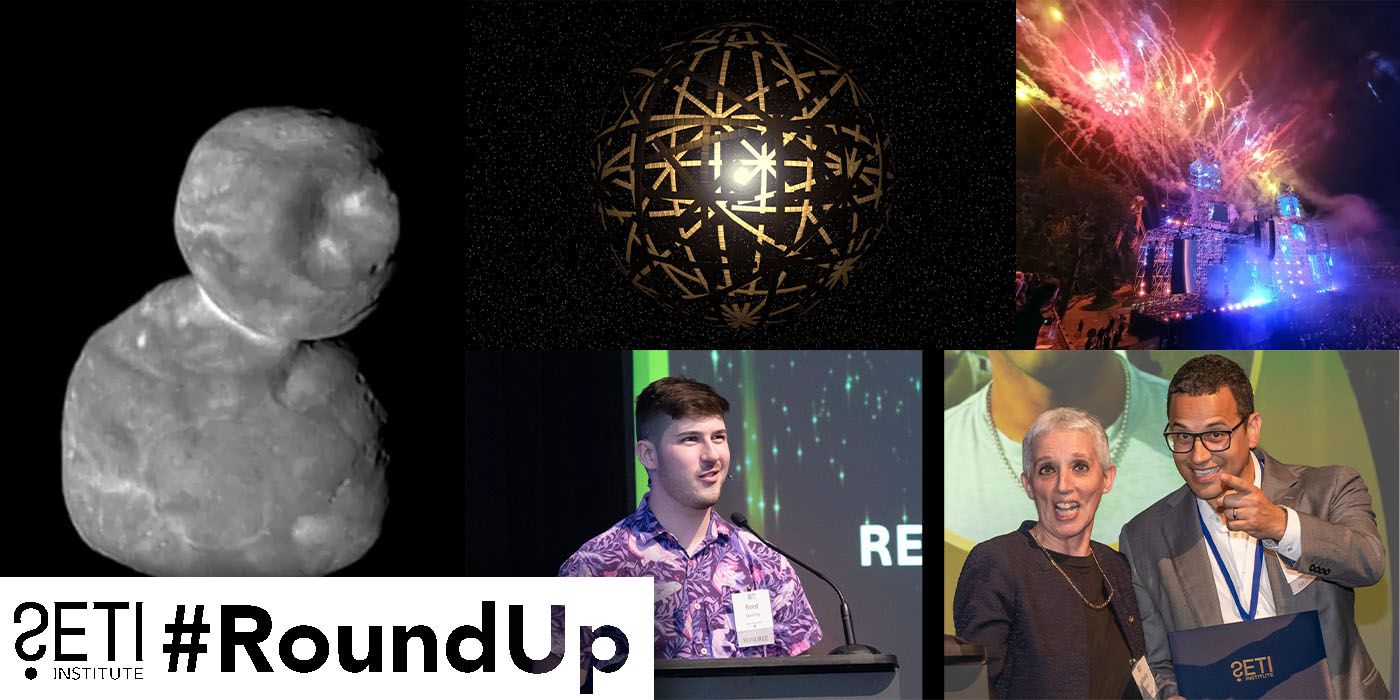
Join us as we explore the possibilities of dusty quasars masquerading as Dyson Sphere candidates, stargaze at a medieval castle at the Starmus Festival in Slovakia, and celebrate Frank Marchis at our annual Drake Awards ceremony!

Hot DOG’s in the Sky?
Scientists searching for Dyson Spheres thought they had found 7 promising candidates. It turns out they might be dust leftovers from planet formation or simply dust from distant galaxies. To confirm, Ann Marie Cody, an astronomer from the SETI Institute has conducted her own Dyson swarm search, using NASA's Transiting Exoplanet Survey Satellite (TESS) telescope to look for unusual dips in starlight that could be caused by a massive object, like a Dyson Swarm, transiting the star. Initial research suggests the candidates may be Hot DOG’s, hot dust-obscured galaxies. So far, the results are inconclusive and Cody’s team continues about a thousand events.

- Read the full article by Physics World here: Are dusty quasars masquerading as Dyson sphere candidates?

Stargazing Under the City Lights: SETI Institute at Starmus
The seventh Starmus Festival, a science festival that celebrates stars and music, took place May 12-17 in Bratislava, Slovakia. The festival featured talks by scientists, artists, and astronauts on a variety of topics, including climate change, artificial intelligence, and space exploration. The second day of the festival ended with a star party put on at Devin Castle, a magnificent medieval castle befitting of the majestic event. Two dozen or so telescopes were on hand, the outing organized in part by Scott Roberts of Explore Scientific and Franck Marchis of the SETI Institute and Unistellar, which gave hundreds of participants great views of the cosmos.
- Read the full article by astronomy.com here: Starmus VII hit all the right notes from beginning to end

Franck Marchis receives 2024 Carl Sagan Center Director’s Award at Drake Awards Ceremony
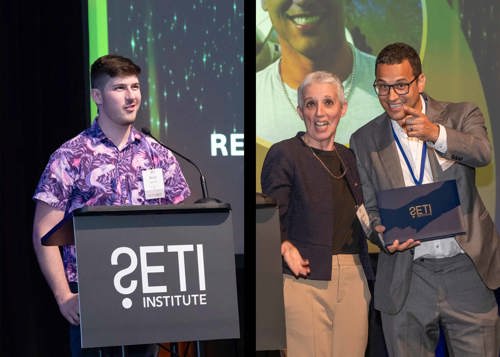
The SETI Institute recently held its annual Drake Awards Event on May 16 at the Computer History Museum in Mountain View, CA.. Dr. Franck Marchis, SETI Institute planetary astronomer,received the prestigious Carl Sagan Center Director's Award for his exceptional contributions to exoplanet research and science education. The evening also recognized Reed Spurling with the Research Experience for Undergraduates (REU) Award of Excellence, for their outstanding research and statistical analysis on Mars’ ancient craters during the SETI Institute's summer internship program.
- Read the full article by sciencemag.com here: Franck Marchis receives 2024 Carl Sagan Center Director’s Award at Drake Awards Ceremony

Astronomers Probe Deep-Space Time Capsules
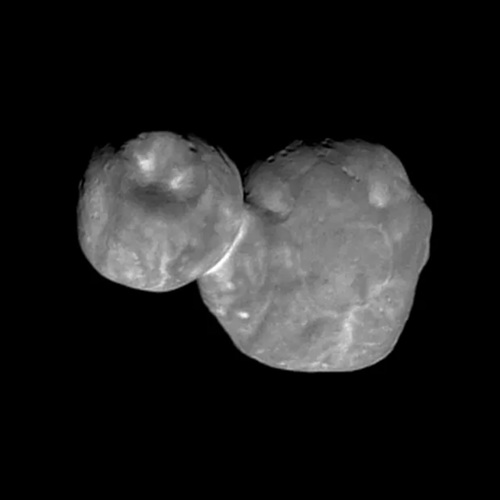
SETI Institute's Orkan Umurhan co-authored a study revealing that icy objects in the solar system's far reaches might hold onto ancient ice for billions of years. This new finding challenges prior assumptions that these ices would be long lost and suggests instead that these deep-space objects act more like deep freezes, preserving volatile ices from the dawn of the solar system. Insights from this research could influence future space missions’ strategies for collecting and analyzing these primitive celestial bodies which could deepen our understanding of the solar system and indeed, life itself.
- Read the full article by astronomy.com here:Objects like Arrokoth could preserve ‘primitive ices’ from the birth of our solar system
News
Related News
The SETI Institute and ETH Zurich join forces to search for the origin of life
ETH Zurich and the SETI Institute announced a strategic scientific partnership today. The US-based research organization will provide start-up funding for a new assistant professorship and associated research activities at ETH Zurich. #Press Releases #SETI Institute #Partnerships #ETH Zurich #Bill Diamond
SETI Institute Achievements: Q2 2026 Activity Report
During the second quarter of 2026, the SETI Institute was especially active and made strong progress in research, education, outreach, and public engagement. Our scientists published over 80 peer-reviewed papers in fields such as SETI, astrobiology, planetary science, exoplanets, and heliophysics. #Activity Reports #Carl Sagan Center #Outreach #Education #AIR #Community #Research #SETI Institute
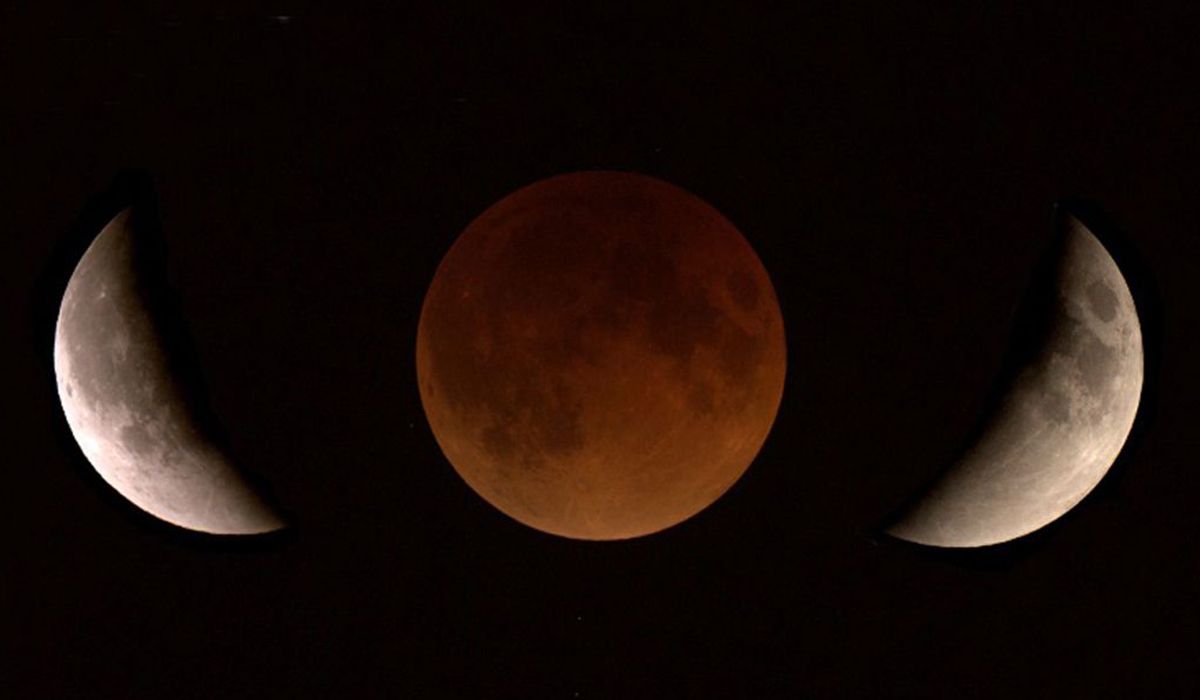
Look Up: A Lunar Eclipse on August 27
#Eclipse #Community #Andrew Fraknoi
SETI Institute In the News: July Roundup 2026
#SETI Institute in the News #SETI Institute #Community #Peter Jenniskens #Lucian Walkowicz #Chelsea Haramia #Pascal Lee #Bill Diamond #Seth Shostak #Meteorites #SETI #UAPs #NASA Missions and Observatories #Discovery and Futures Lab #Mars
SETI Institute In the News: June Roundup 2026
Throughout June 2026, SETI Institute scientists, affiliates, and collaborators contributed to discussions spanning interstellar visitors, planetary science, technosignature searches, animal cognition, and the scientific process guiding the search for life beyond Earth. #SETI Institute in the News #SETI Institute #Community #Eduardo Bendek #Optical SETI #SETI #3I/ATLAS #ATA #Comets, Meteors, and Asteroids #Solar System #Franck Marchis #Ariel Graykowski #Jill Tarter #Vishal Gajjar #Radio Astronomy #Bill Diamond #Lori Marino
SETI Institute Achievements: Q1 2026 Activity Report
#Activity Reports #Carl Sagan Center #Outreach #Education #AIR #Community #Research #SETI InstituteResearch
Related Projects
SkyMapper: Expanding Access to Real-time Astronomy Through a Global Astronomical Network
SkyMapper and the SETI Institute are connecting educators, students and the public to live astronomical observations through a distributed astronomical network. #SkyMapper #SETI #Citizen Science #Astronomy
Virtual Planetary Laboratory
How can we best assess whether an exoplanet supports life? #VPL
Discovery and Futures Lab
What happens if life beyond Earth is discovered? The Discovery and Futures Lab at the SETI Institute fosters novel and anticipatory research at the intersection of science, society, our planet, and the search for life beyond Earth. #Discovery and Futures LabSupport the
SETI Institute
Scientists are getting closer in their search for life beyond earth. But with limited federal funding for the search for extraterrestrial intelligence, supporters are the reason cutting-edge scientists can keep their eyes on the sky.