The SETI Institute frequently appears in news stories due to its essential contributions to space science and exploration.
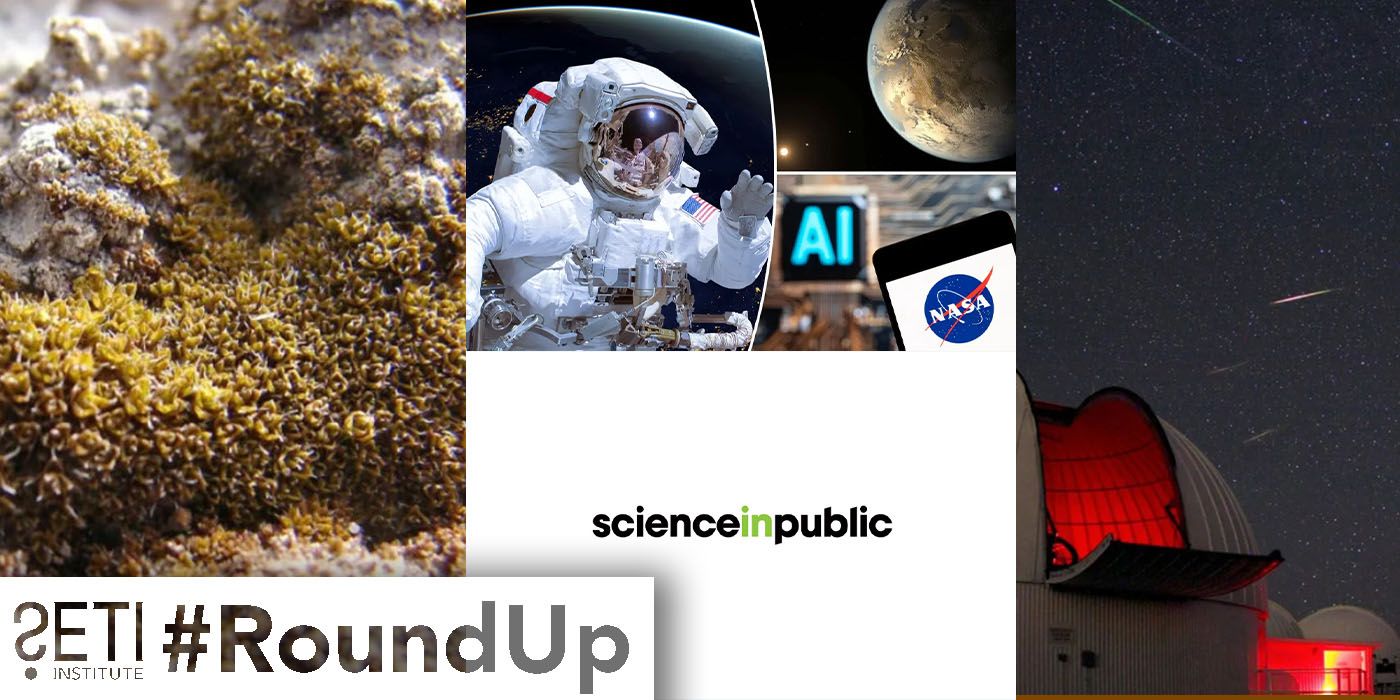
In this month’s roundup, explore groundbreaking methods for finding extraterrestrial life with the help of AI in space, discover how desert moss could aid Mars colonization, and marvel at the Sydney Science Festival's fusion of space and art. Aso, don’t miss the dazzling Perseid meteor shower on August 11th and 12th!
AI to the Stars: A Radical New Approach for Contacting Little Green Men
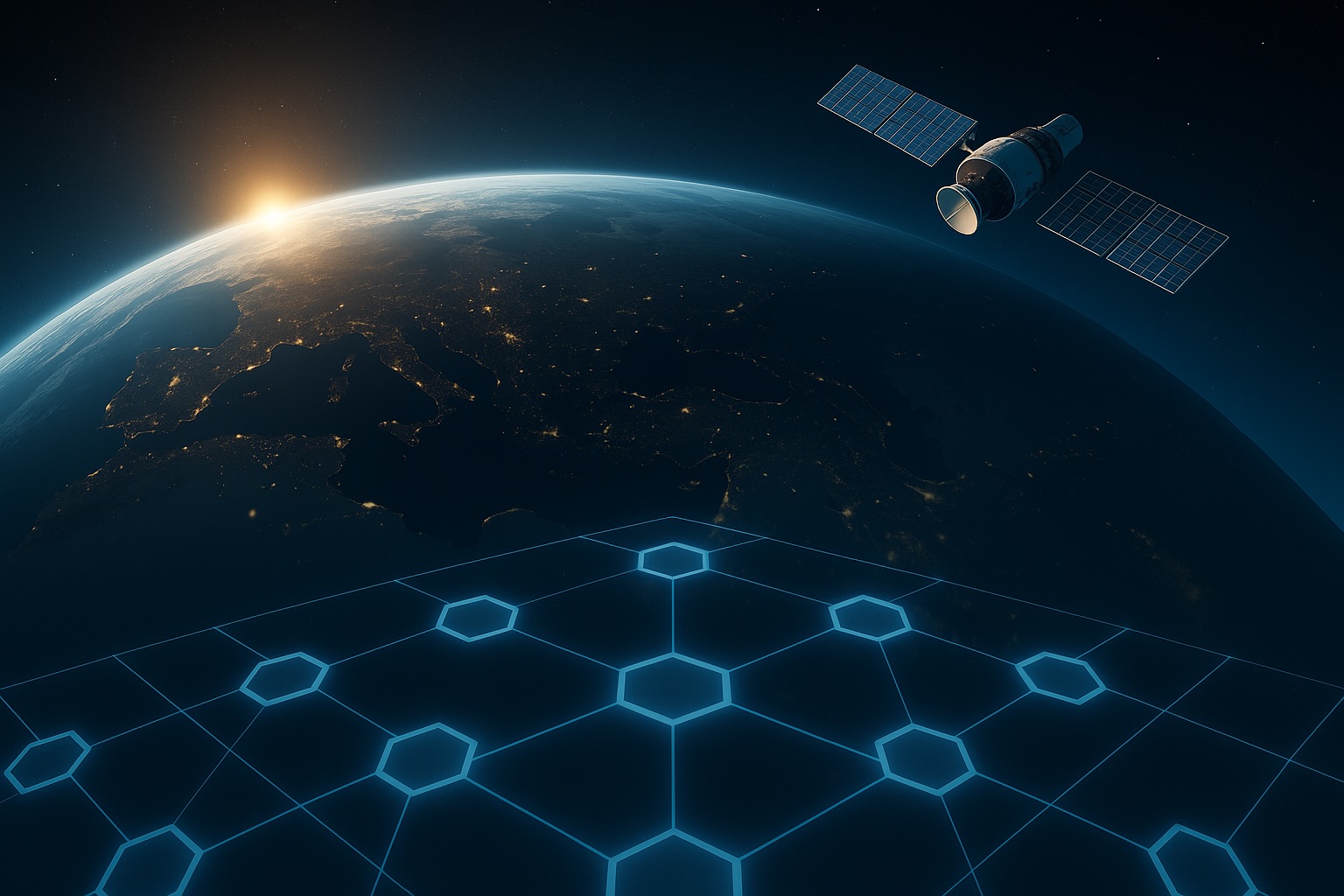
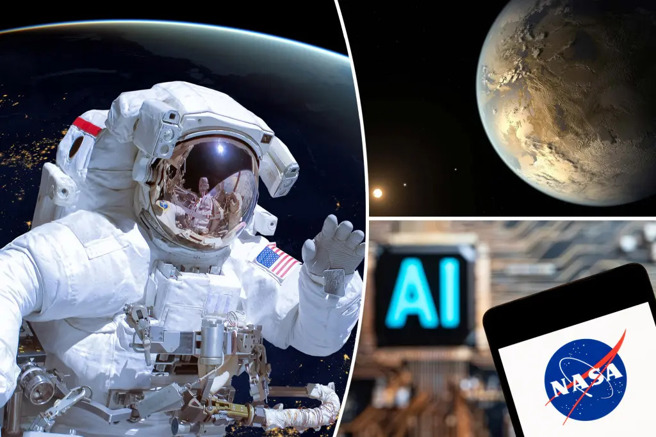
Scientists are proposing a groundbreaking method to find extraterrestrial life: sending AI into space to communicate with potential alien civilizations. Frank Marchis of the SETI Institute and NASA's Ignacio G. López-Francos recommend augmenting past efforts stating that “After 40 years of serious search we have not found such ET intelligence, and our messages remain unanswered.” Perhaps AI can break through?
They propose using a ChatGPT-like model and space lasers to send interactive messages that could communicate more effectively than past attempts like the Voyager probe's “Golden Record” in 1977. Despite risks, they believe this new strategy could revolutionize our search for intelligent life.
Desert Moss: A Potential Pioneer for Mars Colonization?
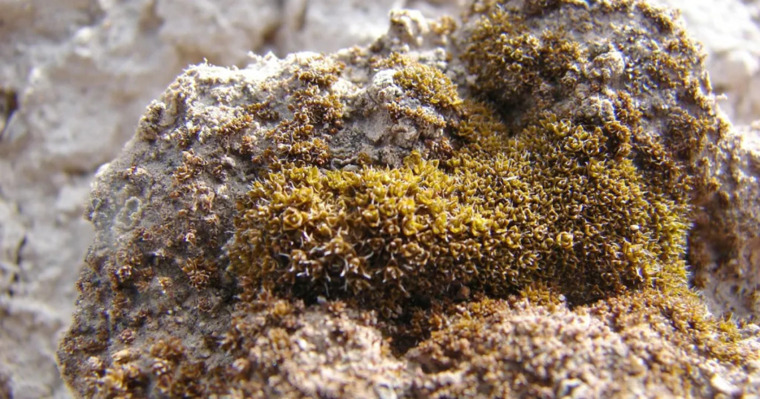
Scientists have identified a promising Mars candidate: Syntrichia Caninervis, a hardy desert moss. Known for thriving in extreme Earth conditions, researchers believe this moss could survive Mars' harsh environment with greenhouse protection, thanks to its resilience to temperatures as low as -112°F and resistance to radiation.
Agata Zupanska of the SETI Institute mentioned — “In my opinion, we are getting close to growing plants in extraterrestrial greenhouses, and moss certainly has a place in those. But claiming the moss is ready to terraform Mars is an exaggeration,” she says. Still, there’s potential.
Though inedible, the moss could be vital for future space missions by converting carbon dioxide into oxygen, advancing the prospects of a human mission to Mars.

Sydney Science Festival Highlights Space and Environmental Arts
The Sydney Science Festival, which takes place in August, is set to explore the intersection of art and science with a range of innovative events. Notably, the festival features a discussion on building sustainable habitats beyond Earth with Susmita Mohanty, an Indian spaceship designer and space diplomat.
The SCI-FI: Mythologies Transformed exhibition at Science Gallery Melbourne features Xin Liu, an artist-in-residence at the SETI Institute. Liu’s work masterfully blends science fiction with ancient philosophies and modern scientific research. Through her innovative art, Liu explores the imaginative potential of extraterrestrial life and its profound implications for our understanding of the universe. Her projects highlight the creative synergy between artistic vision and scientific inquiry, offering fresh perspectives on humanity's search for life beyond Earth.
Don’t Miss the 2024 Perseid Meteor Shower!
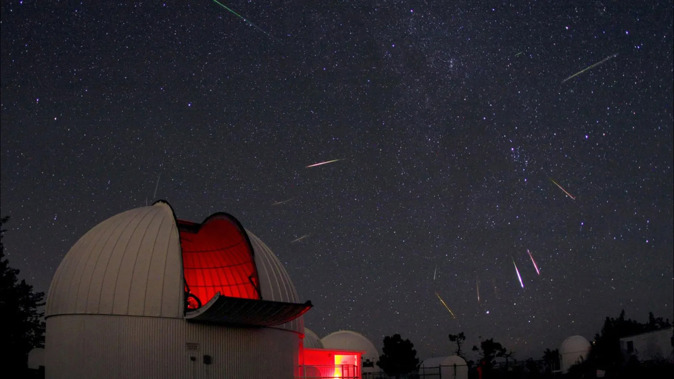
On August 11th and 12th, the Perseid meteor shower will peak, offering a stunning celestial display as Earth passes through Comet Swift-Tuttle’s debris stream. Despite a waxing crescent moon, viewing conditions will be nearly perfect after midnight, making it an excellent opportunity to witness bright meteor streaks.
This annual event is not only a visual delight but also of interest to SETI enthusiasts, highlighting the dynamic interactions between Earth and celestial objects. Peter Jenniskens, SETI Institute planetary astronomer, who runs the NASA sponsored Cameras for All Sky Meteor Surveillance (CAMS) project, will monitor the shower for any noteworthy findings.
Don't miss out—this is a prime chance to observe one of the most impressive meteor showers of the year.
)