)

Author: Simon Steel
Tuesday, Jul 09, 2024

By Simon Steel: Deputy Director, Carl Sagan Center for Research
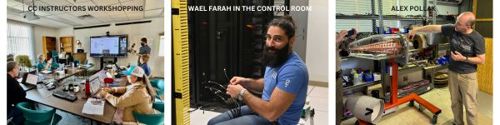
Last month, I took a trip to the ATA, the Allen Telescope Array, at the Hat Creek Radio Observatory near Lassen National Park in Northern California. I'm so excited by the potential of this trip that I wanted to be the first to share it with you. As you may know, the Allen Telescope Array is the only instrument built from the ground up to search for intelligence beyond Earth. Radio astronomy is the most important research tool for the search for extraterrestrial intelligence, yet it can be one of the most arcane and inaccessible to people starting to learn about the universe. This is about to change as a group of community college astronomy teachers descended on Hat Creek Radio Observatory at the end of May, eager to learn the techniques of radio astronomy and pass on that skill and excitement to their students. Thanks to a grant from Amateur Radio Digital Communications (ARDC), a California-based foundation that promotes innovation and education in digital communication, the group spent two days of intensive training in radio astronomy, software-defined radio, and data signal processing. The workshop was led by Dr. Vishal Gajjar, a SETI Institute radio astronomer passionate about science education, and recipient of the grant.
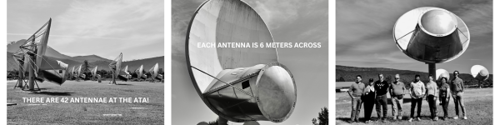
The workshop participants are part of the SETI Institute’s NASA Community College Network (NCCN), a NASA-funded program to support astronomy teachers in community colleges around the country. All are experienced astronomy instructors, but through limited time and resources, haven’t incorporated radio astronomy into their curriculum. The grant received by Vishal now provides a curriculum and a custom software interface to build a radio telescope receiver on the teacher's computer and access to radio astronomy data from the ATA. Community college instructors that are part of this program will also have access to the ATA itself, allowing students to obtain their own data from a real radio observatory!
Here are two short videos I shot. Enjoy!
1-minute tour of how the antenna works
Creating exciting, authentic scientific experiences for students who have not had the opportunity before because they and their college lack the resources four-year universities take for granted could be game-changing. Thanks to the ARDC foundation, NASA Community College Network, and the dedication of a few scientists and teachers, this is just the start of many projects and opportunities to support students in future science careers. Imagine, in the not-too-distant future, an underfunded urban community college celebrating as one of its alumni steps up to receive a Nobel prize for the first discovery of an alien civilization. It’s good to dream big!







News
Related News
Jul 21, 2026
Celebrating 25 Years of Exoplanet Astrobiology: Welcoming the Virtual Planetary Laboratory to its New Home at the SETI Institute
#VPL #Astrobiology #SETI Institute #Victoria Meadows #Andrew Lincowski #Eric Wolf #Nicholas Wogan #Kimberly Bott #Hannah Dawson
Jul 20, 2026
SETI Institute In the News: June Roundup 2026
Throughout June 2026, SETI Institute scientists, affiliates, and collaborators contributed to discussions spanning interstellar visitors, planetary science, technosignature searches, animal cognition, and the scientific process guiding the search for life beyond Earth. #SETI Institute in the News #SETI Institute #Community #Eduardo Bendek #Optical SETI #SETI #3I/ATLAS #ATA #Comets, Meteors, and Asteroids #Solar System #Franck Marchis #Ariel Graykowski #Jill Tarter #Vishal Gajjar #Radio Astronomy #Bill Diamond #Lori Marino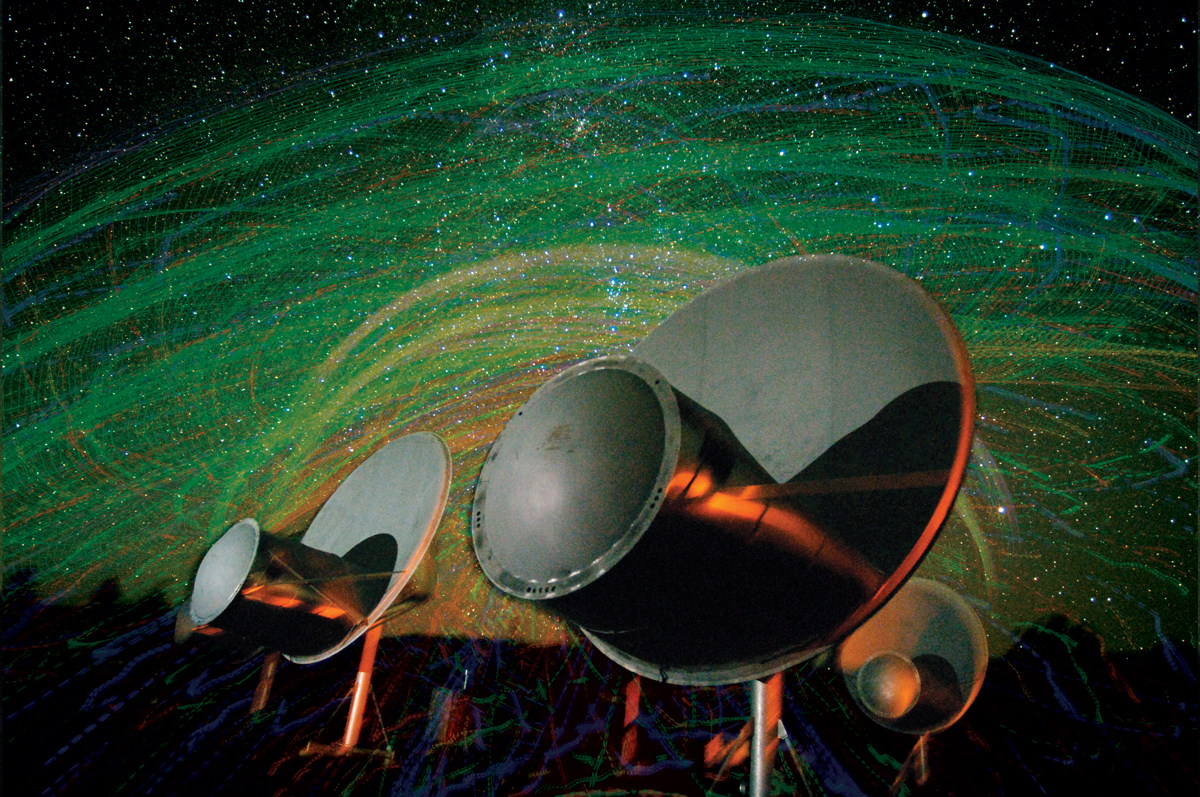
Jun 3, 2026
SETI Institute Looks for Signs of Technology in Interstellar Visitor 3I/ATLAS
Observations with the Allen Telescope Array set new limits on possible signals from extraterrestrial transmitters. #Press Releases #ATA #3I/ATLAS #Hat Creek Radio Observatory #Radio Astronomy #SETI
Apr 30, 2026
Narrowing the Search: The 45 Best Targets for Alien Life
#Blog #Astronomy #JWST #NASA Missions and Observatories #Trappist-1 #LaserSETI #ATA #Franck Marchis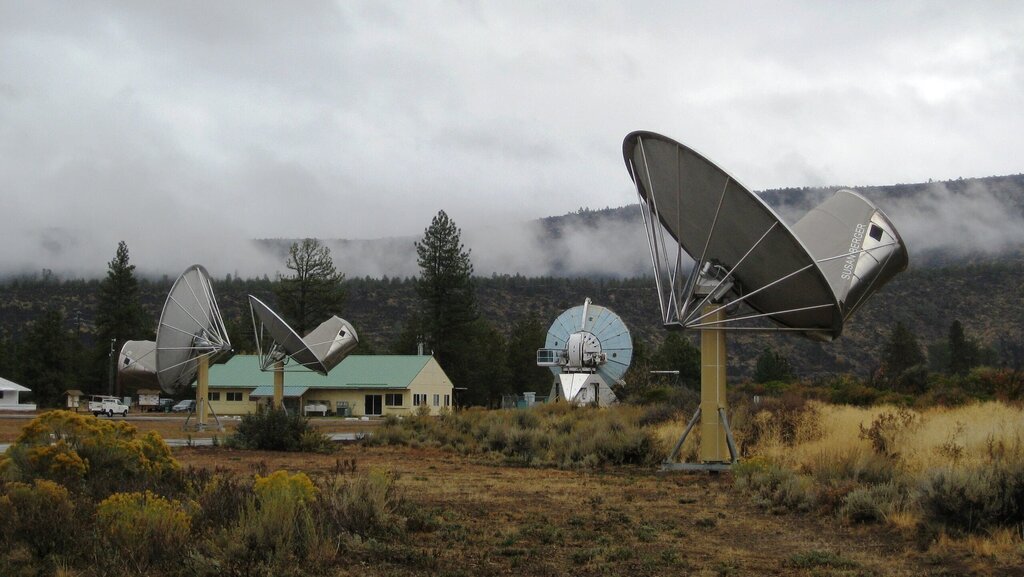
Feb 3, 2026
SETI Institute In the News: January Roundup 2026
January brought a wide range of thoughtful science conversations featuring researchers from the SETI Institute, spanning everything from hands-on planetary defense with citizen scientists to careful examinations of interstellar visitors and the signals that reach us across the galaxy. #SETI Institute in the News #SETI Institute #Community #Franck Marchis #Sofia Sheikh #Matija Ćuk #ATA #3I/ATLAS #Unistellar #Astronomy #SETI #Mars
Jan 15, 2026
SETI Institute Opens Call for Nominations for the 2026 Tarter Award
#Press Releases #Jill Tarter #ATA #Awards #Tarter Award
Jul 21, 2026
#VPL
#Astrobiology
#SETI Institute
#Victoria Meadows
#Andrew Lincowski
#Eric Wolf
#Nicholas Wogan
#Kimberly Bott
#Hannah Dawson
Jul 20, 2026
SETI Institute In the News: June Roundup 2026
Throughout June 2026, SETI Institute scientists, affiliates, and collaborators contributed to discussions spanning interstellar visitors, planetary science, technosignature searches, animal cognition, and the scientific process guiding the search for life beyond Earth.
#SETI Institute in the News
#SETI Institute
#Community
#Eduardo Bendek
#Optical SETI
#SETI
#3I/ATLAS
#ATA
#Comets, Meteors, and Asteroids
#Solar System
#Franck Marchis
#Ariel Graykowski
#Jill Tarter
#Vishal Gajjar
#Radio Astronomy
#Bill Diamond
#Lori Marino
Jun 3, 2026
SETI Institute Looks for Signs of Technology in Interstellar Visitor 3I/ATLAS
Observations with the Allen Telescope Array set new limits on possible signals from extraterrestrial transmitters.
#Press Releases
#ATA
#3I/ATLAS
#Hat Creek Radio Observatory
#Radio Astronomy
#SETI
Apr 30, 2026
#Blog
#Astronomy
#JWST
#NASA Missions and Observatories
#Trappist-1
#LaserSETI
#ATA
#Franck Marchis
Narrowing the Search: The 45 Best Targets for Alien Life
Feb 3, 2026
SETI Institute In the News: January Roundup 2026
January brought a wide range of thoughtful science conversations featuring researchers from the SETI Institute, spanning everything from hands-on planetary defense with citizen scientists to careful examinations of interstellar visitors and the signals that reach us across the galaxy.
#SETI Institute in the News
#SETI Institute
#Community
#Franck Marchis
#Sofia Sheikh
#Matija Ćuk
#ATA
#3I/ATLAS
#Unistellar
#Astronomy
#SETI
#Mars
Jan 15, 2026
#Press Releases
#Jill Tarter
#ATA
#Awards
#Tarter Award
SETI Institute Opens Call for Nominations for the 2026 Tarter Award
Research
Related Projects

SkyMapper • SETI • Citizen Science • Astronomy
SkyMapper: Expanding Access to Real-time Astronomy Through a Global Astronomical Network
SkyMapper and the SETI Institute are connecting educators, students and the public to live astronomical observations through a distributed astronomical network. #SkyMapper #SETI #Citizen Science #Astronomy
VPL
Virtual Planetary Laboratory
How can we best assess whether an exoplanet supports life? #VPL
Discovery and Futures Lab
Discovery and Futures Lab
What happens if life beyond Earth is discovered? The Discovery and Futures Lab at the SETI Institute fosters novel and anticipatory research at the intersection of science, society, our planet, and the search for life beyond Earth. #Discovery and Futures Lab
May 17, 2026
SkyMapper: Expanding Access to Real-time Astronomy Through a Global Astronomical Network
SkyMapper and the SETI Institute are connecting educators, students and the public to live astronomical observations through a distributed astronomical network.
#SkyMapper
#SETI
#Citizen Science
#Astronomy
May 5, 2026
Virtual Planetary Laboratory
How can we best assess whether an exoplanet supports life?
#VPL
Apr 16, 2026
Discovery and Futures Lab
What happens if life beyond Earth is discovered? The Discovery and Futures Lab at the SETI Institute fosters novel and anticipatory research at the intersection of science, society, our planet, and the search for life beyond Earth.
#Discovery and Futures Lab
Support Us
Support the
SETI Institute
Scientists are getting closer in their search for life beyond earth. But with limited federal funding for the search for extraterrestrial intelligence, supporters are the reason cutting-edge scientists can keep their eyes on the sky.