)

Thursday, Oct 03, 2024
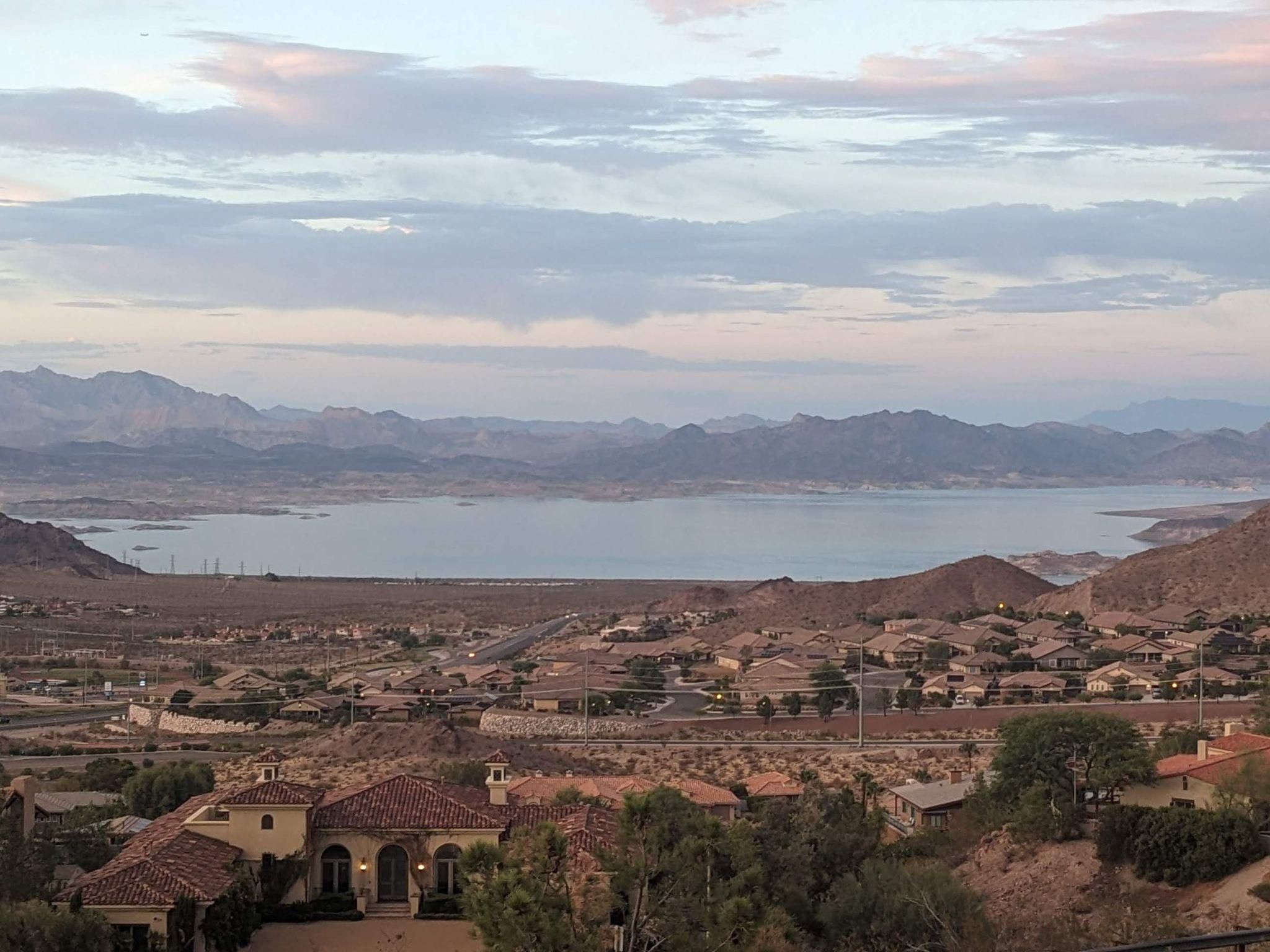
Dr. Ian Weaver, the Unistellar Education lead at the SETI Institute, shared his experiences from two star parties hosted with the National Park Service (NPS). These events are part of a partnership between the SETI Institute and NPS to provide local youth and the public with opportunities to explore the night sky while learning about the importance of preserving natural darkness for wildlife, habitats, and park visitors. The star parties also offer a chance to participate in citizen science activities in astronomy. Protecting dark skies enhances the solitude and wilderness that animals depend on, visitors seek and many cultural-historical parks require for preservation. NPS recognizes that the night sky is more than just a scenic backdrop; it is a vital part of the ecosystem, supporting both natural and cultural resources. Outfitted with Unistellar telescopes, Dr. Weaver helps us humans to experience the treasures of deep space and connect deeper with these night skies that the national parks offer.
Lake Mead Star Party
The first event was held over Labor Day weekend at Lake Mead National Recreation Area with more than 60 participants, including members from the Las Vegas Astronomical Society (LVAS). Despite being just 30 minutes outside of Las Vegas, the location’s lower elevation and surrounding mountain ranges help block out much of the city’s light pollution. Boulder City, nearby, has also taken steps to reduce light pollution, making this a great spot for stargazing.
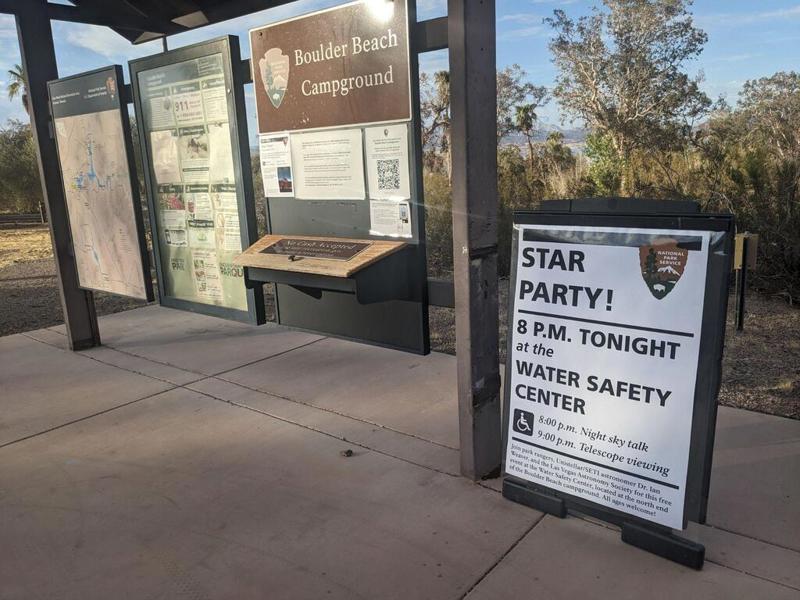
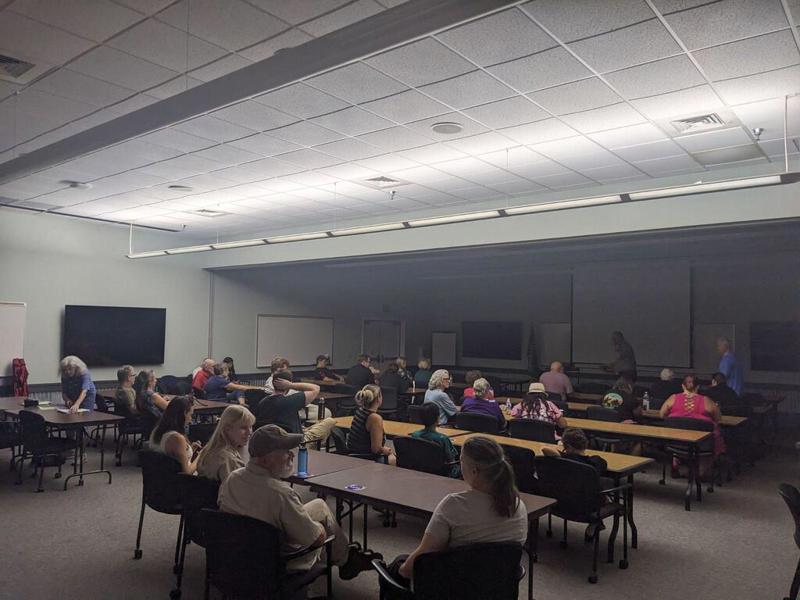
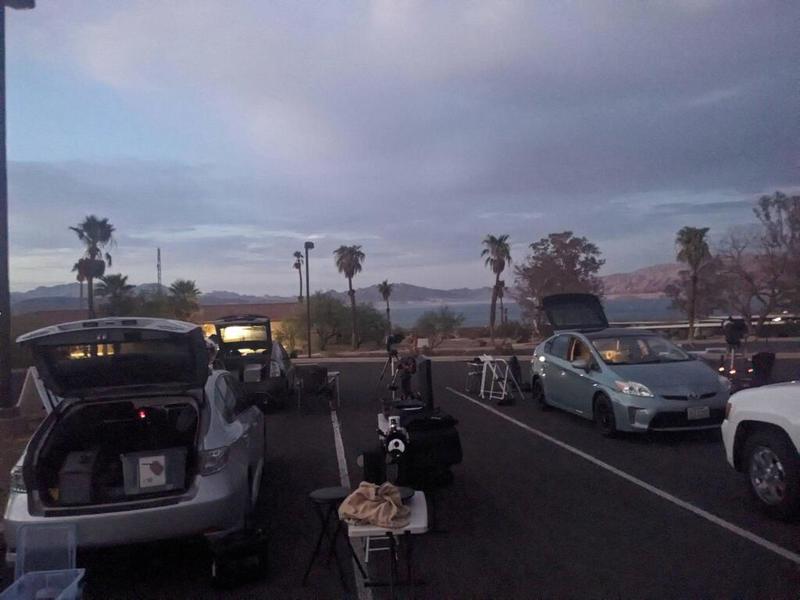
Before the night’s observations began, Ian gave a short presentation about Unistellar, its citizen science campaigns, and what participants could expect to see. Afterward, guests headed outside to look through the telescopes. Although clouds rolled in during the afternoon, they cleared up just in time for some deep-sky observations.
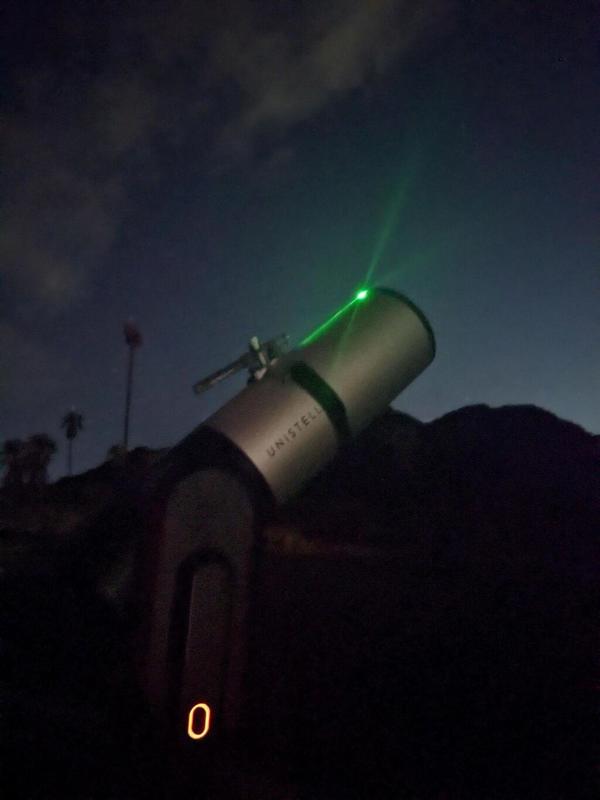
Cedar Breaks Star Party
The next day, Ian traveled to Cedar Breaks National Monument southern Utah. The drive to Cedar Breaks is stunning, with winding roads through pink sand dunes and breathtaking overlooks. At over 10,000 feet in elevation, Cedar Breaks is an ideal spot for night sky observations, and the event was part of the park’s Dark Sky Tours series.
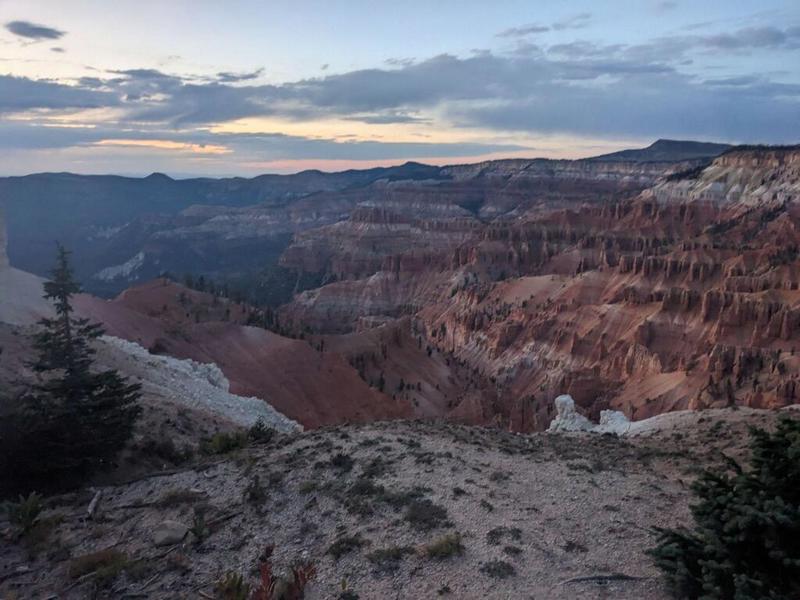
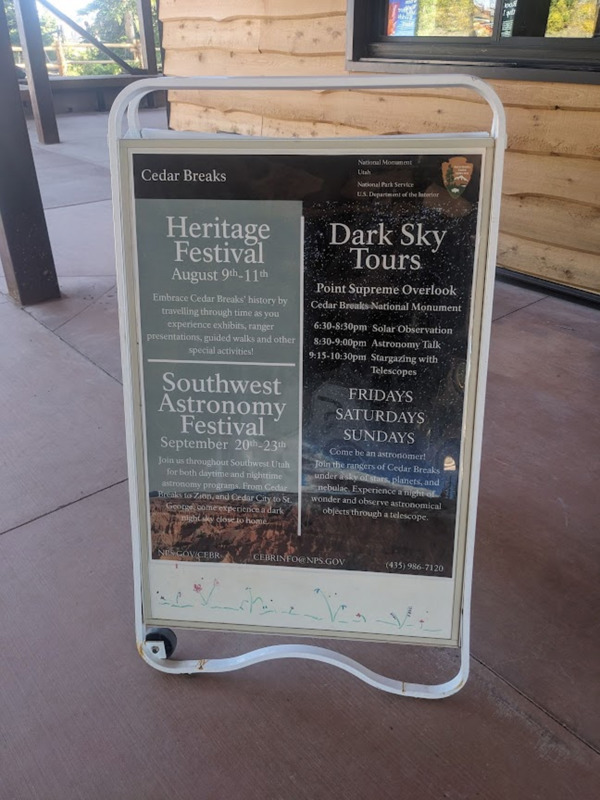
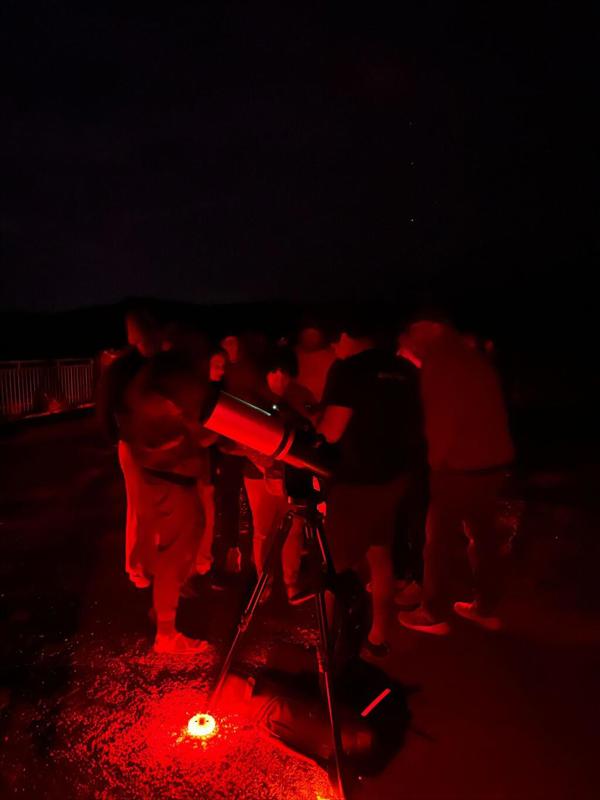
The night began with an introduction by NPS Dark Sky Coordinator, Matthias Schmitt, followed by a talk and Q&A session with Ian. Once it was dark, guests took turns looking through the telescopes to observe deep-sky objects. To Ian’s surprise, the park already had two eVscopes of its own, allowing even more people to enjoy the view. The evening was a success, and guests left with a greater appreciation of the natural world.
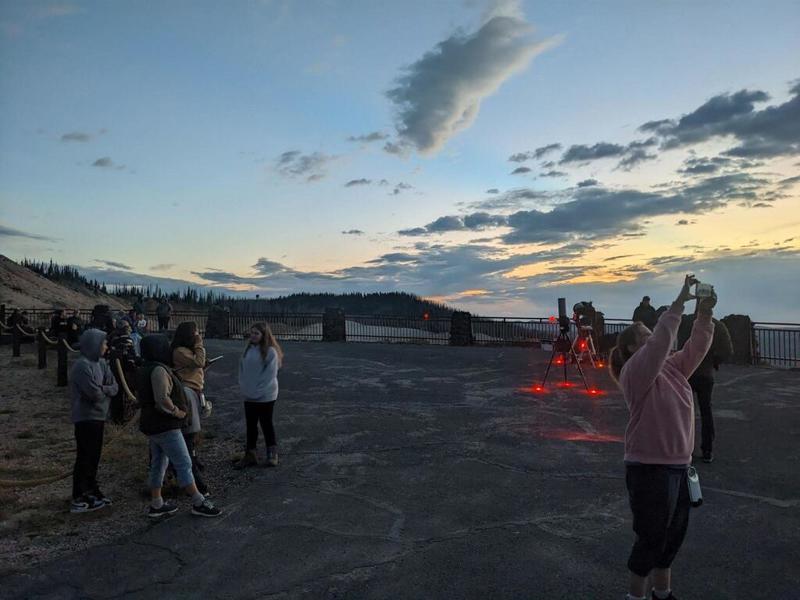
Point Supreme observing site, near the Cedar Breaks Visitor Center.
Night sky objects
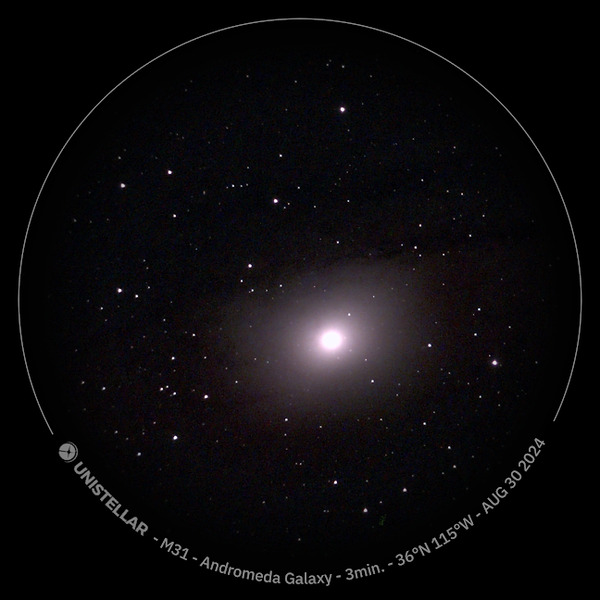
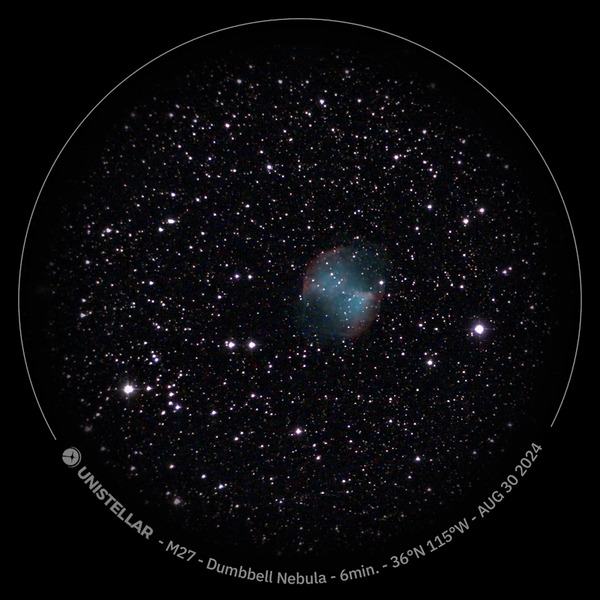
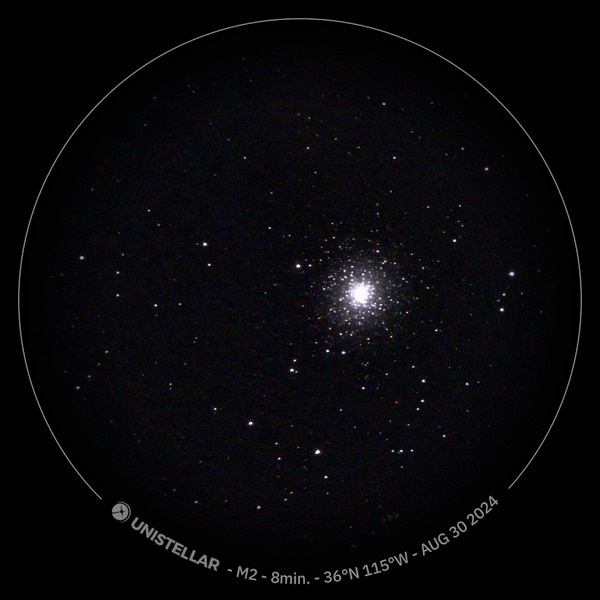
Below are samples of the various targets observed at these star parties.
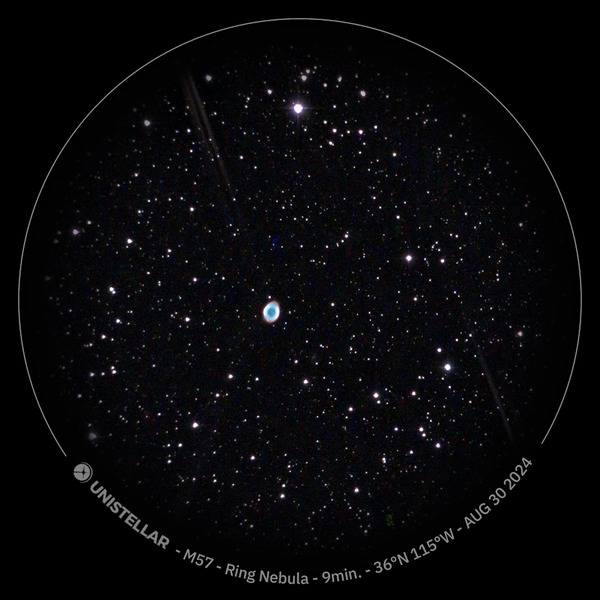
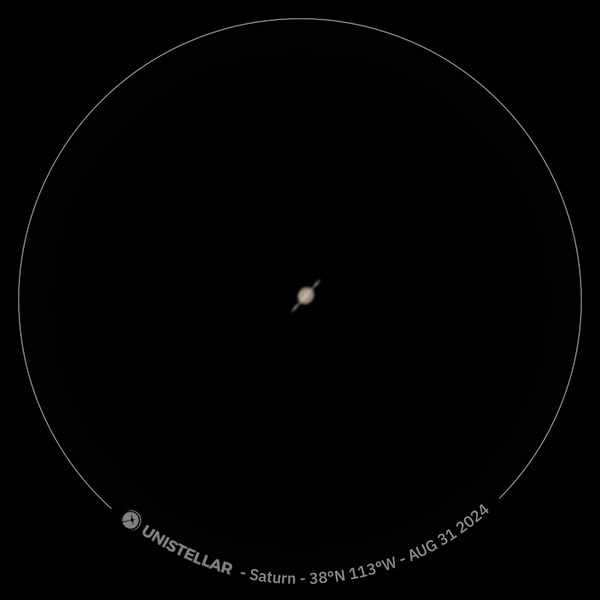
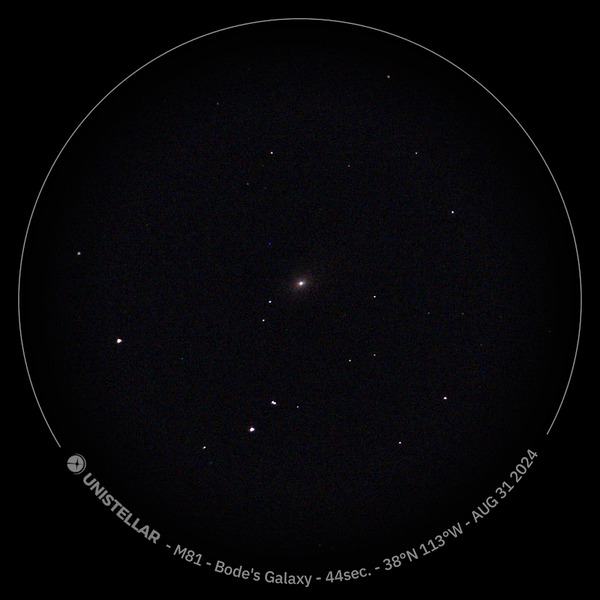
The Importance of Night Sky Events
National parks provide a unique opportunity for the public to experience the true night sky, often for the first time. These star parties can inspire future scientists and engineers, and we hope that guests leave with a new appreciation for the environment and a desire to share it with others.
The SETI Institute partners with Unistellar, a company that is reinventing popular astronomy with its eVscope, a digital scope that fits in a backpack.
The SETI Institute and Unistellar are partners in a unique citizen science collaboration. The eVscope is capable of deep-sky observations that can also collect research-quality data for citizen science astronomy. With a global network of more than 25,000 users, SETI Institute researchers can mobilize teams to conduct observations to lead to significant scientific discoveries and contributions.







News
Related News
Jul 21, 2026
Celebrating 25 Years of Exoplanet Astrobiology: Welcoming the Virtual Planetary Laboratory to its New Home at the SETI Institute
#VPL #Astrobiology #SETI Institute #Victoria Meadows #Andrew Lincowski #Eric Wolf #Nicholas Wogan #Kimberly Bott #Hannah Dawson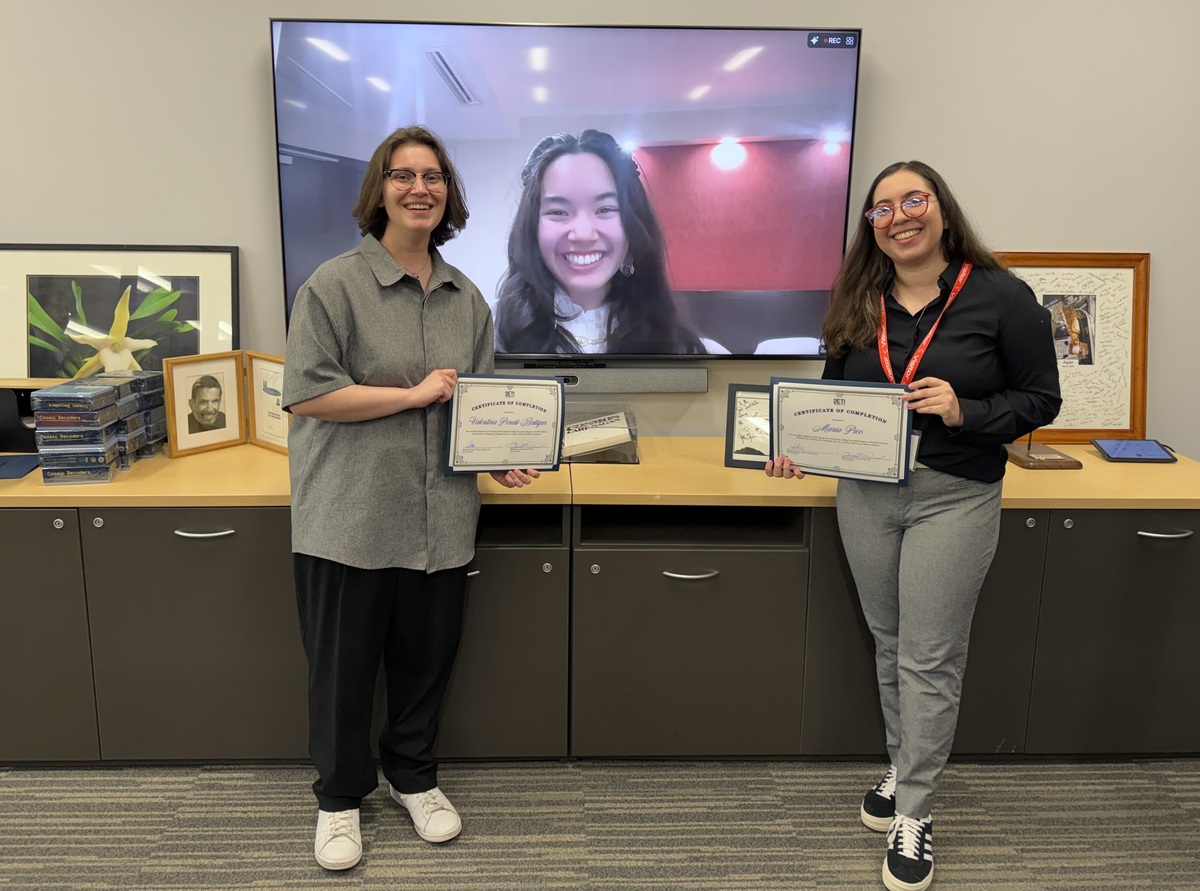
Jun 17, 2026
Community College Internship Program Celebrates Fourth Year of Student Research Achievement
#Community College Internship #Education #Lauren Sgro #Unistellar #Uma Gorti #Douglas Caldwell #Pamela Harman #Simon Steel
Jun 1, 2026
SETI Institute Awards $1 Million in STRIDE Grants to Advance Astrobiology, Exoplanet Science, and Public Engagement
#Press Releases #STRIDE #Research #Carl Sagan Center #Spectroscopy #Solar System #SETI #Climate and Bioscience #Astronomy #Astrobiology #Exoplanets #Data Science #Education #Outreach #Hat Creek Radio Observatory #Unistellar #SkyMapper
Mar 25, 2026
From Earth to the Moon with Artemis II – And Citizen Scientists
#Artemis II #citizen science #Unistellar
Mar 20, 2026
SETI Live: Unistellar + Citizen Science (Part 8)
#Blog #Unistellar #Citizen Science #Lauren Sgro #Franck Marchis #Astronomy #NASA Missions and Observatories #SETI Institute #Comets, Meteors, and Asteroids #Artemis II #3I/ATLAS
Feb 3, 2026
SETI Institute In the News: January Roundup 2026
January brought a wide range of thoughtful science conversations featuring researchers from the SETI Institute, spanning everything from hands-on planetary defense with citizen scientists to careful examinations of interstellar visitors and the signals that reach us across the galaxy. #SETI Institute in the News #SETI Institute #Community #Franck Marchis #Sofia Sheikh #Matija Ćuk #ATA #3I/ATLAS #Unistellar #Astronomy #SETI #Mars
Jul 21, 2026
#VPL
#Astrobiology
#SETI Institute
#Victoria Meadows
#Andrew Lincowski
#Eric Wolf
#Nicholas Wogan
#Kimberly Bott
#Hannah Dawson
Jun 17, 2026
#Community College Internship
#Education
#Lauren Sgro
#Unistellar
#Uma Gorti
#Douglas Caldwell
#Pamela Harman
#Simon Steel
Community College Internship Program Celebrates Fourth Year of Student Research Achievement
Jun 1, 2026
#Press Releases
#STRIDE
#Research
#Carl Sagan Center
#Spectroscopy
#Solar System
#SETI
#Climate and Bioscience
#Astronomy
#Astrobiology
#Exoplanets
#Data Science
#Education
#Outreach
#Hat Creek Radio Observatory
#Unistellar
#SkyMapper
SETI Institute Awards $1 Million in STRIDE Grants to Advance Astrobiology, Exoplanet Science, and Public Engagement
Mar 25, 2026
#Artemis II
#citizen science
#Unistellar
From Earth to the Moon with Artemis II – And Citizen Scientists
Mar 20, 2026
#Blog
#Unistellar
#Citizen Science
#Lauren Sgro
#Franck Marchis
#Astronomy
#NASA Missions and Observatories
#SETI Institute
#Comets, Meteors, and Asteroids
#Artemis II
#3I/ATLAS
SETI Live: Unistellar + Citizen Science (Part 8)
Feb 3, 2026
SETI Institute In the News: January Roundup 2026
January brought a wide range of thoughtful science conversations featuring researchers from the SETI Institute, spanning everything from hands-on planetary defense with citizen scientists to careful examinations of interstellar visitors and the signals that reach us across the galaxy.
#SETI Institute in the News
#SETI Institute
#Community
#Franck Marchis
#Sofia Sheikh
#Matija Ćuk
#ATA
#3I/ATLAS
#Unistellar
#Astronomy
#SETI
#Mars
Research
Related Projects

SkyMapper • SETI • Citizen Science • Astronomy
SkyMapper: Expanding Access to Real-time Astronomy Through a Global Astronomical Network
SkyMapper and the SETI Institute are connecting educators, students and the public to live astronomical observations through a distributed astronomical network. #SkyMapper #SETI #Citizen Science #Astronomy
VPL
Virtual Planetary Laboratory
How can we best assess whether an exoplanet supports life? #VPL
Discovery and Futures Lab
Discovery and Futures Lab
What happens if life beyond Earth is discovered? The Discovery and Futures Lab at the SETI Institute fosters novel and anticipatory research at the intersection of science, society, our planet, and the search for life beyond Earth. #Discovery and Futures Lab
May 17, 2026
SkyMapper: Expanding Access to Real-time Astronomy Through a Global Astronomical Network
SkyMapper and the SETI Institute are connecting educators, students and the public to live astronomical observations through a distributed astronomical network.
#SkyMapper
#SETI
#Citizen Science
#Astronomy
May 5, 2026
Virtual Planetary Laboratory
How can we best assess whether an exoplanet supports life?
#VPL
Apr 16, 2026
Discovery and Futures Lab
What happens if life beyond Earth is discovered? The Discovery and Futures Lab at the SETI Institute fosters novel and anticipatory research at the intersection of science, society, our planet, and the search for life beyond Earth.
#Discovery and Futures Lab
Support Us
Support the
SETI Institute
Scientists are getting closer in their search for life beyond earth. But with limited federal funding for the search for extraterrestrial intelligence, supporters are the reason cutting-edge scientists can keep their eyes on the sky.